

Calomyrmex similis
- Scientific Name
- Calomyrmex similis
- Tribe
- Camponotini
- Subfamily
- Formicinae
- Author
- Mayr, 1876
- Distribution
- Found in 1 countries
Calomyrmex similis Overview
Calomyrmex similis is an ant species of the genus Calomyrmex. It is primarily documented in 1 countries , including Australia. Detailed taxonomic data and occurrence records can be further explored via authoritative databases such as AntWeb or the Global Biodiversity Information Facility (GBIF).
Calomyrmex similis
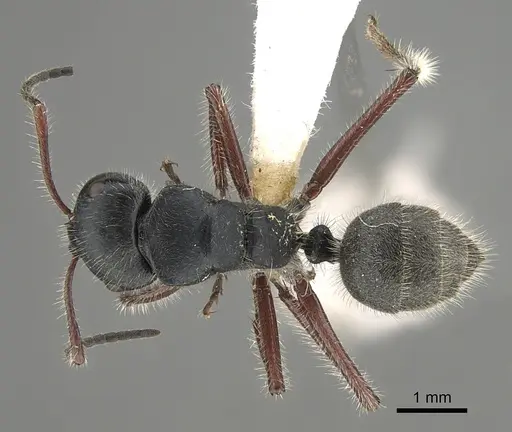
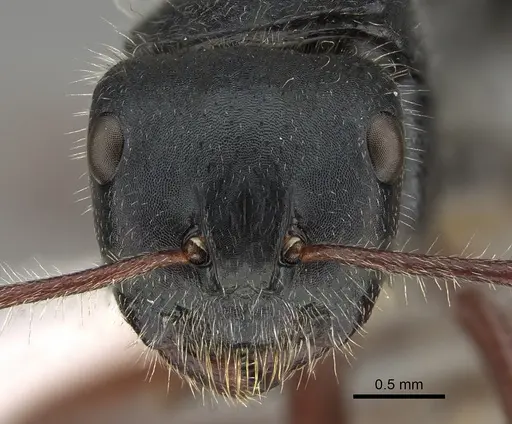
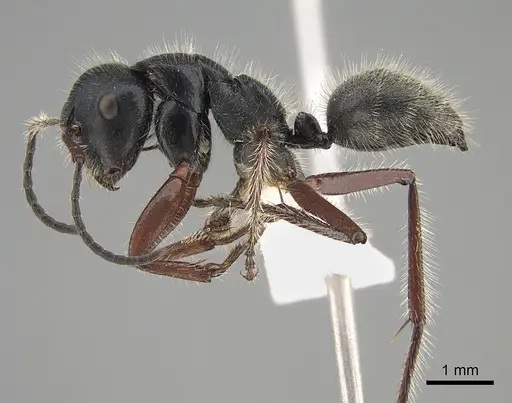
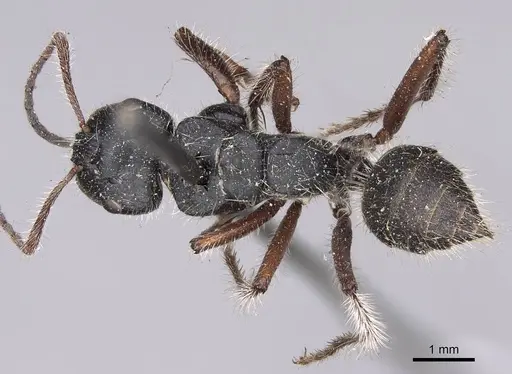
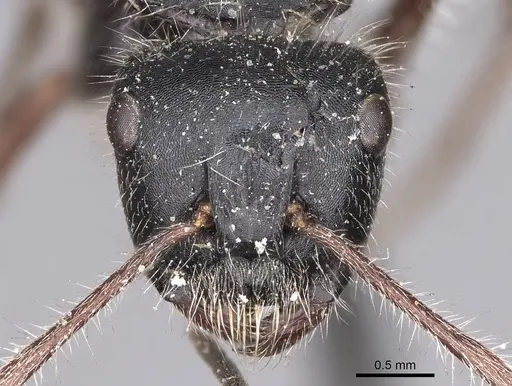
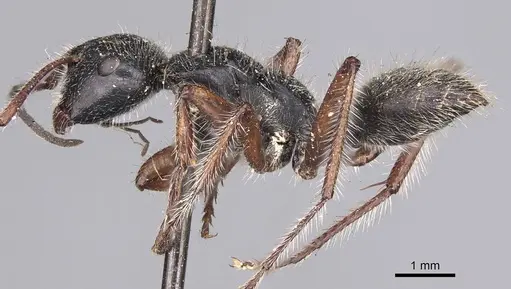
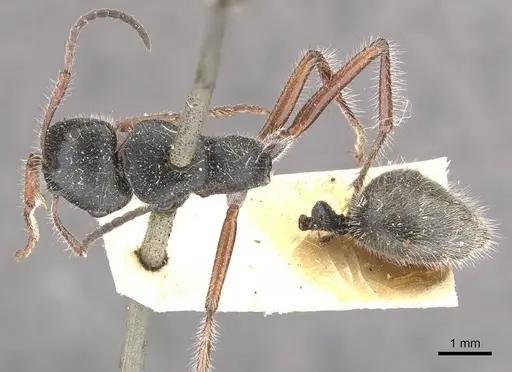
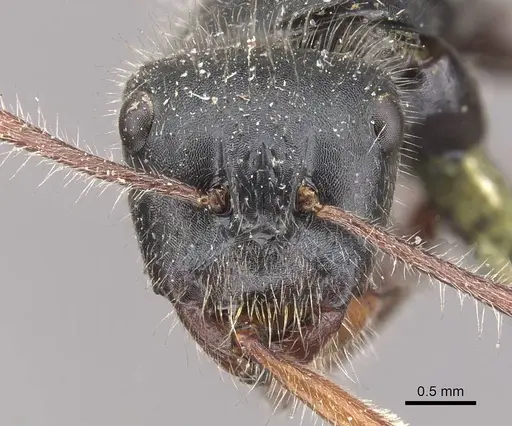
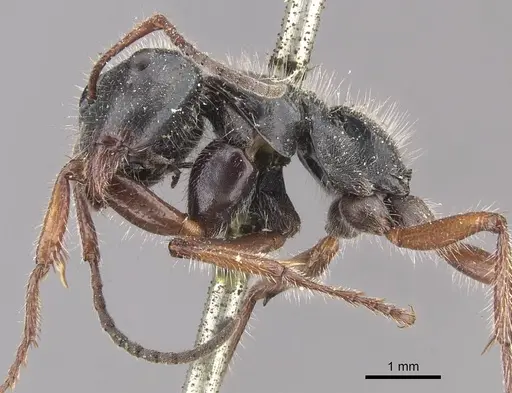
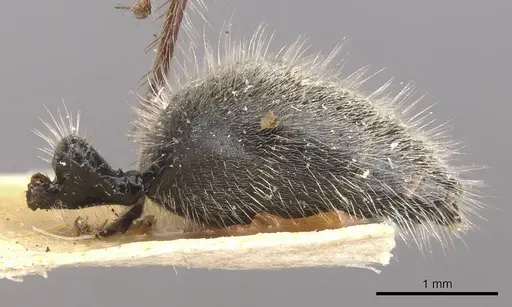
Calomyrmex similis is a medium-sized ant species in the subfamily Formicinae, originally described by Mayr in 1876 from Queensland, Australia. Workers display the typical Formicinae body plan with a single waist segment (petiole) and a acid-producing gland instead of a stinger. The genus Calomyrmex contains about 14 described species, all distributed primarily in the Australasian region. This species has been recorded from Australia and, more unusually, from China, suggesting either a broader distribution than typically recognized or possible taxonomic confusion that warrants further study [1][2].
This is a poorly documented species in the scientific literature, and much of what follows is inferred from related ants in the Camponotini tribe. Calomyrmex belongs to the same tribe as the well-known Camponotus carpenter ants, and they share many biological traits with that group. In captivity, they are likely to be moderate-sized ants with typical Formicinae behaviors including formic acid defense and claustral colony founding.
Quick Summary
- Difficulty: Medium
- Origin & Habitat: Queensland, Australia, dry to subtropical forest environments. The type localities are Rockhampton and Gayndah in coastal Queensland [1].
- Colony Type: Likely single-queen (monogyne) colonies based on typical Camponotini patterns, though this is unconfirmed for this specific species.
- Colony: Monogyne
- Founding: Claustral
- Size & Growth:
- Queen: Estimated 8-10mm based on genus and related Camponotini species
- Worker: Estimated 5-7mm based on genus and related Camponotini species
- Colony: Unknown, likely several hundred workers based on typical Calomyrmex colony sizes
- Growth: Moderate, estimated based on related Formicinae patterns
- Development: Estimated 6-10 weeks at optimal temperature based on typical Camponotini development (Development time is estimated from related species, specific data for C. similis is unavailable)
- Antkeeping:
- Temperature: Keep at 22-26°C. Australian species generally tolerate room temperature well. A gentle gradient allowing workers to choose their preferred temperature is ideal.
- Humidity: Moderate humidity around 50-60%. These are not rainforest ants, allow the nest to dry partially between waterings.
- Diapause: Likely required. Australian ants typically need a winter rest period of 8-12 weeks at 10-15°C. Monitor colony activity, if workers become sluggish in winter, begin hibernation.
- Nesting: Accepts most standard nest types. Y-tong (AAC), plaster, or acrylic nests work well. Provide a dry nest chamber with access to a water tube. Naturalistic setups with soil or sand are also suitable.
- Behavior: Temperament is likely moderate, they will defend the colony but are not particularly aggressive. Like other Formicinae, they can spray formic acid as a defense mechanism. Workers are moderately active foragers. Escape prevention should be standard, while not among the smallest ants, they can still escape through small gaps. Use fluon on test tube rims and ensure formicarium connections are secure.
- Common Issues: limited scientific data means care recommendations are largely inferred from related species, colony growth may be slow, avoid the temptation to overfeed or disturb the queen during founding, hibernation requirements are estimated and may need adjustment based on your colony's behavior, wild-caught colonies may carry parasites, quarantine and monitor new colonies, formic acid defense can irritate eyes, handle gently and wash hands after contact
Nest Preferences
Calomyrmex similis likely prefers dry to moderately humid nesting sites. In the wild, they probably nest in soil, under stones, or in rotting wood, typical locations for Camponotini ants. For captive colonies, Y-tong (AAC) nests work very well because they provide a dark, secure space that ants can easily defend. Plaster nests are also suitable, especially if you want to maintain moderate humidity. Test tube setups work for founding colonies, simply place the queen in a test tube with a water reservoir and seal the open end with cotton. The queen will seal herself in and raise her first brood claustrally. Once the colony reaches 20-30 workers, consider moving to a larger formicarium. Always provide a water source connected to the nest so workers can hydrate without leaving the foraging area.
Feeding and Diet
Like other Formicinae ants, Calomyrmex similis is likely omnivorous with a preference for protein sources. In captivity, offer a varied diet including protein-rich foods like small insects (fruit flies, pinhead crickets, mealworms), and sugar sources such as honey water, sugar water, or commercial ant nectar. Workers will collect honeydew from aphids if available. Feed protein 2-3 times per week, and keep a sugar source available at all times. Remove uneaten prey after 24-48 hours to prevent mold. During founding, the queen will not eat, she relies entirely on her stored fat reserves. Once workers emerge, they will begin foraging and can accept food offerings.
Temperature and Seasonal Care
Maintain nest temperatures between 22-26°C. This species should do well at typical room temperature (20-23°C), but providing a slight warmth (around 24-26°C) may accelerate brood development. Use a heating cable or heating mat on one side of the nest to create a temperature gradient, this allows workers to self-regulate by moving between warmer and cooler areas. For overwintering, simulate Australian winter conditions with 8-12 weeks at 10-15°C. This can be achieved in a basement, garage, or refrigerator (using a thermometer controller). Reduce feeding during hibernation and keep the nest slightly moist but not wet. Do not feed during deep hibernation. Monitor your colony, if workers remain active and alert, they may not need full hibernation, but most Australian ants benefit from a cool period.
Behavior and Defense
Calomyrmex ants are in the subfamily Formicinae, which means they lack a stinger. Instead, they defend themselves by spraying formic acid, a pungent liquid that can irritate skin and eyes. When threatened, workers may raise their abdomen and spray at the perceived threat. This is not dangerous to healthy humans but can be unpleasant. Wash your hands after handling and avoid getting formic acid in your eyes. In terms of temperament, they are not particularly aggressive but will protect their nest vigorously. Workers are likely moderate foragers, searching for food both on the ground and on low vegetation. They probably establish well-defined foraging trails once the colony is established.
Frequently Asked Questions
How long does it take for Calomyrmex similis to produce first workers?
Based on typical Formicinae development, expect first workers (nanitics) in approximately 6-10 weeks after the queen lays eggs. This depends heavily on temperature, warmer conditions (24-26°C) speed development, while cooler temperatures (below 20°C) can significantly delay it. The queen is claustral, meaning she seals herself in and raises the first brood without leaving the nest or eating. Be patient during founding, do not disturb the test tube or check on the queen excessively.
What do I feed Calomyrmex similis?
Offer a varied diet including protein sources (small insects like fruit flies, pinhead crickets, or mealworms) 2-3 times per week, and keep a sugar source (honey water, sugar water, or commercial ant nectar) available at all times. Remove uneaten prey after 24-48 hours to prevent mold. This species is likely an omnivore like other Camponotini ants.
Do Calomyrmex similis need hibernation?
Yes, hibernation is likely required. As an Australian species, they experience cooler winter temperatures in their native habitat. Provide 8-12 weeks of winter rest at 10-15°C. Reduce feeding during this period and keep the nest slightly moist. This rest period helps regulate the colony's biological rhythms and promotes healthy development.
How big do Calomyrmex similis colonies get?
Colony size is not documented specifically, but based on related Calomyrmex species, colonies likely reach several hundred workers. Growth is moderate, expect 1-2 years to reach 50-100 workers under good conditions. Colonies are likely single-queen (monogyne), so you will not see the rapid exponential growth seen in some polygynous species.
Are Calomyrmex similis good for beginners?
This species is rated Medium difficulty. While not the easiest ant to keep (due to limited specific care data), Calomyrmex ants are generally hardy and adaptable. The main challenges are the limited scientific information available and the need for hibernation. If you have experience with other Formicinae like Camponotus or Lasius, this species should be manageable. Beginners should be prepared for slower growth and potentially adjust care based on their colony's behavior.
Can I keep multiple Calomyrmex similis queens together?
This is not recommended. While colony structure is not confirmed for this species, Calomyrmex is likely monogyne (single-queen colonies), similar to most Camponotini. Combining unrelated queens typically results in fighting, with one queen killing the others. If you want to start a colony, begin with a single claustral queen. If you catch a colony in the wild, it likely already has one established queen.
What temperature is best for Calomyrmex similis?
Keep the nest at 22-26°C, with 24-26°C being ideal for brood development. A temperature gradient is beneficial, allow workers to move between warmer and cooler areas. Room temperature (20-23°C) is acceptable if you cannot provide additional heat. Avoid temperatures above 30°C or below 15°C for extended periods.
When should I move Calomyrmex similis to a formicarium?
Move from a test tube to a formicarium when the colony reaches approximately 20-40 workers. At this size, the test tube will become cramped, and the ants need more space for foraging and waste management. Choose a formicarium that matches your colony size, too large a space can stress small colonies. Y-tong, plaster, or acrylic nests work well for this genus.
Why is my Calomyrmex similis colony declining?
Common causes include: poor nutrition (insufficient protein or sugar), incorrect humidity (too wet or too dry), temperature stress (too cold or too hot), disease/parasites (especially in wild-caught colonies), or queen death. Check your care parameters against the guidelines and observe worker behavior. Sick workers often leave the nest to die alone, this is normal self-protective behavior. If multiple workers die without apparent cause, consider that parasites may be involved.
References

This caresheet is licensed under CC BY-SA 4.0 .
Literature
Loading...Loading products...