

Calomyrmex laevissimus
- Scientific Name
- Calomyrmex laevissimus
- Tribe
- Camponotini
- Subfamily
- Formicinae
- Author
- Smith, 1859
- Distribution
- Found in 3 countries
Calomyrmex laevissimus Overview
Calomyrmex laevissimus is an ant species of the genus Calomyrmex. It is primarily documented in 3 countries , including Australia, Indonesia, Papua New Guinea. Detailed taxonomic data and occurrence records can be further explored via authoritative databases such as AntWeb or the Global Biodiversity Information Facility (GBIF).
Calomyrmex laevissimus
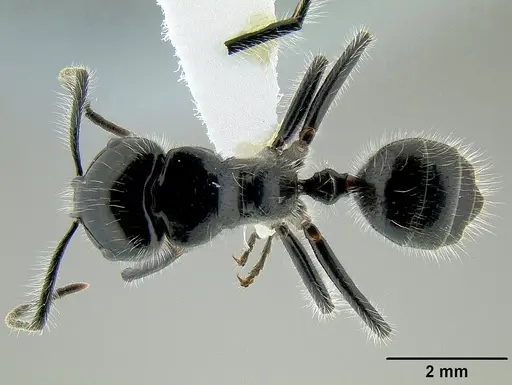
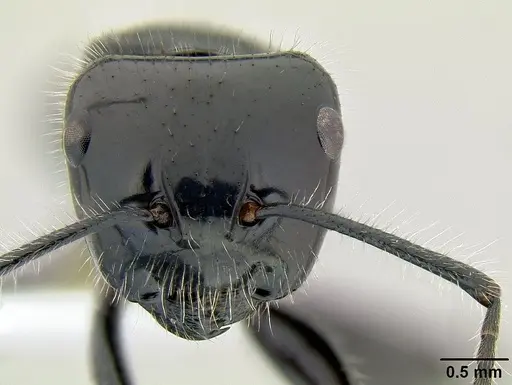
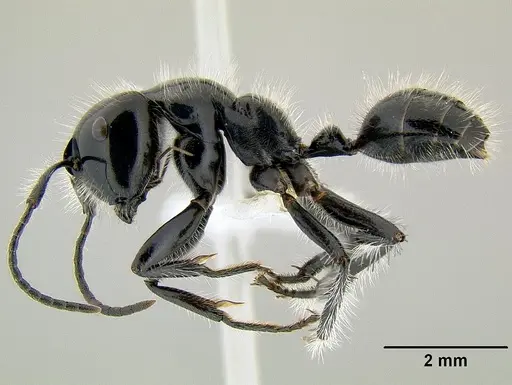
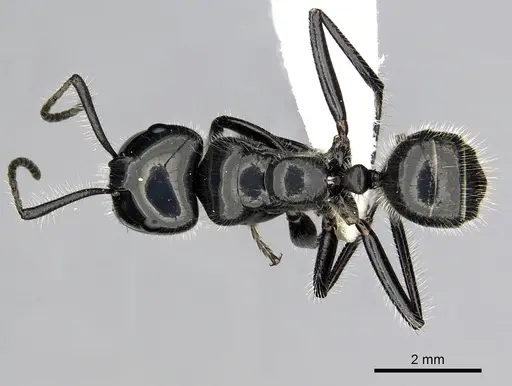
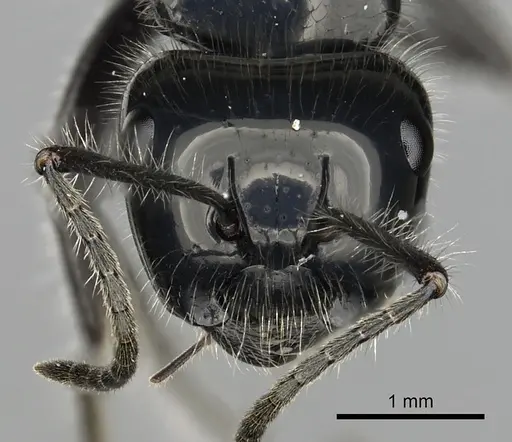
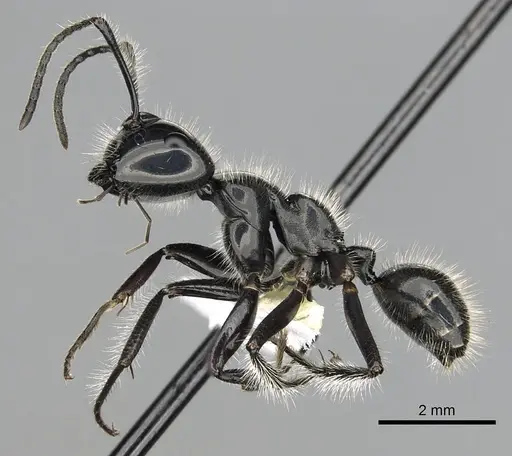
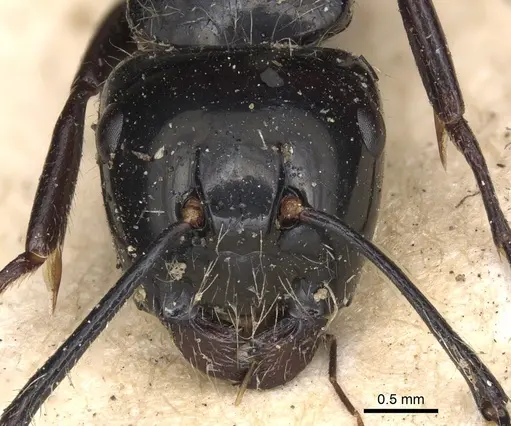
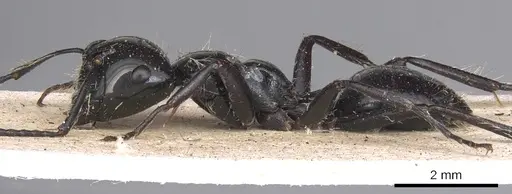
Calomyrmex laevissimus is a tropical ant species native to the Australasian region, found throughout Indonesia (Aru Islands, Irian Jaya, Sulawesi, Waigeu) and Papua New Guinea [1]. Workers are distinctive with yellow-tipped trochanters and coxae against brown legs, making them relatively easy to identify in the field [2]. As a member of the Formicinae subfamily and Camponotini tribe, they share ancestry with well-known genera like Camponotus and Polyrhachis. This species is part of a lineage that carries Blochmannia bacteria, a nutritional symbiont that helps ants process nitrogen from their food, particularly important for those that tend sap-feeding insects [3][4].
The genus Calomyrmex remains poorly studied in captivity, and this species has no documented history in the antkeeping hobby. What makes them interesting is their proventriculus structure, the gut valve that filters food, which resembles that of Opisthopsis and Formica, suggesting they may have unique digestive adaptations compared to other Camponotini [5]. Their tropical distribution means they come from warm, humid environments where temperatures rarely drop below 20°C year-round.
Quick Summary
- Difficulty: Unknown, likely Medium to Hard
- Origin & Habitat: Tropical rainforests of Indonesia (Aru Islands, Irian Jaya, Sulawesi, Waigeu) and Papua New Guinea [1]
- Colony Type: Unconfirmed, likely single-queen colonies based on typical Camponotini patterns
- Size & Growth:
- Queen: Undescribed in literature, estimated 10-14mm based on genus and related Camponotini
- Worker: Undocumented in primary literature, related species in Camponotini typically range 4-10mm
- Colony: Unknown, likely several hundred workers based on genus patterns
- Growth: Unknown, likely moderate growth typical of tropical Formicinae
- Development: Estimated 6-8 weeks at 24-28°C based on related Camponotini species (Development time inferred from tribe-level data, no species-specific studies exist)
- Antkeeping:
- Temperature: Keep at 24-28°C, they are a tropical species requiring warm conditions year-round. A heating cable on one side of the nest creates a suitable gradient.
- Humidity: Maintain high humidity (70-85%), think damp tropical forest floor. Keep the nest substrate consistently moist but not waterlogged.
- Diapause: No, tropical ants do not require hibernation. Maintain warm temperatures year-round.
- Nesting: No specific data exists. Based on related Camponotini, they likely nest in rotting wood, under bark, or in soil cavities in forest habitats. A naturalistic setup with rotting wood pieces or a Y-tong/plaster nest with good moisture retention would likely work well.
- Behavior: Behavior is unstudied in captivity. Based on genus and tribe membership, they are likely moderately active foragers with typical Formicinae defensive capabilities (they can spray formic acid). Workers are probably medium-sized and may be somewhat aggressive when defending the nest. Escape prevention should be standard, they are not particularly small but use barriers as normal precaution.
- Common Issues: no captive husbandry data exists, this is an essentially undocumented species in the antkeeping hobby, tropical humidity requirements may lead to mold problems if ventilation is inadequate, lack of species-specific feeding data means diet acceptance is uncertain, temperature must be maintained year-round, no winter cooling possible, wild-caught colonies may harbor parasites or diseases not well-understood
Understanding Calomyrmex laevissimus
Calomyrmex laevissimus belongs to the Formicinae subfamily and Camponotini tribe, making them relatives of well-known ants like Camponotus and Polyrhachis. The species was originally described by Frederick Smith in 1859 from specimens collected in the Aru Islands (Indonesia), with the queen later described by Gustav Mayr in 1897 [1]. Their distribution spans the Australasian region, including multiple Indonesian islands and mainland Papua New Guinea.
A particularly interesting aspect of this species is their relationship with Blochmannia bacteria. This is a symbiotic bacterium that lives inside ant cells and helps them extract nutrients, especially nitrogen, from their food. This symbiosis is thought to have evolved when ancestral Camponotini began tending sap-feeding insects like aphids and scale insects, the bacteria help process the sugar-rich but nitrogen-poor honeydew that these ants collect [3][4]. The proventriculus (a valve in the gut that filters food) of Calomyrmex has a distinctive structure with sepals approximately twice as long as the valve, similar to Opisthopsis and the Formica type [5].
Unfortunately, beyond these taxonomic and microbiological details, almost nothing is known about this species' behavior, colony size, or specific habitat requirements in the wild. This makes them a challenging species for antkeepers since there are no established care protocols.
Housing and Nest Setup
Since no captive husbandry data exists for Calomyrmex laevissimus, we must make educated guesses based on their tropical distribution and their position within the Camponotini tribe. These ants likely nest in rotting wood, under loose bark, or in soil cavities in humid forest environments, typical nesting preferences for many tropical Formicinae.
For captivity, a naturalistic setup works well for this type of ant. Use a container with a moist substrate (a mix of soil and rotting wood pieces) that maintains high humidity. Alternatively, a Y-tong (acrylic) nest or plaster nest with good moisture retention can work, provided humidity is kept high (70-85%). The key is preventing the nest from drying out while maintaining adequate ventilation to prevent mold.
Because this is a tropical species, they will need consistent warmth year-round. Room temperature is likely insufficient, aim for 24-28°C using a heating cable placed on one side of the nest to create a temperature gradient. This allows workers to regulate their temperature by moving between warmer and cooler areas.
Feeding and Diet
The diet of Calomyrmex laevissimus has not been specifically studied, but their tribe membership provides clues. Like other Camponotini, they likely tend sap-feeding insects (aphids, scale insects, mealybugs) and collect honeydew as a primary sugar source. They probably also supplement their diet with small insects and other protein sources.
For captive feeding, offer a mix of sugar sources (honey water, sugar water, or commercial ant nectar) and protein sources (small insects like fruit flies, small mealworms, or crickets). Given their Blochmannia symbiont, they may have specialized nutritional needs related to processing nitrogen, so ensuring a varied diet with both sugars and proteins is important.
Start with offering sugar water or honey once or twice a week, and protein (insects) 2-3 times per week. Remove uneaten food after 24-48 hours to prevent mold. Monitor whether workers accept your offerings, if they ignore certain foods, try alternatives. Since this species has never been kept in captivity before, expect some experimentation to determine their preferences. [3][4]
Temperature and Seasonal Care
Calomyrmex laevissimus comes from tropical Papua New Guinea and Indonesian islands, where temperatures remain warm year-round (typically 24-30°C with high humidity). Unlike temperate ants, they do not enter hibernation or diapause, they need consistent warmth to remain active and for brood to develop properly.
Maintain nest temperatures between 24-28°C. A heating cable or heat mat on one side of the nest works well, this creates a gradient so ants can choose their preferred temperature. Avoid temperatures below 20°C for extended periods, as this can slow or stop brood development and may stress the colony.
Humidity should be high (70-85%). The nest substrate should feel consistently moist but not waterlogged. Mist the outworld occasionally and ensure the water reservoir (if using a test tube setup) is adequate. In dry environments, you may need to mist more frequently or use a humidifier near the ant setup.
Colony Founding and Growth
The founding behavior of Calomyrmex laevissimus has not been documented in scientific literature. However, based on their position in the Formicinae subfamily, they almost certainly follow the claustral founding pattern typical of this group. This means the queen seals herself into a small chamber after mating, lives entirely on her stored fat reserves, and raises the first brood alone without foraging.
For antkeepers acquiring a founding queen, provide her with a small test tube setup with a water reservoir and keep her warm (24-28°C) and humid. Do not offer food during the founding stage, the claustral queen has enough energy stored to survive until her first workers (nanitics) emerge. Once workers arrive, you can begin offering tiny amounts of sugar water and small insects.
Colony growth rate is unknown but is likely moderate, similar to related Camponotini. Expect 6-10 weeks from egg to first worker at optimal temperature, then gradual growth over several months to a year. Colonies probably reach several hundred workers at maturity, though exact maximum size is unrecorded.
Frequently Asked Questions
How difficult is Calomyrmex laevissimus to keep?
Difficulty is unknown since this species has never been documented in the antkeeping hobby. Based on their tropical requirements and lack of captive data, they should be considered a species for experienced antkeepers only. Start with established species before attempting this poorly-known ant.
What do Calomyrmex laevissimus ants eat?
Their specific diet is unstudied, but like other Camponotini, they likely feed on honeydew from sap-feeding insects plus small insects for protein. In captivity, offer sugar water or honey as an energy source, and small insects like fruit flies or small mealworms for protein. Acceptances may vary, experiment to see what your colony prefers.
Do Calomyrmex laevissimus ants need hibernation?
No. As a tropical species from Papua New Guinea and Indonesia, they do not require hibernation. Keep them warm year-round at 24-28°C. Temperatures below 20°C for extended periods can stress the colony and stop brood development.
How long does it take for Calomyrmex laevissimus to produce first workers?
Exact development time is unknown. Based on related Camponotini species, expect approximately 6-8 weeks from egg to first worker at optimal temperature (24-28°C). This is an estimate since no species-specific development data exists.
Can I keep multiple Calomyrmex laevissimus queens together?
Colony structure is unconfirmed for this species. Most Camponotini are monogyne (single-queen colonies), but polygyny has been documented in some related genera. Without specific data, it is not recommended to combine unrelated foundress queens, keep them separate to avoid fighting.
What size colony does Calomyrmex laevissimus reach?
Maximum colony size is unrecorded in scientific literature. Based on typical Camponotini patterns, colonies likely reach several hundred workers at maturity. This is an estimate since no colony size studies exist for this species.
What temperature should I keep Calomyrmex laevissimus at?
Keep nest temperatures between 24-28°C. Use a heating cable on one side of the nest to create a gradient, allowing workers to regulate their temperature. This tropical species requires consistent warmth year-round, room temperature alone is likely insufficient.
When will Calomyrmex laevissimus have nuptial flights?
Nuptial flight timing is unrecorded in scientific literature. As a tropical species, they likely fly during warm, humid periods year-round rather than having a specific seasonal pattern. If you maintain year-round warmth, you may observe alates (reproductives) developing in the colony.
Are Calomyrmex laevissimus good for beginners?
No. This is an essentially undocumented species in the antkeeping hobby with no established care protocols. Their tropical requirements (high humidity, warm temperatures year-round) and unknown feeding preferences make them unsuitable for beginners. Start with species that have established care guides.
References

This caresheet is licensed under CC BY-SA 4.0 .
Literature
Loading...Loading products...