

Calomyrmex albertisi
- Scientific Name
- Calomyrmex albertisi
- Tribe
- Camponotini
- Subfamily
- Formicinae
- Author
- Emery, 1887
- Distribution
- Found in 2 countries
Calomyrmex albertisi Overview
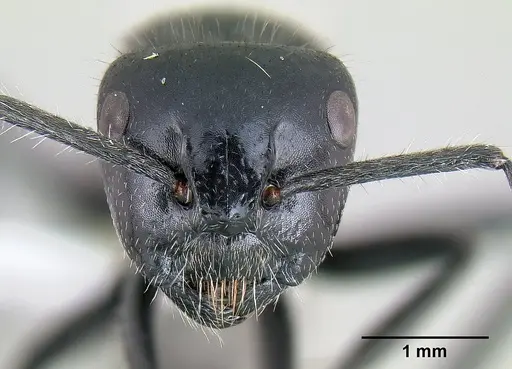
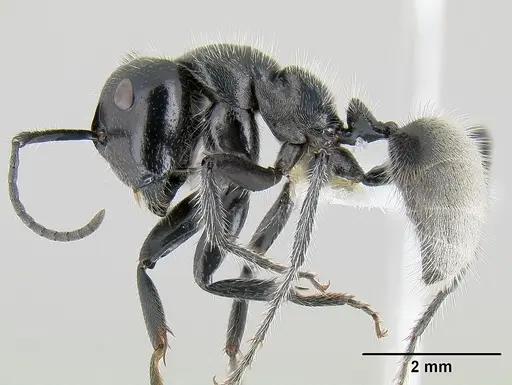
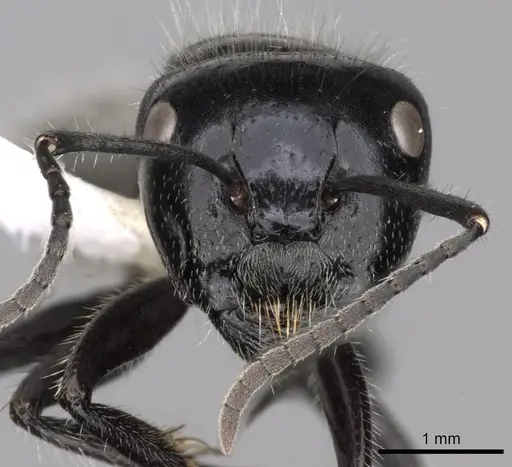
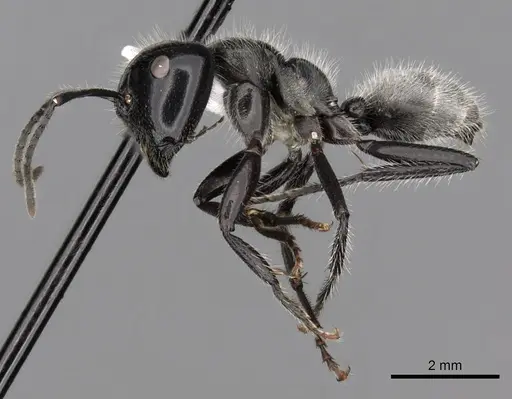
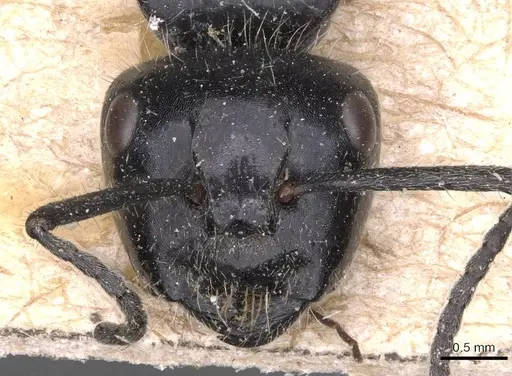
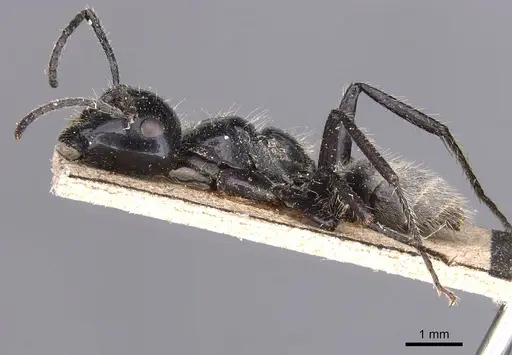
Calomyrmex albertisi is an ant species of the genus Calomyrmex. It is primarily documented in 2 countries , including Australia, Papua New Guinea. Detailed taxonomic data and occurrence records can be further explored via authoritative databases such as AntWeb or the Global Biodiversity Information Facility (GBIF).
Calomyrmex albertisi
Calomyrmex albertisi is a small to medium-sized ant belonging to the subfamily Formicinae, found in Australia and Papua New Guinea. Workers are slender and typically measure around 4-6mm, with the genus characterized by their relatively smooth body surface and distinctively shaped head. This species was originally described as Calomyrmex albertisi by Emery in 1887 before being moved to the genus Calomyrmex. The genus Calomyrmex is part of the Camponotini tribe, which includes well-known ants like Camponotus and Polyrhachis. These ants are known to harbor Blochmannia bacteria, symbiotic organisms that help them process nutrients from their diet of honeydew and plant-based sugars [1][2].
Quick Summary
- Difficulty: Medium
- Origin & Habitat: Australia and Papua New Guinea, particularly the Fly River region of Papua New Guinea. They inhabit tropical and subtropical environments, typically nesting in soil or under stones in forest edges and grassland areas [3][4].
- Colony Type: Likely single-queen colonies (monogyne) based on typical Camponotini patterns, though this has not been directly documented for this specific species.
- Founding: Claustral
- Size & Growth:
- Queen: Estimated 6-8mm based on genus-level data for similar Formicinae
- Worker: Approximately 4-6mm based on original species description [4]
- Colony: Unknown for this species, likely several hundred workers based on related Camponotini
- Growth: Moderate, estimated based on typical Formicinae development
- Development: Estimated 6-10 weeks at optimal temperature based on related Camponotini species (Development time is estimated from genus-level data as specific timing has not been documented for this species)
- Antkeeping:
- Temperature: Keep at 24-28°C. Tropical origin means they prefer warm conditions. A gentle temperature gradient allows workers to regulate their exposure to heat.
- Humidity: Moderate humidity around 50-70%. Keep the nest substrate slightly moist but allow some drying between waterings. These ants are adaptable to varying moisture levels.
- Diapause: No diapause required. As a tropical species, they do not need a hibernation period. Maintain consistent warm temperatures year-round.
- Nesting: Accepts most standard nest types. Y-tong (AAC), plaster nests, or naturalistic setups with soil work well. Provide a dark nesting chamber as they prefer sheltered conditions.
- Behavior: Generally calm and non-aggressive workers. They are primarily active at night and will readily tend sap-sucking insects for honeydew. Foraging activity is moderate, they search for sugar sources and small prey. Escape risk is moderate, ensure enclosures have secure lids as they can climb smooth surfaces. They are not known for stinging and pose no danger to keepers.
- Common Issues: limited availability in the antkeeping hobby, this species is rarely available, specific colony structure (monogyne vs polygyne) has not been confirmed, growth rate may be slower than common hobby species, tropical requirements mean temperature must be maintained consistently, Blochmannia symbiosis suggests they benefit from honeydew/sugar sources but specific dietary needs are not well documented
Natural History and Distribution
Calomyrmex albertisi originates from Papua New Guinea, originally described from the Fly River region by Carlo Emery in 1887. The species also occurs in Australia, making it one of the few ant species found across both regions. The genus Calomyrmex is restricted to Australia and Papuasia, with this species representing its easternmost distribution in New Guinea [3]. These ants inhabit tropical and subtropical environments where they typically nest in soil or under stones in forest margins, grassland areas, and disturbed habitats. The genus is part of the Camponotini tribe, which includes many common ants like carpenter ants (Camponotus) and weaver ants (Polyrhachis).
Nutritional Symbiosis
One of the most interesting aspects of Calomyrmex albertisi is its relationship with Blochmannia bacteria. These symbiotic bacteria live inside the ants' bodies and help them digest nutrients, particularly amino acids, from their diet. This relationship is common across the Camponotini tribe, the ants acquire these bacteria by feeding them to their larvae, and the bacteria are passed down through generations [1][2]. In captivity, this means you should provide sugar sources (honey water, sugar water) alongside protein. The Blochmannia symbiosis also explains why these ants benefit from tending sap-sucking insects like aphids and scale insects, the honeydew provides essential nutrients that the bacteria help process.
Housing and Nest Preferences
Calomyrmex albertisi accepts various nest types commonly used in antkeeping. Y-tong (acrylic and cotton) nests work well, providing dark chambers that these ants prefer. Plaster nests or naturalistic setups with a soil chamber also suit them. The key is providing a humid but not waterlogged nest chamber with some open space for foraging. Since they are tropical ants, avoid temperatures below 22°C as this can slow their metabolism and reduce activity. A small water test tube connected to the foraging area provides drinking water and helps maintain humidity.
Feeding and Diet
Based on the Blochmannia symbiosis and typical Camponotini behavior, these ants will readily accept sugar sources including honey water, sugar water, and naturally honeydew from aphids if available. For protein, offer small insects like fruit flies, small crickets, or mealworms. Unlike some specialized predators, Calomyrmex albertisi is likely omnivorous, focusing on carbohydrates from honeydew and sugars while supplementing with protein from small prey. Feed sugar water constantly and protein 2-3 times per week. Remove uneaten prey after 24 hours to prevent mold. [1][2]
Temperature and Seasonal Care
As a tropical species from Papua New Guinea and northern Australia, Calomyrmex albertisi requires warm conditions year-round. Maintain temperatures between 24-28°C in the nest area. Unlike temperate species, they do not require diapause or hibernation. A heating cable or mat on one side of the nest can create a temperature gradient, allowing workers to choose their preferred warmth level. Room temperature in heated homes (22-25°C) may suffice, but monitor colony activity, sluggish colonies may need additional warmth. Avoid temperature drops below 20°C for extended periods.
Behavior and Temperament
Calomyrmex workers are generally calm and not aggressive toward keepers. They are primarily nocturnal or crepuscular, becoming more active in dim lighting or at night. Workers forage for sugar sources and small prey, using chemical trails to communicate food discoveries to nestmates. They are moderate climbers and can scale smooth surfaces, so ensure enclosures have tight-fitting lids. Unlike some Formicinae, they are not known for painful stings and pose minimal risk to keepers. The colony will likely show moderate activity levels with workers patrolling the foraging area regularly.
Frequently Asked Questions
How long does it take for Calomyrmex albertisi to produce first workers?
Based on typical Formicinae development, expect 6-10 weeks from egg to first worker at optimal temperature (24-28°C). This is an estimate as specific development timing has not been documented for this species.
What do Calomyrmex albertisi ants eat?
They accept sugar sources (honey water, sugar water) and small protein prey (fruit flies, small crickets, mealworms). The Blochmannia bacteria in their gut help them process carbohydrates, so sugar sources are particularly important.
Do Calomyrmex albertisi ants need hibernation?
No, they do not require hibernation. As a tropical species from Papua New Guinea and Australia, they need consistent warm temperatures year-round (24-28°C).
Are Calomyrmex albertisi good for beginners?
This species is rated as medium difficulty. While not the most challenging ant, it is rarely available in the hobby and has specific tropical temperature requirements. Beginners may want to start with more common species before attempting Calomyrmex.
How big do Calomyrmex albertisi colonies get?
Colony size is not well documented for this species. Based on related Camponotini, colonies likely reach several hundred workers over time. Growth rate is moderate.
What temperature is best for Calomyrmex albertisi?
Keep them at 24-28°C. A temperature gradient allows workers to regulate their own exposure to heat. Avoid temperatures below 20°C for extended periods.
Can I keep multiple Calomyrmex albertisi queens together?
Colony structure has not been confirmed for this species. Based on typical Camponotini patterns, they likely form single-queen colonies. Combining unrelated queens is not recommended without documented evidence of polygyny.
When should I move Calomyrmex albertisi to a formicarium?
Move them when the colony reaches 20-30 workers and the test tube becomes crowded. Ensure the formicarium has appropriately sized chambers and maintains proper humidity.
Why is my Calomyrmex albertisi colony not growing?
Check temperature (should be 24-28°C), ensure sugar water is always available, and verify humidity is adequate but not excessive. Slow growth can also result from low queen fertility or insufficient protein in the diet.
References

This caresheet is licensed under CC BY-SA 4.0 .
CASENT0003286
View on AntWeb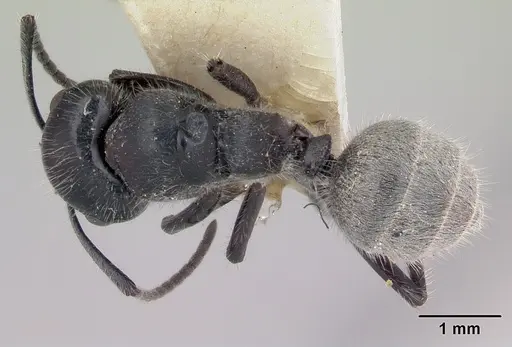
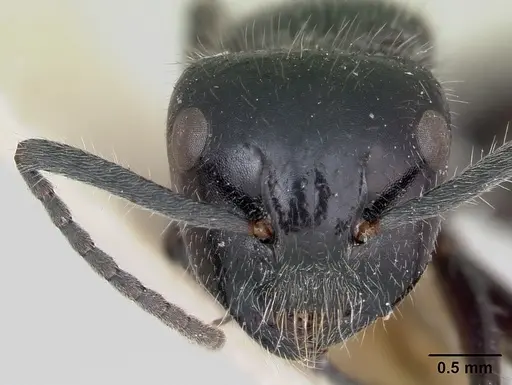
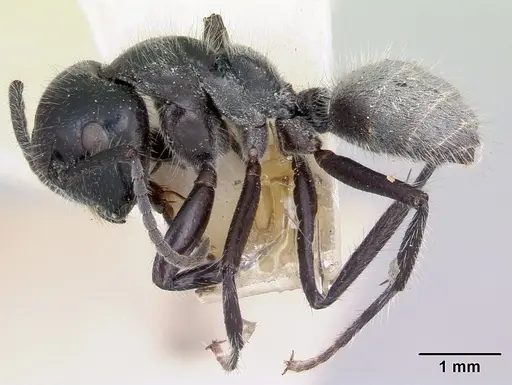
CASENT0106006
View on AntWeb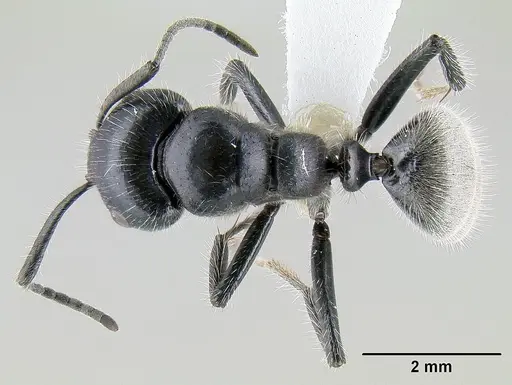
CASENT0249960
View on AntWeb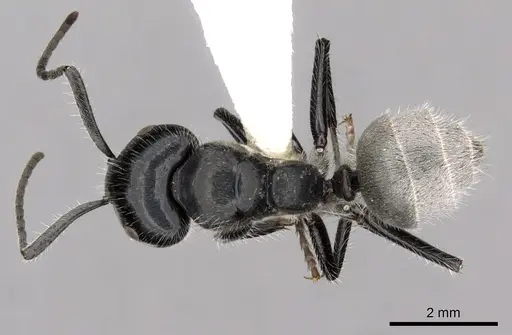
CASENT0905538
View on AntWeb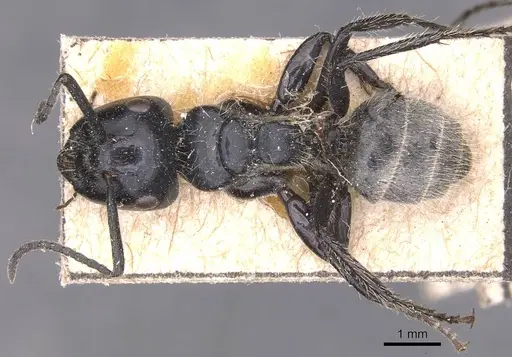
Literature
Loading...Loading products...