

Buniapone amblyops
- Scientific Name
- Buniapone amblyops
- Tribe
- Ponerini
- Subfamily
- Ponerinae
- Author
- Emery, 1887
- Distribution
- Found in 4 countries
Buniapone amblyops Overview
Buniapone amblyops is an ant species of the genus Buniapone. It is primarily documented in 4 countries , including China, Hong Kong, Indonesia. Detailed taxonomic data and occurrence records can be further explored via authoritative databases such as AntWeb or the Global Biodiversity Information Facility (GBIF).
Buniapone amblyops
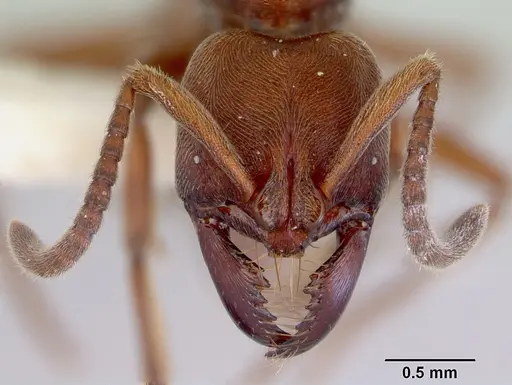
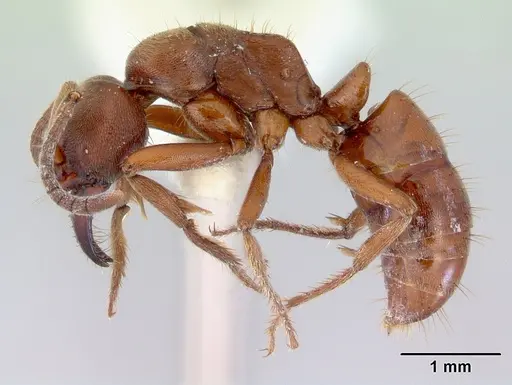
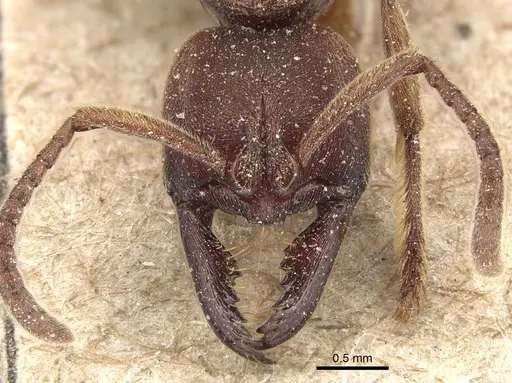
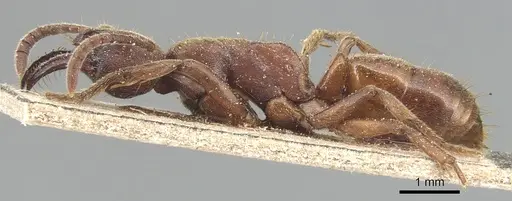
Buniapone amblyops is a medium-sized ant from the Ponerinae subfamily, measuring 6-7.5mm for workers and around 7-10mm for queens [1][2]. They have a distinctive appearance with long, narrow toothed mandibles, greatly reduced eyes, and a squamiform (shield-shaped) petiole. Their body is covered in fine golden pubescence giving them a silky appearance. This is the only species in its genus, it's monotypic, meaning Buniapone has just this one species [3]. They are hypogeic, meaning they live mostly underground, and are found throughout Southern and Southeast Asia from India to Indonesia and southern China [4].
What makes B. amblyops unusual is their lifestyle, they are subterranean ants rarely seen on the surface. Researchers have found them at depths of up to 50cm in soil [5]. They appear to be opportunistic feeders, not strictly carnivorous, one study observed large numbers recruited to a palm oil bait sunk into the ground, suggesting they use recruitment communication similar to their sister genus Paltothyreus [4].
Quick Summary
- Difficulty: Hard
- Origin & Habitat: Southern and Southeast Asia including India, Bangladesh, Thailand, Vietnam, Malaysia, Indonesia (Java, Sumatra, Borneo), Singapore, and southern China. They are habitat specialists restricted to primary forest, not found in secondary forest or rubber plantations [6]. They live underground in soil, often under stones or in animal dung [4][7].
- Colony Type: Colony structure is unconfirmed. No documented information on whether they are single-queen (monogyne) or multi-queen (polygyne).
- Size & Growth:
- Queen: 7-10mm, there is some discrepancy in measurements between sources [1][2]
- Worker: 6-7.5mm [1]
- Colony: Unknown, no colony size data available
- Growth: Unknown, no development data available
- Development: Unknown, development has not been studied. Based on related Ponerine ants, estimate 2-4 months at warm temperatures, but this is a rough guess. (No direct studies on development timeline exist for this species.)
- Antkeeping:
- Temperature: Based on their tropical Asian distribution, aim for warm conditions around 24-28°C. No specific studies on temperature requirements exist, adjust based on colony activity.
- Humidity: High humidity is essential. They are subterranean ants found in damp soil at depth, keep the nest substrate consistently moist but not waterlogged. Provide a gradient with a damp area and a slightly drier area for the ants to choose.
- Diapause: Unknown, no documented winter behavior. Their tropical distribution suggests they may not require true hibernation, but seasonal slowdowns are possible.
- Nesting: Deep soil-based setups work best. They naturally nest in soil under stones and in animal dung at considerable depth. A naturalistic setup with deep moist substrate (at least 5-10cm) or a plaster/acrylic nest with moisture retention would suit them. Avoid dry, shallow test tube setups.
- Behavior: Very little is known about their behavior in captivity. They are hypogeic (ground-dwelling/subterranean) and likely nocturnal or crepuscular. Workers have reduced eyes, suggesting they are not strong foragers on the surface. They may be predatory like other Ponerines, but have been attracted to plant-based baits suggesting omnivorous tendencies. Escape risk is moderate, medium-sized ants that may not be strong climbers but could escape through standard barriers. Treat them as potentially defensive like other Ponerines.
- Common Issues: no documented care information exists, this is one of the least-studied ant species in the hobby, subterranean lifestyle makes them difficult to observe and easy to lose track of in setups, habitat specialist requiring primary forest conditions, may not tolerate disturbed environments, wild-caught colonies may have parasites or be stressed from collection at depth, slow growth and lack of baseline data makes troubleshooting difficult
Natural History and Distribution
Buniapone amblyops is restricted to Southern and Southeast Asia, ranging from southern China to the islands of southern Indonesia and as far west as India [4]. They have been recorded in Bangladesh, Borneo, India, Indonesia, Malaysia, Singapore, Thailand, Vietnam, and southern China [8][9]. This species is a habitat specialist, research shows they occupy primary forest but are not found in secondary forest or rubber plantations [6]. They are predominantly hypogeic, meaning they live underground and are rarely seen on the surface. Specimens have been collected from soil at depths up to 50cm, under stones, and in animal dung [5][7][4]. The last recorded sighting in Singapore before recent rediscovery was in 1967 at Bukit Timah [3].
Identification and Morphology
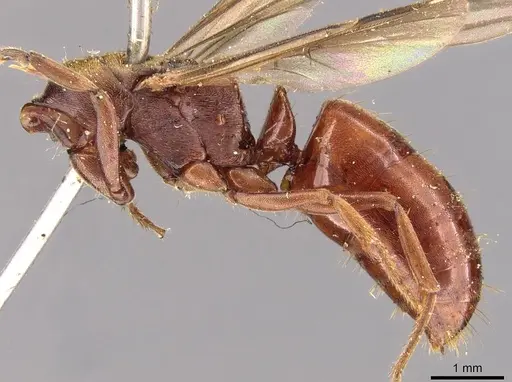
Workers are 6-7.5mm with a distinctive morphology that makes them relatively easy to identify within their range [1]. Key identifying features include: long narrow toothed mandibles, greatly reduced eyes that are small and close to the mandibular insertion, a blunt medial clypeal projection, obsolete metanotal groove (the groove between the thorax segments is barely visible), ovoid propodeal spiracles, complex metapleural gland opening, and a squamiform (shield-shaped) petiole [7]. The body is covered with abundant erect pale hairs and a fine dense golden pubescence, giving them a silky appearance. The head, prothorax and mesothorax are opaque and very densely punctate, while the abdomen is shinier [1]. Queens are larger at 7-10mm, with wings described as brown-yellowish with one cubital and one discoidal cell [2].
Feeding and Diet
Their diet is not well documented, but they are presumed to be predatory like other Ponerine ants [4]. However, they are not strictly carnivorous, researchers observed large numbers of workers congregated at a palm oil bait sunk into the ground, suggesting they are attracted to fatty substances and may not be strict predators [4]. One study collected specimens from animal dung alongside other ant species like Dolichoderus, Brachyponera, Carebara and Pheidole, suggesting they forage in dung for nutrients or scavenge [4]. In captivity, you should likely offer a varied diet including small live prey (like fruit flies or small crickets) and potentially some fatty substances or protein-rich foods. Sugar water acceptance is uncertain but possible given the palm oil attraction. Start with protein sources and observe acceptance.
Nest Preferences and Housing
This is one of the most challenging aspects since they are subterranean ants that naturally live deep in soil. They have been found under stones, in animal dung on the ground, and at depths of 50cm in soil [5][7][4]. For captivity, you need a deep naturalistic setup with moist substrate, at least 5-10cm deep to allow them to create underground chambers. A plaster nest with good moisture retention could also work, but ensure the chambers are not too large since these are medium-sized ants. Keep the substrate consistently damp but not waterlogged. Avoid shallow test tube setups, they need depth. Provide a humidity gradient if possible. Since they are rarely seen on the surface, place food in a shallow foraging area connected to the deep nest chambers.
Challenges and Care Uncertainties
Buniapone amblyops is one of the least-documented species in the antkeeping hobby. There is no established care protocol, no development timeline data, no confirmed colony structure information, and no documented nuptial flight timing. Everything we know comes from occasional scientific collections, not from antkeeping experience. This makes them an expert-level species suitable only for experienced antkeepers who can adapt to changing conditions and document their own findings. Expect a steep learning curve. Start with a small colony if available and be prepared to experiment with temperature, humidity, and feeding to find what works. Document your observations carefully, you may be contributing to the first captive care information for this species.
Frequently Asked Questions
Is Buniapone amblyops a good species for beginners?
No. This is an expert-level species due to the complete lack of documented care information. They are subterranean, require specific primary forest conditions, and no one has established a care protocol in captivity yet. If you're new to antkeeping, choose a species with established care guides like Lasius, Camponotus, or Tetramorium.
What do Buniapone amblyops eat?
They are presumed predatory like other Ponerines but are not strictly carnivorous, they have been attracted to palm oil baits and found foraging in animal dung. In captivity, offer small live prey (fruit flies, small crickets) and protein-rich foods. Sugar acceptance is uncertain but possible. Start with protein and observe what they accept.
How do I house Buniapone amblyops?
They need a deep naturalistic setup with moist substrate, at least 5-10cm deep to accommodate their subterranean lifestyle. They have been found at 50cm depth in the wild, so depth matters. A plaster nest with good moisture retention or a deep acrylic naturalistic setup works. Keep the substrate consistently damp but not waterlogged.
Do Buniapone amblyops need hibernation?
Unknown. Their tropical Asian distribution suggests they may not require true hibernation, but seasonal slowdowns are possible. No documented winter behavior exists. Monitor your colony for seasonal activity changes and adjust temperatures accordingly.
How big do Buniapone amblyops colonies get?
Unknown. No colony size data exists in the scientific literature. Related Ponerines typically reach a few hundred to a few thousand workers, but this is just an estimate.
Do Buniapone amblyops sting?
Ponerine ants have the ability to sting, though the pain level for this specific species is unrecorded. Treat them as potentially capable of stinging and handle with care.
Can I keep multiple Buniapone amblyops queens together?
Unknown. No research exists on their colony structure (monogyne vs polygyne). Do not attempt combining unrelated queens without documented evidence that this is safe.
How long does it take for Buniapone amblyops to develop from egg to worker?
Unknown. No development studies exist for this species. Based on related Ponerine ants, estimate 2-4 months at warm temperatures (around 26°C), but this is a rough guess.
Where is Buniapone amblyops found?
Southern and Southeast Asia: India, Bangladesh, Thailand, Vietnam, Malaysia, Indonesia (Java, Sumatra, Borneo), Singapore, and southern China. They are habitat specialists found only in primary forest, not secondary forest or plantations.
References

This caresheet is licensed under CC BY-SA 4.0 .
CASENT0172431
View on AntWeb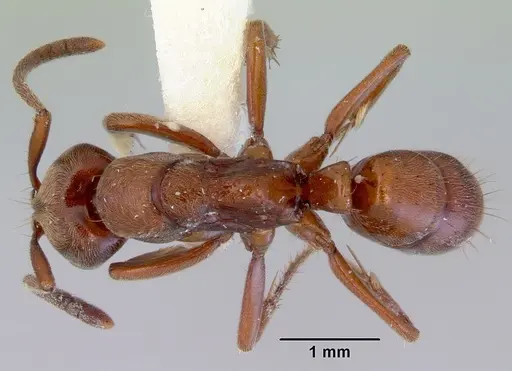
CASENT0384786
View on AntWeb
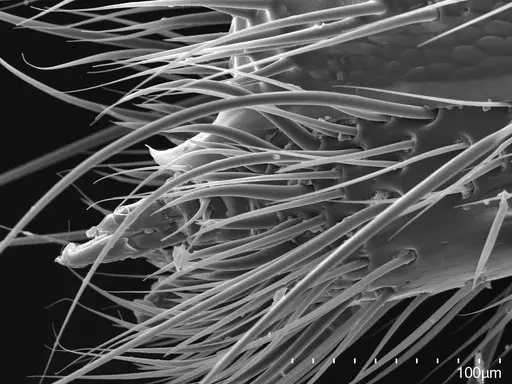
CASENT0384973
View on AntWeb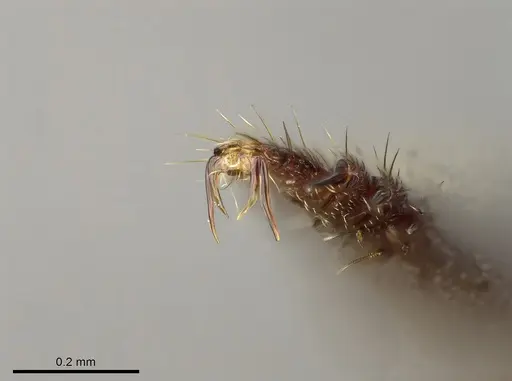
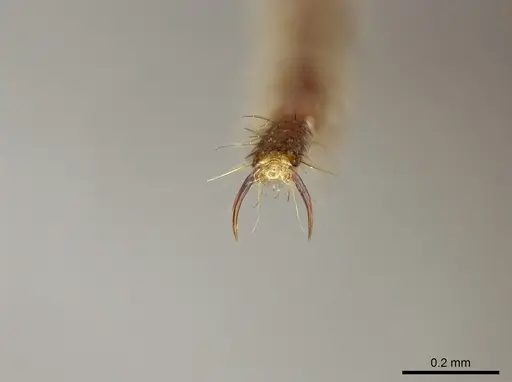
CASENT0903944
View on AntWeb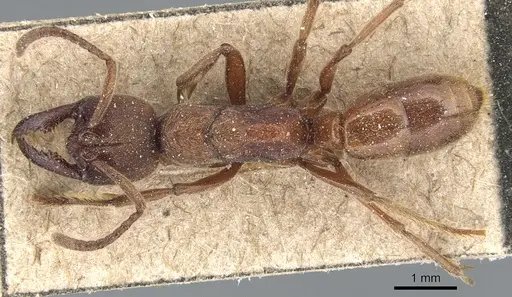
CASENT0907292
View on AntWeb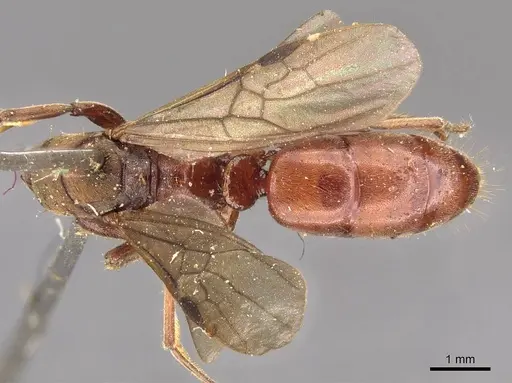
Literature
Loading...Loading products...