

Brachyponera arcuata
- Scientific Name
- Brachyponera arcuata
- Tribe
- Ponerini
- Subfamily
- Ponerinae
- Author
- Karavaiev, 1925
- Distribution
- Found in 1 countries
Brachyponera arcuata Overview
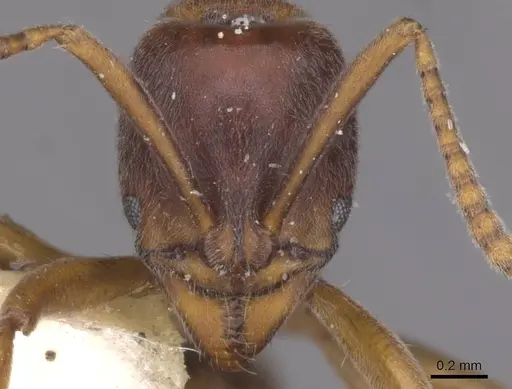
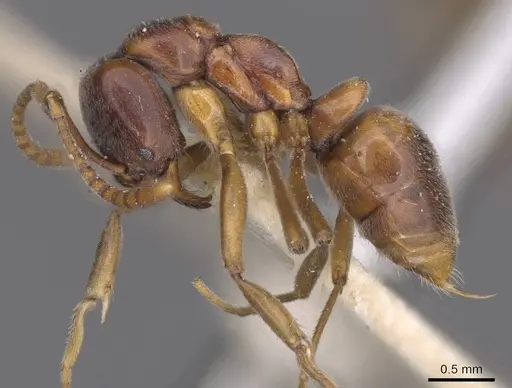
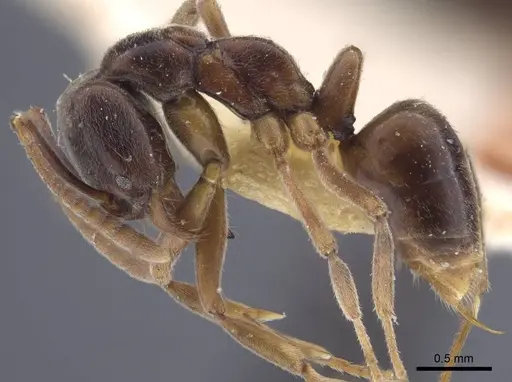
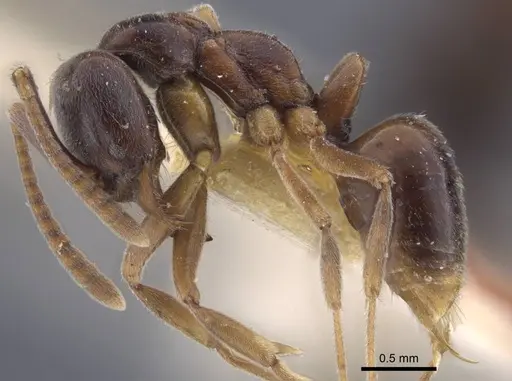
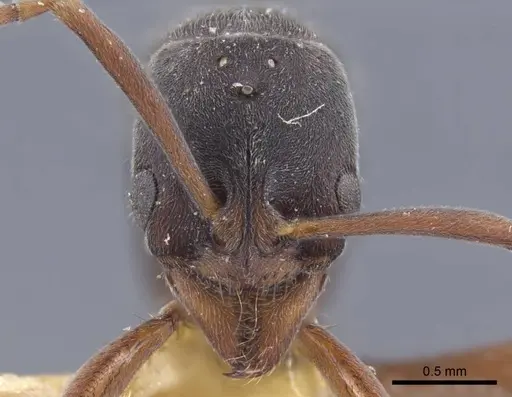
Brachyponera arcuata is an ant species of the genus Brachyponera. It is primarily documented in 1 countries , including Indonesia. Detailed taxonomic data and occurrence records can be further explored via authoritative databases such as AntWeb or the Global Biodiversity Information Facility (GBIF).
Brachyponera arcuata
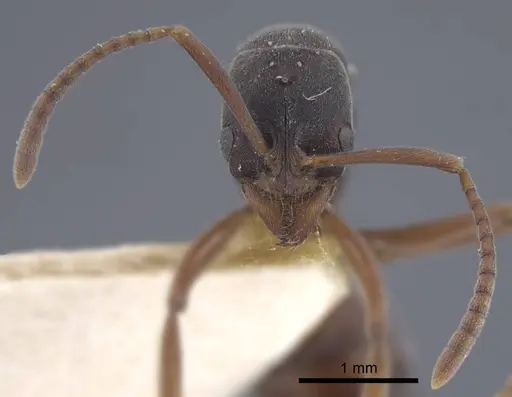
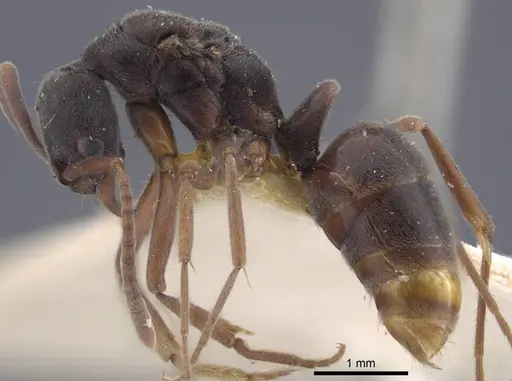
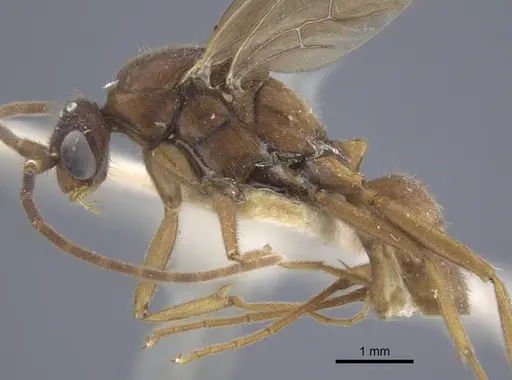
Brachyponera arcuata is a medium-sized ant species belonging to the subfamily Ponerinae, native to Indonesia where it is found on the islands of Java and Irian Jaya. Workers measure approximately 5-7mm, with queens being larger. This species was originally described as a variety of Brachyponera luteipes in 1925 from specimens collected in Tjibodas, Java [1]. The genus Brachyponera contains around 20 species distributed primarily in the Indomalayan region, with many species inhabiting tropical forest environments. Ponerine ants like this species are typically predatory with a potent sting, and they often exhibit solitary foraging behavior rather than the mass recruitment seen in many other ant genera.
Quick Summary
- Difficulty: Medium
- Origin & Habitat: Tropical forest habitat in Indonesia (Java and Irian Jaya). Type specimens were collected from Tjibodas, a mountainous area in West Java known for its lush tropical vegetation [1].
- Colony Type: Colony structure is unconfirmed. Based on genus-level patterns, likely single-queen (monogyne) colonies, though this has not been directly documented for this species.
- Size & Growth:
- Queen: Estimated 7-9mm based on genus patterns for Brachyponera species
- Worker: Estimated 5-7mm based on type specimen measurements [1]
- Colony: Unknown, no colony size data available for this species
- Growth: Unknown, growth rate has not been studied
- Development: Estimated 6-10 weeks based on typical Ponerinae development at tropical temperatures (Development time is estimated from related Ponerinae species, specific data for B. arcuata is unavailable)
- Antkeeping:
- Temperature: Keep around 24-28°C, reflecting their tropical Indonesian origin. A gentle gradient allowing workers to self-regulate is recommended.
- Humidity: Maintain moderate to high humidity (60-80%). Keep the nest substrate consistently moist but not waterlogged, mimicking damp forest floor conditions.
- Diapause: Unlikely, as a tropical species from Java, they probably do not require a diapause period. However, a slight reduction in temperature during cooler months may be beneficial.
- Nesting: In captivity, they do well in naturalistic setups with moist substrate or Y-tong/plaster nests. They prefer dark, humid nest chambers. Given their predatory nature, provide a hunting area in the outworld.
- Behavior: Ponerine ants are typically predatory and solitary foragers. Workers hunt alone rather than using mass recruitment. They have a potent sting and may be defensive when threatened. Escape prevention is important, they are medium-sized ants but can squeeze through small gaps. Handle with care as their sting can be painful.
- Common Issues: limited availability, this species is rarely available in the antkeeping hobby due to its restricted geographic range, aggressive defensive behavior, their potent sting makes them less handleable than many hobby species, predatory feeding requirements, they need live prey and may not accept sugar sources, making them more demanding to feed, humidity management, tropical ants can struggle in dry captive environments, requiring careful moisture control
Nest Preferences and Housing
In their natural habitat in Java and Irian Jaya, Brachyponera arcuata likely nests in soil or rotting wood in tropical forest environments. For captive care, naturalistic setups with moist substrate work well, a mix of soil and sand in a depth of several centimeters allows them to dig chambers. Y-tong (acrylic) nests with narrow chambers also work, provided humidity is maintained. These ants prefer dark, humid nest conditions. The outworld should be spacious enough for hunting, with a water station for drinking. Use tight-fitting lids as escape prevention, while not extremely small, they are agile and will exploit any gaps. [1]
Feeding and Diet
As a Ponerine ant, B. arcuata is likely primarily predatory, hunting small invertebrates in nature. In captivity, offer live prey such as small crickets, mealworms, fruit flies, and other small insects. Prey should be appropriately sized, no larger than the ant itself. Some Ponerine species will accept protein jelly or dead prey if moving, but live prey is preferred to trigger hunting behavior. Sugar sources are sometimes accepted but should not be relied upon, these ants are not typical honeydew feeders. Feed every 2-3 days, adjusting based on colony consumption. Remove uneaten prey to prevent mold.
Temperature and Humidity
Being from tropical Indonesia, these ants require warm, humid conditions. Maintain temperatures between 24-28°C in the nest area. A slight temperature gradient allows workers to self-regulate, they will move between warmer and cooler areas as needed. Heating cables or mats can be used on one side of the nest, placed on top to avoid excessive drying. Humidity should be kept at 60-80%, the substrate should feel consistently moist but not soggy. Mist occasionally and ensure the water reservoir in test tube setups is adequate. Good ventilation is important to prevent mold while maintaining humidity.
Behavior and Temperament
Ponerine ants like Brachyponera arcuata are typically solitary foragers, workers hunt alone rather than forming raiding parties or using recruitment trails. They are generally more defensive than many common hobby ants and possess a functional sting that can cause pain. This species is not recommended for handling. Colonies are likely moderate in size compared to other ants. Workers are moderately active, patrolling the outworld for prey rather than constant foraging. When threatened, they may raise their gaster in a defensive posture before stinging.
Colony Development
Specific development data for B. arcuata is not available. Based on typical Ponerinae patterns and their tropical origin, expect development from egg to first worker (nanitic) in approximately 6-10 weeks at optimal temperatures. Queens likely lay eggs at a moderate rate, Ponerine colonies typically grow more slowly than many Myrmicinae species. The first workers will be smaller (nanitics) and the colony will grow gradually as more workers emerge. Patience is required, these ants will not establish as quickly as some faster-growing species. Growth rate is likely moderate, with colonies potentially reaching several hundred workers over time, though exact maximum size is unknown.
Frequently Asked Questions
How long does it take for Brachyponera arcuata to produce first workers?
Specific data is not available, but based on typical Ponerinae development at tropical temperatures (24-28°C), expect approximately 6-10 weeks from egg to first worker. This is an estimate, actual timing may vary.
What do Brachyponera arcuata ants eat?
They are predatory ants that hunt small invertebrates. Feed live prey such as small crickets, mealworms, fruit flies, and other appropriately sized insects. Some may accept protein jelly or dead prey that moves, but live prey is preferred. Sugar acceptance is uncertain.
Are Brachyponera arcuata good for beginners?
This species is not ideal for beginners. They have specific humidity and temperature requirements, need live prey rather than simple sugar water, and their potent sting makes them less handleable than many hobby species. They are also rarely available.
What temperature do Brachyponera arcuata need?
Keep nest areas at 24-28°C, reflecting their tropical Indonesian origin. A gentle temperature gradient allowing self-regulation is recommended.
Do Brachyponera arcuata need hibernation?
Unlikely, as a tropical species from Java, they probably do not require a winter diapause. A slight temperature reduction during cooler months may be natural but is not required.
How big do Brachyponera arcuata colonies get?
Colony size is not documented for this species. Based on genus patterns, expect moderate-sized colonies likely reaching several hundred workers, though this is an estimate.
Can I keep multiple Brachyponera arcuata queens together?
Colony structure is unconfirmed for this species. Combining unrelated queens has not been documented and is not recommended. Most Ponerine species establish single-queen colonies.
What humidity do Brachyponera arcuata require?
Maintain moderate to high humidity (60-80%). Keep the nest substrate consistently moist but not waterlogged, mimicking damp tropical forest floor conditions.
Is Brachyponera arcuata available in the antkeeping hobby?
This species is rarely available due to its restricted geographic range in Indonesia. It is not commonly traded in the antkeeping hobby compared to more widespread species.
References

This caresheet is licensed under CC BY-SA 4.0 .
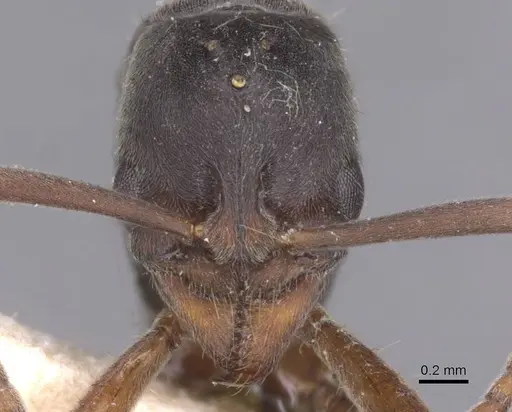
CASENT0915248
View on AntWeb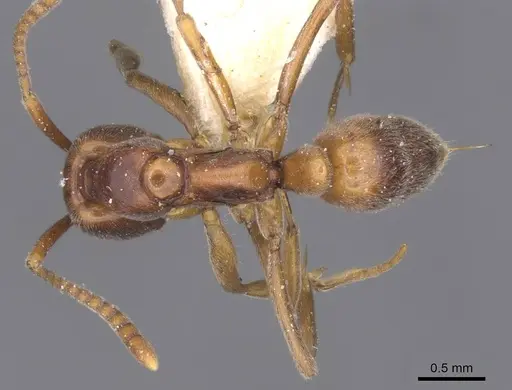
CASENT0915266
View on AntWeb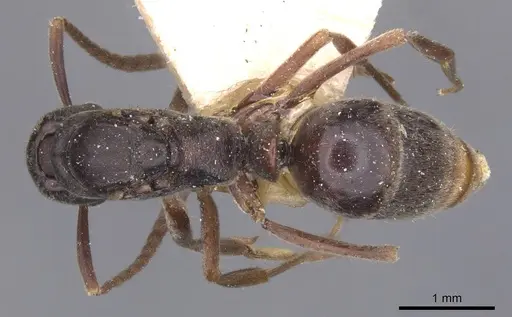
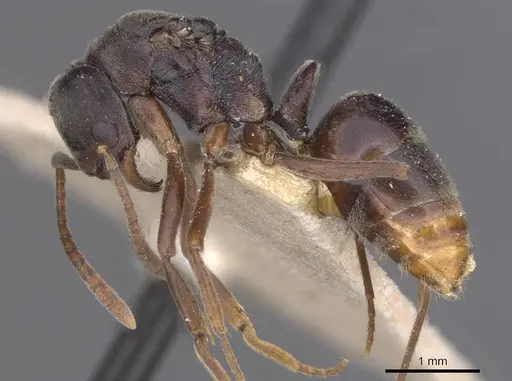
CASENT0916828
View on AntWeb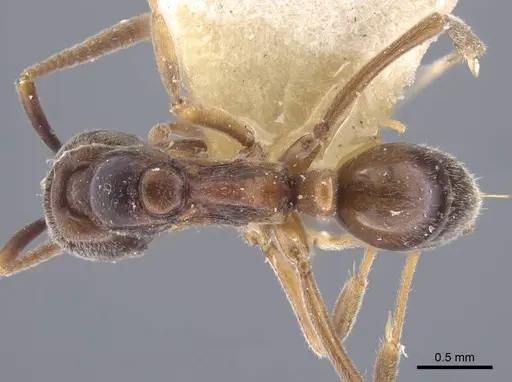
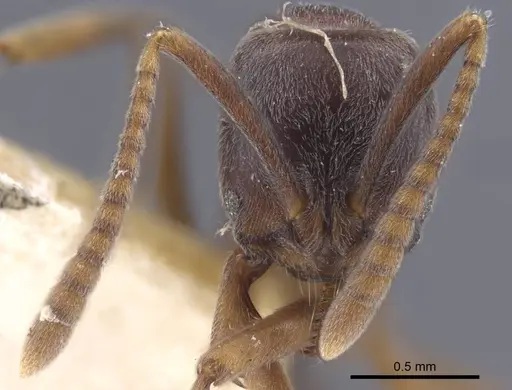
CASENT0916829
View on AntWeb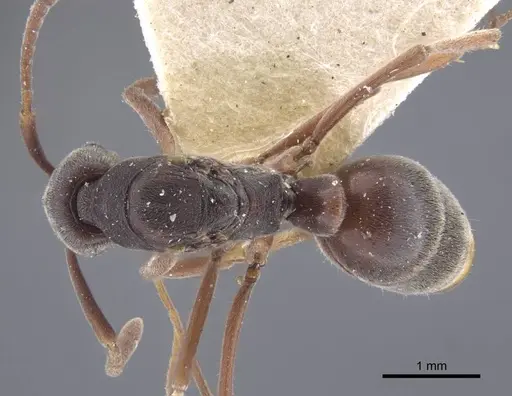
CASENT0916830
View on AntWeb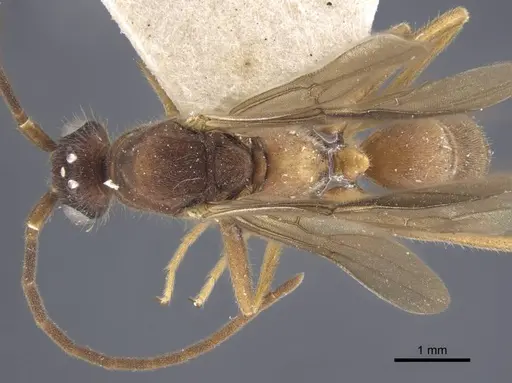
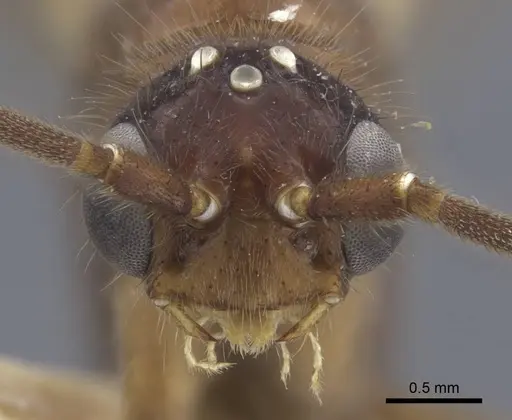
Literature
Loading...Loading products...