Brachymyrmex patagonicus follows a consistent seasonal pattern with peak activity in June. The flight window runs from May to August, providing several months of opportunity for observations.
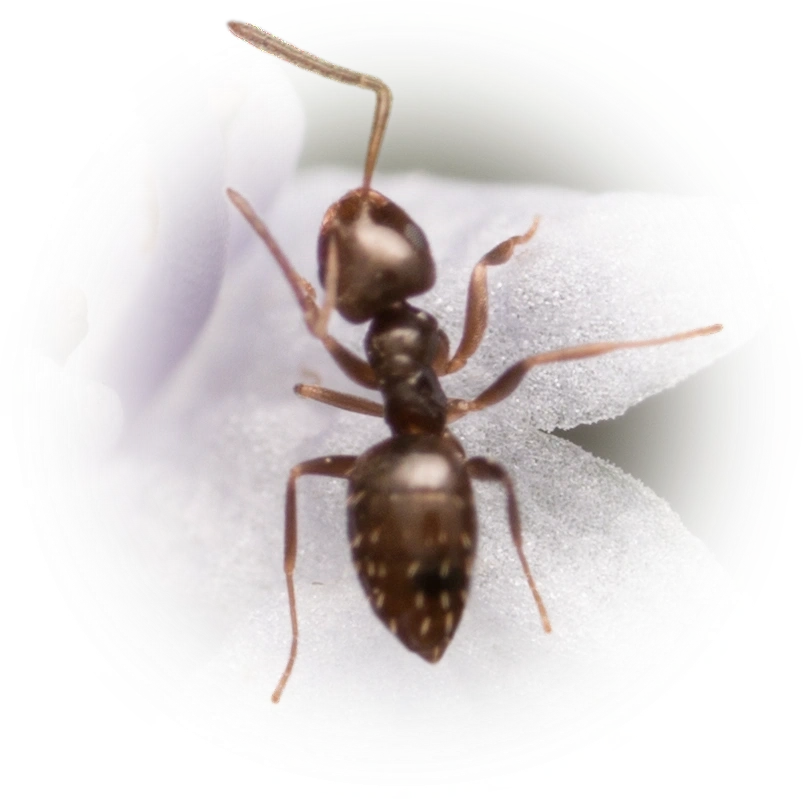
Brachymyrmex patagonicus
- Scientific Name
- Brachymyrmex patagonicus
- Tribe
- Myrmelachistini
- Subfamily
- Formicinae
- Author
- Mayr, 1868
- Common Name
- Dark Rover Ant
- Distribution
- Found in 3 countries
- Nuptial Flight
- from May to August, peaking in June
AI Identifiable
try →
Brachymyrmex patagonicus Overview
Brachymyrmex patagonicus (commonly known as the Dark Rover Ant) is an ant species of the genus Brachymyrmex. It is primarily documented in 3 countries , including Spain, Mexico, United States of America. Detailed taxonomic data and occurrence records can be further explored via authoritative databases such as AntWeb or the Global Biodiversity Information Facility (GBIF).
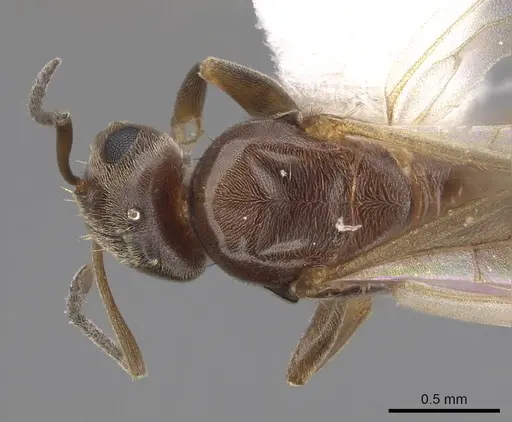
The nuptial flight of Brachymyrmex patagonicus is a significant biological event, typically occurring from May to August, peaking in June. During this time, winged queens and males leave the nest to mate and establish new colonies.
Brachymyrmex patagonicus - "Dark Rover Ant"
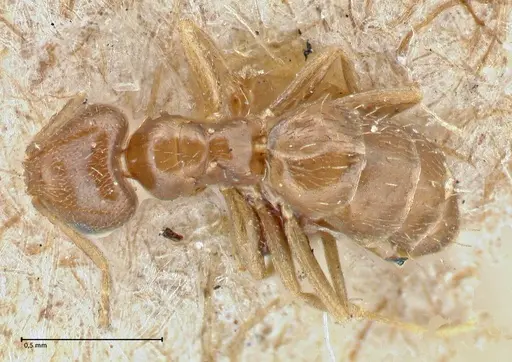
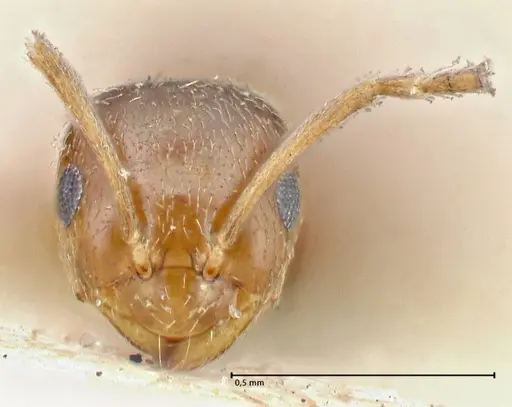
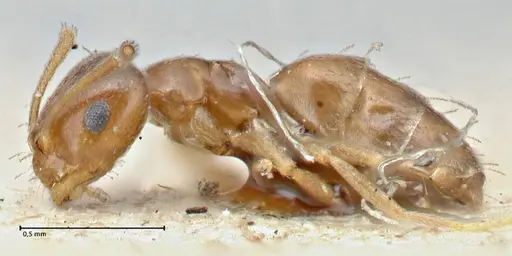
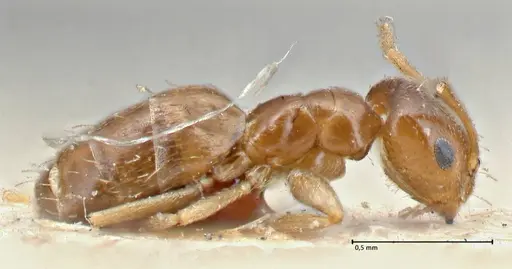
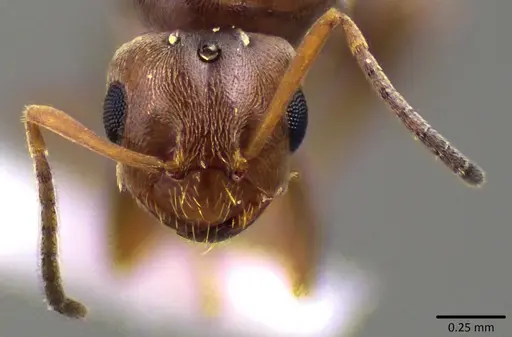
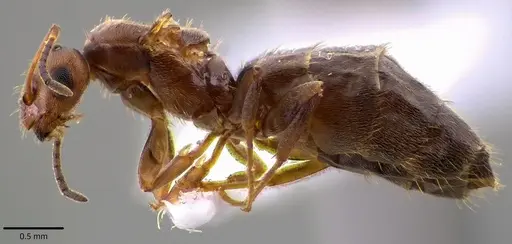
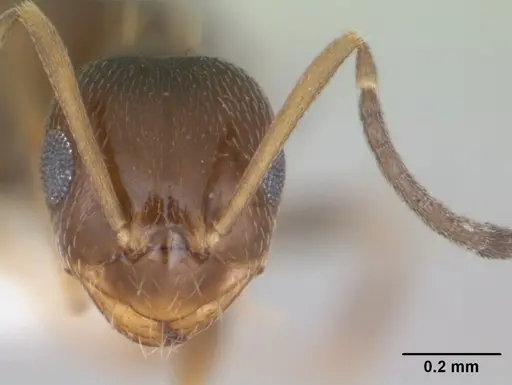
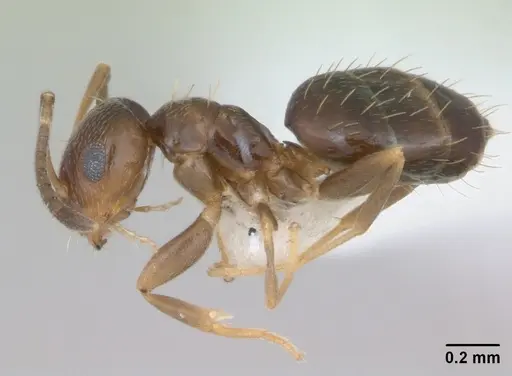
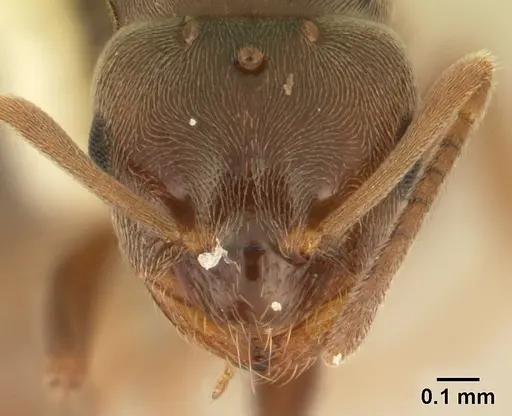
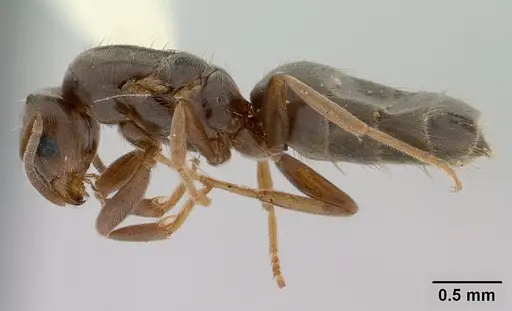
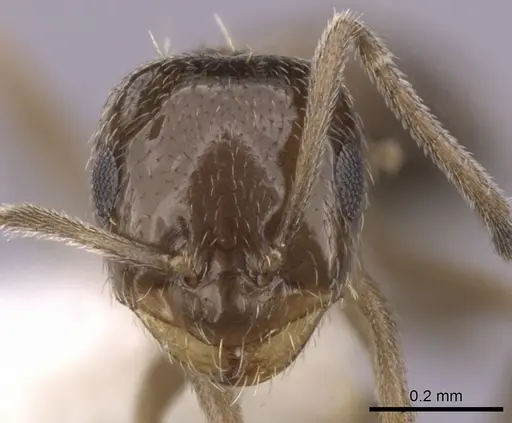
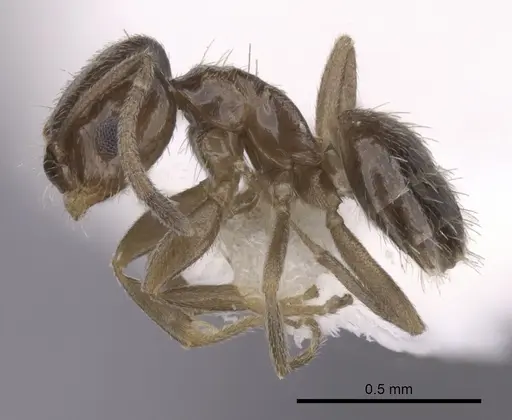
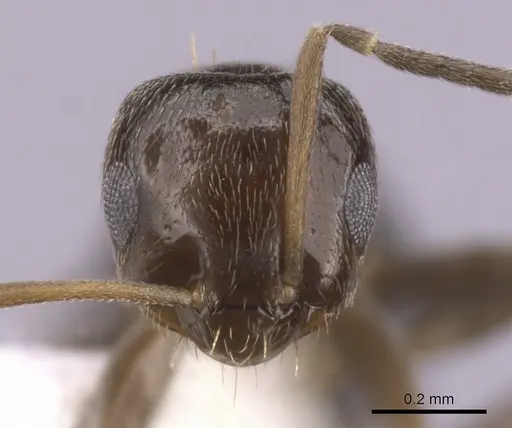
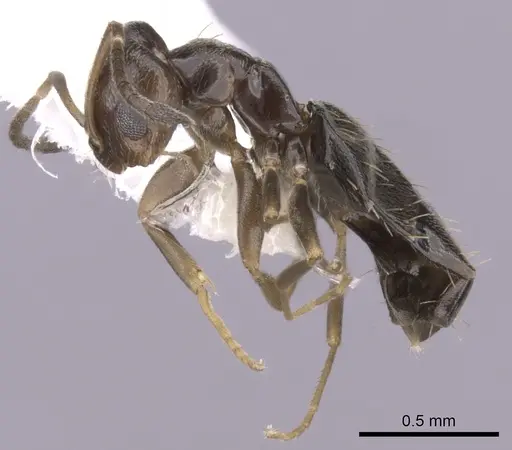
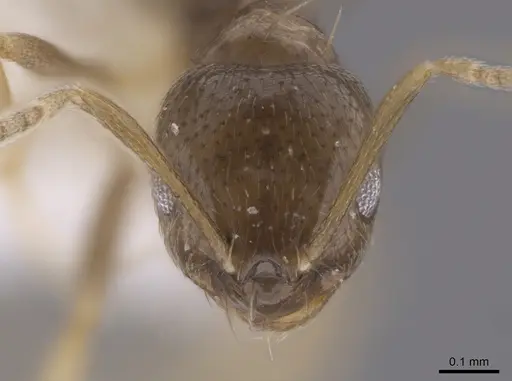
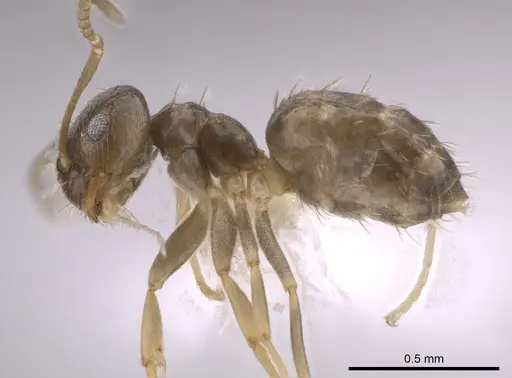
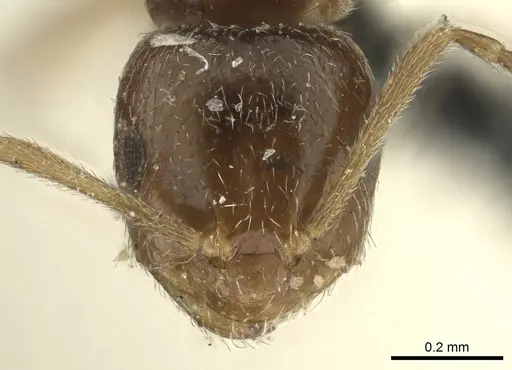
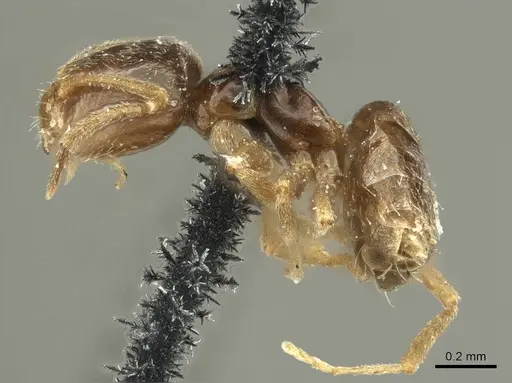
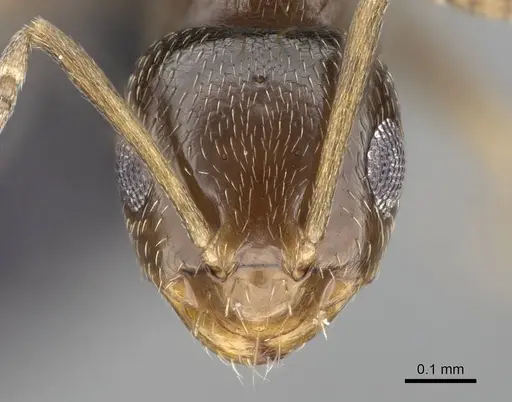
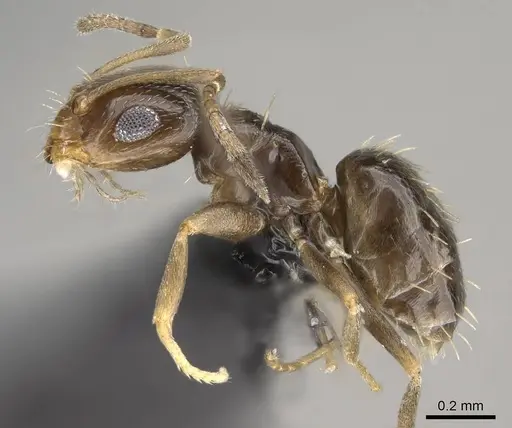
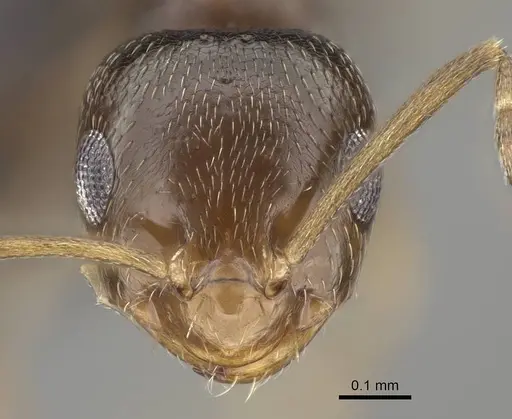
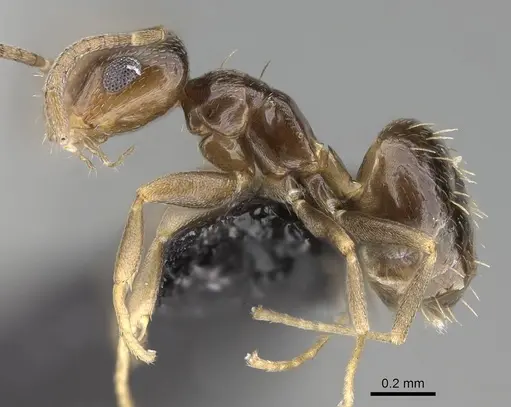
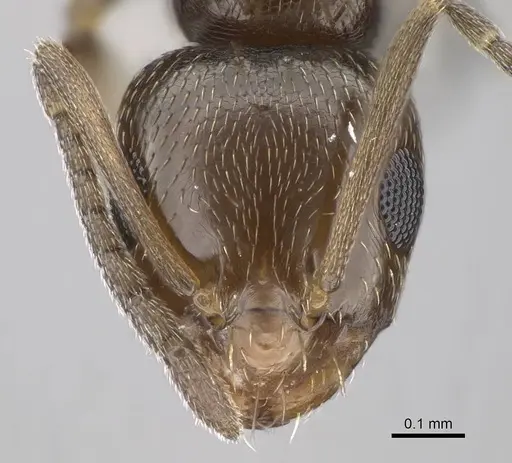
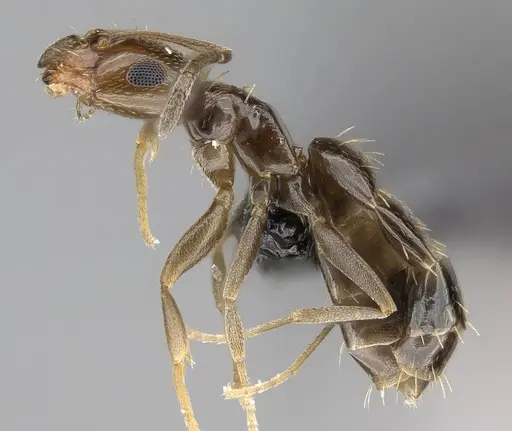
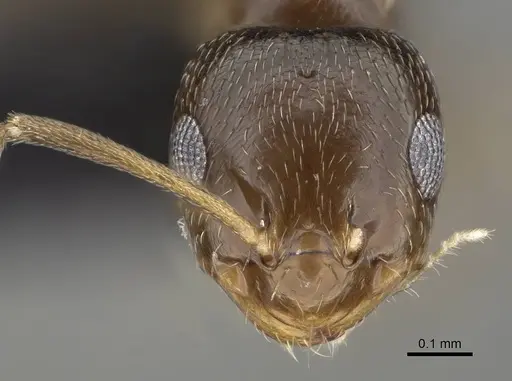
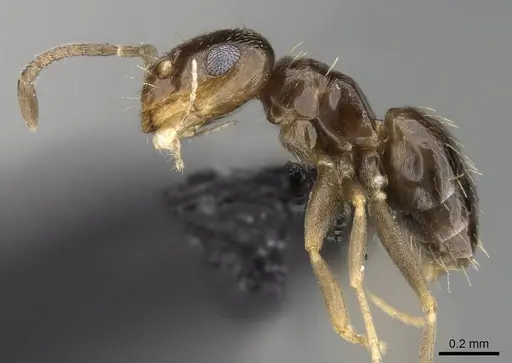
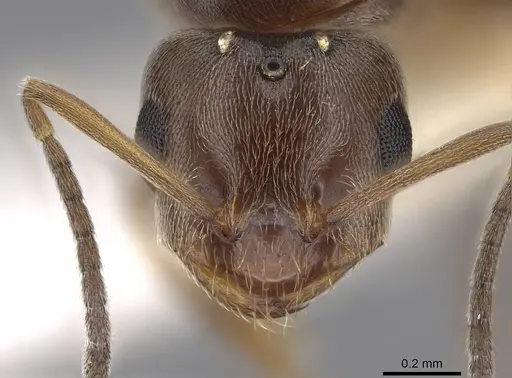
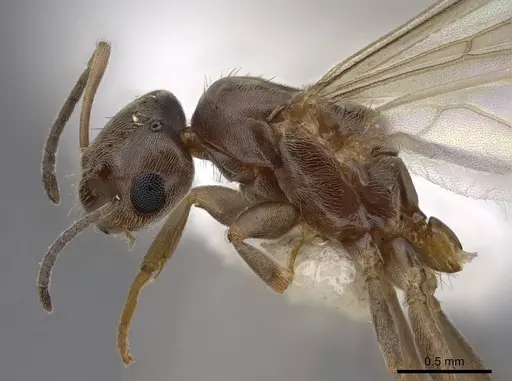
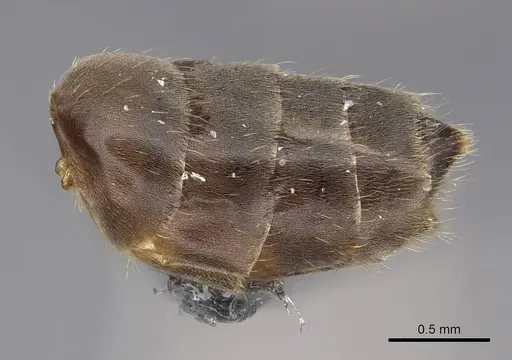
Brachymyrmex patagonicus is a tiny ant species native to South America that has become a significant invasive pest in the southeastern United States, southern Spain, Hong Kong, and Japan. Workers measure approximately 0.8mm in total length with a uniformly dark brown to reddish-brown coloration, and they have a distinctive humped appearance when viewed from the side due to their swollen abdomen covering the single petiole node. They have only nine antennal segments (most ants have twelve) and lack an antennal club. This species is known for its remarkable adaptability, nesting in everything from natural habitats like pine forests and beach areas to disturbed urban environments including landscaping mulch, building walls, and electrical outlets. Colonies are monogyne (single queen) and can contain many hundreds to a few thousand workers, with multiple colonies often existing within just a few centimeters of each other. They feed primarily on honeydew from aphids and other sap-sucking insects but readily accept sweet baits and show seasonal diet shifts, preferring carbohydrates in winter and spring and protein in summer and fall. Unlike many ants, they do not bite or sting, but their small size allows them to invade buildings through tiny gaps, and they have been shown to vector bacteria like E. coli, making them a concern in hospitals and healthcare facilities [1][2][3].
Quick Summary
- Difficulty: Expert
- Origin & Habitat: Native to South America (Argentina, Brazil, Chile, Colombia, Paraguay, Uruguay and neighboring countries). Introduced to the southeastern United States (Florida, Georgia, Alabama, Mississippi, Louisiana, Arkansas, Texas, Arizona, California, Nevada, North Carolina, South Carolina, Tennessee), southern Spain, Hong Kong, and Japan. Found in a wide range of habitats from natural pine forests, beaches, and mixed forests to highly disturbed urban areas including landscaping mulch, building structures, and roadside habitats [1][4][5].
- Colony Type: Monogyne, colonies are headed by a single queen. Multiple colonies can exist in close proximity (within centimeters) and show considerable mutual tolerance. In the US, colonies are typically small with several hundred to a few thousand workers, and as many as 24 colonies can coexist at a single structure [6][3].
- Size & Growth:
- Queen: ~1.96mm total length [7]
- Worker: ~0.8mm total length [7]
- Colony: Up to a few thousand workers per colony [2][3]
- Growth: Moderate
- Development: Approximately 100 days at optimal temperature (30°C) [8] (Development is temperature-dependent: at 25°C, colonies fail to produce adults, at 30°C, eggs develop to adults in approximately 100 days, at 35°C, development is faster but survival is lower. First eggs appear around 71-94 days after colony founding at 30°C.)
- Antkeeping:
- Temperature: Keep at 28-30°C for optimal reproduction and development. This species thrives in warm conditions, 30°C is the optimal temperature for reproduction. They can tolerate 25-35°C but development stalls below 30°C and fails entirely at 25°C [8].
- Humidity: Moderate to high humidity preferred. In nature, they nest in soil, rotting wood, and moist areas. Keep the nest substrate consistently damp but not waterlogged. They are often associated with moisture in buildings, commonly found in bathrooms and areas near plumbing [1][3].
- Diapause: No diapause required. As a tropical/subtropical species, they remain active year-round in heated indoor environments. In their introduced range, they do not enter true hibernation but may reduce activity during cooler winter months [AntWiki].
- Nesting: Highly adaptable. In captivity, they do well in test tubes with moist substrate or Y-tong nests. Their tiny size means chambers and passages should be appropriately scaled. They prefer dark, humid nesting sites and will readily nest in small cavities. Avoid excessive ventilation which can dry out the nest.
- Behavior: Generally calm and non-aggressive. Workers are active foragers, primarily during the day, and use pheromone trails to recruit nestmates to food sources. They readily accept sweet baits and will form foraging trails. They do not bite or sting. Their tiny size makes them excellent escape artists, they can squeeze through tiny gaps that larger ants cannot. Colonies show strong nest-mate recognition and maintain strict colony boundaries. Workers require contact with queen and brood to initiate foraging behavior, workers-only colonies do not forage [8][6].
- Common Issues: tiny size means escapes are likely without fine mesh barriers and careful sealing of enclosure edges, colonies are small but numerous, making complete eradication difficult if they establish in your home, they can vector bacteria (E. coli), practice good hygiene and avoid handling them near food preparation areas, seasonal diet changes mean protein is more important in summer/fall while sweets dominate in winter/spring, overheating above 35°C causes colony failure, keep temperatures stable and avoid exceeding this threshold, WARNING: This species is invasive in the southeastern United States, Spain, Hong Kong, and Japan. It is NOT recommended to keep this species outside its native range. If kept, extreme precautions must be taken to prevent any escape, as established invasive populations can cause severe ecological damage.
Nuptial Flight Activity Analysis 1203 observations
Flight Activity by Hour 1203 observations
Brachymyrmex patagonicus nuptial flight activity peaks around 21:00 during the night. Activity is spread across a 24-hour window (00:00–23:00). Times may be influenced by human observation patterns.
Housing and Nest Setup
Brachymyrmex patagonicus is a tiny ant that can be kept in standard ant housing. Test tubes work well for founding colonies, use a small test tube with a cotton ball creating a water reservoir. The tube should be small enough that the queen can easily walk across it. For established colonies, Y-tong nests or other formicaria work well, but ensure the chambers are appropriately scaled for their small size. They prefer dark, humid environments, so cover the nest with an opaque cover and keep the substrate moist. Because of their tiny size, escape prevention is critical, use fluon on edges and ensure any connections between outworld and nest are tight. They do not require large spaces, colonies naturally fit into small sheltered areas in the wild [1][3].
Feeding and Diet
In the wild, B. patagonicus feeds primarily on honeydew from aphids, scales, and other sap-sucking insects. They readily accept sweet baits like honey, sugar water, and syrups. They also need protein, in laboratory tests, they showed strong preference for tuna and other protein sources, especially in summer and fall. They demonstrate seasonal diet switching: carbohydrates dominate in winter and spring while protein is preferred in summer and fall. For captive colonies, offer a mix of sugar water or honey constantly, and provide protein sources like small pieces of mealworms, crickets, or tuna 2-3 times per week. They are not aggressive foragers and may take time to discover new food sources, place food near foraging areas and be patient [1][8][3].
Temperature and Seasonal Care
This species requires warm conditions. The optimal temperature for reproduction is 30°C, at this temperature, queens lay eggs within 71-94 days and workers emerge in about 100 days total. At 25°C, colonies fail to produce adults and queens typically die within 29-83 days. At 35°C, development is faster but survival is lower and no adults emerge. Keep your colony at 28-30°C for best results. A small heating cable on one side of the nest can create a temperature gradient. They do not require diapause or hibernation, as a tropical species, they remain active year-round in heated environments. However, activity may decrease in cooler winter months [8].
Behavior and Colony Dynamics
B. patagonicus colonies are monogyne (single queen) and maintain strong nest-mate recognition. Colonies can coexist in close proximity, studies in the US found colonies separated by only about 2.5 meters, with up to 24 colonies at a single structure. Workers are diurnal foragers that use pheromone trails to recruit nestmates to food. However, they do not exhibit mass recruitment like some ants, foraging trails are loose and erratic. Workers require contact with queen and brood to initiate foraging, colonies without queen or brood do not forage. Alates (reproductives) are produced from mid-spring through summer and are attracted to lights at night [1][6][8].
Health and Safety Considerations
While B. patagonicus does not bite or sting, they are considered a medical pest concern because laboratory trials showed they can vector Escherichia coli (E. coli) up to 2 meters. This makes them particularly concerning in hospitals, kitchens, and other areas where food is prepared. Practice good hygiene, wash your hands before and after handling the colony or cleaning the enclosure. They are not known to cause structural damage or transmit diseases, but their presence in high numbers can be a nuisance [1][8].
Frequently Asked Questions
How long does it take for Brachymyrmex patagonicus to produce first workers?
At optimal temperature (30°C), first workers emerge approximately 100 days after egg laying. Queens lay their first eggs around 71-94 days after colony founding, then eggs take about 9 days to develop into larvae, 18 days to pupae, and 6 days from pupae to adult. At lower temperatures (25°C), colonies fail to produce adults [8].
Can I keep multiple Brachymyrmex patagonicus queens together?
No. This species is monogyne, colonies are headed by a single queen. Multiple unrelated queens will fight. In the wild, colonies maintain strict boundaries through chemical recognition, and multiple colonies in an area are typically separate, each with their own queen [6][3].
What do Brachymyrmex patagonicus eat?
They primarily feed on honeydew from aphids and other sap-sucking insects. In captivity, offer sugar water or honey constantly, and provide protein sources like small mealworms, crickets, or tuna 2-3 times weekly. They show seasonal preferences, carbohydrates in winter/spring and protein in summer/fall [1][8].
What temperature do Brachymyrmex patagonicus need?
Keep them warm at 28-30°C. The optimal temperature for reproduction is 30°C. They can tolerate 25-35°C but development fails below 30°C and becomes lethal above 35°C. Avoid temperature fluctuations and never exceed 35°C [8].
Are Brachymyrmex patagonicus good for beginners?
No. This species is rated Expert because it is invasive in many regions. It should not be kept by beginners, especially in areas where it is not native. The main challenge is maintaining proper temperature (around 30°C) for successful colony development and preventing escapes due to their tiny size [AntWiki].
Do Brachymyrmex patagonicus need hibernation?
No. As a tropical/subtropical species, they do not require diapause or hibernation. They remain active year-round in heated indoor environments. Activity may naturally decrease during cooler months but this is not a true hibernation [AntWiki].
Why are my Brachymyrmex patagonicus dying?
Common causes include: temperature too low (below 25°C causes colony failure), temperature too high (above 35°C kills brood), poor escape prevention allowing them to escape, low humidity drying out the nest, or improper feeding. They need consistent warmth at 28-30°C and moist nesting conditions. Check that your setup maintains proper temperature and humidity levels [8].
When should I move my colony to a formicarium?
You can move them to a formicarium once the colony reaches several dozen workers. However, they do well in test tubes long-term, the key is ensuring the tube remains moist and the colony has space. For larger colonies, a small Y-tong nest works well. Ensure any transition provides appropriate humidity and dark nesting conditions [AntWiki].
Report an Issue
The current care sheet is based fully on literature. See inconsistencies, or something that's incorrect? Please , it will be resolved after review from an admin. Contributing to the blogs tab also helps providing information, to make us be able to further improve the caresheets. Thank you for your support!
References

This caresheet is licensed under CC BY-SA 4.0 .
ANTWEB1041788
View on AntWeb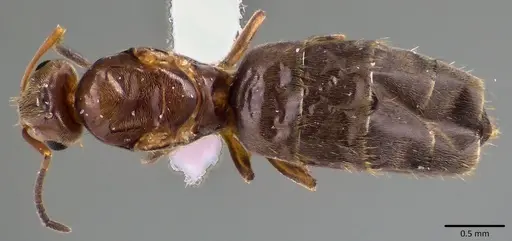
CASENT0173480
View on AntWeb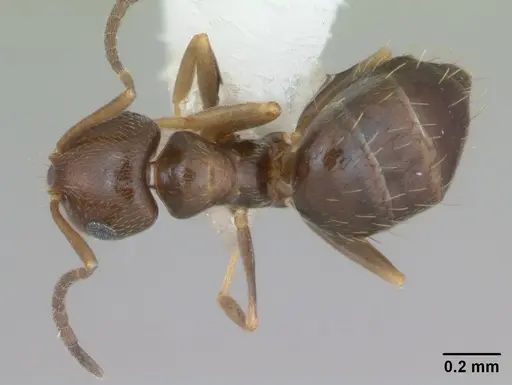
CASENT0179497
View on AntWeb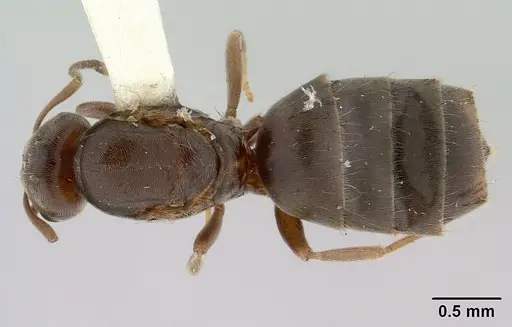
CASENT0249945
View on AntWeb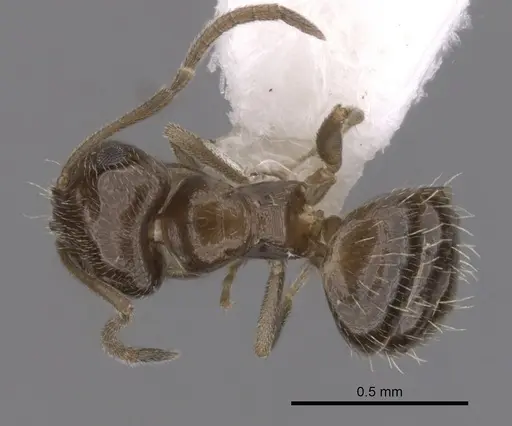
CASENT0249951
View on AntWeb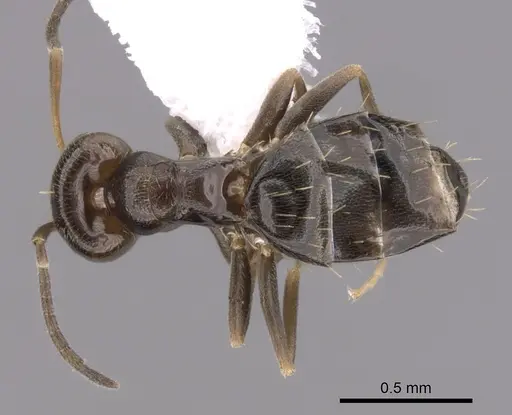
CASENT0653665
View on AntWeb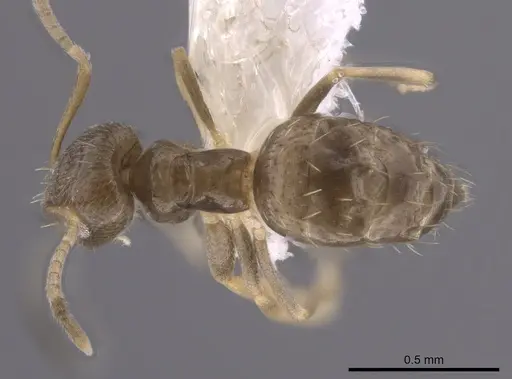
CASENT0915732
View on AntWeb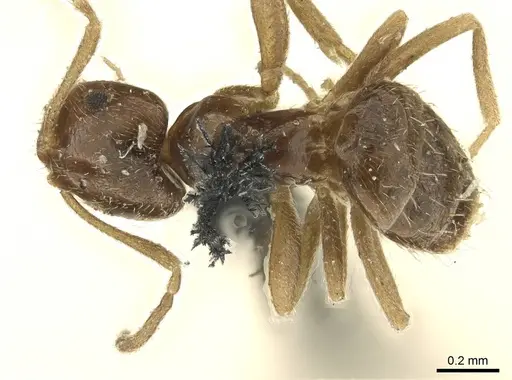
CASENT0915986
View on AntWeb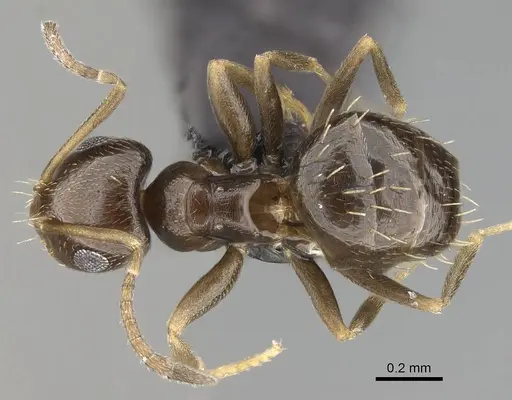
CASENT0915987
View on AntWeb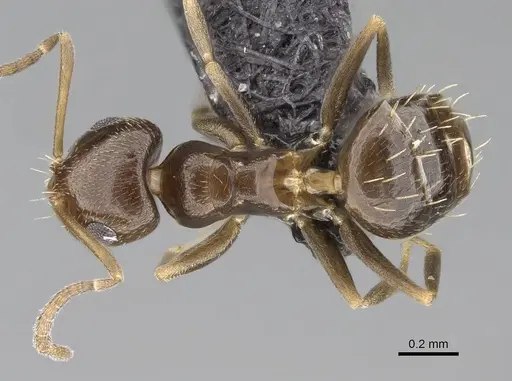
CASENT0915988
View on AntWeb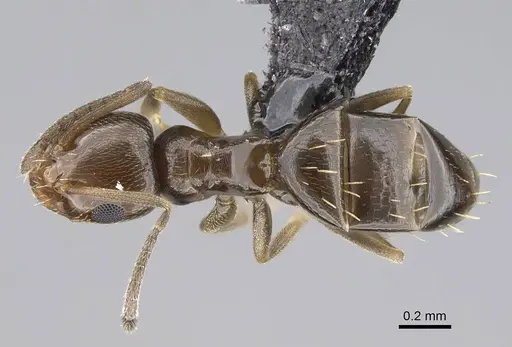
CASENT0915989
View on AntWeb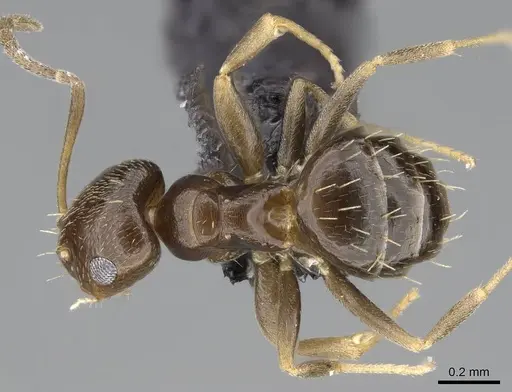
CASENT0923084
View on AntWeb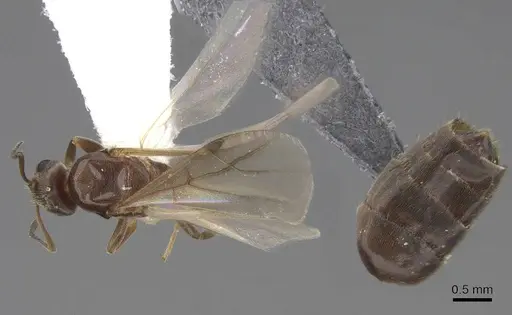
FOCOL2903
View on AntWeb