

Brachymyrmex musculus
- Scientific Name
- Brachymyrmex musculus
- Tribe
- Myrmelachistini
- Subfamily
- Formicinae
- Author
- Forel, 1899
- Common Name
- Ant
- Distribution
- Found in 4 countries
Brachymyrmex musculus Overview
Brachymyrmex musculus (commonly known as the Ant) is an ant species of the genus Brachymyrmex. It is primarily documented in 4 countries , including Colombia, Costa Rica, Mexico. Detailed taxonomic data and occurrence records can be further explored via authoritative databases such as AntWeb or the Global Biodiversity Information Facility (GBIF).
Brachymyrmex musculus - "Ant"
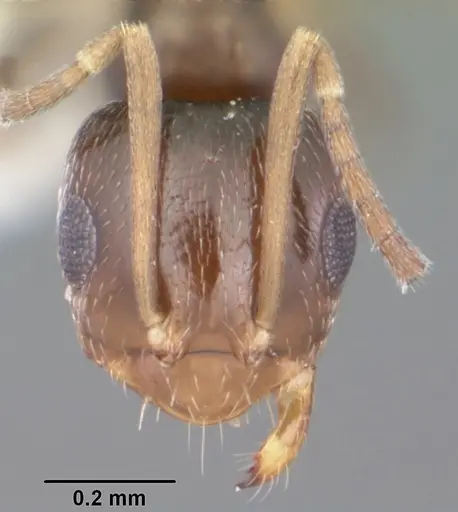
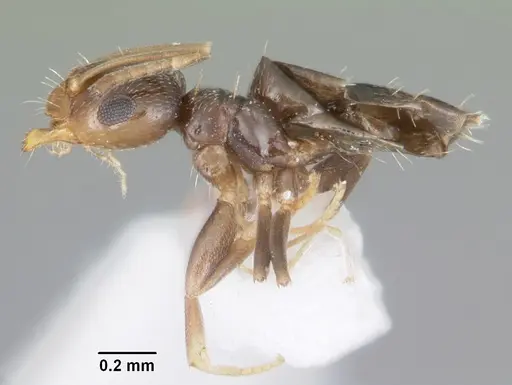
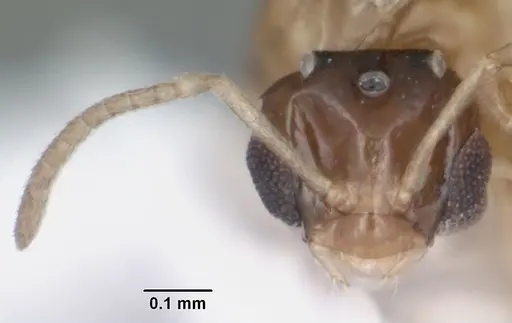
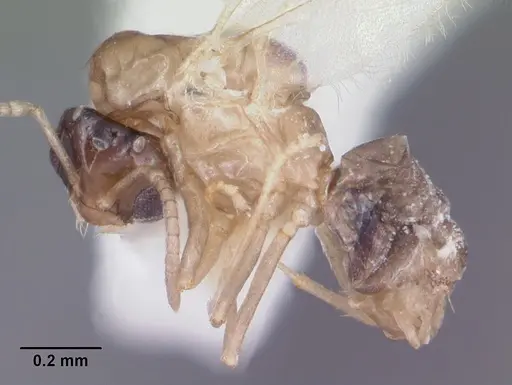
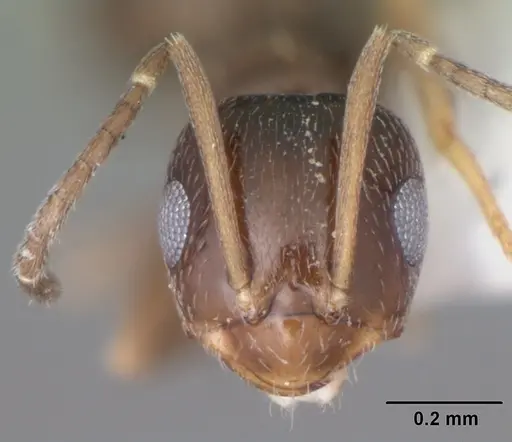
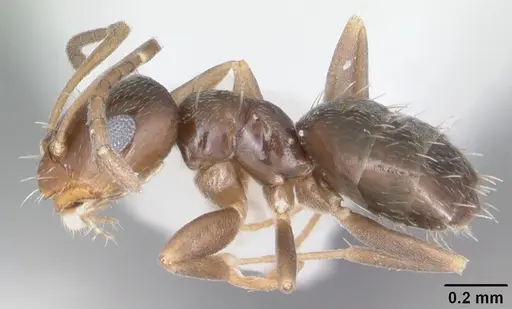
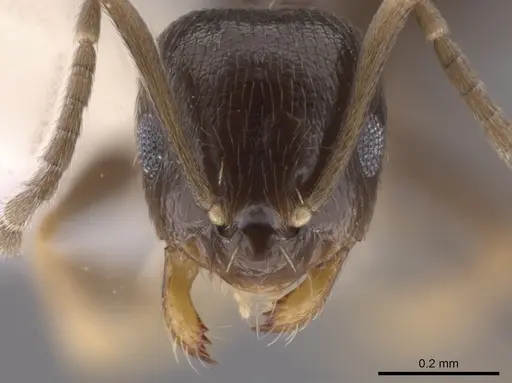
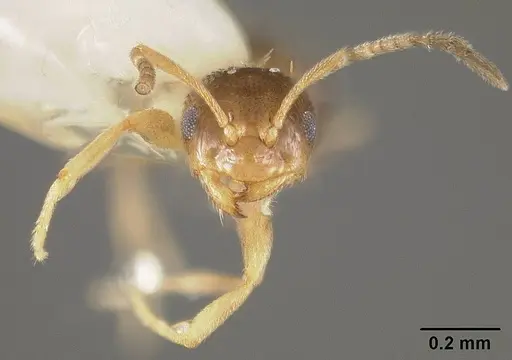
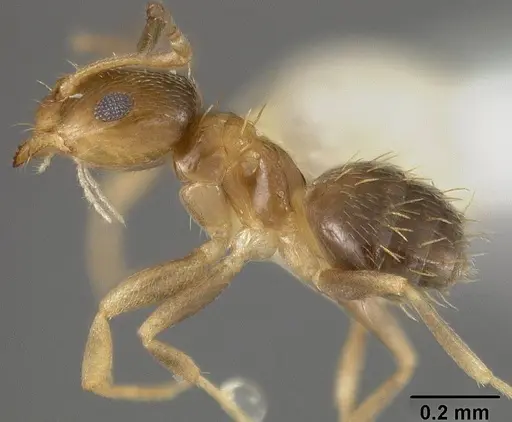
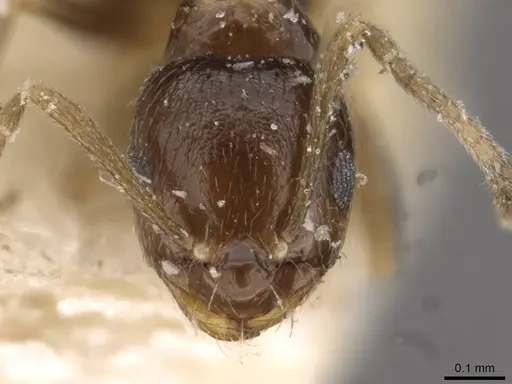
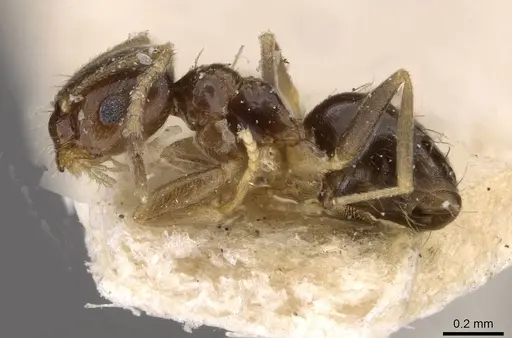
Brachymyrmex musculus is a small, brownish ant native to the Neotropical region, found across Argentina, Colombia, Costa Rica, Mexico, Paraguay, and Venezuela [1]. Workers are tiny at around 2mm total body length, with a brown body, whitish antenna bulbs, and relatively light-colored legs and antennae [1]. The species is distinguished by having a metanotal groove that is wider than the diameter of the metathoracic spiracles [1]. This ant is a disturbance-adapted species that thrives in human-altered habitats and is considered a bioindicator species for disturbed environments [2]. It is a generalist omnivore that forages across multiple strata and has been documented as polygynous (multiple queens per colony) with the ability to reproduce through budding [3].
Quick Summary
- Difficulty: Medium
- Origin & Habitat: Native to the Neotropical region, Argentina, Colombia, Costa Rica, Mexico, Paraguay, and Venezuela [1]. This is a disturbance-adapted species that thrives in human-altered and degraded habitats, being significantly more abundant in disturbed sites than in conserved areas [2]. Found in tropical dry forests, agricultural areas, and arid zones [4][5].
- Colony Type: Polygynous (multiple queens per colony) with documented budding reproduction. Colonies can produce numerous alates with spring and summer mating flights involving hundreds if not thousands of reproductive individuals [3]. Ergatoid (wingless) queen replacement systems have not been studied for this specific species.
- Colony: Polygyne
- Size & Growth:
- Queen: Unconfirmed, queen measurements not documented in available literature [1]
- Worker: Approximately 2mm total length (HW 0.39-0.47mm, WL 0.35-0.51mm) [1][6]
- Colony: Unknown, no colony size data available
- Growth: Unknown, growth rate has not been studied
- Development: Unconfirmed, development timeline has not been documented for this species (Based on related Brachymyrmex species and genus patterns, expect development to take several weeks to a few months at optimal temperature. No specific data available.)
- Antkeeping:
- Temperature: Based on its Neotropical distribution and presence in tropical dry forests, aim for warm conditions around 22-28°C. No specific thermal studies exist for this species, but related Brachymyrmex species typically prefer moderate to warm temperatures. Adjust based on colony activity, workers should be active and foraging.
- Humidity: Moderate humidity is likely preferred given its tropical distribution. Keep nest substrate lightly moist but not waterlogged. The species has been found in both dry forest and agricultural settings, suggesting some tolerance to variation. Provide a water source in the outworld.
- Diapause: Unconfirmed, no studies on overwintering requirements. As a Neotropical species, it may not require true hibernation but may show reduced activity during cooler periods. Monitor colony behavior and reduce feeding if activity decreases significantly.
- Nesting: Documented as both ground-dwelling and showing arboreal nesting habits [7][8]. In captivity, a standard test tube setup works well for founding colonies. For established colonies, a Y-tong or acrylic formicarium with moist substrate will suit their needs. They do not require special nesting structures beyond standard antkeeping setups.
- Behavior: This species is described as a submissive opportunist, it is unspecialized with a wide habitat distribution and is only dominant when behavioral dominance of other species is low [2]. They are generalist omnivores that forage in multiple strata and are more active during morning hours than evening [2]. Workers are small but not particularly aggressive. Escape prevention is important due to their tiny size, use fine mesh barriers and tight-fitting lids. They are known to be polygynous and can spread explosively in disturbed habitats [2].
- Common Issues: tiny size means escapes are likely without fine mesh barriers, biology is poorly documented so care is based on genus-level inference rather than species-specific studies, polygynous colonies may have multiple egg-laying queens which can complicate colony management, wild-caught colonies may carry parasites or pathogens since the species has not been studied in captivity, slow colony growth due to unknown development timeline may frustrate keepers expecting fast results
Nest Preferences and Housing
Brachymyrmex musculus has been documented as both ground-dwelling and showing arboreal nesting habits in the wild [7][8]. In captivity, a standard test tube setup works well for founding colonies, use a small test tube with a water reservoir secured with a cotton plug. The tube should be kept horizontal or slightly tilted so the ants can access water. For established colonies, a Y-tong (acrylic) nest or plaster formicarium with moist substrate works well. These ants do not require elaborate nest structures, simple chambers with narrow passages scaled to their tiny size are sufficient. Ensure the outworld has a reliable water source and escape prevention using fine mesh, as their small size allows them to squeeze through surprisingly small gaps.
Feeding and Diet
This species is a generalist omnivore, documented as feeding on a wide variety of resources [2][9]. In captivity, offer a varied diet including sugar water or honey as an energy source, and protein sources such as small insects (fruit flies, pinhead crickets, mealworms), or commercial ant protein mixes. They have been collected using CeraTrap fruit fly lure baits, indicating they are attracted to sweet protein sources [8]. Feed protein 2-3 times per week and keep sugar water available at all times. Remove uneaten food after 24-48 hours to prevent mold. Given their small size, food items should be appropriately sized, very small prey or crushed insects work best.
Temperature and Seasonal Care
As a Neotropical species from Mexico and Central/South America, B. musculus prefers warm conditions. Aim for temperatures in the 22-28°C range based on its geographic distribution and the fact that related Brachymyrmex species thrive in tropical and subtropical environments. No specific thermal tolerance studies exist for this species, so observe your colony for signs of stress, workers should be active and foraging. If they cluster together and show reduced activity, the nest may be too cool. Regarding seasonal care, diapause requirements are unconfirmed. The species does not naturally experience harsh winters in its native range, so a true hibernation period is likely not necessary. However, you may observe reduced activity during cooler months, this is normal and you should reduce feeding accordingly. [1]
Colony Structure and Reproduction
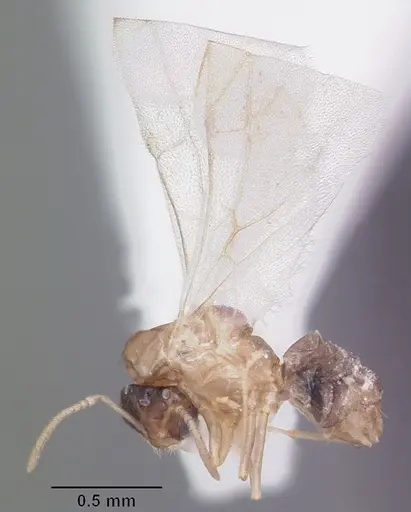
Brachymyrmex musculus is polygynous, meaning colonies can have multiple queens [3]. This is unusual among many ant species and affects how you might manage the colony. The species reproduces through budding, where a queen plus some workers leave the main colony to establish a new nest rather than undertaking nuptial flights [3]. They also produce numerous alates (reproductives) with documented spring and summer mating flights involving hundreds if not thousands of individuals [3]. If you keep a mature colony, you may observe alates developing, these are the reproductive males and females that will leave to start new colonies. The colony structure being polygynous means you may see multiple egg-laying queens coexisting, which can lead to faster colony growth but also requires more space as the colony expands.
Behavior and Foraging
This species exhibits what researchers call 'submissive opportunist' behavior, they are unspecialized with a wide habitat distribution and are only dominant when other more aggressive species are absent [2]. They are more active during morning hours than evening sampling periods [2]. Workers forage across multiple strata including ground level and into vegetation (arboreal foraging has been documented) [7][10]. In captivity, they will readily explore their outworld and establish foraging trails. They are not particularly aggressive and pose no threat to keepers. Their small size makes them agile foragers but also means they can escape easily, excellent escape prevention is essential.
Frequently Asked Questions
How long does it take for Brachymyrmex musculus to produce first workers?
The egg-to-worker development timeline is unconfirmed for this specific species. No scientific studies document their development time. Based on related Brachymyrmex species and typical Formicinae development patterns, expect it to take 6-10 weeks at optimal temperature (around 24-26°C). However, this is an estimate, actual times may vary.
Are Brachymyrmex musculus ants good for beginners?
This species is rated as Medium difficulty. While they are generalists that accept varied foods and are not aggressive, their biology is poorly documented compared to more common ant species. The main challenge is that care is based on genus-level inference rather than species-specific studies. If you are an experienced antkeeper looking for an unusual species, this can be rewarding. Beginners may prefer species with more established care guides.
Can I keep multiple Brachymyrmex musculus queens together?
Yes, this species is naturally polygynous, meaning colonies can have multiple queens [3]. Unlike many ant species where multiple queens fight to the death, B. musculus colonies can coexist with several egg-laying queens. When starting a colony, you may keep multiple founding queens together, though some mortality during the founding stage is normal.
What do Brachymyrmex musculus ants eat?
They are generalist omnivores [2][9]. In captivity, offer sugar water or honey as a constant energy source, and protein sources such as small insects (fruit flies, small crickets, mealworms) 2-3 times per week. They will also accept commercial protein ant feeds. Remove uneaten food after 24-48 hours to prevent mold.
What temperature do Brachymyrmex musculus ants need?
Based on their Neotropical distribution, keep them warm at 22-28°C. A temperature around 24-26°C is ideal. No specific thermal studies exist for this species, so observe your colony, workers should be active and foraging. If they cluster together and become sluggish, the nest may be too cool.
How big do Brachymyrmex musculus colonies get?
The maximum colony size is unknown, no scientific studies document colony size for this species. As a polygynous species with budding reproduction, colonies can likely grow quite large given enough time. Related Brachymyrmex species typically reach several hundred to a few thousand workers.
Do Brachymyrmex musculus ants need hibernation?
Diapause requirements are unconfirmed for this species. As a Neotropical species from Mexico and Central/South America, they do not naturally experience harsh winters. A true hibernation period is likely not necessary. You may observe reduced activity during cooler months, this is normal and you should reduce feeding accordingly.
Why are my Brachymyrmex musculus ants dying?
Common issues include: escape due to their tiny size (use fine mesh barriers), stress from incorrect temperature (too cold causes lethargy), mold from overwatering or uneaten food, and parasites from wild-caught colonies. Their biology is poorly documented, so some trial and error may be needed. Ensure proper humidity, appropriate temperature, and clean feeding practices.
When should I move Brachymyrmex musculus to a formicarium?
Move them when the test tube colony becomes crowded, typically when you see 20-30+ workers and the water reservoir is depleted or the tube is fouled. For polygynous colonies, they may need more space sooner. Always have the new formicarium set up and ready before transferring to minimize stress.
References

This caresheet is licensed under CC BY-SA 4.0 .
CASENT0103631
View on AntWeb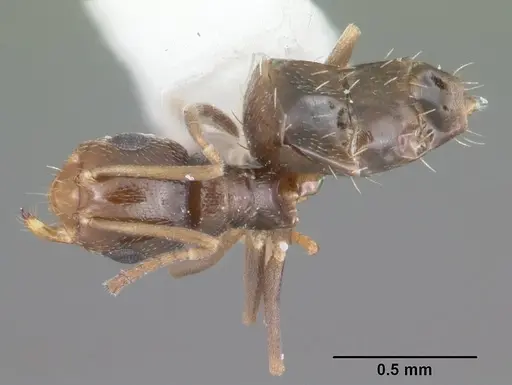
CASENT0103633
View on AntWeb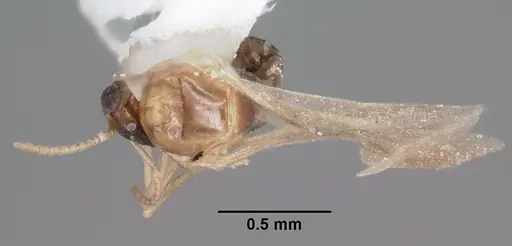
CASENT0103634
View on AntWeb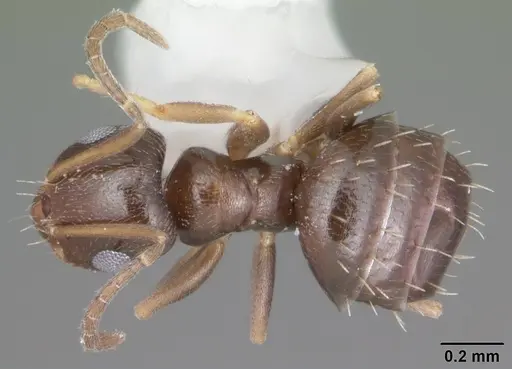
CASENT0635184
View on AntWeb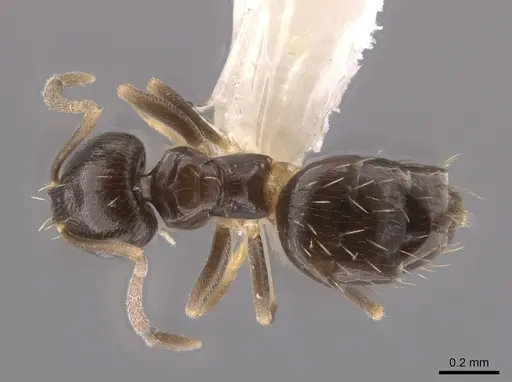
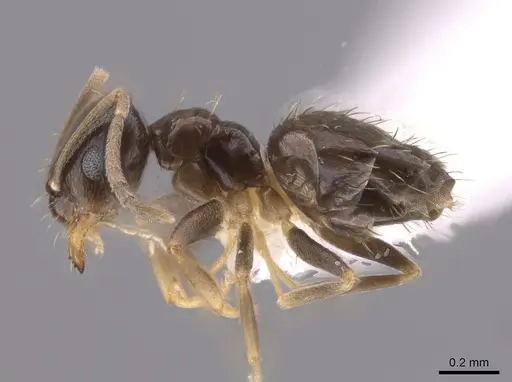
CASENT0906245
View on AntWeb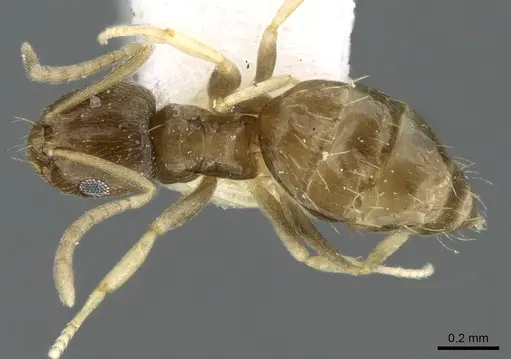
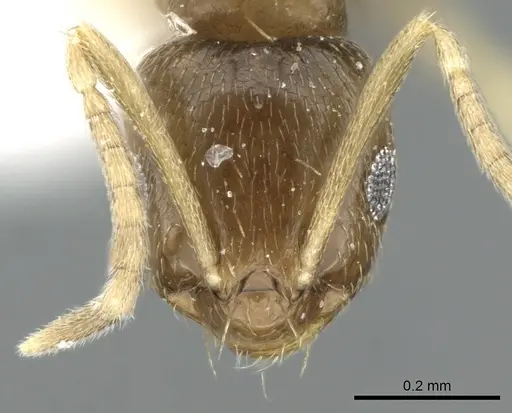
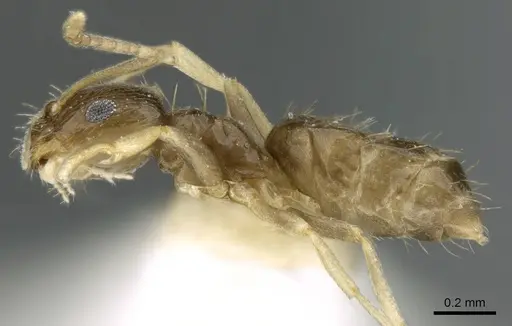
USNMENT00441936
View on AntWeb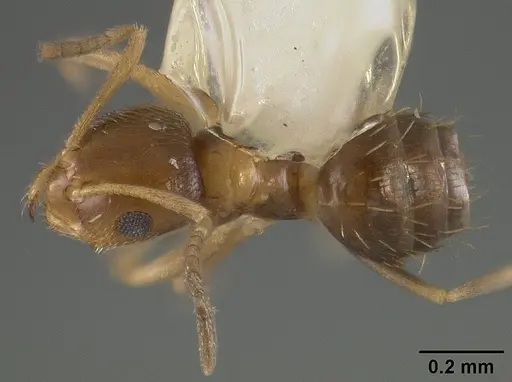
USNMENT00757155
View on AntWeb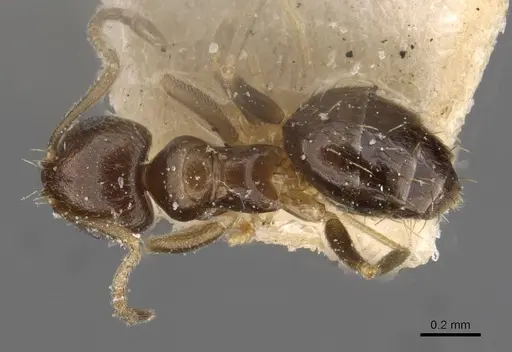
Literature
Loading...Loading products...