

Brachymyrmex modestus
- Scientific Name
- Brachymyrmex modestus
- Tribe
- Myrmelachistini
- Subfamily
- Formicinae
- Author
- Santschi, 1923
- Distribution
- Found in 2 countries
Brachymyrmex modestus Overview
Brachymyrmex modestus is an ant species of the genus Brachymyrmex. It is primarily documented in 2 countries , including Brazil, Colombia. Detailed taxonomic data and occurrence records can be further explored via authoritative databases such as AntWeb or the Global Biodiversity Information Facility (GBIF).
Brachymyrmex modestus
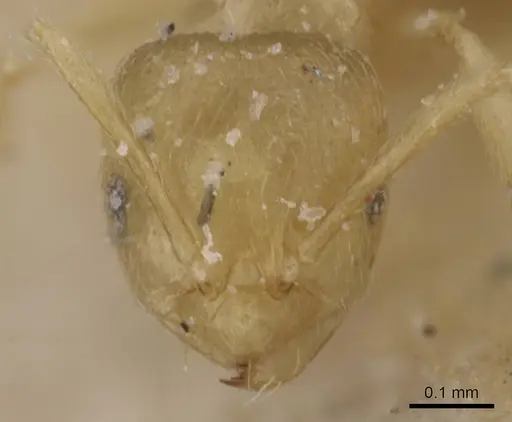
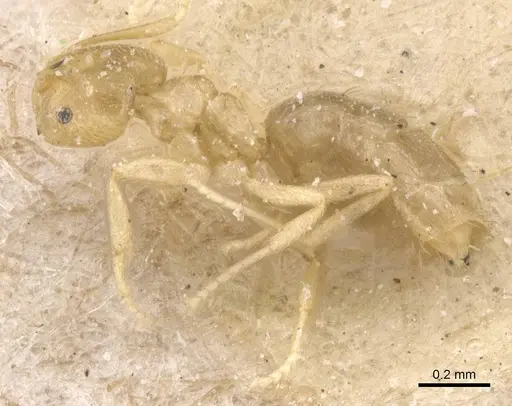
Brachymyrmex modestus is a tiny yellowish ant native to the Neotropical region, found in Brazil, Colombia, and Ecuador [1]. Workers are among the smallest ants you'll encounter, measuring just 0.41-0.55mm in total body length, with a distinctive appearance featuring a slightly inflated mesonotum that bulges above the pronotum in side view, and dense pubescence on the gaster [1][2]. The scapes extend past the back of the head, and the small eyes sit below the midline of the head [1]. This species has been collected in association with termites, suggesting it may have an ecological relationship with termite colonies [1][2]. The genus Brachymyrmex belongs to the Formicinae subfamily and is part of the Myrmelachistini tribe.
Quick Summary
- Difficulty: Medium
- Origin & Habitat: Native to the Neotropical region, Brazil, Colombia, and Ecuador. Found in Amazonian and surrounding areas in Colombia (Amazonas, Caldas, Quindío, Risaralda) [1][3][4]. Likely inhabits tropical forest floor environments based on regional patterns.
- Colony Type: Colony structure is unconfirmed. Some specimens show physogastric workers (workers with enlarged abdomens capable of laying eggs), which may indicate colony-level reproductive flexibility [1]. Further research needed to confirm queen numbers.
- Size & Growth:
- Queen: Unconfirmed, no documented measurements found. Likely similar to worker size or slightly larger based on genus patterns.
- Worker: 0.41-0.55mm total length (WL 0.45-0.55mm) [1][2]
- Colony: Unconfirmed, likely small colonies based on typical Brachymyrmex patterns and the small worker size.
- Growth: Unknown, no development data available for this species.
- Development: Unconfirmed, no direct measurements. Based on related Formicinae and small tropical ant patterns, estimate 4-8 weeks at optimal temperature, but this is speculative. (No published development data exists for this species. Estimates based on genus-level patterns.)
- Antkeeping:
- Temperature: Keep at room temperature or slightly above. Based on their tropical origin (Brazil, Colombia, Ecuador), aim for 22-28°C. Avoid temperatures below 20°C. A gentle heat gradient allows workers to self-regulate.
- Humidity: Maintain moderate to high humidity. Their natural habitat in Amazonian regions is humid. Keep nest substrate consistently moist but not waterlogged. Mist occasionally and provide a water tube.
- Diapause: Unlikely, being a tropical species from Brazil, Colombia, and Ecuador, they probably do not require a true diapause. However, they may show reduced activity during cooler periods.
- Nesting: Use small, tight-fitting chambers scaled to their tiny size. Test tubes with cotton barriers work well for founding colonies. A Y-tong (AAC) nest or plaster nest with small chambers is suitable for established colonies. The nest should retain moisture well.
- Behavior: These are tiny, docile ants that are unlikely to sting humans due to their minute size. They are probably generalist foragers, collecting nectar, honeydew, and small insects. Their small size makes them excellent escape artists, use fine mesh barriers and ensure all connections are sealed. They may form moderate-sized colonies over time. The association with termites in the wild suggests they may be tolerant of or even benefit from termite presence in their environment.
- Common Issues: escape prevention is critical due to their very small size, they can squeeze through tiny gaps, lack of published care information means you'll be pioneering husbandry techniques, wild-caught colonies may carry parasites that can be difficult to treat, slow colony growth is normal for tiny species, don't overfeed or over-stimulate, humidity control is important, too dry and they desiccate, too wet and they drown
Appearance and Identification
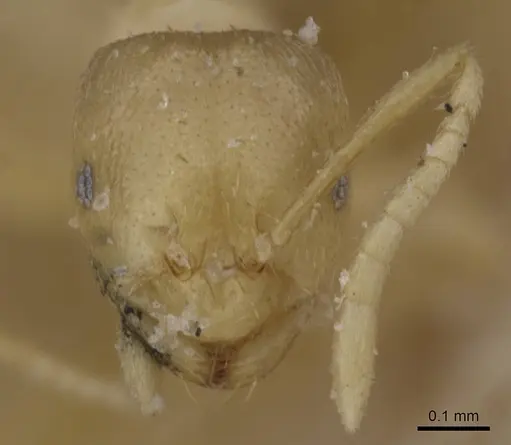
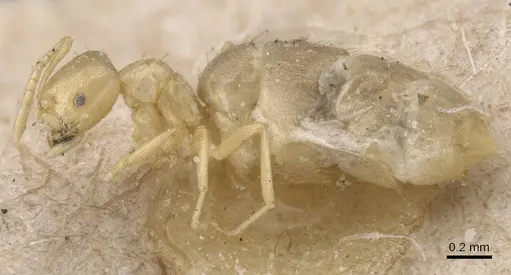
Brachymyrmex modestus workers are among the smallest ants in the ant-keeping hobby, measuring just 0.41-0.55mm in total length [1]. Their body is yellowish, with the gaster sometimes appearing darker [1]. The most distinctive physical features include: the scapes (antennal segments) extend past the back of the head by roughly the diameter of the eye, the mesonotum is visibly inflated and bulges above the pronotum when viewed from the side, the small eyes are positioned below the midline of the head, and the gaster has dense short hairs (pubescence) [1][2]. Some specimens show physogastric workers, individuals with enlarged abdomens that may be capable of reproduction [1]. This species can be distinguished from similar Brachymyrmex species by the scape length (surpassing the head margin) and the bulging mesonotum [1].
Natural History and Distribution
This species is native to the Neotropical region of South America, with confirmed distribution in Brazil, Colombia, and Ecuador [1]. In Colombia, they have been recorded in the Amazonian regions of Amazonas, Caldas, Quindío, and Risaralda [3][4]. The type specimen was collected in Blumenau, Santa Catarina, Brazil [2]. Notably, the original type material was collected in association with termites [1][2], suggesting this species may have an ecological relationship with termite colonies, perhaps nesting nearby or in termite structures. This is a relatively rare species in ant collections, and much of its biology remains undocumented in scientific literature.
Housing and Nest Setup
Because of their extremely small size, housing Brachymyrmex modestus requires attention to escape prevention. Use test tubes for founding colonies, with cotton barriers that are packed firmly. For established colonies, a Y-tong (AAC) nest or plaster nest with small, tight chambers works well. The nest material should retain moisture well since these ants come from humid tropical environments. Avoid large, open spaces in the outworld, these tiny ants can get lost or have difficulty navigating. A small foraging area with a well-organized setup is better than a large one. Ensure all connections, including tube ports and any gaps in the nest lid, are sealed with fluon or other barrier methods.
Feeding and Diet
While no specific dietary studies exist for B. modestus, Brachymyrmex species are generally omnivorous, feeding on honeydew, nectar, and small insects. For captive care, offer sugar water or honey water as a constant energy source. For protein, provide tiny prey items such as springtails, fruit flies, or other small insects. Given their minute size, prey items should be appropriately scaled, even small fruit fly pieces may be too large. Observe whether workers accept offered foods and adjust accordingly. The association with termites in the wild suggests they may be comfortable with invertebrate-rich substrates.
Temperature and Humidity
As a tropical species from Brazil, Colombia, and Ecuador, Brachymyrmex modestus requires warm, humid conditions. Maintain temperatures between 22-28°C, avoiding drops below 20°C. A room-temperature setup around 24°C is likely suitable. Use a heat gradient (heating cable on one side of the nest) so workers can self-regulate their temperature preference. Humidity should be moderate to high, keep the nest substrate consistently moist but not waterlogged. The natural Amazonian habitat suggests they are adapted to humid conditions, so occasional misting and a water tube in the outworld help maintain appropriate moisture levels.
Colony Development and Growth
Colony development data for this species is completely absent from scientific literature. Based on typical patterns for small tropical Formicinae and the tiny worker size (0.41-0.55mm), expect relatively slow colony growth compared to larger ant species. The presence of physogastric workers in some collections suggests colonies may have multiple reproductive individuals, which could accelerate growth once established [1]. However, without documented development timelines, keepers should expect a long-term commitment and not be alarmed by slow progress. Founding colonies may take many months to produce their first workers (nanitics), and several years to reach moderate size.
Frequently Asked Questions
How long does it take for Brachymyrmex modestus to produce first workers?
The egg-to-worker timeline is unconfirmed for this species. Based on typical patterns for small tropical ants, expect 4-8 weeks at optimal temperature, but this is an estimate. Actual development may be faster or slower, you'll need to observe your specific colony.
Can I keep Brachymyrmex modestus in a test tube?
Yes, test tubes work well for founding colonies. Use a small test tube with a cotton barrier and water reservoir. Due to their tiny size, ensure the cotton is packed firmly and consider using additional barriers at tube connections to prevent escapes.
What do Brachymyrmex modestus eat?
They likely accept sugar sources (honey water, sugar water) and small protein prey (springtails, fruit flies, tiny insects). No specific dietary studies exist, so offer variety and observe what they accept.
Are Brachymyrmex modestus good for beginners?
This species is not ideal for beginners due to the lack of published care information and their very small size requiring excellent escape prevention. Experienced antkeepers interested in rare species will find this more suitable.
How big do Brachymyrmex modestus colonies get?
Colony size is unconfirmed for this species. Based on typical Brachymyrmex patterns and their tiny worker size, colonies likely remain small to moderate (likely under a few hundred workers).
Do Brachymyrmex modestus need hibernation?
No, being a tropical species from Brazil, Colombia, and Ecuador, they do not require hibernation. Maintain warm temperatures year-round (22-28°C).
Why are my Brachymyrmex modestus escaping?
Their extremely small size makes them excellent escape artists. Review all connections, use fine mesh barriers, and apply fluon to any surfaces they might climb. Even tiny gaps that seem insignificant can allow escape.
Can I keep multiple Brachymyrmex modestus queens together?
Colony structure (monogyne vs polygyne) is unconfirmed for this species. The presence of physogastric workers suggests some reproductive flexibility, but combining unrelated queens has not been documented. Proceed with caution if attempting multi-queen setups.
What temperature should I keep Brachymyrmex modestus at?
Keep them warm, aim for 22-28°C based on their tropical origin. Room temperature around 24°C is likely ideal. Avoid temperatures below 20°C.
References

This caresheet is licensed under CC BY-SA 4.0 .
CASENT0911603
View on AntWeb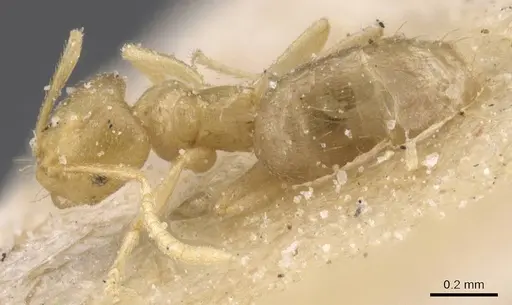
CASENT0911604
View on AntWeb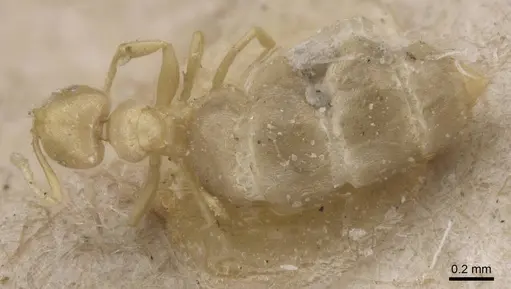
Literature
Loading...Loading products...