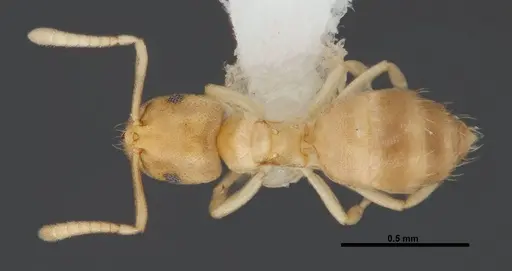
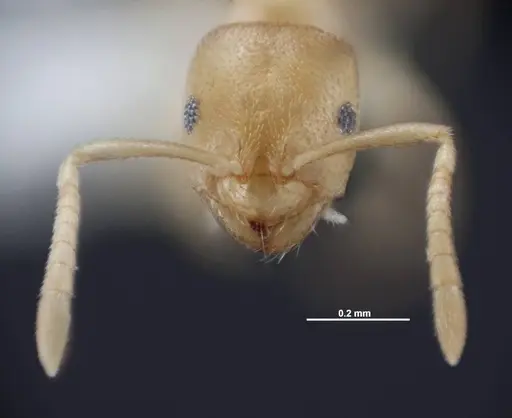
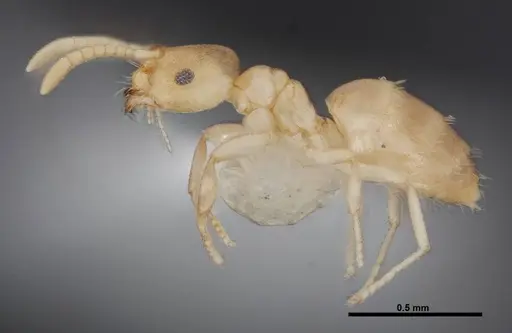
Brachymyrmex depilis follows a consistent seasonal pattern with peak activity in September. The flight window runs from August to October, providing several months of opportunity for observations.
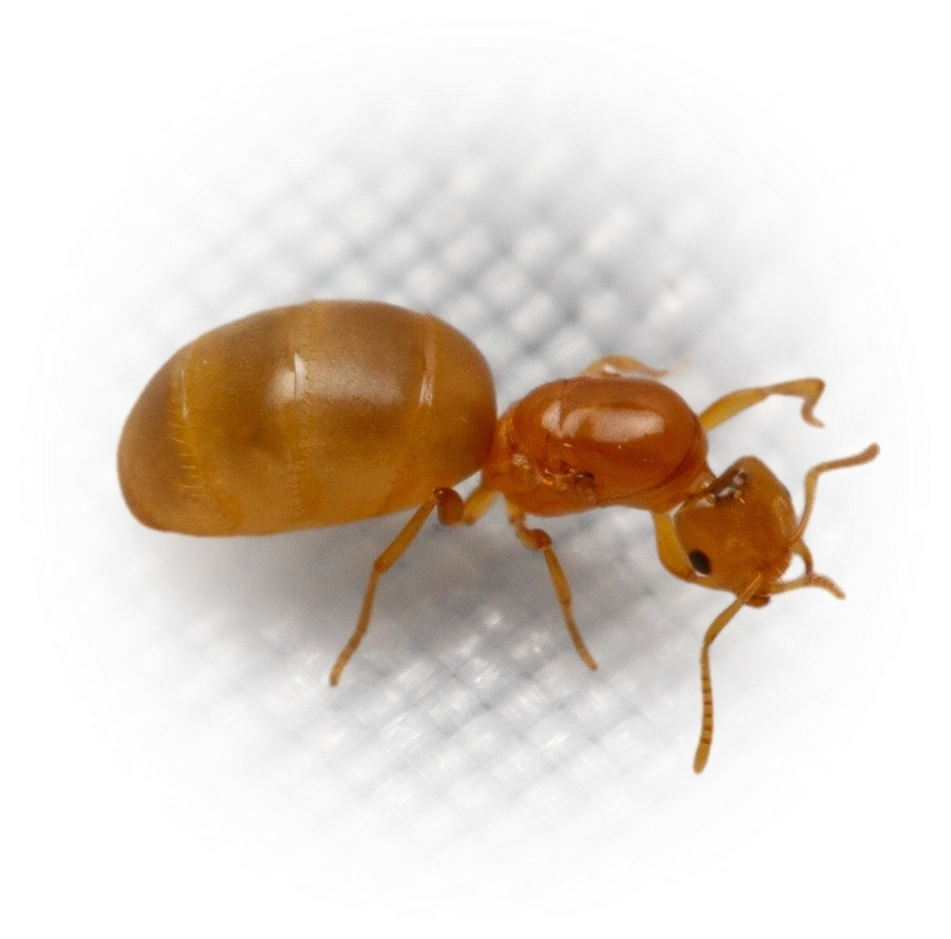
Brachymyrmex depilis
- Scientific Name
- Brachymyrmex depilis
- Tribe
- Myrmelachistini
- Subfamily
- Formicinae
- Author
- Emery, 1893
- Common Name
- Hairless Rover Ant
- Distribution
- Found in 3 countries
- Nuptial Flight
- from August to October, peaking in September
AI Identifiable
try →
Brachymyrmex depilis Overview
Brachymyrmex depilis (commonly known as the Hairless Rover Ant) is an ant species of the genus Brachymyrmex. It is primarily documented in 3 countries , including Canada, Mexico, United States of America. Detailed taxonomic data and occurrence records can be further explored via authoritative databases such as AntWeb or the Global Biodiversity Information Facility (GBIF).
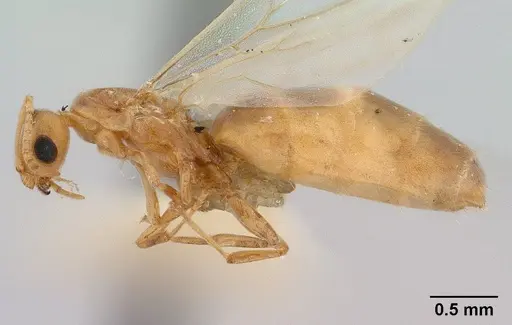
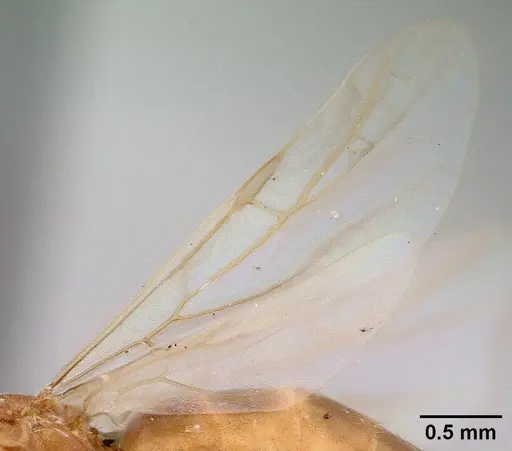
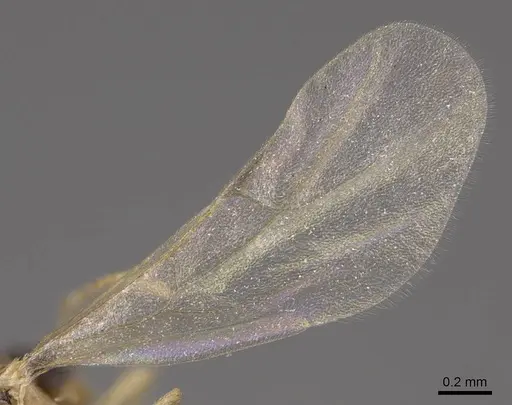
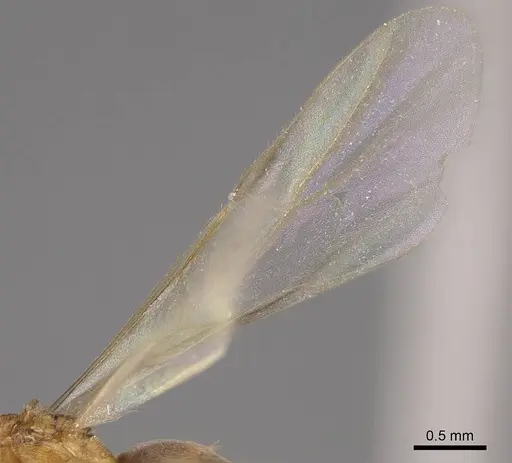
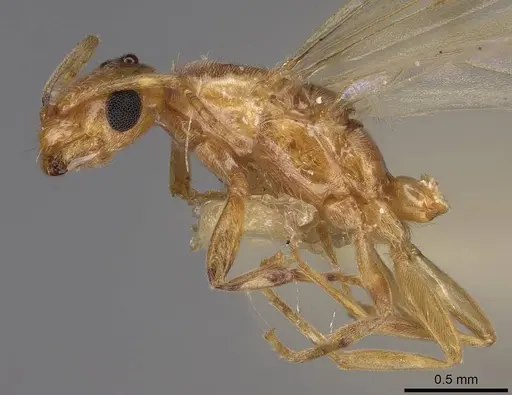
The nuptial flight of Brachymyrmex depilis is a significant biological event, typically occurring from August to October, peaking in September. During this time, winged queens and males leave the nest to mate and establish new colonies.
Brachymyrmex depilis - "Hairless Rover Ant"
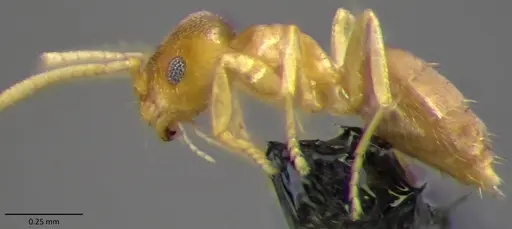
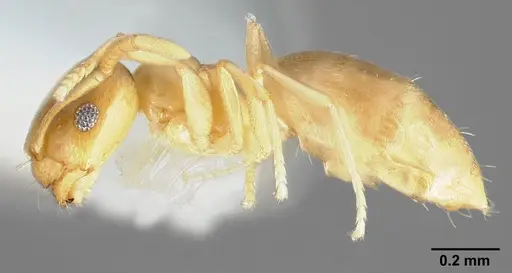
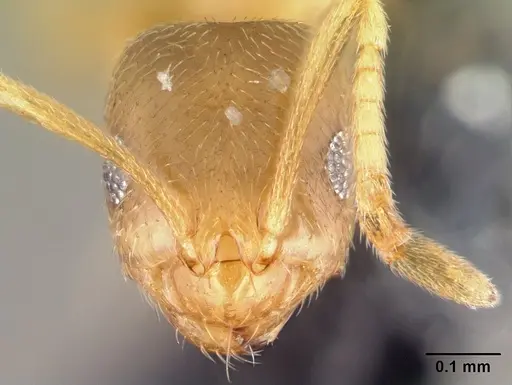
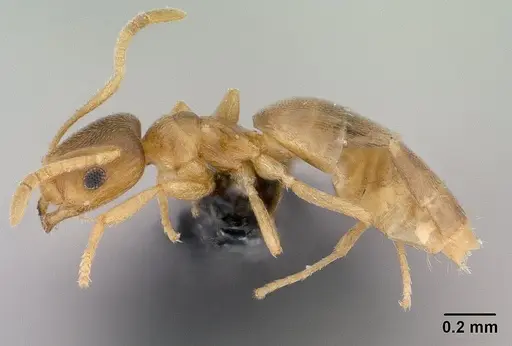
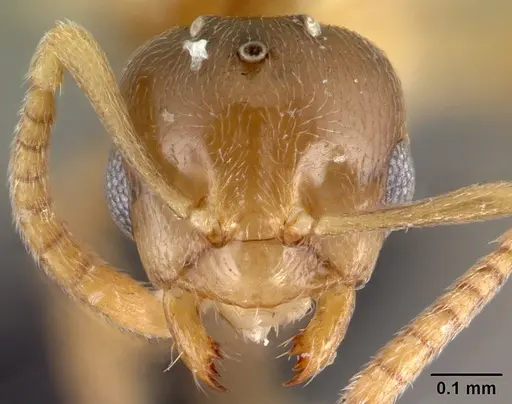
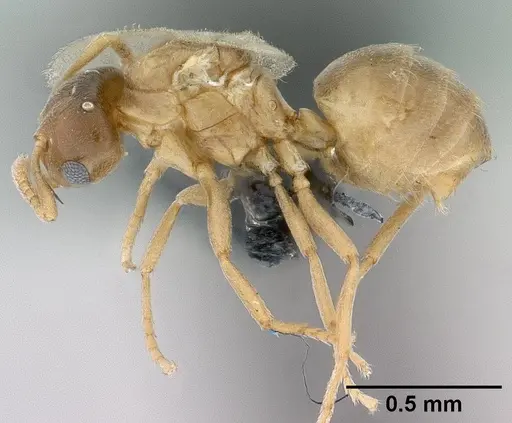
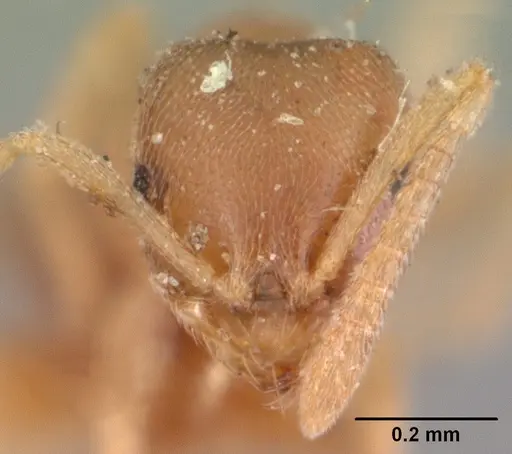
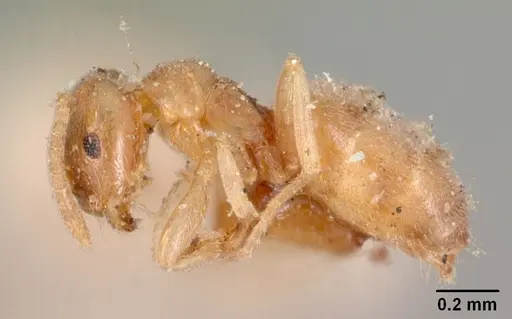
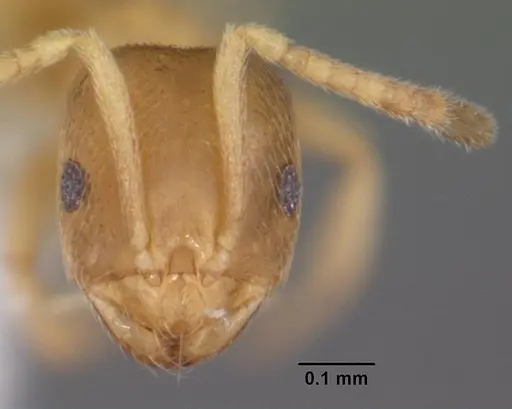
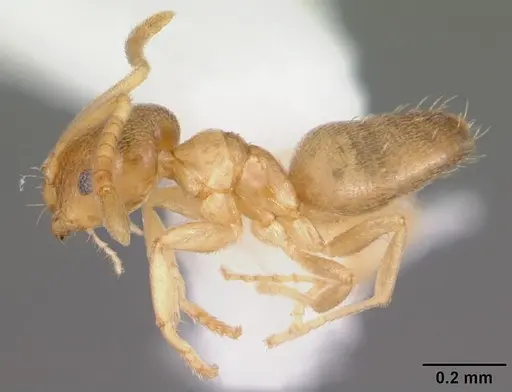
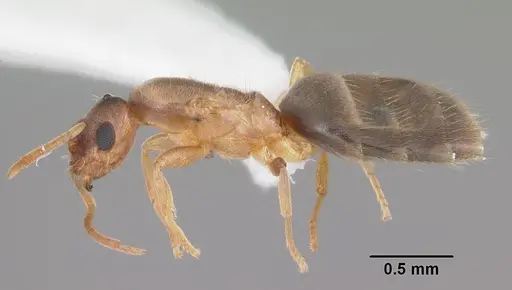
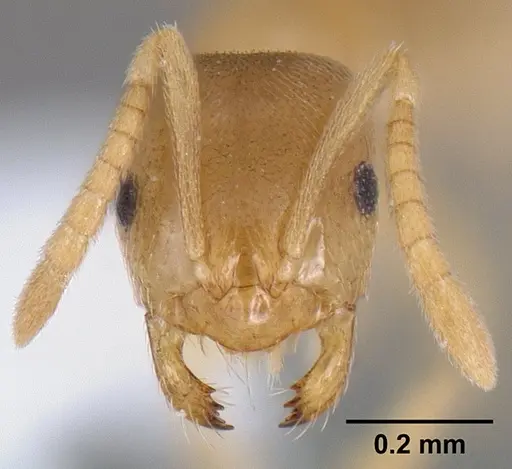
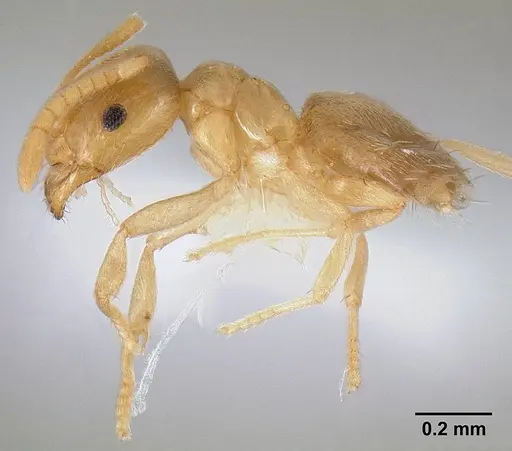
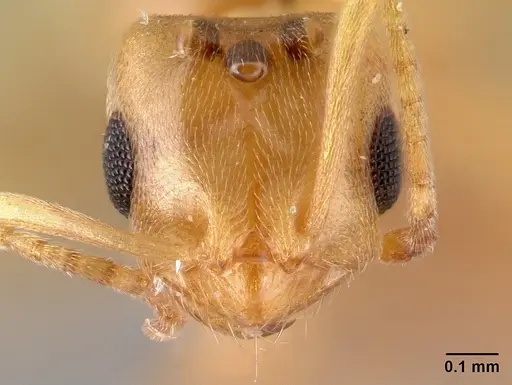
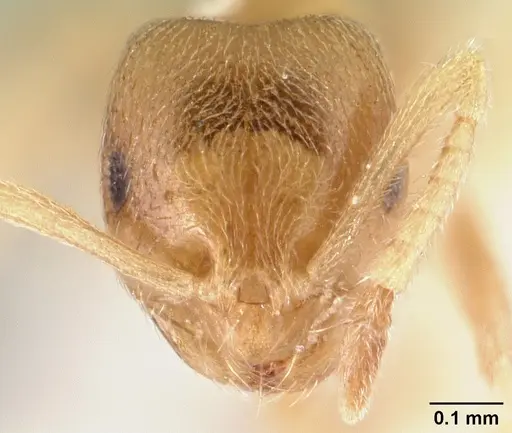
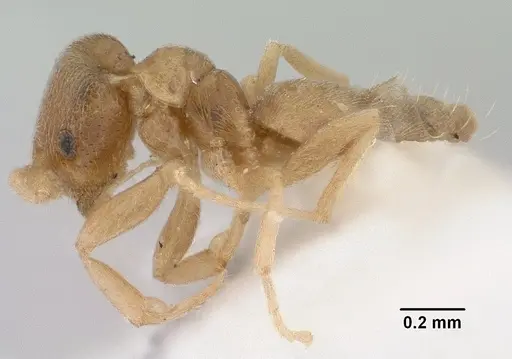
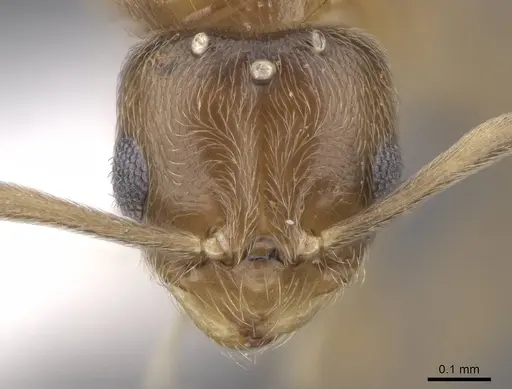
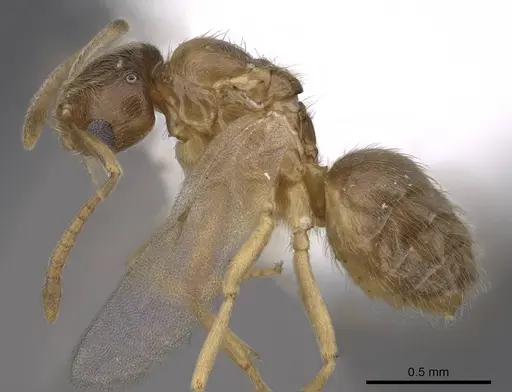
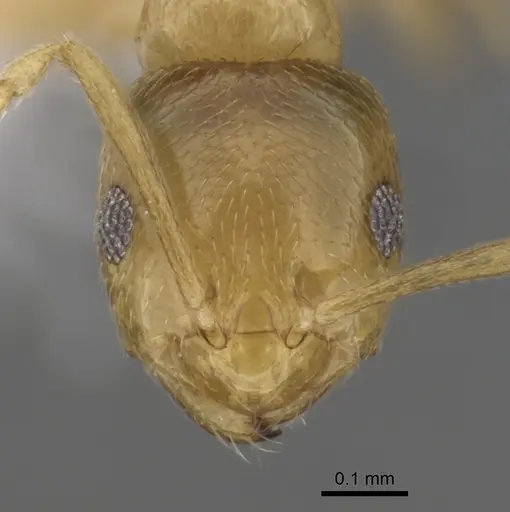
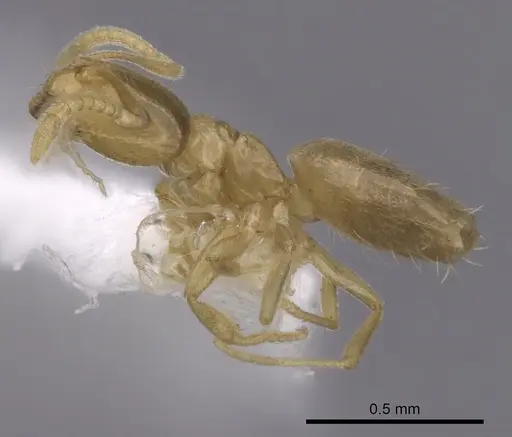
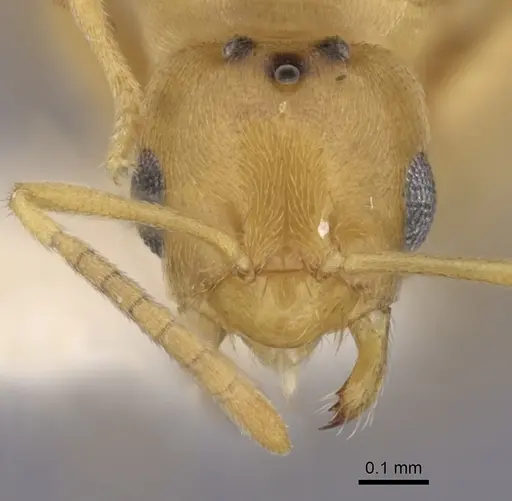
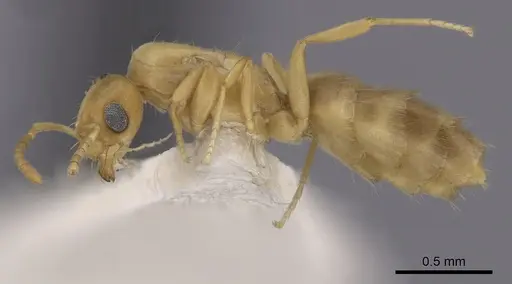
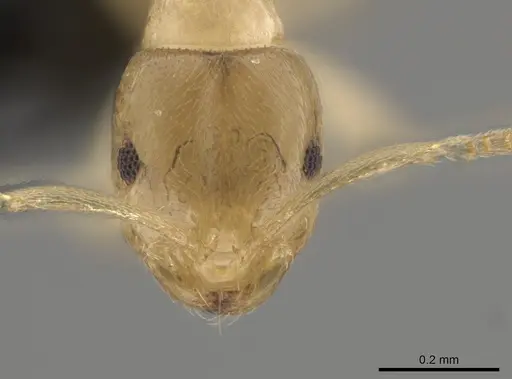
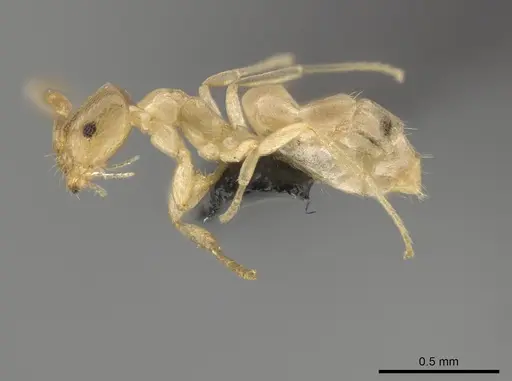
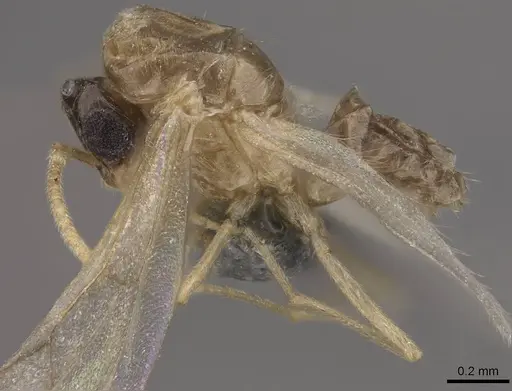
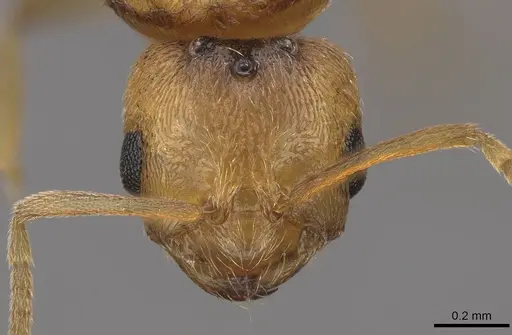
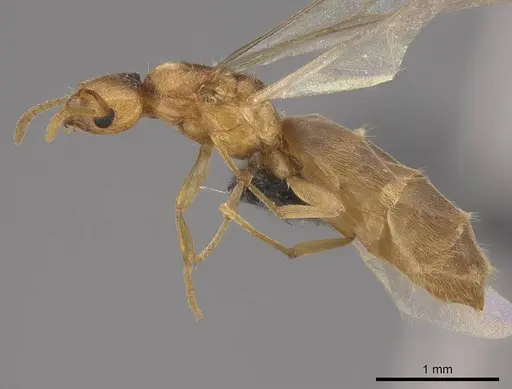
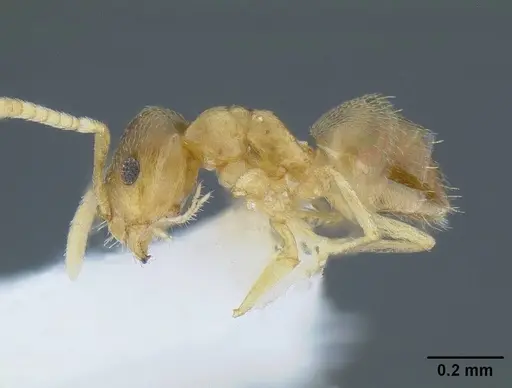
Brachymyrmex depilis is one of the smallest ants in North America, workers measure just 1.0-1.4mm in total length [1][2]. They are pale yellow to brownish-yellow, sometimes with a slightly darker gaster, making them easy to distinguish from other North American Brachymyrmex species which are typically grey to dark brown [AntWiki]. These ants belong to the Formicinae subfamily and have distinctive 9-segmented antennae and a swollen-looking mesonotum that bulges above the pronotum in side view [3]. They range across much of North America, from southern Canada through most of the United States into Mexico [3][4].
What makes B. depilis unusual is their almost entirely subterranean lifestyle combined with their relationship with aphids. Workers build galleries in soil, rotting wood, and among plant roots, where they tend to root aphids and coccids for honeydew [3][5]. They have flexible connections in their gaster that allow it to expand and contract dramatically, letting them store large amounts of liquid food [AntWiki]. This species is also remarkably tolerant of wet conditions, colonies have been found in intertidal mudflats in Mexico where they survive regular seawater inundation [3].
Quick Summary
- Difficulty: Medium
- Origin & Habitat: Native to the Nearctic region, southern Canada, most of the United States, and central Mexico [3][4]. Found in diverse habitats including open forest, dense moist forest, grasslands, and fields. They nest in soil under stones, in rotting wood, under bark, in leaf litter, and among plant roots [AntWiki][3].
- Colony Type: Single-queen colonies (monogyne). Colonies are small, typically with fewer than 50 workers [2][1]. Queens mate 2-3 times [6][7].
- Size & Growth:
- Queen: ~3-4mm, inferred from Brachymyrmex genus patterns
- Worker: 1.0-1.4mm [1][2]
- Colony: Up to 50 workers in mature colonies [2][1]
- Growth: Moderate, small colony size limits growth potential
- Development: Development timeline unconfirmed for this species (Direct development data not available. Expect relatively slow growth given their small colony size and subterranean lifestyle.)
- Antkeeping:
- Temperature: Keep at room temperature, roughly 18-24°C. This species has one of the lowest recorded critical thermal maximums among North American ants at 38.8°C [8], indicating they prefer cooler conditions and are sensitive to heat stress. Avoid temperatures above 30°C.
- Humidity: High humidity is critical. Their small size and thin exoskeleton cause rapid desiccation [AntWiki]. Keep nest substrate consistently moist but not waterlogged. Provide a humidity gradient with a damp area for the colony and slightly drier areas for foraging.
- Diapause: Yes, they are a temperate species requiring winter dormancy. Alates appear from late August to September, suggesting a seasonal breeding cycle [1]. Keep at reduced temperatures (around 10-15°C) for 2-3 months during winter.
- Nesting: Shallow nests work best. In the wild, colonies rarely go deeper than 7-8 inches, with most activity in the top 3 inches [1]. Use a test tube setup with moist cotton, a small Y-tong, or a formicarium with substrate that can hold moisture.
- Behavior: Workers are mostly subterranean but will forage above ground when necessary. They are not aggressive and rarely sting. Their primary defense is escaping into their tunnels. They are escape artists despite their small size, they can squeeze through tiny gaps. They form mutualistic relationships with aphids, tending them for honeydew. Workers are active foragers on foliage and at bait [1].
- Common Issues: desiccation is the biggest killer, their small size means they dry out quickly without adequate humidity, escape prevention is critical, tiny size allows them to slip through standard barrier setups, small colony size means slow growth and potential inbreeding if colony becomes too small, overheating can be fatal, they prefer cooler temperatures than most ant species, colonies may fail if not provided access to honeydew or sugar sources, they rely heavily on aphid secretions
Nuptial Flight Activity Analysis 1059 observations
Flight Activity by Hour 1059 observations
Brachymyrmex depilis nuptial flight activity peaks around 18:00 during the evening. Activity is spread across a 24-hour window (00:00–23:00). Times may be influenced by human observation patterns.
Housing and Setup
Because of their tiny size and need for humidity, Brachymyrmex depilis requires careful housing. A test tube setup works well for founding colonies, use a test tube with a water reservoir separated by a cotton plug, keeping the cotton moist but not flooded. For established colonies, a small Y-tong with narrow chambers scaled to their tiny size works best. The nest material should be able to hold moisture, options include sand, soil, or plaster. Avoid tall, open spaces that would cause them to dry out. A shallow formicarium with a covered foraging area helps maintain humidity. Because they are escape artists, use fluon or another reliable barrier on the edges of the outworld. [1]
Feeding and Diet
In the wild, B. depilis primarily feeds on honeydew from root-feeding aphids and coccids [3][2][5]. They are generalist scavengers but strongly prefer liquid carbohydrates. In captivity, offer sugar water, honey, or diluted maple syrup constantly, they will readily accept these. For protein, offer tiny prey items like fruit flies, pinhead crickets, or small mealworms. Because they are subterranean, they may not immediately accept larger prey. Feed protein 1-2 times per week, and keep sugar sources available at all times. Their expandable gaster allows them to store significant amounts of liquid food [AntWiki].
Temperature and Seasonal Care
This species prefers cooler temperatures than many North American ants. Keep the nest at roughly 18-24°C room temperature, with a slight gradient if possible. Research shows they have one of the lowest critical thermal maximums recorded among North American ants at 38.8°C [8], meaning they are poorly adapted to heat. During summer, ensure they are not exposed to direct sunlight or warm rooms above 30°C. In winter, they require a diapause period. Reduce temperatures to 10-15°C for 2-3 months during winter to simulate their natural seasonal cycle. Alates (reproductives) appear from late August to September in the wild [1], so the winter rest helps trigger proper reproductive development.
Behavior and Colony Dynamics
B. depilis colonies are small and relatively docile. Workers spend most of their time underground but will forage on the surface when needed. They are not aggressive and do not have a functional stinger large enough to affect humans. Their primary defensive behavior is retreating into the nest. Colonies are monogyne with a single queen, and queens mate 2-3 times [6][7]. The colony growth is slow, mature colonies typically max out around 50 workers [2]. Workers communicate through chemical trails and will recruit nestmates to food sources. Because they tend aphids, you might observe them carrying small pale insects or attending to plant roots in naturalistic setups.
Common Challenges
The biggest challenge with B. depilis is preventing desiccation. Their tiny size and thin exoskeleton mean they lose water rapidly in dry conditions. Always keep the nest substrate moist and consider covering part of the outworld to reduce airflow. Escape prevention is also critical, these ants are small enough to slip through standard barrier setups. Use fine mesh on any ventilation and apply fluon or similar barriers to all edges. Growth is slow, so patience is required, don't overfeed or disturb the colony frequently. Finally, avoid overheating by keeping them away from heat sources and direct sunlight. [8]
Distinguishing from Similar Species
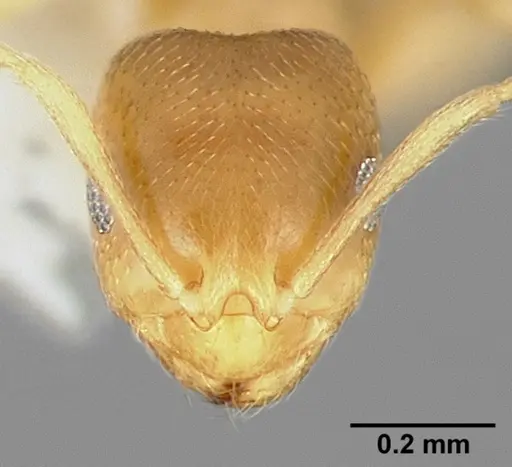
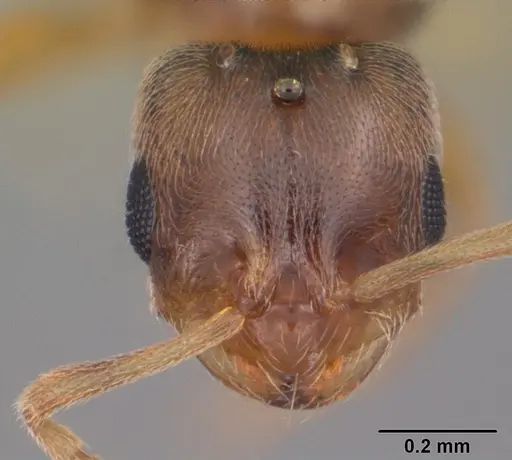
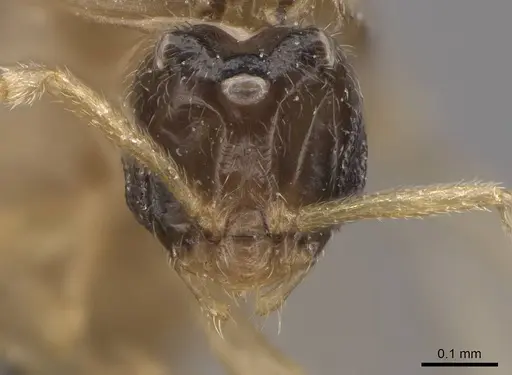
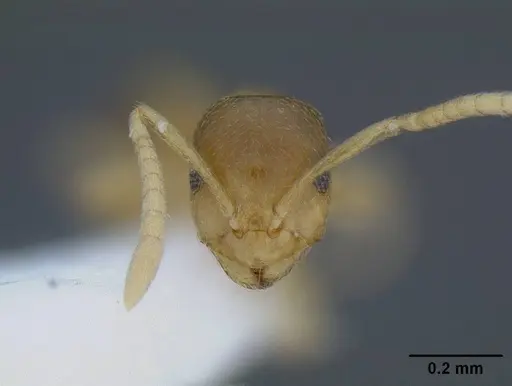
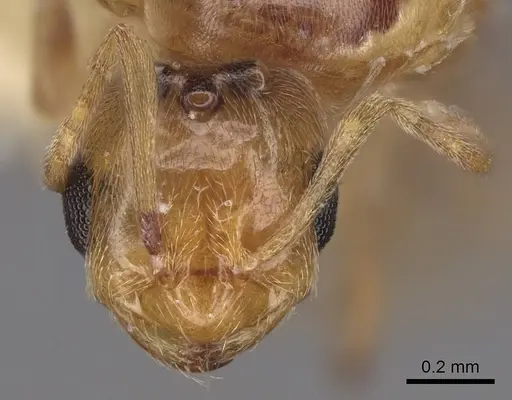
B. depilis can be identified by its very small size (1.0-1.4mm), pale yellow color, and 9-segmented antennae. The mesonotum appears swollen and bulges above the pronotum in side view. The gaster has dense pubescence (fine hairs). Unlike other North American Brachymyrmex which are grey to dark brown, B. depilis is distinctly yellowish. They are sometimes confused with tiny Formica species, but Brachymyrmex has a 9-segmented antennae (versus 12 in Formica) and an acidopore (a circular opening at the tip of the gaster used for chemical defense). [3][1]
Frequently Asked Questions
How long does it take for Brachymyrmex depilis to produce first workers?
Exact development timeline is not documented for this species. Based on typical Formicinae patterns, expect several months from founding to first workers. The queen will seal herself in a chamber and raise the first brood alone.
Can I keep Brachymyrmex depilis in a test tube?
Yes, test tubes work well for this species. Use a standard test tube setup with a water reservoir and moist cotton. The small colony size means they don't need much space. Just ensure the cotton stays moist and the tube is protected from direct heat or air conditioning that could dry them out.
What do Brachymyrmex depilis eat?
They primarily need sugar sources, offer sugar water, honey, or diluted maple syrup constantly. For protein, they accept small insects like fruit flies, pinhead crickets, or small mealworms. They are generalist scavengers but strongly prefer honeydew in the wild, so sugar sources are essential.
Are Brachymyrmex depilis good for beginners?
They are intermediate in difficulty. While small and docile, their humidity requirements and escape risk make them slightly more challenging than species like Lasius. They require more attention to moisture levels and are sensitive to overheating. Experienced antkeepers will have more success with this species.
How big do Brachymyrmex depilis colonies get?
Colonies remain small, typically under 50 workers even in mature colonies [2][1]. This is one of the smallest ant species in North America. The small colony size is natural for this species, not a sign of poor care.
Do Brachymyrmex depilis need hibernation?
Yes, they require a winter dormancy period. As a temperate species with a documented seasonal reproductive cycle (alates appear late August to September), they need 2-3 months of reduced temperatures around 10-15°C during winter. This helps trigger proper reproductive development and mimics their natural cycle.
Why are my Brachymyrmex depilis dying?
The most common cause is desiccation, their tiny size means they dry out quickly. Check that the nest substrate is consistently moist. Other causes include overheating (they prefer cooler temperatures), escape through tiny gaps, or insufficient sugar in their diet. Review your humidity, temperature, and feeding setup.
When should I move Brachymyrmex depilis to a formicarium?
Move them when the test tube becomes crowded or the water reservoir needs frequent refilling. For this small species, a small acrylic nest or Y-tong works well. They don't need much space even at maturity.
Can I keep multiple queens together?
No, B. depilis is monogyne (single-queen). Multiple unrelated queens will fight. Only keep one queen per colony. If you find multiple dealate queens, they should be separated into individual founding setups.
Report an Issue
The current care sheet is based fully on literature. See inconsistencies, or something that's incorrect? Please , it will be resolved after review from an admin. Contributing to the blogs tab also helps providing information, to make us be able to further improve the caresheets. Thank you for your support!
References

This caresheet is licensed under CC BY-SA 4.0 .
ANTWEB1060168
View on AntWeb
CASENT0005338
View on AntWeb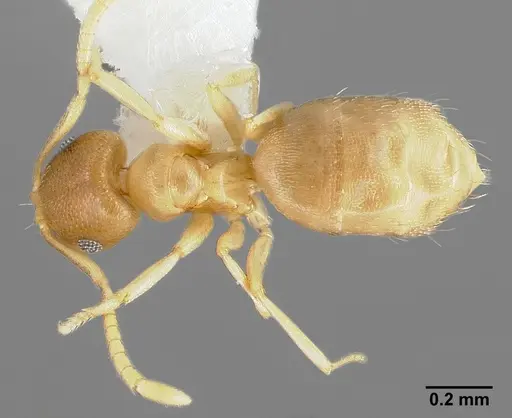
CASENT0008131
View on AntWeb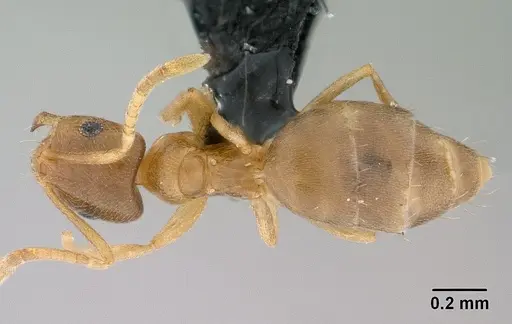
CASENT0080262
View on AntWeb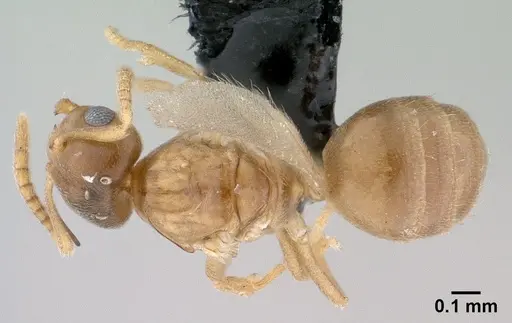
CASENT0102085
View on AntWeb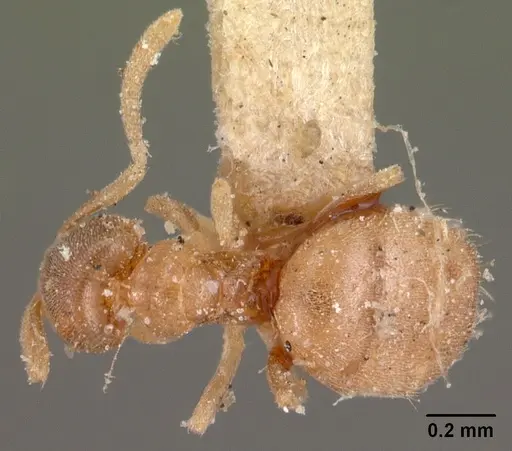
CASENT0103622
View on AntWeb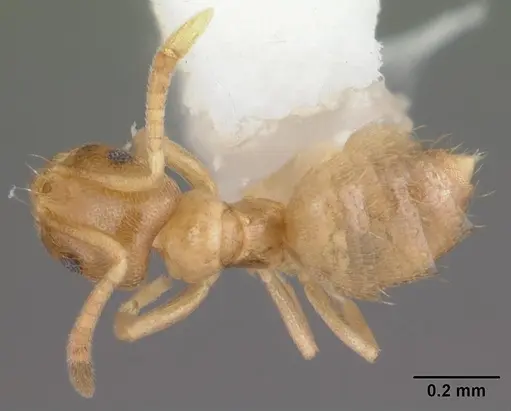
CASENT0103623
View on AntWeb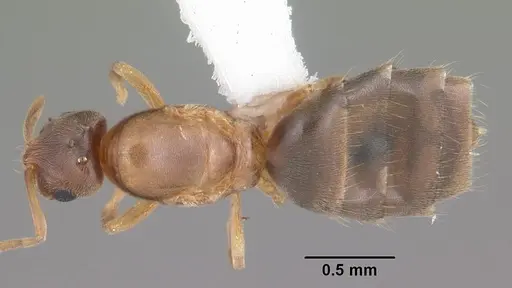
CASENT0106038
View on AntWeb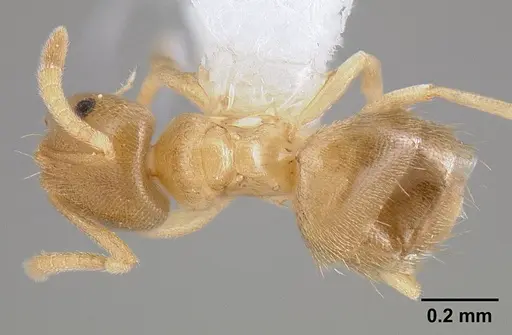
CASENT0179478
View on AntWeb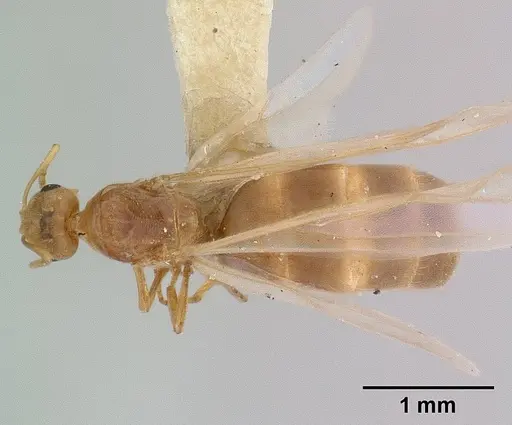
CASENT0179481
View on AntWeb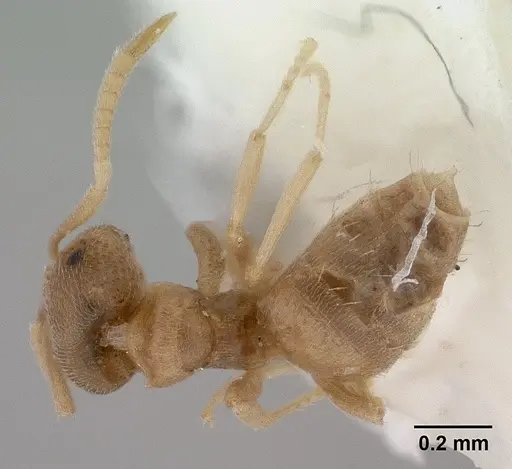
CASENT0221994
View on AntWeb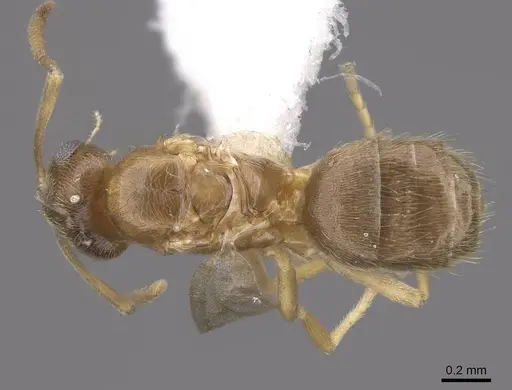
CASENT0249935
View on AntWeb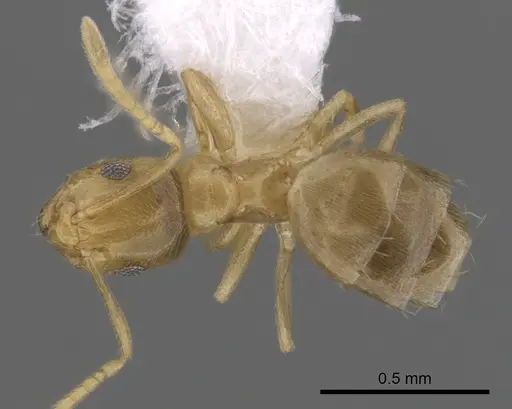
CASENT0249936
View on AntWeb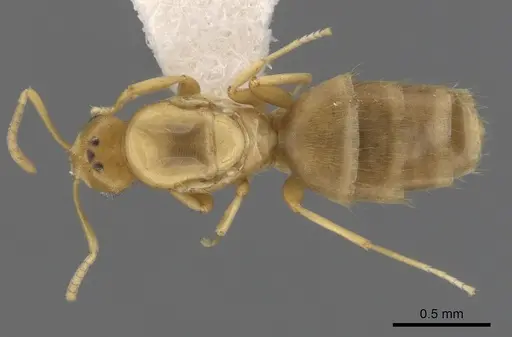
CASENT0653716
View on AntWeb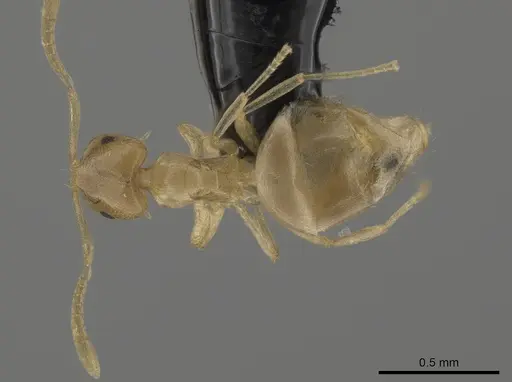
CASENT0724111
View on AntWeb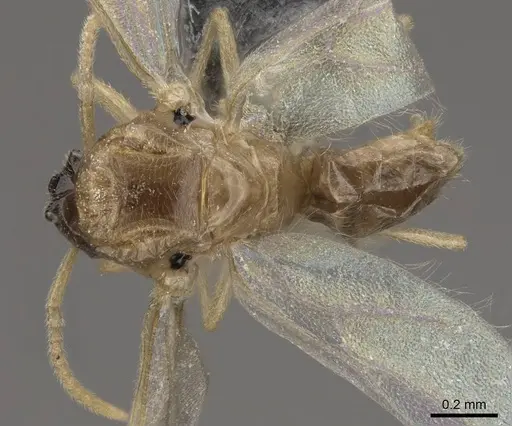
CASENT0724944
View on AntWeb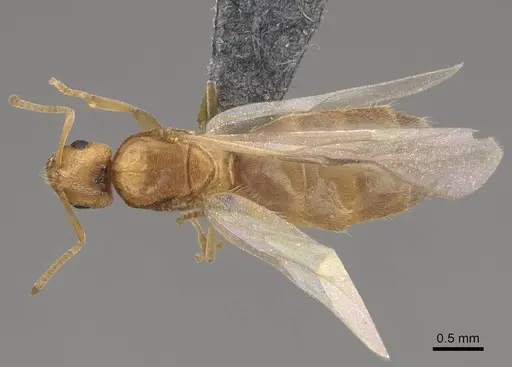
CASENT0844039
View on AntWeb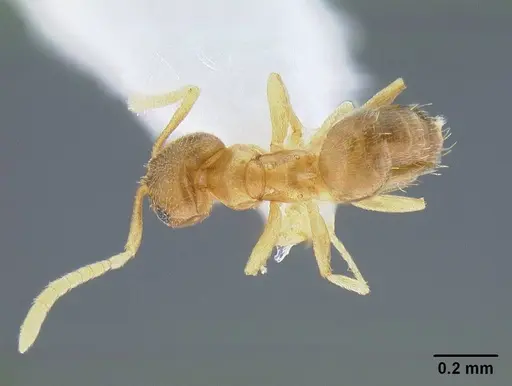
CASENT0923026
View on AntWeb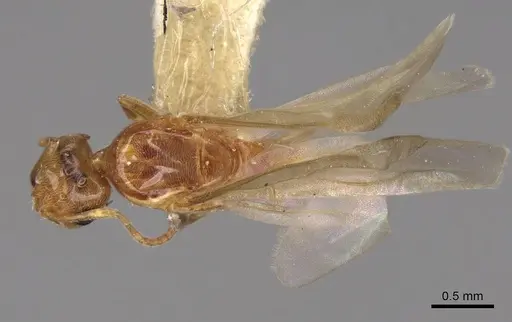
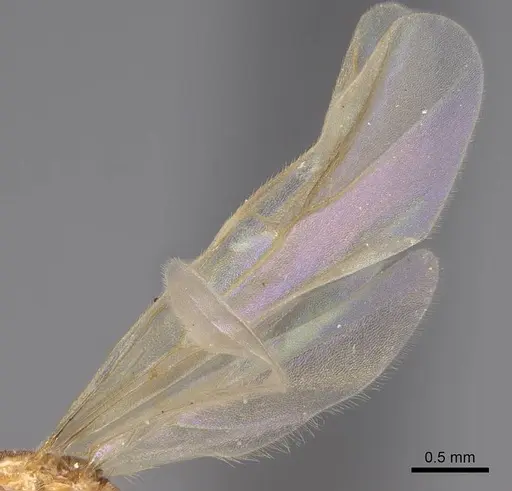
FMNHINS0000062867
View on AntWeb