

Brachymyrmex cavernicola
- Scientific Name
- Brachymyrmex cavernicola
- Tribe
- Myrmelachistini
- Subfamily
- Formicinae
- Author
- Wheeler, 1938
- Distribution
- Found in 9 countries
Brachymyrmex cavernicola Overview
Brachymyrmex cavernicola is an ant species of the genus Brachymyrmex. It is primarily documented in 9 countries , including Colombia, Costa Rica, Ecuador. Detailed taxonomic data and occurrence records can be further explored via authoritative databases such as AntWeb or the Global Biodiversity Information Facility (GBIF).
Brachymyrmex cavernicola
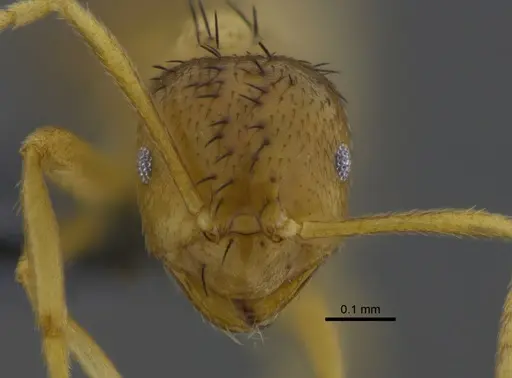
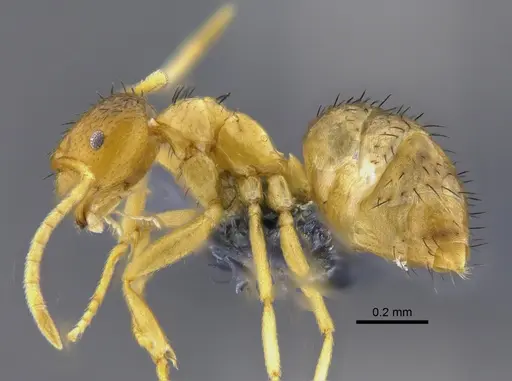
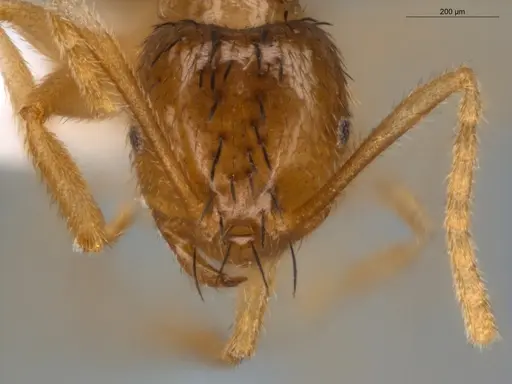
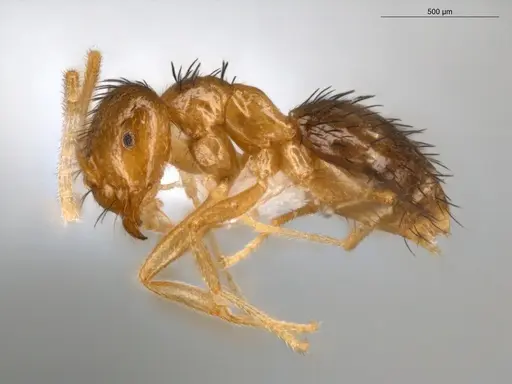
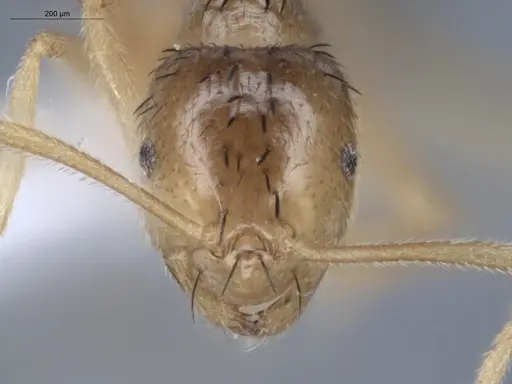
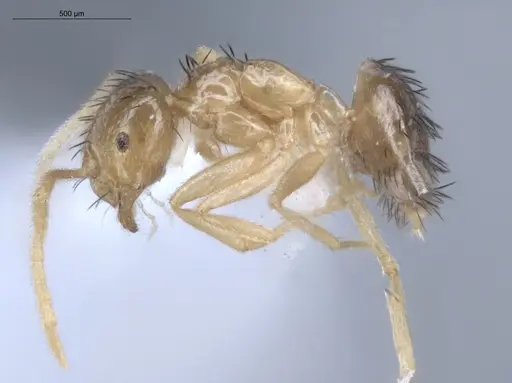
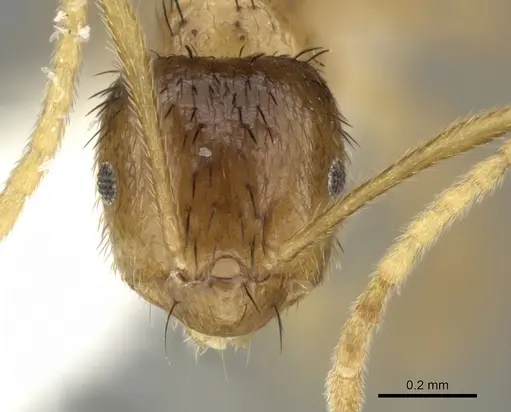
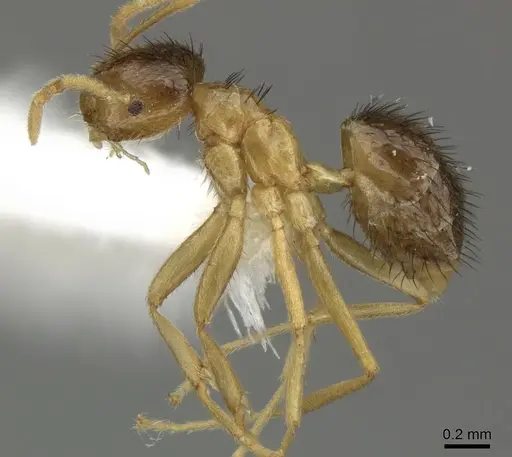
Brachymyrmex cavernicola is a small subterranean ant native to the Neotropical region, ranging from Mexico down to Argentina. Workers measure just 1.5-2mm and have a distinctive appearance, their yellowish body is covered with thick black erect hairs that stand out in striking contrast, giving them an appearance reminiscent of the genus Nylanderia. They have very small eyes with only 7-8 ommatidia, and their 9-jointed antennae extend well beyond the back of the head. This species was originally described from specimens collected in a cave at Chichen Itza, Mexico, which is why Wheeler named it 'cavernicola' (cave-dweller). However, it's now understood this ant is not truly cavernicolous but rather subterranean, it nests in soil under stones and in small galleries in clay soil, making it a troglophile (cave-tolerant species) rather than a true cave resident. The species occurs in low to mid-elevation wet to moist forest habitats across its range.
Quick Summary
- Difficulty: Medium
- Origin & Habitat: Neotropical region, Mexico, Argentina, Brazil, Colombia, Costa Rica, Ecuador, and Peru. Found in low to mid-elevation wet to moist forest habitats, typically nesting in soil under stones [1][2][3].
- Colony Type: Colony structure is unconfirmed. A dealate queen has been found in a nest, but colony composition and queen number have not been documented.
- Size & Growth:
- Queen: Unconfirmed, only a dealate queen has been recorded but measurements not provided
- Worker: 1.5-2mm [1]
- Colony: Unknown, only small nests have been observed
- Growth: Unknown
- Development: Unknown, no development data available for this species (Based on related Brachymyrmex species and tropical ant patterns, expect development in the range of 4-8 weeks at optimal temperature, but this is an estimate)
- Antkeeping:
- Temperature: Keep at 22-26°C, they inhabit tropical and subtropical regions with warm, stable temperatures. A gentle gradient is acceptable.
- Humidity: High humidity required, as a subterranean species from moist forest habitats, they need consistently damp substrate. Keep the nest substrate moist but not waterlogged.
- Diapause: Unlikely, being a tropical/subtropical species, they probably do not require a true hibernation period. However, a slight cool period during winter months may be beneficial.
- Nesting: Subterranean setup works best. A Y-tong nest or plaster nest with narrow chambers suits their small size. They prefer tight, enclosed spaces and will nest in soil under stones in nature. Provide damp substrate they can tunnel into.
- Behavior: This is a shy, non-aggressive species that avoids light. Workers are small and fragile, with very small eyes indicating limited vision. They are completely subterranean, foraging underground rather than on the surface. They are not known to be escape artists despite their small size, they prefer to stay hidden in their nest chambers. No sting is documented for this species, and they are considered harmless.
- Common Issues: high humidity management is critical, they will likely fail in dry conditions, small size makes escape possible through tiny gaps, use fine mesh barriers, wild-caught colonies may be difficult to establish as they are rarely found, limited availability in the antkeeping hobby makes this a challenging species to acquire, slow colony growth is typical for small subterranean species
Nest Preferences and Housing
Brachymyrmex cavernicola is a subterranean species that naturally nests in soil under stones and in small galleries in clay soil. For captive care, a Y-tong (acrylic) nest or plaster nest with narrow chambers works well. The key requirement is providing a dark, enclosed space that mimics their natural underground habitat. They are not surface-active, so outworld exploration will be minimal. A test tube setup can work for founding colonies, but once established, they should be moved to a more naturalistic setup with damp soil or a formicarium designed for small species. The nest chambers should be tight and scaled to their tiny 1.5-2mm worker size. Avoid bright lighting, these ants thrive in darkness and will avoid lit areas of the nest. [1][2]
Feeding and Diet
There is no specific dietary research on Brachymyrmex cavernicola, but Brachymyrmex species in general are omnivorous, typically feeding on honeydew, small insects, and plant secretions. As a subterranean species, they likely forage for small arthropods and tend root aphids underground. In captivity, offer sugar water or honey as a constant energy source, along with small protein sources like fruit flies, pinhead crickets, or other tiny arthropods. Given their small size, prey items should be appropriately sized. They are not aggressive foragers and will likely accept food that is placed near their nest entrance. Feed protein 2-3 times per week and provide sugar water continuously. [3]
Temperature and Humidity Requirements
This is a tropical to subtropical species from the Neotropical region, so warmth is important. Maintain temperatures between 22-26°C, avoiding drops below 20°C. A heating cable on one side of the nest can create a gentle gradient if your room temperature is below this range. Humidity is critical, as a subterranean species from moist forest habitats, they require high ambient humidity. Keep the nest substrate consistently moist but not waterlogged. The substrate should feel damp to the touch. In a test tube setup, ensure the water reservoir is appropriately sized to maintain humidity without flooding. Poor humidity tolerance is likely a major cause of colony failure for this species. [1][2]
Behavior and Temperament
Brachymyrmex cavernicola is a shy, non-aggressive species that avoids light. Workers are small and fragile with very small eyes (only 7-8 ommatidia), indicating limited vision, this makes sense for a subterranean species. They are not known to sting and pose no danger to keepers. Colonies are likely small, with only small nests observed in the wild. Workers remain underground and are not typically seen foraging on the surface. They are not aggressive toward each other or other ants. This species is best suited for keepers who enjoy observing subtle, hidden ant behavior rather than active surface foragers. [1][2]
Distribution and Range
Brachymyrmex cavernicola has a broad Neotropical distribution spanning from Mexico south through Central America into South America. Confirmed countries include Mexico (Yucatan), Costa Rica, Ecuador, Peru, Brazil, Colombia, and Argentina [1]. Within Colombia, it has been recorded in Cauca (including Isla Gorgona), Cundinamarca, Quindío, and Nariño [4]. The species was originally described from the Balaam Canche Cave at Chichen Itza in Yucatán, Mexico, which is why Wheeler named it 'cavernicola', though it's now understood this refers to its subterranean lifestyle rather than true cave dependence. It occurs in low to mid-elevation wet to moist forest habitats.
Frequently Asked Questions
How long does it take for Brachymyrmex cavernicola to produce first workers?
The exact development timeline is unknown for this species. Based on related Brachymyrmex species and typical tropical ant development, expect 4-8 weeks from egg to worker at optimal temperature (22-26°C). However, this is an estimate as no specific development data exists for B. cavernicola.
Can I keep Brachymyrmex cavernicola in a test tube?
Yes, test tubes work well for founding colonies. Use a small test tube with a water reservoir that maintains humidity without flooding. Once the colony grows beyond 20-30 workers, consider moving them to a more spacious formicarium or naturalistic setup with damp substrate.
What do Brachymyrmex cavernicola ants eat?
They likely accept the typical Brachymyrmex diet of sugar sources (honey water, sugar water) and small protein (fruit flies, tiny crickets, other micro-arthropods). Offer sugar water continuously and protein prey 2-3 times per week.
Are Brachymyrmex cavernicola good for beginners?
This species is rated as Medium difficulty. While not aggressive, they can be challenging due to their specific humidity requirements, limited availability in the hobby, and subterranean lifestyle that makes them less interactive. They are best suited for keepers who have experience with humidity-dependent species.
Do Brachymyrmex cavernicola need hibernation?
Probably not. Being a tropical/subtropical species from the Neotropical region, they likely do not require a true hibernation period. However, a slight temperature reduction during winter months (staying above 18°C) may be appropriate if you replicate seasonal changes.
Why are my Brachymyrmex cavernicola dying?
The most likely cause is low humidity, this subterranean species requires consistently damp conditions. Other common issues include temperatures below 20°C, dry nest substrate, and excessive light exposure. They are adapted to dark, stable conditions underground.
When should I move my Brachymyrmex cavernicola to a formicarium?
Move them when the test tube becomes crowded (typically 30+ workers) or when the water reservoir needs frequent refilling. A naturalistic setup with damp soil or a Y-tong nest with small chambers works well for this species.
How big do Brachymyrmex cavernicola colonies get?
Colony size is not well documented. Only small nests have been observed in the wild, so expect colonies to remain relatively small, likely under a few hundred workers at maturity. This is not a large, fast-growing species.
Can I keep multiple queens together?
Colony structure (monogyne vs polygyne) has not been documented for this species. Without specific data, combining unrelated queens is not recommended. A single queen colony is the safest approach until more is known about their natural colony structure.
References

This caresheet is licensed under CC BY-SA 4.0 .
CBUMAGENT41835
View on AntWeb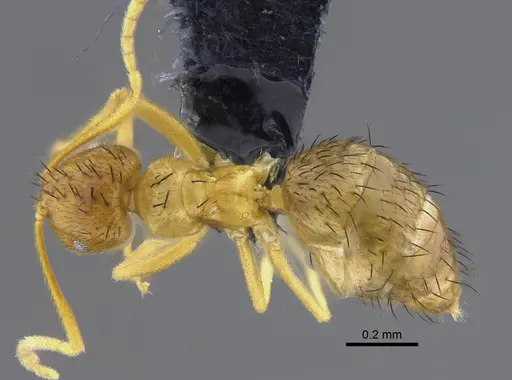
ECOFOG-IT14-0433-50
View on AntWeb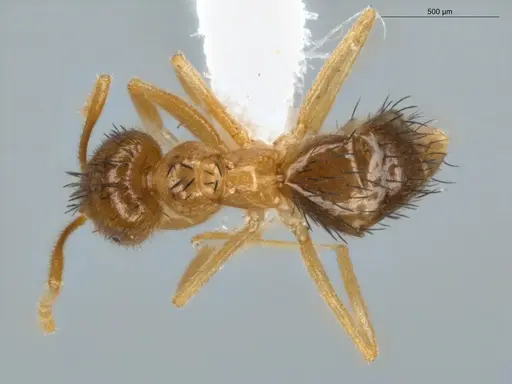
ECOFOG-IT14-0444-26
View on AntWeb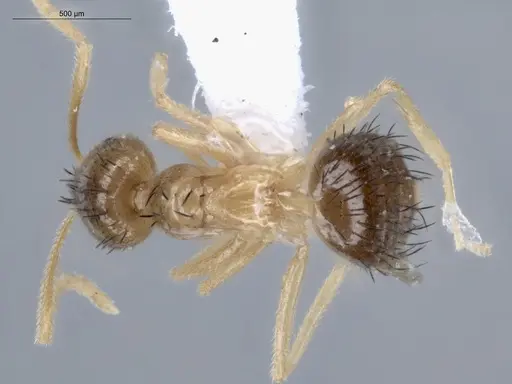
JTLC000003469
View on AntWeb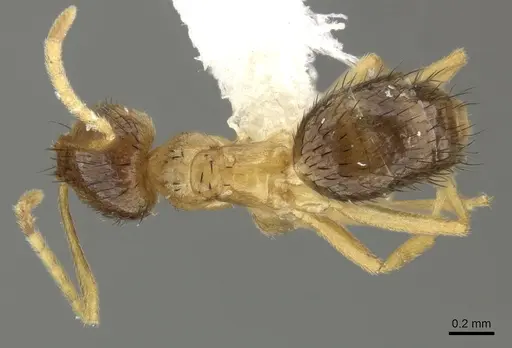
Literature
Loading...Loading products...