

Brachymyrmex australis
- Scientific Name
- Brachymyrmex australis
- Tribe
- Myrmelachistini
- Subfamily
- Formicinae
- Author
- Forel, 1901
- Distribution
- Found in 9 countries
Brachymyrmex australis Overview
Brachymyrmex australis is an ant species of the genus Brachymyrmex. It is primarily documented in 9 countries , including Argentina, Brazil, Colombia. Detailed taxonomic data and occurrence records can be further explored via authoritative databases such as AntWeb or the Global Biodiversity Information Facility (GBIF).
Brachymyrmex australis
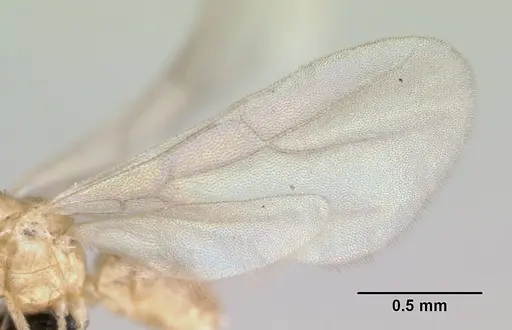
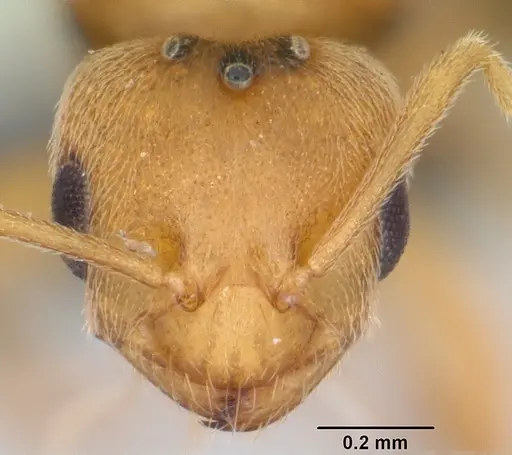
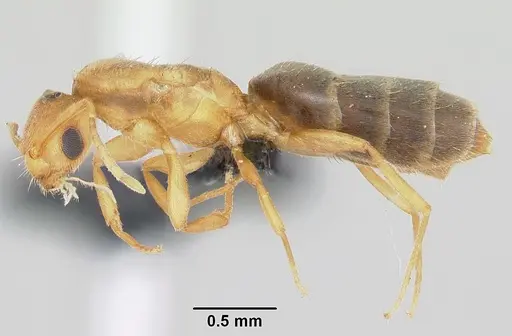
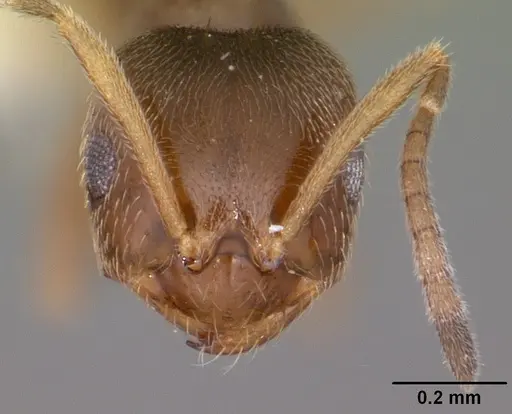
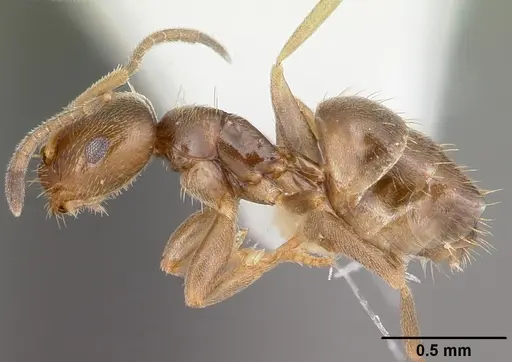
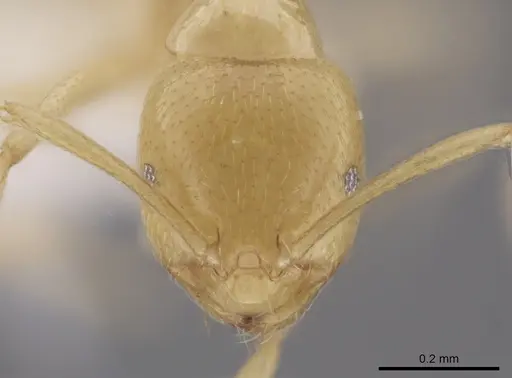
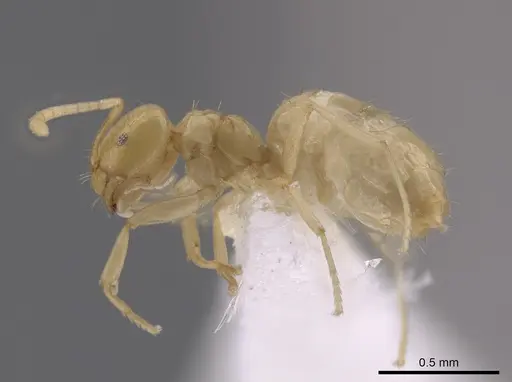
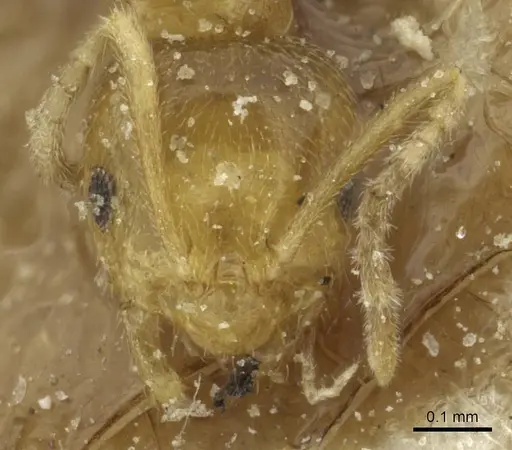
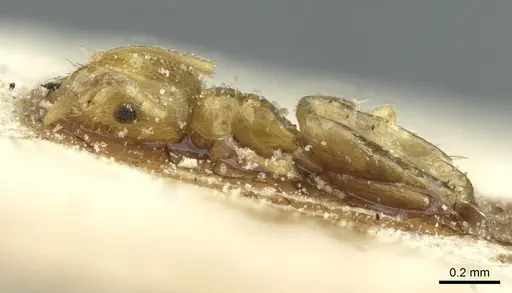
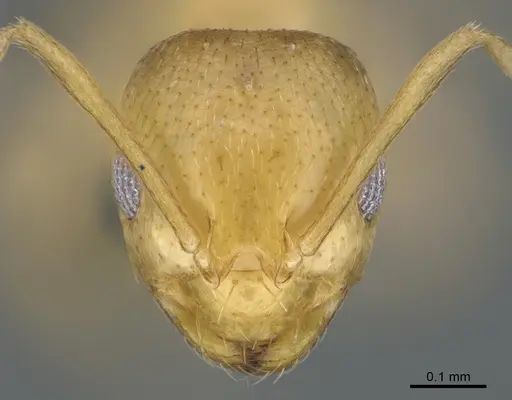
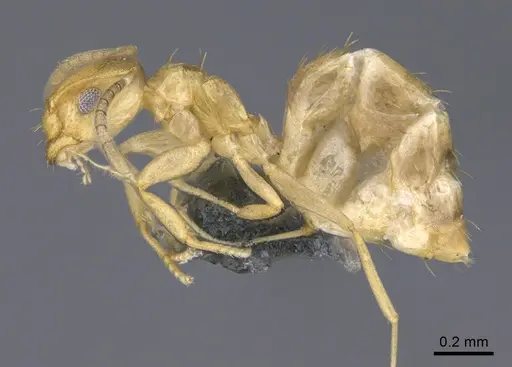
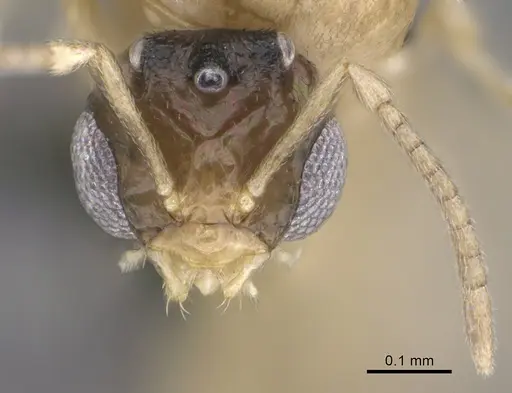
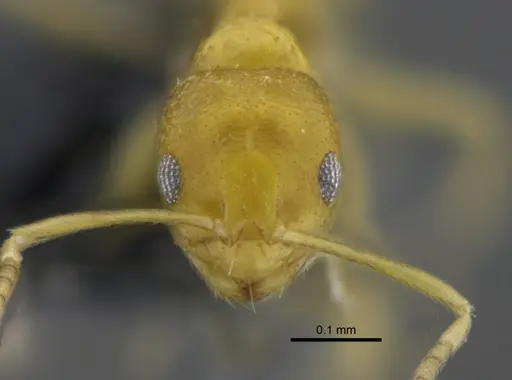
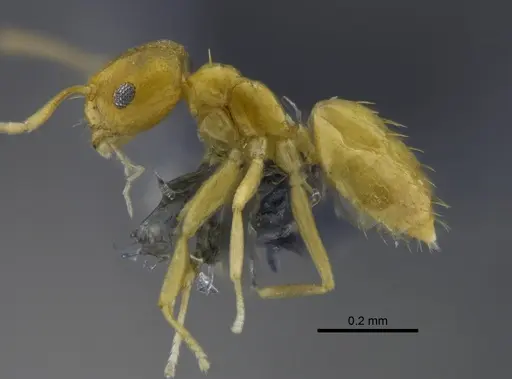
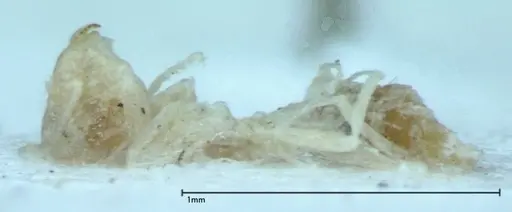
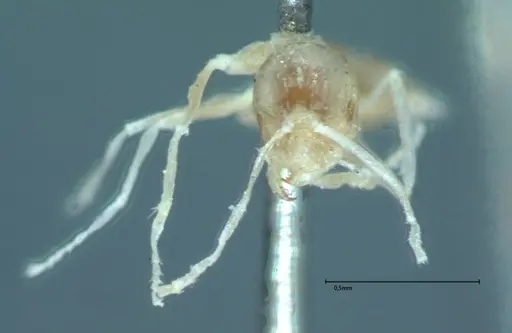
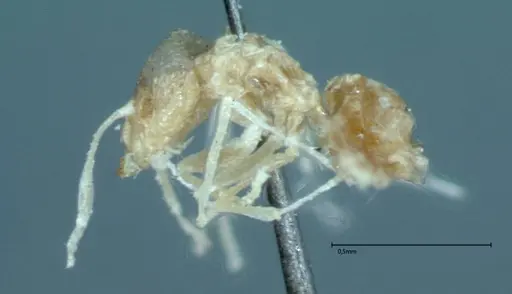
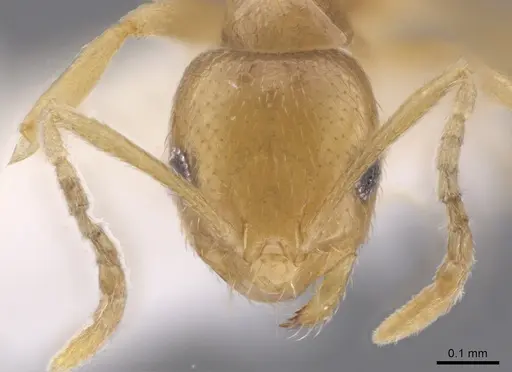
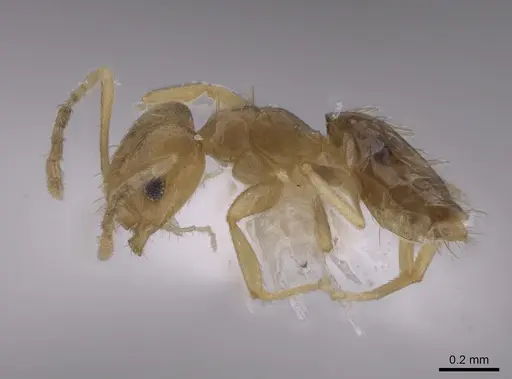
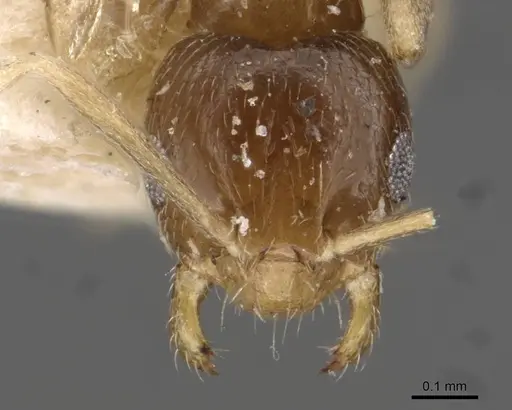
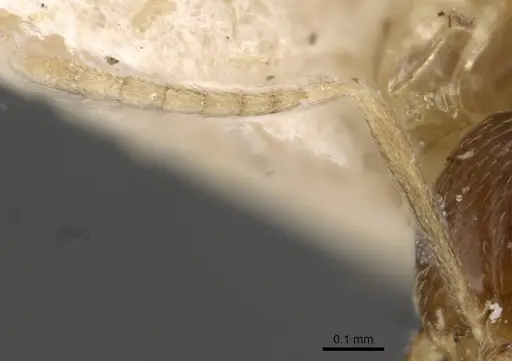
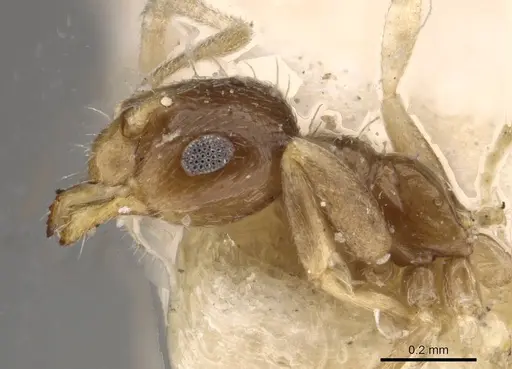
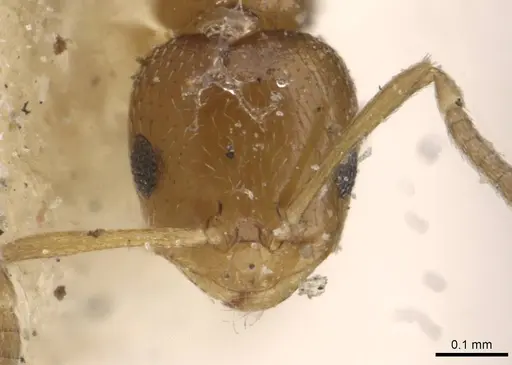
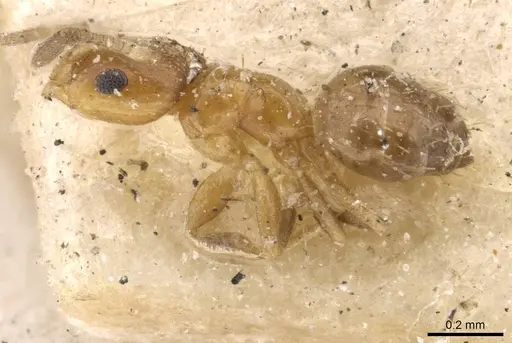
Brachymyrmex australis is a tiny yellowish ant native to the Neotropics, ranging from Mexico down to Argentina. Workers measure just 1.9-2.4mm and have a smooth, shiny, uniformly light brown to yellow body. The scapes (the antennae segments closest to the head) are short and barely extend past the back of the head. These ants are often found nesting under stones or in leaf litter on the forest floor, though they readily enter human buildings where they can become persistent indoor pests. The species was originally described from southern Brazil and has since been recorded across much of Central and South America, with an introduced population in Mauritius [1][2].
Quick Summary
- Difficulty: Easy
- Origin & Habitat: Native to the Neotropical region, Argentina, Bahamas, Brazil, Colombia, Costa Rica, Cuba, Dominican Republic, Ecuador, French Guiana, Guatemala, Guyana, Mexico, Panama, Paraguay, Peru, and Uruguay. Found in leaf litter and under stones in forest habitats, also thrives in disturbed areas and buildings. Introduced in Mauritius [1][2].
- Colony Type: Colony structure is not well-documented in scientific literature. Based on genus patterns, likely single-queen colonies, but this requires confirmation.
- Size & Growth:
- Queen: 3.68mm [2]
- Worker: 1.88-2.41mm [2]
- Colony: Likely small to moderate colonies based on similar Brachymyrmex species, estimated a few hundred workers at maturity
- Growth: Moderate, estimated based on small body size and tropical distribution
- Development: 6-8 weeks (estimated based on related Formicinae and tropical climate) (Development timeline not directly studied for this species. Estimates based on typical Formicinae patterns at tropical temperatures.)
- Antkeeping:
- Temperature: Keep at 22-28°C. Being a Neotropical species, they prefer warm conditions. Room temperature in most homes is suitable, but a slight heat gradient can encourage activity.
- Humidity: Moderate to high, they naturally live in leaf litter and under stones in forest floor environments. Keep the nest substrate lightly moist but not waterlogged.
- Diapause: Likely minimal or no true diapause given tropical distribution. May show reduced activity in cooler months but probably does not require hibernation.
- Nesting: These tiny ants do well in test tubes with a water reservoir, or small acrylic/formicarium setups with narrow chambers. Their small size means they need appropriately scaled nesting spaces. A small Y-tong or acrylic nest works well. They also accept naturalistic setups with moist soil/leaf litter.
- Behavior: Brachymyrmex australis is a small, relatively docile ant that forages quietly. Workers are active and will explore extensively. They are known to enter buildings and can become indoor pests in their native range, attracted to sweet foods. They produce defensive alkaloids (pumiliotoxins) but are not aggressive and pose no threat to humans. Their tiny size means escape prevention is critical, they can squeeze through the smallest gaps and cracks [3].
- Common Issues: escape prevention is critical, they are extremely small and can squeeze through gaps too small to see, they are attracted to sweet foods and may become pantry pests if colonies grow large, colonies may be slow to establish due to small colony size initially, test tube setups need appropriate cotton barriers, standard cotton may be too loose for their tiny size, overheating can quickly stress or kill colonies due to small body mass
Housing and Nest Setup
Because of their extremely small size, Brachymyrmex australis requires careful attention to housing. Test tubes work well for founding colonies, use a small diameter tube (around 10-12mm) with a proper water reservoir. The cotton barrier must be packed tightly enough that workers cannot squeeze through. For established colonies, small acrylic nests or Y-tong setups with narrow chambers work best. The chambers should be appropriately scaled to worker size, too large and the ants may feel exposed. A small outworld area allows for feeding. Escape prevention is absolutely critical, even standard fluon barriers may need reinforcement, and any tiny gaps in lid seams must be sealed. Some keepers use a thin layer of petroleum jelly around the rim in addition to fluon. [3]
Feeding and Diet
In the wild, Brachymyrmex species are generalist foragers that feed on honeydew, small insects, and plant matter. In captivity, offer sugar water or honey as a constant energy source. For protein, provide small prey items like fruit flies, pinhead crickets, or other tiny insects. Because of their small size, prey should be appropriately sized, even small mealworm pieces may be too large. They are known to enter buildings in their native range, attracted to sweet foods, so sugar sources are definitely accepted. Feed protein 2-3 times per week and keep sugar water available at all times. Remove uneaten prey within 24-48 hours to prevent mold.
Temperature and Humidity
As a Neotropical species, Brachymyrmex australis prefers warm conditions. Keep the nest area at 22-28°C, room temperature (around 24°C) is typically ideal. They can tolerate slightly cooler conditions but may become less active. A gentle heat gradient allows the colony to self-regulate. For humidity, aim for moderate to high levels (50-70%). Their natural habitat in leaf litter and under stones means they prefer substrate that is lightly moist but not saturated. A small water tube provides humidity, and occasional misting of the outworld helps maintain conditions. Avoid both drying out completely and waterlogging the nest. [1][4]
Behavior and Temperament
These ants are relatively docile and not aggressive toward keepers. Workers are active foragers that will explore their environment thoroughly. They are not known to sting and pose no danger to humans. However, their small size makes them excellent infiltrators, in their native range, they commonly enter buildings through tiny cracks and gaps, nesting in walls, kitchens, and laundry rooms [3]. They produce defensive chemicals (pumiliotoxins) that serve as protection against predators, but these are not harmful to humans. Colonies can become quite extensive in their foraging, so watch for escape attempts. They are not territorial or aggressive toward other colonies.
Colony Growth and Development
Brachymyrmex australis colonies likely start with a single claustral queen (though founding behavior is unconfirmed). The queen seals herself in and raises the first brood alone, as is typical for Formicinae. Early workers (nanitics) will be smaller than mature workers. Growth rate is moderate, expect several months to establish a stable colony with 20-50 workers. Full maturity likely takes 1-2 years. The species shows seasonal abundance patterns in the wild, being more common during wet seasons [4]. In captivity, maintain consistent conditions for steady growth.
Seasonal Care
Given their tropical distribution, true hibernation is not required. However, colonies may show reduced activity during cooler months if your room temperature drops. You do not need to induce diapause, but avoid placing the colony near cold windows or air conditioning vents in winter. If the colony becomes less active, reduce feeding frequency. The key is consistency, sudden temperature swings are more stressful than a stable cool period. In their native range, these ants remain active year-round in most areas. [1]
Frequently Asked Questions
How long does it take for Brachymyrmex australis to produce first workers?
Expect first workers (nanitics) to emerge around 6-8 weeks after the queen lays eggs, based on typical Formicinae development at warm temperatures. This is an estimate since the specific development timeline has not been studied for this species.
Can I keep Brachymyrmex australis in a test tube?
Yes, test tubes work well for founding colonies. Use a small diameter tube (10-12mm) with a tightly packed cotton barrier, standard cotton may be too loose for these tiny ants. Ensure the water reservoir is properly sealed and the lid fits tightly.
What do Brachymyrmex australis eat?
They are generalists. Offer sugar water or honey as a constant energy source. For protein, provide small prey like fruit flies, tiny crickets, or other small insects. They readily accept sweet foods and are known to enter buildings seeking sugar in their native range.
Are Brachymyrmex australis good for beginners?
Yes, they are considered easy to keep due to their tolerance of varying conditions and docile nature. The main challenge is escape prevention due to their tiny size. If you can maintain proper barriers, they are a rewarding species for beginners.
How big do Brachymyrmex australis colonies get?
Based on similar species, colonies likely reach a few hundred workers at maturity. They are not among the largest ants, but established colonies can be quite active and extensive in their foraging.
Do Brachymyrmex australis need hibernation?
No, hibernation is not required. As a Neotropical species, they do not have a true diapause period. They may reduce activity slightly in cooler conditions, but consistent room temperature year-round is ideal.
Why are my Brachymyrmex australis escaping?
This species is extremely small and can squeeze through the tiniest gaps. Check all lid seams, use fluon or petroleum jelly barriers, and ensure your setup has no gaps larger than 1mm. Tight-fitting lids are essential.
Can I keep multiple queens together?
Colony structure is not well-documented for this species. It is not recommended to combine unrelated foundresses unless you observe them accepting each other. Most Brachymyrmex likely establish single-queen colonies.
When should I move them to a formicarium?
Move to a formicarium once the colony reaches around 50-100 workers and the test tube is becoming crowded. Make sure the new setup has appropriately sized chambers for their tiny bodies.
What temperature is ideal for Brachymyrmex australis?
Keep them at 22-28°C. Room temperature around 24°C is ideal. They prefer warm conditions but can tolerate slight variations. Avoid temperatures below 20°C or above 30°C.
Is Brachymyrmex australis invasive?
This species is native across the Neotropics but has been introduced to Mauritius where it is considered invasive. If you live in Mauritius or nearby regions with similar climates, do not release this ant outdoors as it could establish and cause ecological damage.
References

This caresheet is licensed under CC BY-SA 4.0 .
CASENT0059784
View on AntWeb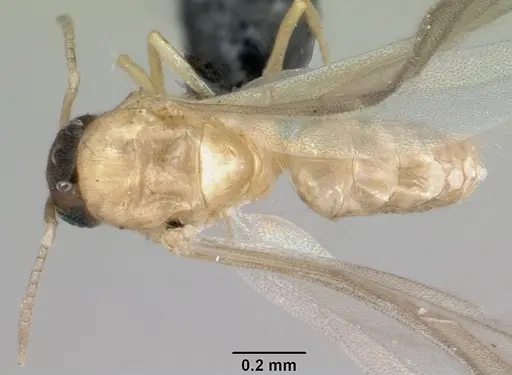
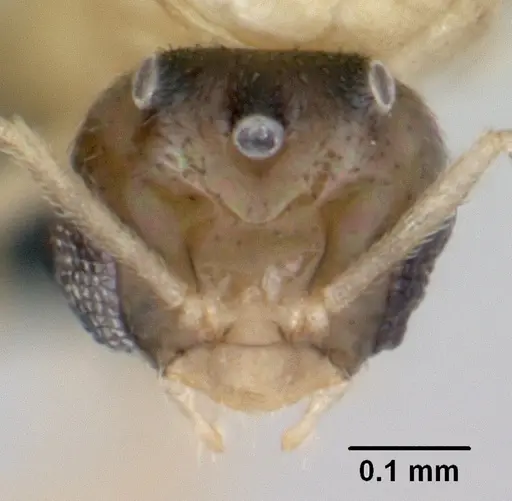
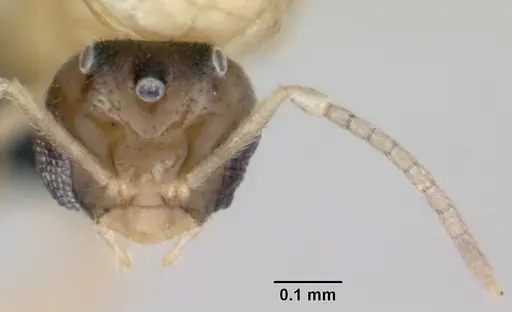
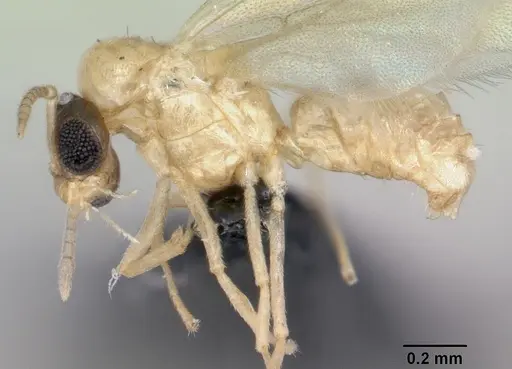
CASENT0060275
View on AntWeb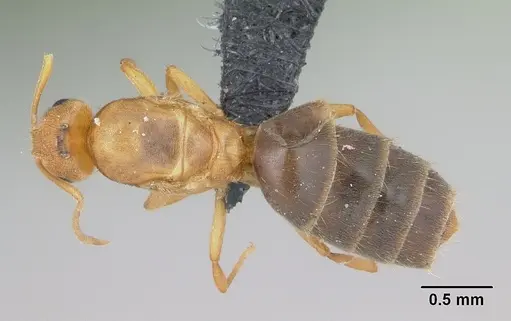
CASENT0102975
View on AntWeb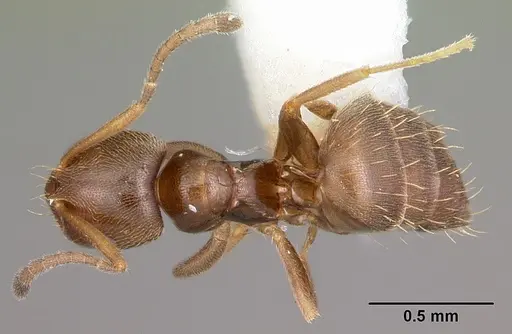
CASENT0651956
View on AntWeb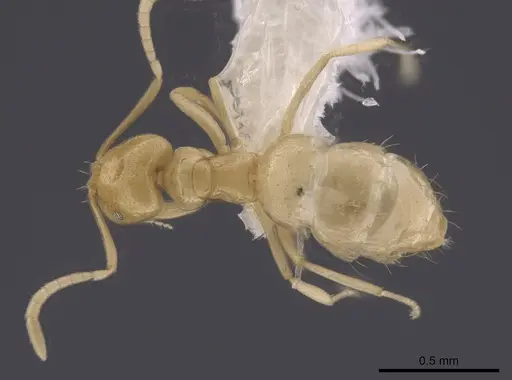
CASENT0911596
View on AntWeb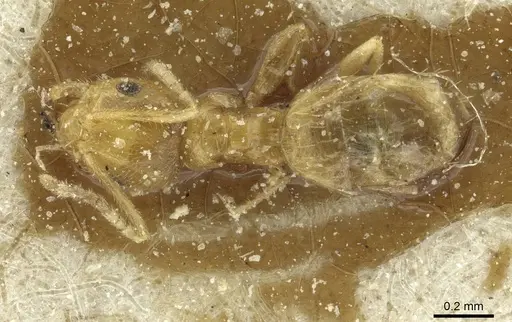
CASENT0923758
View on AntWeb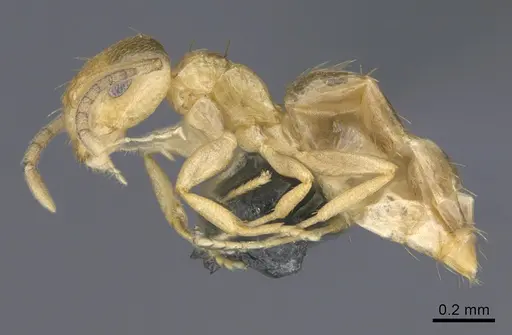
CASENT0923759
View on AntWeb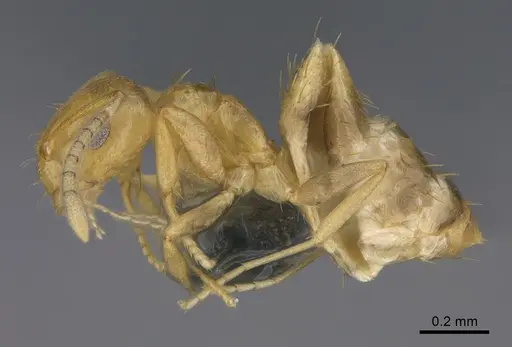
CASENT0923760
View on AntWeb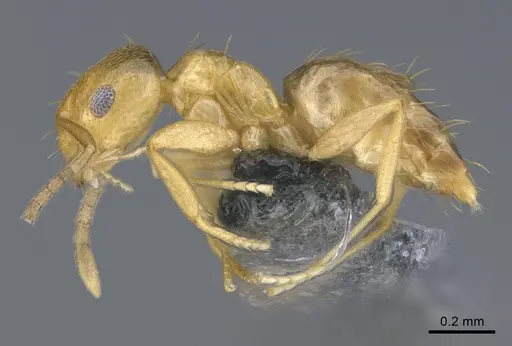
CASENT0923761
View on AntWeb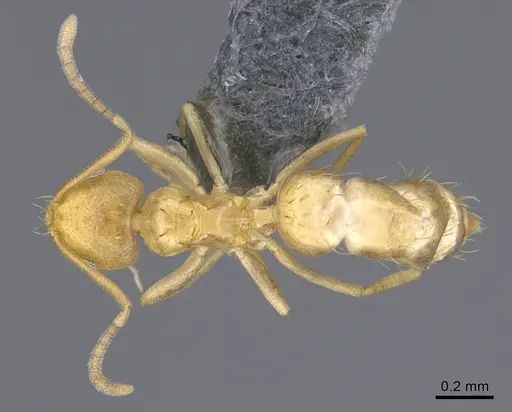
CASENT0923762
View on AntWeb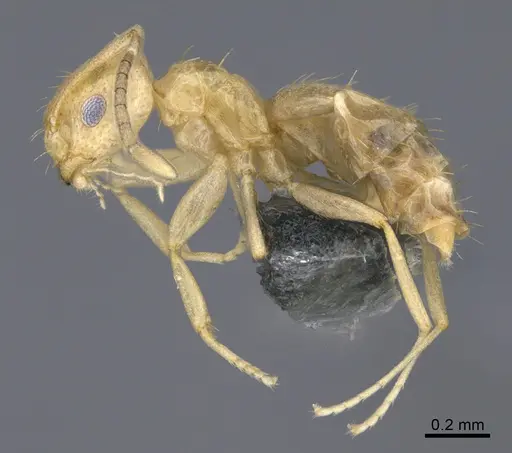
CASENT0923763
View on AntWeb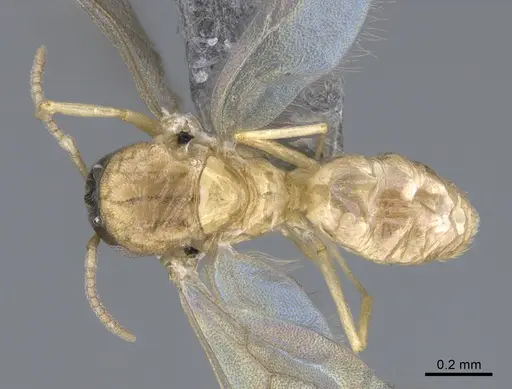
CASENT0923764
View on AntWeb
CBUMAGENT41836
View on AntWeb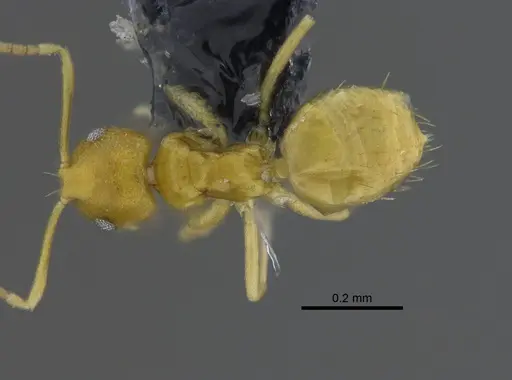
FOCOL0009
View on AntWeb
FOCOL0010
View on AntWeb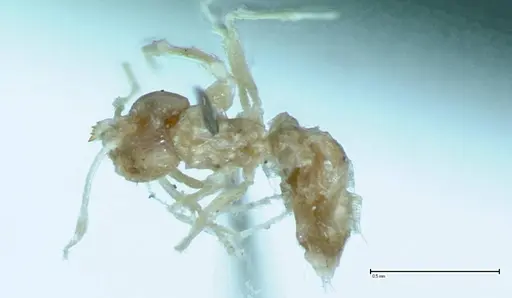
JTLC000010245
View on AntWeb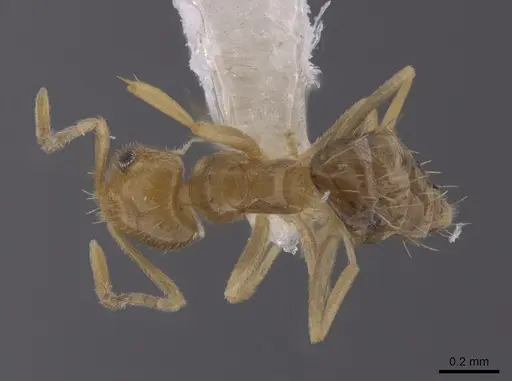
USNMENT00757144
View on AntWeb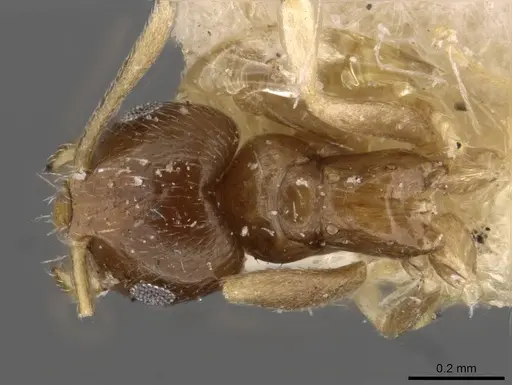
USNMENT00757156
View on AntWeb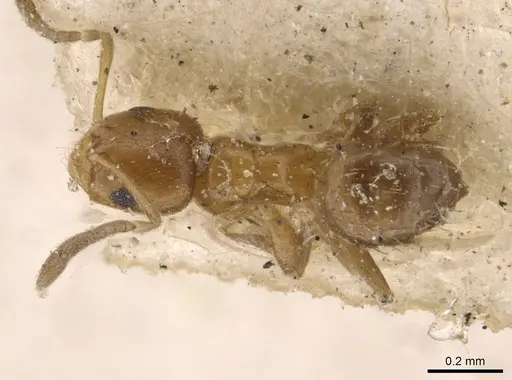
Literature
Loading...Loading products...