

Bothroponera sculpturata
- Scientific Name
- Bothroponera sculpturata
- Tribe
- Ponerini
- Subfamily
- Ponerinae
- Author
- Santschi, 1912
- Distribution
- Found in 2 countries
Bothroponera sculpturata Overview
Bothroponera sculpturata is an ant species of the genus Bothroponera. It is primarily documented in 2 countries , including Tanzania, United Republic of, South Africa. Detailed taxonomic data and occurrence records can be further explored via authoritative databases such as AntWeb or the Global Biodiversity Information Facility (GBIF).
Bothroponera sculpturata
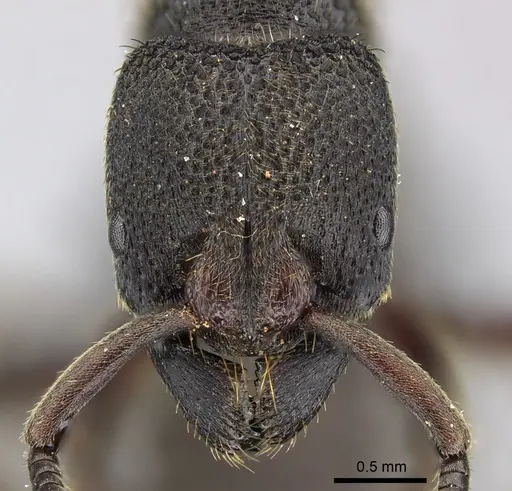
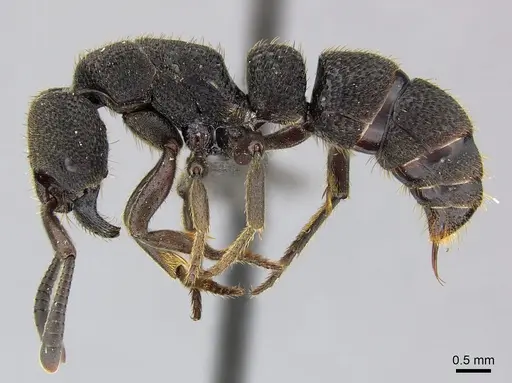
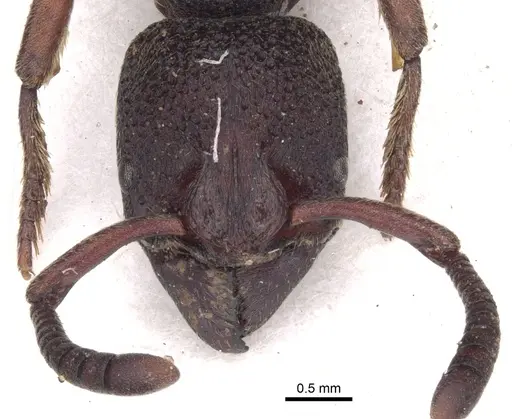
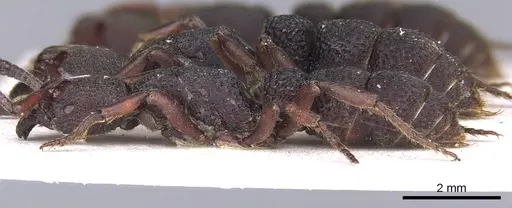
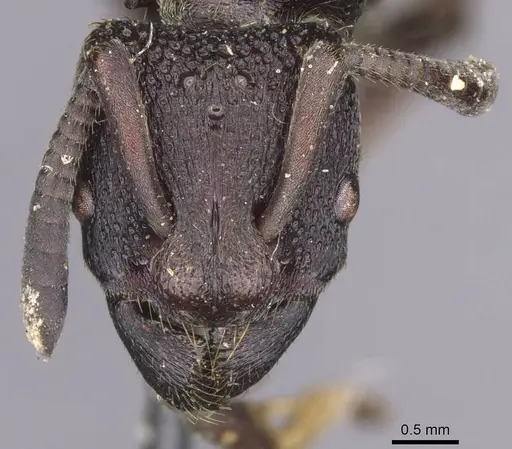
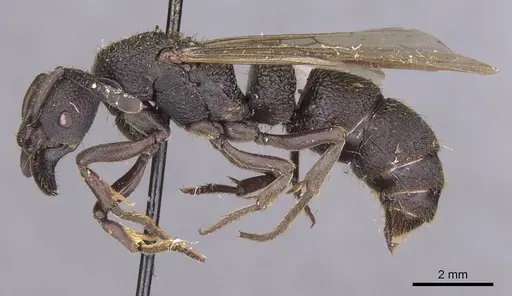
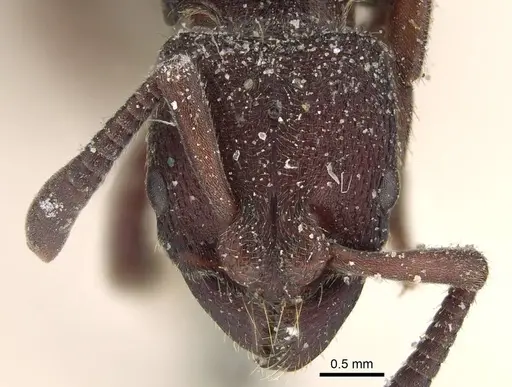
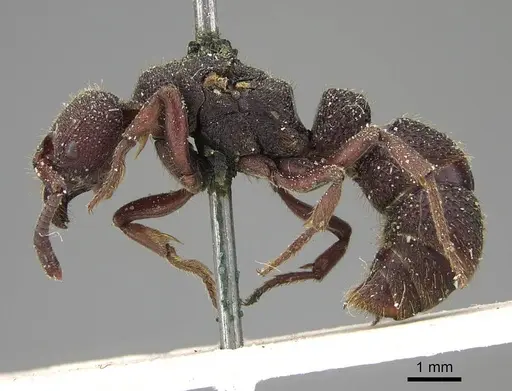
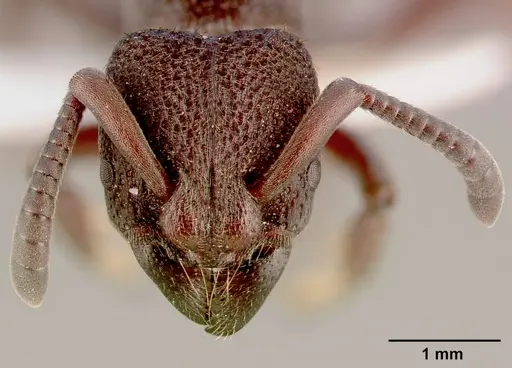
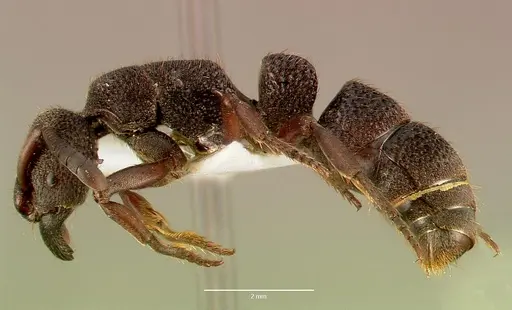
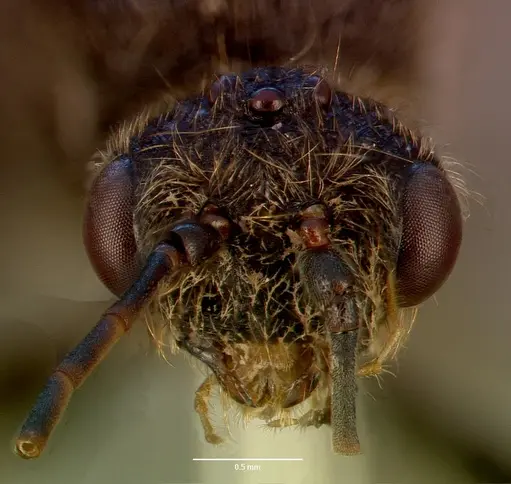
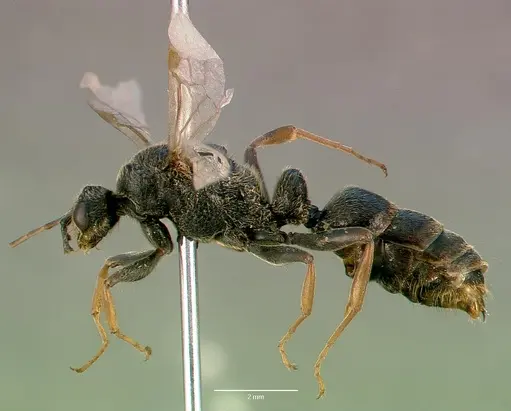
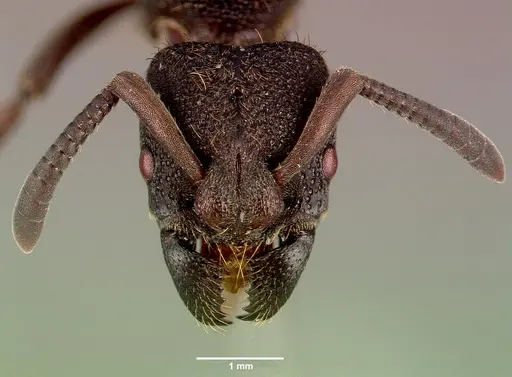
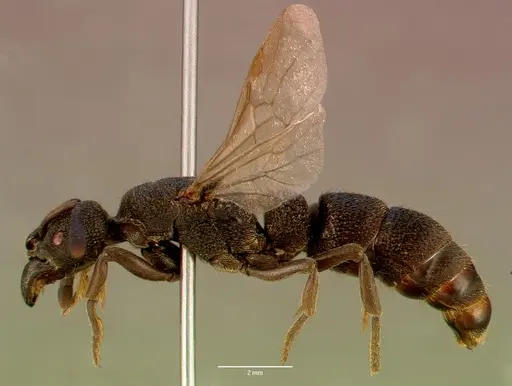
Bothroponera sculpturata is a large, robust ponerine ant native to southeastern Africa. Workers measure 9.90-11.20 mm and queens reach 9.65-13.45 mm, making them one of the larger African ants in the Bothroponera talpa species complex. They have a distinctive appearance with a dark brown to black body, light reddish-brown legs and antennae, and a coarsely punctate sculpture. Their most striking feature is the coverage of erect golden hairs on the dorsal surfaces, with particularly long hairs (up to 0.30 mm) on the petiole and postpetiole. These ants inhabit shaded forest areas and woodland habitats across Malawi, South Africa, Zambia, Zimbabwe, and Mozambique, typically nesting under leaves partially covered with clay soil at elevations of 1000-2000 meters.
Quick Summary
- Difficulty: Medium
- Origin & Habitat: Southeastern Africa, found in Malawi, South Africa (KwaZulu-Natal), Zambia, Zimbabwe, and Mozambique. They inhabit Brachystegia woodland, Copaifera mopane woodland, deciduous forests, and thickets at elevations of 1000-2000m. Nests are located under leaves partially covered with clay soil in shaded forest areas [1][2][3].
- Colony Type: Colony structure is unconfirmed. Based on genus patterns, likely single-queen colonies, but this has not been directly studied for this species.
- Size & Growth:
- Queen: 9.65-13.45 mm [1][4]
- Worker: 9.90-11.20 mm [1]
- Colony: Unknown, no colony size data available
- Growth: Unknown, no development timing data available
- Development: Unknown, no direct measurements. Based on typical Ponerinae patterns, estimate 8-12 weeks at optimal temperature. (Development timeline has not been directly studied for this species. Estimates based on related Bothroponera species.)
- Antkeeping:
- Temperature: Keep around 22-26°C. They come from warm African habitats, so moderate heating helps maintain activity. A gentle gradient is beneficial, allow them to choose their preferred temperature zone.
- Humidity: Moderate to high humidity (60-80%). Their natural habitat includes shaded forest areas with some moisture. Keep the nest substrate consistently moist but not waterlogged. Provide a water tube for drinking water.
- Diapause: Unknown, no specific studies on diapause requirements. Based on their African distribution, they likely do not require true hibernation but may reduce activity during cooler periods.
- Nesting: In captivity, they do well in Y-tong nests, plaster nests, or naturalistic setups with soil. They prefer tight, dark chambers and will nest under cover. Provide deep substrate (at least 5-10cm) for tunneling if using a naturalistic setup. They are ground-nesting ants that prefer shaded conditions.
- Behavior: Bothroponera sculpturata is a moderately aggressive ponerine ant with a potent sting. Workers are large and well-defended. They are primarily nocturnal or crepuscular foragers, hunting small invertebrates in the wild. Escape risk is moderate due to their size, standard barrier methods work well, but they are strong climbers. They are not supercolonial and will defend their nest territory aggressively. Queens are fully claustral (seal themselves in) based on genus patterns.
- Common Issues: lack of development data makes timing predictions uncertain, keepers must monitor colony progress carefully, potent sting means handling requires caution, these ants can deliver painful stings, slow growth compared to many common ant species may frustrate beginners, high humidity requirements can lead to mold issues if ventilation is poor, limited availability in the antkeeping hobby means wild-caught colonies may have parasites
Housing and Nest Setup
Bothroponera sculpturata does well in various captive setups. Y-tong (acrylic) nests work excellently, these ants prefer tight, dark chambers that mimic their natural underground nests. Plaster nests are also suitable, as they hold humidity well. For a naturalistic approach, use a deep soil setup (at least 10cm) with a layer of clay or compacted soil at the bottom to encourage tunneling. The outworld should be simple, a foraging area where you can offer food. Because they are large ants, they need appropriately sized connections between nest chambers. Provide constant access to a water tube, as they will drink directly from water droplets. Escape prevention is important but not as critical as for tiny ants, they are large enough that standard barriers work well, though they are strong climbers. [2][3]
Feeding and Diet
Bothroponera sculpturata is a predatory ponerine ant, meaning they hunt and eat other insects. In captivity, their primary food should be live or frozen insects appropriate to their size. Good options include mealworms, small crickets, roach nymphs, and other feeder insects. They will also accept protein-rich foods like raw chicken or egg, though live prey is preferred to stimulate natural hunting behavior. As with most ponerines, they are not highly attracted to sugar sources, though they may occasionally drink honey water or sugar water. Feed them 2-3 times per week, offering enough prey that some remains for a day but not so much that it goes rotten. Remove uneaten prey promptly to prevent mold.
Temperature and Seasonal Care
Keep your colony at 22-26°C for optimal activity and development. They come from warm African habitats, so room temperature in most homes is acceptable, though a small heating cable on one side of the nest can help maintain warmth during cooler months. Create a temperature gradient so workers can move between warmer and cooler areas as they choose. Place the heating element on top of the nest, not underneath, to avoid drying out the substrate too quickly. Based on their African distribution, they likely do not require a true hibernation period, but you may notice reduced activity during winter months if your home cools down. Do not let temperatures drop below 18°C for extended periods. Monitor colony behavior, if workers become sluggish, slightly increase the temperature. [2][3]
Handling and Safety
Bothroponera sculpturata has a potent sting and should be handled with caution. These are large ponerine ants capable of delivering painful stings comparable to a bee sting. When working with them, use gentle puffing of air to encourage movement rather than grabbing with bare hands. If you need to move them, use soft tools like paintbrushes or let them walk onto a piece of paper. They are not aggressive toward humans unless threatened, but they will defend their nest vigorously. Give them space and observe from outside the enclosure. If you are stung, wash the area with soap and water and monitor for allergic reactions. The sting is not medically significant for most people but can be uncomfortable.
Colony Founding
Colony founding behavior has not been directly documented for Bothroponera sculpturata. Based on typical Ponerinae patterns, the queen likely seals herself in a claustral chamber and raises her first workers alone without foraging. The queen is well-provisioned with fat reserves to sustain her through the founding period. Expect the first workers (nanitics) to be smaller than mature workers. Founding colonies should be kept in a quiet, dark location with minimal disturbance. Maintain warmth (around 24-26°C) and ensure the test tube or founding chamber has access to water. Do not feed the founding queen, she will not eat during claustral founding.
Growth and Development
Specific development timing for Bothroponera sculpturata has not been studied. Based on related Bothroponera species and typical Ponerinae development, expect 8-12 weeks from egg to first worker at optimal temperature. The first workers will be nanitics, smaller than normal workers but functional. After the first workers emerge, the colony enters a growth phase. Growth rate is likely moderate, not as fast as many Myrmicinae species. Patience is required, ponerine colonies typically grow more slowly than common species like Lasius or Camponotus. Do not overfeed during early development, as excess food can mold and harm the colony. Once the colony has 10-20 workers, you can gradually increase feeding.
Frequently Asked Questions
How long does it take for Bothroponera sculpturata to produce first workers?
The exact timeline is unknown for this species, but based on related Ponerinae ants, expect 8-12 weeks from egg to first worker at optimal temperature (around 24-26°C). The first workers will be smaller nanitics.
Do Bothroponera sculpturata ants sting?
Yes, they have a potent sting. These are large ponerine ants capable of delivering painful stings similar to bee stings. Handle with caution and avoid direct contact.
What do Bothroponera sculpturata eat?
They are predatory ants that primarily eat insects. Feed them live or frozen feeder insects like mealworms, small crickets, and roach nymphs. They may occasionally accept protein foods like chicken or egg, but live prey is preferred.
Are Bothroponera sculpturata good for beginners?
They are rated as medium difficulty. While not the hardest species, they require more patience than common ants due to slower growth and have a potent sting. They are better suited for keepers with some experience who can provide proper humidity and are comfortable with potentially stinging ants.
What temperature do Bothroponera sculpturata need?
Keep them at 22-26°C. They come from warm African habitats and do best with moderate heating. A temperature gradient allowing workers to choose their preferred zone is ideal.
Do Bothroponera sculpturata need hibernation?
Based on their African distribution, they likely do not require true hibernation. They may reduce activity during cooler periods, but a full diapause is not necessary.
How big do Bothroponera sculpturata colonies get?
Colony size data is not available for this species. Based on related species in the Bothroponera talpa complex, colonies likely reach several hundred workers over several years.
Can I keep multiple Bothroponera sculpturata queens together?
Colony structure has not been documented for this species. Based on typical Ponerinae patterns, they likely have single-queen colonies. Combining unrelated queens is not recommended without documented evidence of multi-queen tolerance.
What humidity do Bothroponera sculpturata need?
Maintain moderate to high humidity (60-80%). Their natural habitat includes shaded forest areas with some moisture. Keep the nest substrate consistently moist but not waterlogged.
When should I move Bothroponera sculpturata to a formicarium?
Wait until the colony has at least 20-30 workers and the founding setup becomes cramped. Ponerine colonies grow slowly, so this may take 6-12 months or longer. Ensure the new setup provides appropriate humidity and chamber sizes.
Why is my Bothroponera sculpturata colony not growing?
Growth is naturally slow for this species, expect months between major milestones. Ensure proper temperature (22-26°C), humidity (60-80%), and nutrition. Avoid overfeeding, as mold from decaying prey can harm colonies. If workers appear sluggish, slightly increase temperature.
What type of nest is best for Bothroponera sculpturata?
Y-tong (acrylic) nests or plaster nests work well. They prefer tight, dark chambers. A naturalistic soil setup with deep substrate (10cm+) also works if you want to observe natural tunneling behavior.
References

This caresheet is licensed under CC BY-SA 4.0 .
CASENT0235608
View on AntWeb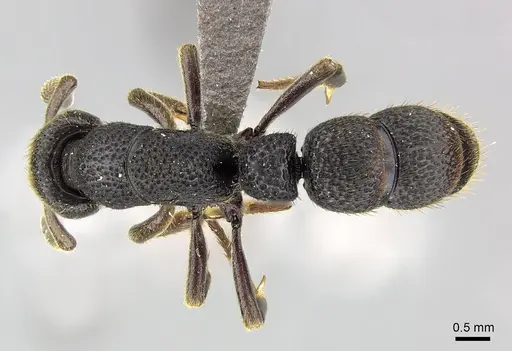
CASENT0815957
View on AntWeb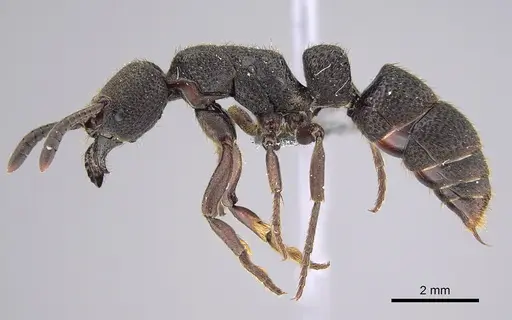
CASENT0902469
View on AntWeb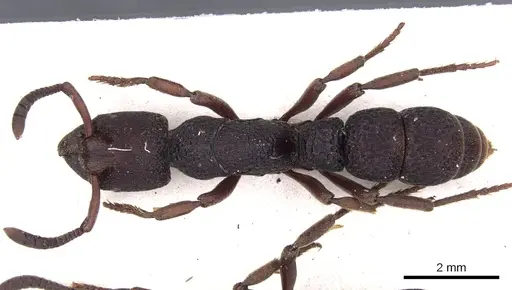
CASENT0915469
View on AntWeb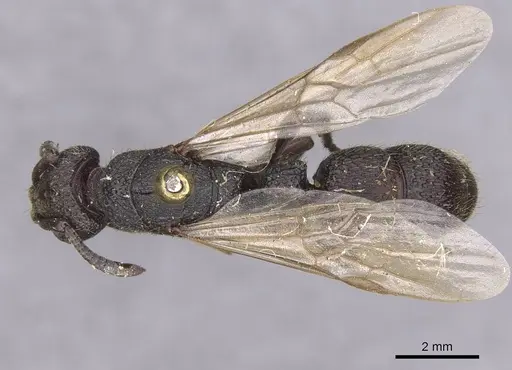
CASENT0922360
View on AntWeb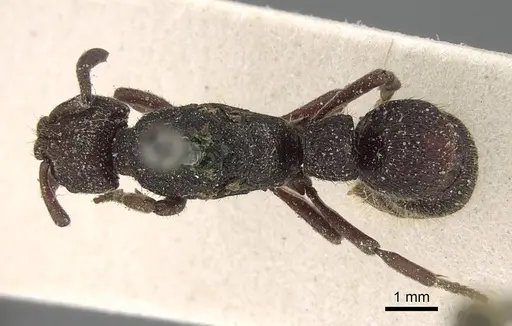
SAM-HYM-C002608A
View on AntWeb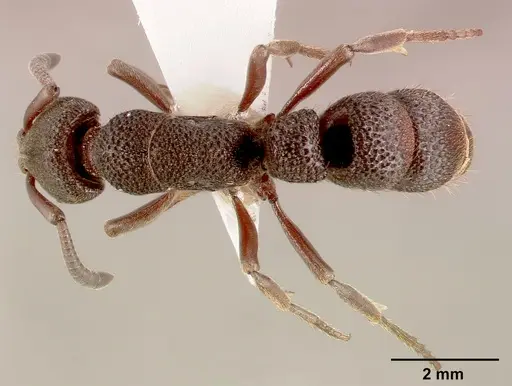
SAM-HYM-C009483A
View on AntWeb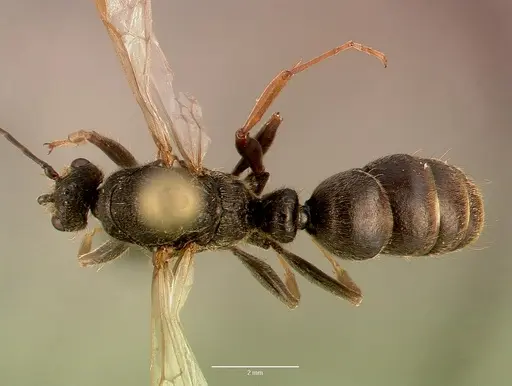
SAM-HYM-C009483B
View on AntWeb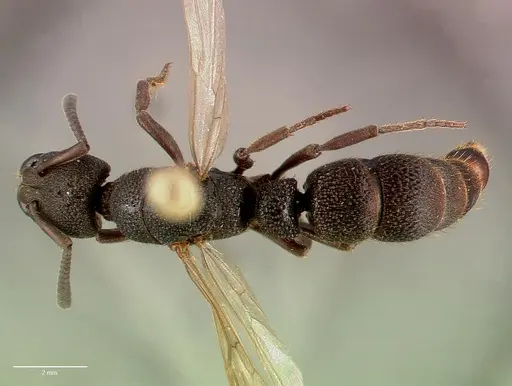
Literature
Loading...Loading products...