

Bothriomyrmex pubens
- Scientific Name
- Bothriomyrmex pubens
- Tribe
- Bothriomyrmecini
- Subfamily
- Dolichoderinae
- Author
- Santschi, 1919
- Distribution
- Found in 2 countries
Bothriomyrmex pubens Overview
Bothriomyrmex pubens is an ant species of the genus Bothriomyrmex. It is primarily documented in 2 countries , including Algeria, Tunisia. Detailed taxonomic data and occurrence records can be further explored via authoritative databases such as AntWeb or the Global Biodiversity Information Facility (GBIF).
Bothriomyrmex pubens
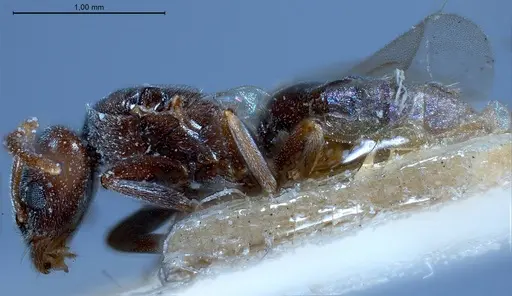
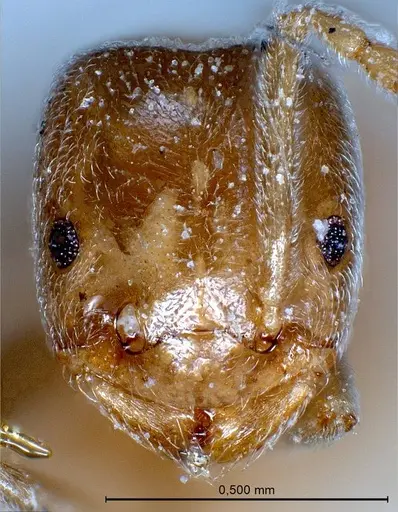
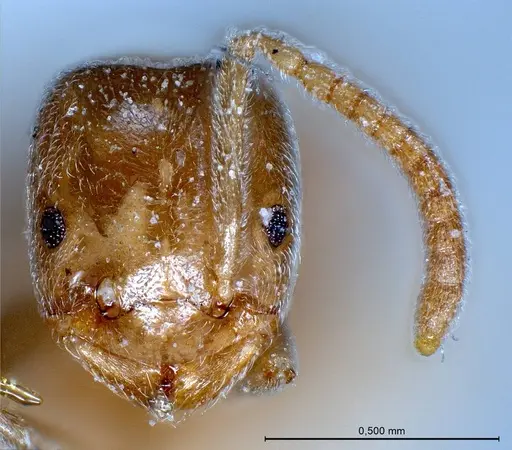
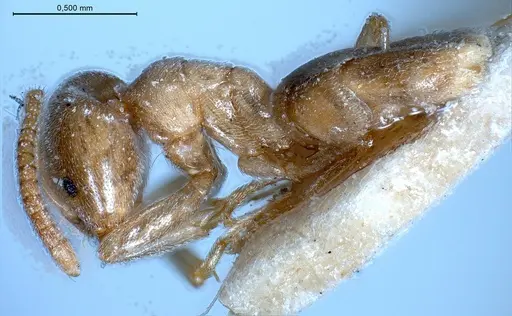
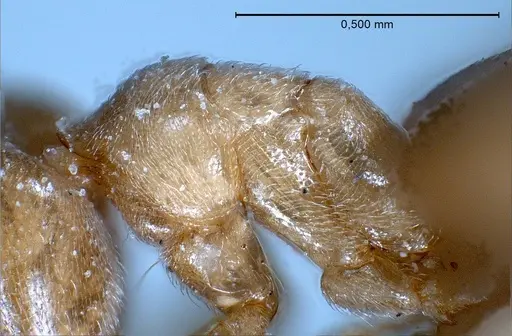
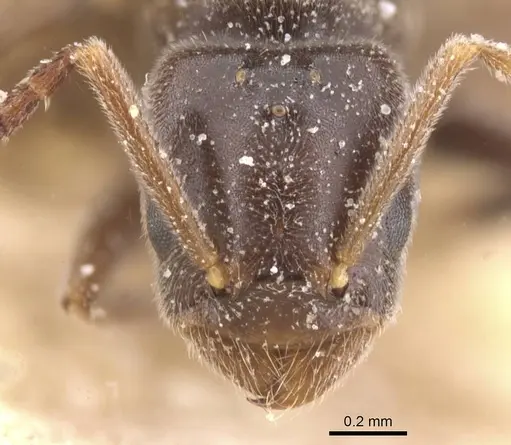
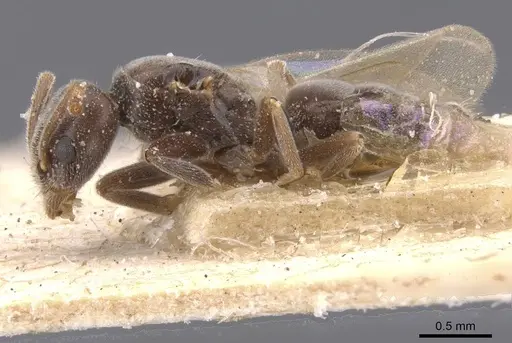
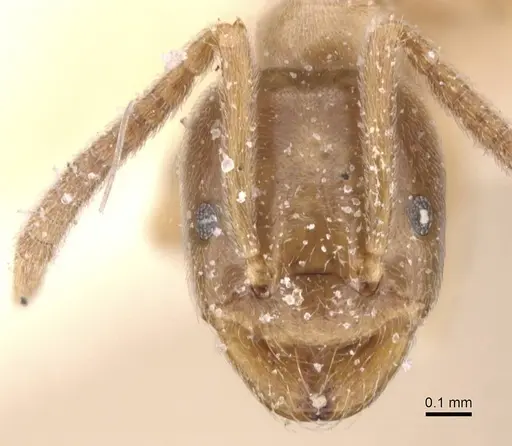
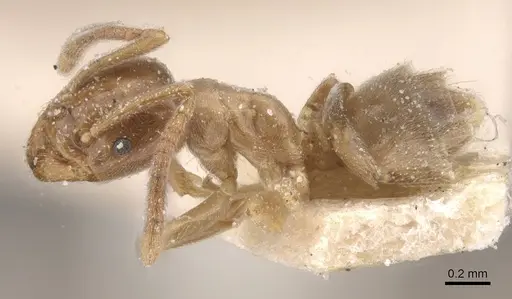
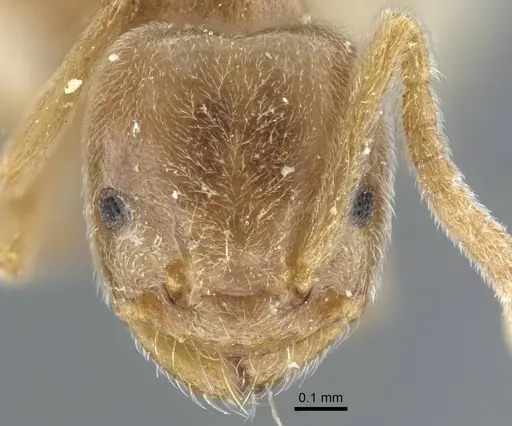
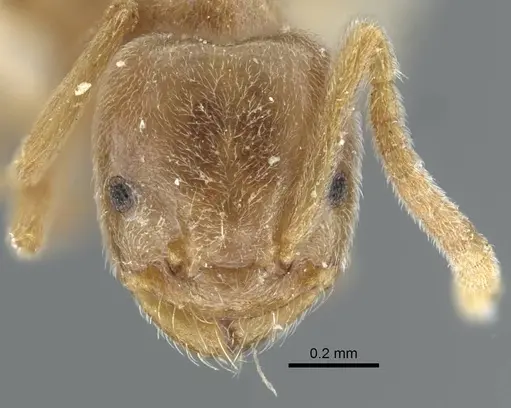
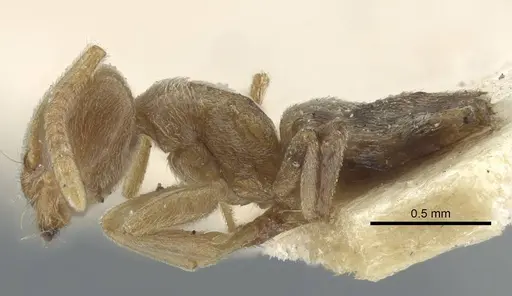
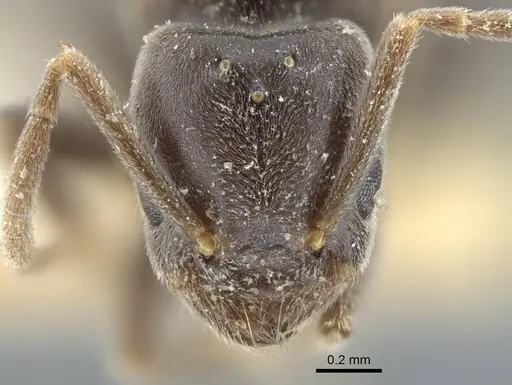
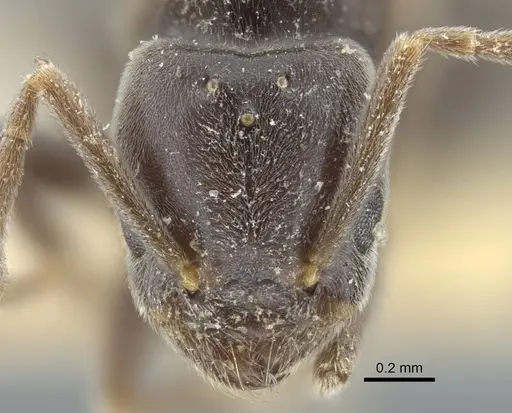
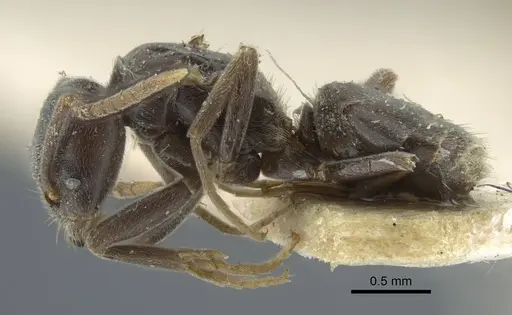
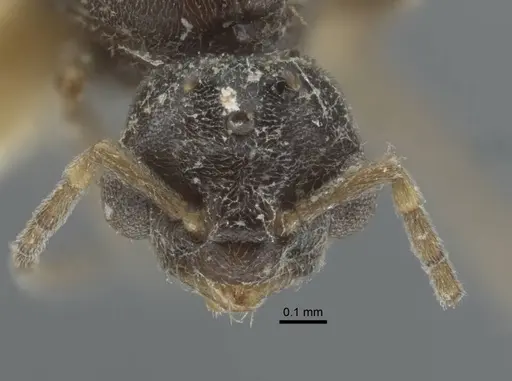
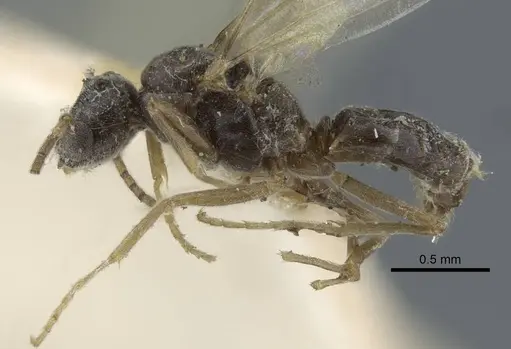
Bothriomyrmex pubens is a small ant species measuring 2-4mm, belonging to the Dolichoderinae subfamily. The species is native to North Africa, specifically found in Tunisia and Algeria across the Palaearctic region. Workers are typically uniform in color with the characteristic Dolichoderine appearance, smooth body, relatively small eyes, and a compact build. Queens are slightly larger than workers and possess the morphological adaptations typical of temporary social parasites. This species represents one of the more obscure members of the Bothriomyrmex genus, which is known for its parasitic lifestyle targeting Tapinoma species as host colonies. The genus gets its name from the Greek 'bothrios' meaning pit or cavity, referring to distinctive morphological features. These ants are rarely encountered by hobbyists due to their specialized parasitic lifestyle and limited distribution.
Quick Summary
- Difficulty: Expert
- Origin & Habitat: North Africa, Tunisia and Algeria. Found in Mediterranean habitats across the Sahel and semi-arid regions of the Palaearctic zone [1][2].
- Colony Type: Temporary social parasite. Queens invade host colonies (primarily Tapinoma species), kill the host queen, and use host workers to raise their first brood until their own workers emerge.
- Queen: Temporary parasitic
- Size & Growth:
- Queen: Estimated 4-5mm based on genus typical measurements [3]
- Worker: Estimated 2-3mm based on genus typical measurements [3]
- Colony: Unknown for this specific species, genus-level data suggests small colonies of several hundred workers at maturity
- Growth: Unknown, likely moderate, dependent on host colony resources
- Development: Unknown for this species. Based on typical Dolichoderine development, estimate 6-8 weeks at optimal temperature. (Development is dependent on host colony resources during the parasitic phase. First workers (nanitics) are raised by host workers, not by the parasite queen.)
- Antkeeping:
- Temperature: Keep at room temperature, roughly 20-26°C. Mediterranean species, they prefer warm conditions but can tolerate normal indoor temperatures. Provide a gentle thermal gradient if possible.
- Humidity: Moderate humidity. These are not moisture-dependent ants, typical Mediterranean dry-to-moderate conditions. Allow the nest to dry partially between waterings.
- Diapause: Likely, most North African Mediterranean species enter a winter rest period. Reduce temperature to 10-15°C for 2-3 months during winter.
- Nesting: Cannot found colonies independently. Requires a host Tapinoma colony to establish. In captivity, you must introduce the queen to an established Tapinoma colony. Natural nests are within host colonies, typically under stones or in soil.
- Behavior: Non-aggressive by nature, they rely on host workers and avoid confrontation. Workers are small and not particularly defensive. Escape risk is moderate, small size but they are not strong climbers. They spend most of their time within the host nest. Foraging is done by host workers, not the parasite species.
- Common Issues: establishment failure, getting the queen accepted by host colony is extremely difficult and often fails, host colony rejection, Tapinoma workers may kill the invading queen, colony collapse, if host queen is not killed properly or if host workers reject the parasite brood, identification difficulty, requires confirmed Tapinoma host colony for successful keeping, very limited availability, this species is rarely available in the antkeeping hobby
Understanding Temporary Social Parasitism
Bothriomyrmex pubens is a temporary social parasite, this is the most critical aspect of keeping this species. Unlike most ant species where the queen founds a colony alone, Bothriomyrmex queens must invade an established colony of their host species (typically Tapinoma species) to establish their colony. The parasite queen enters the host nest, locates and kills the host queen, then uses the host's worker force to raise her own brood. Once the first workers of the parasite species emerge, they gradually replace the host workers until the colony becomes purely Bothriomyrmex. This process can take several months to over a year. In captivity, you cannot start a colony from a single queen, you must introduce her to an existing, healthy Tapinoma colony. Even experienced keepers report high failure rates with this method.
Host Colony Requirements
Successful keeping of Bothriomyrmex pubens requires a healthy Tapinoma colony as the host. Tapinoma species are small (2-3mm), fast-moving ants that readily accept sugar and protein foods. They are common in the Mediterranean and some species are kept by hobbyists. You will need to maintain both the host colony and the parasite queen simultaneously. The host colony should be well-established with at least 50-100 workers before introducing the parasite queen. Some keepers report better success by introducing the queen during the host's nuptial flight season when the colony is most receptive to new queens. The introduction method typically involves placing the parasite queen near the host colony's queen chamber or directly onto the brood pile, though success rates vary significantly.
Feeding and Nutrition
During the parasitic phase, Bothriorymex pubens does not forage for itself, host workers provide all nutrition. Once established, workers will likely accept similar foods to their hosts: sugar water, honey, and small protein sources like fruit flies or small mealworm pieces. Feed the host colony standard ant foods, the parasite colony will consume through trophallaxis (food sharing between ants). Sugar sources should be available constantly. Protein should be offered 2-3 times per week. Remove uneaten food promptly to prevent mold. The colony's nutritional needs are modest compared to non-parasitic species.
Temperature and Seasonal Care
Bothriomyrmex pubens originates from Tunisia and Algeria, which have hot summers and mild winters. Keep the colony at room temperature, ideally 22-26°C during the active season. They can tolerate temperatures down to 15°C without issues. During winter (roughly November through February in the Northern Hemisphere), reduce temperatures to 10-15°C to simulate natural conditions. This winter rest period is important for colony health and may trigger reproductive behavior. Do not let temperatures drop below 5°C or exceed 30°C. A heating cable on one side of the nest can create a thermal gradient if your room is cool. [1]
Legal and Ethical Considerations
Bothriomyrmex pubens has a very limited distribution in North Africa. It is not commonly available in the antkeeping hobby, and established colonies are rarely traded. If you obtain a queen or colony, ensure it was legally collected and exported. Never release this or any non-native ant species in North America, Europe, or any region where they are not native, they could become invasive or disrupt native ecosystems. If you can no longer keep your colony, consider offering it to another experienced keeper rather than releasing it. [1][2]
Frequently Asked Questions
Can I keep Bothriomyrmex pubens in a test tube like other ants?
No, test tube founding will not work. This is a temporary social parasite that cannot found a colony independently. You need an established Tapinoma host colony to introduce the queen. Keeping both species together in a test tube-style setup is not feasible.
How do I establish a Bothriomyrmex pubens colony?
You must introduce the queen to an established Tapinoma colony. This is extremely difficult, the host workers must accept the parasite queen. Success rates are low even for experienced keepers. Some recommend introducing the queen during the host's nuptial flight season when colony defenses are lower.
What do Bothriomyrmex pubens eat?
Once established, they eat whatever the host colony eats, primarily sugar sources (honey, sugar water) and small protein (fruit flies, tiny mealworms). The host workers forage for them. Feed the host colony standard foods.
Are Bothriomyrmex pubens good for beginners?
No, this species is not recommended for beginners or even most experienced antkeepers. The requirement for a host colony and the difficulty of colony establishment makes this one of the most challenging species to keep. Only expert antkeepers with experience in parasitic species should attempt this.
How long does it take for the parasite colony to take over?
The timeline is variable and not well-documented. It can take several months to over a year for the parasite workers to emerge and gradually replace the host workers. The process depends on how quickly the host queen is eliminated and how successfully the parasite brood is raised by host workers.
Can I keep multiple queens together?
This has not been documented. Multiple parasite queens in one host colony would likely compete and likely result in fighting. Do not attempt to combine unrelated queens.
What happens if the host colony dies?
If the host colony dies before the parasite workers establish, the parasite colony will also die. The Bothriomyrmex workers cannot forage for themselves during the establishment phase. Maintaining a healthy host colony is essential.
Do Bothriomyrmex pubens need hibernation?
Likely yes, based on their North African origin, they probably benefit from a winter rest period. Reduce temperatures to 10-15°C for 2-3 months during winter (roughly November-February).
Where can I get a Bothriomyrmex pubens colony?
This species is very rarely available in the antkeeping hobby due to the difficulty of establishment and limited range. Specialized dealers or collectors in North Africa may occasionally have queens, but established colonies are extremely uncommon in trade.
References

This caresheet is licensed under CC BY-SA 4.0 .
ANTWEB1008377
View on AntWeb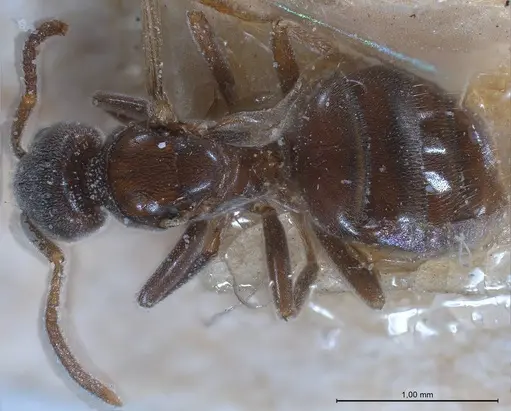
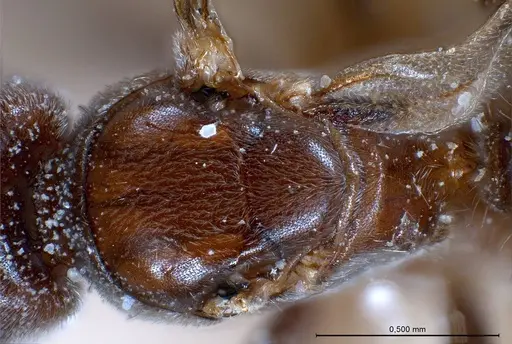
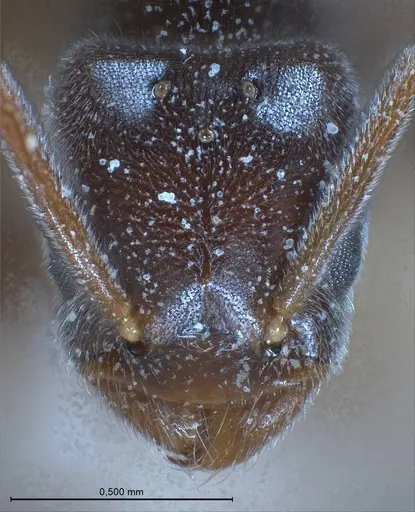
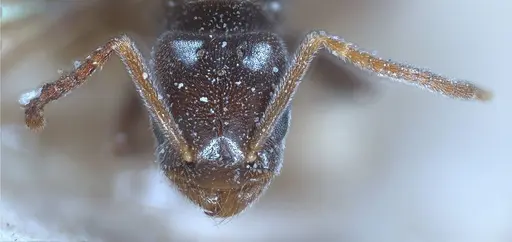
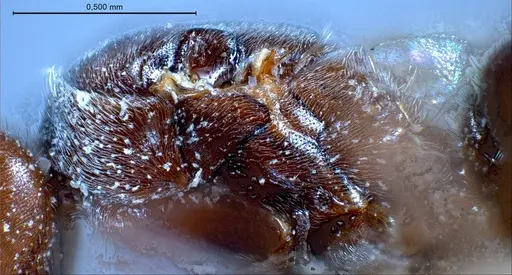
ANTWEB1008378
View on AntWeb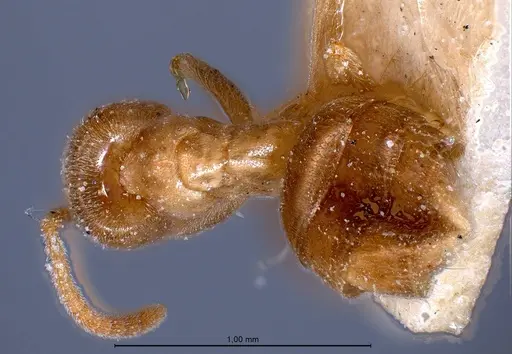
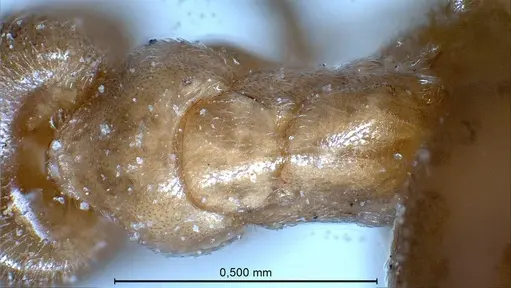
CASENT0911486
View on AntWeb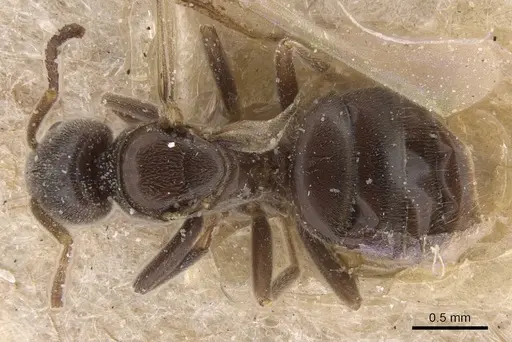
CASENT0911487
View on AntWeb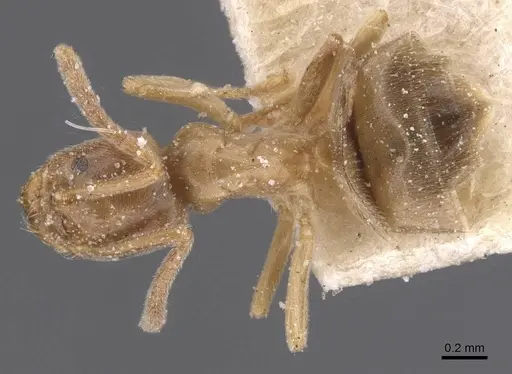
CASENT0917116
View on AntWeb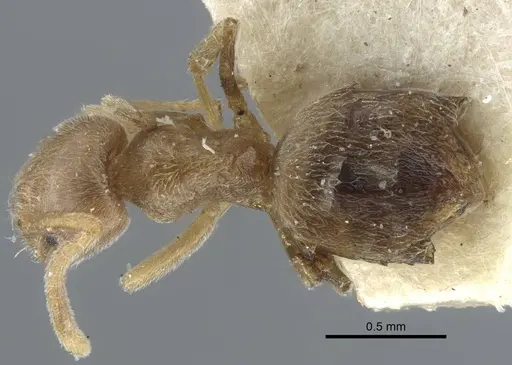
CASENT0917117
View on AntWeb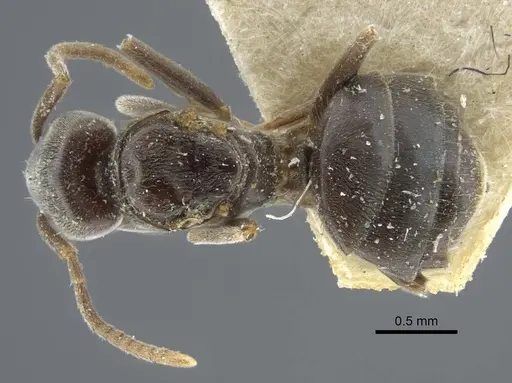
CASENT0917118
View on AntWeb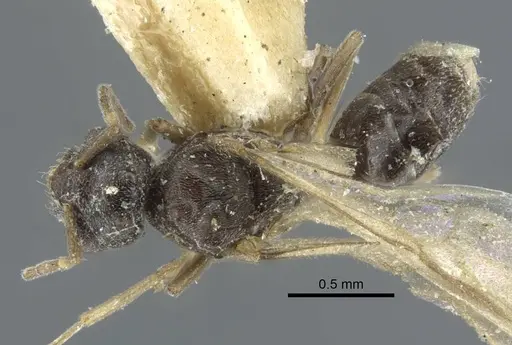
Literature
Loading...Loading products...