

Bothriomyrmex breviceps
- Scientific Name
- Bothriomyrmex breviceps
- Tribe
- Bothriomyrmecini
- Subfamily
- Dolichoderinae
- Author
- Santschi, 1919
- Distribution
- Found in 1 countries
Bothriomyrmex breviceps Overview
Bothriomyrmex breviceps is an ant species of the genus Bothriomyrmex. It is primarily documented in 1 countries , including Algeria. Detailed taxonomic data and occurrence records can be further explored via authoritative databases such as AntWeb or the Global Biodiversity Information Facility (GBIF).
Bothriomyrmex breviceps
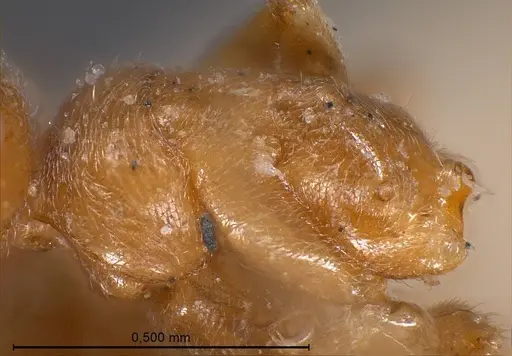
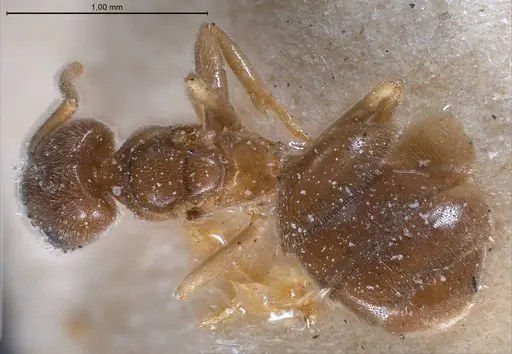
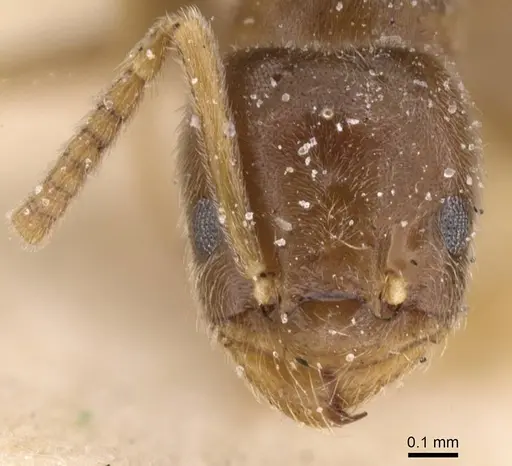
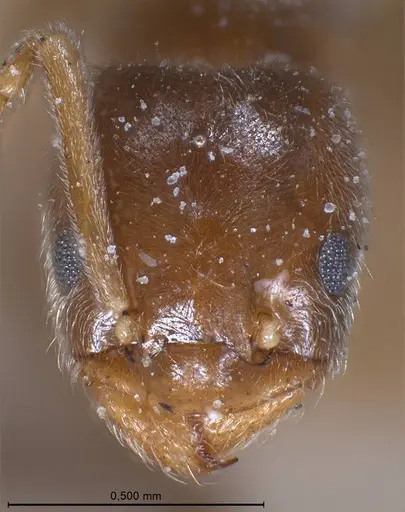
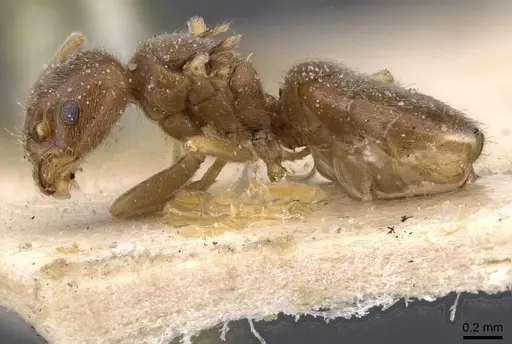
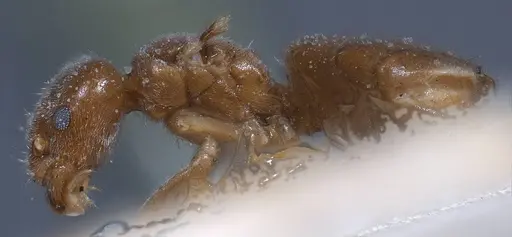
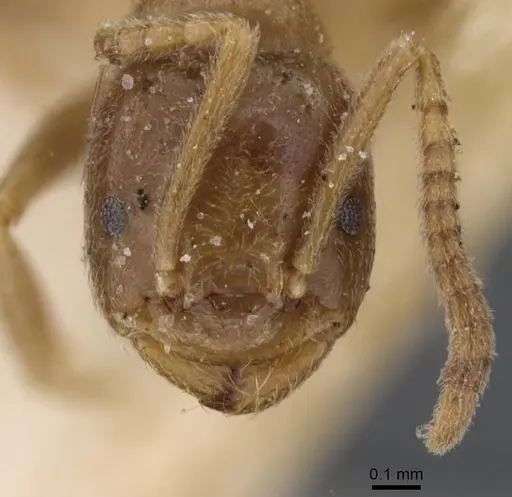
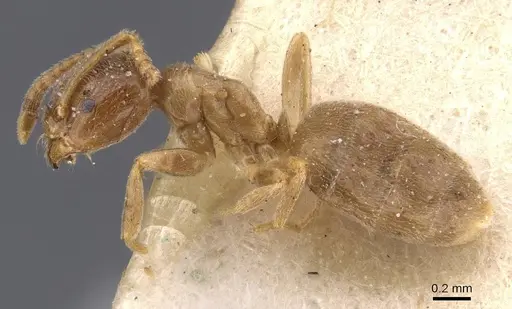
Bothriomyrmex breviceps is a small ant species native to Tunisia in North Africa. Workers are modest in size with the distinctive pointed gaster (abdomen tip) typical of the genus. The species was described by Santschi in 1919 from specimens collected at La Ouareb in Tunisia. Like other Bothriomyrmex species, they belong to the Dolichoderinae subfamily and are characterized by their relatively small workers and queens with distinctive morphological features including relatively wide heads and large eyes [1][2].
This species remains poorly studied in the scientific literature, with limited information available about its colony structure, behavior, or captive care requirements. What we know comes primarily from taxonomic descriptions and type specimen data rather than behavioral or ecological studies.
Quick Summary
- Difficulty: Unknown
- Origin & Habitat: Tunisia (Palaearctic Region), known only from the type locality in northern Tunisia [2][1]
- Colony Type: Colony structure is unconfirmed, no data on whether this species forms single-queen or multi-queen colonies
- Queen: Socially parasitic, Temporary parasitic
- Size & Growth:
- Queen: Unconfirmed, morphometric data exists from type specimens but no published measurements in keeper-relevant terms [1]
- Worker: Unconfirmed, species described from type specimens but standard measurements not available in accessible literature [1]
- Colony: Unknown, no colony size data has been documented [1]
- Growth: Unknown
- Development: Unknown, no development data exists for this species (Development timeline has not been studied. Related Bothriomyrmex species are temporary social parasites of Tapinoma, which may influence their development patterns.)
- Antkeeping:
- Temperature: Unconfirmed, no thermal studies exist. As a Tunisian species, likely tolerates warm conditions similar to other Mediterranean ants. Start around 22-26°C and observe colony activity.
- Humidity: Unconfirmed, no humidity data exists. As a species from northern Tunisia, likely prefers moderate to dry conditions. Keep nest substrate slightly moist with dry areas available.
- Diapause: Unknown, no seasonal data exists. As a North African species from a Mediterranean climate, may require a mild winter rest period around 10-15°C for several weeks.
- Nesting: Nesting preferences unconfirmed. In captivity, standard small ant setups like test tubes or acrylic nests would be appropriate starting points. Avoid overly humid conditions.
- Behavior: Behavior is unconfirmed. The genus Bothriomyrmex is known for temporary social parasitism, queens invade Tapinoma colonies, kill the host queen, and use host workers to raise their first brood. This species may exhibit similar behavior. Escape prevention should be appropriate for small ants, use fine mesh barriers.
- Common Issues: lack of documented care information makes successful captive keeping uncertain, temporary social parasitism means founding queens may need a host colony to establish, this may be difficult to provide in captivity, no available data on acceptable food sources or feeding schedules, winter care requirements are completely unknown
Species Background and Identification
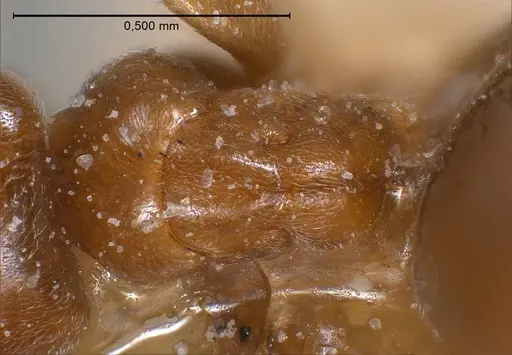
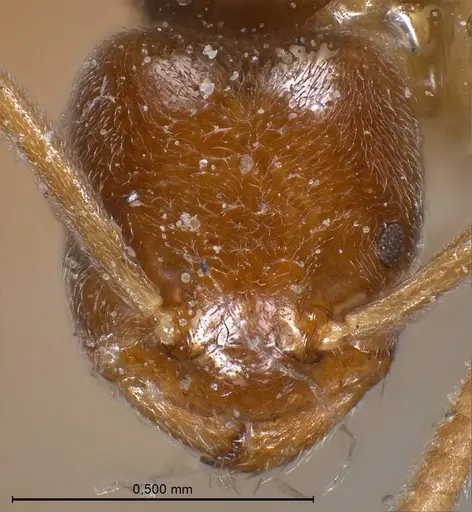
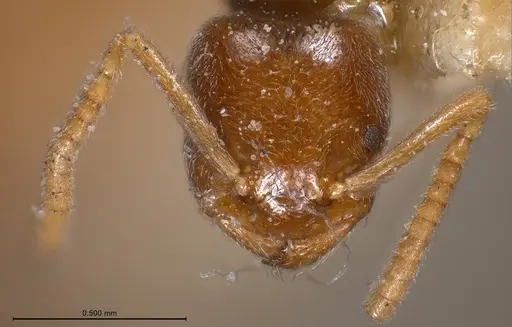
Bothriomyrmex breviceps is a poorly known ant species described from Tunisia in 1919. The genus Bothriomyrmex belongs to the Dolichoderinae subfamily, which includes other well-known genera like Tapinoma and Linepithema. These ants are characterized by their pointed gasters (the final abdominal segment comes to a tip) and generally small worker sizes. The type specimens were collected from La Ouareb in Tunisia by F. Santschi, with the lectotype queen designated later by Seifert in 2012 [1]. The species is morphologically distinguished by having relatively wide heads (ClyW/CS) and large eyes (EYE) compared to other Bothriomyrmex species in the region [1]. This species remains known only from its original description, with no additional ecological or behavioral studies published.
Known Biology and Parasitism
While specific biological data for B. breviceps does not exist, the genus Bothriomyrmex is well-documented as temporary social parasites of Tapinoma species. This means founding queens of Bothriomyrmex species do not establish colonies independently like typical ants. Instead, a newly mated queen invades an established Tapinoma colony, locates and kills the host queen, and then uses the host worker force to raise her own brood. Once the first workers of the parasite emerge, they gradually replace the host workers over time. This parasitic relationship is temporary in the sense that the colony eventually becomes a pure Bothriomyrmex colony once all the original host workers have died off. For antkeepers, this presents a significant challenge: you would need to provide a compatible Tapinoma host colony for the queen to establish successfully. This makes B. breviceps an extremely challenging species to keep, even if more information were available.
Housing and Nesting
No specific nesting data exists for this species. In captivity, standard small ant housing would be appropriate, test tubes with water reservoirs for humidity control work well for founding colonies. Given the likely parasitic nature of colony founding, you would need to consider housing both a Tapinoma host colony and the parasitic queen together. This is complex and not recommended for beginners. For established colonies, acrylic nests or ytong nests with appropriately sized chambers would work. The species is small, so chambers should not be overly large. Maintain moderate humidity with some dry areas available.
Feeding and Diet
Feeding requirements are unconfirmed for this species. Like other Dolichoderinae, they likely consume honeydew (a sugary substance excreted by aphids and scale insects) and small insects. In captivity, you could offer sugar water or honey as an energy source, along with small protein sources like fruit flies or small mealworm pieces. However, the parasitic nature of this species complicates feeding, if they depend on host workers to feed the brood, they may not accept direct feeding in the same way as independent species. No specific prey acceptance data exists.
Temperature and Seasonal Care
Temperature requirements are not documented. As a species from Tunisia (Mediterranean climate), they likely prefer warm conditions with temperatures in the low-to-mid 20s Celsius. A slight temperature gradient allowing the ants to choose their preferred zone would be beneficial. Winter requirements are completely unknown, but as a North African species from a relatively mild climate, they may not require extended cold diapause. A brief cool period around 10-15°C for several weeks during winter may be appropriate, but this is speculative.
Frequently Asked Questions
How do I keep Bothriomyrmex breviceps ants?
This species is not recommended for captive keeping due to lack of documented care information. Additionally, Bothriomyrmex species are temporary social parasites of Tapinoma ants, meaning founding queens require a host colony to establish. This makes them extremely difficult to keep even for experienced antkeepers.
What do Bothriomyrmex breviceps eat?
Feeding requirements are unconfirmed. Based on genus patterns, they likely consume honeydew and small insects. In captivity, you could offer sugar water/honey and small protein sources, but successful captive keeping of this species has not been documented.
How big do Bothriomyrmex breviceps colonies get?
Colony size is unknown, no colony size data has been documented in the scientific literature.
Are Bothriomyrmex breviceps good for beginners?
No. This species is not suitable for beginners or even most experienced antkeepers due to its likely parasitic colony founding requirements (needing a Tapinoma host colony) and complete lack of documented captive care information.
What temperature do Bothriomyrmex breviceps need?
Temperature requirements are unconfirmed. As a Tunisian species, likely prefers warm conditions around 22-26°C. Start in this range and observe colony behavior.
How long does it take for Bothriomyrmex breviceps to develop from egg to worker?
Development timeline is completely unknown, no egg-to-worker data exists for this species.
Do Bothriomyrmex breviceps need hibernation?
Winter requirements are unknown. As a North African species from a Mediterranean climate, they may not require extended cold diapause. A brief cool period may be appropriate, but this is speculative.
Can I keep multiple Bothriomyrmex breviceps queens together?
Colony structure is unconfirmed. The genus is known for temporary social parasitism where a single queen invades a host colony. Multiple queen behavior is not documented.
Where is Bothriomyrmex breviceps found?
This species is known only from Tunisia in North Africa, specifically from the type locality La Ouareb [2][1].
References

This caresheet is licensed under CC BY-SA 4.0 .
ANTWEB1008365
View on AntWeb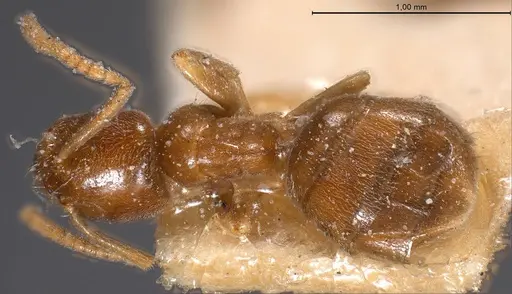
ANTWEB1008366
View on AntWeb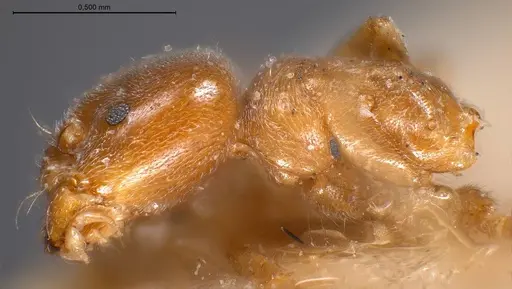
CASENT0911468
View on AntWeb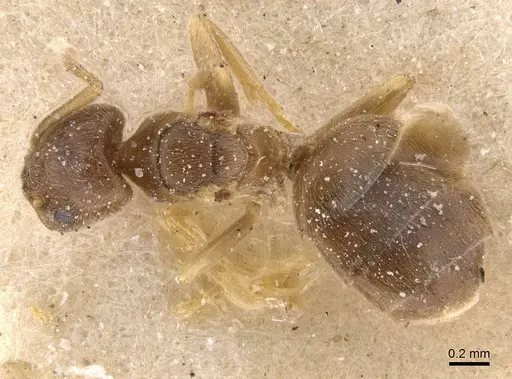
CASENT0911469
View on AntWeb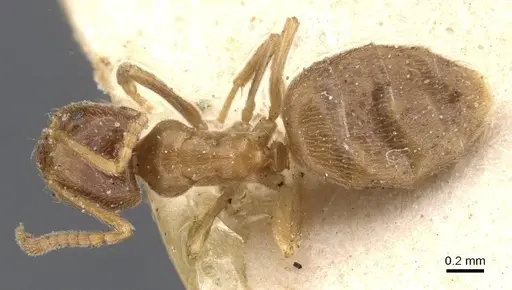
Literature
Loading...Loading products...