

Bondroitia lujae
- Scientific Name
- Bondroitia lujae
- Tribe
- Solenopsidini
- Subfamily
- Myrmicinae
- Author
- Forel, 1909
- Distribution
- Found in 1 countries
Bondroitia lujae Overview
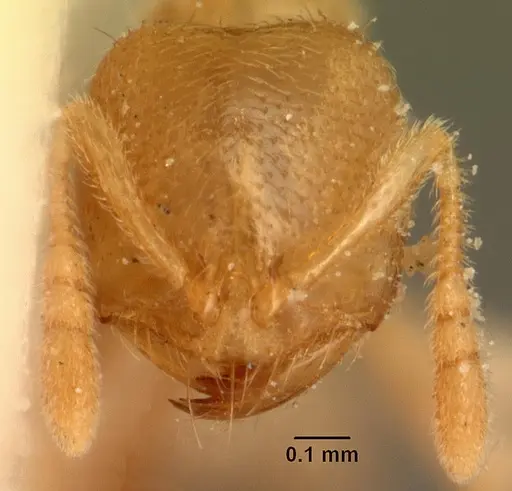
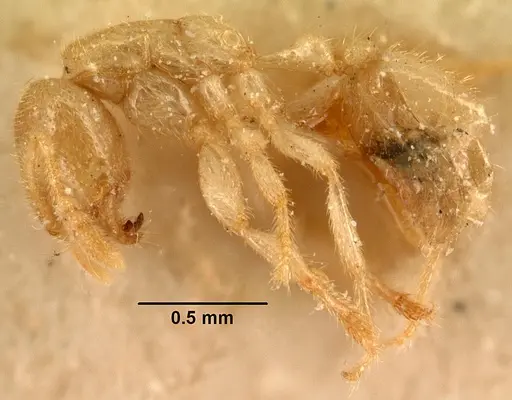
Bondroitia lujae is an ant species of the genus Bondroitia. It is primarily documented in 1 countries , including Congo, Democratic Republic of the. Detailed taxonomic data and occurrence records can be further explored via authoritative databases such as AntWeb or the Global Biodiversity Information Facility (GBIF).
Bondroitia lujae
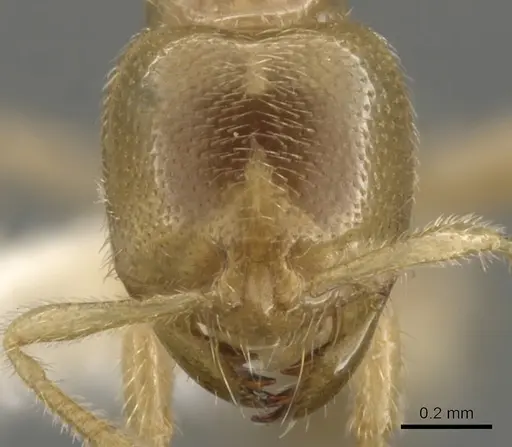
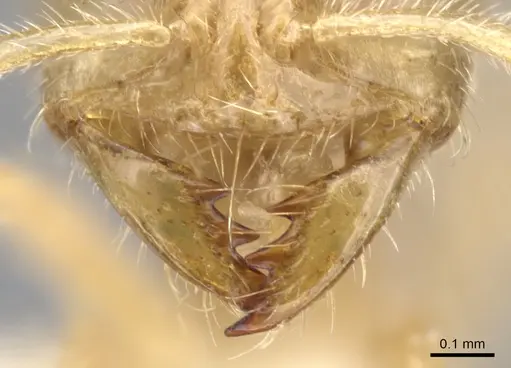
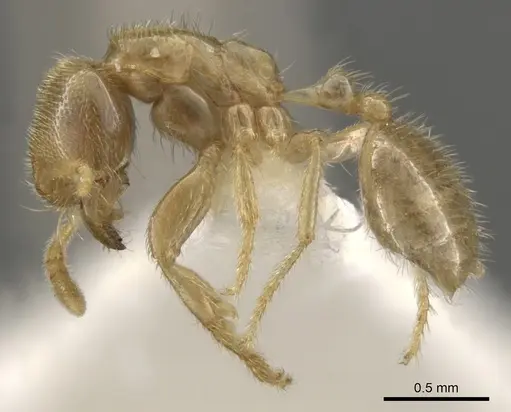
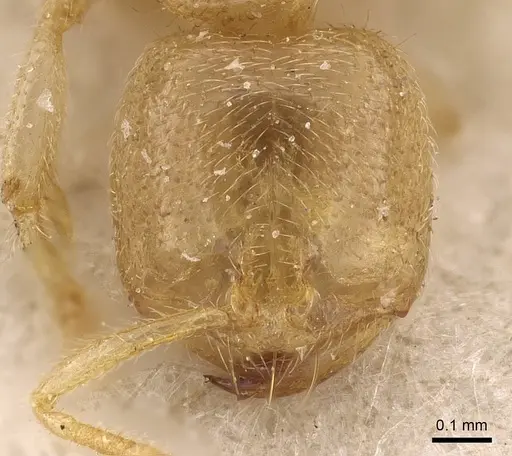
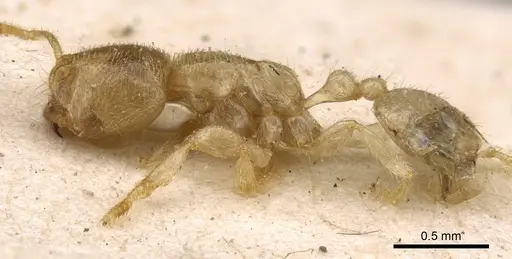
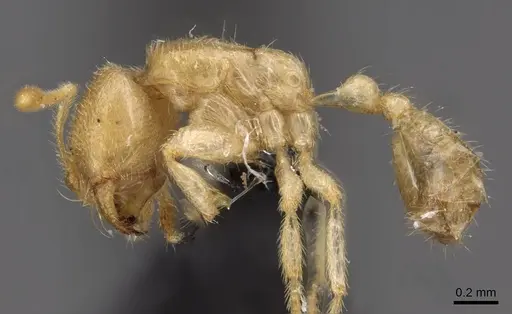
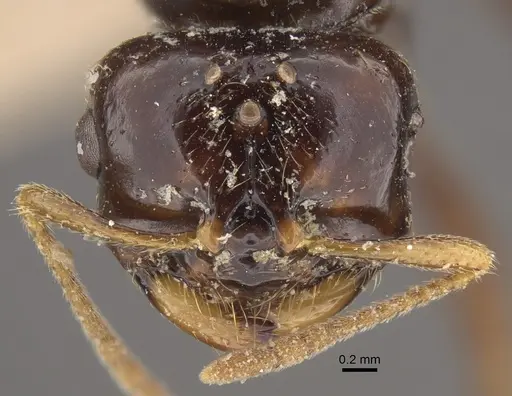
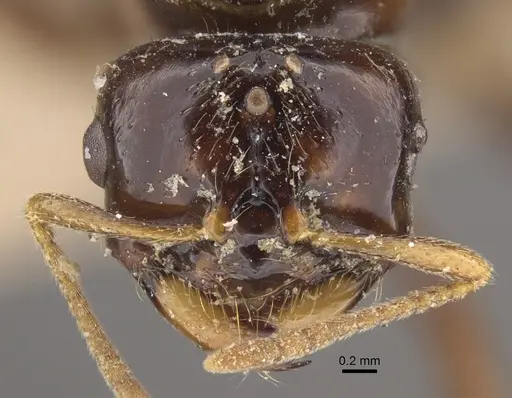
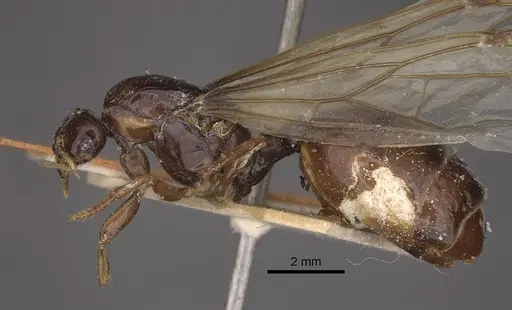
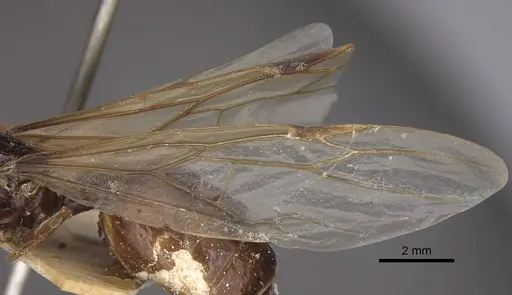
Bondroitia lujae is a tiny myrmicine ant belonging to the Solenopsidini tribe, found across Central Africa. Workers and queens are small, queens measure around 6-7mm with a head width of approximately 1.94mm and have a dark, almost black coloration. This species is one of only two in the genus Bondroitia, and notably it's one of the few in this small group known from all three castes (workers, queens, and males). The species was originally described from the Democratic Republic of Congo and is also found in Angola and Nigeria [1].
What makes this species particularly interesting for antkeepers is its rarity in captivity, it's almost never kept in the hobby, meaning there's no established care protocol. This is truly a species for advanced keepers who enjoy the challenge of working with poorly documented ants and don't mind experimenting to learn what works.
Quick Summary
- Difficulty: Expert
- Origin & Habitat: Central Africa (Democratic Republic of Congo, Angola, Nigeria) in the Afrotropical region. Specific habitat details are unknown, but related Solenopsidini ants typically live in forest edges, savanna margins, and areas with loose soil or rotting wood [1].
- Colony Type: Unconfirmed, colony structure has not been documented in scientific literature. Most Solenopsidini are monogyne (single queen), but this hasn't been verified for Bondroitia.
- Size & Growth:
- Queen: Approximately 6-7mm (estimated from HW 1.94mm measurement)
- Worker: Estimated 2-3mm based on genus and tribe patterns
- Colony: Unknown, no colony size data exists
- Growth: Unknown
- Development: Estimated 6-8 weeks based on typical Solenopsidini development at warm temperatures (This is a rough estimate based on related genera, actual development time is unconfirmed)
- Antkeeping:
- Temperature: Keep at 24-28°C as a starting point, based on typical African ant requirements. Provide a slight gradient so ants can choose their preferred temperature.
- Humidity: Moderate to high humidity (60-80%) similar to other Central African myrmicines. Keep substrate consistently moist but not waterlogged.
- Diapause: Unknown, no data on overwintering requirements. Given the African origin, they likely do not require true hibernation but may slow down during cooler periods.
- Nesting: No specific data exists. Based on related genera, they likely nest in soil, under stones, or in rotting wood. A test tube setup or small acrylic nest works well for founding colonies. Provide moist substrate.
- Behavior: Behavior is completely unstudied. Based on tribe membership, they are likely generalist omnivores that forage for small insects, honeydew, and seeds. Their small size means they likely prefer liquid sugar sources and tiny prey items. Escape prevention is critical due to their tiny size, use fine mesh and tight-fitting barriers. Aggression levels are unknown but related Solenopsidini can be defensive when threatened.
- Common Issues: no established care protocol exists, you're pioneering husbandry for this species, tiny size makes escape prevention challenging, use fine mesh barriers, growth rate is unknown and likely slow, patience is required, virtually no information on acceptable foods, experimentation needed, wild-caught colonies may have unknown parasites or diseases
Why Keep Bondroitia lujae?
Bondroitia lujae represents a genuine frontier in antkeeping. This species has never been systematically studied in captivity, meaning you'll be among the first to document its behavior, preferences, and development. For advanced antkeepers who thrive on discovery and don't need pre-made care guides, this is an exciting opportunity. You'll be contributing genuinely new knowledge to the hobby.
That said, this species is absolutely not for beginners. Without established protocols, you'll need to experiment with temperature, humidity, feeding, and nesting to discover what works. Expect slow progress and be prepared for failures. The reward is the satisfaction of pioneering care for a species that literally no one else has kept successfully in captivity. [1]
Acquiring Your Colony
Finding Bondroitia lujae for sale is extremely difficult, they're not commercially available and would need to be wild-caught in their native range (Central Africa) or obtained through specialized researchers. If you do obtain a colony, it will likely be a single queen with workers collected from the field.
Wild-caught colonies often harbor parasites, mites, or other health issues that can wipe out colonies in captivity. Quarantine and observe new colonies carefully before introducing them to your main setup. Consider treating prophylactically if you have experience with parasite management in ants. [1]
Housing and Nest Setup
For founding colonies, a standard test tube setup works well, fill a clean test tube with water, plug with cotton, and place the queen in. Keep it in darkness and avoid disturbances for 4-6 weeks until workers emerge. The tube should be kept humid but not wet.
For established colonies, a small acrylic nest or Y-tong setup with narrow chambers scaled to their tiny size works best. Provide a water feeder (test tube with cotton) for sugar water. Because of their small size, escape prevention must be excellent, these ants can squeeze through gaps that seem impossible. Use fluon on container rims and fine mesh on any ventilation.
A small outworld for foraging allows you to offer food and observe their hunting behavior.
Feeding and Nutrition
This is entirely speculative, no one has documented what Bondroitia lujae eats in captivity. Based on their tribe membership (Solenopsidini, related to Solenopsis and Monomorium), they likely accept:
Protein: Small live prey like fruit flies, pinhead crickets, mealworms, and other tiny insects. Offer pre-killed if live prey isn't taken.
Sugar: Sugar water, honey, or diluted honey water. Their small size means they likely prefer liquid sugar sources.
Experimental foods: Given how little we know, try offering various small insects, seeds, and other ant foods to see what they accept. Keep detailed notes of what works and what doesn't.
Feed small amounts every 2-3 days and remove uneaten food to prevent mold.
Temperature and Environmental Control
As a Central African species, Bondroitia lujae likely prefers warm conditions. Start with temperatures in the 24-28°C range during the active season. Use a heating cable or mat on one side of the nest to create a temperature gradient, allowing ants to regulate their own temperature by moving between warmer and cooler areas.
Monitor colony behavior, if workers cluster consistently in warm areas, increase temperature slightly. If they avoid the heated area, reduce heat. Unlike documented species, you'll need to learn their preferences through observation.
Room temperature (around 20-24°C in many homes) may be acceptable, but expect slower activity and development.
Understanding the Challenge
Let's be direct: there is no established care protocol for Bondroitia lujae. Everything above is inference from related ants, not documented care. Your success depends on careful observation, patience, and willingness to experiment.
Keep detailed records of everything: temperatures, humidity levels, foods offered, colony behavior, development times, and any problems. Share your findings with the antkeeping community, you're building the foundation for future keepers of this species.
Expect setbacks. Without baseline data, you'll lose colonies. This is normal when pioneering care for an undocumented species. Each failure teaches you something new.
Frequently Asked Questions
How hard is Bondroitia lujae to keep?
This is an expert-level species. There is absolutely no established care protocol, you're essentially pioneering husbandry for an undocumented species. Only experienced antkeepers should attempt this.
What do Bondroitia lujae ants eat?
Unknown, no one has documented their diet in captivity. Based on related Solenopsidini ants, they likely accept small insects, sugar water, and honey. You'll need to experiment to determine what they accept.
How long does it take for Bondroitia lujae to produce workers?
Unconfirmed. Based on similar Solenopsidini, estimate 6-8 weeks from egg to worker at warm temperatures (26-28°C), but this is purely speculative.
What temperature do Bondroitia lujae need?
No specific data exists. Start with 24-28°C and adjust based on colony activity. African ant species generally prefer warm, stable conditions.
Can beginners keep Bondroitia lujae?
No. This species requires advanced antkeeping skills and tolerance for uncertainty. Without documented care guidelines, you'll face many failures that would discourage beginners.
How big do Bondroitia lujae colonies get?
Unknown, no colony size data exists. Related Solenopsidini range from a few dozen to thousands of workers. Expect moderate colony sizes based on their small worker size.
Do Bondroitia lujae need hibernation?
Unknown. As a Central African species, they likely don't require true hibernation but may slow down during cooler periods. No documented diapause requirements exist.
What is the best nest type for Bondroitia lujae?
No specific data exists. Use a small acrylic nest or test tube setup with chambers scaled to their tiny 2-3mm worker size. Provide moist substrate.
Where does Bondroitia lujae come from?
Central Africa, specifically the Democratic Republic of Congo, Angola, and Nigeria in the Afrotropical region.
References

This caresheet is licensed under CC BY-SA 4.0 .
CASENT0101201
View on AntWeb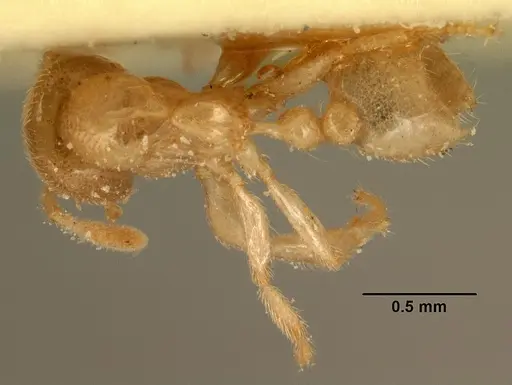
CASENT0900309
View on AntWeb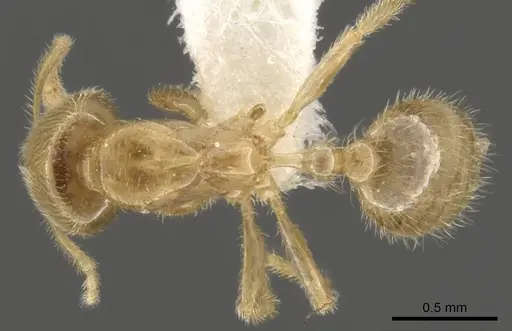
CASENT0908791
View on AntWeb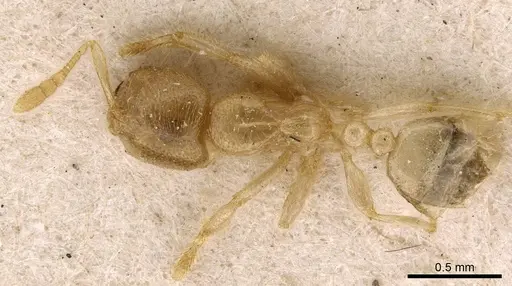
CASENT0908792
View on AntWeb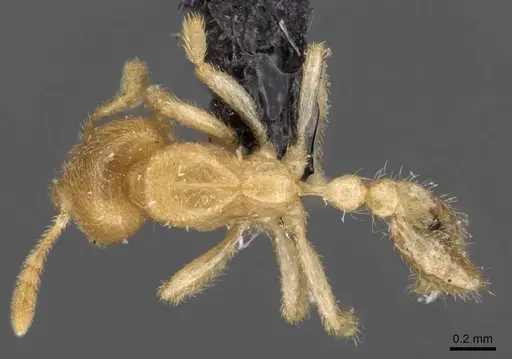
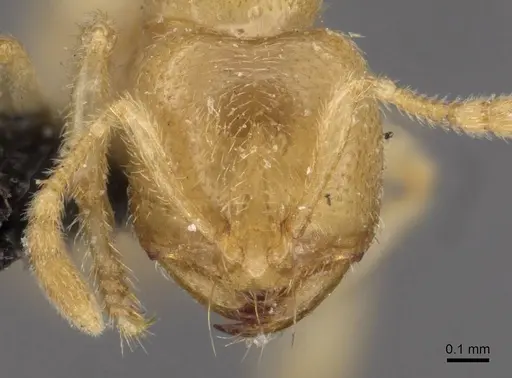
CASENT0917817
View on AntWeb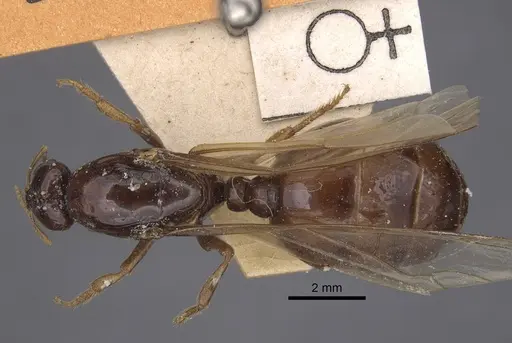
Literature
Loading...Loading products...