

Blepharidatta conops
- Scientific Name
- Blepharidatta conops
- Tribe
- Attini
- Subfamily
- Myrmicinae
- Author
- Kempf, 1967
- Distribution
- Found in 1 countries
Blepharidatta conops Overview
Blepharidatta conops is an ant species of the genus Blepharidatta. It is primarily documented in 1 countries , including Brazil. Detailed taxonomic data and occurrence records can be further explored via authoritative databases such as AntWeb or the Global Biodiversity Information Facility (GBIF).
Blepharidatta conops
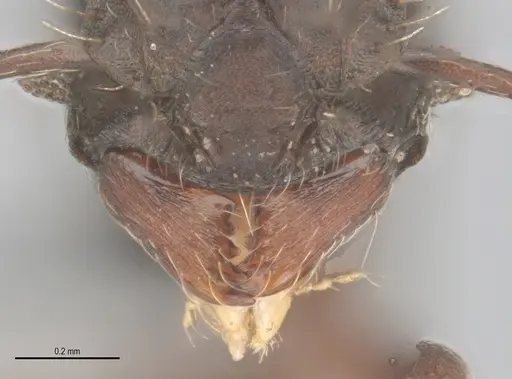
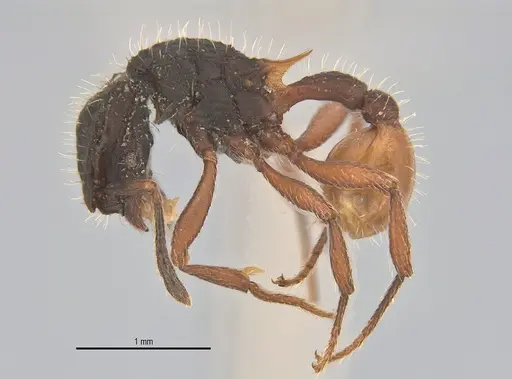
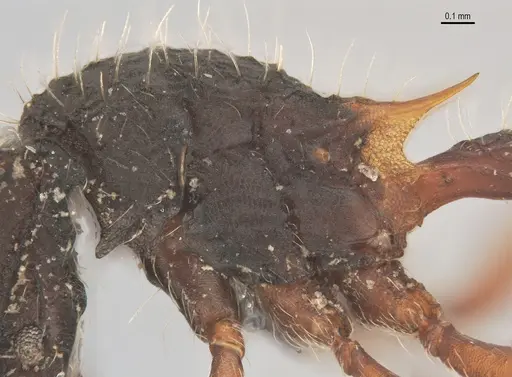
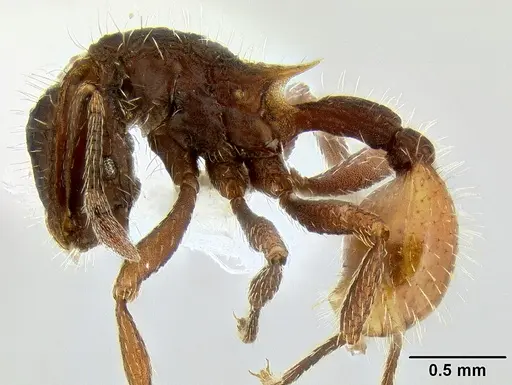
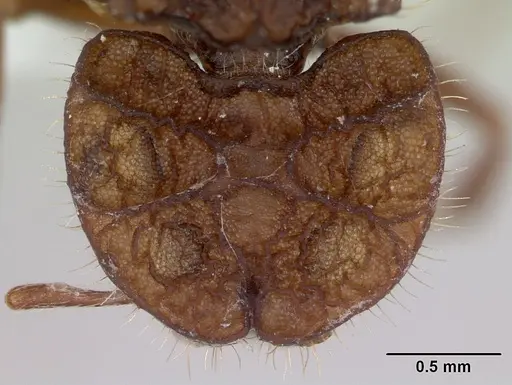
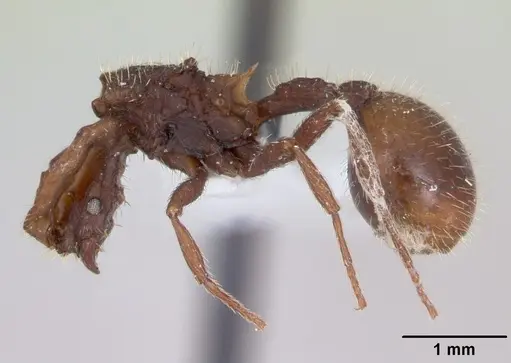
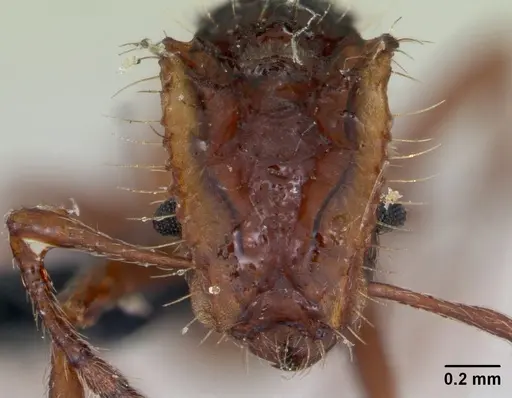
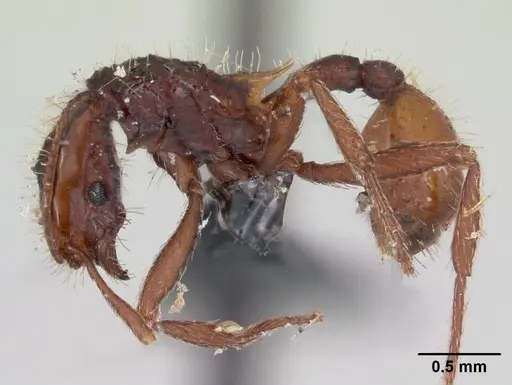
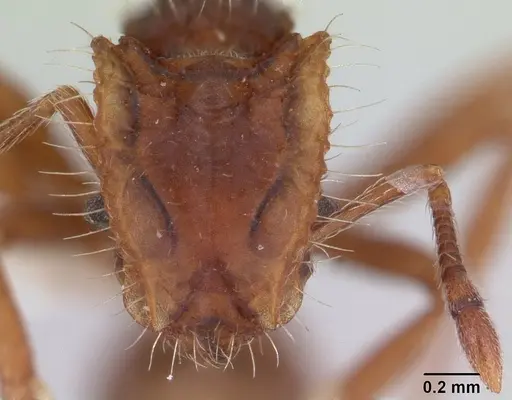
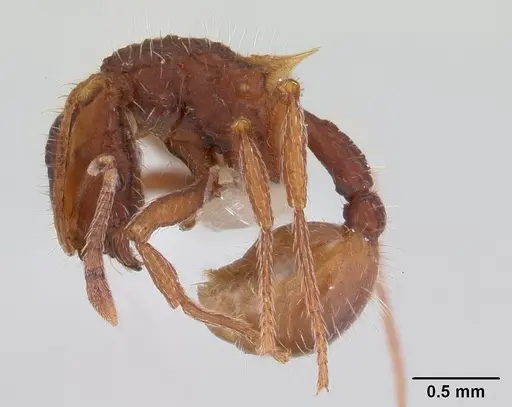
Blepharidatta conops is a small Myrmicinae ant native to the savannas and dry forests of central Brazil. Workers measure 4.5-4.7mm with a distinctive dark chestnut to blackish body and lighter gaster [1]. The species is famous for its ergatoid queen, a wingless queen with an extraordinarily modified head that forms a flat disk used to block the nest entrance, the first known case of this defensive behavior (called phragmosis) in a non-worker caste [2]. Colonies build simple vertical nests up to 20cm deep in the soil, easily recognized by the ring of insect carcasses workers arrange around the nest opening [2]. This is the most well-studied species in the genus Blepharidatta, which is the sister group to the fungus-farming Attini ants [3].
Quick Summary
- Difficulty: Medium
- Origin & Habitat: Native to central Brazil, found in cerrado (savanna) and caatinga (dry forest) vegetation across states including Mato Grosso, Minas Gerais, Goiás, Bahia, Maranhão, Piauí, and Tocantins [1]. Nests are excavated directly in the ground.
- Colony Type: Monogynous, colonies contain a single ergatoid (wingless) queen. Ergatoid queens are born without wings because their wing buds never develop, and they serve as the sole reproductive [2][1].
- Colony: Monogyne
- Size & Growth:
- Queen: Ergatoid queens have head width 1.35-1.45mm with dramatically enlarged frontal disk [1]
- Worker: 4.5-4.7mm total length, workers measure HL 0.9-1.05mm [1]
- Colony: Average 200 workers per colony, maximum recorded 248 workers in savanna populations and up to 437 in Ceará populations [1]
- Growth: Moderate, based on typical Myrmicinae development patterns
- Development: Estimated 6-10 weeks based on related Myrmicinae species (Development has not been directly studied for this species. Related Attini and Myrmicinae typically take 6-10 weeks from egg to worker at optimal temperatures.)
- Antkeeping:
- Temperature: Keep at 24-28°C. As a tropical Brazilian species, they need warm conditions similar to their cerrado habitat
- Humidity: Moderate, they nest in soil in seasonally dry habitats. Keep substrate lightly moist but allow to dry partially between waterings. Avoid waterlogging
- Diapause: Unlikely, as a tropical species from Brazil, they probably don't require true hibernation. However, they may reduce activity during cooler months
- Nesting: Soil-nesting species. Provide a deep soil or plaster nest (at least 15-20cm depth) to accommodate their natural nest architecture. A test tube setup can work for founding colonies but they will need deeper space as the colony grows [2]
- Behavior: Workers are diurnal foragers, active during daylight hours but avoiding the hottest midday period [4]. About 30-35% of workers are foragers that search for prey within 1.5m of the nest [4]. They are predatory, hunting live arthropods and collecting carcasses, primarily other ants [2]. The most remarkable behavior is the phragmotic queen, when threatened by predators (especially Histerid beetles), the ergatoid queen blocks the entrance to the brood chamber with her modified head disk, acting as a living gate [2]. Workers also build a 'carcass wall' from fine arthropod fragments near the brood chamber, with an opening sized exactly to fit the queen's head [2]. Colonies frequently relocate, moving to new nests every 4 months on average [2]. Escape risk is moderate, workers are around 5mm so standard barriers work well.
- Common Issues: colonies may fail if kept too cold, maintain warm temperatures, predatory diet means they need regular live prey, sugar alone is insufficient, frequent colony relocation in the wild may cause stress if nesting area is too small, myrmecophile pests (especially Histerid beetles) can prey on larvae, keep substrate clean, ergatoid queens cannot fly, colony establishment is slower than flying queen species
Housing and Nest Setup
Blepharidatta conops is a soil-nesting ant that excavates vertical tunnels up to 20cm deep in nature [2]. For captivity, provide a deep nest setup, either a soil-based naturalistic setup or a plaster/acrylic nest with sufficient depth (at least 15cm). The nest should have a main vertical tunnel leading to a widened bottom chamber and a subsidiary horizontal chamber where the queen and brood reside [2]. Workers also build a distinctive 'carcass ring' around the nest entrance in the wild, you may see them arranging prey remains around the entrance, which is normal behavior. Use a secure outworld as workers are active foragers. A foraging area of at least 30cm diameter is recommended since foragers search up to 1.5m from the nest in the wild [4]. Escape prevention is important though not critical, 5mm ants are moderate-sized and standard barriers work well.
Feeding and Diet
This is a predatory ant species with a strong preference for arthropod prey. Workers hunt live insects and collect carcasses, primarily other ants, within about 1.5m of the nest [2]. Their diet in the wild consists of live arthropods, carcasses of various insects (including termites, beetles, and other ants), and some plant material [2]. In captivity, offer small live prey such as fruit flies, small crickets, mealworms, and other small insects. You can also provide dead insects and small pieces of arthropods. They may accept protein-based commercial ant foods, but live prey should form the bulk of their diet. Sugar water or honey can be offered occasionally but protein-rich prey is essential for brood development. The carcass ring behavior means they may drag prey remains to the nest entrance, this is normal and helps you see what they're eating [2].
Temperature and Seasonal Care
As a species from the Brazilian cerrado and caatinga, Blepharidatta conops requires warm temperatures. Keep the nest area at 24-28°C for optimal colony health and brood development. They are diurnal foragers, active during daylight but avoiding the hottest midday hours in the wild [4]. Provide a temperature gradient if possible so workers can choose their preferred zone. A heating cable or mat on one side of the nest can help maintain warmth, placed on top of the nest to avoid drying. Since they're from a tropical region, they likely don't require true hibernation, but may show reduced activity during cooler periods. Monitor colony behavior, if workers become less active, slightly increase temperature.
The Phragmotic Queen System
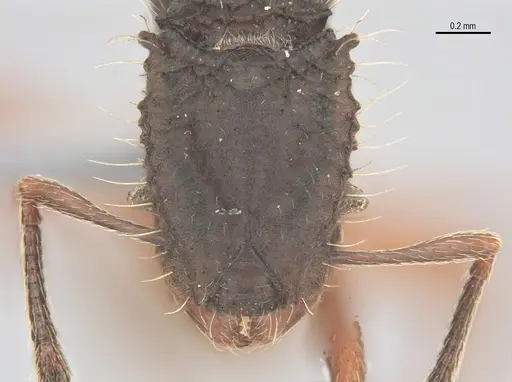
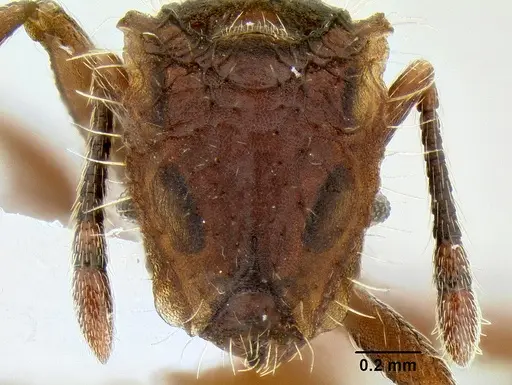
The most remarkable feature of Blepharidatta conops is the ergatoid queen's phragmotic head, a flat disk formed by enormously expanded frontal carinae that completely covers her eyes, clypeus, and mandibles when viewed from the front [2]. This modified head, combined with the anterior slope of her pronotum, creates an almost circular disk that blocks the entrance to the brood chamber. When predators (especially Histerid beetles that prey on their larvae) approach, the queen positions herself at the tunnel entrance and blocks it with her head [2]. Workers also help by building a 'carcass wall', a barrier made from fine arthropod fragments with a circular opening exactly sized to fit the queen's disk [2]. The queen can detect pressure through sensory structures on her disk and will yield to returning nestmates who tap her on the head [2]. This is the first known case of intranidal phragmosis in ants, where a queen specifically defends the brood chamber rather than the nest entrance. In captivity, you may never observe this behavior unless the colony is stressed by predators.
Colony Dynamics and Relocation
Blepharidatta conops colonies have several unusual behaviors related to their social structure. Colonies are monogynous with a single ergatoid queen, and only one nest out of many studied contained two ergatoid gynes [1]. The ergatoid queens are wingless (their wing buds never develop), which limits their dispersal and leads to genetically viscous populations with local variations [2]. Colonies frequently relocate, on average every 4 months, by excavating several provisional new nests and then transporting the queen and brood to the chosen location [2]. This means your colony may benefit from having multiple potential nesting areas available. Males are produced from August to February in the wild, though laboratory colonies produce them year-round. Males actively seek out nests and are brought inside by workers to mate with the virgin queen near the nest entrance [2].
Common Problems
Several issues can affect captive Blepharidatta conops colonies. Temperature is critical, if kept too cold, the colony will become sluggish and brood development may stop. Always maintain warm conditions. Their predatory diet means they need regular live prey, colonies fed only sugar water will fail. The frequent relocation behavior in the wild may cause stress if the nest is too small or cramped, provide adequate space. Wild colonies often host myrmecophile visitors including Histerid beetles, springtails, and other arthropods [2][4], while some are harmless, Histerid beetles specifically prey on ant larvae and should be removed if spotted. Finally, ergatoid queens cannot fly to establish new colonies, so colony growth may be slower than species with flying queens. Be patient with founding colonies.
Frequently Asked Questions
How long does it take for Blepharidatta conops to develop from egg to worker?
The exact development time has not been directly studied. Based on related Myrmicinae and Attini species, expect approximately 6-10 weeks from egg to first worker at optimal temperatures (24-28°C). Growth is moderate, not among the fastest or slowest ant species.
Can I keep multiple Blepharidatta conops queens together?
No. This species is monogynous, colonies naturally have only a single queen. Only one nest out of many studied contained two ergatoid gynes, and all other colonies were strictly single-queen [1]. Combining unrelated queens will likely result in fighting.
What do Blepharidatta conops ants eat?
They are predatory ants that primarily eat live arthropods and insect carcasses. Offer small live prey like fruit flies, small crickets, and mealworms. They also collect carcasses, especially from other ants. Occasional sugar water or honey can be offered but protein-rich insects are essential for brood development [2].
Are Blepharidatta conops good for beginners?
This species is rated as medium difficulty. While not the hardest ant to keep, they have specific requirements: warm temperatures, a predatory diet requiring live prey, and a need for adequate nesting depth. They are also slower to establish than many common species due to their ergatoid (wingless) queens. Experienced antkeepers will have better success.
How big do Blepharidatta conops colonies get?
Colonies average around 200 workers, with maximum recorded populations of 248 workers in savanna areas and up to 437 workers in Ceará populations [1]. This is a medium-sized colony for a Myrmicinae ant.
Do Blepharidatta conops need hibernation?
Probably not. As a tropical species from Brazil, they don't require true hibernation. They may reduce activity during cooler months but maintaining warm temperatures year-round (24-28°C) is recommended.
Why does my Blepharidatta conops queen block the nest entrance with her head?
This is normal behavior, it's called phragmosis. The ergatoid queen uses her uniquely modified head disk to block the entrance to the brood chamber when threatened by predators like Histerid beetles [2]. This is actually the first known case of this defensive behavior in a non-worker ant caste. You may observe this if the colony feels threatened.
When should I move my colony to a larger nest?
Move to a larger setup when the colony reaches around 50-100 workers or when you notice workers avoiding the nest area. Since they naturally excavate 20cm deep nests, provide deeper housing as the colony grows [2]. The frequent relocation behavior in the wild suggests they appreciate having options.
Why do workers arrange dead insects around the nest entrance?
This is their natural behavior, workers create a 'carcass ring' around the nest opening using prey remains [2]. They bring live arthropods or carcasses into the nest to feed larvae, then place the remains in the ring around the entrance. This is completely normal and actually helps you identify what they're eating.
References

This caresheet is licensed under CC BY-SA 4.0 .
ANTWEB1053504
View on AntWeb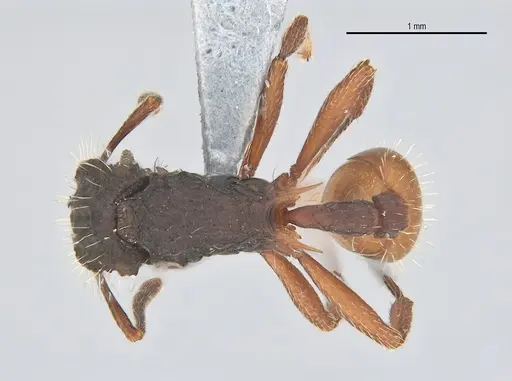
CASENT0106248
View on AntWeb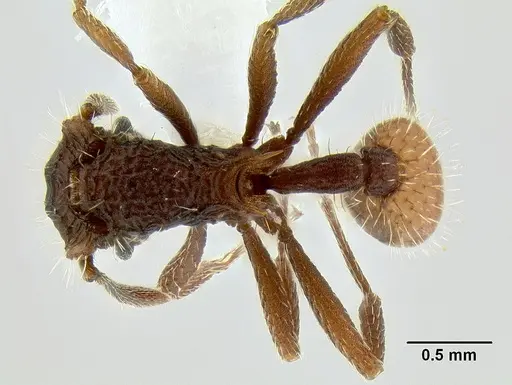
CASENT0173884
View on AntWeb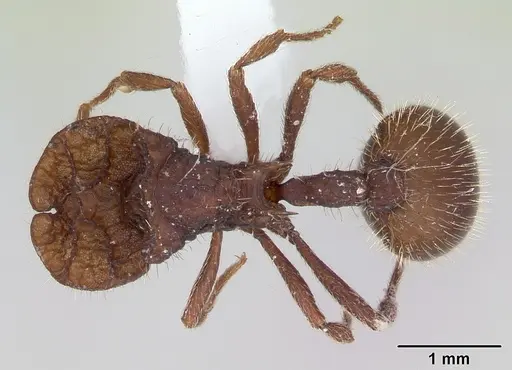
CASENT0173885
View on AntWeb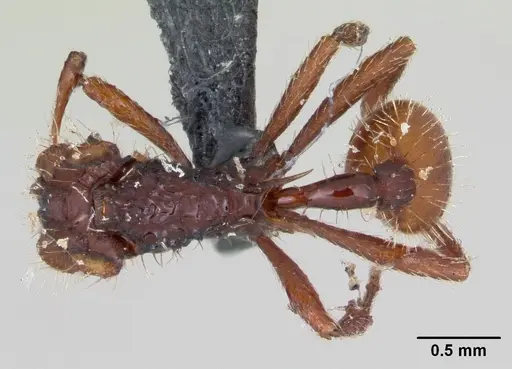
CASENT0178582
View on AntWeb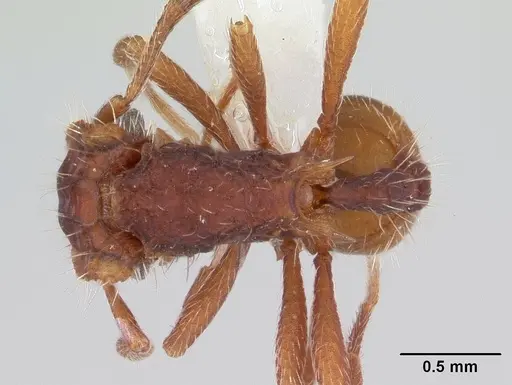
Literature
Loading...Loading products...