

Belonopelta deletrix
- Scientific Name
- Belonopelta deletrix
- Tribe
- Ponerini
- Subfamily
- Ponerinae
- Author
- Mann, 1922
- Distribution
- Found in 5 countries
Belonopelta deletrix Overview
Belonopelta deletrix is an ant species of the genus Belonopelta. It is primarily documented in 5 countries , including Costa Rica, Guatemala, Honduras. Detailed taxonomic data and occurrence records can be further explored via authoritative databases such as AntWeb or the Global Biodiversity Information Facility (GBIF).
Belonopelta deletrix
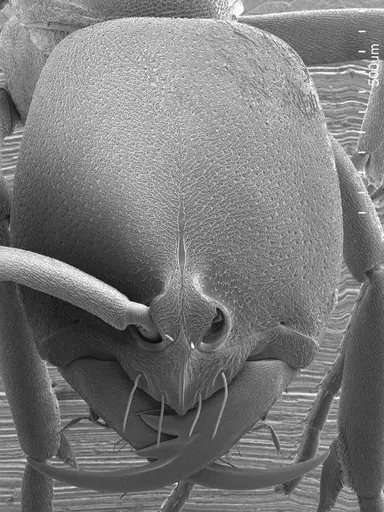
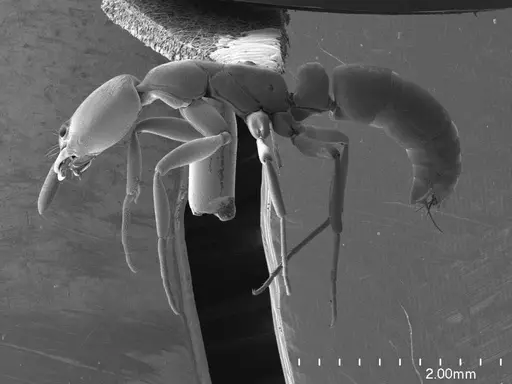
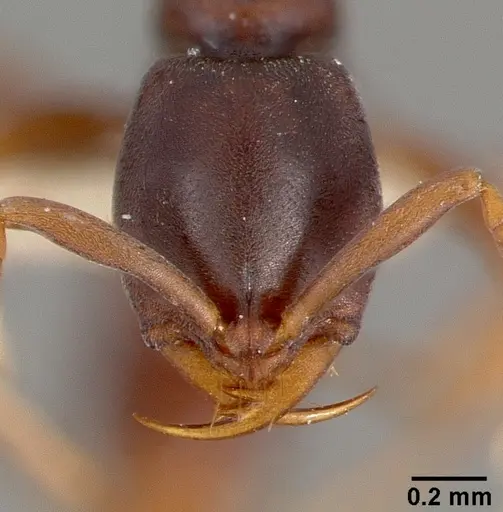
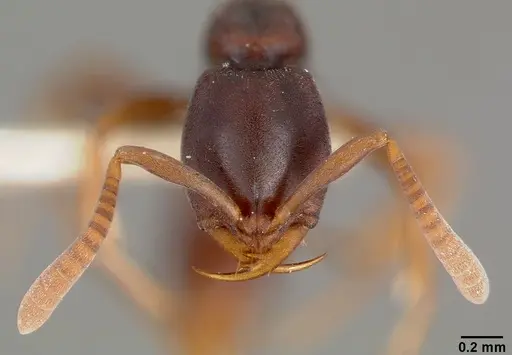
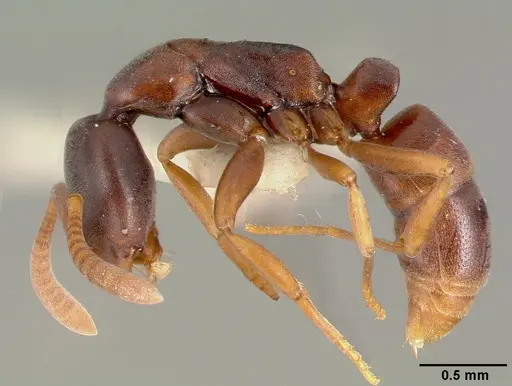
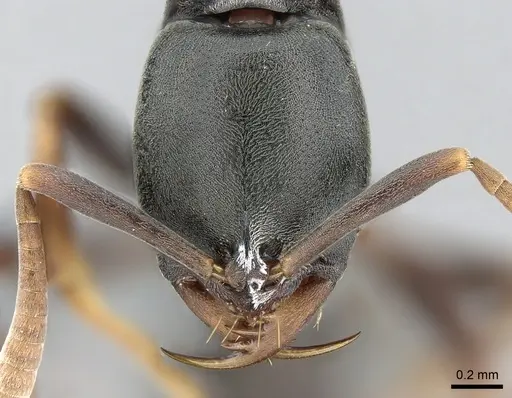
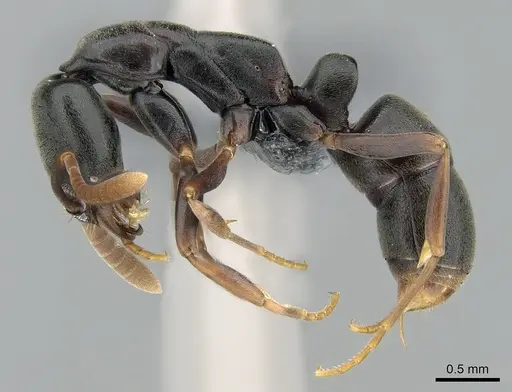
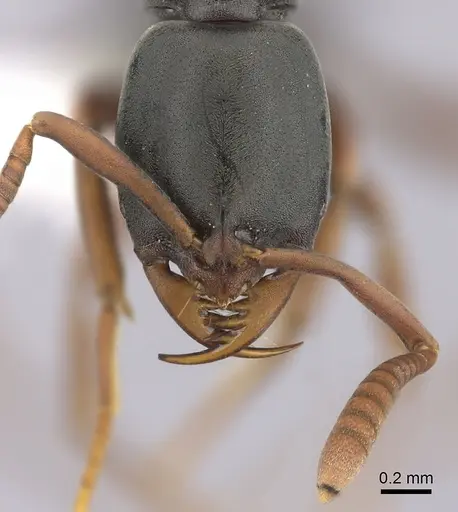
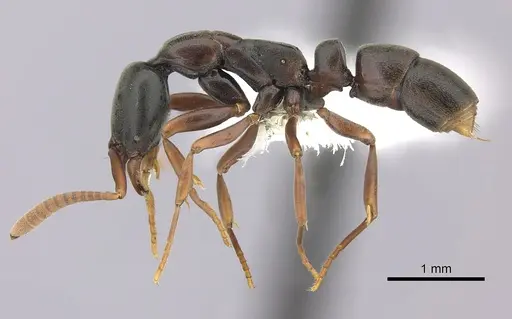
Belonopelta deletrix is a small, rare Ponerine ant found throughout the Neotropics, from Mexico down to Colombia. Workers measure about 4mm and are mostly black with reddish-brown antennae, mandibles, and legs. Their most striking feature is their long, slender, arcuate mandibles that cross at rest, these are specialized for pinning and capturing their preferred prey, which are small, agile dipluran insects (Campodeidae and Japygidae). This species nests in rotting wood buried in leaf litter between the buttresses of large rainforest trees, typically in humid, minimally disturbed forest areas from sea level to 1500m elevation. Colonies are small, usually containing around 10 workers plus brood, and the ants are notably timid, they flee from most intruders rather than engage in combat. [1][2]
Quick Summary
- Difficulty: Hard
- Origin & Habitat: Rainforest species from the Neotropical region, Mexico through Colombia. Found in humid forests from sea level to 1500m elevation, typically nesting in rotting wood buried in leaf litter between buttresses of large trees. Indicator species of minimally disturbed forest. [1][3][2]
- Colony Type: Colony structure is unconfirmed, only small colonies have been observed in the wild (around 10 workers), suggesting this may be a small colony species. Single queen colonies are assumed based on typical Ponerine behavior. [1]
- Size & Growth:
- Queen: Unconfirmed, queen has been described but specific measurements not readily available
- Worker: 4mm [4]
- Colony: Small, wild colonies observed with around 10 workers plus brood. Likely maxes out at perhaps 50-100 workers given their specialized lifestyle and habitat constraints [1]
- Growth: Slow, Ponerine ants typically develop more slowly than many common ant species. No specific development timeline is documented for this species.
- Development: Unconfirmed, no direct development data exists. Based on typical Ponerine patterns, expect 8-12 weeks at optimal temperature. (Ponerine ants generally have longer development times than Myrmicinae. Expect patience required during founding.)
- Antkeeping:
- Temperature: Keep warm and humid, aim for 24-28°C given their rainforest origin. A gentle heat gradient allows thermoregulation. Avoid temperatures below 20°C.
- Humidity: High humidity is essential, these are rainforest ants. Keep nest substrate consistently moist but not waterlogged. Provide a water source. Target 70-85% humidity. [1][3]
- Diapause: Unknown, no specific data on overwintering requirements. As a tropical species, they likely do not require true hibernation but may slow down during cooler periods. Keep warm year-round.
- Nesting: In nature they nest in small cavities in rotting wood buried in leaf litter. In captivity, a naturalistic setup with rotting wood pieces or a well-moistened plaster/acrylic nest works well. They prefer tight, enclosed spaces. Avoid dry conditions. [1]
- Behavior: Workers are notably timid and non-aggressive, they flee from most threats rather than fight. Their long mandibles are specialized for capturing dipluran prey, not for defense. They do not open their mandibles in threat displays. Escape risk is moderate, they are small but not particularly fast or escape-artist prone. However, their small size means standard escape prevention (tight-fitting lids, fine mesh) should still be used. They are primarily nocturnal or crepuscular foragers in the leaf litter layer. [1]
- Common Issues: specialized diet makes feeding difficult, they require live diplurans (campodeids/japygids) which are hard to culture, timid nature means they may be outcompeted by more aggressive ant species if housed communally, high humidity requirements can lead to mold problems if ventilation is poor, small colony size means slow growth and potential founder failure, wild-caught colonies may be stressed from collection and have low survival rates
Housing and Nest Setup
Belonopelta deletrix requires a humid, naturalistic setup that mimics their rainforest leaf litter habitat. In the wild, they nest in small cavities within rotting wood branches buried in leaf litter between tree buttresses. For captivity, a naturalistic setup with moist substrate (a mix of soil and rotting wood pieces) works best. You can also use a moist plaster nest or acrylic formicarium, but ensure the chambers are appropriately sized, these ants prefer tight, enclosed spaces. The key is maintaining high humidity (70-85%) without stagnation. Use a water reservoir or mist regularly to keep the substrate damp. Provide a small outworld for feeding. Because they are small (4mm) and timid, ensure your setup has appropriate escape prevention, tight-fitting lids and fine mesh barriers are recommended despite them not being particularly escape-prone. [1]
Feeding and Diet - The Critical Challenge
This is the most challenging aspect of keeping Belonopelta deletrix. They are extremely specialized predators with a strong preference for diplurans, specifically Campodeidae and Japygidae (small, wingless insects sometimes called campodeids and japygids). In laboratory conditions, they also accepted small geophilid centipedes and cicadellids (leafhoppers), but they consistently refused beetle larvae, adults, moth larvae, millipedes, isopods, and notably, they completely ignored honey. This is not a species that will accept standard ant foods like sugar water, fruit, or commercial protein mixes. You will need to culture live diplurans (often available from ant suppliers as 'campodeids' or 'diplurans') or collect them from damp forest habitats. Small live prey is essential, they are specialized hunters using their long mandibles to pin and sting their agile prey. Expect significant challenges in establishing a reliable food source. [5][6][7][8][9]
Temperature and Humidity Requirements
As a rainforest species from the Neotropics, Belonopelta deletrix requires warm, humid conditions. Aim for temperatures in the 24-28°C range, this is warm by ant-keeping standards but appropriate for tropical Ponerines. Avoid temperatures below 20°C as this species is not adapted to cooler conditions. Humidity is critical: maintain 70-85% relative humidity. The substrate should remain consistently moist but never waterlogged. Allow for some ventilation to prevent mold while retaining humidity. A heating cable on one side of the nest can create a gentle gradient, but ensure the heating element is placed on top of the nest to avoid evaporating moisture too quickly. These ants are found from sea level to 1500m in humid forests, so they are adapted to stable, warm, moist conditions year-round. [1][3]
Behavior and Temperament
Belonopelta deletrix workers are notably timid, this is not an aggressive ant species. When confronted with arthropods they don't recognize as prey, they typically flee rather than fight. They ignore threats rather than opening their mandibles in threat displays. Their mandibles cross at rest and are specialized for pinning their specific prey (diplurans), not for combat. Workers transport larvae by cradling them between their mandible edges, avoiding the needle-like tips. The larvae themselves are quite active when disturbed, thrashing violently like injured earthworms. This timidity means they are best kept in species-only setups where they won't be outcompeted by more aggressive ants. They are not stinging ants in the typical sense, while they can sting, their small size and non-aggressive nature make them unlikely to use it defensively. Activity patterns appear to be crepuscular or nocturnal, matching their leaf-litter foraging niche. [1]
Colony Dynamics and Growth
Wild colonies are small, the largest observed contained only about 10 workers plus a queen, eggs, larvae, and cocoons. This suggests Belonopelta deletrix is naturally a small-colony species. Growth in captivity will likely be slow, as is typical for Ponerine ants. The founding queen must raise the first workers (nanitics) alone, and these initial workers will be smaller than mature workers. Given their specialized diet and humidity requirements, colonies may take many months to reach even a dozen workers. Patience is essential. There is no data on whether they can form multi-queen colonies, assume single-queen (monogyne) structure until proven otherwise. The ergatoid (wingless queen) possibility has not been documented for this species. [1]
Frequently Asked Questions
Can I keep Belonopelta deletrix in a test tube setup?
A test tube setup can work for founding colonies if you maintain high humidity, but these ants prefer naturalistic conditions with some substrate to forage in. A moist plaster or acrylic nest with an outworld is more suitable long-term. If using test tubes, ensure excellent humidity control and provide a water source.
What do Belonopelta deletrix eat?
They are extremely specialized predators that primarily need live diplurans (campodeids and japygids). In captivity, they may also accept small geophilid centipedes and leafhoppers. They will NOT accept sugar, honey, fruits, or most standard ant foods. You must culture or collect live small arthropod prey. [5][6][7]
How long does it take for first workers to emerge?
Exact development time is unconfirmed for this species. Based on typical Ponerine development, expect 8-12 weeks from egg to worker at optimal temperature (24-28°C). Ponerine ants develop more slowly than many common ant species, so patience is required.
Are Belonopelta deletrix good for beginners?
No, this is an expert-level species. Their extremely specialized diet (requiring live diplurans), high humidity needs, and rarity make them unsuitable for beginners. They are also slow-growing and timid. Only experienced antkeepers with access to live prey cultures should attempt this species.
How big do Belonopelta deletrix colonies get?
Wild colonies are small, around 10 workers is typical. In captivity, they likely max out at 50-100 workers given their specialized lifestyle and habitat constraints. This is not a species that produces large colonies. [1]
Do Belonopelta deletrix need hibernation or diapause?
Unknown, as a tropical species from lowland rainforests, they likely do not require true hibernation. Keep them warm year-round (24-28°C). They may show reduced activity during cooler periods but should not be subjected to cold temperatures.
Can I keep multiple queens together?
This has not been documented. Based on typical Ponerine behavior and the small colony sizes observed in the wild, assume single-queen (monogyne) colonies. Do not attempt combining unrelated queens without evidence they can coexist.
Why are my Belonopelta deletrix dying?
The most likely causes are: 1) starvation due to lack of appropriate live prey (diplurans),2) improper humidity (too dry or too wet/stagnant),3) temperature stress (too cold),4) stress from wild collection, or 5) mold from poor ventilation. These are delicate, specialized ants that require precise conditions.
Where can I get Belonopelta deletrix?
This is a very rare species in the ant-keeping hobby. They are not commonly available and are considered a specialty species. You would need to find a specialized exotic ant dealer or possibly acquire a wild-caught colony if legal in your region. They are found from Mexico to Colombia, so availability varies by location.
References

This caresheet is licensed under CC BY-SA 4.0 .
ANTWEB1008507
View on AntWeb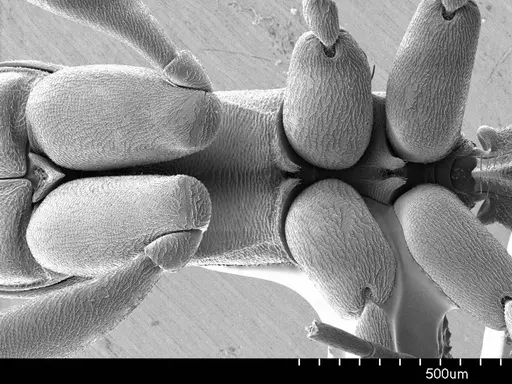
CASENT0003157
View on AntWeb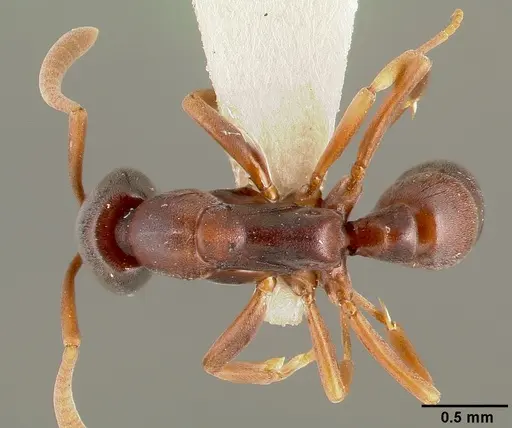
CASENT0235904
View on AntWeb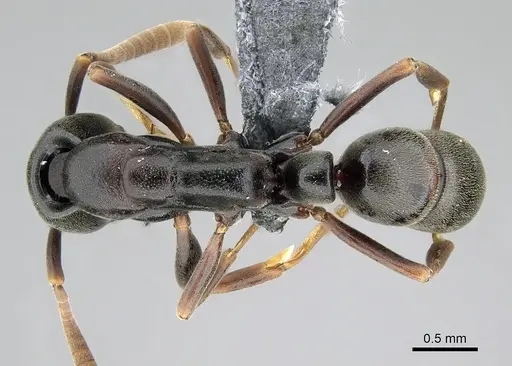
CASENT0260514
View on AntWeb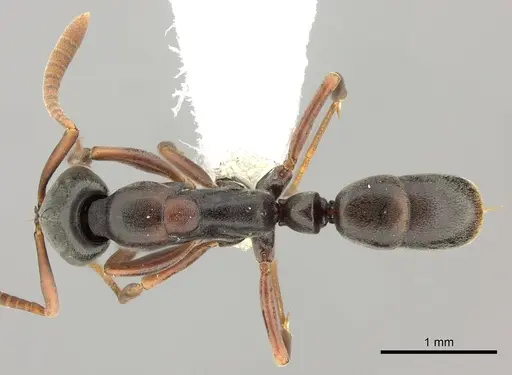
Literature
Loading...Loading products...