

Azteca xanthochroa
- Scientific Name
- Azteca xanthochroa
- Tribe
- Leptomyrmecini
- Subfamily
- Dolichoderinae
- Author
- Roger, 1863
- Distribution
- Found in 6 countries
Azteca xanthochroa Overview
Azteca xanthochroa is an ant species of the genus Azteca. It is primarily documented in 6 countries , including Costa Rica, Guatemala, Honduras. Detailed taxonomic data and occurrence records can be further explored via authoritative databases such as AntWeb or the Global Biodiversity Information Facility (GBIF).
Azteca xanthochroa
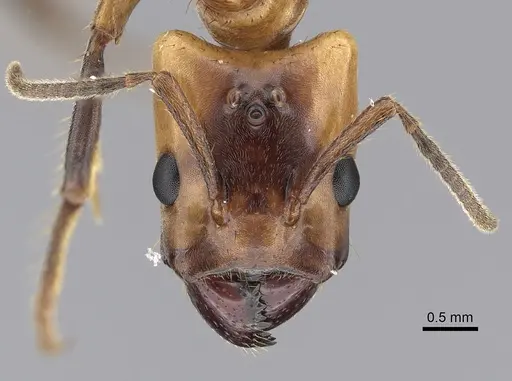
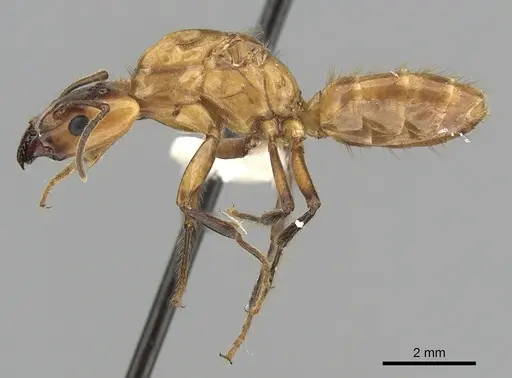
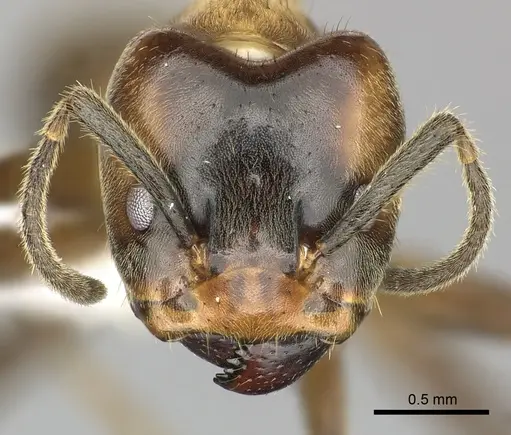
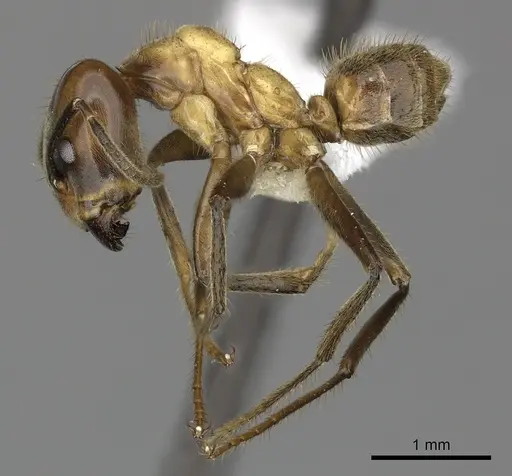
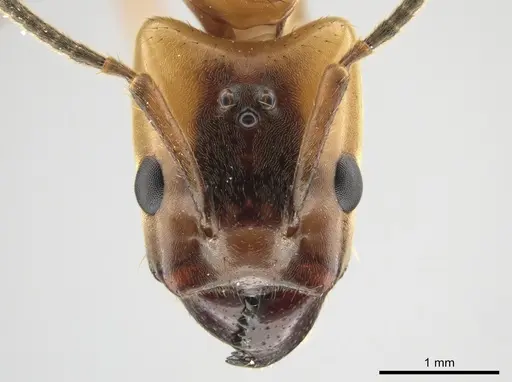
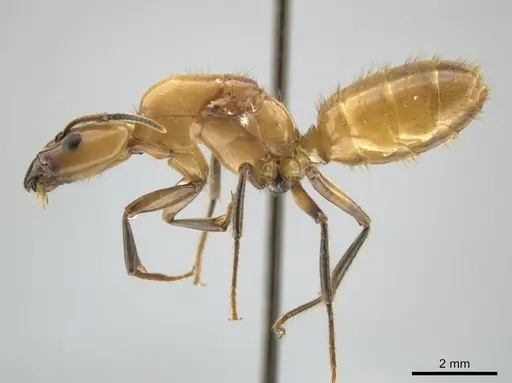
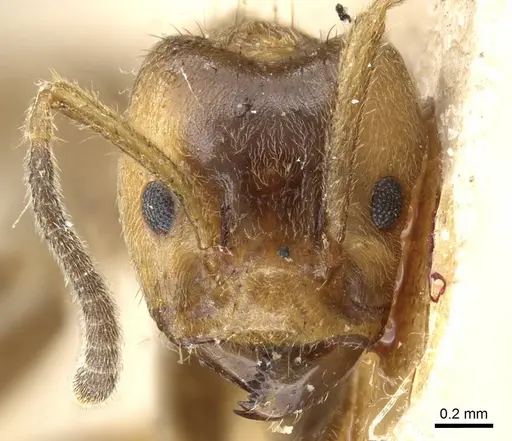
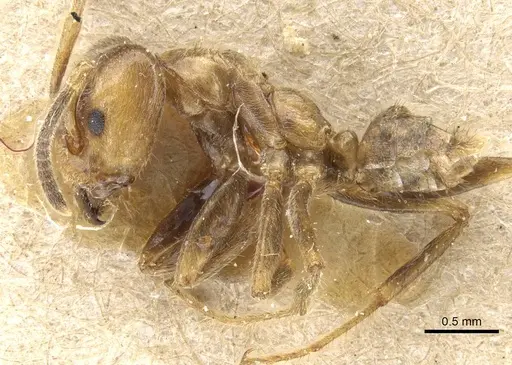
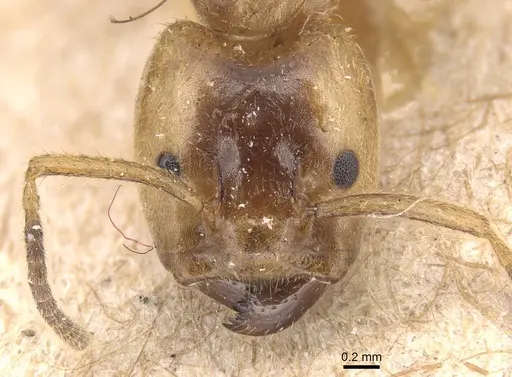
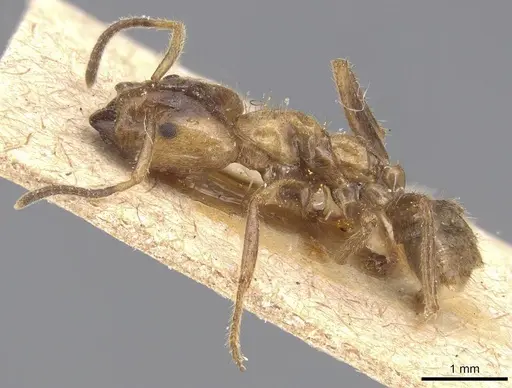
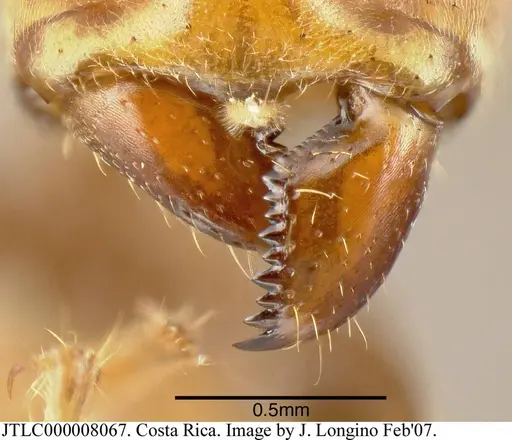
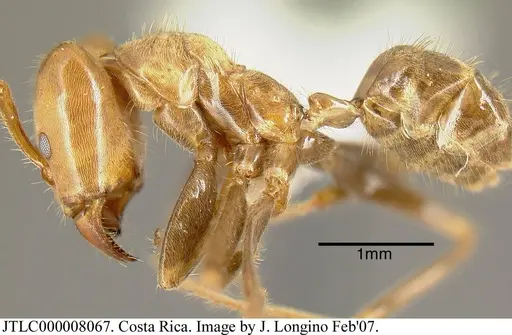
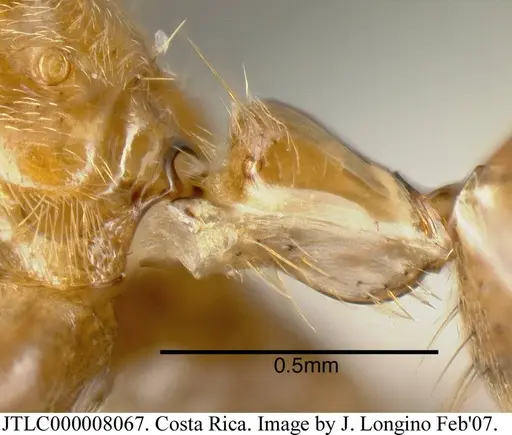
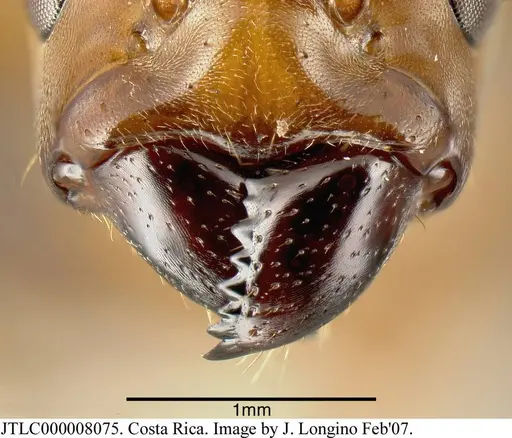
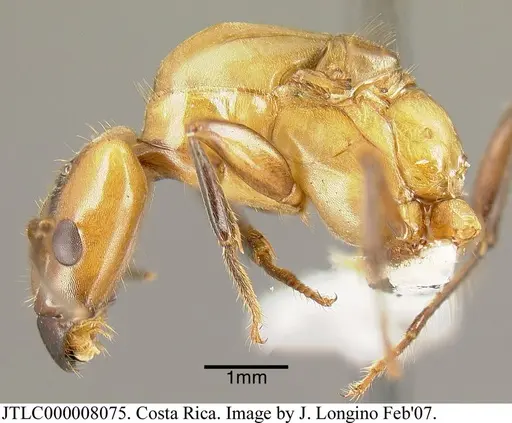
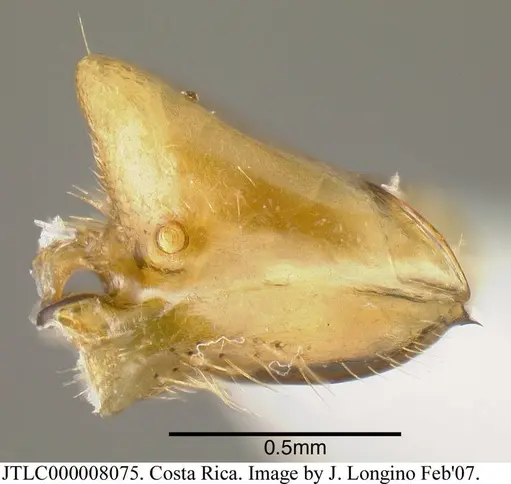
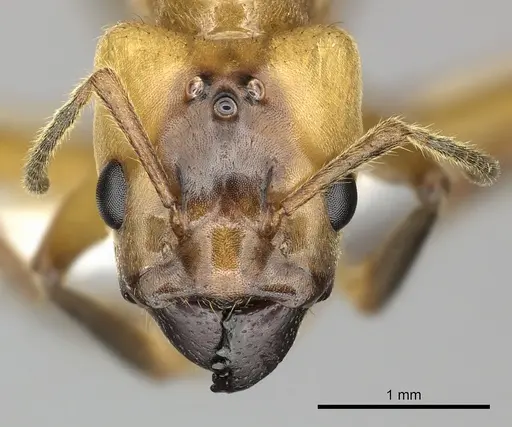
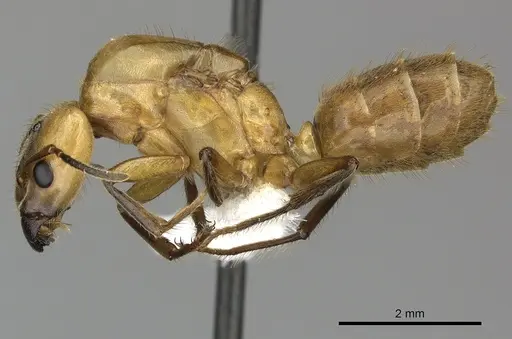
Azteca xanthochroa is a medium-sized arboreal ant native from Mexico to Costa Rica. Workers measure 1.4-1.7mm in head length and display variable coloration ranging from uniformly light brown-red-orange to darker mottled patterns, always with some dark marking on the head. Queens are larger at 2.4-2.7mm and distinctly orange. This species belongs to the Dolichoderinae subfamily, characterized by a relatively small node between the thorax and abdomen and no hair fringe around the anal opening [1].
This ant is an obligate Cecropia ant, it cannot survive without its host tree. It is one of the most common Cecropia-inhabiting ants in Costa Rica, found in wet to moist forest habitats up to 1400m elevation [2]. The species constructs a single carton nest (made from plant material combined with fungi) inside the tree hollows. A distinctive defensive feature is that workers maintain a vertical slit opening at the base of the stem, far from the main nest but connected internally, when the tree is disturbed at the base, workers suddenly appear on the trunk at ground level to defend their host [2][1].
Quick Summary
- Difficulty: Expert
- Origin & Habitat: Native to Mexico, Guatemala, Honduras, Costa Rica, Panama, and Nicaragua. Found in wet to moist tropical forest habitats where Cecropia trees grow, from sea level up to 1400m elevation [2][1].
- Colony Type: Facultatively polygyne, can found colonies with single or multiple queens. Up to 10 queens have been observed in one domatium. In some populations, up to 21.7% of domatia contain multiple queens [3]. After workers emerge, typically only one queen survives in pleometrotic associations [4].
- Colony: Optionally polygyne
- Founding: Claustral, Pleometrosis
- Size & Growth:
- Queen: 2.37-2.65mm head length [2]
- Worker: 1.40-1.69mm head length, workers range from 2 to over 4mm total length [2][1]
- Colony: Large colonies, mature colonies occupy a single carton nest in the tree bole with all larvae and alate sexuals concentrated there [2]
- Growth: Moderate, slow-growing host (Cecropia tessmannii) may lead to mortality of incipient colonies [5]
- Development: Unknown, no specific development data available (Development timeline unconfirmed for this species. Related Azteca species typically take 6-10 weeks from egg to worker at tropical temperatures.)
- Antkeeping:
- Temperature: Tropical species, keep at 24-28°C. Requires heated greenhouse conditions with Cecropia host plant [1].
- Humidity: High humidity, native to wet to moist tropical forests. The Cecropia host plant provides domatia (hollow stems) that maintain appropriate moisture.
- Diapause: No, tropical species does not hibernate. Active year-round in heated conditions.
- Nesting: Obligate Cecropia inhabitant, requires live Cecropia stems (domatia) for nesting. In captivity, this makes them extremely difficult to keep as they cannot survive without the specific host plant. The ants create their own openings to the outside and between different hollow parts of the stem [1].
- Behavior: Extremely aggressive, workers pour out of branch tips in response to any disturbance and raise their abdomens to attack [2][1]. They occupy and defend the entirety of their tree including the trunk, racing down to respond to the slightest disturbance [5]. Workers maintain a vertical fissure near the base of the tree far below the carton nest, allowing them to emerge at ground level when threatened [2]. They reject standard ant baits like tuna and cheese [5]. Escape risk is moderate due to their arboreal nature and small-to-medium size.
- Common Issues: Obligate Cecropia symbiont, cannot be kept in standard formicaria, requires live Cecropia host plant, Tropical temperature requirements, needs heated greenhouse or vivarium at 24-28°C year-round, Highly aggressive and will attack aggressively when disturbed, handle with extreme caution, Cannot survive without host plant, both for nesting space and food (Müllerian bodies), In captivity, colony expansion depends on host plant growth and new internode formation, Queens may fight in pleometrotic associations, only one typically survives after workers emerge [4]
The Cecropia Partnership
Azteca xanthochroa is an obligate Cecropia ant, it cannot survive without its host tree. This is one of the most specialized ant-plant relationships in the antkeeping world. The ants receive nesting space (domatia, hollow stems) and food from the Cecropia, while the plant receives protection from herbivores and fungal pathogens, plus nutrients from ant debris [1].
Cecropia trees produce special food bodies called Müllerian bodies that queens recognize as food [5]. The ants also tend to Hemiptera (scale insects and aphids) that live in the branch tips, which provide honeydew as an additional food source [2].
In captivity, this obligate relationship makes keeping A. xanthochroa extremely challenging, you would need a living Cecropia tree or at minimum a large section of Cecropia stem with internal chambers. The ants cannot be kept in standard formicariums, test tubes, or Y-tong nests.
Defense and Aggression
This species is notoriously aggressive. Workers respond to any disturbance by pouring out of branch tips in large numbers, raising their abdomens to spray formic acid and attack [2][1]. They occupy and defend the entirety of their tree including the trunk, racing down to respond to the slightest disturbance [5].
A particularly distinctive defensive feature is the vertical fissure workers maintain near the base of the tree, far below the main carton nest. Workers can move freely inside the trunk from the nest to this fissure. When the tree is disturbed at the base, workers suddenly appear on the trunk at ground level, a surprising defense strategy that catches many would-be predators off guard [2][1].
If you attempt to keep this species, expect aggressive defense behavior. Any disturbance to their host plant will result in immediate attack. Use extreme caution when working near the colony.
Colony Founding and Multi-Queen Associations
Queens colonize Cecropia hosts at prostomata (pre-formed openings in the stem) and recognize Müllerian bodies as food [5]. They can found colonies alone (haplometrotic) or with multiple queens (pleometrotic). Research shows queens survive equally well in both association types [4].
However, in pleometrotic associations, only a single queen survives past the emergence of the first workers, the others are eliminated through fighting [4]. Up to 10 A. xanthochroa females have been observed in one domatium. In some populations (Monteverde),21.7% of domatia had multiple queens, while in others (La Gamba), only 3% had multiple queens [3].
After entering an internode, queens seal themselves inside by scraping plant material over the entrance hole. The hole closes tightly as callus tissue grows, sealing the queen inside [4]. Once sealed, the queen cannot cut through the septum and move to adjacent internodes.
Fungal Relationships
Azteca xanthochroa has a complex relationship with fungi. The ants grow Chaetothyrialean hyphae in the host tree domatia, with vertical transmission occurring via infrabuccal pockets [6]. Research shows foundress queens initially form patches by scratching off plant parenchyma and inoculating with patch material from the mother colony, this is vertical transmission of beneficial fungi [7].
These fungal patches appear essential for ant colony development. Workers form and maintain new patches throughout the plant, and larvae take up fungi and other patch material. The patches change from crumbly texture in initial patches to denser texture in established patches, affecting oxygen and water content [7].
The bacterial community in the nesting spaces is also important. Domatia walls inside Cecropia host trees harbor unique bacterial communities that differ from the outside. Azteca ants use bactericidal and fungicidal chemicals to keep the nest clean from pathogens [7].
Why This Species Is Not Recommended for Most Antkeepers
Azteca xanthochroa is one of the most difficult ant species to keep in captivity precisely because it is an obligate Cecropia symbiont. Unlike most ants that can adapt to various nest setups, A. xanthochroa absolutely requires a living Cecropia plant with hollow stems (domatia) for nesting [1].
The ants cannot live without their host plant, and plants grow worse or disappear without the ants [1]. This mutualistic relationship is so tightly evolved that the ants cannot be housed in any conventional ant-keeping setup.
Additionally, this is a tropical species requiring year-round heated conditions (24-28°C). In the Netherlands, this species has only been able to survive in heated greenhouses with Cecropia plants, establishment outdoors is not possible [1].
For all these reasons, A. xanthochroa should be considered an expert-only species that is effectively impossible for most hobbyists to maintain long-term. Those interested in this species are better off observing it in the wild or in established research facilities.
Frequently Asked Questions
Can I keep Azteca xanthochroa in a test tube or formicarium?
No. This is an obligate Cecropia ant, it cannot survive without its host tree. The ants require live Cecropia stems (domatia) for nesting. Standard test tubes, Y-tong nests, or formicaria will not work. This species is effectively impossible for most hobbyists to maintain.
What do Azteca xanthochroa eat?
They primarily eat Müllerian bodies (special food bodies produced by Cecropia trees) and honeydew from Hemiptera (scale insects) that they tend in the branch tips. They reject standard ant baits like tuna and cheese [5]. In captivity, they would need their Cecropia host plant to produce food.
How big do Azteca xanthochroa colonies get?
Mature colonies can become quite large, occupying a single carton nest in the bole (main trunk) of the Cecropia tree. All larvae and alate sexuals are concentrated in this single nest, while branch tips contain only workers and Hemiptera [2]. The exact maximum colony size is not documented in research.
Can I keep multiple queens together?
Yes, they can form pleometrotic (multi-queen) associations. Up to 10 queens have been observed in one domatium. However, in pleometrotic associations, only one queen typically survives after workers emerge, the others are eliminated through fighting [4]. In some populations, up to 21.7% of domatia have multiple queens [3].
Do Azteca xanthochroa need hibernation?
No. This is a tropical species from wet forests in Central America. They do not hibernate and require year-round tropical temperatures (24-28°C). In captivity, they need heated greenhouse or vivarium conditions [1].
Are Azteca xanthochroa good for beginners?
No. This species is extremely difficult to keep and is not recommended for any level of antkeeping except the most experienced researchers. They require a living Cecropia host plant, tropical temperatures year-round, and are extremely aggressive. Most antkeepers cannot provide the required setup [1].
How long does it take for first workers to emerge?
The specific development timeline for A. xanthochroa has not been documented in scientific literature. Queens seal themselves inside Cecropia internodes after founding [4]. Based on related Azteca species, development likely takes 6-10 weeks at tropical temperatures, but this is an estimate.
References

This caresheet is licensed under CC BY-SA 4.0 .
CASENT0249555
View on AntWeb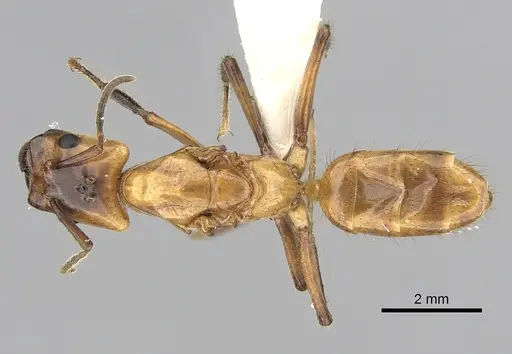
CASENT0610377
View on AntWeb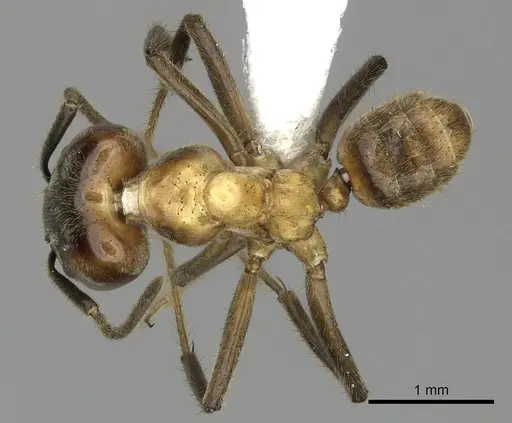
CASENT0649877
View on AntWeb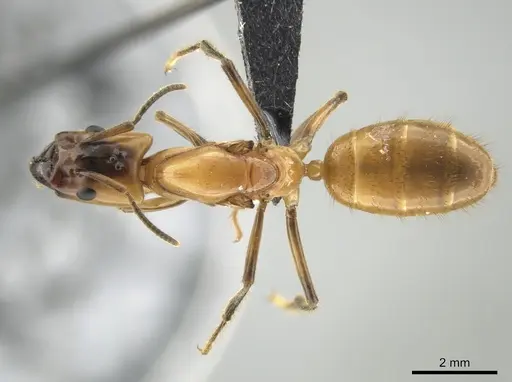
CASENT0905099
View on AntWeb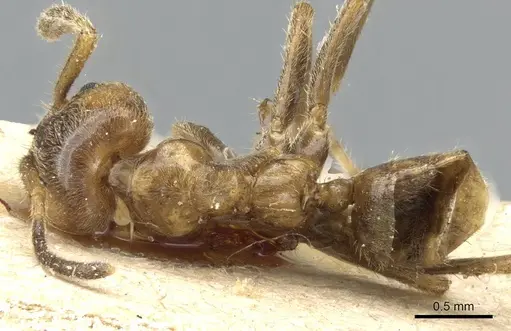
CASENT0915574
View on AntWeb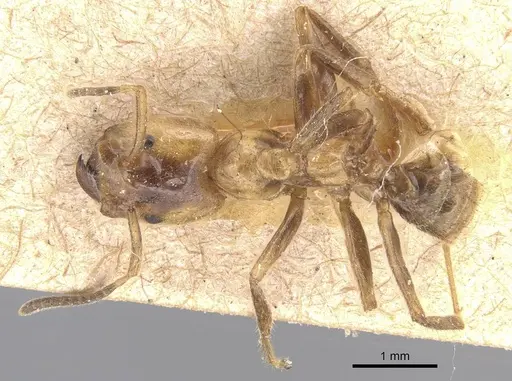
JTLC000008067
View on AntWeb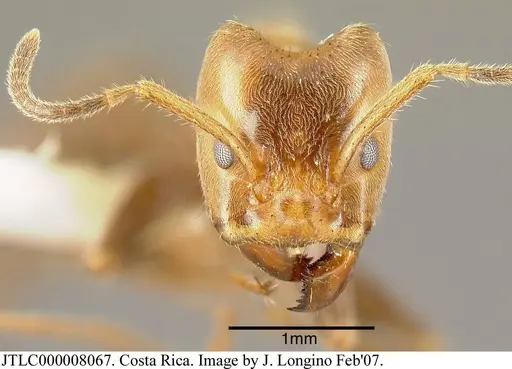
JTLC000008075
View on AntWeb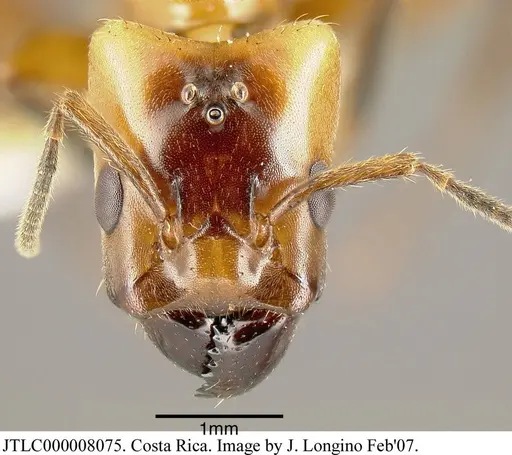
JTLC000010294
View on AntWeb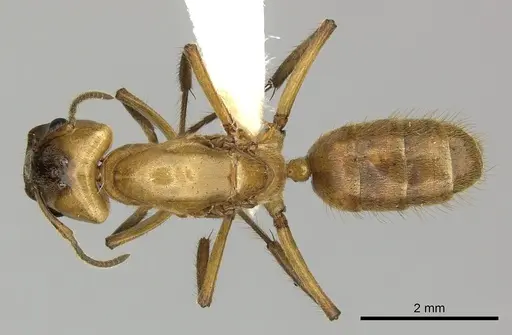
Literature
Loading...Loading products...