

Azteca ulei
- Scientific Name
- Azteca ulei
- Tribe
- Leptomyrmecini
- Subfamily
- Dolichoderinae
- Author
- Forel, 1904
- Distribution
- Found in 2 countries
Azteca ulei Overview
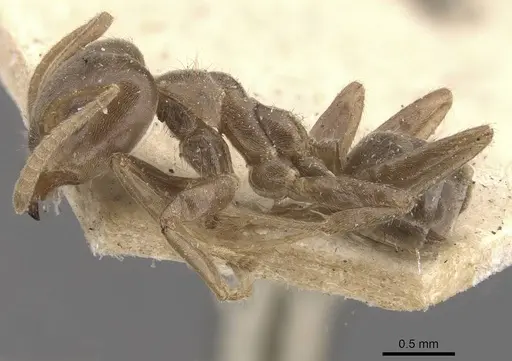
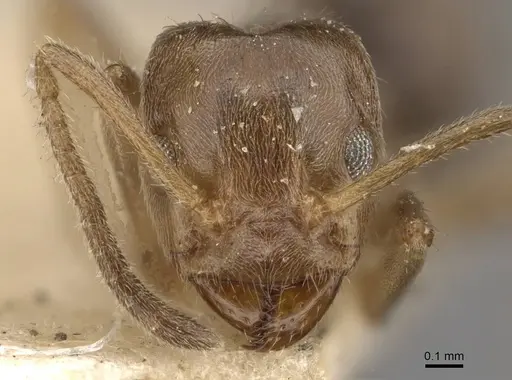
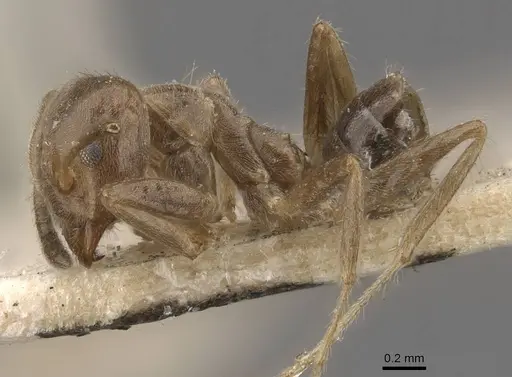
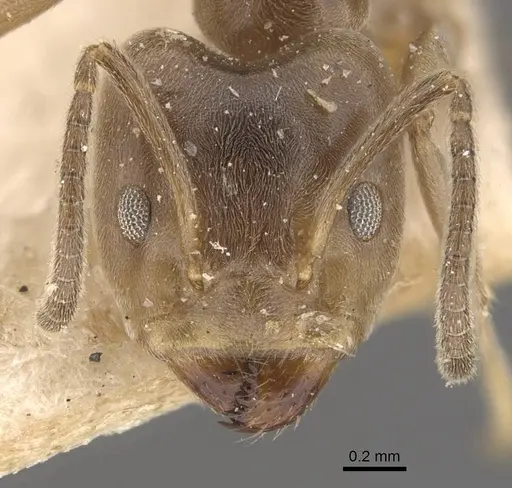
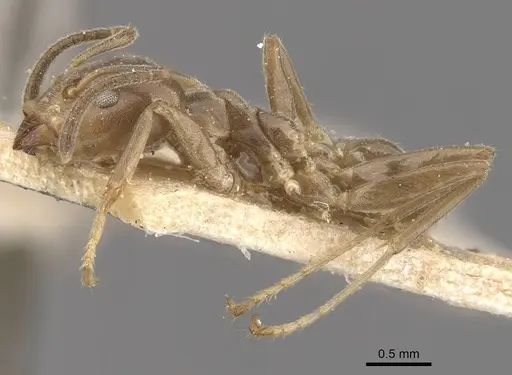
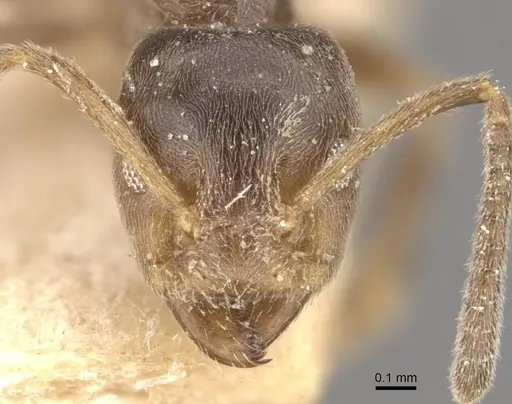
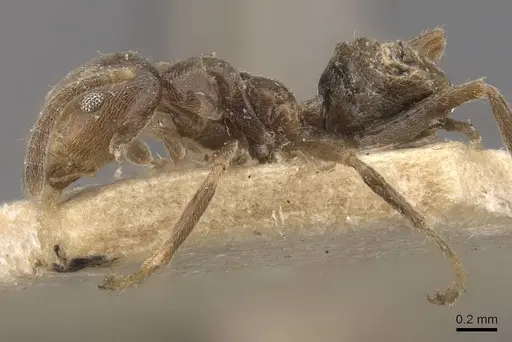
Azteca ulei is an ant species of the genus Azteca. It is primarily documented in 2 countries , including Brazil, French Guiana. Detailed taxonomic data and occurrence records can be further explored via authoritative databases such as AntWeb or the Global Biodiversity Information Facility (GBIF).
Azteca ulei
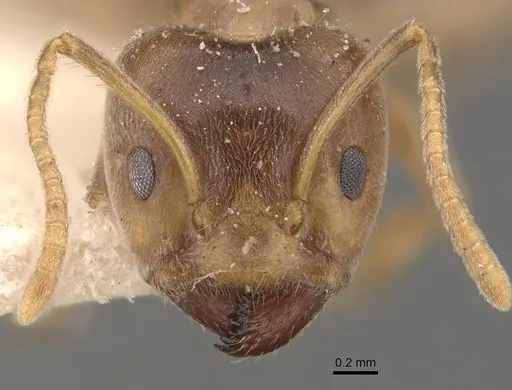
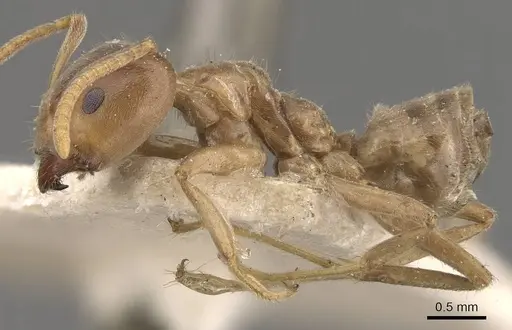
Azteca ulei is a Neotropical Dolichoderinae ant species native to the Amazon basin of Brazil and Peru. Workers are typical of the genus Azteca, with a slender build and a distinctively shaped head. This species is notable for its involvement in ant gardens, a remarkable mutualistic relationship where the ants help cultivate certain epiphytic plants while living among their roots. This partnership is one of the most sophisticated examples of ant-plant agriculture in the tropics. The species was described by Forel in 1904 and has three recognized subspecies [1].
Quick Summary
- Difficulty: Medium
- Origin & Habitat: Amazon rainforest region of Brazil and Peru. This species lives in ant gardens, specialized structures formed in tree branches where ants cultivate epiphytic plants. The ant garden mutualism is a complex relationship where the ants benefit from housing in the plant's root mass while the plants benefit from nutrient cycling and seed dispersal [1].
- Colony Type: Colony structure is unconfirmed. Based on typical Azteca patterns, these ants likely form single-queen colonies, though some Azteca species can have multiple queens. The ant garden structure suggests established colonies live within the cultivated plant framework [1].
- Size & Growth:
- Queen: Estimated 7-9mm based on genus patterns, direct measurements unavailable
- Worker: Estimated 3-5mm based on genus patterns, direct measurements unavailable
- Colony: Likely several hundred workers based on typical ant garden colonies
- Growth: Moderate, inferred from tropical ant development patterns
- Development: Estimated 6-8 weeks at tropical temperatures (25-28°C) (Development time is estimated from related Dolichoderinae species. Tropical species typically develop faster than temperate ones.)
- Antkeeping:
- Temperature: Keep at 24-28°C. These are tropical ants from the Amazon basin, so they need consistently warm conditions year-round. A heating cable on one side of the nest creates a suitable gradient. Room temperature in most homes may be too cool, consider using a heat mat or placing the colony in a warm room [1].
- Humidity: High humidity is essential, aim for 70-85%. The ant garden habitat naturally provides humid, sheltered conditions. Use a moist substrate and ensure the nest area retains moisture without becoming waterlogged. Regular misting helps, but avoid standing water.
- Diapause: No, this is a tropical species that does not require hibernation. Maintain warm conditions year-round. Seasonal temperature drops in their native range are minimal.
- Nesting: These ants naturally live among plant roots in ant gardens. In captivity, they do well in naturalistic setups with plants or in acrylic/plaster nests that can retain moisture. A formicarium with live moss or small epiphytic plants mimics their natural environment. They need vertical space for their arboreal nesting preferences.
- Behavior: Azteca ulei is generally less aggressive than some Dolichoderinae species. Workers are active and foragers, typical of the genus. They are not known for painful stings, their defense is more about colony presence and potential biting. Escape prevention should be good since workers are a manageable size, but they are agile climbers. They will tend honeydew-producing insects and may farm aphids or scale insects [1].
- Common Issues: tropical warmth is critical, temperatures below 22°C can stress or kill colonies, dry conditions cause colony decline, always provide humid conditions, ant garden species need plant material or structured nesting sites, plain test tubes may not suit them, wild-caught colonies may be stressed from removal from their plant hosts, they may escape if given too much vertical space without barriers
The Ant Garden Mutualism
Azteca ulei is one of the few ant species that actively cultivates plants, this is called an ant garden. In this remarkable relationship, the ants collect seeds and plant fragments and embed them in their nest structure. The plants grow roots through the nest, creating a complex matrix that houses the colony while providing the plants with nutrients from ant debris and a protected growing platform in the forest canopy. This is a true agricultural mutualism where both species benefit: the ants get shelter and the plants get nutrients and dispersal. In captivity, you can simulate this by providing small epiphytic plants or mosses in a naturalistic setup.
Housing and Nest Setup
Unlike many ant species that nest in soil, Azteca ulei prefers arboreal nesting sites. A naturalistic setup with live plants works best, you can use a small terrarium with epiphytic plants mounted on branches or cork bark. The ants will build their nest among the plant roots. If using an artificial nest, choose an acrylic or plaster formicarium with chambers that can hold moisture. Add some live moss or small plants to encourage natural behavior. These ants need vertical space to mimic their canopy-dwelling lifestyle. Avoid pure test tube setups unless you can attach a plant enclosure, they simply won't thrive in soil-based tubes alone. [1]
Feeding and Nutrition
Like other Azteca species, Azteca ulei likely feeds on honeydew collected from aphids and scale insects, plus small insects for protein. In captivity, offer sugar water or honey as a constant energy source. For protein, provide small insects like fruit flies, small crickets, or mealworms. They may also accept other sweet liquids. Since they are associated with plants, they likely have a strong relationship with honeydew-producing insects, consider adding a small aphid colony on a plant in their enclosure. Feed protein 2-3 times per week and keep sugar water available constantly. [1]
Temperature and Seasonal Care
As Amazon basin inhabitants, these ants need tropical warmth year-round. Keep temperatures between 24-28°C (75-82°F). Below 22°C, colonies become sluggish and may decline. Use a heat mat or heating cable if your room temperature is below this range. Place the heat source on one side of the enclosure to create a gradient so ants can choose their preferred temperature. Unlike temperate species, there is no hibernation period, maintain consistent warmth throughout the year. A small thermometer helps monitor conditions. [1]
Behavior and Colony Dynamics
Azteca ulei workers are active foragers, typical of the Dolichoderinae subfamily. They will patrol plants in their enclosure and tend to any honeydew-producing insects present. The colony will expand gradually, with new chambers added to their nest structure if given the opportunity. Unlike some aggressive ant species, Azteca are generally manageable and won't attack aggressively, their main defense is overwhelming numbers and potential biting. Workers are medium-sized and can be handled with reasonable care. The colony will establish territories within their plant structures and become more active as they grow comfortable in captivity. [1]
Frequently Asked Questions
How long does it take for Azteca ulei to raise first workers?
Based on related tropical Dolichoderinae species, expect 6-8 weeks from egg to first worker at optimal temperatures (25-28°C). The founding queen will lay eggs and tend the brood alone until the first nanitic workers emerge. Growth is gradual, don't expect rapid expansion like some faster-growing species.
What do Azteca ulei ants eat?
They need a balanced diet of sugar and protein. Offer sugar water or honey constantly as an energy source. For protein, provide small insects like fruit flies, small crickets, or mealworms 2-3 times weekly. They likely also tend honeydew-producing insects, so a small aphid colony on a plant in their enclosure mimics their natural diet.
What temperature do Azteca ulei ants need?
Keep them warm at 24-28°C (75-82°F). These are tropical Amazon ants that need consistent warmth year-round. Below 22°C can cause stress or colony decline. Use a heat mat if your room is cooler.
Can I keep Azteca ulei in a test tube setup?
A pure test tube is not ideal for this species. They are ant garden ants that naturally live among plant roots. Use a naturalistic setup with plants or a formicarium with live moss. If you must use a test tube, attach a small plant enclosure or moss chamber so they can exhibit natural behavior.
How big do Azteca ulei colonies get?
Based on typical ant garden colonies, expect several hundred workers at maturity. They won't reach the massive sizes of some invasive species but can become substantial colonies over several years with proper care.
Do Azteca ulei ants need hibernation?
No, they are tropical ants from the Amazon basin and do not require hibernation. Maintain warm, stable temperatures year-round. Unlike temperate species, there is no winter rest period.
Are Azteca ulei ants good for beginners?
They are intermediate in difficulty. The main challenges are providing proper humidity, warmth, and a naturalistic setup with plants. If you have experience with tropical ant species and can maintain warm, humid conditions, they are manageable. Not recommended as a first ant unless you're prepared for their specific needs.
Why are my Azteca ulei dying?
The most common causes are: temperatures below 22°C (tropical ants are sensitive to cool conditions), low humidity (below 70%), or improper nesting setup (they need plant material or structured spaces, not plain test tubes). Check your temperature and humidity first, then consider whether your setup mimics their ant garden lifestyle.
When should I move Azteca ulei to a formicarium?
Move them when the founding colony has established workers and you see they are active and healthy in their initial setup. For this species, a naturalistic terrarium with plants works better than a traditional formicarium. Make the transition gradual, connect their founding setup to a larger planted enclosure.
References

This caresheet is licensed under CC BY-SA 4.0 .
CASENT0909694
View on AntWeb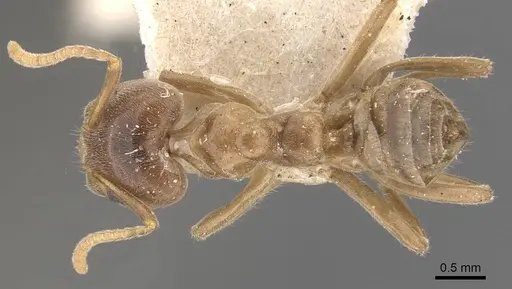
CASENT0909695
View on AntWeb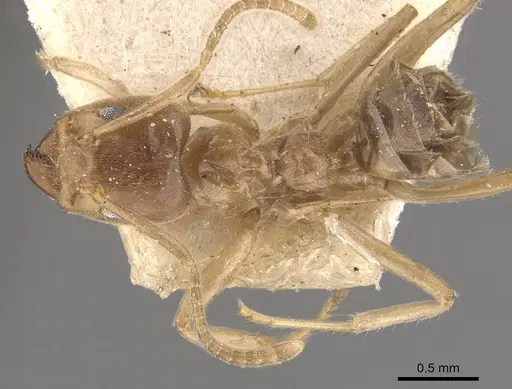
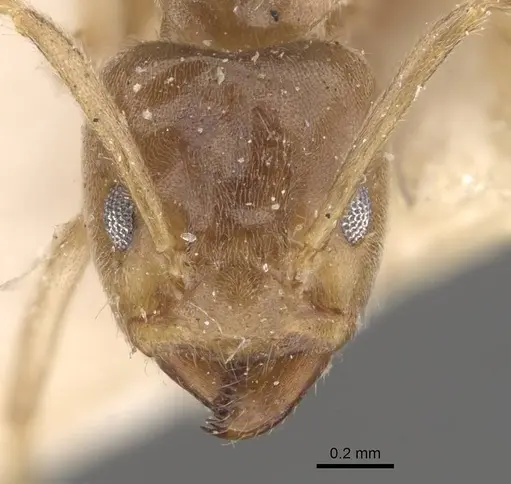
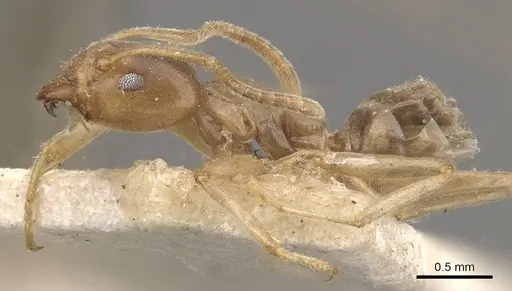
CASENT0909696
View on AntWeb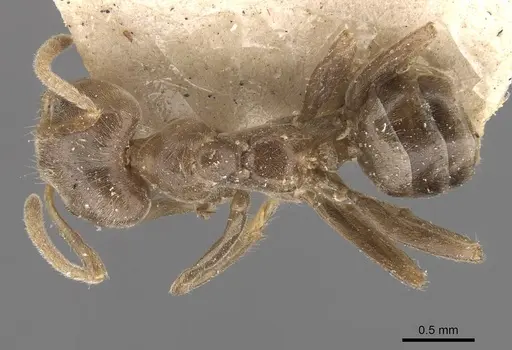
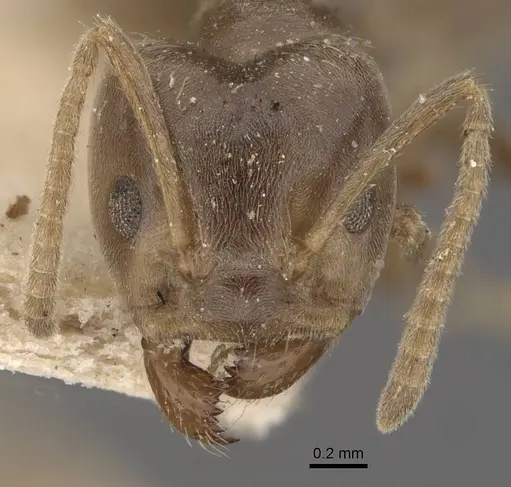
CASENT0909697
View on AntWeb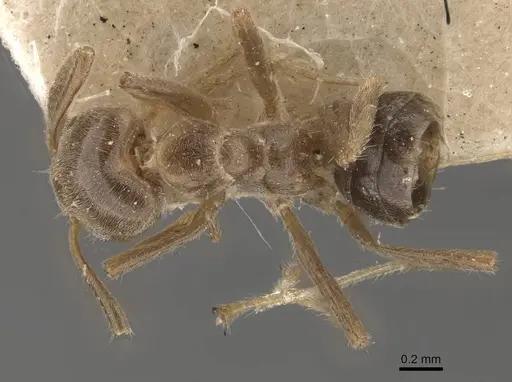
CASENT0909701
View on AntWeb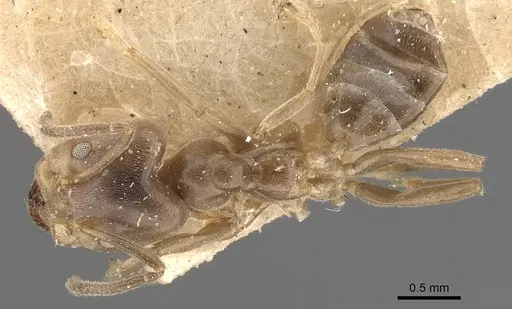
CASENT0909702
View on AntWeb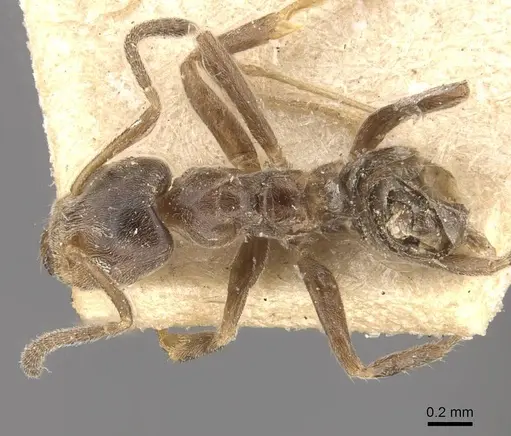
Literature
Loading...Loading products...