

Azteca trailii
- Scientific Name
- Azteca trailii
- Tribe
- Leptomyrmecini
- Subfamily
- Dolichoderinae
- Author
- Emery, 1893
- Distribution
- Found in 1 countries
Azteca trailii Overview
Azteca trailii is an ant species of the genus Azteca. It is primarily documented in 1 countries , including Brazil. Detailed taxonomic data and occurrence records can be further explored via authoritative databases such as AntWeb or the Global Biodiversity Information Facility (GBIF).
Azteca trailii
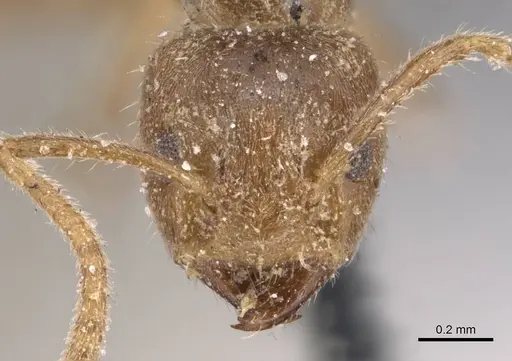
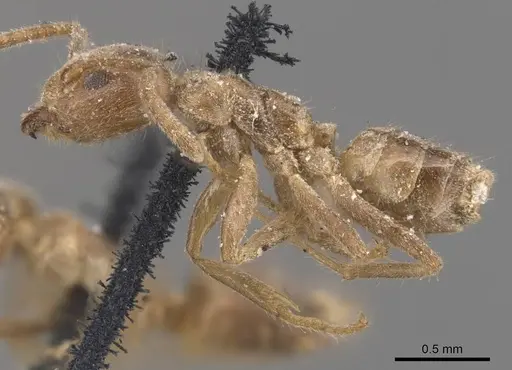
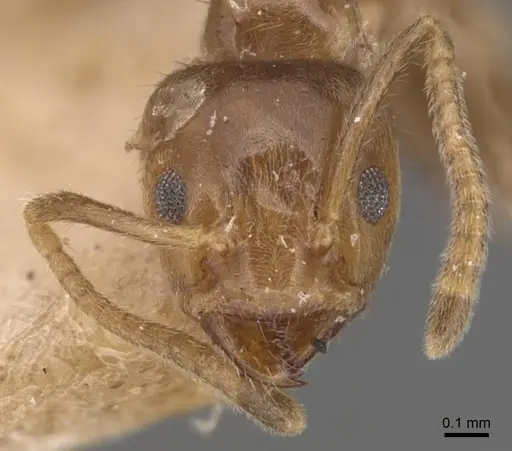
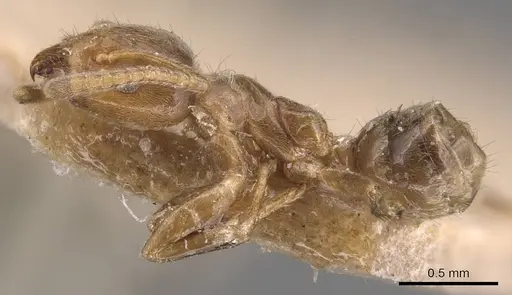
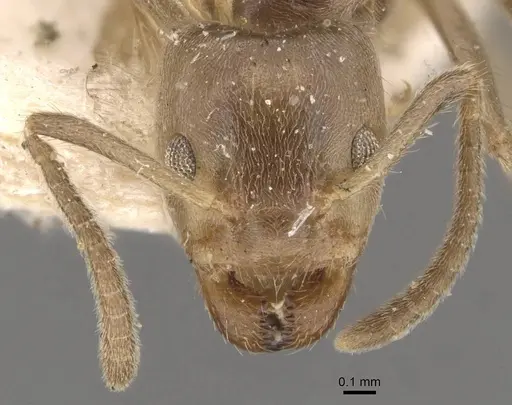
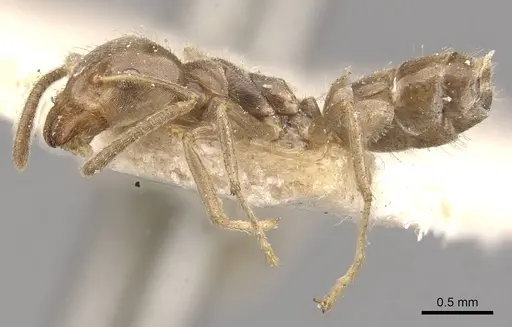
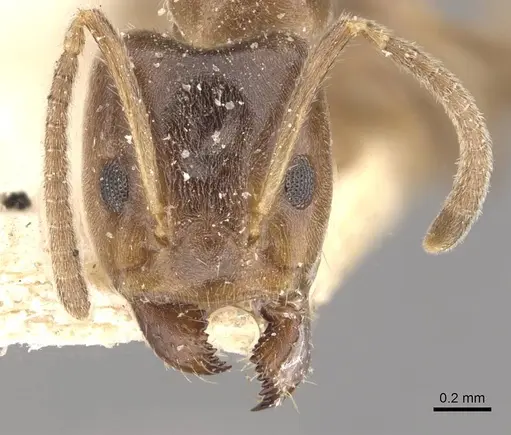
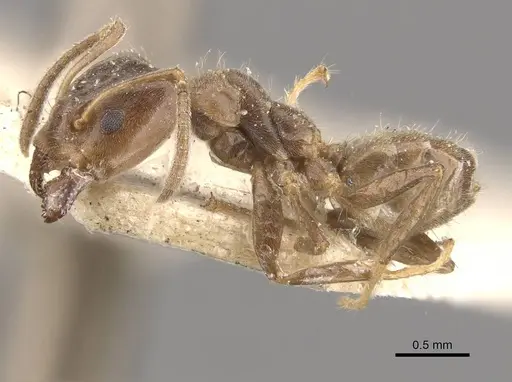
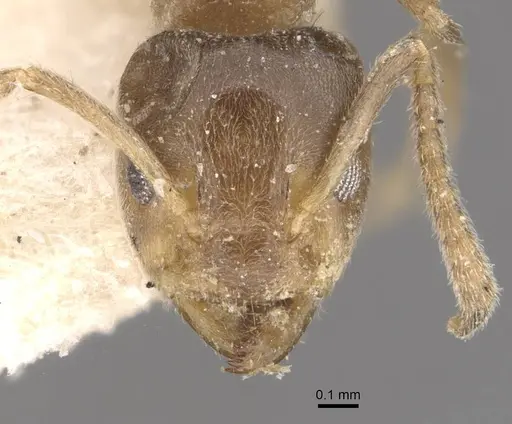
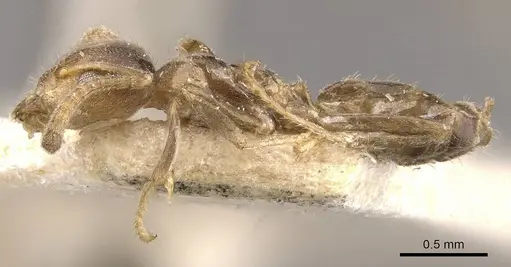
Azteca trailii is a small Neotropical ant measuring 2-3mm for workers and 3-4mm for queens. Workers have a brownish-testaceous coloration with a shiny appearance, a slightly elongated head, and relatively long antennae. This species is known for its remarkable ant garden behavior, it actively cultivates epiphyte plants by planting seeds in specialized structures, creating mutualistic relationships where both the ants and plants benefit [1]. The ants get shelter and the plants get nutrients and dispersal. Found throughout the Amazon basin in Brazil, French Guiana, Guyana, and Suriname, these ants typically nest in vegetation rather than in ground cavities [2].
Quick Summary
- Difficulty: Medium
- Origin & Habitat: Neotropical rainforests of Brazil, French Guiana, Guyana, and Suriname. These ants live in humid lowland rainforest environments and are famous for their ant garden behavior, where they cultivate epiphyte plants on branches and vines [1].
- Colony Type: Colony structure is not well documented in scientific literature. Like other Azteca species, they likely establish single-queen colonies, though multiple founding queens may initially cooperate before competition reduces numbers. The species is known to be an ant-garden initiator, actively establishing and maintaining these mutualistic plant structures [2].
- Colony: Monogyne
- Founding: Claustral
- Size & Growth:
- Queen: 3-4 mm [3]
- Worker: 2-3 mm [3]
- Colony: Unknown for this specific species, but related Azteca species often reach several hundred workers
- Growth: Moderate, based on typical Dolichoderinae development patterns
- Development: 6-8 weeks (estimated based on genus-level data for tropical Dolichoderinae) (Development time is estimated from related Azteca species since specific development data for A. trailii is not available. Tropical species typically develop faster than temperate ones.)
- Antkeeping:
- Temperature: Keep at 24-28°C. These are tropical ants requiring warm, stable temperatures. A heating cable on one side of the nest creates a gentle gradient allowing ants to self-regulate [1].
- Humidity: High humidity is essential, aim for 70-85%. These rainforest ants need consistently moist conditions. Mist the outworld regularly and keep nest materials damp but not waterlogged. Good ventilation helps prevent mold while maintaining humidity [1].
- Diapause: No, this is a tropical species that does not require hibernation. Maintain warm conditions year-round [1].
- Nesting: These ants naturally nest in vegetation and epiphyte gardens, not in ground cavities. In captivity, a naturalistic setup with live plants or a well-humidified acrylic/plaster nest works best. They prefer vertical spaces that mimic their natural plant-based nesting sites [2].
- Behavior: Azteca trailii is relatively docile compared to some Dolichoderinae. Workers are active foragers that tend honeydew-producing insects and collect nectar. Their most notable behavior is ant-garden cultivation, they actively plant and maintain epiphyte seeds, creating specialized structures that provide shelter. Workers are small (2-3mm) so escape prevention should be good, though they are not particularly aggressive or prone to biting [3].
- Common Issues: high humidity management can be tricky, too wet causes mold, too dry stresses the colony, tropical temperature requirements mean room temperature is often insufficient without heating, ant garden behavior is difficult to replicate in captivity, which may affect natural colony behavior, small colony size means losses have bigger impact, start with adequate founding cluster, lack of species-specific care information means keepers must adapt from related species
Ant Garden Behavior
Azteca trailii is one of the few ant species that actively cultivates plants. In the wild, workers collect seeds of specific epiphyte plants and plant them in crevices on branches or vines. The ants tend these 'ant gardens' by protecting the plants and providing nutrients through their waste, while the plants provide shelter and moisture retention for the ant colony. This mutualistic relationship is one of the most sophisticated examples of ant-plant cooperation in the Neotropics. In captivity, replicating this behavior is challenging, but providing live plants or moss in a naturalistic setup can help satisfy this natural tendency [2].
Housing and Nest Setup
Because these ants naturally nest in vegetation rather than underground, a naturalistic setup works better than traditional formicariums. A vertical outworld with live plants, branches, or moss allows them to exhibit their natural ant-garden behavior. If using an artificial nest, choose a well-humidified acrylic or plaster nest with good moisture retention. The nest should have chambers sized appropriately for their small 2-3mm workers. Ensure excellent escape prevention, while not particularly aggressive, their small size means they can slip through surprisingly small gaps. Use fine mesh on any ventilation holes [3].
Feeding and Diet
Like other Azteca species, Azteca trailii is omnivorous with a preference for honeydew and nectar. Workers will tend aphids, scale insects, and other honeydew-producing insects in the outworld. Offer sugar water or honey as a constant energy source. For protein, provide small insects like fruit flies, pinhead crickets, or mealworm pieces. They may also accept small amounts of fruit. Feed protein 2-3 times per week and keep sugar sources available at all times. Remove uneaten prey after 24-48 hours to prevent mold [1].
Temperature and Seasonal Care
As tropical rainforest ants, Azteca trailii requires warm, stable temperatures year-round. Keep the nest area at 24-28°C with minimal fluctuations. A heating cable placed on one side of the nest creates a temperature gradient that allows ants to self-regulate. Place the heating on top of the nest, not underneath, to avoid drying out the substrate. Unlike temperate species, they do not require any winter cooling period. Maintaining consistent warmth is more important than precise temperature control. Room temperature alone is often insufficient in cooler climates, monitor with a thermometer and add supplemental heating if needed [1].
Humidity Management
High humidity is critical for this species, aim for 70-85% relative humidity. These ants come from constantly moist Amazonian environments where dehydration is a greater risk than in captive setups. Keep the nest substrate consistently damp but never waterlogged. In a test tube setup, ensure the water reservoir is adequate but not so large that flooding becomes a risk. In naturalistic setups, mist regularly and consider using a moisture-retaining substrate. Good ventilation helps prevent mold while maintaining humidity, aim for airflow that keeps the air fresh without drying the nest [1].
Frequently Asked Questions
How long does it take for Azteca trailii to raise first workers?
Expect first workers (nanitics) to emerge in about 6-8 weeks after the queen lays eggs. This is an estimate based on related Azteca species since specific development data for A. trailii is not available. The exact timing depends on temperature, warmer conditions within their range (24-28°C) speed up development.
Can I keep Azteca trailii in a test tube setup?
Yes, a test tube setup works well for founding colonies. Keep the water reservoir filled to maintain humidity, and place the tube in a warm, dark location. Once the colony grows to 20-30 workers, consider moving to a larger naturalistic setup with plants to allow their ant-garden behavior.
What do Azteca trailii eat?
They are omnivorous with a sweet tooth. Offer constant access to sugar water or honey. For protein, provide small insects like fruit flies, pinhead crickets, or crushed mealworms. They will also tend honeydew-producing insects if available. Feed protein 2-3 times per week.
Do Azteca trailii need hibernation?
No, these are tropical ants that do not require hibernation. Keep them warm year-round at 24-28°C. Attempting to cool them for winter can stress or kill the colony.
Are Azteca trailii good for beginners?
This species is rated as medium difficulty. While not the hardest species, they have specific humidity and temperature requirements that differ from easier temperate species. Their ant-garden behavior is fascinating but requires more advanced setups to observe. Beginners should have experience with basic antkeeping first.
How big do Azteca trailii colonies get?
Colony size is not well documented for this specific species, but related Azteca species typically reach several hundred workers. Growth is moderate, expect several months to reach 50+ workers from a founding colony.
Why are my Azteca trailii dying?
The most common causes are: low humidity (below 60%), temperatures below 22°C, mold from excessive moisture, or stress from disturbance. Check that your setup maintains proper humidity and warmth. Also ensure they are not being overfed, excess food mold can kill colonies.
When should I move Azteca trailii to a formicarium?
Move from a test tube to a larger setup when the colony reaches 20-30 workers or the test tube becomes cramped. A naturalistic setup with plants is ideal since it allows their ant-garden behavior, but a well-humidified acrylic nest also works.
Can I keep multiple Azteca trailii queens together?
This is not recommended. While founding behavior is not well studied for this species, Azteca species typically establish single-queen colonies. Combining unrelated queens usually results in fighting.
References

This caresheet is licensed under CC BY-SA 4.0 .
CASENT0903023
View on AntWeb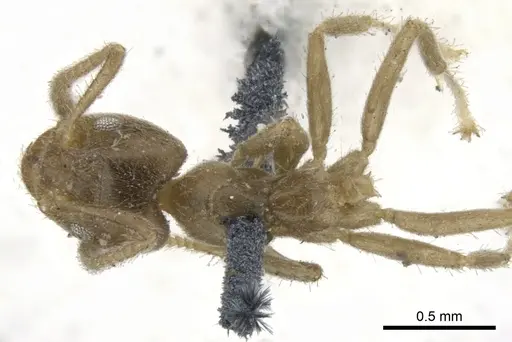
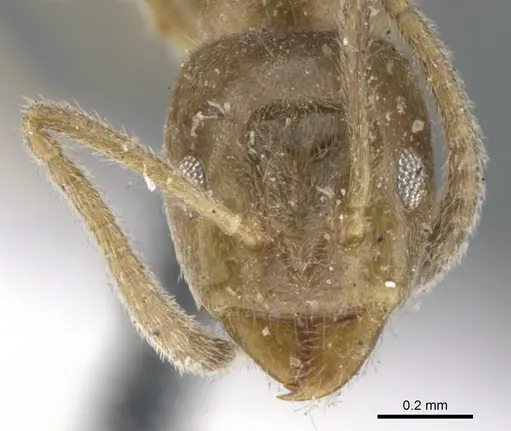
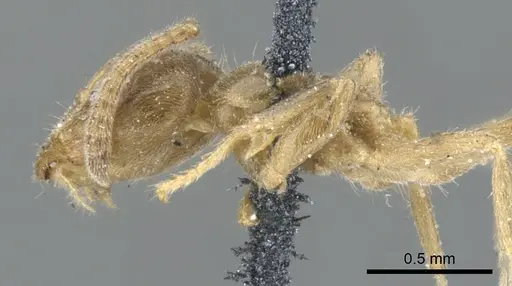
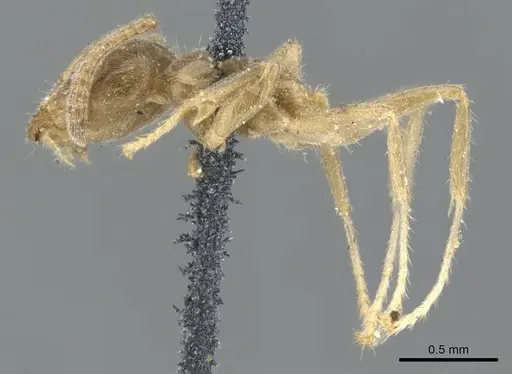
CASENT0905082
View on AntWeb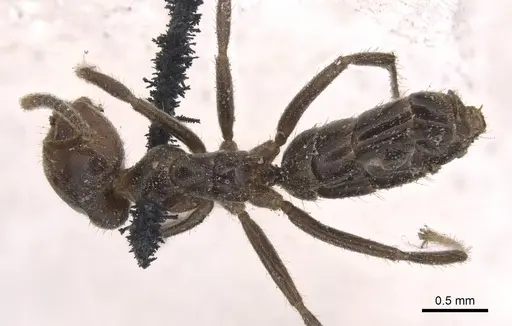
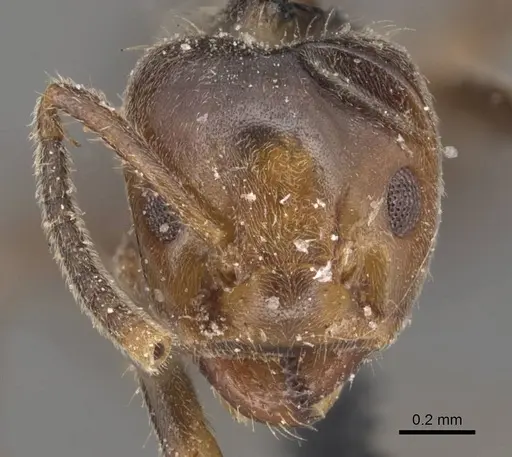
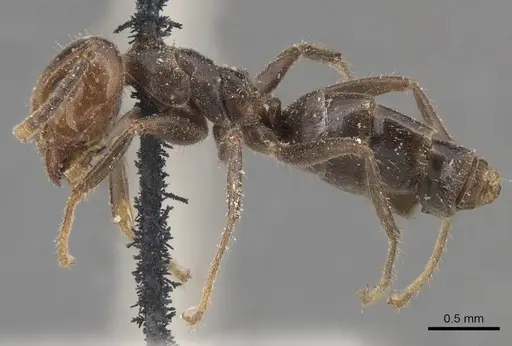
CASENT0905083
View on AntWeb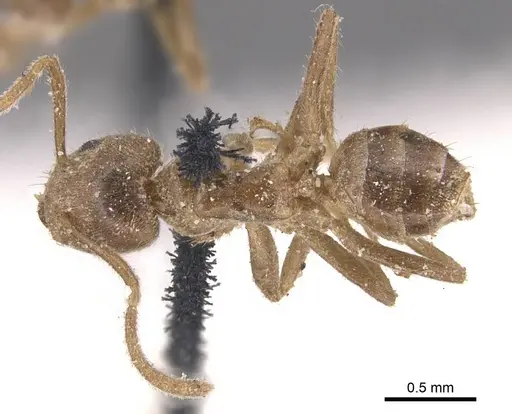
CASENT0905084
View on AntWeb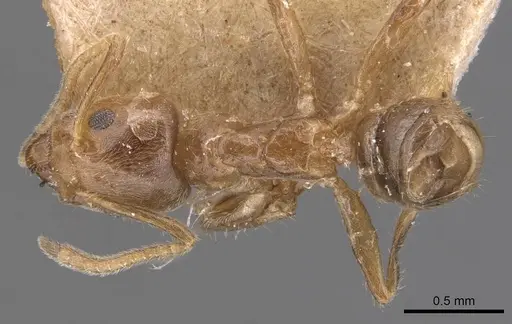
CASENT0909681
View on AntWeb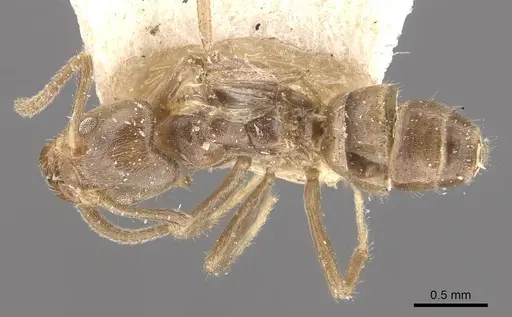
CASENT0909682
View on AntWeb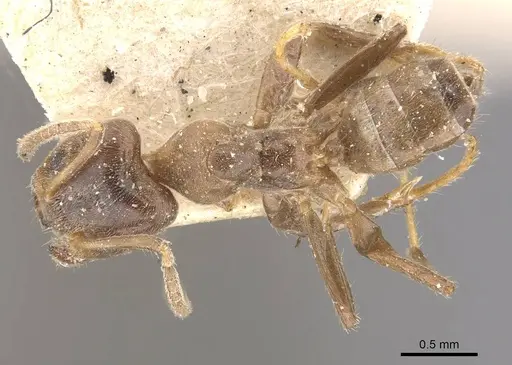
CASENT0909683
View on AntWeb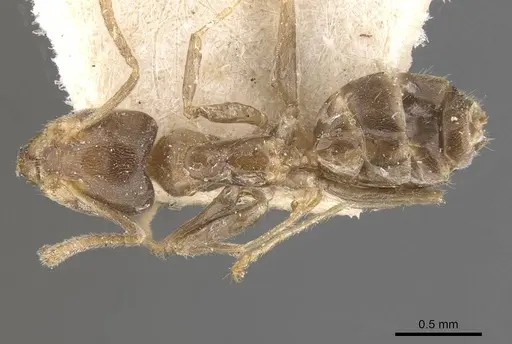
FOCOL2972
View on AntWeb
Literature
Loading...Loading products...