

Azteca theresiae
- Scientific Name
- Azteca theresiae
- Tribe
- Leptomyrmecini
- Subfamily
- Dolichoderinae
- Author
- Forel, 1899
- Distribution
- Found in 1 countries
Azteca theresiae Overview
Azteca theresiae is an ant species of the genus Azteca. It is primarily documented in 1 countries , including Colombia. Detailed taxonomic data and occurrence records can be further explored via authoritative databases such as AntWeb or the Global Biodiversity Information Facility (GBIF).
Azteca theresiae
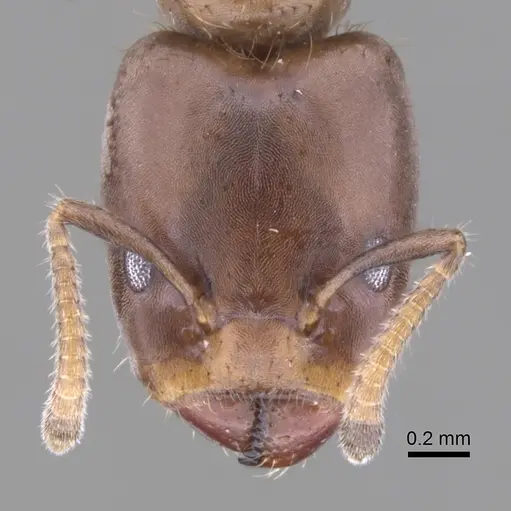
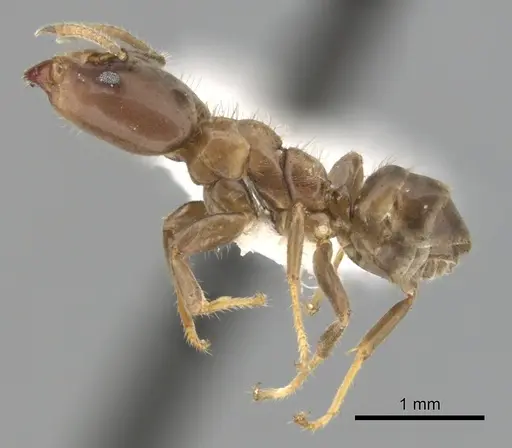
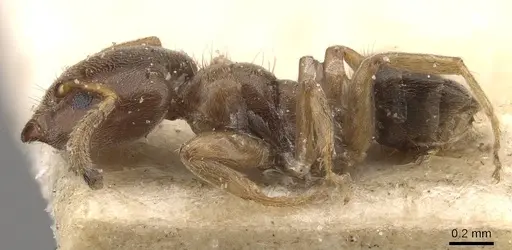
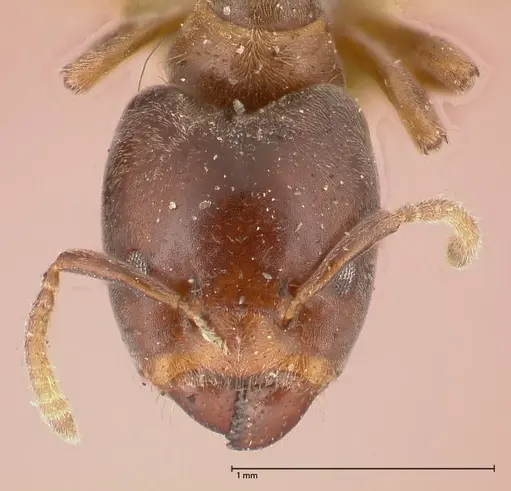
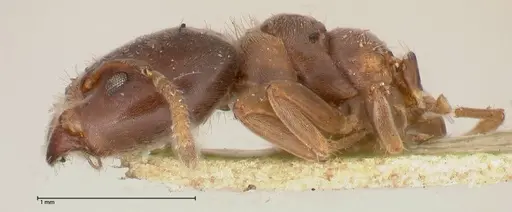
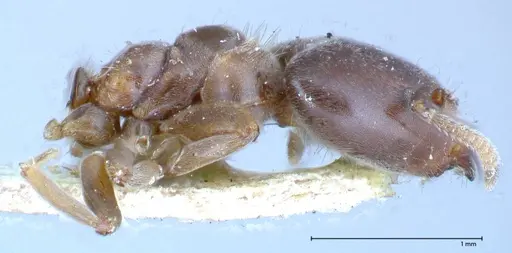
Azteca theresiae is a Neotropical ant species native to Colombia and Panama. Workers are small to medium-sized with the typical Dolichoderine body shape, they have a smooth, rounded mesosoma and a single backward-pointing metatibal gland opening rather than a stinger. The species was first described by Forel in 1899 from specimens collected in Colombia, with additional records from Panama. In Colombia, they are found specifically in the lower Magdalena river region, a tropical lowland area with high humidity. This species represents the typical Azteca ecology: tree-dwelling ants that form associations with plants and often tend honeydew-producing insects. [1][2][3]
Quick Summary
- Difficulty: Medium
- Origin & Habitat: Neotropical region, specifically Colombia (lower Magdalena river region) and Panama. This is a tropical lowland species from warm, humid forest environments. [1][2]
- Colony Type: Colony structure is unconfirmed for this specific species. The genus Azteca is known for being primarily polygynous (multi-queen), with colonies often containing multiple reproductive queens. However, this has not been directly documented for A. theresiae. [3]
- Size & Growth:
- Queen: Estimated 7-9mm based on genus Azteca patterns, not directly measured for this species
- Worker: Estimated 3-5mm based on genus patterns, the type material consists of workers but exact measurements were not provided in the original description [3]
- Colony: Unknown for this specific species. Azteca colonies can range from hundreds to thousands of workers depending on the species. [3]
- Growth: Moderate, estimated based on typical Dolichoderinae development
- Development: Estimated 6-8 weeks at tropical temperatures (24-28°C) based on related Dolichoderinae species (Development time is estimated from genus-level data since specific development has not been studied for this species)
- Antkeeping:
- Temperature: Keep at 24-28°C. As a Neotropical lowland species, they require warm conditions year-round. A heating cable on one side of the nest can provide a gentle gradient.
- Humidity: High humidity required, think tropical forest conditions. Keep nest substrate consistently moist but not waterlogged. Provide a water tube as a constant moisture source. Target 70-80% humidity in the nest area.
- Diapause: No, as a tropical species, they do not require hibernation. Maintain warm conditions year-round.
- Nesting: In nature, Azteca species typically nest in hollow plant stems, under bark, or in pre-existing cavities in trees. For captivity, a naturalistic setup with plants or a Y-tong/plaster nest with narrow chambers works well. They prefer enclosed spaces with multiple chambers. Avoid dry, open environments.
- Behavior: Azteca ants are generally moderate in temperament, not particularly aggressive but will defend their nest if threatened. They are arboreal (tree-dwelling) and prefer to forage in vegetation rather than on the ground. Like other Dolichoderines, they have a chemical defense rather than a stinger, they can emit a foul-smelling secretion from their metatibal gland. Escape prevention is important as they are agile climbers. Ensure barrier methods like fluon are applied if keeping in a formicarium. [3]
- Common Issues: tropical species requires constant warmth, cold drafts can stress or kill colonies, high humidity needs mean mold can be a problem if ventilation is poor, climbing ability means escapes are likely without proper barriers, slow founding phase, queens may take months to raise first workers, wild-caught colonies may have parasites that affect captive survival
Housing and Nest Setup
Azteca theresiae is an arboreal species, meaning they naturally live in trees and vegetation. In captivity, they do best in naturalistic setups that mimic their natural environment. You can use a Y-tong (acrylic) nest with narrow chambers, or a plaster nest that allows you to maintain humidity. Because they come from humid tropical regions, the nest material should retain moisture well. Include live plants or fake plants in the outworld since they prefer to forage upward rather than across the ground. Test tube setups can work for founding colonies but will need to be upgraded quickly as the colony grows. Ensure the setup has adequate ventilation to prevent mold while maintaining the humidity they need.
Feeding and Diet
Like other Dolichoderinae ants, Azteca theresiae likely feeds primarily on honeydew from aphids and scale insects, supplemented by small insects and nectar. In captivity, offer sugar water or honey water as a constant energy source. For protein, provide small insects like fruit flies, small crickets, or mealworm pieces. They are not large predators, so prey items should be appropriately sized. Observe your colony's preferences, some Azteca species readily accept sugar while others show little interest. Remove uneaten prey after 24-48 hours to prevent mold. Feed every 2-3 days for established colonies, with sugar available constantly.
Temperature and Seasonal Care
As a Neotropical species from Colombia and Panama, Azteca theresiae requires warm conditions year-round. Keep the nest area at 24-28°C (75-82°F). Unlike temperate species, they do not enter dormancy and will remain active throughout the year if kept warm. A small heating cable placed on one side of the nest can create a temperature gradient, allowing the ants to self-regulate. Avoid placing the nest near air conditioning vents, windows with cold drafts, or any area that experiences temperature drops. Room temperature in most homes may be too cool, monitor with a thermometer. Consistent warmth is more important than exact temperature precision.
Behavior and Colony Dynamics
Azteca ants are known for their arboreal lifestyle and often form mutualistic relationships with plants. Workers are active foragers that travel along plant stems and branches in search of honeydew and small prey. They are not particularly aggressive toward humans but will defend their nest vigorously against intruders. Unlike many ants, Dolichoderinae species like Azteca lack a functional stinger, instead, they defend through chemical means, producing a pungent secretion from their metatibal gland. This can be irritating but is not dangerous to humans. Colonies grow through a combination of queen reproduction and the establishment of new colonies through nuptial flights. The colony will expand gradually, with workers living several months to a year. [3]
Frequently Asked Questions
How long does it take for Azteca theresiae to raise first workers?
The egg-to-worker timeline is estimated at 6-8 weeks at tropical temperatures (24-28°C). This is based on typical Dolichoderinae development since specific data for this species is not available. Founding colonies can be slow, be patient and ensure the queen is fed appropriately if semi-claustral.
Can I keep multiple Azteca theresiae queens together?
The colony structure for this specific species is unconfirmed. The genus Azteca is typically polygynous (multi-queen) in the wild, but combining unrelated foundress queens in captivity has not been documented for A. theresiae. If you obtain multiple wild-caught queens, it is safer to house them separately until you observe stable cohabitation.
What do Azteca theresiae eat?
They likely feed on honeydew from aphids or scale insects in the wild. In captivity, offer sugar water or honey water as a constant food source, supplemented with small insects like fruit flies, small crickets, or mealworm pieces for protein. Remove uneaten prey after 24-48 hours.
Are Azteca theresiae good for beginners?
This species is rated as Medium difficulty. They require warm, humid tropical conditions year-round and do not tolerate cold. Their specific requirements are less documented than more common species, making them a better choice for keepers with some experience. They are not ideal as a first ant but are manageable for those familiar with tropical species care.
Do Azteca theresiae need hibernation?
No, they do not require hibernation. As a Neotropical species from Colombia and Panama, they need warm conditions year-round. Maintain temperatures of 24-28°C throughout the year. Cold temperatures can stress or kill these ants.
How big do Azteca theresiae colonies get?
The maximum colony size is unknown for this specific species. Based on typical Azteca patterns, colonies likely reach several hundred to a few thousand workers. Growth is moderate, expect several months to a year before seeing significant colony expansion from a founding queen.
When should I move Azteca theresiae to a formicarium?
Move them when the test tube or founding setup becomes crowded. For Azteca, this is typically when the colony reaches 30-50 workers. They prefer naturalistic or Y-tong setups with good humidity retention. Ensure the new enclosure has appropriate climbing surfaces and humidity control.
Why are my Azteca theresiae dying?
Common causes include: temperature too cold (below 24°C), humidity too low or too high (aim for balanced moisture, not wet or dry), poor ventilation causing mold, stress from frequent disturbances, or parasites from wild-caught colonies. Review each parameter and make gradual adjustments. Wild-caught colonies often carry parasites that can decimate captive populations.
References

This caresheet is licensed under CC BY-SA 4.0 .
CASENT0249551
View on AntWeb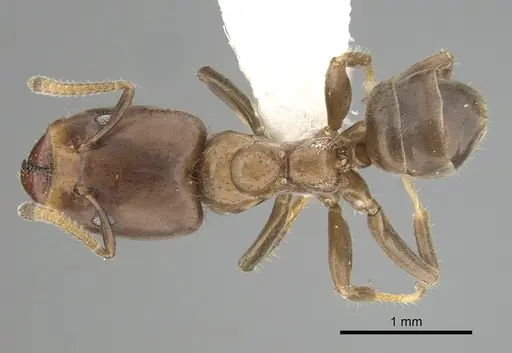
CASENT0909676
View on AntWeb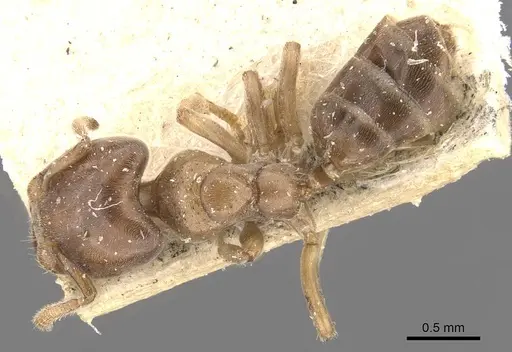
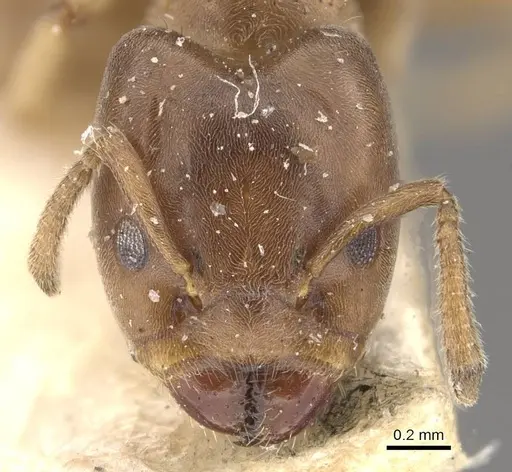
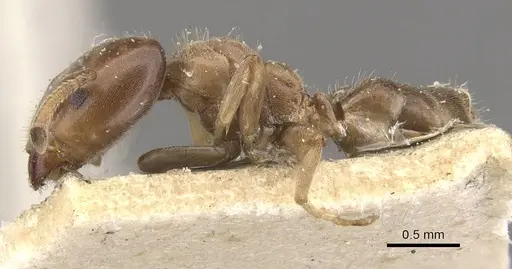
CASENT0909677
View on AntWeb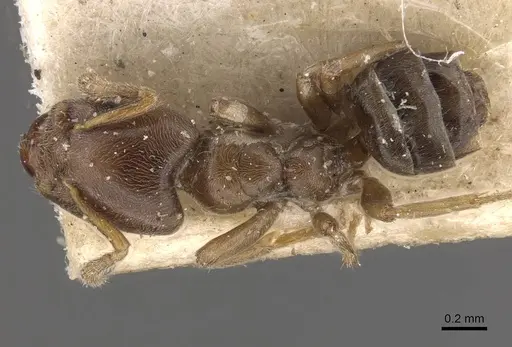
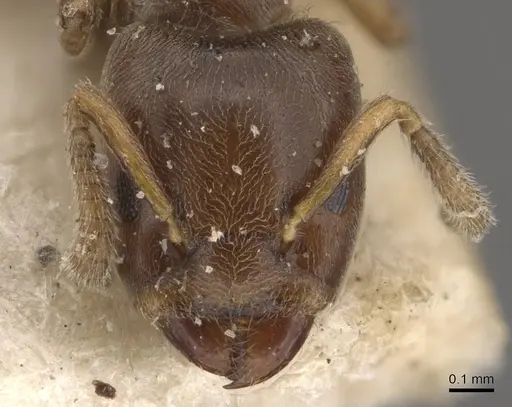
CASENT0909678
View on AntWeb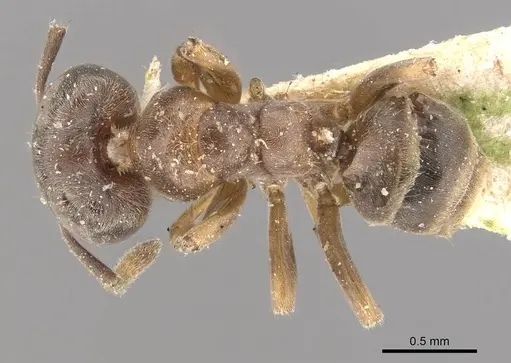
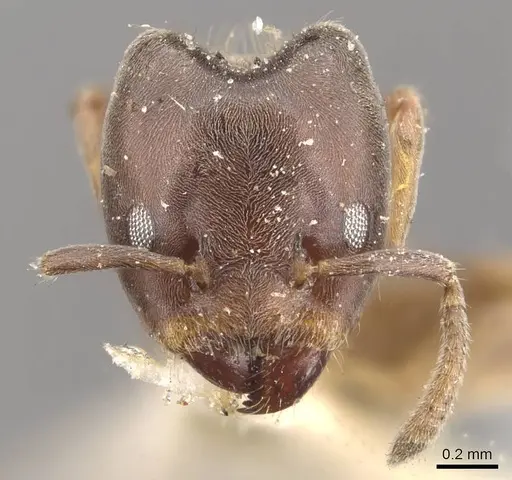
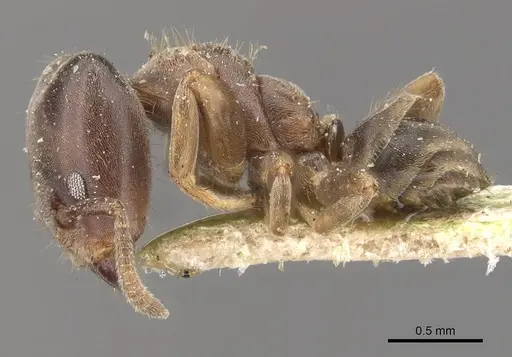
FOCOL0538
View on AntWeb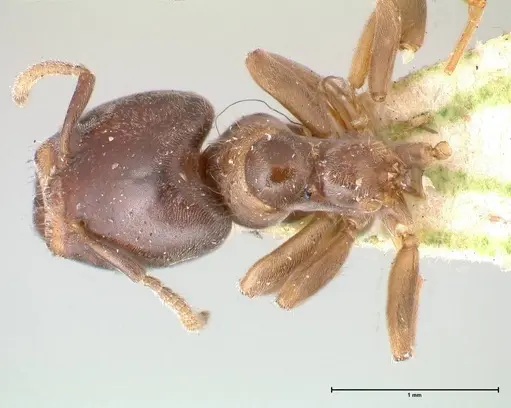
Literature
Loading...Loading products...