

Azteca sericeasur
- Scientific Name
- Azteca sericeasur
- Tribe
- Leptomyrmecini
- Subfamily
- Dolichoderinae
- Author
- Longino, 2007
- Distribution
- Found in 3 countries
Azteca sericeasur Overview
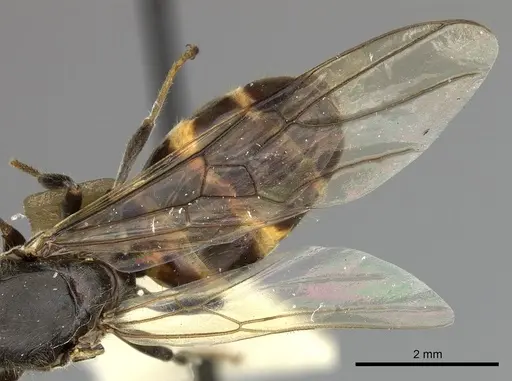
Azteca sericeasur is an ant species of the genus Azteca. It is primarily documented in 3 countries , including Costa Rica, Mexico, Panama. Detailed taxonomic data and occurrence records can be further explored via authoritative databases such as AntWeb or the Global Biodiversity Information Facility (GBIF).
Azteca sericeasur
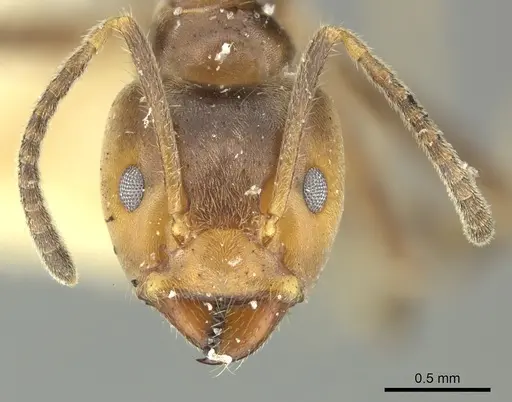
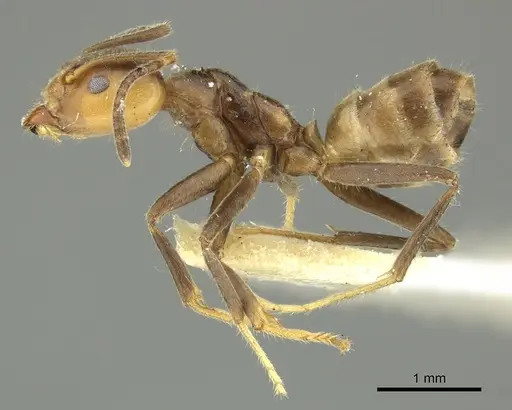
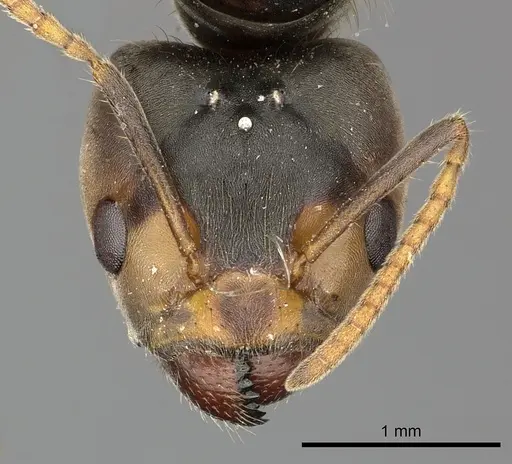
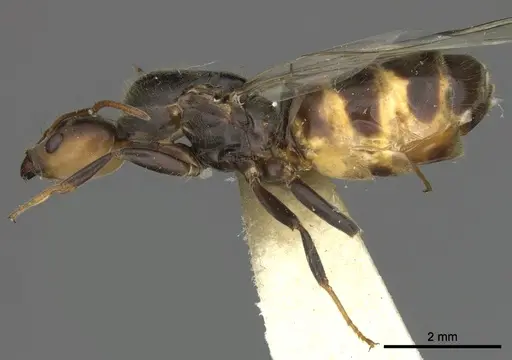
Azteca sericeasur is a medium-sized arboreal ant native to the Neotropics, found in Guatemala, Costa Rica, and Panama. Workers measure 1.1-1.7mm and queens reach 1.9-2.1mm, with a distinctive light to dark brown coloration. This species is known for its unusual polydomous nesting behavior, the queen stays protected in a permanent central location (typically in the base of a live tree stem), while workers and brood spread across many small carton pavilions scattered across the forest. These ants form foraging columns that travel along vegetation and the forest floor, connecting their scattered nests. They are aggressive defenders of their territory and will attack other ant species and insects on their territory. [1][2][3]
Quick Summary
- Difficulty: Expert
- Origin & Habitat: Native to the Neotropics, Guatemala, Costa Rica, and Panama. Found in moist to wet forest habitats from lowlands to around 1100m elevation. This is a shade tree ant species commonly found in coffee agroecosystems. [1][2][4]
- Colony Type: Polydomous, single queen in a permanent central nest, with workers and brood spread across many small satellite nests made of carton material. The colony can spread over several square meters. [1][2]
- Colony: Monogyne
- Size & Growth:
- Queen: 1.94-2.14mm [1]
- Worker: 1.10-1.69mm [1]
- Colony: Large polydomous colonies, can spread over several square meters with multiple satellite nests [1]
- Growth: Moderate, estimated based on tropical arboreal ant patterns
- Development: Estimated 6-8 weeks based on related Dolichoderinae species at optimal tropical temperatures (24-28°C) (Development time is estimated, no specific study found for this species. Tropical species typically develop faster than temperate ones.)
- Antkeeping:
- Temperature: Keep at 24-28°C, they are tropical ants requiring warm, stable conditions. A heating cable on one side of the nest creates a gentle gradient.
- Humidity: High humidity, these ants live in moist to wet forests. Keep the nest substrate consistently moist but not waterlogged. Provide a water tube as their primary water source. [1][3]
- Diapause: No, as a tropical species, they do not require hibernation. Activity may slow slightly during drier seasons but they remain active year-round.
- Nesting: This is an arboreal species that nests in live tree stems and builds carton pavilions. In captivity, they need a setup that mimics this, a naturalistic setup with live plant stems or cork bark works better than standard test tubes. They will not use artificial twig nests. They need vertical space and multiple connected chambers to accommodate their polydomous nature. [5][3]
- Behavior: Azteca sericeasur is aggressive and behaviorally dominant. They will attack other ant species and any insects that enter their territory. Workers are active foragers that travel along vegetation and the forest floor, rarely walking on soil. They tend scale insects (particularly Coccus viridis) for honeydew and also consume sugar from extrafloral nectaries and arthropod prey. They are excellent climbers and will escape if given the opportunity, use tight-fitting lids and consider fluon barriers. Their aggressive nature means they can deliver a mild sting if handled carelessly. [3][6][7]
- Common Issues: Polydomous nesting is difficult to replicate in captivity, they need multiple connected nest sites to thrive, Tropical humidity requirements are hard to maintain consistently without mold issues, Aggressive temperament makes them difficult to house with other ant species or in shared setups, They need live plant material or cork bark for nesting, standard formicaria may not be accepted, Large colony size and dispersed nesting means they need more space than typical ants, Escapes are likely if not properly contained, they are excellent climbers
Nesting and Housing
Azteca sericeasur presents unique housing challenges because of its polydomous nesting behavior. In the wild, the queen stays protected in a central location (typically in the base of a live tree stem), while workers and brood are spread across many small carton pavilions throughout the territory. Replicating this in captivity is difficult. They will not use artificial twig nests, this is a carton-nesting species that builds its own shelters from masticated plant fibers. [5] A naturalistic setup with cork bark, live plant stems, or wooden structures works better than standard formicaria. Provide multiple connected chambers to simulate their scattered nest structure. The nesting area should be kept humid and warm. Because they are arboreal, they need vertical space and climbing structures. Test tubes alone are not suitable for established colonies. [3]
Feeding and Diet
Azteca sericeasur is omnivorous with a strong preference for sugar. In the wild, they rely heavily on honeydew from scale insects (particularly Coccus viridis, the coffee green scale), sugar from extrafloral nectaries, and arthropod prey. [3] In captivity, offer sugar water or honey constantly, this should be their primary food source. They will also accept protein sources like small insects (fruit flies, small crickets, mealworms). Their aggressive foraging means they will readily take prey items. Feed protein 2-3 times per week and keep sugar water available at all times. They are not picky eaters but do require consistent sugar access. [3][7]
Temperature and Humidity
As a tropical species from wet forests, Azteca sericeasur requires warm and humid conditions. Keep temperatures in the 24-28°C range, use a heating cable on one side of the nest to create a gentle gradient if your room temperature is lower. They need high humidity, similar to their natural moist forest habitat. Keep the nest substrate consistently moist but not waterlogged. A water tube should be provided as their primary water source. Because they are from wet forests, avoid dry conditions, this can stress the colony. Monitor for mold growth, which can be a problem in humid setups. [1][3]
Behavior and Colony Dynamics
This is an aggressive, behaviorally dominant ant species that actively defends its territory. Workers will attack other ant species and insects on their territory. They create foraging columns that travel along vegetation and the forest floor, rarely walking on soil. [3][6] The colony spreads through a process where the queen remains in a protected central location while workers establish satellite nests (pavilions) made of carton material. These pavilions house workers, brood, and attended scale insects. The colony can grow quite large and spread over several square meters. Males are produced in large numbers in the small satellite nests. [1] This species is known to be aggressive toward handlers, while their sting is mild, they may bite if provoked. They are excellent climbers and will escape if given the opportunity. [6][7]
Ecological Role and Interactions
In their native range, Azteca sericeasur plays a key ecological role as a dominant canopy ant. They have a mutualistic relationship with Coccus viridis (coffee green scale), protecting the scale insects from predators in exchange for honeydew. This relationship also provides indirect benefits to coffee plants, as the ants attack herbivores including the economically important coffee berry borer. [3][4] They aggressively exclude other ant species and alter the local ant community composition. Their presence affects the abundance and diversity of other arthropods on coffee plants, they reduce flying insects and overall arthropod abundance on defended plants. [3] This species is considered a beneficial biocontrol agent in coffee agroecosystems. [4]
Colony Founding
Queen founding behavior has not been directly documented in scientific literature. Based on related Azteca species, queens likely establish in live stems of understory trees, near the base. [1] One founding queen was collected in the internode of a Cecropia sapling, and an incipient colony was found in a Cordia bicolor plant. [1] For captive breeding, provide a claustral setup with a small chamber, the queen will seal herself in and raise the first workers alone. Once workers emerge, they will need access to sugar and protein. The transition to a polydomous structure (multiple connected nests) should be allowed as the colony grows. This species is challenging to breed in captivity due to its specific nesting requirements. [1]
Frequently Asked Questions
Can I keep Azteca sericeasur in a test tube?
No, test tubes are not suitable for this species. Azteca sericeasur is an arboreal ant that builds carton nests and requires a naturalistic setup with multiple connected chambers. They need live plant stems, cork bark, or similar materials to nest in. A standard formicarium will likely be rejected. [5][3]
How long does it take for first workers to appear?
Based on related Dolichoderinae species, expect 6-8 weeks from egg to first worker at optimal temperatures (24-28°C). No specific development data exists for this species, so this is an estimate. Tropical ant species typically develop faster than temperate ones.
Are Azteca sericeasur good for beginners?
No, this is an expert-level species. They have complex polydomous nesting requirements, need tropical humidity and temperature, and are aggressive. They also require specific nesting materials (carton-building substrates) that are difficult to provide in captivity. [3][5]
Can I keep multiple queens together?
No, this is not recommended. Azteca sericeasur is monogyne (single queen) with a polydomous structure, one queen in a central location with satellite nests. Combining unrelated queens has not been documented and would likely result in aggression. [1]
What do Azteca sericeasur eat?
They are omnivorous but need sugar as their primary food. Offer sugar water or honey constantly. They also accept protein sources like small insects (fruit flies, small crickets, mealworms) 2-3 times per week. In the wild, they consume honeydew from scale insects, extrafloral nectar, and arthropod prey. [3]
Do they need hibernation?
No, they do not require hibernation. As a tropical species from wet forests in Central America, they remain active year-round. You may notice reduced activity during drier seasons, but they do not enter diapause. Keep them warm (24-28°C) year-round.
Why are my Azteca sericeasur dying?
Common causes include: low humidity (they need wet forest conditions), temperatures below 24°C, nesting materials they won't accept (they need carton or plant stem nesting, not standard formicaria), or insufficient sugar in their diet. They are also prone to mold in overly humid setups. Ensure proper ventilation while maintaining humidity. [3][1]
How big do colonies get?
Colonies can become very large and polydomous, spreading over several square meters in the wild with numerous satellite nests. In captivity, they will need increasing space as the colony grows. Expect significant expansion needs once the colony establishes. [1]
References

This caresheet is licensed under CC BY-SA 4.0 .
CASENT0260166
View on AntWeb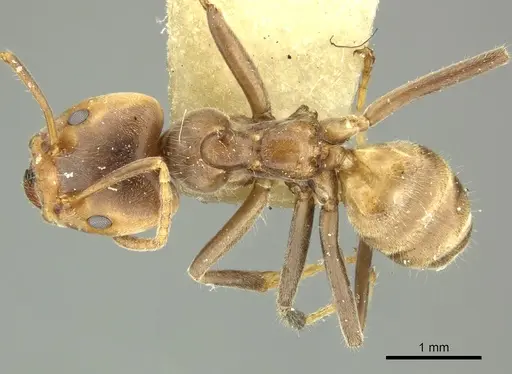
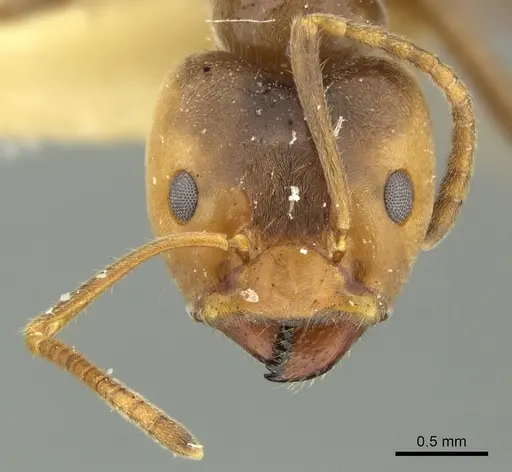
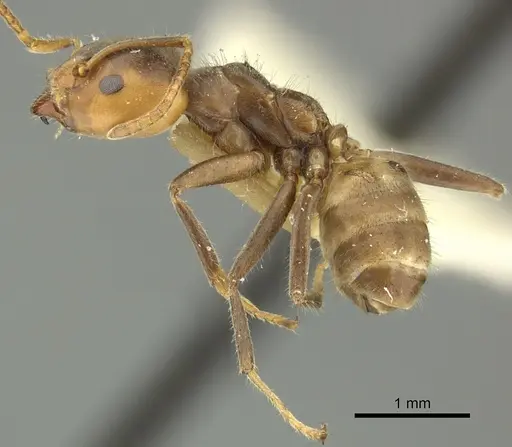
CASENT0260167
View on AntWeb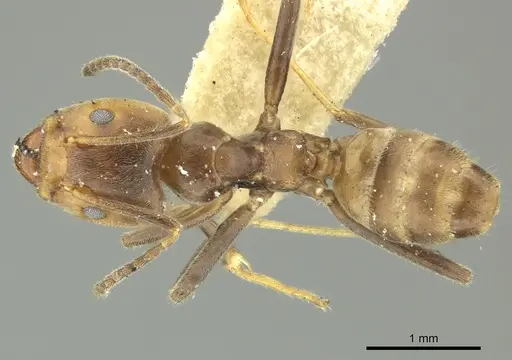
CASENT0635931
View on AntWeb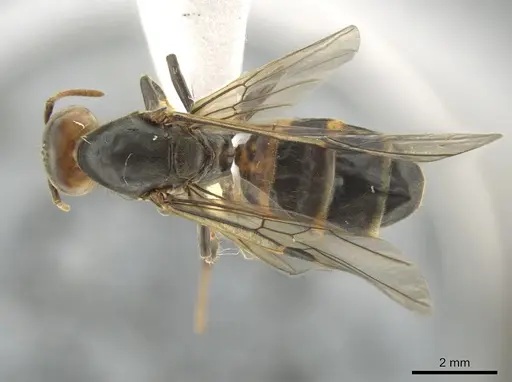
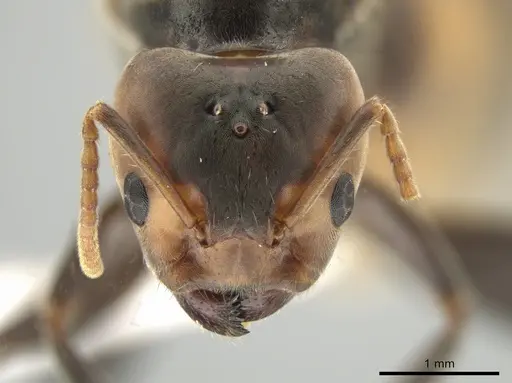
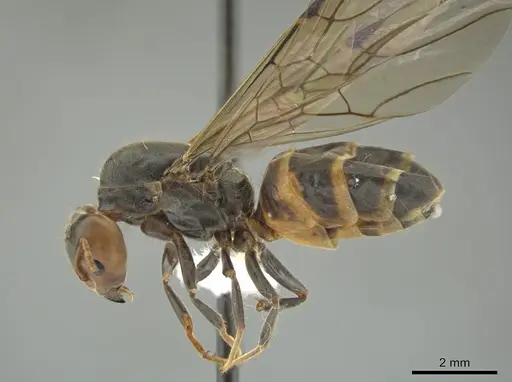
INBIOCRI001282668
View on AntWeb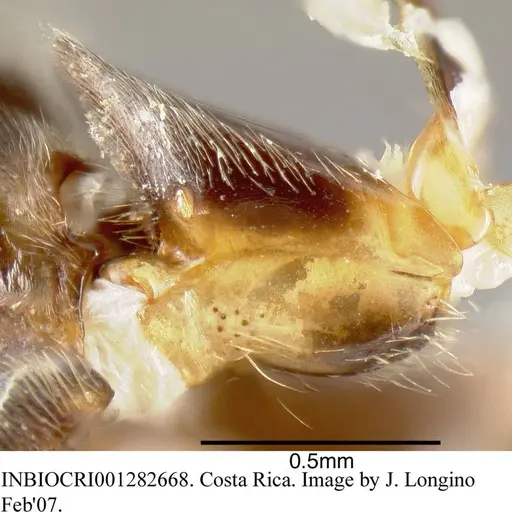
JTLC000005642
View on AntWeb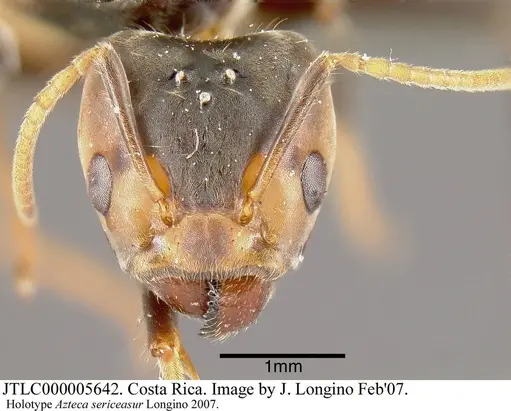
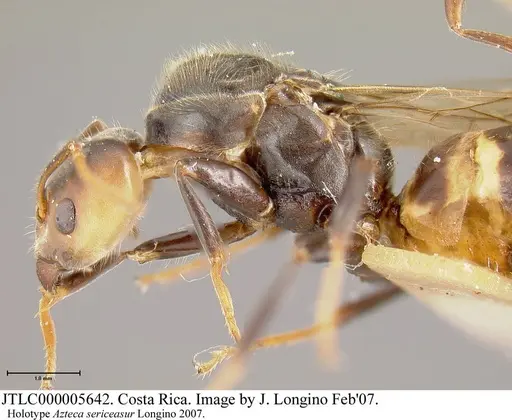
JTLC000005668
View on AntWeb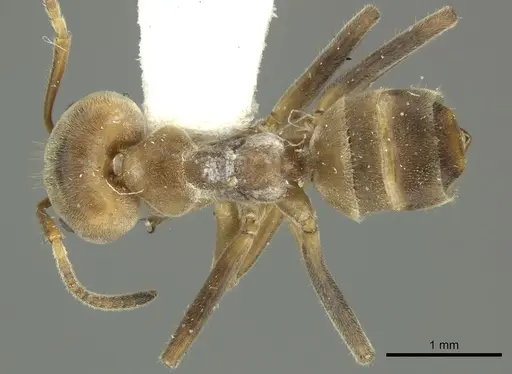
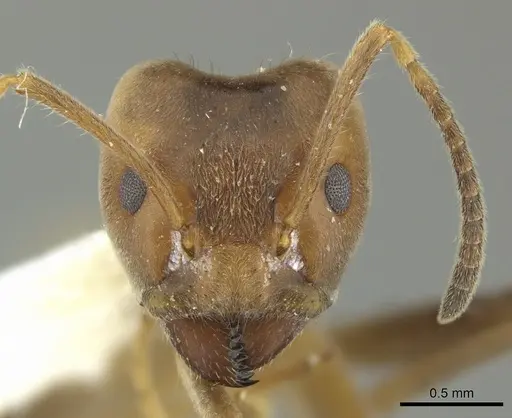
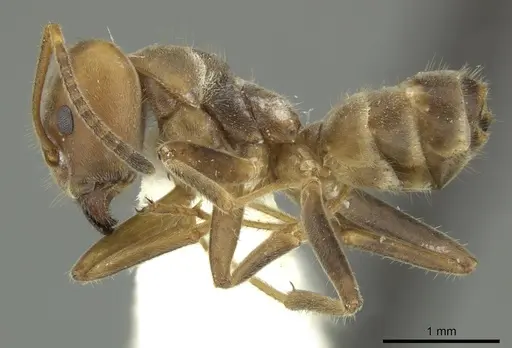
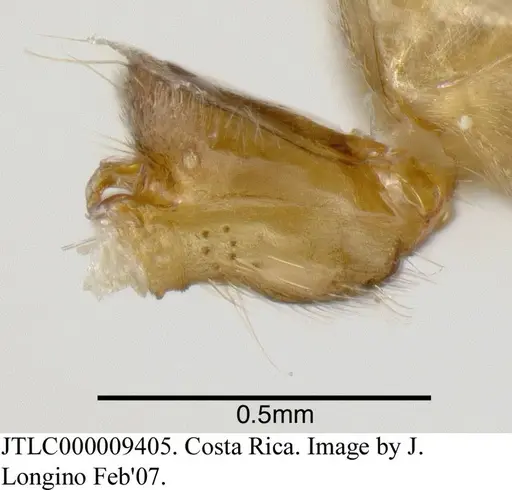
JTLC000009405
View on AntWeb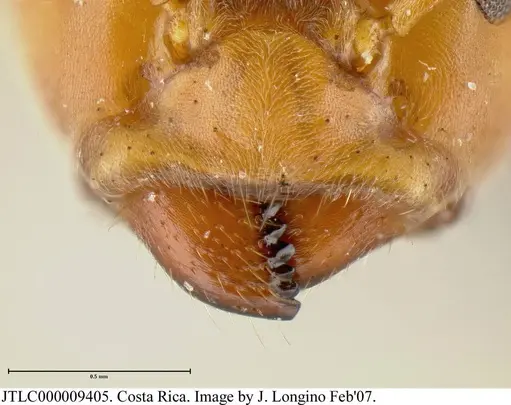
JTLC000009416
View on AntWeb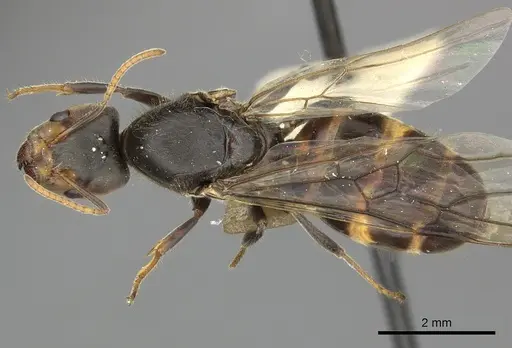
Literature
Loading...Loading products...