

Azteca sericea
- Scientific Name
- Azteca sericea
- Tribe
- Leptomyrmecini
- Subfamily
- Dolichoderinae
- Author
- Mayr, 1866
- Distribution
- Found in 1 countries
Azteca sericea Overview
Azteca sericea is an ant species of the genus Azteca. It is primarily documented in 1 countries , including Mexico. Detailed taxonomic data and occurrence records can be further explored via authoritative databases such as AntWeb or the Global Biodiversity Information Facility (GBIF).
Azteca sericea
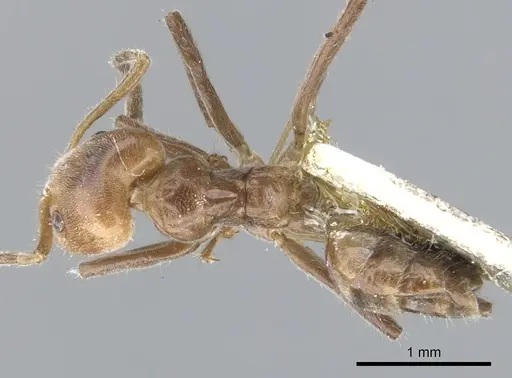
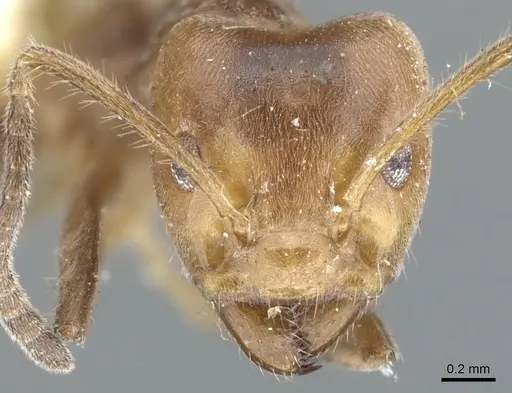
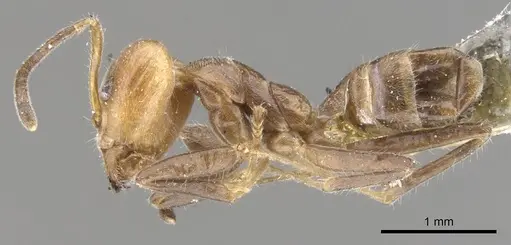
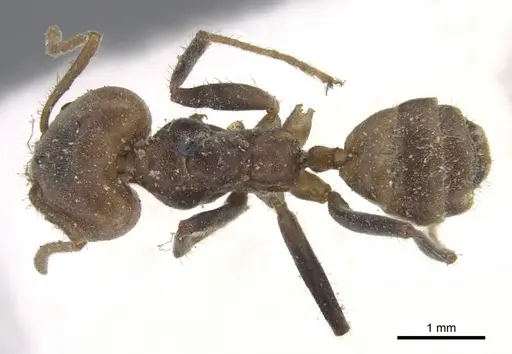
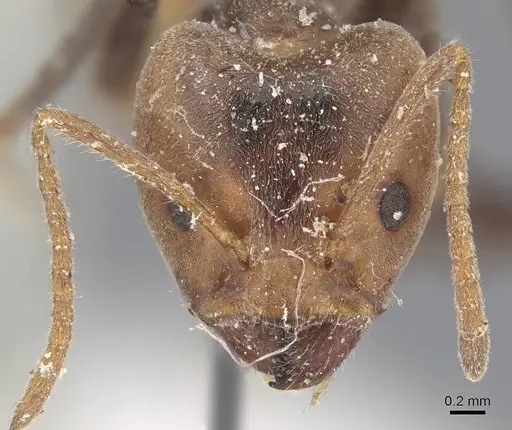
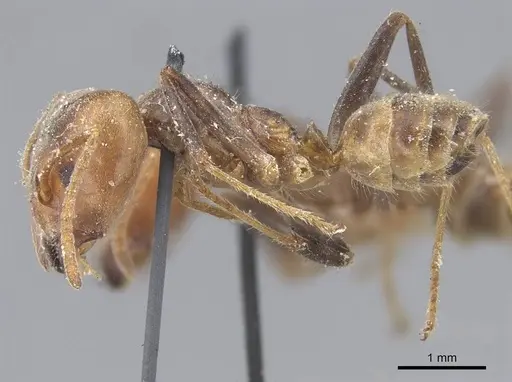
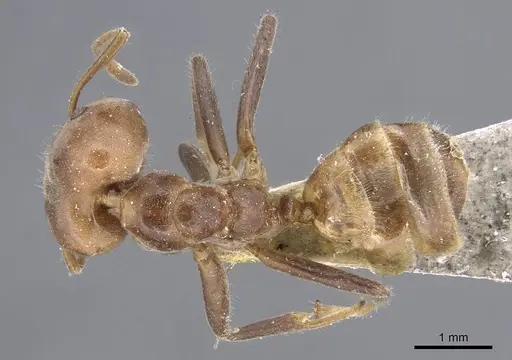
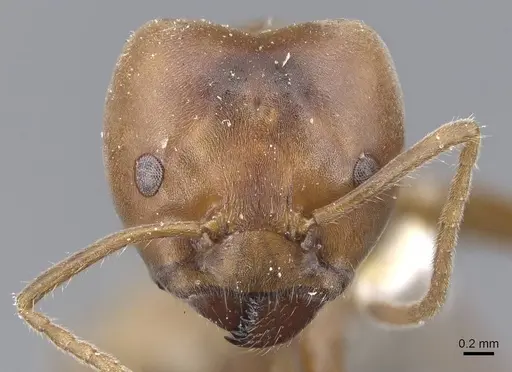
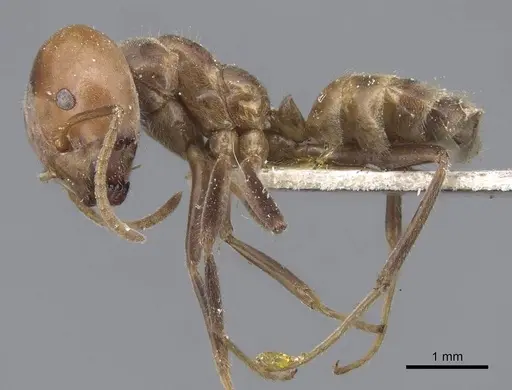
Azteca sericea is a medium-sized aggressive arboreal ant native to Mexico and Central America, found in moist to wet forest habitats from Mexico through Costa Rica and Panama. Workers measure 2-6mm with significant size variation between major and minor castes, featuring a dark brown to reddish-testaceous coloration with fine pubescence. Queens are larger at around 2mm head width and establish colonies in live stems of understory trees near the base. This species forms polydomous colonies, meaning the colony spreads across multiple nest sites spanning several square meters, with a permanent queen site in a protected location and numerous small ephemeral nests throughout the territory. What makes A. sericea particularly interesting is its role as a dominant canopy ant in coffee agroecosystems, where it forms mutualistic relationships with green coffee scale insects (Coccus viridis) and aggressively defends coffee plants from pests like the coffee berry borer.
Quick Summary
- Difficulty: Medium
- Origin & Habitat: Native to Mexico and Central America (Guatemala, Costa Rica, Panama), found in moist to wet forest habitats and shaded coffee agroecosystems at elevations around 1000-1200m [1][2][3].
- Colony Type: Polydomous, single queen colonies that spread across multiple nest sites spanning several square meters. The queen remains in a permanent well-protected location while workers and brood occupy numerous small ephemeral carton nests throughout the territory [1][2].
- Colony: Monogyne
- Size & Growth:
- Queen: Approximately 2mm head width (HLA 2.00mm, HW 2.00mm) [1]
- Worker: 2-6mm total length, major workers 3-4mm, minor workers 2-3mm [4][5]
- Colony: Colonies spread over several square meters with multiple nest sites, exact worker count unconfirmed but large [2]
- Growth: Moderate, inferred from tropical arboreal ant patterns
- Development: Unknown, no direct development data available for this species (Development timeline has not been directly studied. Related Azteca species in tropical habitats typically develop in 4-8 weeks at optimal temperatures.)
- Antkeeping:
- Temperature: As a tropical species, keep in warm conditions around 24-28°C. Room temperature within this range is suitable, with a slight gradient if possible.
- Humidity: Requires moderate to high humidity, these ants naturally live in moist forest environments. Keep nest substrate consistently damp but not waterlogged, with some drier areas available.
- Diapause: No, as a tropical species from Mexico and Central America, they do not require hibernation or winter dormancy [1].
- Nesting: This is an obligate arboreal nester. In captivity, they need vertical space with multiple nest chambers connected by tubes. They naturally nest in hollow plant stems, dead wood, and occasionally build carton structures. A Y-tong or acrylic nest with multiple connected chambers works well. They strongly prefer to walk on vegetation and twigs rather than cross bare ground [3].
- Behavior: Azteca sericea is highly aggressive and behaviorally dominant, they actively exclude other ant species from their territory and are aggressive toward most insects they encounter. They form foraging columns that extend across vegetation and the forest floor, connecting their multiple nest sites. Workers avoid walking on soil, instead using twigs, leaf litter, and other debris as pathways. They tend scale insects (particularly Coccus viridis) for honeydew and will defend these scale insects from predators. This species will readily attack and attempt to remove insect pests like coffee berry borers from plants they inhabit. Escape prevention is important given their active foraging behavior, they are adept at finding gaps in enclosure barriers.
- Common Issues: Tropical humidity requirements can be challenging to maintain consistently without causing mold, Polydomous colony structure means they need more vertical space than typical ground-nesting ants, Aggressive behavior makes them difficult to house with other ant species, keep in separate enclosures, They strongly prefer walking on vegetation and may struggle in enclosures without climbing structures, Wild-caught colonies may introduce scale insects or other pests into captivity
Natural History and Nesting
Azteca sericea is an obligate arboreal ant that nests in the trunks and stems of shade trees in tropical and subtropical forests. In the wild, colonies spread across multiple connected nest sites, the queen remains in a permanent protected location (typically near the base of a live tree stem) while workers and brood occupy numerous small carton nests throughout the territory. They occasionally build carton structures but more commonly nest in the hollow cores of live and dead trees, dead sticks, and plant stems. Studies in Mexican coffee farms found they prefer nesting in larger shade trees but show no strong preference for specific tree species, nest location correlates more with tree abundance than tree type. Colonies can spread over areas several square meters in size, connecting multiple nest sites through foraging columns that traverse low vegetation and the forest floor. They almost never walk directly on soil, instead using twigs and leaf litter as highways [3][1][2].
Feeding and Diet
Azteca sericea is omnivorous with a strong preference for sugar sources. Their primary food comes from honeydew produced by scale insects (particularly the green coffee scale, Coccus viridis) which they actively tend and protect. They also consume sugar from extrafloral nectaries on plants and will hunt small arthropod prey. In captivity, you should provide a constant sugar source (honey water or sugar water) alongside protein-rich prey like small crickets, mealworms, or other insects. Their aggressive foraging means they'll readily take prey items, but sugar should always be available. They are known to attack and remove insect pests (like coffee berry borers) from plants they inhabit, this predatory behavior suggests they will accept various small insects as prey. Feed protein prey 2-3 times per week and keep sugar water available at all times [3][6].
Temperature and Care
As a tropical species from Mexico and Central America, Azteca sericea requires warm, stable temperatures in the range of 24-28°C. They are found in moist to wet forest habitats and require moderate to high humidity, think damp forest floor conditions. Keep the nest substrate consistently moist but not waterlogged. Unlike temperate ants, they do not require any hibernation or winter dormancy period. Maintain temperatures year-round without seasonal drops. A heating cable on one side of the nest can help maintain warmth, but ensure there is a temperature gradient so ants can self-regulate. Because they are arboreal by nature, provide climbing structures and allow them to traverse between nest areas using tubes rather than forcing them across open ground [1][2].
Behavior and Temperament
This is one of the most aggressive ant species in its range, Azteca sericea actively dominates its territory and excludes other ant species. They are aggressive toward nearly all insects they encounter, including much larger predators. Their presence significantly alters local ant community composition, reducing species richness of competing ants while sometimes increasing overall ant activity in an area. Workers forage in columns and will travel significant distances along vegetation to reach food sources. They are highly active and vigilant defenders of their territory and any scale insects they tend. When caring for this species, be aware that they may attempt to escape when disturbed and will not hesitate to bite if handled. Their aggressive nature also means they should be housed well away from other ant colonies, cross-contamination or conflict would be inevitable [3][7][8].
Housing in Captivity
Captive housing for Azteca sericea requires a different approach than typical ground-nesting ants. Because they are obligate arboreal nesters with a polydomous colony structure, they need vertical space with multiple connected chambers rather than a single deep nest. Provide a Y-tong nest, acrylic formicarium, or similar setup with several chambers connected by tubes. Include climbing structures like twigs or artificial plants since they strongly prefer to walk on vegetation rather than cross bare surfaces. Ensure excellent escape prevention, these are active, intelligent ants that quickly find and exploit any gaps. Keep humidity high by moistening the nest substrate and providing a water tube. The outworld should include vertical surfaces for foraging and potential scale-insect hosts if you want to observe their natural tending behavior. Given their aggressive temperament, keep the enclosure secure and away from other ant colonies [3][1].
Frequently Asked Questions
How long does it take for Azteca sericea to produce first workers?
The exact development timeline is unknown for this species, it has not been directly studied. Based on related tropical Azteca species, expect approximately 4-8 weeks from egg to first worker at optimal warm temperatures (around 26°C). Be patient, as tropical species sometimes develop more slowly than temperate ants.
Can I keep Azteca sericea in a test tube setup?
Test tubes are not ideal for this species. Azteca sericea is an obligate arboreal ant that naturally nests in plant stems and tree hollows with a polydomous (multiple nest sites) colony structure. They need vertical space with multiple connected chambers. A Y-tong or acrylic formicarium with several chambers connected by tubes is more appropriate.
Are Azteca sericea good for beginners?
This species is rated as Medium difficulty. While not the most challenging species, it is not ideal for complete beginners. They require specific arboreal-style housing with multiple connected chambers, high humidity, and warm tropical temperatures. Their aggressive nature also means they require careful handling and excellent escape prevention. If you are new to antkeeping, consider starting with a more forgiving species first.
Can I keep multiple Azteca sericea queens together?
No, Azteca sericea is monogyne (single queen per colony). While colonies are polydomous (multiple nest sites), they maintain a single queen in one permanent protected location. Combining unrelated foundress queens has not been documented and is not recommended.
What do Azteca sericea eat?
They are omnivorous with a strong sweet tooth. Provide constant access to sugar water or honey water. For protein, offer small insects like fruit flies, pinhead crickets, or mealworms 2-3 times per week. They will also accept other small arthropods. Their natural diet centers on honeydew from scale insects, so sugar sources are essential [3][6].
Do Azteca sericea need hibernation?
No, as a tropical species from Mexico and Central America, they do not require hibernation or any winter temperature drop. Keep them warm year-round at 24-28°C. Seasonal temperature changes outside their natural range can stress the colony.
How big do Azteca sericea colonies get?
Colonies can become quite large and spread over several square meters in the wild, with numerous connected nest sites. While the exact maximum worker count is unconfirmed, their polydomous structure supports substantial colony sizes. Expect significant growth over time as the colony establishes multiple nest sites.
Why are my Azteca sericea dying?
Common causes include: low humidity (they need moist conditions), temperatures below 24°C (tropical species need warmth), improper housing (they need vertical arboreal setups, not horizontal ground nests), or stress from disturbance. They are also sensitive to crossing bare ground, ensure they have climbing structures. Check that sugar water is always available and protein is being offered regularly.
References

This caresheet is licensed under CC BY-SA 4.0 .
Literature
Loading...Loading products...