

Azteca schumannii
- Scientific Name
- Azteca schumannii
- Tribe
- Leptomyrmecini
- Subfamily
- Dolichoderinae
- Author
- Emery, 1893
- Distribution
- Found in 1 countries
Azteca schumannii Overview
Azteca schumannii is an ant species of the genus Azteca. It is primarily documented in 1 countries , including Brazil. Detailed taxonomic data and occurrence records can be further explored via authoritative databases such as AntWeb or the Global Biodiversity Information Facility (GBIF).
Azteca schumannii
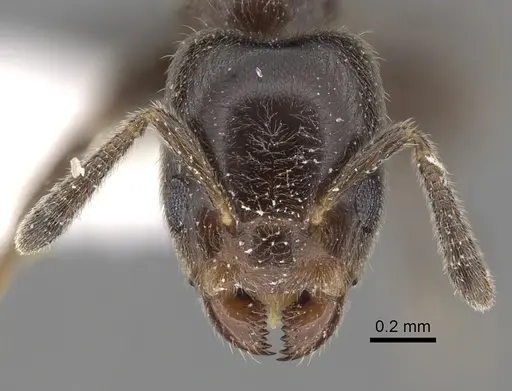
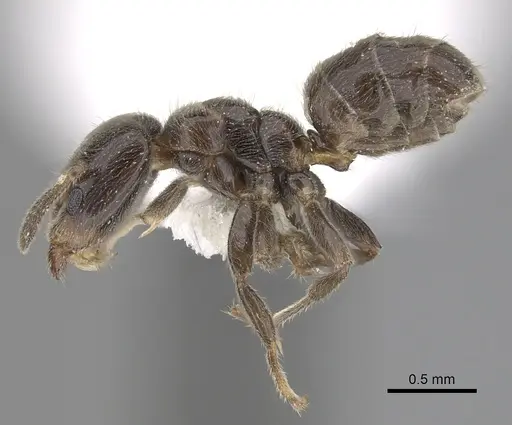
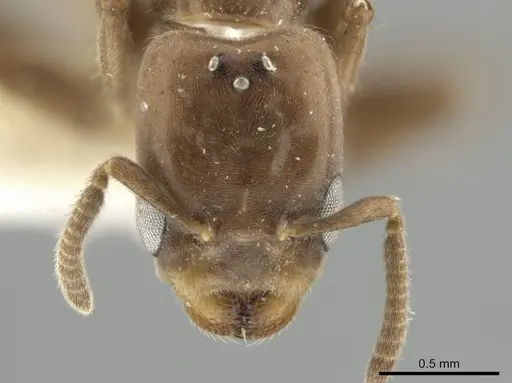
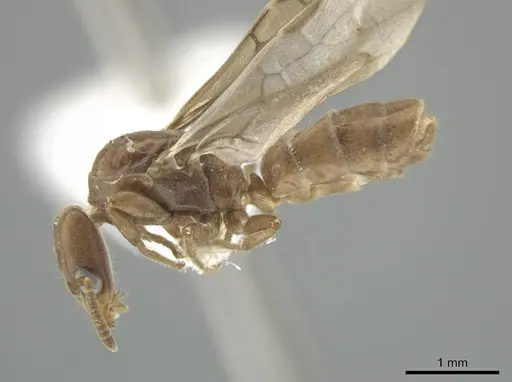
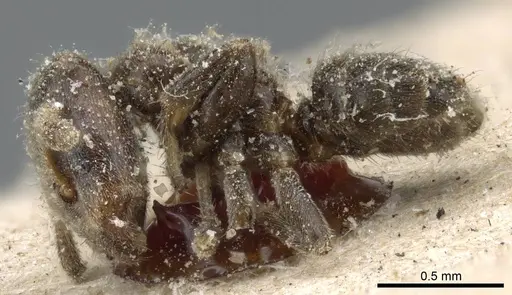
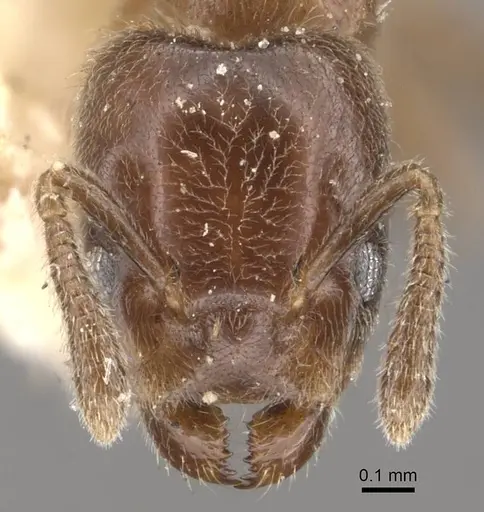
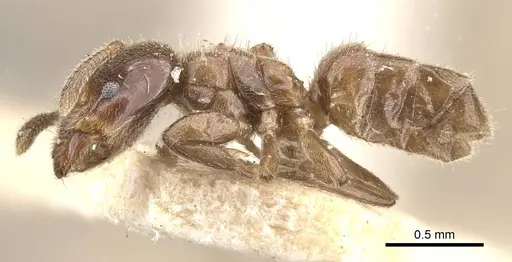
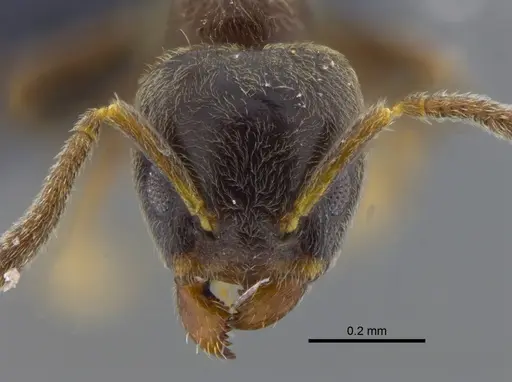
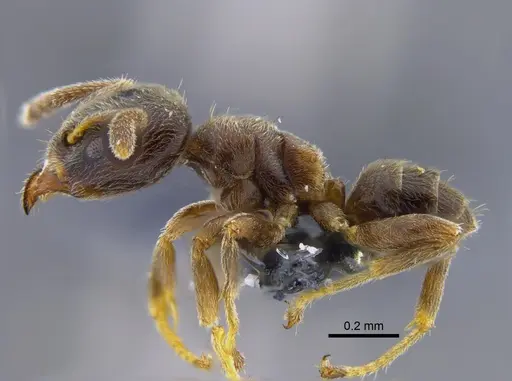
Azteca schumannii is a small Neotropical ant species native to the Amazon region of Brazil, Colombia, and Venezuela. Workers measure just 2mm and are brown with paler mouthparts, antennae, and legs. The antennae have a distinctive thickened flagellum toward the tip, and the head is moderately elongated. Queens are larger at about 4mm with a subrectangular head. This species is unusual because it nests inside leaf vesicles (specialized structures) of the plant Chrysobalanea hirtella, making it a true plant-dwelling ant rather than a ground-nesting species [1][2][3].
Quick Summary
- Difficulty: Medium
- Origin & Habitat: Found across the Amazon region of Brazil, Colombia, and Venezuela. In the wild, these ants live inside specialized leaf structures of Chrysobalanea hirtella plants, this plant-ant relationship provides them with shelter while the ants may protect the plant [1][2][3].
- Colony Type: Colony structure is unconfirmed. Based on related Azteca species, they are likely polygynous (multiple queens) as many Azteca species form large colonies in plants, but this is not directly documented for A. schumannii.
- Size & Growth:
- Queen: 4mm [1], estimated from original description
- Worker: 2mm [1], from type specimens
- Colony: Unknown, no colony size data available
- Growth: Unknown, no development data available
- Development: Unknown, no direct development data for this species. Based on typical Azteca/Dolichoderinae patterns in tropical conditions, estimate 6-10 weeks at warm temperatures, but this is a rough guess. (Development timeline is unconfirmed. Related tropical Dolichoderines typically develop faster than temperate species due to year-round warm conditions.)
- Antkeeping:
- Temperature: Keep warm, around 24-28°C. This species comes from the tropical Amazon where temperatures are consistently warm year-round. A heating cable on one side of the nest creates a gradient allowing ants to self-regulate
- Humidity: High humidity is essential, these ants live inside plant structures where humidity stays consistently high. Keep the nest substrate or setup at 70-85% humidity. Mist occasionally and ensure water is available. The setup should feel damp but not waterlogged
- Diapause: No, as a tropical species, they do not require hibernation. Keep temperatures stable year-round without cooling periods
- Nesting: This is the most challenging aspect. In nature they live inside leaf vesicles of plants, so they need a humid, enclosed space. A small test tube setup with tight chambers works for founding colonies. For established colonies, a small acrylic nest or naturalistic setup with moist substrate works well. The key is providing a humid, enclosed space scaled to their tiny 2mm workers
- Behavior: These are small, relatively docile ants that live in plant structures. They are not aggressive and likely have minimal defense capabilities beyond their small size. Workers are active and forage for honeydew and small prey. Escape prevention is critical, at only 2mm, they can easily slip through standard barrier setups. Use fine mesh and tight-fitting lids. They are not known to sting
- Common Issues: escape prevention is critical, their tiny 2mm size means they can squeeze through the smallest gaps, use fine mesh barriers and check all connections, high humidity requirements can lead to mold problems if ventilation is poor, balance humidity with adequate airflow, no specific diet data exists, start with sugar water/honey and small live prey like fruit flies or springtails, their plant-nesting nature means they may struggle in dry, open setups, provide enclosed humid chambers, growth rate is unknown so patience is required, don't overfeed or disturb founding colonies
Natural History and Distribution
Azteca schumannii is found across the northern South American Amazon region, including Brazil, Colombia, and Venezuela. What makes this species particularly interesting is its association with the plant Chrysobalanea hirtella. Unlike most ants that nest in soil or rotting wood, A. schumannii lives inside specialized leaf structures called vesicles that the plant forms. This is a mutualistic relationship, the plant provides protected housing for the ants, and the ants likely provide protection against herbivores. The original specimens were collected from the Guainia River, a tributary of the Cassiquiare in Venezuela [1][2][3]. The subspecies A. schumannii dubia and A. schumannii taediosa are also recognized, though their specific distributions differ slightly [4].
Housing and Nest Setup
Keeping Azteca schumannii requires recreating their natural plant-dwelling habitat. For a founding queen, a small test tube setup works well, fill it partially with distilled water backed by a cotton plug, then add the queen to the dry end. Seal with a tight-fitting lid. The tube should be kept horizontal or slightly elevated so the queen can retreat from any condensation. For small colonies, a small acrylic nest or a naturalistic setup with moist substrate works. The key is providing a humid, enclosed space, these ants are not suited to open, dry formicaria. Because workers are only 2mm, ensure all connections and barriers are escape-proof. A layer of Fluon on the inner walls of the setup helps prevent escapes
Feeding and Diet
Specific dietary preferences for A. schumannii are not documented in scientific literature. As a Dolichoderine ant, they likely feed on honeydew from aphids and scale insects, plus small insects for protein. In captivity, offer sugar water or diluted honey as a constant energy source. For protein, small live prey is best, fruit flies, pinhead crickets, or small mealworms work well. Start with small portions and observe what the workers accept. Avoid overfeeding as uneaten prey can attract mold in the humid setup they require. Fresh water should always be available
Temperature and Humidity Requirements
As a tropical Amazon species, Azteca schumannii requires warm and humid conditions year-round. Aim for temperatures between 24-28°C, this matches their natural environment where temperatures remain consistently warm. A small heating cable placed on part of the nest creates a temperature gradient, allowing ants to self-regulate. Place the heating on top of the nest, not underneath, to avoid evaporating moisture too quickly. Humidity should be high, around 70-85%. The substrate should feel consistently damp but never waterlogged. Mist the setup occasionally and check that condensation doesn't pool. Unlike temperate species, they do not require any cooling period or hibernation, keep conditions stable throughout the year
Behavior and Temperament
Azteca schumannii workers are small at just 2mm and relatively docile. They are active foragers, likely collecting honeydew from their plant host in the wild. Dolichoderine ants do not have a functional sting, so they pose no danger to keepers, their primary defense is their small size and ability to escape into tight spaces. Workers are likely to be more active during warmer parts of the day. The colony will expand gradually, and queens can produce workers continuously in warm conditions. Watch for dealate queens (wings removed) if nuptial flights occur, these would indicate the colony is producing reproductive ants
Frequently Asked Questions
How long does it take for Azteca schumannii to produce first workers?
The exact timeline is unknown as this species has not been studied in captivity. Based on typical Dolichoderinae development in tropical conditions, expect 6-10 weeks from egg to worker at optimal warm temperatures (around 26°C). However, this is an estimate, actual development time may vary.
What do Azteca schumannii ants eat?
Specific diet data is not available, but like other Dolichoderines, they likely accept sugar sources (honey, sugar water) and small live prey. Offer sugar water constantly and protein (small insects like fruit flies) a few times per week. Start with small amounts and adjust based on what workers accept.
What temperature do Azteca schumannii ants need?
Keep them warm at 24-28°C. This tropical Amazon species requires consistent warmth year-round with no cooling or hibernation period. A small heating cable on part of the nest creates a useful gradient.
Are Azteca schumannii good for beginners?
This species is rated as medium difficulty. While they are small and docile, their specific requirements (high humidity, plant-like nesting, escape prevention) and lack of documented care information make them better suited for keepers with some experience. They are not recommended as a first ant species.
How big do Azteca schumannii colonies get?
Colony size data is not available for this species. Based on related Azteca species that live in plant structures, colonies likely reach several hundred workers. Growth is expected to be slow initially with acceleration once the colony establishes.
Can I keep multiple Azteca schumannii queens together?
Colony structure is unconfirmed for this species. Many Azteca species are polygynous (multiple queens), but this has not been documented for A. schumannii. It is not recommended to combine unrelated foundress queens as aggression and colony failure may result.
Why are my Azteca schumannii escaping?
At only 2mm, workers are extremely small and can squeeze through tiny gaps. Use fine mesh (at least 0.5mm or smaller), apply Fluon to inner walls, and check all connections and lid seams regularly. Even a small gap will result in escapes.
Do Azteca schumannii need hibernation?
No, as a tropical Amazon species, they do not require any hibernation or cooling period. Keep temperatures stable and warm year-round. Cooling them down can stress or kill the colony.
What humidity level do Azteca schumannii need?
High humidity is essential, aim for 70-85%. These ants live inside plant structures in the wild where humidity stays consistently high. Keep the nest substrate damp but not waterlogged, and provide occasional misting.
References

This caresheet is licensed under CC BY-SA 4.0 .
CASENT0249550
View on AntWeb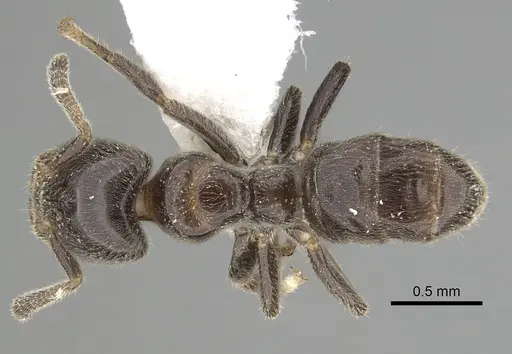
CASENT0624288
View on AntWeb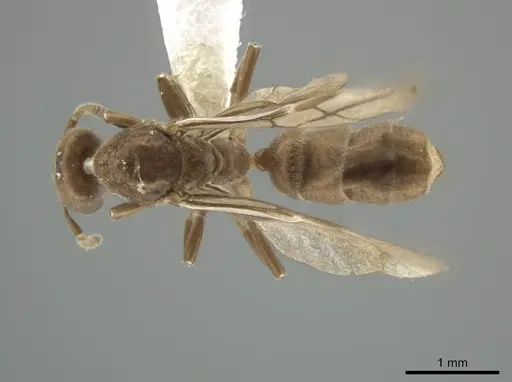
CASENT0905102
View on AntWeb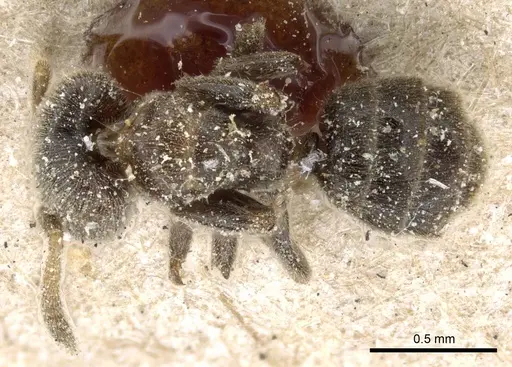
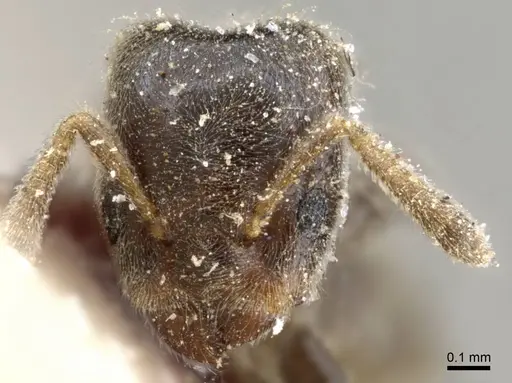
CASENT0909671
View on AntWeb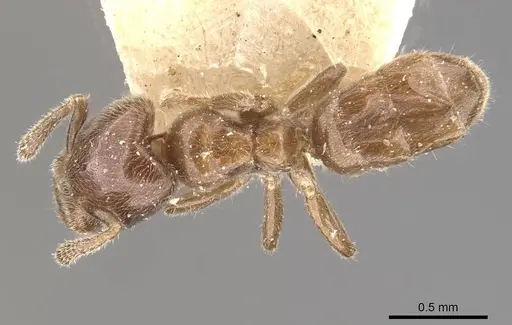
CBUMAGENT41914
View on AntWeb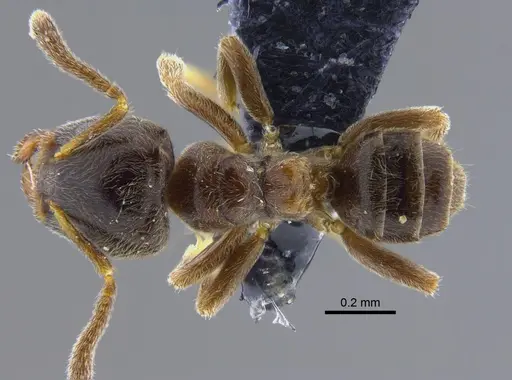
Literature
Loading...Loading products...