

Azteca polymorpha
- Scientific Name
- Azteca polymorpha
- Tribe
- Leptomyrmecini
- Subfamily
- Dolichoderinae
- Author
- Forel, 1899
- Distribution
- Found in 1 countries
Azteca polymorpha Overview
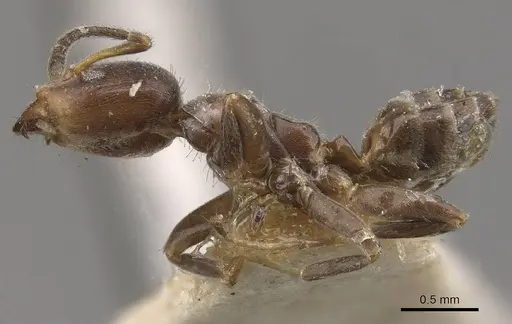
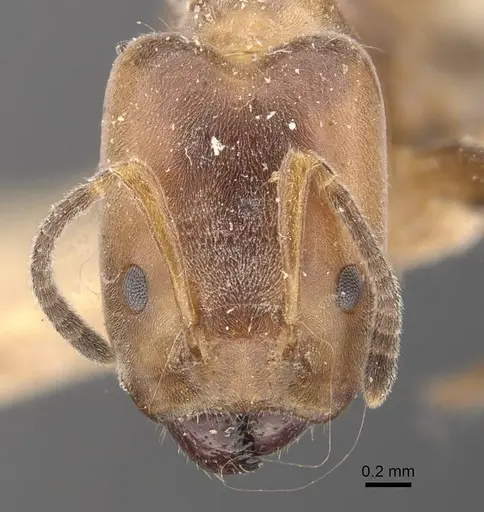
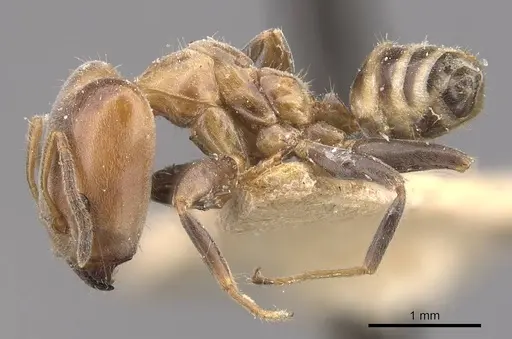
Azteca polymorpha is an ant species of the genus Azteca. It is primarily documented in 1 countries , including Brazil. Detailed taxonomic data and occurrence records can be further explored via authoritative databases such as AntWeb or the Global Biodiversity Information Facility (GBIF).
Azteca polymorpha
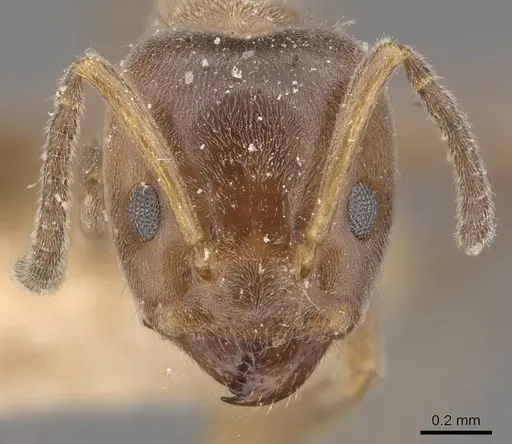
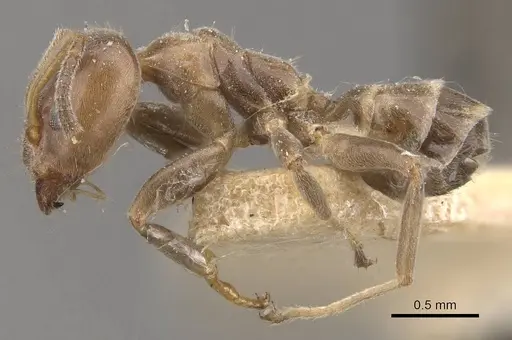
Azteca polymorpha is a small to medium-sized ant in the subfamily Dolichoderinae. Workers are typically dark brown to black in color. This species is native to the Neotropical region, specifically found in Colombia (Magdalena department) and Brazil [1][2]. Like other Azteca species, these ants are corticicole, meaning they live on tree bark rather than in ground nests [3]. This arboreal lifestyle is a key characteristic that sets them apart from many common ground-nesting ants kept in captivity.
Quick Summary
- Difficulty: Medium
- Origin & Habitat: Native to the Neotropical region of South America, specifically Colombia (Magdalena department) and Brazil. As corticicole ants, they live on tree bark in humid tropical environments [3][1].
- Colony Type: Colony structure is unconfirmed. Based on typical Azteca patterns, they likely form single-queen colonies, though multi-queen colonies have been observed in some Azteca species.
- Size & Growth:
- Queen: Unknown, estimated 7-10mm based on typical Azteca queen size
- Worker: Unknown, estimated 3-5mm based on genus patterns
- Colony: Unknown, likely several hundred workers based on related species
- Growth: Moderate, inferred from tropical ant development patterns
- Development: Estimated 6-10 weeks at tropical temperatures (24-28°C) based on typical Dolichoderinae development (Direct development data unavailable, estimate based on genus-level patterns for tropical ants)
- Antkeeping:
- Temperature: Keep at 24-28°C. As a tropical species from Colombia and Brazil, they need warm, stable temperatures. A heating cable on one side of the nest creates a suitable gradient.
- Humidity: High humidity is essential. These arboreal ants naturally experience humid conditions in tropical forests. Keep substrate consistently moist but not waterlogged. Mist occasionally and provide a water source.
- Diapause: No, as a tropical species, they do not require hibernation. Maintain warm conditions year-round.
- Nesting: Arboreal setup recommended. These ants live on tree bark in the wild, so they prefer setups that mimic elevated, protected spaces. Y-tong nests, acrylic nests with high chambers, or naturalistic setups with bark/wood pieces work well. Avoid deep soil nests.
- Behavior: Active and alert workers. Azteca ants are known for being relatively quick and agile. They are not particularly aggressive toward keepers but will defend their nest. Escape prevention is important, use fine mesh barriers as workers are small enough to escape through standard gaps. They likely forage for honeydew and small insects on vegetation.
- Common Issues: tropical humidity requirements can be difficult to maintain consistently, arboreal nature means standard ground nests may not be ideal, escape prevention critical due to small worker size, limited species-specific information makes care more challenging, maintaining stable warm temperatures year-round is essential
Natural History and Distribution
Azteca polymorpha is found in the Neotropical region of South America, specifically in Colombia's Magdalena department and in Brazil [1][2]. The type locality was described from Magdalena, Colombia [3]. This species is corticicole, meaning it lives on tree bark rather than nesting in soil or rotting wood on the ground [3]. This arboreal lifestyle is characteristic of many Azteca species, which have evolved to inhabit elevated microhabitats in tropical forests. The tropical distribution suggests they are adapted to warm, humid conditions with minimal seasonal temperature variation.
Nest Preferences and Housing
Because Azteca polymorpha is corticicole (lives on tree bark), captive housing should reflect their natural arboreal lifestyle. Standard test tubes work for founding colonies but may not be ideal long-term. Y-tong (AAC) nests or acrylic nests with appropriately sized chambers work better. You can also create naturalistic setups with pieces of bark, cork, or wood to simulate their natural environment. The nest should have narrow chambers and passages scaled to their worker size. Avoid deep soil(formicarium) setups, these ants prefer elevated, protected spaces. Ensure excellent escape prevention as their small size allows them to slip through tiny gaps. [3]
Temperature and Humidity Requirements
As a tropical species from Colombia and Brazil, Azteca polymorpha requires warm and humid conditions. Maintain temperatures between 24-28°C year-round. A heating cable placed on one side of the nest creates a temperature gradient, allowing ants to self-regulate. High humidity is essential, these ants naturally experience the humid conditions of tropical forests. Keep the nest substrate consistently moist but not waterlogged. Mist the outworld occasionally and always provide a fresh water source. Avoid temperatures below 20°C or sudden temperature drops, as this can stress or kill the colony.
Feeding and Diet
Like other Dolichoderinae ants, Azteca polymorpha likely has a varied diet. In the wild, they probably forage for honeydew from aphids and scale insects, and hunt small insects. In captivity, offer sugar water or honey as a constant energy source. For protein, provide small insects like fruit flies, pinhead crickets, or mealworms. Feed protein sources 2-3 times per week, adjusting based on colony size. Remove uneaten prey after 24-48 hours to prevent mold. Fresh water should always be available.
Colony Development and Growth
Specific development data for Azteca polymorpha is not available. Based on typical Dolichoderinae patterns and related tropical ants, expect development from egg to first worker (nanitics) to take approximately 6-10 weeks at optimal temperatures of 24-28°C. The first workers will be smaller than normal workers (nanitics) and the colony will grow gradually. Growth rate is likely moderate, faster than temperate species but not as rapid as some invasive Dolichoderinae. Colonies probably reach several hundred workers at maturity. Be patient during the founding phase, queens may take several weeks to lay their first eggs and several more months before the first workers emerge.
Frequently Asked Questions
How long does it take for Azteca polymorpha to produce first workers?
Based on typical Dolichoderinae development patterns, expect 6-10 weeks from egg to first worker at optimal temperatures of 24-28°C. The exact timeline is unconfirmed for this species.
What is the best nest type for Azteca polymorpha?
Arboreal-style nests work best. Y-tong (AAC) nests, acrylic nests, or naturalistic setups with bark/cork pieces mimic their natural tree-bark habitat. Avoid deep soil formicariums.
Do Azteca polymorpha ants need hibernation?
No. As a tropical species from Colombia and Brazil, they do not require hibernation. Keep them warm year-round at 24-28°C.
What do Azteca polymorpha eat?
They likely accept sugar sources (honey, sugar water) and small insects (fruit flies, pinhead crickets, mealworms). This matches typical Dolichoderinae diet preferences.
Are Azteca polymorpha good for beginners?
This species is rated Medium difficulty. While not the hardest species, the limited species-specific information and specific arboreal/humidity requirements make it better suited for keepers with some experience.
How big do Azteca polymorpha colonies get?
Colony size is unconfirmed for this species. Based on related Azteca species, colonies likely reach several hundred workers at maturity.
Can I keep multiple queens together?
Colony structure is unconfirmed for this species. Based on typical Azteca patterns, single-queen colonies are most common. Combining unrelated queens is not recommended without species-specific documentation.
Why are my Azteca polymorpha dying?
Common causes include: temperatures below 20°C, low humidity, poor escape prevention, or mold from overwatering. Review your temperature and humidity levels first.
When should I move Azteca polymorpha to a formicarium?
Move to a larger nest once the colony reaches 20-30 workers or when the test tube becomes crowded. Ensure the new setup maintains appropriate humidity and has appropriately sized chambers.
References

This caresheet is licensed under CC BY-SA 4.0 .
CASENT0903019
View on AntWeb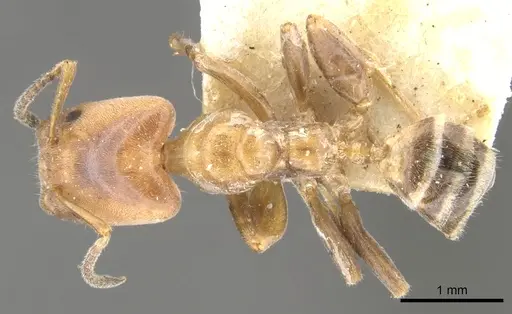
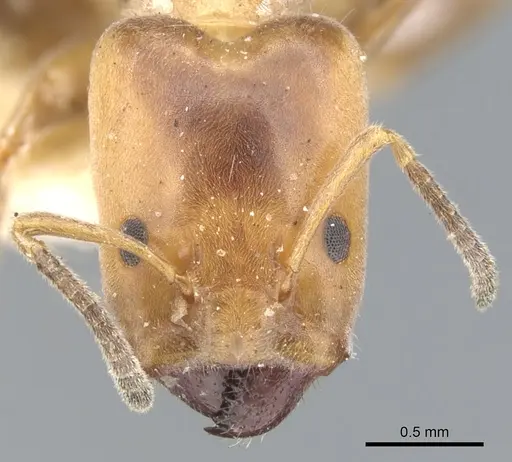
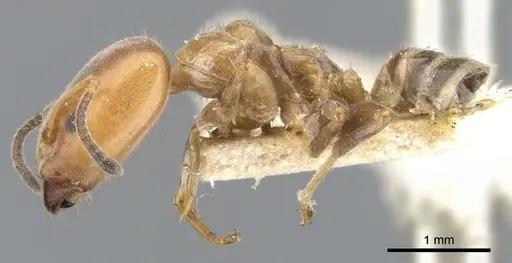
CASENT0909667
View on AntWeb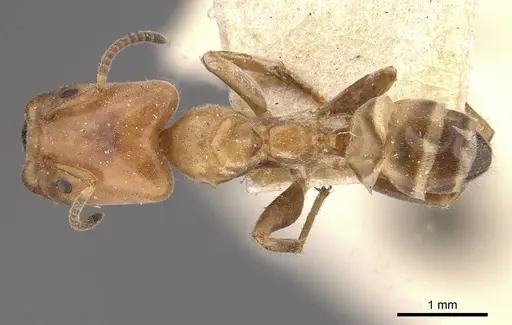
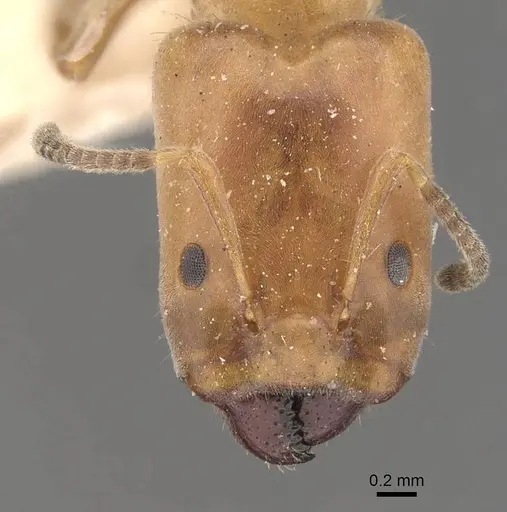
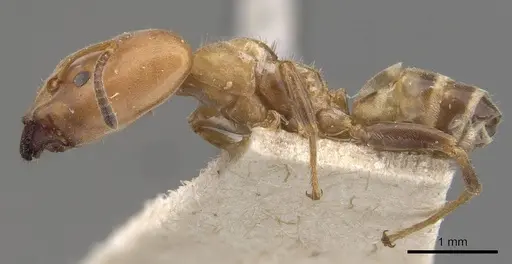
CASENT0909668
View on AntWeb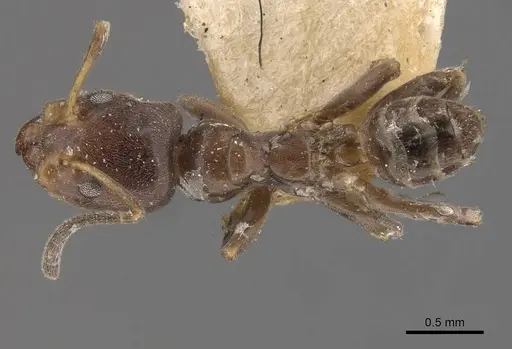
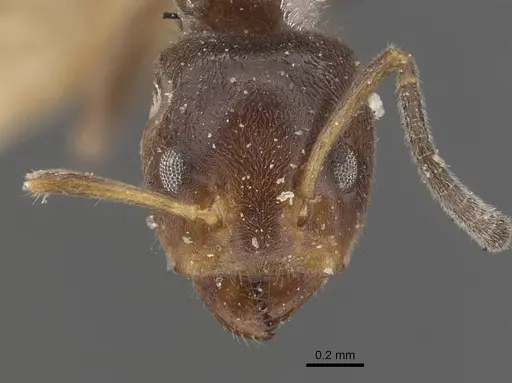
CASENT0909669
View on AntWeb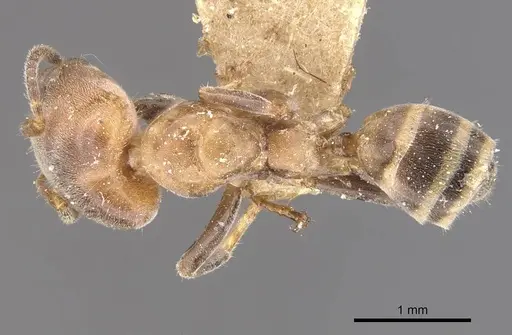
CASENT0909670
View on AntWeb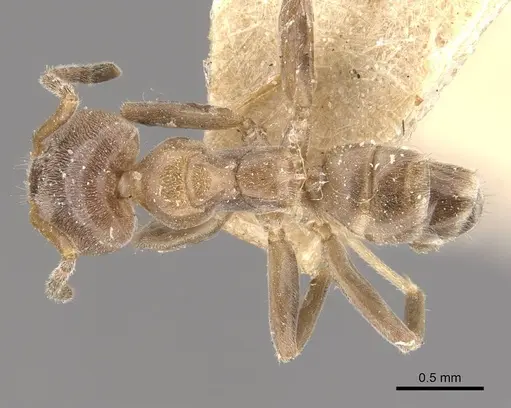
Literature
Loading...Loading products...