

Azteca petalocephala
- Scientific Name
- Azteca petalocephala
- Tribe
- Leptomyrmecini
- Subfamily
- Dolichoderinae
- Author
- Longino, 1991
- Distribution
- Found in 2 countries
Azteca petalocephala Overview
Azteca petalocephala is an ant species of the genus Azteca. It is primarily documented in 2 countries , including Bolivia, Plurinational State of, Peru. Detailed taxonomic data and occurrence records can be further explored via authoritative databases such as AntWeb or the Global Biodiversity Information Facility (GBIF).
Azteca petalocephala
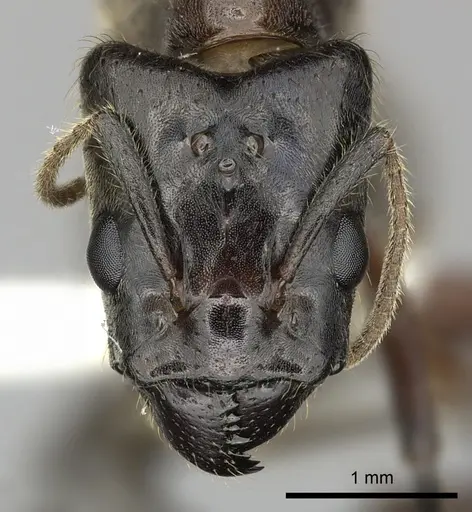
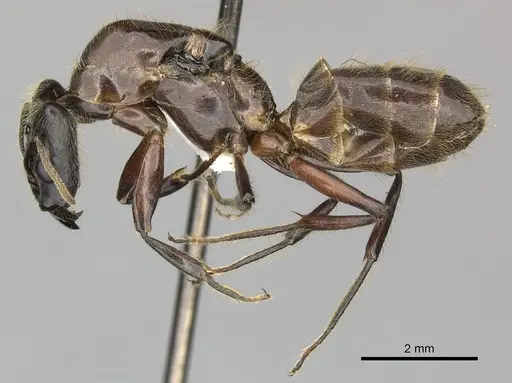
Azteca petalocephala is a Neotropical ant species belonging to the muelleri complex. Queens display a striking mottled orange to pure orange coloration, making them visually distinctive among Azteca species. Workers have large subpyramidal petioles and densely pilose (hairy) tibae, morphological features that help distinguish them from related species. This species forms specialized carton nests within Cecropia trees, creating internal structures in the tree bole that serve as the colony's living space. Found in Peru, these ants are part of a genus known for their mutualistic relationship with Cecropia plants, though this particular species shows the classic Azteca trait of building elaborate internal carton formations.
Quick Summary
- Difficulty: Expert
- Origin & Habitat: Native to Peru in South America. In the wild, these ants nest exclusively inside Cecropia trees, constructing carton structures within the tree bole rather than using external domatia. This is a specialized nesting habit unique to certain Azteca species in the muelleri complex [1][2].
- Colony Type: Colony structure is unconfirmed for this specific species. However, Azteca species in the muelleri complex typically form polygynous (multi-queen) colonies within their Cecropia hosts. Multiple reproductive queens coexist in the central carton structure within the tree [1].
- Colony: Polygyne
- Size & Growth:
- Queen: Estimated 12-16mm based on typical Azteca queen size in the muelleri complex, direct measurements not available [1]
- Worker: Estimated 5-9mm based on genus patterns, direct measurements not available
- Colony: Likely several hundred to a few thousand workers based on typical Azteca colony sizes in Cecropia associations
- Growth: Moderate, tropical species with year-round development potential
- Development: Estimated 6-10 weeks at tropical temperatures (25-28°C), based on typical Azteca development patterns (Direct development data unavailable. Tropical species typically develop faster than temperate ants when kept warm consistently.)
- Antkeeping:
- Temperature: Keep at 24-28°C. These are strict tropical ants requiring warm, stable conditions year-round. A heating cable on one side of the nest creates an appropriate gradient. Room temperature below 22°C will likely cause slowdown or colony decline.
- Humidity: High humidity required, aim for 70-85% relative humidity. In captivity, maintain moist nest substrate and ensure good ventilation to prevent mold while retaining humidity. These ants evolved in the humid understory of Neotropical forests.
- Diapause: No, Azteca petalocephala does not undergo true hibernation. As a permanent tropical species, they require warm conditions year-round. Colony activity may slow slightly during cooler periods but they do not enter diapause.
- Nesting: This is the critical challenge. In nature, they nest inside Cecropia trees, building carton structures within the tree bole. Captive options are limited: a large naturalistic setup with a hollowed wood or cork section that the ants can line with carton material, or a spacious acrylic/formicarium setup with multiple connected chambers. They need significant vertical space to simulate a tree cavity. Standard test tubes are completely unsuitable for this species.
- Behavior: Azteca petalocephala is an aggressive defender of its host tree. Workers are highly territorial and will readily attack threats. They have functional stingers but the pain level is mild to moderate for humans, these ants are not considered dangerous but can deliver repeated stings if provoked. They are excellent climbers and will explore widely in search of honeydew and prey. Escape prevention is essential, they are medium-to-large ants but can squeeze through moderately sized gaps. They are primarily nocturnal or crepuscular foragers, showing peak activity in evening hours.
- Common Issues: Nesting difficulty, these ants require specialized tree-cavity or carton-building setups that most antkeepers cannot provide, Temperature maintenance, any prolonged period below 22°C can stress or kill the colony, Humidity management, too dry causes desiccation, too wet causes mold problems, Colony stress from disturbance, Azteca in tree boles are sensitive to vibrations and repeated nest inspections, Finding appropriate host setup, cannot be kept in standard formicaria designed for ground-nesting ants
Natural History and Host Association
Azteca petalocephala is a member of the muelleri complex, a group of Azteca species known for their specialized nesting behavior within Cecropia trees. Unlike many Azteca species that use the hollow stems and domatia (pre-formed cavities) of Cecropia plants, A. petalocephala and its relatives actively construct their own carton nests inside the tree bole. This 'central carton' formation is a remarkable architectural achievement, workers build internal structures from plant fibers and wax, creating a fortified nest chamber within the living tree [1]. This species has been recorded in Peru, where it inhabits lowland tropical forest environments [2]. The queens are distinctive, displaying mottled orange to pure orange coloration, a trait shared with other species in the muelleri complex [1].
Housing and Nesting Requirements
Housing Azteca petalocephala presents significant challenges that make this an expert-only species. In captivity, you cannot replicate a Cecropia tree, but you can create a suitable approximation. The best approach is a naturalistic setup using a large section of cork, balsa wood, or a similar material that the ants can hollow out and line with their characteristic carton material. Alternatively, a spacious acrylic nest with multiple large chambers connected by wide tunnels can work if provided with appropriate building materials. The nest must be positioned vertically to simulate a tree cavity. Standard test tubes, small formicaria, and Y-tong nests are completely unsuitable, these ants need substantial space and the ability to construct their nest architecture. The outworld should be large and well-structured to allow foraging. Escape prevention is important but not as critical as for tiny ants, they are medium-sized and cannot squeeze through properly sealed gaps [1].
Temperature and Climate Care
As a strict tropical species from Peru, Azteca petalocephala requires warm, stable temperatures year-round. Maintain nest temperatures between 24-28°C, with a slight gradient allowing workers to self-regulate. A heating cable placed on one side of the nest (on top of the nest material, not underneath to avoid evaporation issues) works well to create this gradient. Room temperatures below 22°C will cause the colony to become sluggish, and prolonged cold periods can be fatal. Unlike temperate species, they do not enter hibernation or winter dormancy, their metabolism remains active year-round when kept warm. This means you must provide heating consistently, including during any power outages or winter months. The combination of high humidity and heating requires careful ventilation management to prevent mold while retaining moisture.
Feeding and Nutrition
In their natural Cecropia associations, Azteca petalocephala feeds on honeydew from scale insects and aphids tended on the host tree, plus small insects and arthropods caught by workers. In captivity, provide a varied diet: sugar water or honey water should be available constantly as a primary energy source. For protein, offer small insects like fruit flies, small crickets, mealworms, and other appropriately-sized arthropods. Feed protein prey 2-3 times per week, adjusting based on colony size and consumption. Fresh water should always be available. These ants are not specialized predators but are generalist omnivores typical of the genus. They are primarily nocturnal foragers, so place food in the evening and check the next morning for consumption.
Colony Structure and Social Organization
Azteca petalocephala forms polygynous colonies with multiple queens coexisting in the central carton nest structure [1]. This is different from many ant species where queens compete or the colony becomes monogyne after founding. In the muelleri complex, the multi-queen structure appears stable long-term, with queens remaining together in the carton nest within the tree bole. Workers, queens, and brood are all housed in this central carton structure, which provides protection and humidity regulation. The colony grows progressively as new workers emerge, with the queen(s) continuing to lay eggs. Unlike ground-nesting species, these ants cannot be easily divided or re-queened, the entire colony structure is specialized for their arboreal lifestyle. If you acquire a colony, it should be kept intact.
Frequently Asked Questions
Can I keep Azteca petalocephala in a test tube?
No. Test tubes are completely unsuitable for this species. Azteca petalocephala requires a large, vertical nesting space that simulates a tree cavity. They need room to build their characteristic carton structures. Use a naturalistic setup with a cork or wood section they can inhabit, or a spacious multi-chamber acrylic nest.
What temperature does Azteca petalocephala need?
Keep them at 24-28°C consistently. These are strict tropical ants that do not tolerate cool temperatures. A heating cable on one side of the nest creates an appropriate gradient. Room temperatures below 22°C will stress the colony.
How long does it take for first workers to emerge?
Estimated 6-10 weeks from egg to worker at optimal tropical temperatures (25-28°C). This is based on typical Azteca development patterns, as specific development data for this species is not available.
Are Azteca petalocephala good for beginners?
No. This is an expert-level species due to its specialized nesting requirements. They need a custom-built arboreal-style nest, high humidity, constant warmth year-round, and cannot be housed in standard ant-keeping equipment. Most antkeepers should start with easier species.
Can I keep multiple queens together?
Yes, this is normal for the species. Azteca petalocephala forms polygynous colonies with multiple queens living together in the central carton nest. However, you should not combine unrelated foundress queens, only keep a colony as it was naturally established.
Do Azteca petalocephala need hibernation?
No. As a strict tropical species from Peru, they do not undergo hibernation or diapause. They require warm conditions year-round. Colony activity may slow slightly during cooler periods but they remain active.
What do Azteca petalocephala eat?
They are omnivores. Provide constant access to sugar water or honey water for energy. Feed protein prey (small insects like fruit flies, crickets, mealworms) 2-3 times per week. Fresh water should always be available.
How big do Azteca petalocephala colonies get?
Colonies likely reach several hundred to a few thousand workers based on typical Azteca-Cecropia associations. The exact maximum is not documented, but they are not among the largest Azteca species.
Why is my Azteca petalocephala colony dying?
Common causes include: temperatures below 22°C, low humidity (below 60%), improper nesting setup (too small or wrong orientation), mold from overwatering with poor ventilation, or stress from excessive disturbance. This species is sensitive and requires precise conditions.
References

This caresheet is licensed under CC BY-SA 4.0 .
CASENT0249548
View on AntWeb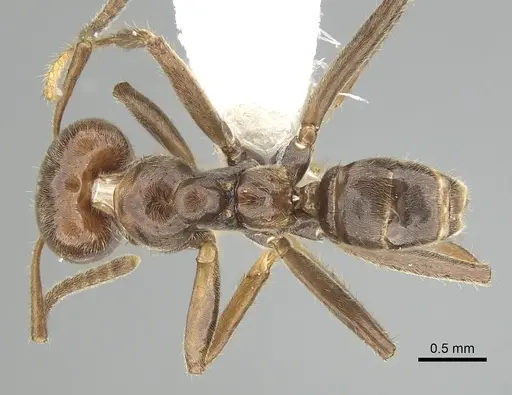
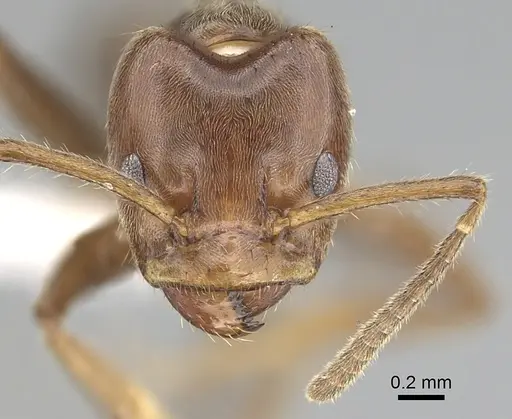
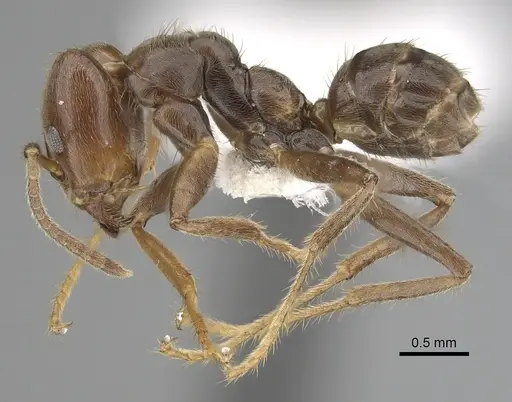
CASENT0249598
View on AntWeb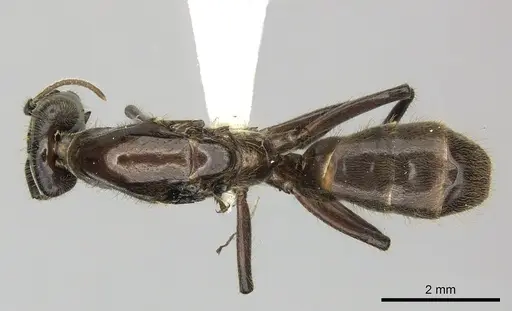
Literature
Loading...Loading products...