

Azteca olitrix
- Scientific Name
- Azteca olitrix
- Tribe
- Leptomyrmecini
- Subfamily
- Dolichoderinae
- Author
- Forel, 1904
- Distribution
- Found in 1 countries
Azteca olitrix Overview
Azteca olitrix is an ant species of the genus Azteca. It is primarily documented in 1 countries , including Brazil. Detailed taxonomic data and occurrence records can be further explored via authoritative databases such as AntWeb or the Global Biodiversity Information Facility (GBIF).
Azteca olitrix
Azteca olitrix is a Neotropical ant species from the Dolichoderinae subfamily, described by Forel in 1904. Workers are small to medium-sized ants native to the Brazilian Amazon region. The species was originally collected from the Amazonas state in Brazil, specifically from the Juruá river area. As an Azteca species, these ants are part of a genus known for their association with tropical forest habitats and their ability to build distinctive carton nests in trees. The genus Azteca contains over 100 species distributed throughout Central and South America, with the highest diversity in the Amazon basin. This particular species remains poorly documented in scientific literature, with limited information available about its specific behaviors, colony structure, or care requirements in captivity.
Quick Summary
- Difficulty: Unknown, species rarely kept
- Origin & Habitat: Brazilian Amazon (Amazonas state), collected from tropical rainforest habitat near the Juruá river [1][2]
- Colony Type: Unconfirmed colony structure, likely single or multiple queen based on genus patterns
- Size & Growth:
- Queen: Undocumented, estimated 7-9mm based on genus [2]
- Worker: Undocumented, estimated 3-5mm based on genus [2]
- Colony: Unknown, likely several hundred to a few thousand workers based on typical Azteca patterns
- Growth: Unknown
- Development: Unconfirmed, estimated 6-10 weeks based on related Dolichoderinae species (No direct development data exists for this species. Estimates based on genus-level patterns for tropical ants.)
- Antkeeping:
- Temperature: Aim for 24-28°C, warm tropical conditions. Use a heating cable on one side of the nest if room temperature falls below this range.
- Humidity: Keep high, these are rainforest ants. Maintain 70-85% humidity in the nest area with moist substrate.
- Diapause: No, Amazon species does not require hibernation. Keep warm year-round.
- Nesting: In nature, Azteca species often nest in trees or build carton structures. In captivity, a naturalistic setup with moist substrate or a Y-tong/plaster nest works well. Provide climbing structures and dark nesting chambers.
- Behavior: Behavior is unconfirmed for this specific species. Based on genus patterns, Azteca ants are typically active foragers with moderate aggression levels. Workers likely forage in trees and may tend aphids for honeydew. Escape prevention is important, use fine mesh barriers as workers are small. They may have the typical Dolichoderine defensive secretion when threatened.
- Common Issues: Very limited availability, this species is rarely collected or available in the antkeeping hobby, No established captive care protocols exist, keepers must experiment with conditions, Tropical humidity requirements mean mold can be an issue without proper ventilation, Wild-caught colonies may have parasites or diseases not well-understood, Lack of species-specific information makes troubleshooting difficult
Species Background and Distribution
Azteca olitrix was originally described by Forel in 1904 based on worker and queen specimens collected from the Brazilian Amazon. The type locality is in the Amazonas state, specifically from the Juruá river region. This species is known primarily from these original type specimens, with very few additional records in scientific literature. The genus Azteca is one of the most diverse ant genera in the Neotropics, with over 100 described species. Most Azteca species are found in tropical rainforest environments, where they often build distinctive carton nests in trees or nest in hollow plant stems. The Amazon basin represents a biodiversity hotspot for this genus, with many species still awaiting scientific description. [1][2]
Housing and Nesting
Since specific captive care information is not available for this species, recommendations must be based on what is known about related Azteca species. These ants are adapted to tropical forest environments and require warm, humid conditions. A naturalistic setup with moist substrate works well, a mix of soil and organic material that holds moisture without becoming waterlogged. Y-tong (acrylic) nests or plaster nests with water reservoirs can maintain the necessary humidity levels. Provide multiple chambers of varying sizes and include climbing structures, as Azteca species are arboreal and prefer elevated nesting sites. The nest should be kept dark, as these ants prefer dark, enclosed spaces.
Temperature and Humidity Requirements
As an Amazon species, Azteca olitrix requires warm and humid conditions typical of tropical rainforests. Target temperatures in the range of 24-28°C, which can be maintained using a heating cable placed on one side of the nest to create a gentle temperature gradient. Humidity should be kept high, around 70-85% in the nest area. This can be achieved by keeping the substrate moist and using a water reservoir in the nest. Avoid both drying out and excessive condensation, aim for consistent dampness rather than wet conditions. Unlike temperate species, this Amazon ant does not require any hibernation or cooling period.
Feeding and Diet
The specific diet of Azteca olitrix is unconfirmed, but Azteca species are typically omnivorous with a preference for honeydew and sugar sources. In captivity, offer sugar water or honey as a constant energy source. For protein, provide small insects such as fruit flies, small crickets, or mealworms. Based on genus behavior, these ants likely forage actively and may tend aphids or scale insects for honeydew. Feed protein sources 2-3 times per week and keep sugar water available at all times. Remove uneaten prey after 24-48 hours to prevent mold issues in the humid environment.
Colony Development and Growth
No specific development timeline exists for Azteca olitrix. Based on typical Dolichoderinae development patterns and related tropical species, the egg-to-worker timeline is estimated at 6-10 weeks under optimal warm conditions. Queens likely lay eggs continuously once established, rather than in discrete broods. Colony growth is expected to be moderate, faster than temperate species but not as rapid as some invasive tropical ants. The first workers (nanitics) will be smaller than mature workers and may take several months to reach full size. Patience is essential, as this species is slow to establish compared to more common captive ants.
Frequently Asked Questions
Is Azteca olitrix available for purchase?
This species is extremely rare in the antkeeping hobby. It was described in 1904 and remains poorly documented in scientific literature. You are unlikely to find this species available from commercial ant sellers.
How do I care for Azteca olitrix?
Since no established care protocols exist, keepers must experiment. Based on related Azteca species, provide warm (24-28°C), humid (70-85%) conditions with a naturalistic setup. Feed sugar water and small insects. This is an experimental species not recommended for beginners.
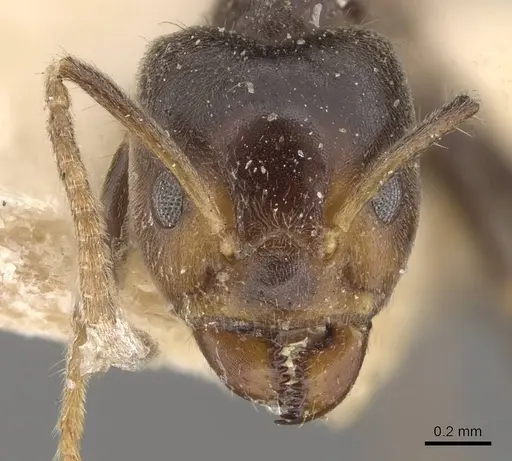
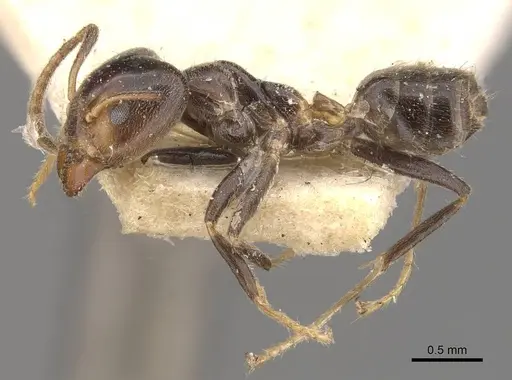
What does Azteca olitrix look like?
Specific morphological details are not well-documented. Based on the genus, workers are likely small to medium-sized (3-5mm) with typical Dolichoderine body structure. The species was described from Amazonas, Brazil specimens.
Where does Azteca olitrix live?
This species is known only from the Brazilian Amazon, specifically the Amazonas state near the Juruá river. It was collected in July 1901.
Do Azteca ants need hibernation?
No. As an Amazon species, Azteca olitrix does not require hibernation. Keep the colony warm year-round at 24-28°C.
How big do Azteca olitrix colonies get?
Colony size is unconfirmed for this species. Based on typical Azteca patterns, colonies likely reach several hundred to a few thousand workers.
Can beginners keep Azteca olitrix?
This species is not recommended for beginners due to the lack of established care information and the specific tropical conditions required. Start with more common, well-documented species before attempting this rare Amazon ant.
References

This caresheet is licensed under CC BY-SA 4.0 .
CASENT0909661
View on AntWeb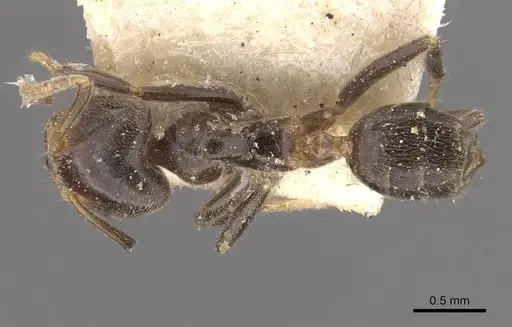
Literature
Loading...Loading products...