

Azteca muelleri
- Scientific Name
- Azteca muelleri
- Tribe
- Leptomyrmecini
- Subfamily
- Dolichoderinae
- Author
- Emery, 1893
- Distribution
- Found in 2 countries
Azteca muelleri Overview
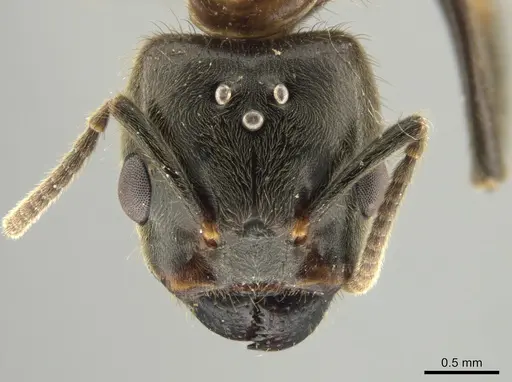
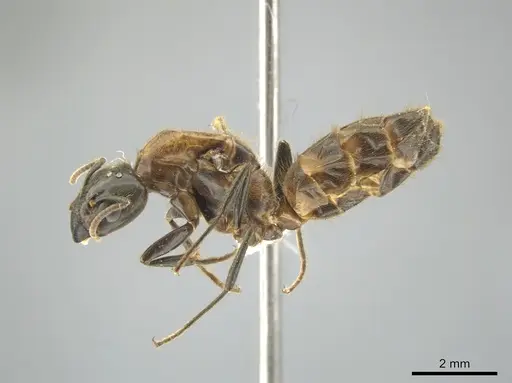
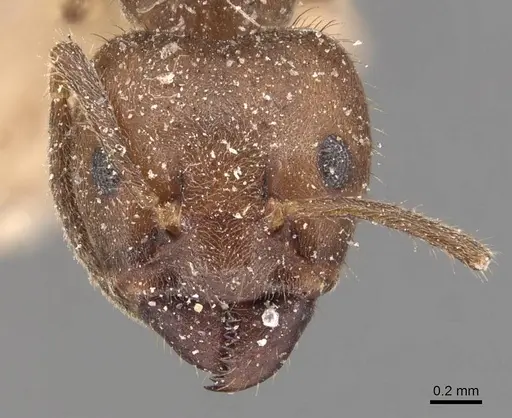
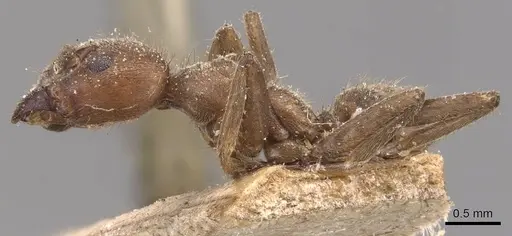
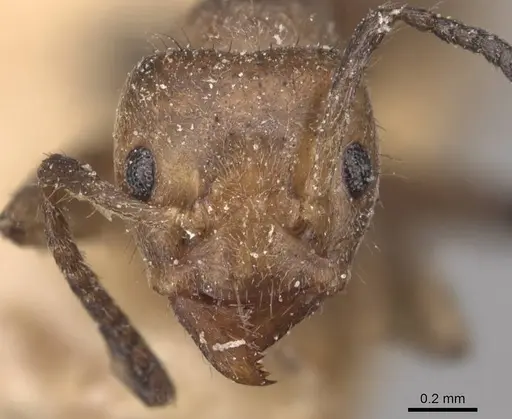
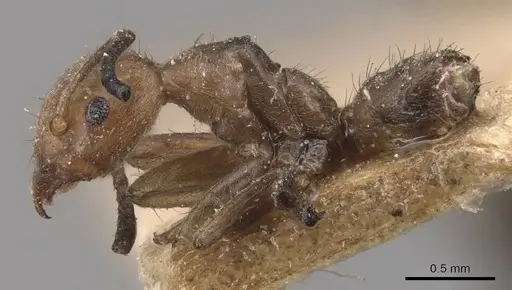
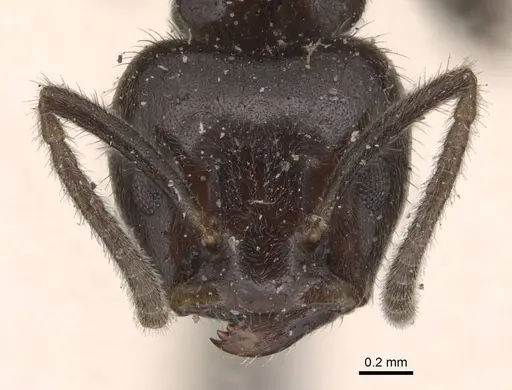
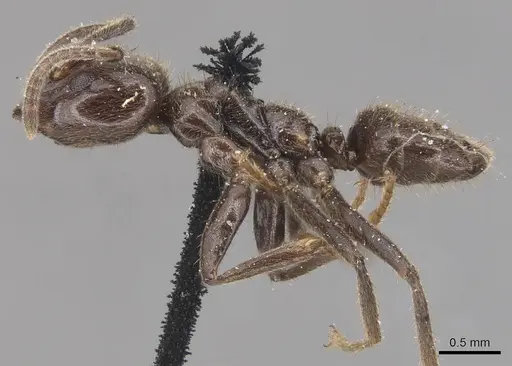
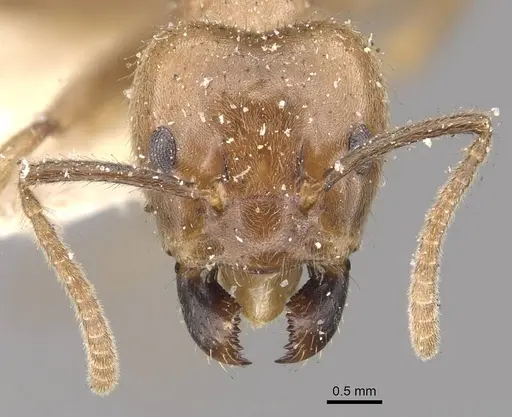
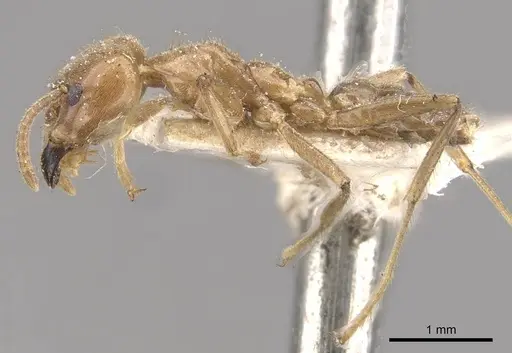
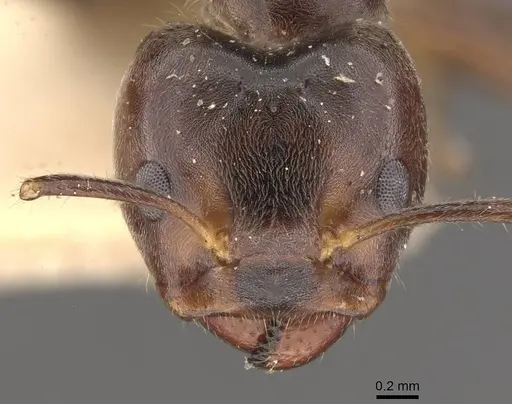
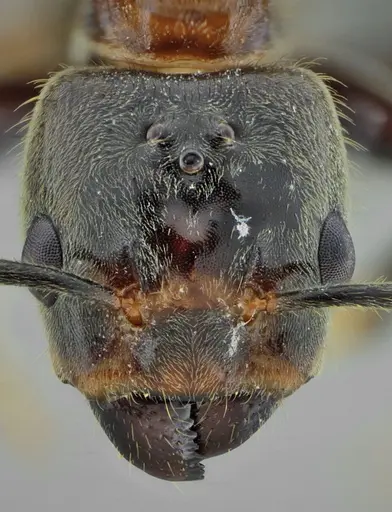
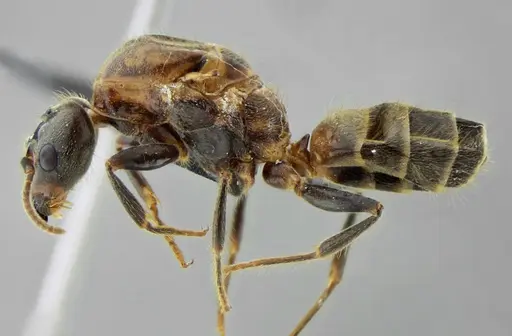
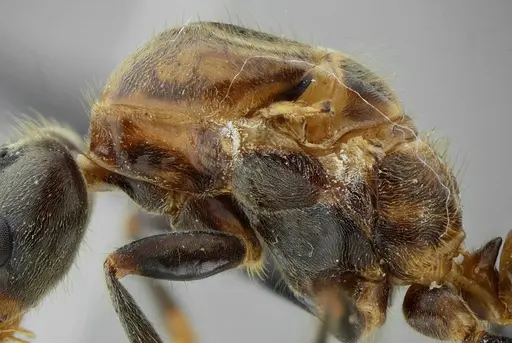
Azteca muelleri is an ant species of the genus Azteca. It is primarily documented in 2 countries , including Brazil, Peru. Detailed taxonomic data and occurrence records can be further explored via authoritative databases such as AntWeb or the Global Biodiversity Information Facility (GBIF).
Azteca muelleri
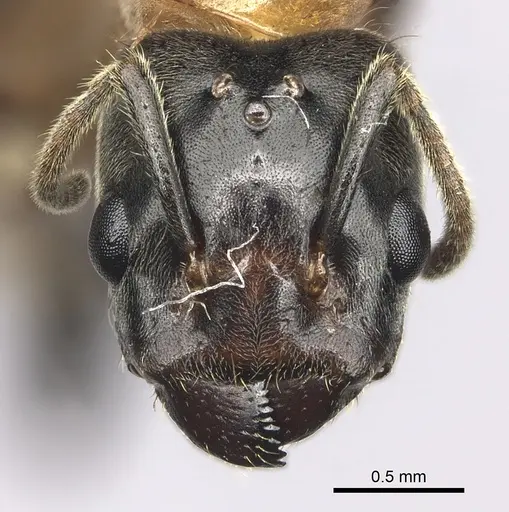
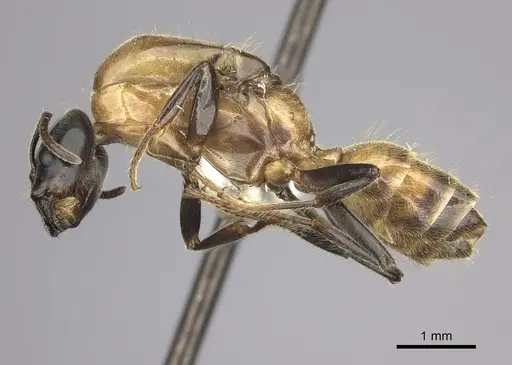
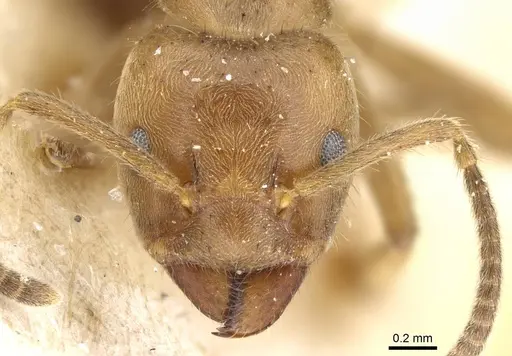
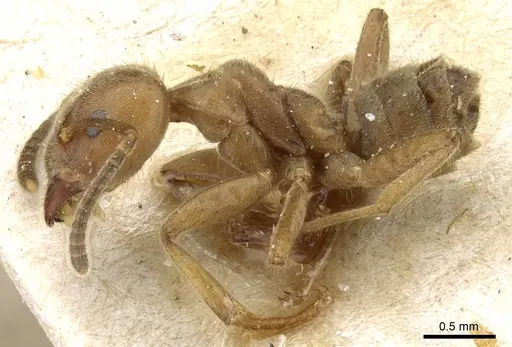
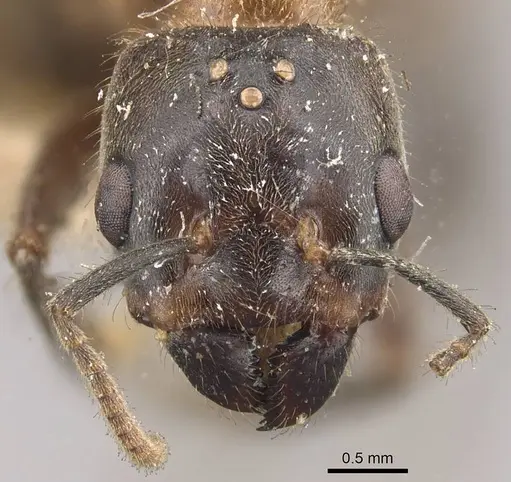
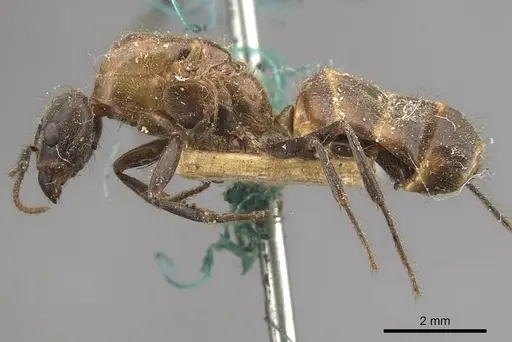
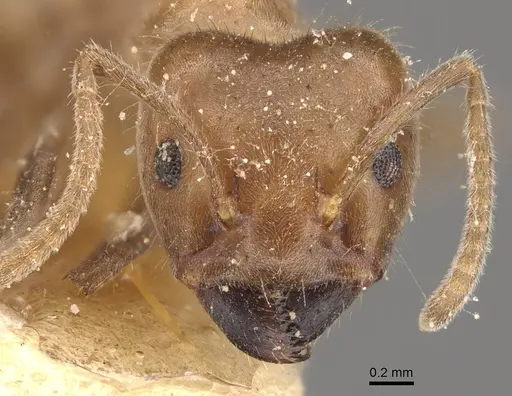
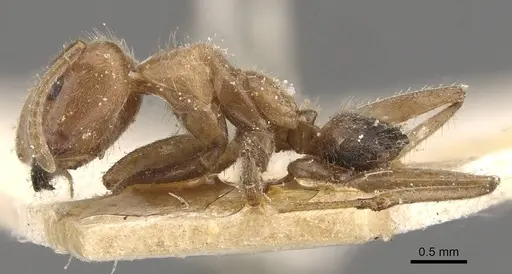
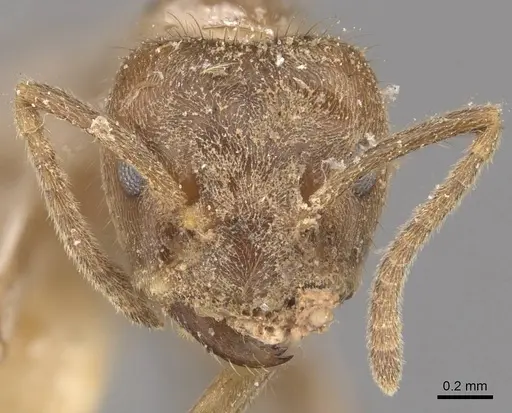
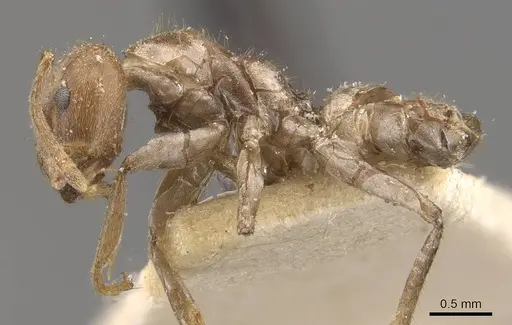
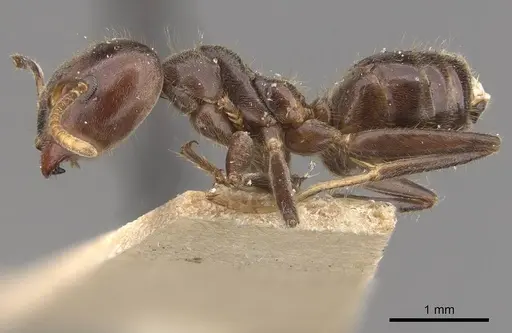
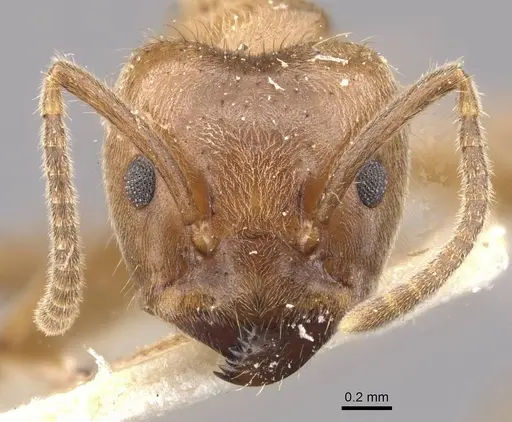
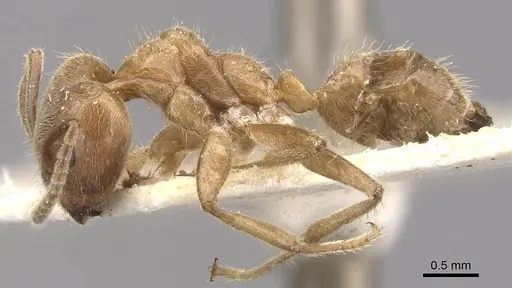
Azteca muelleri is a small, aggressive ant species native to the Neotropical region of South America, found in Brazil, Bolivia, Peru, and El Salvador. Workers measure approximately 1.26mm in Weber's length with a head width around 0.91mm, while queens reach about 3.14mm in length. The species is best known for its exclusive mutualistic relationship with Cecropia trees, where it builds spindle-shaped carton nests inside the tree's hollow trunk, causing a distinctive bulging deformity. Colonies are monogynous with a single queen, and can grow to over 5,000 workers in mature trees. These ants are fiercely protective of their host plants and serve as excellent defenders against herbivorous insects. [1][2]
Quick Summary
- Difficulty: Expert
- Origin & Habitat: Neotropical region, Brazil, Bolivia, Peru, and El Salvador. Strictly associated with Cecropia trees in tropical and subtropical forests, primarily in the Atlantic Forest biome. They never occur outside their host plants. [1][3]
- Colony Type: Monogynous, single queen per colony, with one queen found in the most apical cavity of the Cecropia trunk. Colonies occupy the entire hollow trunk of their host tree. [1][3]
- Colony: Monogyne
- Size & Growth:
- Queen: Weber's length 3.14mm, head width 1.56mm [1]
- Worker: Weber's length 1.26mm, head width 0.91mm [1]
- Colony: Up to 5,166 workers in mature colonies (mean ~2,583 workers per tree) [1]
- Growth: Moderate
- Development: Unknown, no direct development data available for this species (Based on related Azteca species, expect several months from egg to first worker at tropical temperatures. Colonization of new Cecropia trees occurs when plants are approximately 32 months old.)
- Antkeeping:
- Temperature: Keep at 24-28°C, mimicking tropical rainforest conditions. Room temperature within this range is acceptable. [4]
- Humidity: High humidity (70-85%), these ants live inside living trees in humid tropical forests. Maintain moist conditions but ensure ventilation to prevent mold. [1]
- Diapause: No, this is a tropical species without hibernation requirement. Keep warm year-round. [5]
- Nesting: REQUIRES CECROPIA HOST PLANT OR CARTON SUBSTITUTE. This species NEVER nests outside Cecropia trees in the wild. In captivity, you need either a living Cecropia sapling with hollow stem or an artificial carton nest structure that mimics the hollow bole. Standard test tubes and formicaria are NOT suitable. [3][2]
- Behavior: Extremely aggressive and territorial. Workers vigorously defend their host tree against any disturbance, shaking the plant stem and rapidly recruiting nestmates to attack intruders. They show the 'dear enemy' effect, more aggressive toward distant colonies than nearby ones, suggesting well-defined territorial boundaries. Workers readily prey on herbivorous insects and tend to mealybugs inside the tree cavities. Their small size (under 2mm) means they can escape through tiny gaps, excellent escape prevention is essential. [6][4][7]
- Common Issues: requires living Cecropia host plant or custom carton nest, standard formicaria will not work, cannot survive outside Cecropia trees, do not attempt to keep in generic nests, escape prevention critical due to tiny worker size, tropical species cannot tolerate temperatures below 20°C, aggressive behavior makes rehousing difficult, they will attack and defend vigorously, mealybug mutualist required for proper nutrition, they farm these insects inside the tree
The Cecropia Relationship
Azteca muelleri is an obligate myrmecophyte, it can only survive inside Cecropia trees. This is not optional or flexible, research confirms this species never occurs outside its host plant [3]. The ants and Cecropia have a mutualistic relationship: the tree provides hollow internodes for nesting, while the ants defend against herbivores and encroaching vines. The ants build spindle-shaped carton nests inside the tree's trunk, which actually deforms the bole causing a characteristic bulge [2][8]. In captivity, you must replicate this specific environment, either with a living Cecropia sapling or an artificial carton structure that mimics the hollow stem. This is the single most important factor for success with this species. [1]
Nest Structure and Colony Organization
In the wild, colonies occupy the entire trunk of their Cecropia host. Research found workers, immatures, and mealybugs distributed across all hollow internodes, with an average of 13.5 entrances along the trunk [1]. The queen resides in the most apical (top) cavity of the tree. Colonies are strictly monogynous, only one queen per tree has ever been documented [1][7]. The mean colony size is around 2,583 workers per tree, with some colonies reaching over 5,000 workers [1]. This territorial system means each Cecropia tree supports exactly one colony, and the ants treat the entire tree as their territory. [1][7]
Feeding and Nutrition
Azteca muelleri tends mealybugs (Coccoidea) inside the hollow internodes of their Cecropia host, these insects provide honeydew as a sugar source. Research found an average of 178.5 mealybugs per tree, with workers actively surrounding and protecting them [1]. They are also aggressive predators of herbivorous insects, particularly the beetle Coelomera sp. and caterpillars that threaten the host tree [4]. In captivity, you would need to maintain a mealybug colony inside the nest structure for the ants to farm. Supplement with small insects (fruit flies, pinhead crickets) for protein. Sugar water may be accepted but the mealybug mutualism is essential for long-term nutrition. [1][4]
Defense Behavior
These ants are extremely aggressive defenders of their host tree. When disturbed, workers respond by vigorously shaking the plant stem and rapidly recruiting nestmates [6]. They effectively remove chewing insects from the host plant through aggressive predatory behavior with fast recruitment [4]. Research shows that larger colonies provide better protection, reducing both herbivory and herbivore residence time on leaves [9]. This aggressive temperament makes them fascinating to observe but challenging to work with, any disturbance to their nest will result in coordinated attack. They show the 'dear enemy' effect, being more aggressive toward ants from distant colonies than from nearby ones, indicating well-developed territorial awareness [7].
Temperature and Seasonal Care
As a tropical species from the Brazilian Atlantic Forest and Amazon regions, Azteca muelleri requires warm, stable temperatures. Keep the nest area at 24-28°C, which mimics their natural tropical rainforest environment [4]. They do not enter diapause or hibernation, these ants remain active year-round in their native habitat. Temperatures below 20°C can be harmful or fatal. If your room temperature falls below this range, use a heating cable on one side of the nest to maintain warmth. However, avoid direct heat that could dry out the nest or harm the host plant. Maintain high ambient humidity (70-85%) to replicate the moist interior of a living tree. [5]
Housing Challenges
This is NOT a beginner-friendly species. Standard test tubes, plaster nests, and acrylic formicaria are NOT appropriate housing. Azteca muelleri requires either a living Cecropia sapling with hollow internodes or a custom-built artificial carton nest that mimics the hollow tree bole. The ants need to move through a vertical tunnel system, tend their mealybug mutualists, and have multiple entrance points. Colonization of new Cecropia trees in the wild occurs when plants are about 32 months old and 87cm tall [4]. For captive housing, you would need to establish a similar structure with internal cavities. Escape prevention is critical, workers are only about 1.26mm long and can squeeze through remarkably small gaps. Use tight-fitting barriers and fine mesh. [4][1]
Frequently Asked Questions
Can I keep Azteca muelleri in a test tube or formicarium?
No. This species absolutely requires a Cecropia host plant or equivalent carton nest structure. They never live outside Cecropia trees in the wild. Standard ant-keeping setups will not work. [3][2]
How long does it take for Azteca muelleri to produce first workers?
The exact development timeline has not been documented. Based on related Azteca species in tropical conditions (24-28°C), expect approximately 2-4 months from egg to first worker. Colonization of new Cecropia trees in the wild occurs when plants are about 32 months old. [4]
Do Azteca muelleri ants need hibernation?
No. This is a tropical species from the Neotropical region. They do not enter diapause and should be kept warm (24-28°C) year-round. [5]
How big do Azteca muelleri colonies get?
Mature colonies can reach over 5,000 workers, with an average of around 2,583 workers per Cecropia tree. Each colony has exactly one queen. [1]
Are Azteca muelleri good for beginners?
No. This is an expert-level species due to its strict requirement for Cecropia host plants or custom artificial housing. They cannot be kept in standard ant-keeping equipment. Only experienced antkeepers with the ability to provide appropriate Cecropia housing should attempt this species. [3][2]
What do Azteca muelleri eat?
They primarily farm mealybugs inside their nest cavities for honeydew (sugar source) and prey on herbivorous insects that threaten their host tree. In captivity, you need to maintain a mealybug colony and provide small insects as prey. Sugar water may be accepted as a supplement. [1][4]
Can I keep multiple Azteca muelleri queens together?
No. This species is strictly monogynous, only one queen per colony, and each Cecropia tree supports exactly one colony. Combining unrelated queens has not been documented and would likely result in fighting. [1][7]
Why are my Azteca muelleri dying?
The most likely causes are: (1) inadequate housing, they must have Cecropia or equivalent carton structure, (2) temperature too low, keep above 24°C, (3) missing mealybug mutualist, they depend on these for nutrition, (4) escape-related losses, use excellent barrier prevention. [3][1]
Where does Azteca muelleri live in the wild?
They are found in Brazil, Bolivia, Peru, and El Salvador, primarily in the Atlantic Forest biome. They exclusively inhabit Cecropia trees including C. glaziovii, C. angustifolia, C. adenopus, and C. pachystachya. [1][5]
References

This caresheet is licensed under CC BY-SA 4.0 .
CASENT0249596
View on AntWeb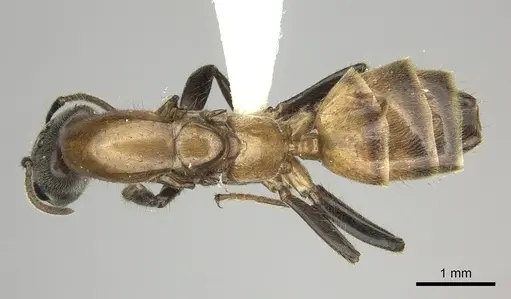
CASENT0624629
View on AntWeb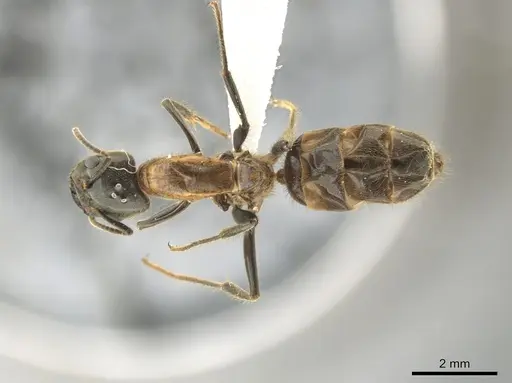
CASENT0905077
View on AntWeb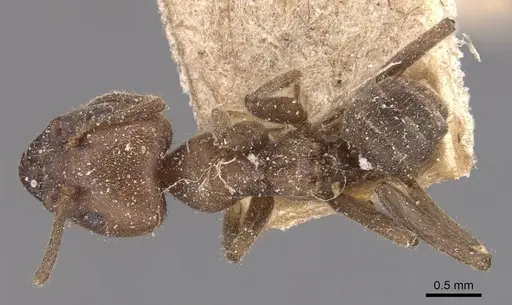
CASENT0905078
View on AntWeb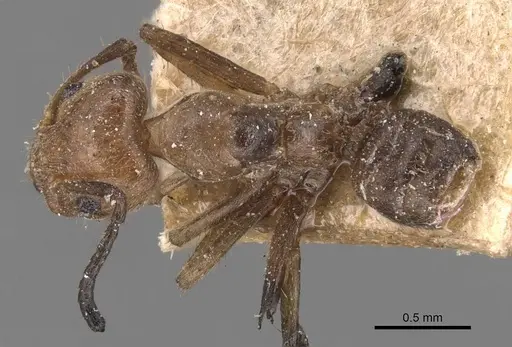
CASENT0905079
View on AntWeb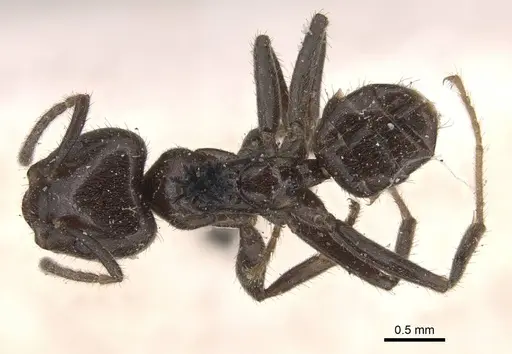
CASENT0905110
View on AntWeb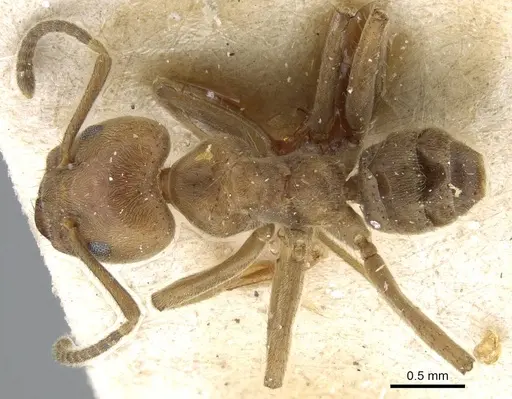
CASENT0909654
View on AntWeb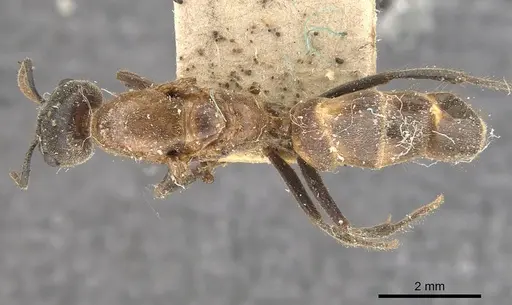
CASENT0909655
View on AntWeb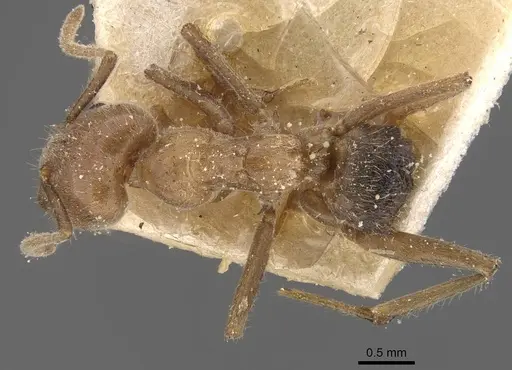
CASENT0909656
View on AntWeb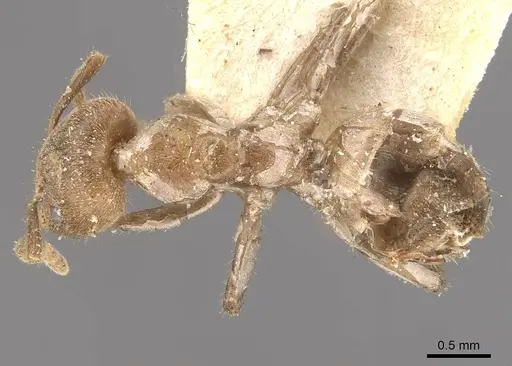
CASENT0909657
View on AntWeb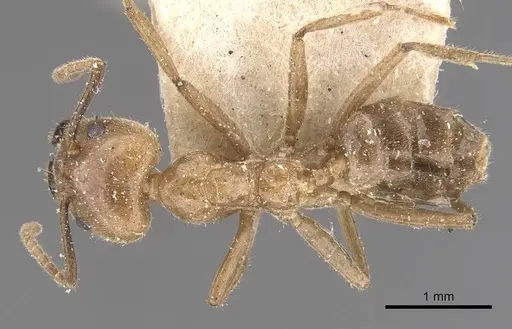
CASENT0909658
View on AntWeb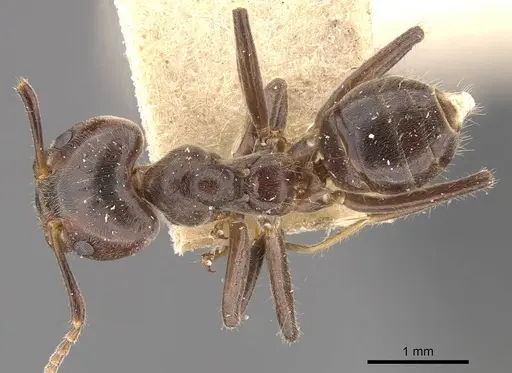
CASENT0909698
View on AntWeb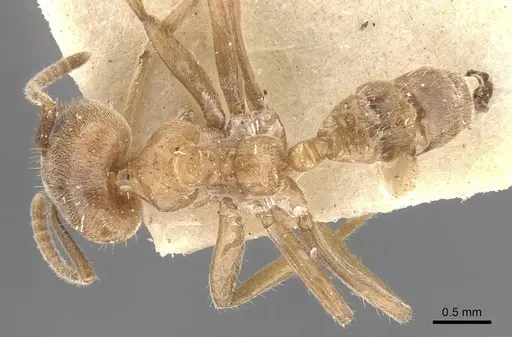
UFV-LABECOL-005955
View on AntWeb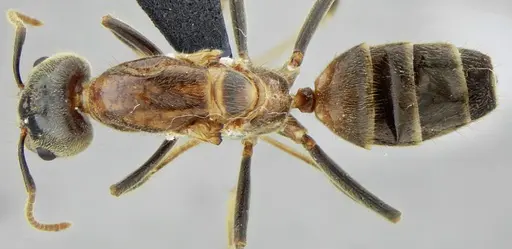
Literature
Loading...Loading products...