

Azteca lucida
- Scientific Name
- Azteca lucida
- Tribe
- Leptomyrmecini
- Subfamily
- Dolichoderinae
- Author
- Forel, 1899
- Distribution
- Found in 1 countries
Azteca lucida Overview
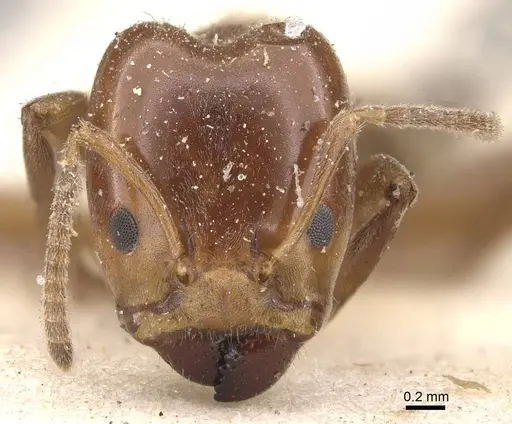
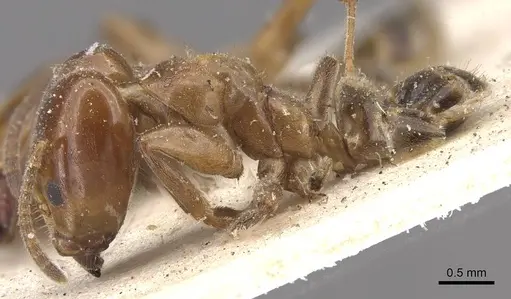
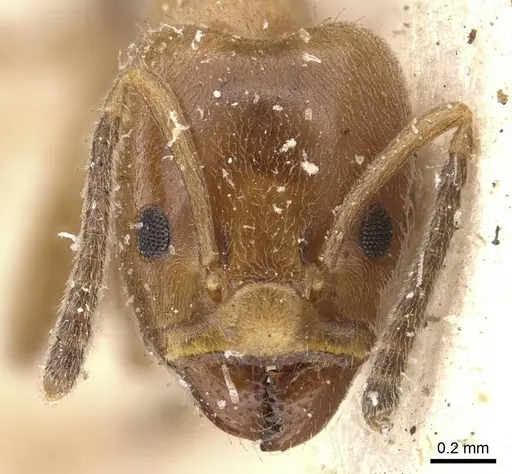
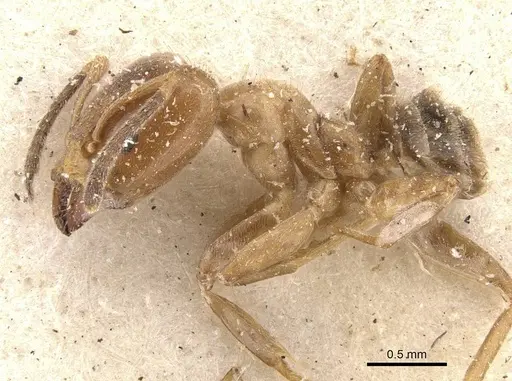
Azteca lucida is an ant species of the genus Azteca. It is primarily documented in 1 countries , including Mexico. Detailed taxonomic data and occurrence records can be further explored via authoritative databases such as AntWeb or the Global Biodiversity Information Facility (GBIF).
Azteca lucida
Azteca lucida is a tropical ant species native to Guatemala, where it makes its home exclusively in Cecropia trees (also known as guarumo) [1]. These ants are part of the Dolichoderinae subfamily and are arboreal by nature, nesting within the hollow stems and branches of their host trees. Workers are modest in size and typically display the characteristic reddish-brown to brownish-black coloration common to many Azteca species. As plant-ants, they have a mutualistic relationship with Cecropia trees, the trees provide shelter in their hollow stems, and the ants provide protection against herbivores and competing plants. This species exemplifies the fascinating arboreal lifestyle found in Neotropical ant communities.
Quick Summary
- Difficulty: Medium
- Origin & Habitat: Guatemala, Central America. Inhabits Cecropia trees (guarumo) in tropical forest habitats [1].
- Colony Type: Likely monogyne (single queen) based on typical Azteca genus patterns. Colonies establish within the hollow stems of Cecropia trees.
- Colony: Monogyne
- Founding: Claustral
- Size & Growth:
- Queen: Estimated 7-9mm based on typical Azteca queen size range
- Worker: Estimated 3-5mm based on typical Azteca worker size range
- Colony: Estimated several hundred to a few thousand workers based on related species
- Growth: Moderate, inferred from tropical arboreal ant patterns
- Development: Estimated 6-10 weeks at tropical temperatures (25-28°C) based on typical Dolichoderinae development (Development timeline is estimated from genus-level patterns since species-specific data is unavailable)
- Antkeeping:
- Temperature: Keep at 24-28°C (tropical warmth). A gentle heat gradient allows ants to regulate their temperature. Room temperature in heated homes typically suffices.
- Humidity: Moderate to high humidity (60-80%). Mimic the humid interior of tree stems where they naturally nest. Moist but not waterlogged conditions work best.
- Diapause: No, being a tropical species from Guatemala, they do not require hibernation. Maintain consistent warm temperatures year-round.
- Nesting: Arboreal specialists. Provide a vertical or diagonal nest setup that mimics hollow tree stems. Y-tong nests, acrylic vertical nests, or custom bamboo-style setups work well. Include narrow chambers and passages scaled to their size.
- Behavior: Azteca ants are known for their aggressive defensive behavior and painful stings. As arboreal nesters in Cecropia trees, they are highly active foragers that venture out to collect honeydew from aphids and scale insects, as well as small prey. Workers are excellent climbers and will readily traverse branches, plants, and the walls of their enclosure. Their small size means escape prevention is important, ensure enclosures have tight-fitting lids and consider barrier tape on smooth surfaces. They are daytime active and benefit from a consistent day-night cycle.
- Common Issues: tropical humidity requirements can be challenging in dry climates or air-conditioned spaces, aggressive defense means stings are likely when disturbing the nest, handle with care, arboreal nature requires vertical space and climbing structures that beginners may overlook, escape prevention requires attention due to their small size and climbing ability, Cecropia-specific nesting requirements mean standard horizontal ground nests are unsuitable
Natural History and Host Association
Azteca lucida is a specialized plant-ant species that has evolved a close mutualistic relationship with Cecropia trees (known locally as guarumo) [1]. In the wild, these ants nest exclusively within the hollow stems and branches of Cecropia trees, which provide ideal shelter, the trees have hollow internodes that ants can colonize, and they produce specialized structures called domatia that are specifically adapted for ant occupation. The ants benefit from secure nesting sites, while the Cecropia benefits from the ants' aggressive defense against herbivores and competitive plant growth. This is one of the classic examples of mutualism in the ant world, and keeping Azteca lucida successfully means understanding and replicating this arboreal lifestyle.
Housing and Nest Setup
Because Azteca lucida is an arboreal species that naturally lives inside tree stems, your captive setup needs to reflect this. Horizontal or diagonal acrylic nests (like Y-tongs) work well, or you can create a naturalistic setup using bamboo sections or artificial stem systems. The key is providing narrow, chamber-like spaces that mimic the interior of Cecropia stems. Include some vertical orientation so they can move upward as they would in a tree. Connect the nest to an outworld that includes climbing structures like branches, cork bark, or artificial plants. The outworld should allow them to forage and tend honeydew-producing insects if you wish to replicate their natural food sources.
Feeding and Diet
In nature, Azteca lucida workers forage for honeydew, the sugary secretions produced by aphids, scale insects, and other sap-feeding insects that live on the Cecropia tree. They also hunt small insects and arthropods for protein. In captivity, offer sugar water or honey water as a constant energy source, and provide protein-rich foods like small crickets, fruit flies, mealworms, or other appropriately-sized insects. You can also keep small aphid colonies in the outworld to provide a natural honeydew source, though this requires additional care. Feed protein roughly twice per week, and keep sugar water available at all times.
Temperature and Humidity
Being a tropical species from Guatemala, Azteca lucida requires warm and humid conditions. Maintain temperatures between 24-28°C (75-82°F), this is typical room temperature in many homes, but you may need a small heating cable or mat if your space runs cool. Humidity should be moderate to high (60-80%), which you can achieve by keeping the nest substrate slightly moist and misting the outworld occasionally. The key is consistency, tropical ants don't handle temperature swings well. Avoid placing the colony near air conditioning vents or drafty windows.
Behavior and Handling
Azteca ants are known for their bold and aggressive temperament. When their nest is disturbed, workers will pour out aggressively to defend the colony, and they possess a functional sting that can cause a painful sensation. This is not an ant for handling, observe through the enclosure instead. In the enclosure, they are active climbers and will establish foraging trails up branches and plants. They are diurnal, meaning they are most active during daylight hours. Their small size (around 3-5mm for workers) means they can squeeze through small gaps, so ensure your setup has excellent escape prevention with tight-fitting lids and barrier tape on smooth surfaces.
Frequently Asked Questions
Can I keep Azteca lucida in a test tube?
Test tubes are not ideal for Azteca lucida because they are arboreal ants that naturally live in vertical tree stems. A horizontal or diagonal acrylic nest (like a Y-tong) or a naturalistic setup with vertical climbing space works much better. Test tubes can work for temporary housing during the founding stage, but the colony will need a proper arboreal setup as it grows.
How long does it take for Azteca lucida to produce first workers?
Based on typical Dolichoderinae development patterns, expect first workers (nanitics) to emerge around 6-10 weeks after the queen lays eggs, provided temperatures are kept warm (around 25-28°C). Development is faster in warmer conditions and slower in cooler temperatures.
Are Azteca lucida good for beginners?
Azteca lucida is rated as medium difficulty. While not the hardest ant to keep, they do have specific requirements (arboreal nesting, tropical warmth and humidity) that make them better suited for keepers who already have some experience with basic ant care. Their aggressive temperament and stinging ability also mean they require careful handling.
What do Azteca lucida eat?
They need a balanced diet of sugar and protein. Provide constant access to sugar water or honey water, and offer protein sources like small crickets, fruit flies, mealworms, or other appropriately-sized insects roughly twice per week. You can also maintain small aphid colonies to provide natural honeydew.
Do Azteca lucida need hibernation?
No, they do not require hibernation. As a tropical species from Guatemala, they need consistent warm temperatures year-round (24-28°C). Hibernation would be harmful to them.
How big do Azteca lucida colonies get?
Based on related Azteca species, colonies likely reach several hundred to a few thousand workers at maturity. They are not among the largest ant species but can still form substantial colonies in optimal conditions.
When should I move Azteca lucida to a formicarium?
You can keep them in a test tube or small container during the founding stage (while the queen is alone). Once the colony has 15-20 workers and you see consistent brood development, transition them to a proper arboreal nest setup with an attached outworld for foraging.
Why are my Azteca lucida escaping?
Their small size means they can squeeze through tiny gaps. Ensure your setup has tight-fitting lids, use fluon or barrier tape on smooth surfaces, and check for any cracks or gaps in the enclosure. Arboreal ants are also more likely to climb up walls and explore ceiling edges, so pay extra attention to the upper portions of your setup.
Can I keep multiple Azteca lucida queens together?
This is not recommended. Azteca lucida is likely monogyne (single queen) by nature. Combining unrelated queens has not been documented for this species and would likely result in fighting. If you acquire a colony, it should contain only one functional queen.
References

This caresheet is licensed under CC BY-SA 4.0 .
CASENT0909588
View on AntWeb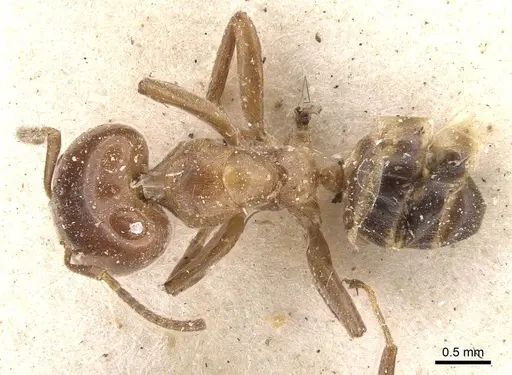
CASENT0909589
View on AntWeb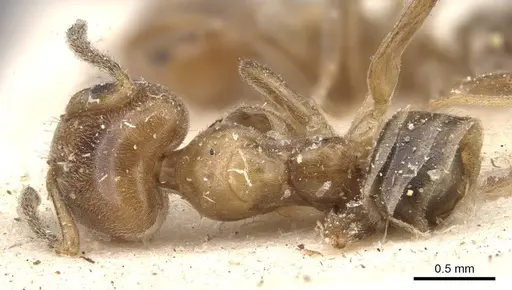
Literature
Loading...Loading products...