

Azteca longiceps
- Scientific Name
- Azteca longiceps
- Tribe
- Leptomyrmecini
- Subfamily
- Dolichoderinae
- Author
- Emery, 1893
- Distribution
- Found in 4 countries
Azteca longiceps Overview
Azteca longiceps is an ant species of the genus Azteca. It is primarily documented in 4 countries , including Costa Rica, Guatemala, Mexico. Detailed taxonomic data and occurrence records can be further explored via authoritative databases such as AntWeb or the Global Biodiversity Information Facility (GBIF).
Azteca longiceps
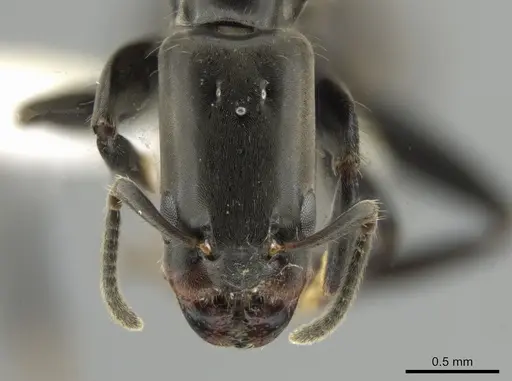
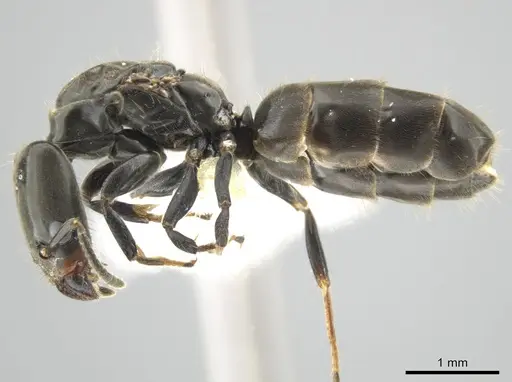
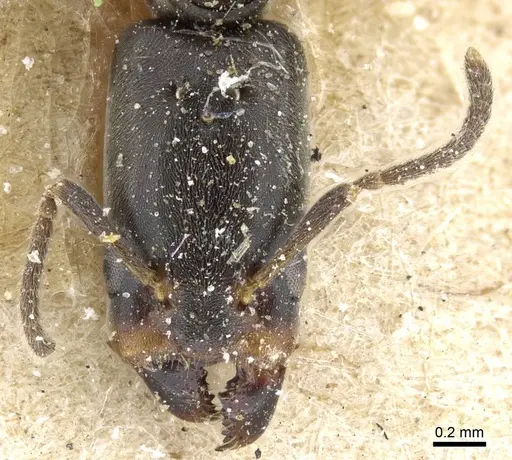
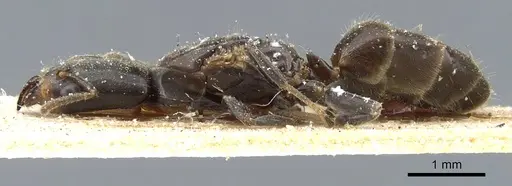
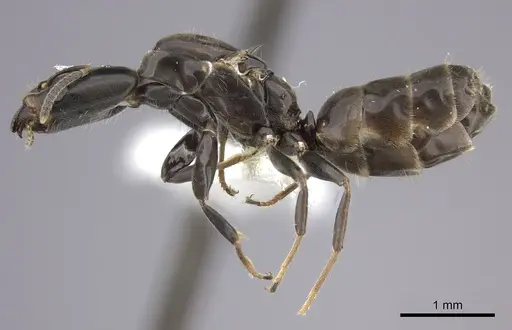
Azteca longiceps is a small arboreal ant species native to the Neotropical region, found in Costa Rica and Guatemala. Workers measure 0.94-1.19mm in head length and are brown in color, while queens are larger at 1.42-1.55mm and appear uniformly dark brown. This species is an obligate inhabitant of myrmecophytic Triplaris trees, meaning it has evolved to live in specialized mutualistic partnership with these tropical trees. Unlike many ground-nesting ants, Azteca species are arboreal, constructing nests in plant stems, carton structures, or ant gardens. The genus Azteca is known for complex relationships with scale insects (coccoid Hemiptera), which the ants tend for their honeydew. This species was historically described as Azteca longiceps before being synonymized with A. longiceps in 2007.
Quick Summary
- Difficulty: Expert
- Origin & Habitat: Neotropical region, Costa Rica and Guatemala, specifically the lowland tropical forests where Triplaris trees grow. They are obligate inhabitants of myrmecophytic Triplaris trees, which provide housing in exchange for protection [1][2].
- Colony Type: Arboreal nesting in live plant stems of host trees. Colony structure specifics are not well-documented in scientific literature.
- Size & Growth:
- Queen: 1.42-1.55 mm head length (HLA) [1]
- Worker: 0.94-1.19 mm head length (HLA) [1]
- Colony: Unknown, no colony size data available
- Growth: Unknown, no development data available
- Development: Unknown, no direct measurements available (Based on typical Azteca and Dolichoderinae patterns, expect 6-10 weeks at tropical temperatures, but this is an estimate rather than confirmed data)
- Antkeeping:
- Temperature: Tropical species, keep at 24-28°C. These ants come from lowland Neotropical forests in Costa Rica and Guatemala where temperatures are consistently warm year-round [3].
- Humidity: High humidity required, think humid tropical forest. Maintain 70-85% relative humidity. As arboreal ants that nest in living trees, they are accustomed to stable moisture conditions.
- Diapause: No, as a tropical species, they do not require hibernation or winter rest. Keep temperatures consistent year-round.
- Nesting: Arboreal setup is essential. These ants naturally nest in plant stems and tree cavities. In captivity, they do best in setups that mimic their natural arboreal habitat, vertical or diagonal nests with plant material, or custom arboreal formicaria. They will not thrive in standard ground nests.
- Behavior: Arboreal and generally non-aggressive compared to some Azteca species. They are specialized foragers with complex trophic relationships with scale insects. Workers forage in the canopy and surrounding vegetation. Escape prevention is important, while not the smallest ants, their arboreal nature means they will explore upward and can escape through small gaps. They are not known for stinging and pose no danger to keepers.
- Common Issues: tropical arboreal requirements make this species challenging for beginners, standard ground nests will not work, very limited captive breeding data means care protocols are not well-established, escape prevention is critical, they are adept at finding gaps in arboreal setups, they require live plant stem or similar arboreal nesting material to thrive, the obligate relationship with Triplaris trees suggests they need specific environmental cues that are difficult to replicate
Natural History and Host Association
Azteca longiceps is one of the more specialized Azteca species because it is an obligate inhabitant of myrmecophytic Triplaris trees. These trees have evolved hollow stems and specialized structures that house ant colonies, providing shelter in exchange for protection against herbivores and competing plants. In the wild, the ants nest inside the living stems of their host tree, tending scale insects that feed on the tree's sap. The honeydew produced by these scale insects is a primary food source for the ants. This mutualistic relationship is so specific that A. longiceps is rarely found away from Triplaris trees. The genus Azteca as a whole is known for these complex ecological relationships, with many species tending coccoid Hemiptera for honeydew [1][3].
Housing and Nest Setup
This species presents unique challenges for antkeepers because it is strictly arboreal. Standard test tube setups or ground-based formicaria will not work, these ants need vertical or diagonal nesting options that mimic their natural tree-dwelling habitat. The ideal setup would include live or preserved plant stems, hollow bamboo sections, or custom arboreal formicaria that allow the ants to nest in elevated positions. The nesting chamber should connect to a foraging area that allows upward exploration. Some keepers have had success with modified setups that include vertical channels and plant material. The key is to provide the ants with something they can treat like their natural tree stems, dark, slightly humid cavities with plant material. Escape prevention is critical because they will naturally move upward and explore any gaps in the setup [3].
Feeding and Diet
Like other Azteca species, Azteca longiceps likely has a diet centered on honeydew from scale insects (coccoid Hemiptera), supplemented by extrafloral nectaries and small arthropods. In captivity, you should provide sugar water or honey water as a constant energy source. For protein, offer small insects like fruit flies, pinhead crickets, or other appropriately-sized prey. The key difference from many ground-nesting ants is their likely heavy reliance on sugar sources, the honeydew relationship is deeply ingrained in their biology. Some keepers report success with offering both sugar water and small live prey. Given their arboreal foraging behavior in the wild canopy, they may be more inclined to explore upward for food sources [3].
Temperature and Environmental Needs
As a tropical species from Costa Rica and Guatemala, Azteca longiceps requires warm, stable temperatures. Keep the colony at 24-28°C year-round, these ants are not adapted to temperature fluctuations and do not undergo any diapause or winter rest period. The consistent warmth of their native lowland tropical forest environment must be replicated in captivity. High humidity is equally important, around 70-85% relative humidity. This can be achieved through misting, water reservoirs, or by placing the nest in a humidified enclosure. The combination of warmth and humidity mimics the conditions inside a living tree stem in a tropical forest. Avoid any cooling or drying of the environment, as this could stress the colony [3][4].
Challenges and Considerations
Azteca longiceps is not a species for beginners. The combination of arboreal nesting requirements, specific host plant association (even if indirect), and lack of captive breeding data makes this an expert-level species. There is very little information available about their captive care, colony development timeline, or successful breeding protocols. The primary challenge is replicating their natural arboreal habitat, they simply will not thrive in standard antkeeping setups. Additionally, because they are obligate inhabitants of Triplaris trees, they may have specific environmental requirements that are difficult to meet in captivity. If you attempt to keep this species, be prepared for a steep learning curve and potentially unsuccessful attempts. Consider starting with more common and well-documented Azteca species before attempting A. longiceps.
Frequently Asked Questions
Can I keep Azteca longiceps in a test tube?
No, test tubes are not suitable. This is an arboreal species that naturally nests in plant stems and tree cavities. They need vertical or diagonal nesting setups with plant material or stem-like structures to thrive.
What do Azteca longiceps eat?
Like other Azteca species, they likely rely heavily on honeydew from scale insects. In captivity, offer sugar water or honey water constantly, plus small insects like fruit flies or pinhead crickets for protein.
How long does it take for Azteca longiceps to produce first workers?
Unknown, no development data exists for this species. Based on typical Dolichoderinae patterns, expect 6-10 weeks at tropical temperatures (24-28°C), but this is an estimate.
Are Azteca longiceps good for beginners?
No. This is an expert-level species due to their arboreal nesting requirements, specific ecological needs, and lack of captive care documentation. Beginners should start with more common species.
Do Azteca longiceps need hibernation?
No. As a tropical species from Costa Rica and Guatemala, they do not require hibernation. Keep temperatures warm and stable year-round at 24-28°C.
How big do Azteca longiceps colonies get?
Unknown, no colony size data is available in scientific literature. Related Azteca species typically reach several hundred to a few thousand workers.
Can I keep multiple Azteca longiceps queens together?
Unknown, colony structure specifics have not been documented. Given their obligate association with host trees, combining unrelated queens is not recommended without further research.
What is the best nest type for Azteca longiceps?
Arboreal formicaria with vertical or diagonal chambers, ideally with plant stem material or hollow bamboo sections. They need elevated nesting options that mimic tree stems.
Why are my Azteca longiceps dying?
Common causes include: incorrect nesting setup (not arboreal), temperatures too low or unstable, humidity too low, or stress from inadequate housing. Review all environmental parameters carefully.
References

This caresheet is licensed under CC BY-SA 4.0 .
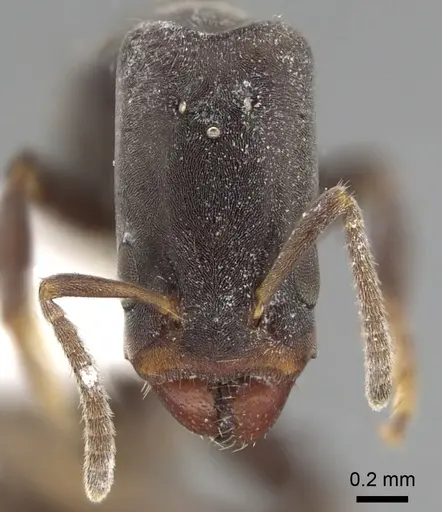
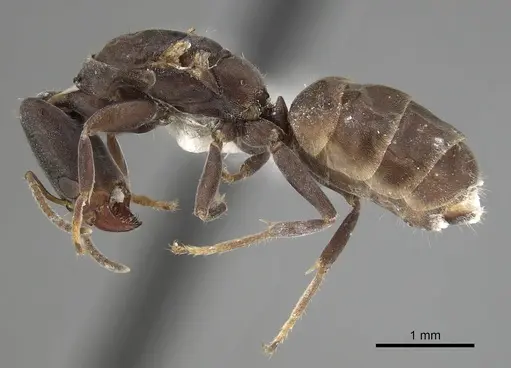
CASENT0647019
View on AntWeb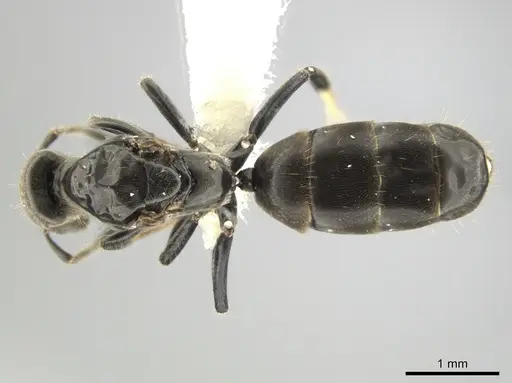
CASENT0905105
View on AntWeb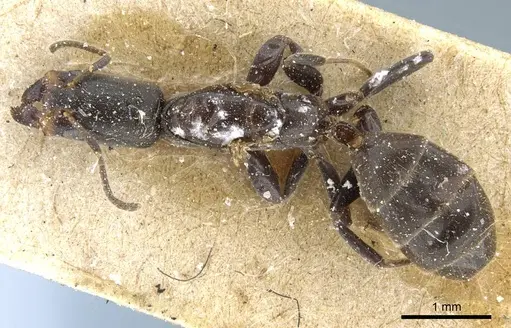
INBIOCRI001279929
View on AntWeb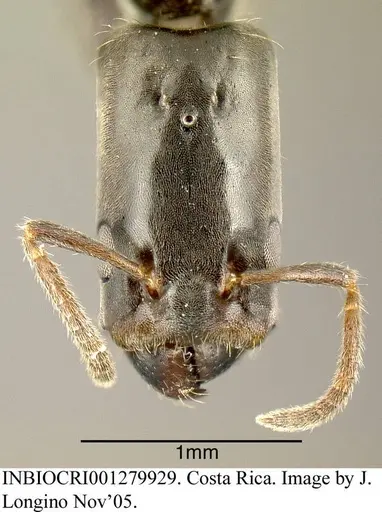
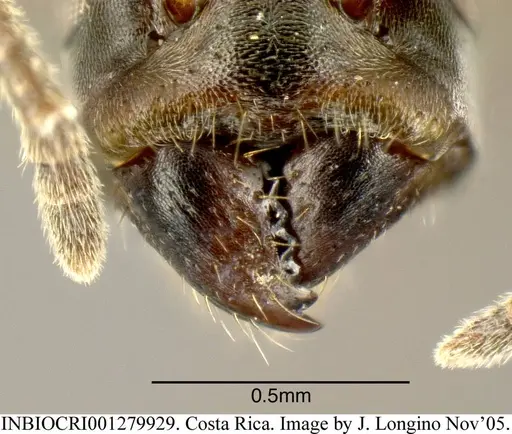
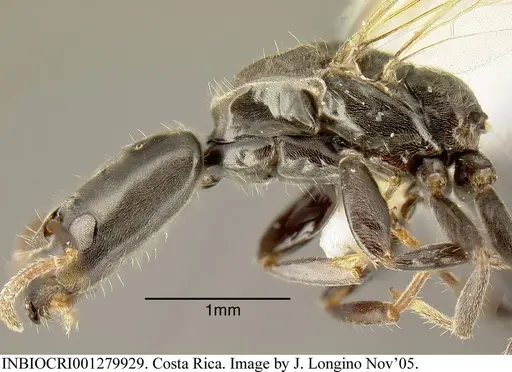
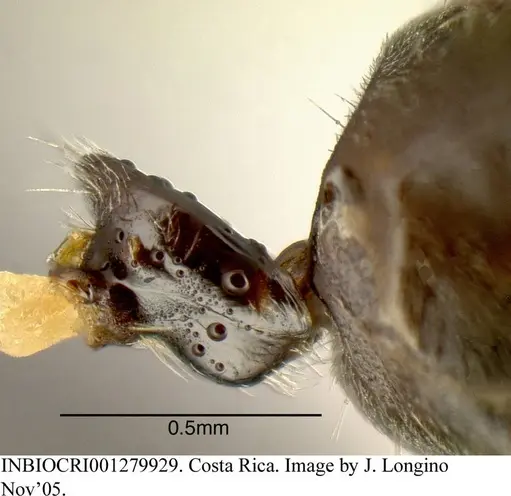
INBIOCRI001279983
View on AntWeb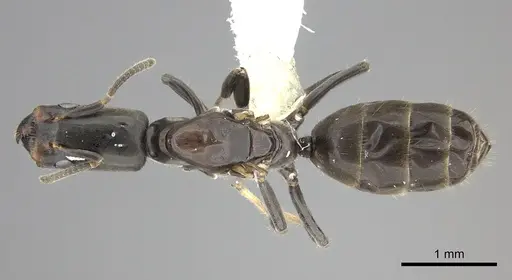
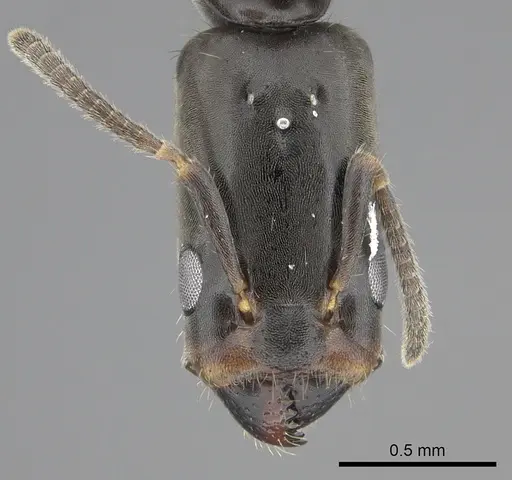
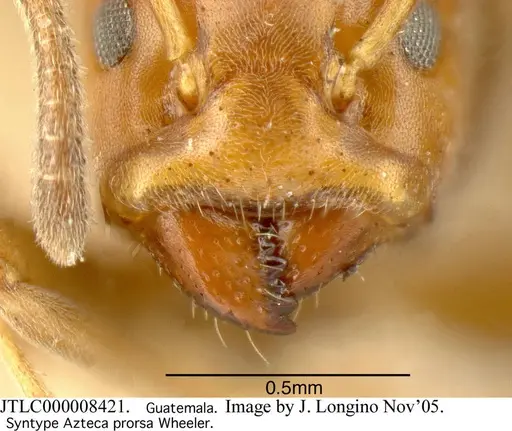
JTLC000008421
View on AntWeb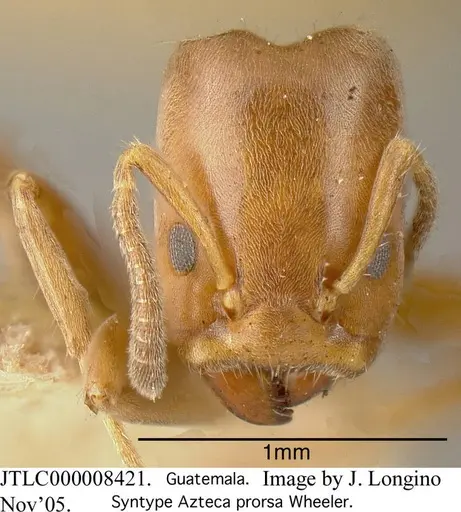
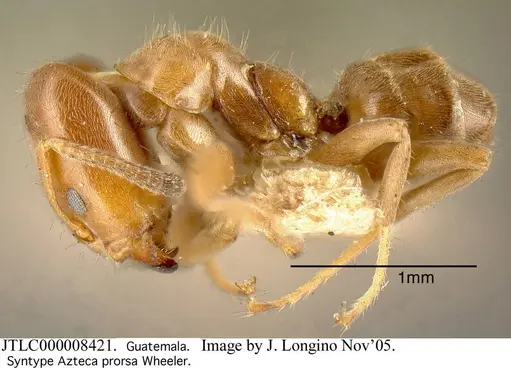
JTLC000009517
View on AntWeb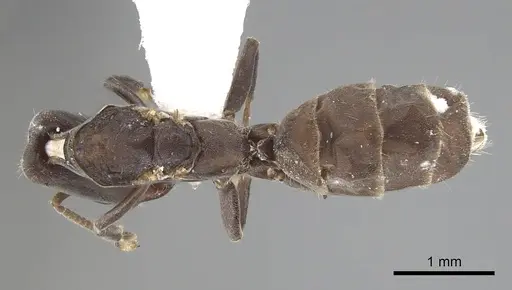
Literature
Loading...Loading products...