

Azteca huberi
- Scientific Name
- Azteca huberi
- Tribe
- Leptomyrmecini
- Subfamily
- Dolichoderinae
- Author
- Forel, 1906
- Distribution
- Found in 1 countries
Azteca huberi Overview
Azteca huberi is an ant species of the genus Azteca. It is primarily documented in 1 countries , including Brazil. Detailed taxonomic data and occurrence records can be further explored via authoritative databases such as AntWeb or the Global Biodiversity Information Facility (GBIF).
Azteca huberi
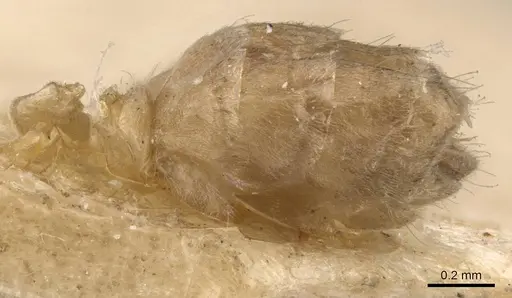
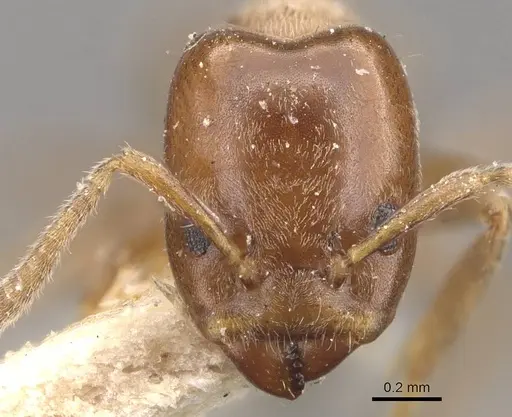
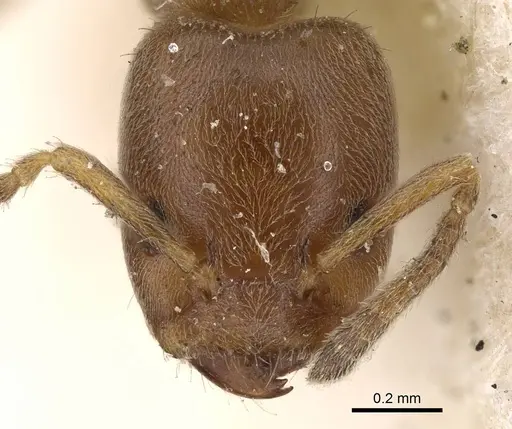
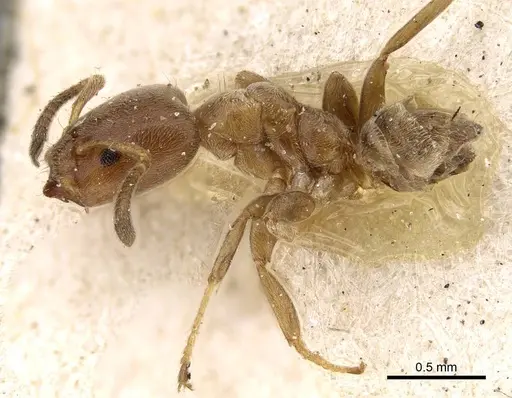
Azteca huberi is a tropical ant species native to the Brazilian Amazon, specifically found in the Tefé region of Amazonas state [1]. Workers are typical of the genus Azteca, with a slender build and the characteristic Dolichoderine ability to spray formic acid as a defense mechanism rather than using a stinger. The genus Azteca contains around 80 species, all native to the Neotropics, and they are known for often nesting in plants, hollow stems, or dead wood rather than in ground nests. This species remains poorly documented in scientific literature, with most available information coming from original type descriptions collected in the early 1900s.
Quick Summary
- Difficulty: Medium
- Origin & Habitat: Native to the Brazilian Amazon (Tefé, Amazonas) in the Neotropical region [1]. As a tropical species, it inhabits humid forest environments where it typically nests in vegetation, hollow plant stems, or decaying wood rather than in soil cavities.
- Colony Type: Colony structure is unconfirmed for this specific species. Many Azteca species form polygynous (multi-queen) colonies, though some maintain single-queen colonies. The genus is known for producing ergatoid (wingless) replacement queens, allowing colonies to maintain reproductive capacity if the primary queen dies.
- Size & Growth:
- Queen: Unconfirmed, Azteca queens are typically 7-12mm based on genus patterns [1].
- Worker: Unconfirmed, Azteca workers generally range from 3-7mm based on genus patterns [1].
- Colony: Likely large colonies based on genus patterns, Azteca colonies can reach several thousand workers [1].
- Growth: Moderate, typical for tropical ants
- Development: 6-8 weeks (estimated based on typical Azteca and tropical Dolichoderinae development at 24-26°C) (This is an estimate based on genus-level patterns. No species-specific development data exists for A. huberi.)
- Antkeeping:
- Temperature: Keep at 24-28°C, these are tropical ants requiring warm, stable conditions. A heating cable on one side of the nest creates a suitable gradient. Avoid temperatures below 22°C for extended periods.
- Humidity: Maintain high humidity (70-85%) to match their Amazonian forest origin. Keep the nest substrate consistently moist but not waterlogged. Regular misting or a water reservoir in the outworld helps maintain humidity levels.
- Diapause: No, as a tropical species, Azteca huberi does not require hibernation. They remain active year-round when kept at stable tropical temperatures.
- Nesting: Provide a naturalistic setup with access to plant material, cork, or wood sections. Many Azteca species prefer nesting in vertical spaces that mimic their natural plant-stem nesting behavior. A Y-tong (AAC) nest or a naturalistic setup with cork bark works well. Avoid fully enclosed plaster nests that may become too humid.
- Behavior: Azteca ants are known for being aggressive and territorial, with workers readily defending the nest against intruders. They forage actively and will establish trails to food sources. Workers can spray formic acid as a defense, which is the primary threat they pose, this can irritate eyes and skin but is not dangerous to humans. Their small size (relative to many common pet ants) means escape prevention is important, use tight-fitting lids and consider fluon barriers on smooth surfaces.
- Common Issues: tropical humidity requirements mean mold can develop if ventilation is poor, balance airflow carefully, aggressive defense behavior means handling is not recommended, they will readily spray formic acid when threatened, limited species-specific information makes care recommendations based on genus patterns rather than documented species behavior, colonies may be difficult to establish from queen founding due to unknown specific requirements
Nest Preferences and Housing
Azteca huberi naturally nests in plant material, hollow stems, and decaying wood in its Amazonian habitat. In captivity, provide a setup that mimics these conditions. A naturalistic terrarium-type enclosure with cork bark, bamboo sections, or wooden structures works well. Many keepers success with Y-tong (AAC) nests that provide dark, enclosed chambers while allowing observation. Ensure the nest has adequate humidity without becoming stagnant, good ventilation is essential to prevent mold. The outworld should include plants or decorative elements that allow the ants to forage naturally. [1]
Feeding and Diet
Like other Azteca species, A. huberi likely has an omnivorous diet typical of Dolichoderine ants. They feed on honeydew from aphids and scale insects, and hunt small insects for protein. In captivity, offer sugar water or honey as a constant energy source, along with small live prey like fruit flies, pinhead crickets, or mealworms. Feed protein sources 2-3 times per week. Remove uneaten prey after 24 hours to prevent mold. Some Azteca species show preference for liquid sugars, so ensure a consistent honey water supply. [1]
Temperature and Seasonal Care
As a tropical Amazonian species, Azteca huberi requires warm temperatures year-round. Maintain nest temperatures between 24-28°C with minimal fluctuations. A heating cable placed on one side of the nest creates a temperature gradient allowing ants to self-regulate. Room temperature alone (around 20-22°C in many homes) may be too cool for optimal colony health. Unlike temperate species, they do not require hibernation or cooling periods. However, avoid placing the nest directly on heating elements that could cause rapid drying. Monitor humidity closely in heated setups as warmth accelerates moisture loss. [1]
Behavior and Defense
Azteca species are known for their aggressive, territorial behavior. Workers will vigorously defend the nest and attack any perceived threats. Their primary defense mechanism is spraying formic acid rather than stinging, while not dangerous to humans, the spray can cause eye irritation and skin discomfort. Handle colonies with care and avoid disturbing them unnecessarily. Foraging workers establish well-defined trails and will readily explore the outworld. Escape prevention is important as they are active and determined, use fluon barriers on smooth surfaces and ensure all openings are sealed. [1]
Colony Establishment and Growth
Establishing Azteca huberi colonies from wild-caught queens can be challenging due to limited documented information about their specific founding requirements. If obtaining a founding queen, provide a small test tube setup with high humidity and stable warmth around 26°C. Based on genus patterns, founding is likely claustral (queen seals herself in and lives off stored fat), but this is not confirmed for this species. Colony growth is likely moderate, expect the first workers (nanitics) within 6-8 weeks under optimal conditions, with colony size increasing gradually over months to years.
Frequently Asked Questions
Is Azteca huberi good for beginners?
No, Azteca huberi is not recommended for beginners. This species has very limited documented care information, requires tropical conditions with high humidity and warmth year-round, and exhibits aggressive defense behavior. Additionally, they are not commonly available in the antkeeping hobby, making established colonies difficult to obtain.
What do Azteca huberi eat?
They are omnivorous, feeding on sugar sources (honeydew, sugar water, honey) and protein (small insects like fruit flies, pinhead crickets, and mealworms). Offer sugar water constantly and protein prey 2-3 times per week.
What temperature do Azteca huberi need?
Keep them at 24-28°C. These are tropical ants requiring warm conditions year-round. A heating cable on one side of the nest creates a suitable gradient. Avoid temperatures below 22°C.
Do Azteca huberi need hibernation?
No. As a tropical Amazonian species, they do not require hibernation or cooling periods. Maintain warm temperatures year-round for colony health.
How long does it take for Azteca huberi to produce first workers?
Estimated 6-8 weeks from egg to worker at optimal temperatures (around 26°C). This is based on typical Azteca and tropical Dolichoderinae development patterns, as no species-specific data exists.
Can I keep multiple Azteca huberi queens together?
Unknown for this specific species. Many Azteca species form polygynous (multi-queen) colonies naturally, but combining unrelated foundress queens has not been documented for A. huberi. Do not attempt without specific guidance.
What size colony do Azteca huberi reach?
Likely several thousand workers based on typical Azteca colony sizes. No specific colony size data exists for this species.
What type of nest is best for Azteca huberi?
A naturalistic setup with cork bark, bamboo sections, or wooden structures that mimic their natural plant-stem nesting habitat. A Y-tong (AAC) nest also works well. Avoid fully enclosed plaster nests that may trap too much humidity.
Are Azteca huberi aggressive?
Yes, Azteca species are known for being aggressive and territorial. Workers readily defend the nest and will spray formic acid when threatened. Handle with care and minimize disturbances.
Where is Azteca huberi found?
Azteca huberi is native to the Brazilian Amazon, specifically collected from the Tefé region in Amazonas state. It is a Neotropical species found only in Brazil.
Why is there so little information about Azteca huberi?
This species was originally described in 1906 and has been rarely studied since. Most ant research focuses on more common or economically significant species. The limited field data and scientific papers make detailed care information scarce.
References

This caresheet is licensed under CC BY-SA 4.0 .
CASENT0907618
View on AntWeb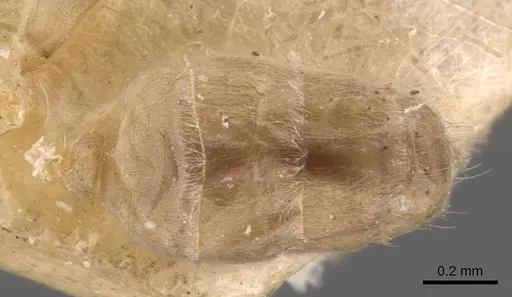
CASENT0909635
View on AntWeb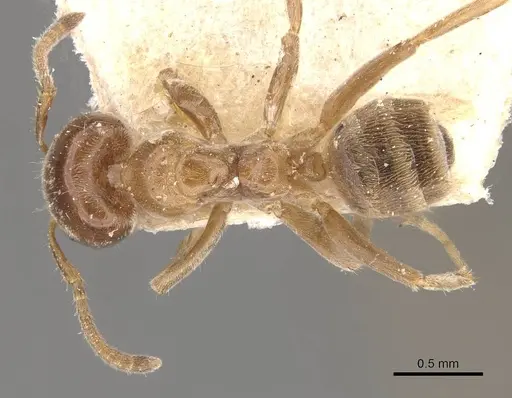
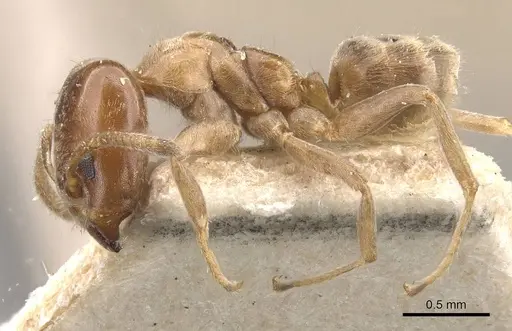
CASENT0909636
View on AntWeb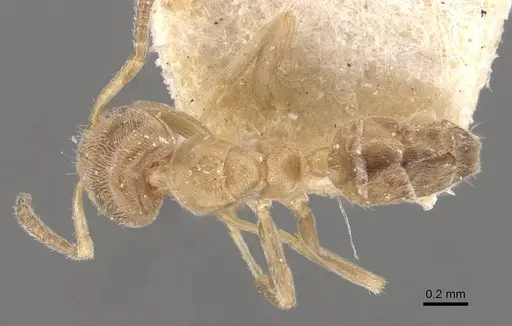
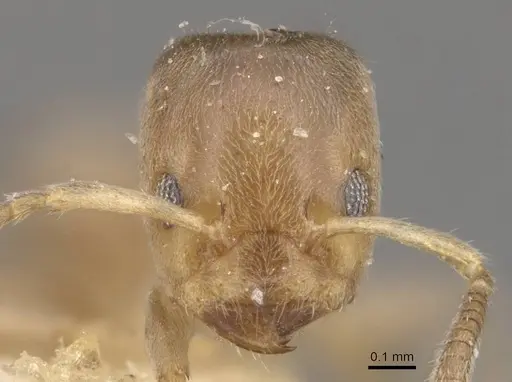
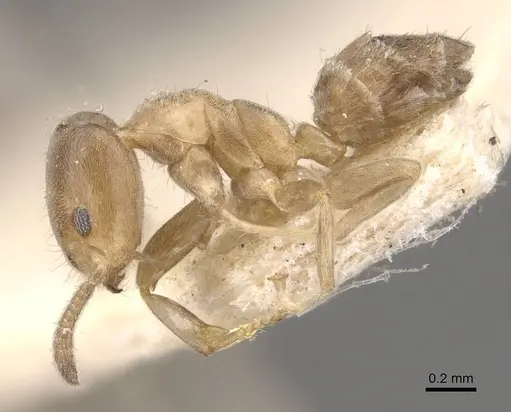
CASENT0922252
View on AntWeb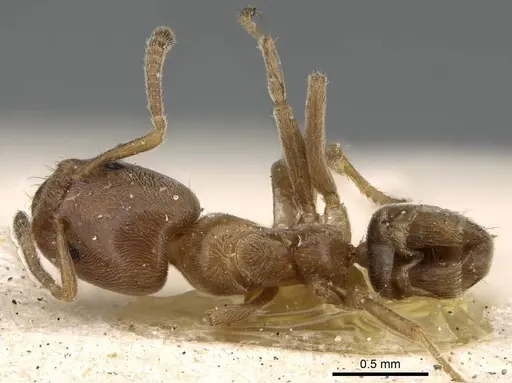
Literature
Loading...Loading products...