

Azteca goeldii
- Scientific Name
- Azteca goeldii
- Tribe
- Leptomyrmecini
- Subfamily
- Dolichoderinae
- Author
- Forel, 1906
- Distribution
- Found in 1 countries
Azteca goeldii Overview
Azteca goeldii is an ant species of the genus Azteca. It is primarily documented in 1 countries , including Brazil. Detailed taxonomic data and occurrence records can be further explored via authoritative databases such as AntWeb or the Global Biodiversity Information Facility (GBIF).
Azteca goeldii
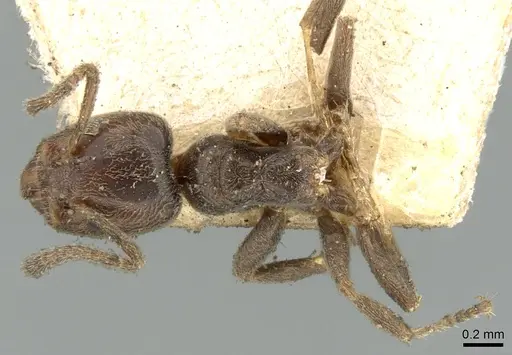
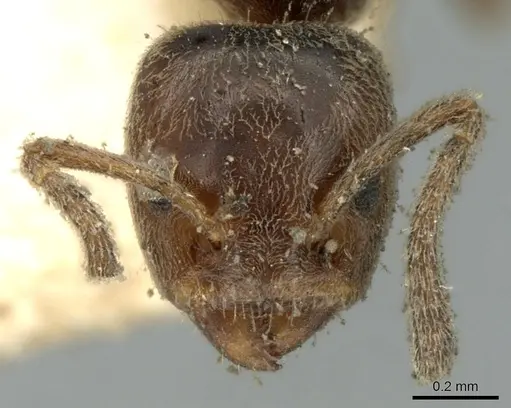
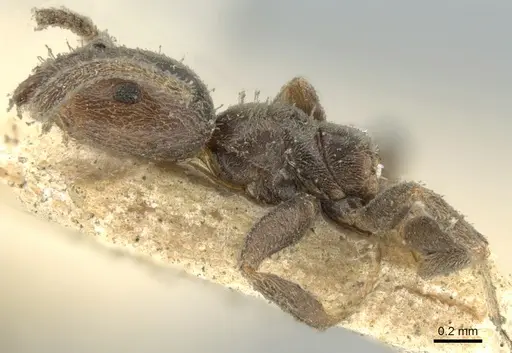
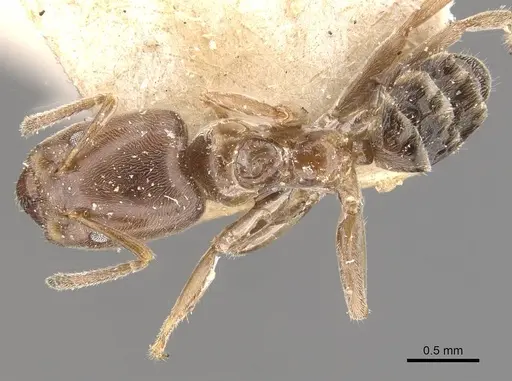
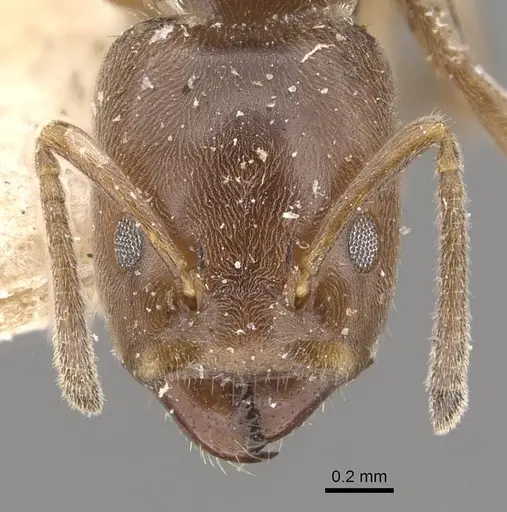
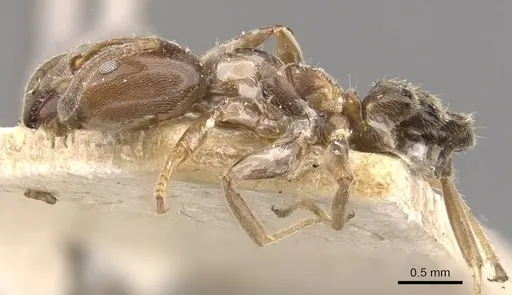
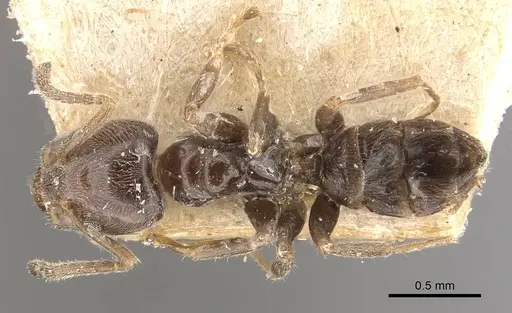
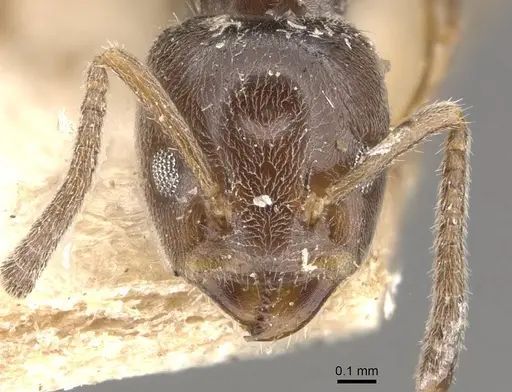
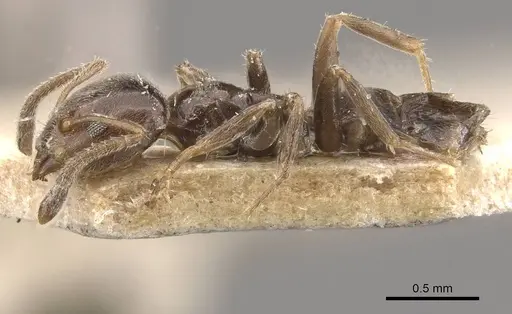
Azteca goeldii is a small to medium-sized Dolichoderinae ant native to Brazil, specifically the Amazonian region of Acre and Rio Grande do Sul. Workers are typically 3-5mm with a dark brown to black coloration. This species is notable for nesting in hollow branches of trees, particularly trees with a strong garlic-like odor, a unique trait among ant species. The genus Azteca is known for being aggressive defenders of their territories and tends honeydew-producing insects like aphids and scale insects. These ants are arboreal by nature, building nests in tree cavities rather than underground.
Quick Summary
- Difficulty: Medium
- Origin & Habitat: Brazil, Amazonian tropical forest region, specifically the Upper Purus River area in Acre state and Rio Grande do Sul. They nest in hollow branches of trees, particularly trees that emit a strong garlic-like odor [1][2].
- Colony Type: Colony structure is unconfirmed. Based on typical Azteca patterns, likely monogyne (single queen) colonies, though some Azteca species can be polygyne. The genus is known for territorial aggression and large colony sizes.
- Colony: Monogyne
- Founding: Claustral
- Size & Growth:
- Queen: Estimated 6-8mm based on genus patterns for Azteca species
- Worker: Estimated 3-5mm based on genus patterns [1]
- Colony: Likely several hundred to a few thousand workers based on typical Azteca colony sizes
- Growth: Moderate, tropical species typically develop faster than temperate species
- Development: Estimated 4-6 weeks at tropical temperatures (25-28°C) (Development time inferred from typical Dolichoderinae patterns at optimal temperature)
- Antkeeping:
- Temperature: Keep at 24-28°C. Tropical species requiring warm, stable conditions. A heating cable on one side of the nest can create a gentle gradient if room temperature is below this range.
- Humidity: Moderate to high humidity (60-80%). These arboreal ants prefer humid conditions but need good ventilation to prevent mold. Mist occasionally and provide a water source.
- Diapause: No, as a tropical species from Brazil, they do not require hibernation. Keep temperatures consistent year-round.
- Nesting: Arboreal nesters, they naturally nest in hollow tree branches. In captivity, they do well in acrylic nests, Y-tong nests, or naturalistic setups with cork or wooden structures. Avoid fully soil-based nests as they prefer dry, cavity-based nesting.
- Behavior: Azteca goeldii is likely aggressive and territorial, typical of the genus. They are arboreal and will explore upward, making escape prevention important. Workers are active foragers that tend honeydew-producing insects and hunt small prey. They have moderate escape risk due to their size but should still be contained with proper barriers.
- Common Issues: tropical species may struggle in cool or dry environments, maintain warmth and humidity, arboreal nesting means they may not accept soil-based formicariums, provide cavity-based nests, aggressive temperament means handling should be minimal and cautious, wild-caught colonies may be difficult to establish in captivity due to specific nesting requirements
Housing and Nest Preferences
Azteca goeldii is an arboreal species that naturally nests in hollow tree branches. In captivity, they do best in nests that mimic this cavity-based environment. Acrylic nests, Y-tong nests, or naturalistic setups with cork pieces or wooden structures work well. Avoid fully soil-based formicariums as these ants prefer dry cavities over moist substrate. Provide some climbing structures and branches in the outworld to satisfy their arboreal instincts. The nest should have some humidity but not be wet, these are not ground-nesting ants. [1]
Feeding and Diet
Like other Dolichoderinae ants, Azteca goeldii likely has a mixed diet. They probably feed on honeydew from aphids and scale insects (which they tend in the wild), along with small insects and other protein sources. In captivity, offer sugar water or honey regularly, along with small insects like fruit flies, pinhead crickets, or mealworm pieces. They are likely omnivorous and will accept most standard ant foods. Feed protein 2-3 times per week and provide sugar sources constantly.
Temperature and Seasonal Care
As a tropical Brazilian species, Azteca goeldii requires warm conditions year-round. Keep the nest area at 24-28°C consistently. Unlike temperate species, they do not enter diapause or hibernation. Temperature drops below 20°C can stress or kill colonies. Use a heating cable or mat on one side of the nest if your room temperature is below this range. Avoid temperature fluctuations and keep conditions stable. Room temperature in most homes should be adequate, but monitor during winter. [2]
Behavior and Temperament
Azteca species are known for being aggressive and territorial. Workers will readily defend the nest and attack intruders. They are active foragers that search for food both in the canopy and on surrounding surfaces. Their arboreal nature means they prefer to travel upward rather than along ground surfaces. When keeping this species, provide a tall outworld with climbing opportunities. Handle colonies with care as they may bite if provoked. Escape prevention should be moderate, while not the smallest ants, they can still squeeze through small gaps.
Frequently Asked Questions
How long does it take for Azteca goeldii to produce first workers?
Based on typical tropical Dolichoderinae development, expect first workers (nanitics) in about 4-6 weeks after the queen lays eggs, provided temperatures are kept at 25-28°C. Development will be slower at cooler temperatures.
What do Azteca goeldii ants eat?
They likely eat honeydew from aphids and scale insects in the wild, plus small insects and arthropods. In captivity, offer sugar water or honey regularly, along with small insects like fruit flies or mealworm pieces. They are omnivorous and will accept most standard ant foods.
Can I keep Azteca goeldii in a test tube?
Test tubes can work for founding colonies, but these arboreal ants prefer cavity-based nests. Once the colony reaches 10-20 workers, consider moving them to an acrylic or Y-tong nest with climbing structures. They do not do well in fully soil-based setups.
What temperature do Azteca goeldii need?
Keep them at 24-28°C consistently. This is a tropical species that requires warm conditions year-round. Avoid temperatures below 20°C, as this can stress or kill the colony.
Do Azteca goeldii need hibernation?
No. As a tropical species from Brazil, they do not require hibernation or winter rest. Keep temperatures consistent year-round without seasonal drops.
How big do Azteca goeldii colonies get?
Based on typical Azteca species, colonies likely reach several hundred to a few thousand workers. They are not among the largest ant species but can form substantial colonies over time.
Are Azteca goeldii good for beginners?
This species is rated as Medium difficulty. While not the hardest species, they have specific requirements (warmth, arboreal nesting) that may challenge complete beginners. They are better suited for antkeepers with some experience.
Why is my Azteca goeldii colony not growing?
Check that temperatures are in the 24-28°C range, cool temperatures are the most common cause of slow growth. Also ensure the nest provides appropriate arboreal-style cavities rather than soil. Poor nutrition can also slow development, offer varied protein sources.
References

This caresheet is licensed under CC BY-SA 4.0 .
Literature
Loading...Loading products...