

Azteca gnava
- Scientific Name
- Azteca gnava
- Tribe
- Leptomyrmecini
- Subfamily
- Dolichoderinae
- Author
- Forel, 1906
- Distribution
- Found in 5 countries
Azteca gnava Overview
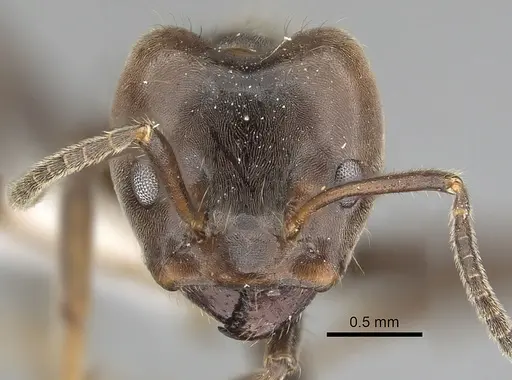
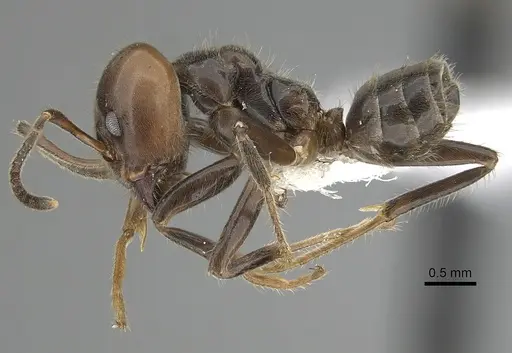
Azteca gnava is an ant species of the genus Azteca. It is primarily documented in 5 countries , including Costa Rica, French Guiana, Guatemala. Detailed taxonomic data and occurrence records can be further explored via authoritative databases such as AntWeb or the Global Biodiversity Information Facility (GBIF).
Azteca gnava
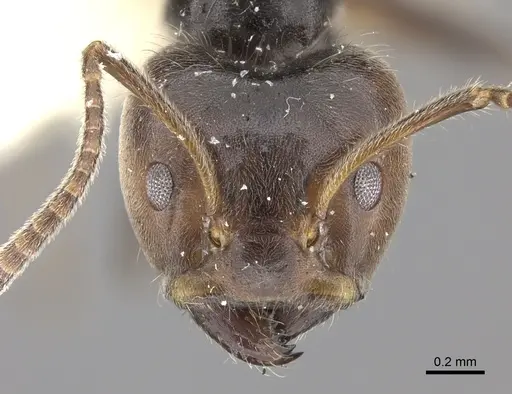
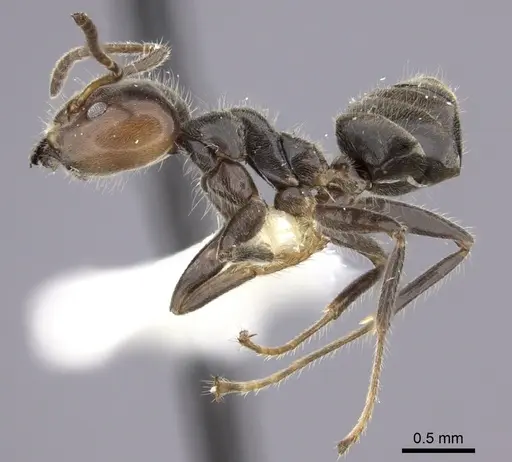
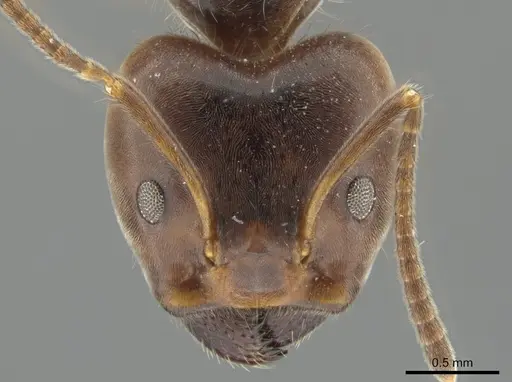
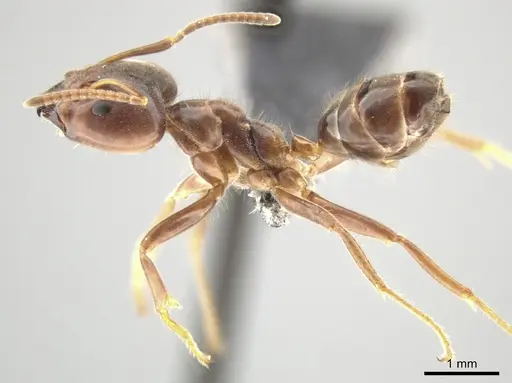
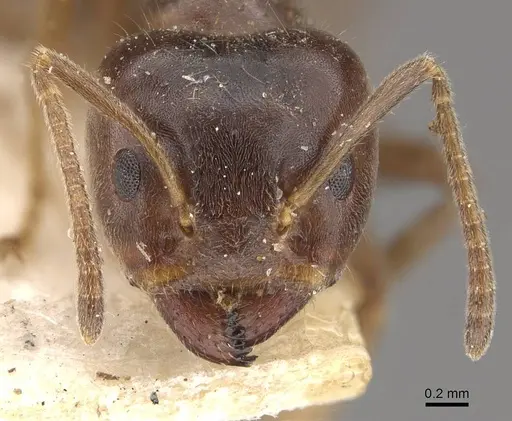
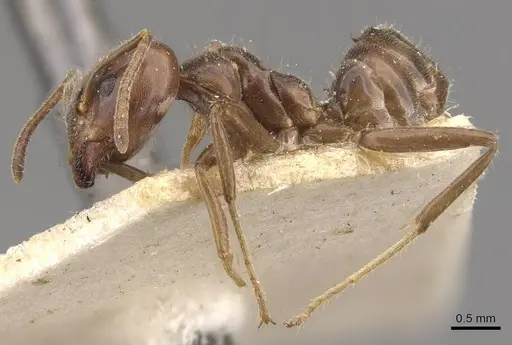
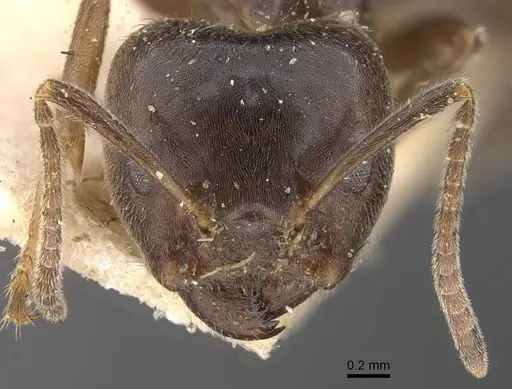
Azteca gnava is a medium-sized arboreal ant native to the Neotropics, ranging from southern Mexico to Panama. Workers measure 1.0-1.5mm and are light to dark brown in color, while queens are larger at 2.2-2.5mm with a distinctive dark red-brown body and lighter orange-brown areas around the antennal fossae. This species is best known for its unique nesting behavior, it forms elaborate ant gardens in the forest canopy, where colonies build nests among epiphytes and other plants growing on tree branches. Colonies develop as an 'archipelago' with one or more large central gardens and numerous smaller satellite gardens, sometimes spanning over 50cm in diameter. These ants have a mutualistic relationship with coccoid Hemiptera (scale insects), which they shelter beneath their gardens and tend for honeydew.
Quick Summary
- Difficulty: Expert
- Origin & Habitat: Wet to moist forest habitats in the Neotropics, from southern Mexico through Costa Rica to Panama. This is a canopy-dwelling species that nests in ant gardens high in trees, often in trees overhanging streams or river margins [1][2].
- Colony Type: Colonies form a multi-nest 'archipelago' structure with one or more large central gardens and numerous satellite gardens. The exact queen number per colony is unclear, but the satellite nest pattern suggests polygynous (multiple queen) or pleometrotic founding. Queens are rarely encountered in the wild [1].
- Colony: Polygyne
- Size & Growth:
- Queen: 2.18-2.47mm [1]
- Worker: 1.00-1.47mm [1]
- Colony: Large colonies with nests over 50cm diameter, exact worker count unknown but likely hundreds to over 1000 based on nest size [1]
- Growth: Unknown, no development data available
- Development: Unknown, no direct development studies exist for this species (Development timeline has not been studied. Related Azteca species in Costa Rica typically develop in 4-8 weeks at tropical temperatures, but this is an estimate.)
- Antkeeping:
- Temperature: As a tropical species from wet forests, keep temperatures warm. Aim for 24-28°C, which matches their natural canopy habitat in Central American rainforests. Avoid temperatures below 20°C [1].
- Humidity: High humidity is essential, these ants live in ant gardens in the forest canopy where humidity is constantly high from ambient moisture and the plants themselves. Keep humidity at 70-85% minimum. The nest should remain consistently moist but with good ventilation to prevent mold [1][2].
- Diapause: No, this is a tropical species from wet forests that do not experience cold winters. They do not require hibernation or diapause [1].
- Nesting: This is the most challenging aspect of keeping Azteca gnava. They are arboreal ant garden ants that build nests among epiphytes in trees. In captivity, they need a naturalistic setup with vertical space and live plants or mosses where they can build their carton-like gardens. A large arboreal formicarium or a naturalistic setup with branches, cork, and epiphyte-friendly substrate works best. They will not thrive in standard horizontal nests [1][2].
- Behavior: Azteca gnava is an arboreal forager that builds extensive carton structures among epiphytes. Workers are generalist foragers that patrol the canopy. They are not particularly aggressive but will defend their gardens. They farm coccoid Hemiptera for honeydew and also forage for other carbohydrates and small prey. Escape prevention is important, workers are small (1-2mm) but they are arboreal by nature so they will explore upward and can escape through small gaps. Their relationship with scale insects means they may be less interested in sugar water if they have access to honeydew-producing hemiptera [1][2].
- Common Issues: Ant garden nesting is extremely difficult to replicate in captivity, most keepers fail to establish colonies because they cannot provide the epiphyte-rich arboreal environment these ants need, Tropical humidity requirements are high, dry conditions will cause colony decline and death, Queens are rarely found and difficult to locate, wild colonies are the primary source for keepers, Multi-nest colony structure means single-queen colonies may not be sustainable, they appear to need multiple queens or satellite nests, Scale insect symbiosis may make them dependent on honeydew, they may reject sugar water if not accustomed to it
Natural History and Ant Gardens
Azteca gnava is one of the most fascinating ant species in Central America due to its unique nesting behavior. In the wild, these ants build ant gardens, complex structures composed of carton material (a papery mixture of ant secretions and plant material) that house the colony among epiphytes and other plants growing on tree branches. These gardens can be quite large, sometimes exceeding 50cm in diameter, and typically support dense growth of plants like Aechmea bromeliads and Peperomia. Colonies exist as an 'archipelago' with one large central garden and numerous smaller satellite gardens connected by foragers. This multi-nest structure is one reason why these ants are so challenging to keep, they naturally spread across multiple locations. The ants maintain symbiotic relationships with coccoid Hemiptera (scale insects), sheltering them beneath the gardens and harvesting their honeydew secretions. This relationship is so strong that large populations of these hemiptera are almost always found associated with established colonies [1][2].
Housing and Nesting Requirements
This is the most critical and challenging aspect of keeping Azteca gnava. These are strictly arboreal ants that build ant gardens among epiphytes in the forest canopy. Standard ant-keeping setups (test tubes, horizontal formicaria, Y-tong nests) are completely unsuitable. You will need a naturalistic arboreal setup with vertical space, branches or cork bark for the ants to build among, and live plants or mosses that can support epiphyte growth. The setup should mimic a tree branch environment with high humidity maintained through the plants and possibly a misting system. Some keepers have had limited success with large naturalistic terrariums containing tropical plants where the ants can build their carton nests. The enclosure must be tall enough to accommodate their natural upward foraging and should include multiple 'satellite' areas where they can establish secondary gardens. Without this specialized setup, colonies will not thrive regardless of how well you feed them [1][2][3].
Feeding and Diet
In the wild, Azteca gnava primarily sustains itself on honeydew collected from the coccoid Hemiptera they farm beneath their ant gardens. They are generalist foragers and will also collect nectar from flowers, hunt small arthropods, and scavenge. In captivity, you should provide a varied diet including: sugar sources (honey water or sugar water can be offered, though they may prefer honeydew from maintained scale insects), protein sources (small insects like fruit flies, pinhead crickets, or mealworms), and ideally, you could maintain a small population of scale insects or mealybugs for them to tend. The scale insect relationship is important, if you can establish a colony with healthy hemiptera, the ants will be far more sustainable and active. Feed protein 2-3 times per week and keep sugar available constantly. Remove uneaten prey after 24-48 hours to prevent mold in the humid environment [1][4].
Temperature and Humidity
As a tropical species from wet forests in Central America, Azteca gnava requires warm and humid conditions. Maintain temperatures in the range of 24-28°C, which matches their natural canopy habitat. Avoid any temperatures below 20°C for extended periods, this species has no tolerance for cold. Humidity is even more critical than temperature for this species. Their natural ant garden environment is constantly humid from ambient rainforest moisture and the water-holding capacity of the epiphytes themselves. Aim for humidity levels of 75-85% or higher. The substrate and nest material should remain consistently moist but never waterlogged. Good ventilation is still necessary to prevent mold, but avoid airflow that would dry out the environment. A small reptile fogger or regular misting can help maintain humidity in a naturalistic setup [1][2].
Colony Acquisition and Legal Considerations
Acquiring Azteca gnava is extremely difficult. Queens were unknown to science until 2007 and remain rarely encountered. The primary method of obtaining colonies is through wild collection in their native range (southern Mexico to Panama), which requires being in the right location during the right season and locating their distinctive ant gardens in the forest canopy. This is not a species you will find in commercial ant shops. If you do obtain a wild colony, be extremely careful during transport, the multi-nest archipelago structure means that disturbing the main garden can separate parts of the colony. Additionally, check your local regulations before collecting or keeping this species. In the United States and other non-native countries, Azteca species are not known to be established, but you should never release tropical ants into temperate environments. This species should only be kept by experienced antkeepers with the resources to provide proper arboreal, epiphyte-rich housing [1][2].
Frequently Asked Questions
Can I keep Azteca gnava in a test tube setup?
No. Azteca gnava is an arboreal ant garden species that requires a naturalistic setup with vertical space, branches, and epiphytes or mosses to build their carton nests. Standard test tube or formicarium setups are completely unsuitable for this species.
How long does it take for Azteca gnava to develop from egg to worker?
The development timeline has not been directly studied for this species. Based on related Azteca species in Costa Rica, development likely takes 4-8 weeks at optimal tropical temperatures (around 25-28°C), but this is an estimate.
Do Azteca gnava ants need hibernation?
No. This is a tropical species from wet forests in Central America that does not experience cold winters. They do not require diapause or hibernation. Keep them warm year-round at 24-28°C.
What do Azteca gnava ants eat?
They primarily feed on honeydew from scale insects (coccoid Hemiptera) that they farm beneath their ant gardens. In captivity, offer sugar water or honey, small insects for protein, and consider maintaining a small scale insect colony for them to tend.
Are Azteca gnava good for beginners?
No. This is an expert-level species due to their specialized arboreal ant garden nesting requirements, high humidity needs, and the difficulty of replicating their natural epiphyte-rich canopy environment. Most experienced antkeepers struggle to maintain this species.
How big do Azteca gnava colonies get?
Colonies can be very large in the wild, with individual ant gardens exceeding 50cm in diameter. The 'archipelago' structure means colonies spread across multiple connected gardens. Exact worker counts have not been documented, but likely reach hundreds to over a thousand workers.
Can I keep multiple Azteca gnava queens together?
The natural colony structure suggests polygynous (multiple queen) colonies given the archipelago pattern with central and satellite nests. However, combining unrelated foundress queens has not been studied. Based on their natural history, multiple queens likely live together in established colonies.
Why are my Azteca gnava dying?
The most likely causes are: inadequate nesting space (they need vertical, epiphyte-rich arboreal setups), humidity too low (they need 75-85%+ humidity), temperature too cold (below 20°C), or inability to establish their ant garden structure. This species is extremely difficult to keep and most captive colonies fail regardless of keeper experience.
Where does Azteca gnava live in the wild?
Azteca gnava is found from southern Mexico through Guatemala, Honduras, Costa Rica, and Panama. They live in the canopy of wet to moist tropical forests, typically in trees overhanging streams or river margins, where they build their ant gardens among epiphytes.
References

This caresheet is licensed under CC BY-SA 4.0 .
CASENT0619156
View on AntWeb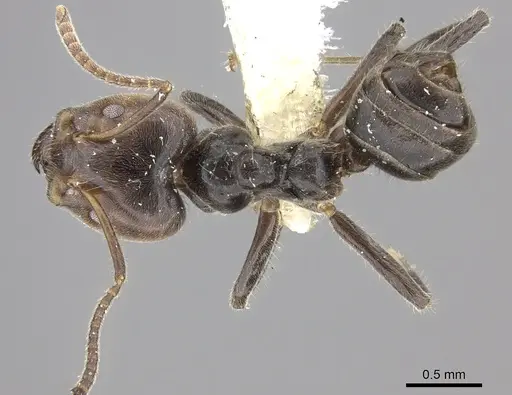
CASENT0649878
View on AntWeb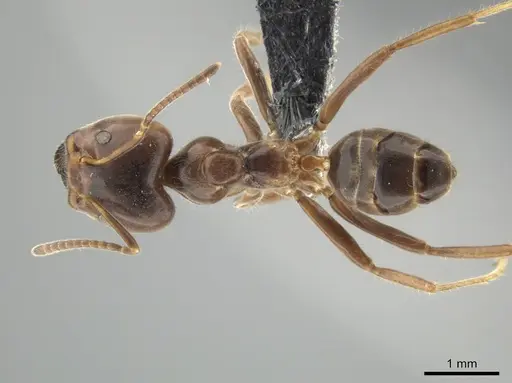
CASENT0909659
View on AntWeb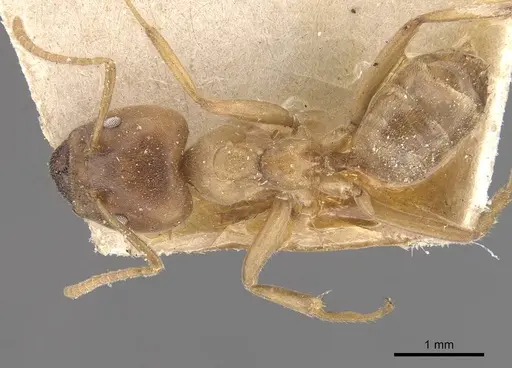
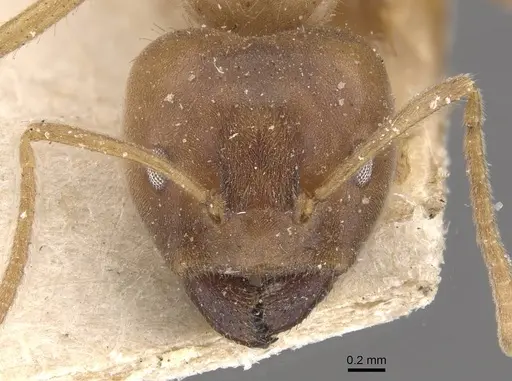
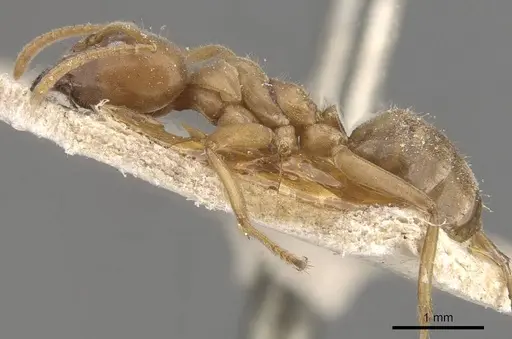
CASENT0909662
View on AntWeb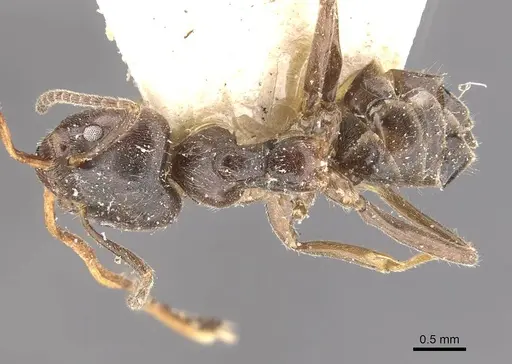
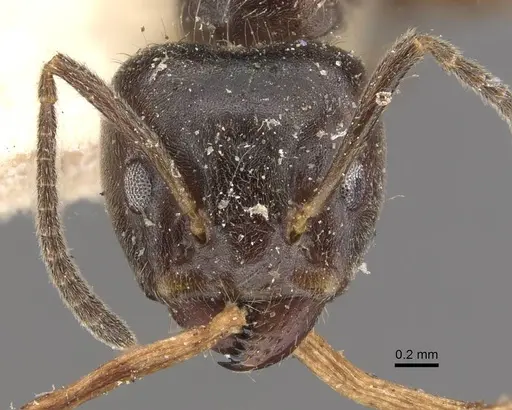
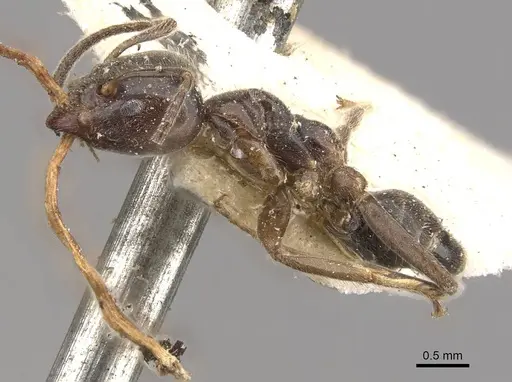
CASENT0909663
View on AntWeb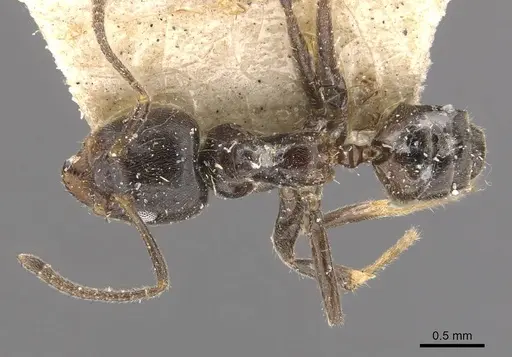
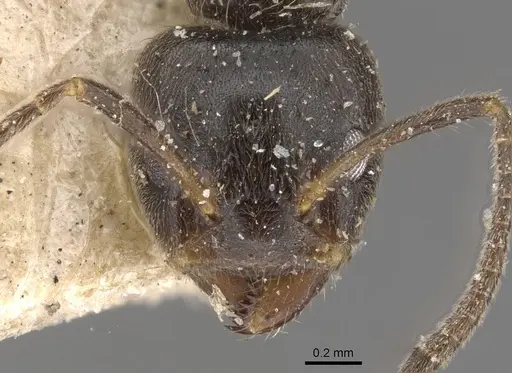
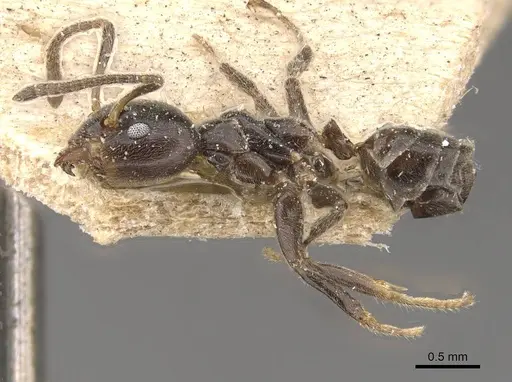
CASENT0909664
View on AntWeb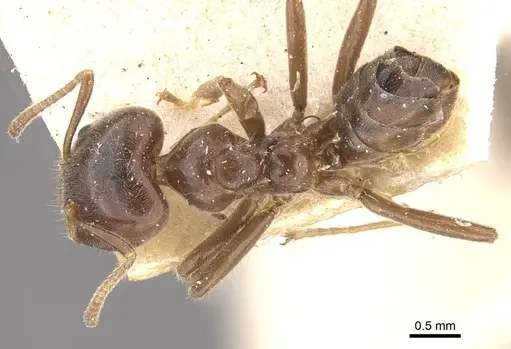
CASENT0909699
View on AntWeb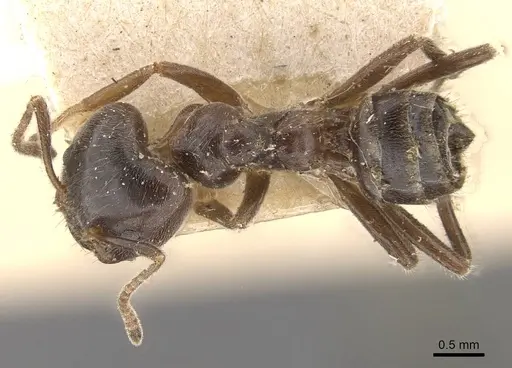
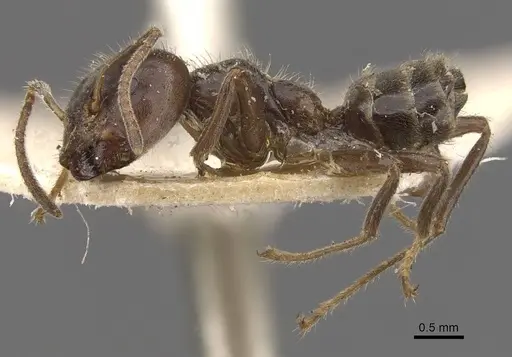
CASENT0909700
View on AntWeb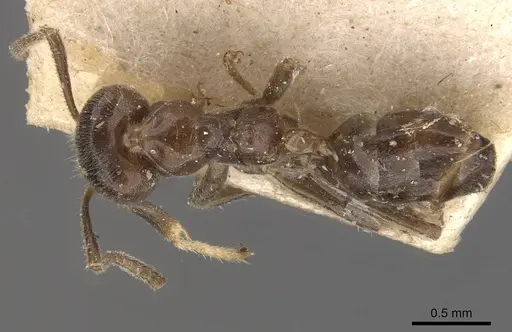
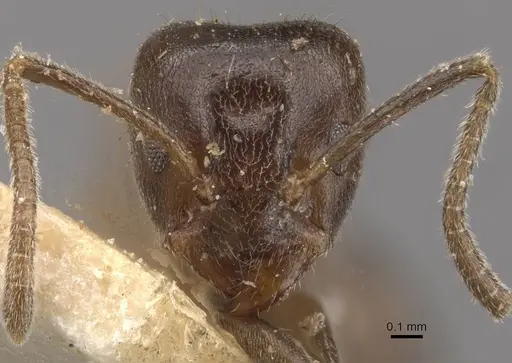
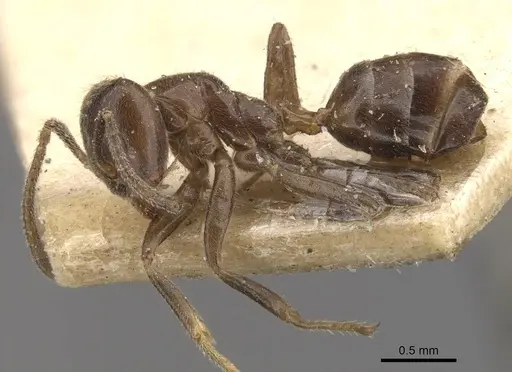
FOCOL0539
View on AntWeb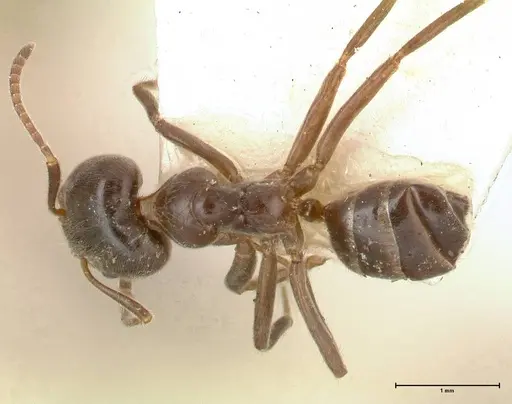
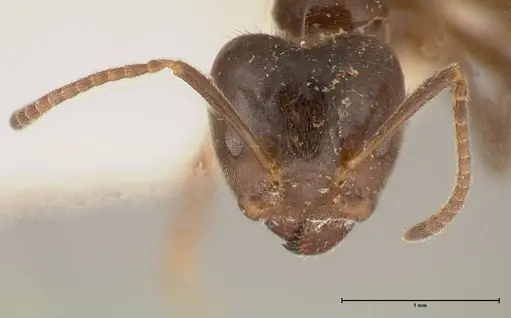
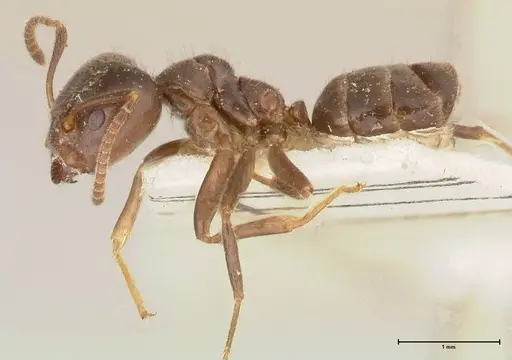
FOCOL0540
View on AntWeb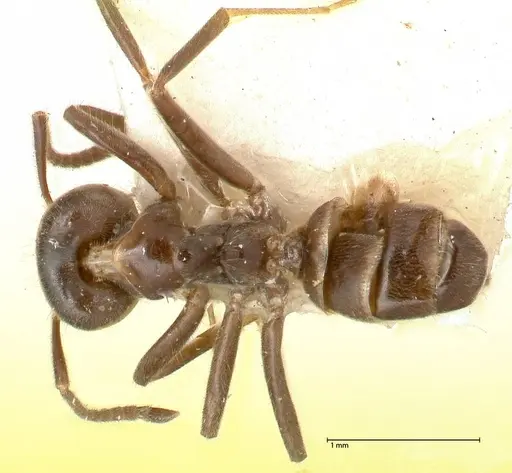
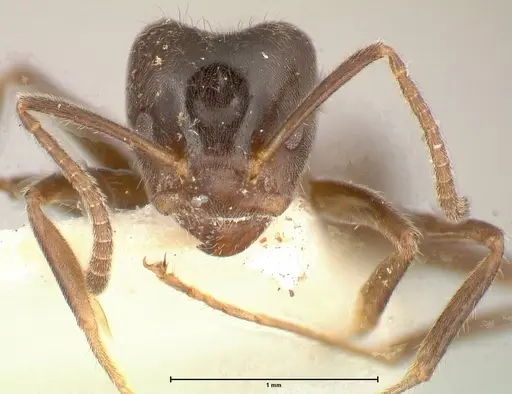
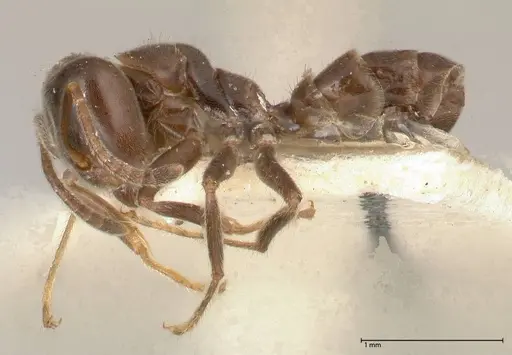
FOCOL0541
View on AntWeb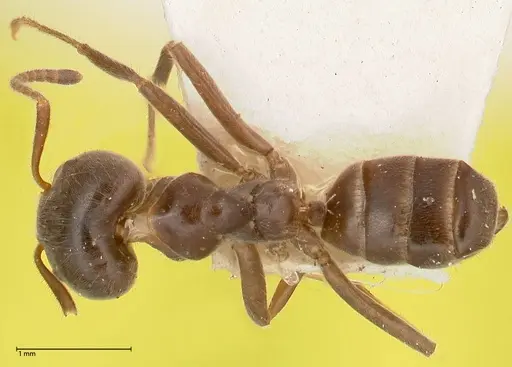
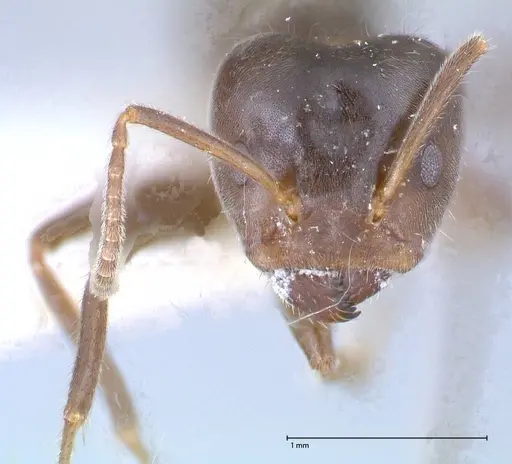
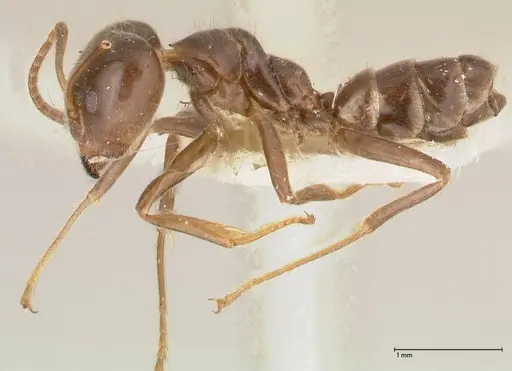
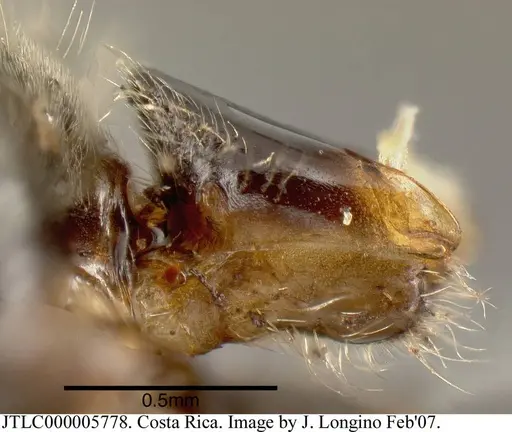
JTLC000005778
View on AntWeb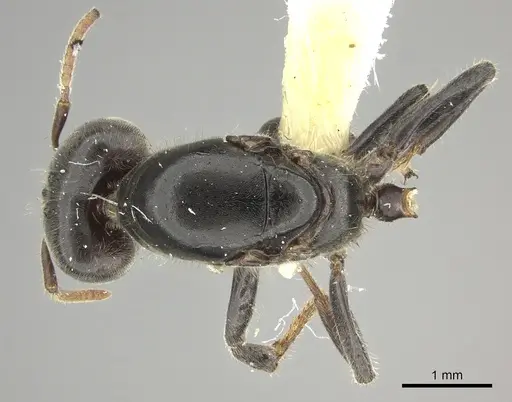
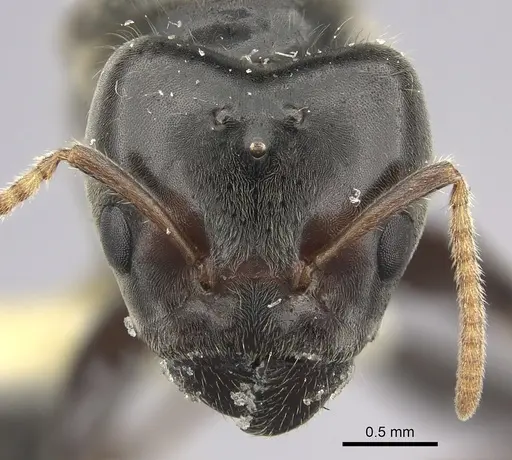
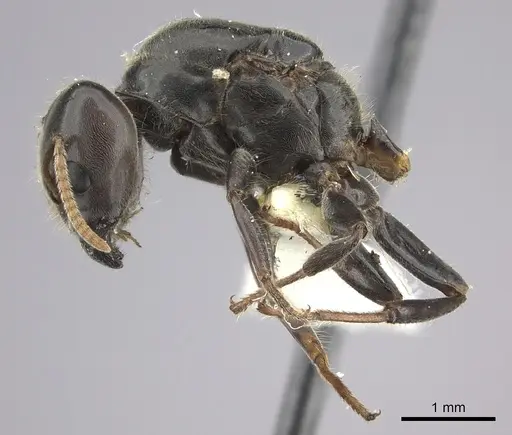
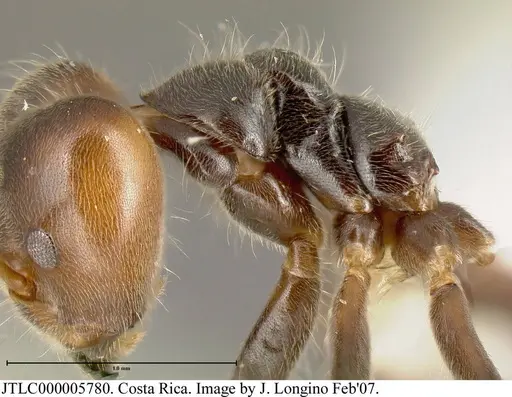
JTLC000005780
View on AntWeb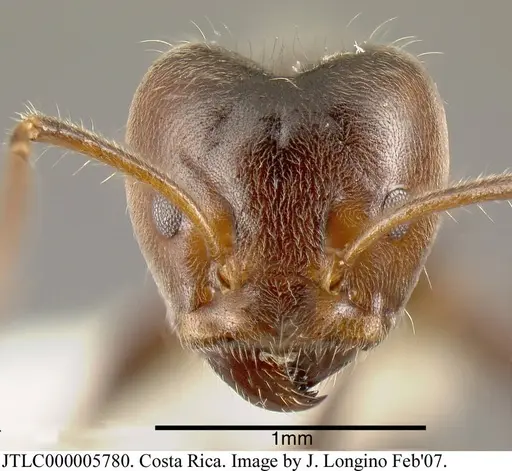
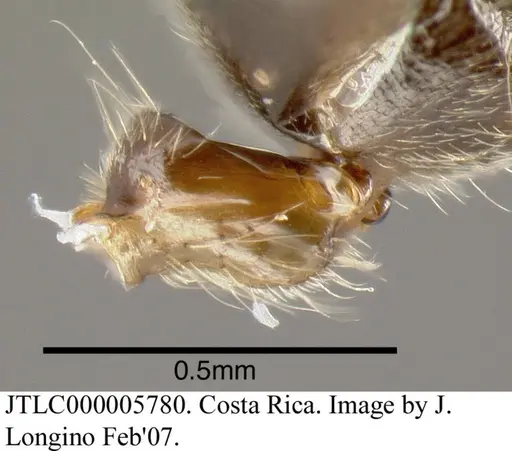
JTLC000009534
View on AntWeb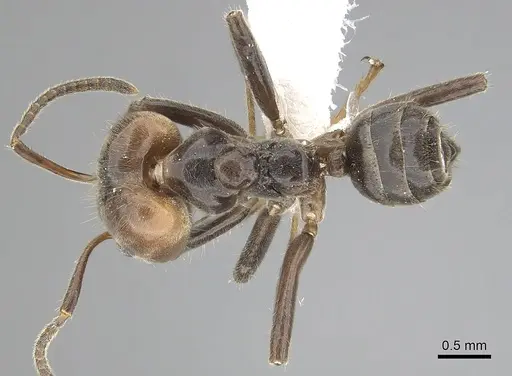
Literature
Loading...Loading products...