

Azteca flavigaster
- Scientific Name
- Azteca flavigaster
- Tribe
- Leptomyrmecini
- Subfamily
- Dolichoderinae
- Author
- Longino, 2007
- Distribution
- Found in 5 countries
Azteca flavigaster Overview
Azteca flavigaster is an ant species of the genus Azteca. It is primarily documented in 5 countries , including Bonaire, Sint Eustatius and Saba, Costa Rica. Detailed taxonomic data and occurrence records can be further explored via authoritative databases such as AntWeb or the Global Biodiversity Information Facility (GBIF).
Azteca flavigaster
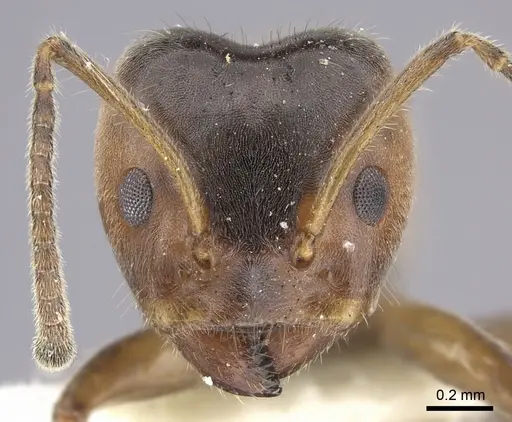
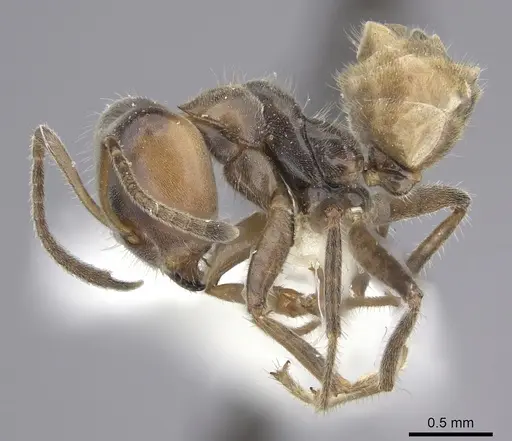
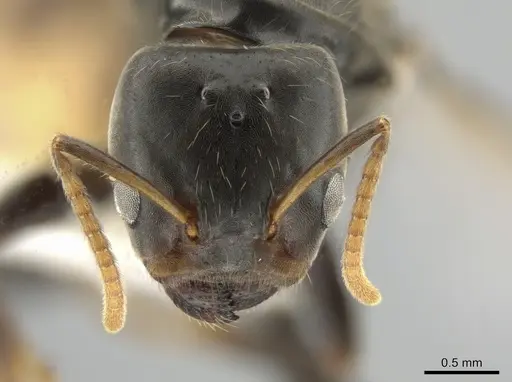
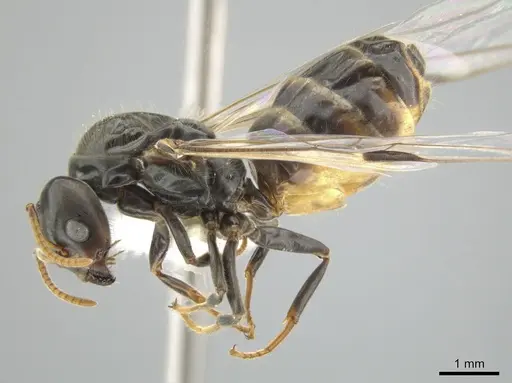
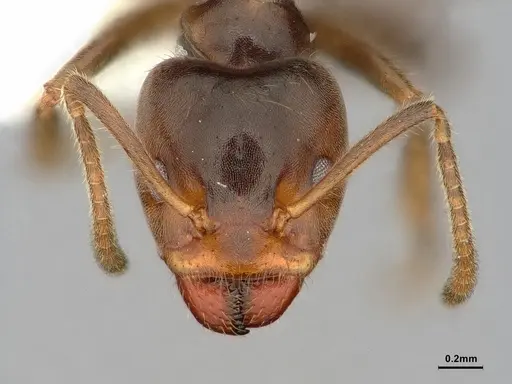
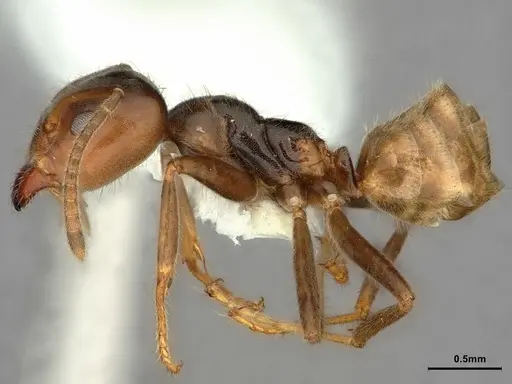
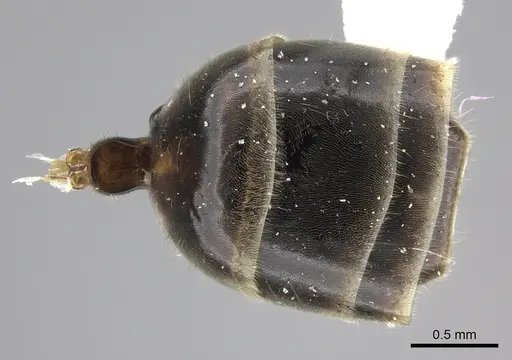
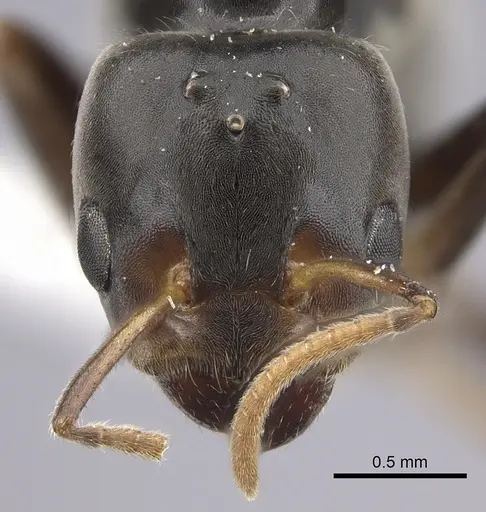
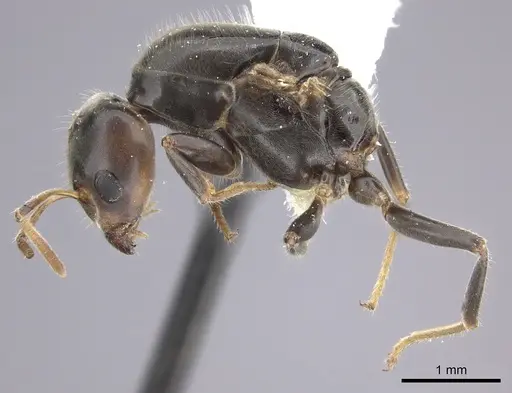
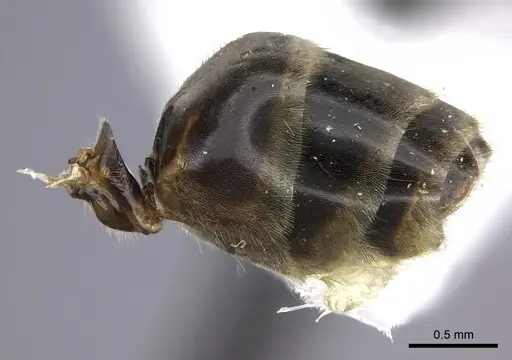
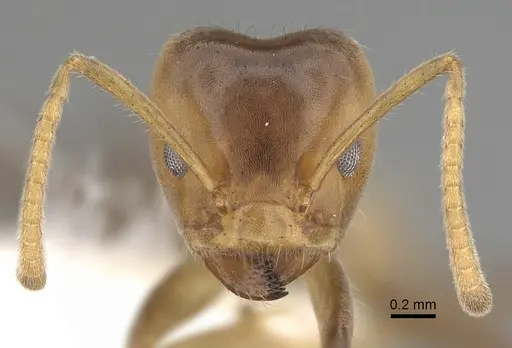
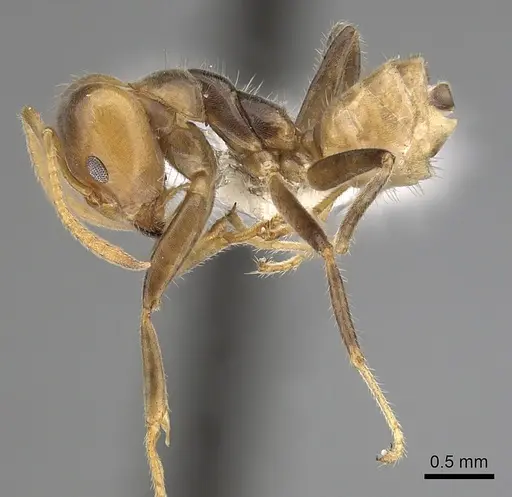
Azteca flavigaster is a medium-sized arboreal ant native to the Neotropics, found across Costa Rica, Panama, Ecuador, and Peru [1]. Workers measure around 3mm with a striking appearance, they have a bright yellow gaster (the rear body section) that contrasts sharply with their darker brown mesosoma (middle body section), making them one of the more visually distinctive Azteca species [2]. Queens are larger at approximately 5.5mm with a dark brown head and lighter orange coloration near the mandibles [1]. This species is a generalist cavity nester, meaning it will nest in various hollow spaces including tree fissures, dead branches, and even the hollow thorns of myrmecophytic acacia trees [1]. Workers are active foragers that travel conspicuously along tree trunks and can form large columns up to 18 meters high into the canopy [1].
What makes this species particularly interesting is its flexibility in nesting locations, they've been found nesting in such varied sites as the trunk of a live 40cm diameter tree, dead branches at ground level, sapling stems, and even the thorns of Acacia alleni trees when the dominant Pseudomyrmex colony is absent [1]. This adaptability suggests they can thrive in different captive setups as long as they have appropriate nesting cavities and foraging space.
Quick Summary
- Difficulty: Medium
- Origin & Habitat: Southern Pacific lowlands of Costa Rica in moderately seasonal evergreen forest, ranging through Panama, Ecuador, and Peru [1]. This is a lowland tropical species, they live in warm, humid forest environments from near sea level up to moderate elevations.
- Colony Type: Colony structure is not well documented. Multiple founding queens have been observed in close proximity within the same structure (two queens in adjacent chambers of a Costus inflorescence), but when placed together they fought immediately, suggesting typical single-queen colonies in captivity [1].
- Size & Growth:
- Queen: Approximately 5.5mm (HLA 1.55mm) [1]
- Worker: Approximately 3mm (HLA 1.19mm) [1]
- Colony: Unknown for this specific species, but related Azteca species can form large colonies with hundreds to thousands of workers
- Growth: Moderate, estimated based on tropical arboreal ant patterns
- Development: Estimated 6-8 weeks based on typical Azteca development at tropical temperatures (Development time is estimated from related species, direct observations are lacking for this species)
- Antkeeping:
- Temperature: Keep around 24-28°C. As a tropical lowland species, they need consistently warm conditions. A heating cable on one side of the nest can help maintain temperature if room temperature is below this range.
- Humidity: High humidity is essential, think humid tropical forest. Keep the nest substrate consistently moist but not waterlogged. Provide a water tube as a humidity source and consider misting the outworld periodically.
- Diapause: No, this is a tropical species that does not undergo hibernation. They remain active year-round in captivity.
- Nesting: These are arboreal cavity nesters. They prefer nests with horizontal chambers or cavities, test tubes work well for founding colonies, but established colonies need more space. A Y-tong (acrylic) nest with multiple chambers or a naturalistic setup with cork bark or wooden structures works best. They will readily occupy pre-made cavities.
- Behavior: Workers are active foragers that travel along surfaces, both tree trunks in the wild and the walls of their enclosure in captivity. They are not particularly aggressive toward keepers but will defend their nest. They have moderate escape risk due to their small size, ensure any gaps in the enclosure are sealed. Workers are daytime foragers and will readily explore their outworld for food.
- Common Issues: tropical species cannot tolerate cool temperatures, keep them warm or colony will become sluggish and may fail, small size means escapes are possible through tiny gaps, use fine mesh and check all connections, high humidity requirements can lead to mold if ventilation is poor, balance humidity with airflow, as arboreal ants, they need vertical space and climbing surfaces, a flat test tube alone is insufficient for established colonies, founding colonies are fragile, queens can be territorial and should be housed individually until workers establish
Nest Preferences and Housing
Azteca flavigaster is a generalist cavity nester, which means they'll use various types of hollow spaces [1]. In the wild, they've been found nesting in tree trunk fissures, dead branches, sapling stems, and even the hollow thorns of myrmecophytic acacia trees [1]. This nesting flexibility works in your favor for captive setups.
For founding colonies, a standard test tube setup works well, the queen will seal herself into a chamber and raise her first workers there. Once the colony reaches 20-30 workers, consider moving them to a more spacious formicarium. Y-tong (acrylic) nests with multiple horizontal chambers are ideal because they mimic the natural cavity spaces these ants prefer. You can also create a naturalistic setup with cork bark or wooden structures that provide internal cavities.
These ants are arboreal, so they appreciate vertical space and climbing surfaces. Include branches, cork bark pieces, or other structures in the outworld for workers to explore. They will create carton-like partitions in their nests (horizontal carton partitions were observed in wild colonies) [1], so don't be alarmed if you see them building small barriers between chambers.
Feeding and Diet
Azteca ants are generalist foragers with a diet similar to other Dolichoderinae ants, they feed on honeydew (the sugary liquid excreted by aphids and scale insects), nectar, and small insects [3]. In captivity, you should offer a varied diet.
Sugar sources are essential: offer sugar water, honey, or diluted maple syrup regularly. Change these every few days to prevent mold. For protein, provide small insects like fruit flies, small crickets, or mealworms. Since these ants are relatively small (around 3mm workers), prey items should be appropriately sized, tiny fruit flies and springtails are ideal.
Like many Azteca species, they likely have mutualistic relationships with coccoid Hemiptera (scale insects) in the wild [3]. While not required in captivity, this explains their strong attraction to sugar sources. Feed protein prey 2-3 times per week and keep sugar water constantly available.
Temperature and Seasonal Care
As a tropical lowland species from the southern Pacific lowlands of Costa Rica, Azteca flavigaster requires warm temperatures year-round [1]. Keep the nest area between 24-28°C. Below 22°C, you may notice reduced activity and slower brood development. Below 20°C, the colony may become seriously stressed.
Use a heating cable or heating mat on one side of the nest to maintain warmth if your room temperature is below this range. Place the heating element on top of the nest (never underneath, as direct heat can stress the ants). This creates a gentle temperature gradient that allows ants to regulate their own exposure to heat.
Unlike temperate species, these ants do not need hibernation or a diapause period. They remain active throughout the year in captivity. Maintain consistent temperatures, avoid drafts from air conditioning or windows in cooler months.
Behavior and Colony Dynamics
Workers of Azteca flavigaster are conspicuous surface foragers, they don't hide underground but actively travel along exposed surfaces like tree trunks [1]. In captivity, you'll see them regularly exploring their outworld, climbing on branches, and searching for food. This makes them an engaging species to watch.
The workers have a distinctive appearance with their bright yellow gaster contrasting against a darker brown mesosoma, making them relatively easy to identify even for beginners [2]. They form foraging columns and can travel significant distances, in the wild, workers have been observed 18 meters up in tree canopies [1].
Colony foundation has been observed in the wild: two founding queens were found in adjacent chambers of a dead Costus inflorescence, each with brood, and one already had nanitic (first) workers [1]. When two unrelated queens were placed together, they immediately fought, suggesting that in captivity, you should house founding queens individually.
Humidity and Water Requirements
High humidity is critical for this tropical species. In their natural habitat of moderately seasonal evergreen forest in Costa Rica's Pacific lowlands, humidity is consistently high [1]. In captivity, aim for 70-85% relative humidity in the nest area.
Use a test tube with a water reservoir (the classic cotton-ball-in-water setup) to provide humidity. For formicariums, keep the nesting material consistently moist but never waterlogged. You can lightly mist the outworld periodically, but avoid directly misting the nest as excessive moisture can lead to mold.
Always provide a separate water source, a shallow dish with a cotton ball or sponge soaked in water gives workers easy access for drinking. Change the water every few days to prevent bacterial growth.
Frequently Asked Questions
How long does it take for Azteca flavigaster to raise first workers?
Based on typical Azteca development in tropical conditions, expect first workers (nanitics) around 6-8 weeks after the queen lays her first eggs. This timeline is estimated from related species rather than directly observed for this specific species.
Can I keep multiple Azteca flavigaster queens together?
Not recommended. In the wild, founding queens have been found in adjacent chambers but when two were placed together in a vial, they immediately fought [1]. Each queen should be housed individually until she has established a colony with workers.
What do Azteca flavigaster ants eat?
They are generalists. Offer sugar water, honey, or maple syrup regularly for energy. For protein, provide small insects like fruit flies, small crickets, or mealworms. They will also collect honeydew if you have live plants with aphids in their enclosure.
Are Azteca flavigaster good for beginners?
They are rated as Medium difficulty. They require warm, humid tropical conditions that can be challenging to maintain consistently. If you have experience keeping other ant species and can provide proper heating and humidity, they make an interesting and attractive species to keep.
What size colony do Azteca flavigaster reach?
Colony size is not well documented for this specific species, but related Azteca species can reach hundreds to thousands of workers. Expect moderate growth over several years.
Do Azteca flavigaster need hibernation?
No. As a tropical species from Costa Rica, they do not require hibernation or any cold period. Keep them warm and active year-round.
When should I move my colony to a formicarium?
Start with a test tube for the founding queen. Once the colony reaches 20-30 workers and you see them actively foraging, consider moving them to a larger setup with multiple chambers. A Y-tong nest or naturalistic setup with cork bark works well for established colonies.
Why are my Azteca flavigaster dying?
The most common causes are: temperature too low (below 22°C), humidity too low or too high (mold from excessive moisture), or escape through small gaps. Check your temperature gradient, ensure humidity is balanced with ventilation, and verify all enclosure openings are sealed tightly.
References

This caresheet is licensed under CC BY-SA 4.0 .
CASENT0619172
View on AntWeb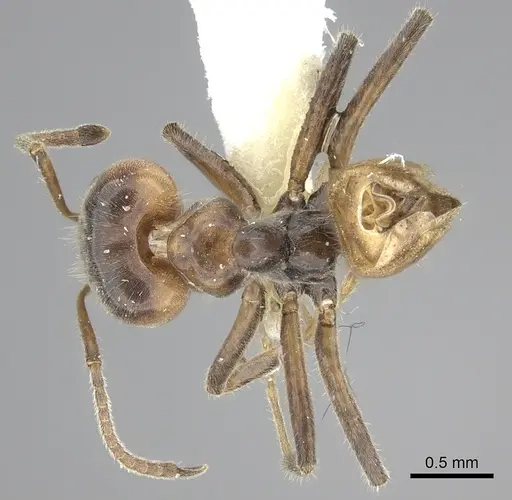
CASENT0635719
View on AntWeb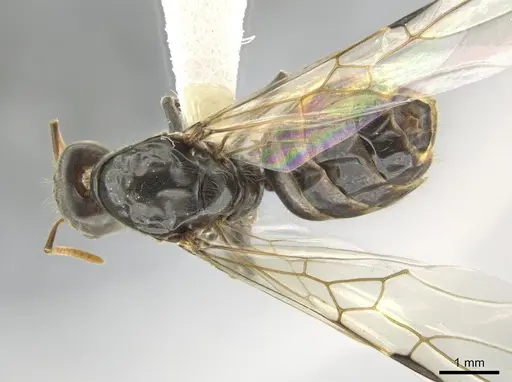
CASENT0886051
View on AntWeb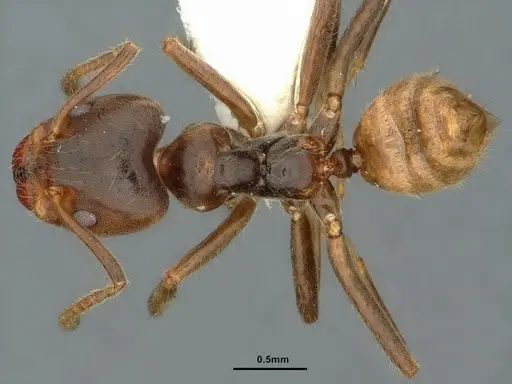
INBIOCRI001281549
View on AntWeb
JTLC000005673
View on AntWeb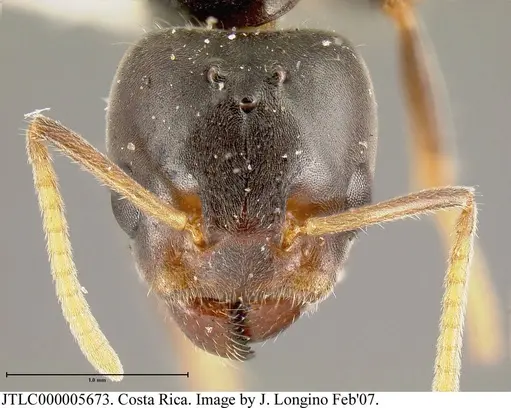
JTLC000005679
View on AntWeb
JTLC000005681
View on AntWeb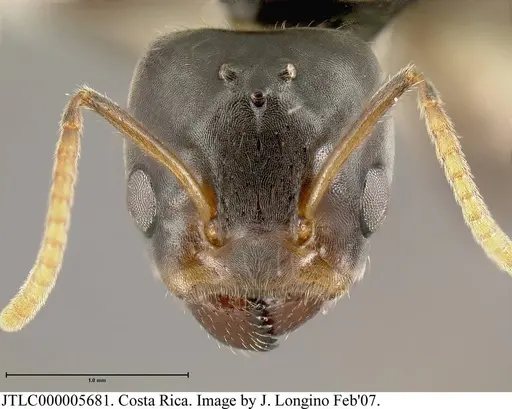
JTLC000005689
View on AntWeb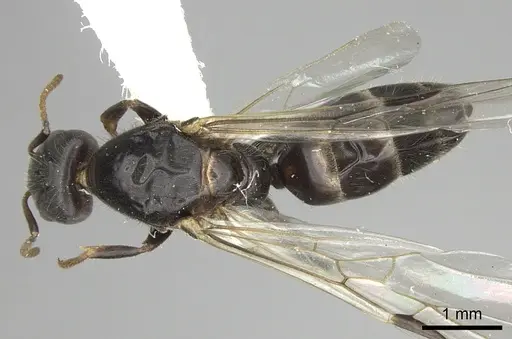
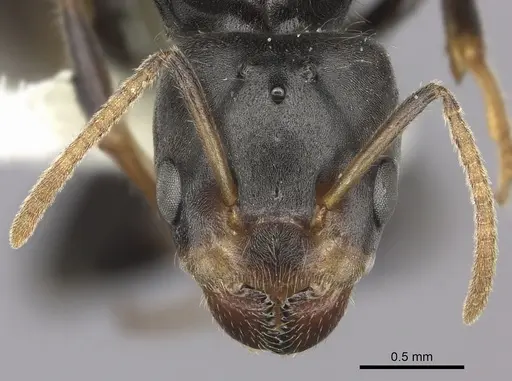
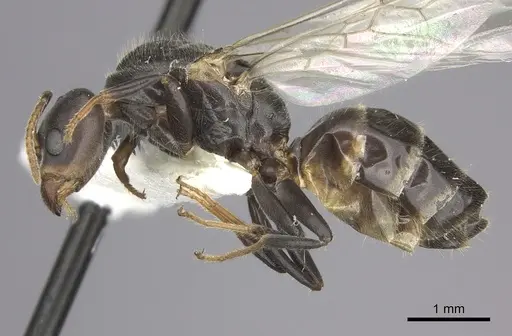
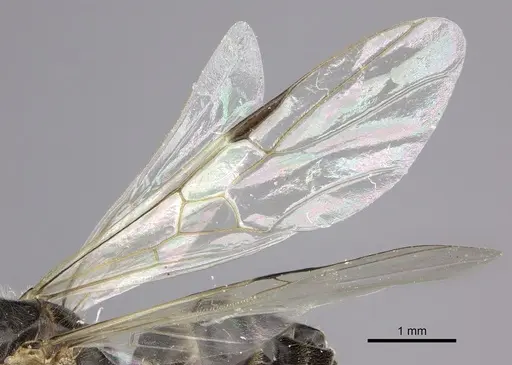
JTLC000005690
View on AntWeb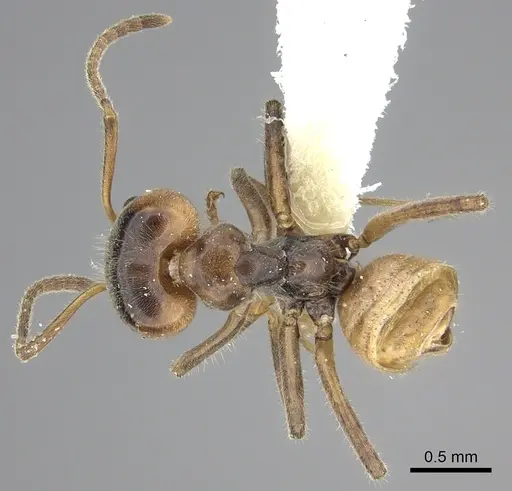
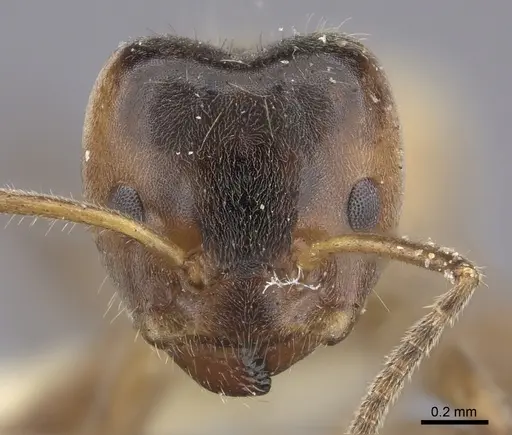
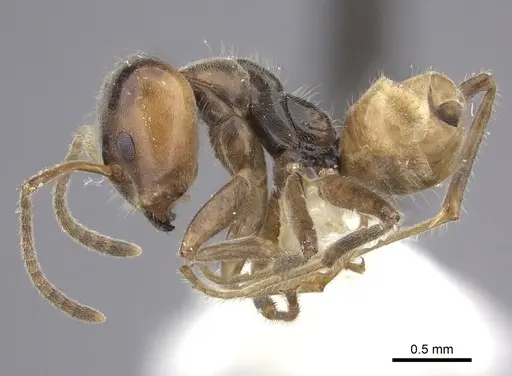
JTLC000009528
View on AntWeb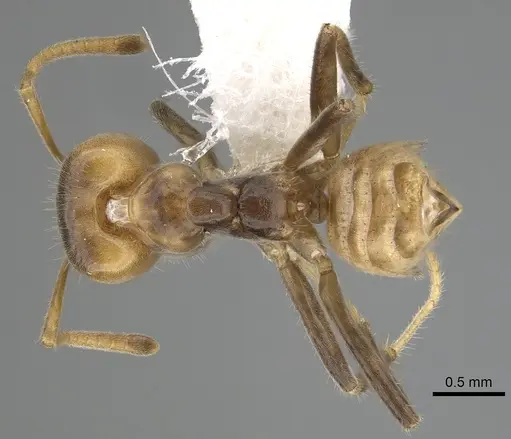
Literature
Loading...Loading products...