

Azteca duckei
- Scientific Name
- Azteca duckei
- Tribe
- Leptomyrmecini
- Subfamily
- Dolichoderinae
- Author
- Forel, 1906
- Distribution
- Found in 1 countries
Azteca duckei Overview
Azteca duckei is an ant species of the genus Azteca. It is primarily documented in 1 countries , including Brazil. Detailed taxonomic data and occurrence records can be further explored via authoritative databases such as AntWeb or the Global Biodiversity Information Facility (GBIF).
Azteca duckei
Azteca duckei is a tropical ant species found only in the Brazilian Amazon, specifically collected from the Rio Negro region near Barcelos in Amazonas state [1][2]. As a member of the genus Azteca, they likely live in trees and are adapted to the hot, humid conditions of the rainforest canopy. While specific details about their biology remain unconfirmed, Azteca ants are typically fast-moving, aggressive defenders that form large colonies and require specialized arboreal housing in captivity.
Quick Summary
- Difficulty: Expert
- Origin & Habitat: Brazil, Amazonas state, Rio Negro region [1][2]
- Colony Type: Unknown specifically, Azteca species often have multiple queens
- Size & Growth:
- Queen: Unknown specifically
- Worker: Unknown specifically, Azteca workers typically range 3-5mm
- Colony: Unknown specifically, Azteca colonies often reach thousands of workers
- Growth: Unknown
- Development: Likely 4-8 weeks based on tropical climate patterns [1], but unconfirmed for this species (Development timeline is speculative, tropical Azteca typically develop quickly at 25-28°C)
- Antkeeping:
- Temperature: Keep warm year-round, roughly 24-28°C, based on their tropical Amazon origin [1]
- Humidity: Keep the nest substrate consistently moist to simulate rainforest conditions, roughly 70-80% humidity [1]
- Diapause: No, they are tropical and remain active year-round [1]
- Nesting: Arboreal vertical setups with branches and hollow stems, standard horizontal nests do not suit their climbing behavior
- Behavior: Fast, aggressive, and arboreal with excellent climbing ability. They possess chemical defenses rather than stings. Escape prevention is critical due to their small size and speed.
- Common Issues: founding behavior is unconfirmed and likely difficult, most Azteca species are nearly impossible to found from single queens in captivity., arboreal housing requires vertical space and specialized setups unlike ground-dwelling species., escape prevention is critical, Azteca are small, fast, and excellent climbers that squeeze through tiny gaps., wild-caught colonies may be the only practical way to obtain established colonies.
Distribution and Natural History
Azteca duckei is known only from type specimens collected in the Rio Negro region of Amazonas, Brazil [1][2]. The type locality near Barcelos sits deep within the Amazon rainforest, indicating these ants inhabit tropical lowland forest. Beyond this location data, their specific natural history remains undocumented. They belong to the subfamily Dolichoderinae, a group characterized by chemical defenses rather than stings. Based on typical Azteca patterns, they likely nest in trees and live in warm, humid conditions year-round.
Housing and Arboreal Setup
Based on typical Azteca patterns, Azteca duckei requires arboreal housing with vertical space. Standard horizontal formicaria do not work well for these tree-dwelling ants. Instead, provide vertical tubes, hollow stems, or branches that mimic their natural nesting sites. The setup needs excellent ventilation while maintaining high humidity. Use fine mesh or tight-fitting lids with escape prevention, as Azteca are small, fast, and skilled climbers that will exploit any gap.
Temperature and Humidity
Keep Azteca duckei warm year-round, roughly 24-28°C, based on their tropical Amazon origin [1]. You can achieve this with a heating cable on one side of the nest to create a gentle gradient. Keep the nest substrate consistently moist but not waterlogged to simulate rainforest floor conditions, targeting roughly 70-80% humidity [1]. Avoid both stagnant air, which causes mold, and excessive airflow, which causes drying.
Colony Founding
How queens found colonies remains unknown for this species. Azteca are notoriously difficult to establish from single queens in captivity, with many species failing to found successfully in standard test tube setups. Some Azteca species require specific plant symbioses or accept multiple queens during founding. You may need to seek already-established wild colonies to keep this species successfully.
Behavior and Defense
Azteca duckei likely shares the typical Azteca temperament: fast, aggressive, and highly active. They lack stings but possess chemical defenses common to Dolichoderinae ants, spraying defensive compounds when threatened. They are arboreal and excel at climbing vertical surfaces. Their small size combined with speed and climbing ability makes them escape risks in captivity.
Frequently Asked Questions
Can I keep Azteca duckei in a test tube?
Test tubes are not suitable for Azteca duckei. These are arboreal ants that need vertical space with branches or hollow stems to climb. Standard test tubes provide none of the vertical structure they require.
How long is the egg to worker timeline for Azteca duckei?
The development timeline is unknown for this specific species. Based on tropical Azteca patterns, eggs likely develop into workers in 4-8 weeks at 25-28°C [1], but this is speculative.
Are Azteca duckei good for beginners?
No. They are expert-level ants due to their specialized arboreal housing needs, difficult founding behavior, and escape risk. They require experience with tropical arboreal species.
Can I keep multiple queens with Azteca duckei?
This is unknown specifically for Azteca duckei. While many Azteca species accept multiple queens, combining unrelated queens is risky and has not been documented for this species.
Do Azteca duckei need hibernation or diapause?
No. They are tropical ants from the Amazon and remain active year-round. Do not cool them for hibernation [1].
What is the ideal temperature for Azteca duckei?
Keep them warm year-round, roughly 24-28°C, based on their tropical Amazon origin [1]. Use a heating cable on one side of the nest to create a thermal gradient.
How do I house Azteca duckei in a formicarium?
Use vertical arboreal setups with branches, hollow stems, or tubes. Avoid horizontal dirt-based formicaria. Ensure excellent escape prevention with fine mesh barriers, as they are small and climb well.
References

This caresheet is licensed under CC BY-SA 4.0 .
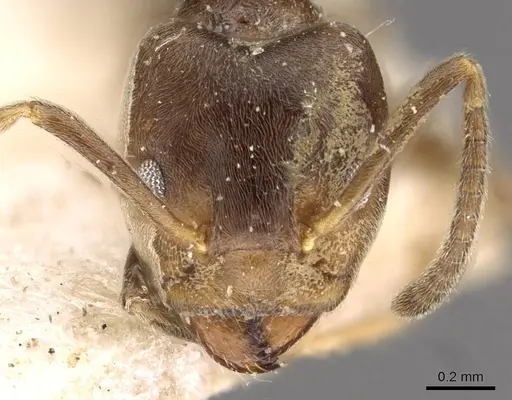
CASENT0909617
View on AntWeb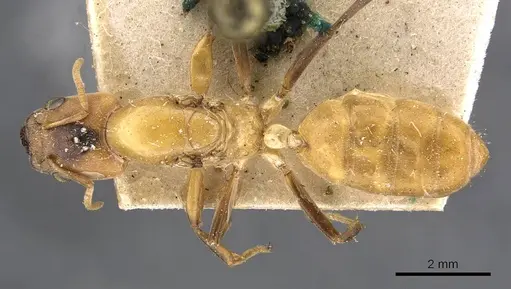
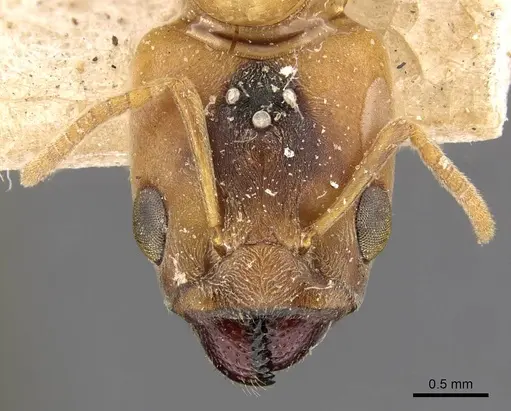
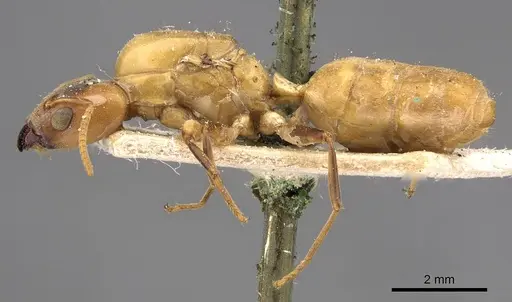
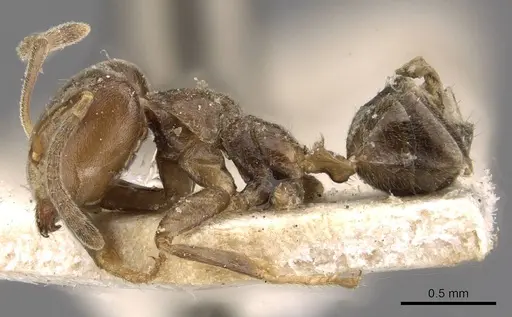
CASENT0909618
View on AntWeb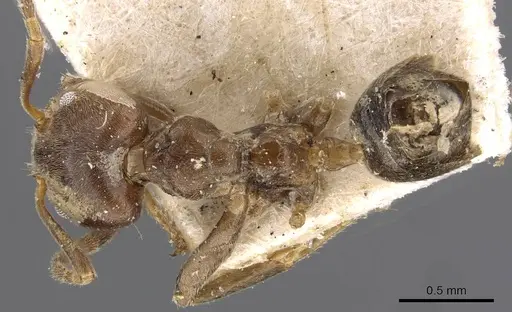
Literature
Loading...Loading products...