

Azteca bequaerti
- Scientific Name
- Azteca bequaerti
- Tribe
- Leptomyrmecini
- Subfamily
- Dolichoderinae
- Author
- Wheeler & Bequaert, 1929
- Distribution
- Found in 2 countries
Azteca bequaerti Overview
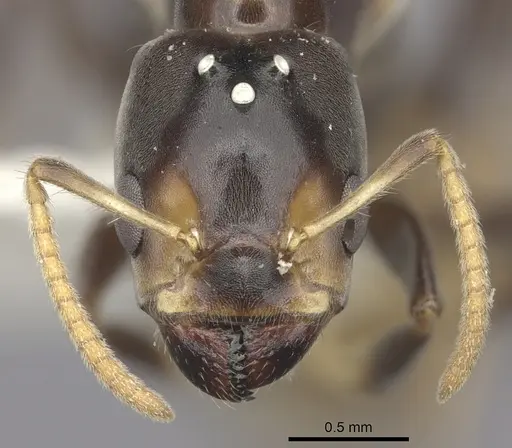
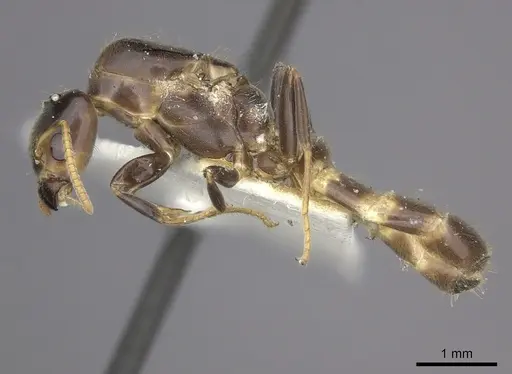
Azteca bequaerti is an ant species of the genus Azteca. It is primarily documented in 2 countries , including Brazil, Peru. Detailed taxonomic data and occurrence records can be further explored via authoritative databases such as AntWeb or the Global Biodiversity Information Facility (GBIF).
Azteca bequaerti
Azteca bequaerti are tiny arboreal ants from the Amazon rainforest. Workers measure just 2-3.5 mm while queens reach 7-7.5 mm [1]. These ants live inside specialized plant structures called domatia, specifically the hollow leaf pouches of myrmecophytic plants like Tococa formicaria [1][2]. Rather than foraging in the open, workers hide inside these plant pouches and ambush prey by detecting vibrations when insects land on nearby leaves [2][3]. They represent a highly specialized form of ant-plant symbiosis that is challenging to replicate in captivity.
Quick Summary
- Difficulty: Expert
- Origin & Habitat: Amazon rainforest of Brazil (Acre, Para), French Guiana, and Peru [1][4]. Arboreal, nesting primarily in the domatia (leaf pouches) of myrmecophytic plants like Tococa formicaria [2][5].
- Colony Type: Unknown, colony structure has not been documented.
- Size & Growth:
- Queen: 7-7.5 mm [1]
- Worker: 2-3.5 mm [1]
- Colony: Unknown, likely moderate to large based on Azteca genus patterns, but unconfirmed.
- Growth: Unknown
- Development: Estimated 6-10 weeks based on typical tropical Azteca patterns, but not directly measured. (Development time is unconfirmed for this species. Tropical Azteca typically develop faster than temperate ants.)
- Antkeeping:
- Temperature: Keep warm and stable around 25-28°C. These are tropical Amazon ants that need consistent warmth year-round [1].
- Humidity: High humidity required, nest material should feel damp but not waterlogged, matching the humid interior of plant domatia.
- Diapause: No, this is a tropical species that remains active year-round.
- Nesting: Arboreal. Provide vertical space with plant stems, hollow twigs, or simulated domatia. Standard horizontal soil nests will not work [5].
- Behavior: Ambush predators that rely on vibration detection. Workers wait inside plant pouches and strike when prey lands on leaves [2][3]. Fast-moving and strictly arboreal. Their tiny 2-3.5mm size means escape prevention must be excellent, they can squeeze through the smallest gaps [1].
- Common Issues: escaping through tiny gaps due to 2-3.5mm worker size, use fine mesh and seal all openings., failing to thrive without proper plant domatia or simulated equivalents, they need enclosed spaces similar to leaf pouches., difficulty providing appropriate hunting opportunities, they naturally ambush prey from plant pouches rather than forage openly., stress from horizontal setups, they need vertical climbing space and plant material to exhibit natural behaviors.
Plant Symbiosis and Natural History
Azteca bequaerti lives in a close partnership with myrmecophytic plants, plants that provide homes for ants. Specifically, they inhabit the foliar pouches (domatia) of plants like Tococa formicaria [1]. These hollow leaf pouches provide shelter and protection for the colony. The ants repay the plant by defending it against herbivores and providing nutrients through their waste. This relationship is so specialized that the ants rarely leave their plant homes. Research shows they have evolved a unique hunting strategy: workers hide inside these domatia and wait for vibrations transmitted through the leaves when insects land on them [2][3]. This allows them to ambush prey without needing to forage randomly.
Housing and Nest Setup
Standard ant farms with soil or plaster will not work for these arboreal specialists. You need a vertical setup that mimics their natural tree-dwelling lifestyle. Provide hollow plant stems, bamboo sections, or artificial domatia, enclosed spaces that simulate the leaf pouches they naturally inhabit [5]. The nest area should offer tight, enclosed spaces where workers can hide and wait for prey. Because workers are only 2-3.5 mm long, escape prevention is critical [1]. Use fine mesh (less than 1mm) on ventilation holes and ensure lids fit tightly. A heating cable on one side of the setup can provide the 25-28°C they need, but place it at the top to avoid creating condensation that floods lower chambers.
Feeding and Hunting Behavior
These are specialized ambush predators. In nature, they do not forage in the traditional sense. Instead, workers position themselves inside leaf pouches and detect vibrations when prey insects land on the plant's leaves [2][3]. They then rush out to capture the prey. In captivity, this presents a challenge. You will need to provide live prey such as small flies, springtails, or other tiny insects and introduce them onto the plant material or nesting surface. The ants should attack when they detect the vibrations. Some keepers have success by gently tapping the enclosure to simulate prey landing, triggering the ambush response. They may also accept sugar sources like honeydew or sugar water, but protein from live prey is essential for colony growth.
Temperature and Environment
As Amazonian rainforest ants, they require warm, stable conditions. Keep the colony at roughly 25-28°C year-round [1]. They do not require hibernation or diapause, attempting to cool them for winter will likely kill the colony. Humidity should remain high to match the damp microclimate inside plant domatia. The nest material should feel moist to the touch but not dripping wet. Good ventilation is still important to prevent mold growth in these humid conditions, but ensure air holes are covered with fine mesh to prevent escapes.
Colony Founding and Growth
Founding behavior for Azteca bequaerti has not been documented in the available research. Based on patterns seen in other Azteca species, queens likely found colonies claustrally (sealing themselves in and living off stored fat reserves), but this remains unconfirmed for this specific species. Development time from egg to worker is also unknown, though related tropical Azteca species typically develop in 6-10 weeks at warm temperatures. New keepers should expect slow initial growth and be patient with the founding stage, providing absolute peace and consistent conditions.
Frequently Asked Questions
Can I keep Azteca bequaerti in a test tube?
No. These ants need vertical arboreal space and plant material or simulated domatia (enclosed hollow spaces) to exhibit natural behaviors. A test tube setup is too small and does not provide the structure they need.
Do Azteca bequaerti need live plants?
In nature they live in the leaf pouches of specific myrmecophytic plants like Tococa formicaria. In captivity, you can use dried hollow stems, bamboo sections, or artificial domatia to simulate these spaces, though live plants with natural domatia are ideal if you can provide them.
How do Azteca bequaerti hunt?
They are ambush predators that hide inside plant pouches. They detect vibrations when insects land on nearby leaves and rush out to capture the prey. This means they do not forage in the open like many other ants.
How big do Azteca bequaerti colonies get?
Colony size is unknown for this specific species. Based on the Azteca genus, they may reach moderate to large sizes, but growth rate and maximum population have not been documented.
Are Azteca bequaerti good for beginners?
No. They are an expert-level species due to their specialized plant symbiosis, tiny size requiring excellent escape prevention, and unique vibration-based hunting behavior that is difficult to replicate in captivity.
What temperature do Azteca bequaerti need?
Keep them warm and stable at 25-28°C. They are tropical Amazon ants and do not tolerate cold or temperature fluctuations well.
Do Azteca bequaerti need hibernation?
No. They are tropical species that remain active year-round. Do not attempt to hibernate them.
How do I prevent Azteca bequaerti from escaping?
Workers are only 2-3.5 mm long and can squeeze through incredibly small gaps. Use fine mesh (less than 1mm) on all ventilation, ensure lids seal tightly, and apply barrier products like Fluon or talcum powder to the upper edges of the enclosure.
Can I keep multiple Azteca bequaerti queens together?
This is unknown and not recommended. Combining unrelated queens has not been documented for this species and could lead to fighting.
References

This caresheet is licensed under CC BY-SA 4.0 .
JTLC000008454
View on AntWeb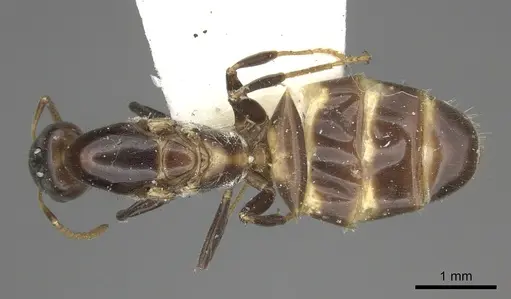
Literature
Loading...Loading products...