

Azteca beltii
- Scientific Name
- Azteca beltii
- Tribe
- Leptomyrmecini
- Subfamily
- Dolichoderinae
- Author
- Emery, 1893
- Distribution
- Found in 6 countries
Azteca beltii Overview
Azteca beltii is an ant species of the genus Azteca. It is primarily documented in 6 countries , including Bolivia, Plurinational State of, Costa Rica. Detailed taxonomic data and occurrence records can be further explored via authoritative databases such as AntWeb or the Global Biodiversity Information Facility (GBIF).
Azteca beltii
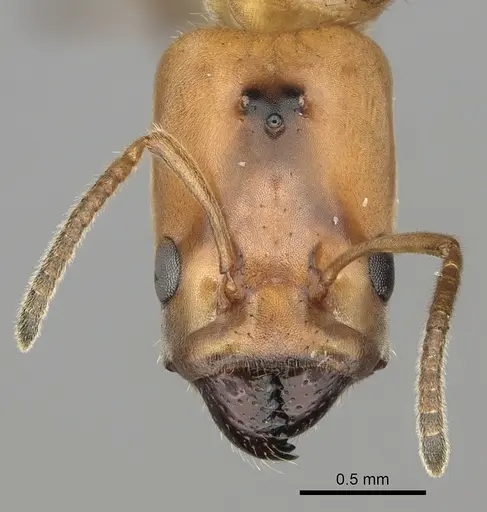
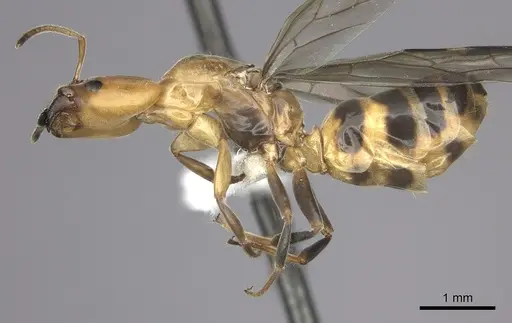
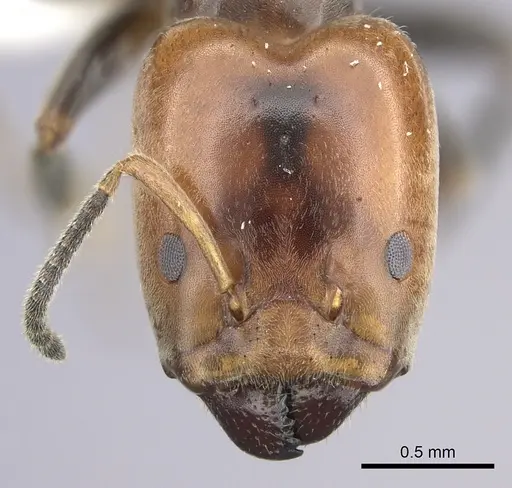
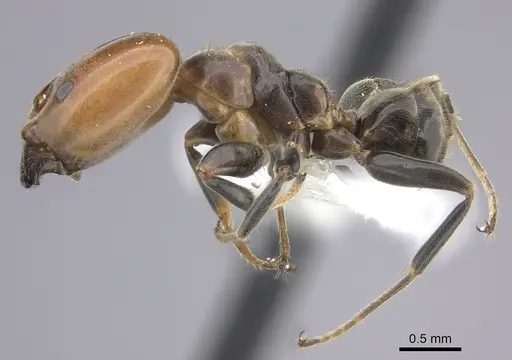
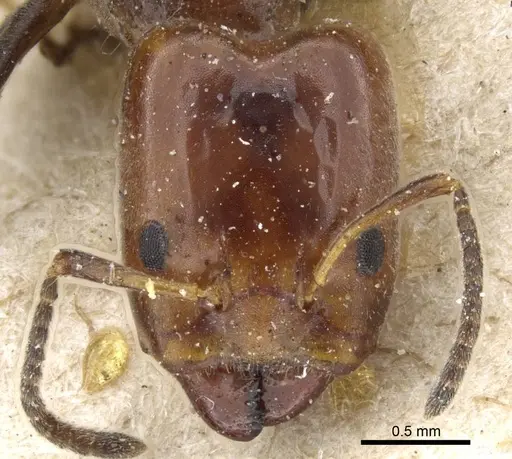
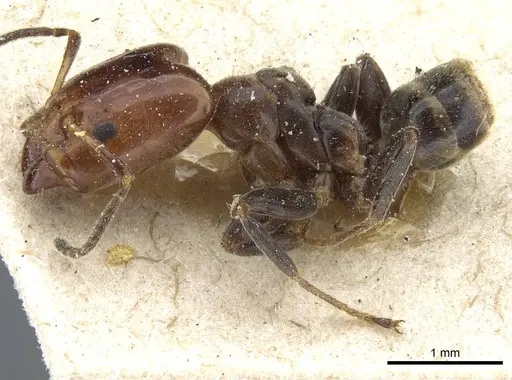
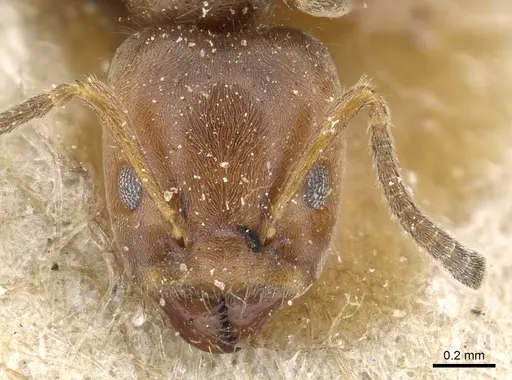
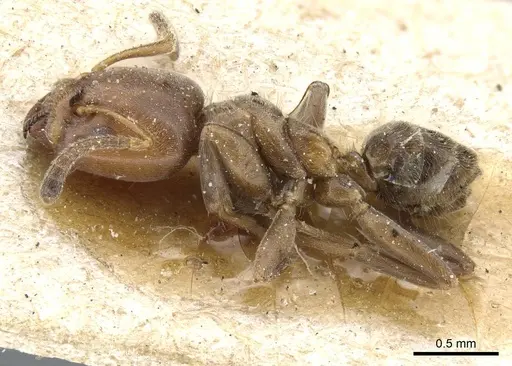
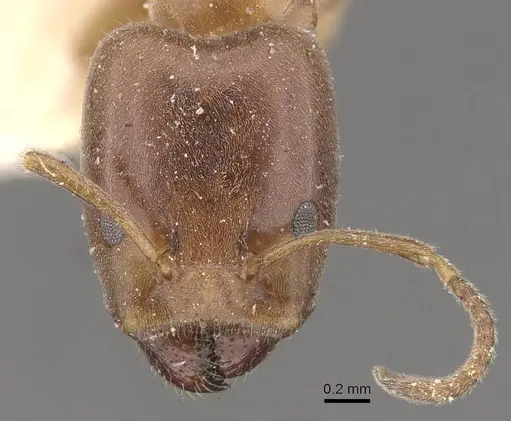
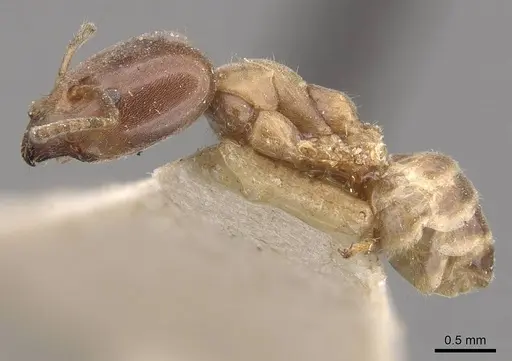
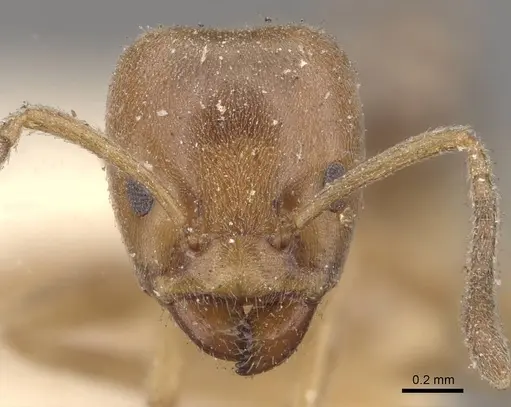
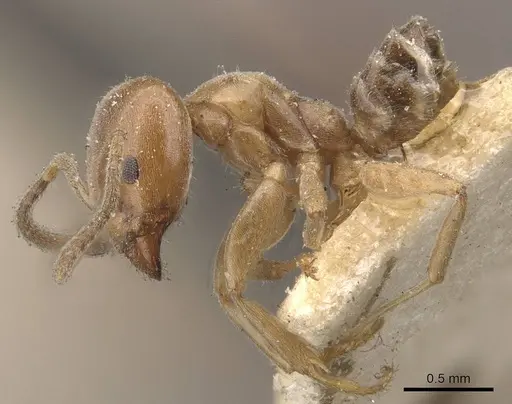
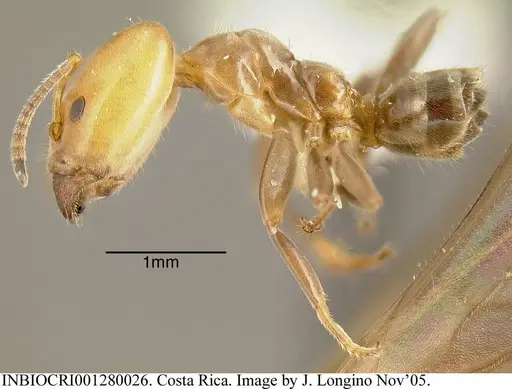
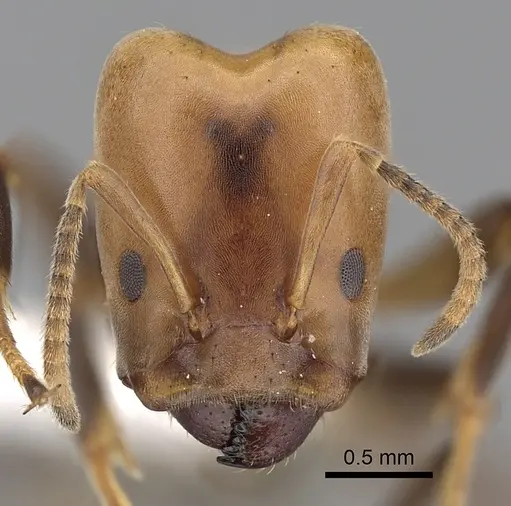
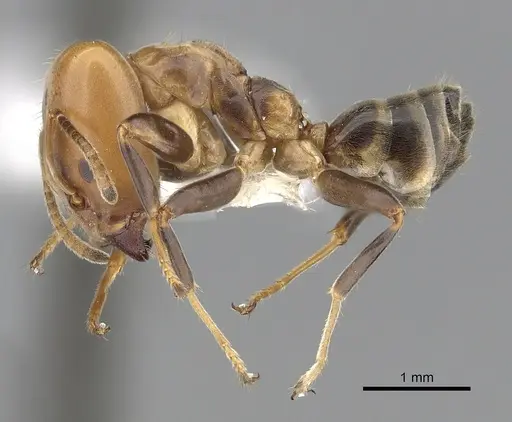
Azteca beltii is a small, yellow-orange arboreal ant native to Central America. Queens display distinctive dark brown bands across their yellow gasters and have rectangular heads, while workers range from brown to yellowish depending on size, with the largest workers approaching the queen's coloration [1]. Unlike ground-nesting species, these ants live inside the live stems of trees, creating sprawling colonies that occupy multiple stems across a tree's crown, a nesting style called 'polydomous' where one colony spreads across many connected chambers [1]. They maintain intimate relationships with scale insects inside these stems, 'farming' them for honeydew [1]. Workers are notoriously shy, spending nearly all their time hidden inside plant stems rather than foraging openly on the surface [1].
Quick Summary
- Difficulty: Expert
- Origin & Habitat: Mexico to Costa Rica, primarily in moist and dry forest habitats, occurring at lower density in wet forests [1]. They nest in the live stems of various trees including myrmecophytes (plants that naturally host ants) such as Cecropia, Cordia alliodora, and Triplaris melaenodendron, as well as non-myrmecophytes like Piper tuberculatum and Cochlospermum [1].
- Colony Type: Large polydomous colonies (occupying multiple nest sites across tree crowns). Queen number per colony is unconfirmed in available research, though large colony size suggests potential for multiple queens [1].
- Size & Growth:
- Queen: Head length 1.83-1.93 mm, head width 1.27-1.36 mm [1]. Total body length estimated 5-6 mm based on head proportions.
- Worker: Head length 1.37-1.78 mm, head width 1.11-1.42 mm [1]. Total body length approximately 3-4 mm.
- Colony: Large colonies occupying extensive portions of tree crowns [1]. Exact maximum worker count unconfirmed.
- Growth: Unknown, likely moderate to fast given tropical habitat and large colony size.
- Development: Unknown, estimated 6-10 weeks at 25-27°C based on related tropical Dolichoderinae. (Development timeline not directly studied. Estimate assumes warm tropical conditions.)
- Antkeeping:
- Temperature: 24-28°C (75-82°F) with a gentle gradient. Tropical species from lowland Central America that likely requires consistent warmth [1]. Start at 25°C and adjust based on brood development speed.
- Humidity: High humidity 70-80%. Nest in live plant stems which maintain moist conditions. Substrate should feel damp but not waterlogged.
- Diapause: No. Tropical species that remains active year-round.
- Nesting: Live plant stems or sophisticated arboreal setups required. Standard ground nests or test tubes are unsuitable. They need vertical plant stems with hollow interiors or simulated stem cavities.
- Behavior: Timid and cryptic. Workers spend most of their time hidden inside stems and are rarely seen on the surface [1]. They are not aggressive and show little defensive behavior visible to observers. Due to small size (workers ~3-4 mm), escape prevention must be excellent [1].
- Common Issues: escape is likely without excellent barriers, workers are small and can squeeze through tiny gaps., standard ant keeping setups fail, they require live stems or specialized arboreal housing, not test tubes or soil nests., food source complications, they naturally farm scale insects for honeydew inside stems, which is difficult to replicate in captivity., colony remains hidden, you will rarely see workers due to their timid nature and preference for staying inside stems., mold in stem nests, live plant material can rot or grow fungus if humidity is too high or ventilation is poor.
Natural History: The Live-Stem Specialist
Azteca beltii represents a specialized form of arboreal ant life. Rather than building nests from materials or digging in soil, they move into the living stems of trees and create their colonies there [1]. A single colony spreads across multiple stems throughout the crown of a tree, this is called polydomous nesting, meaning 'many homes' [1].
They show flexibility in their choice of plants. While they frequently inhabit myrmecophytes (plants that have evolved special structures to house ants) like Cecropia and Cordia alliodora, they also thrive in non-myrmecophytic plants such as Piper tuberculatum [1]. This generalist approach to plant use makes them the second most common ant symbiont in Costa Rican forests after Azteca pittieri [2].
Inside these stems, they maintain dense populations of coccoid Hemiptera, scale insects that suck plant sap and excrete honeydew. The ants 'farm' these insects, protecting them and consuming the honeydew they produce [1]. A tree hosting a large colony might look completely free of herbivores on the outside, while secretly harboring huge populations of these sap-sucking insects inside the stems, protected by the ants [1].
Housing: Replicating the Arboreal Niche
Keeping Azteca beltii presents significant housing challenges because they require living or simulated plant stems, not standard formicaria. Test tubes and soil nests are completely unsuitable, these ants need vertical cavities that mimic the hollow stems of living plants [1].
Successful housing requires either live plants with suitable stems (such as Piper species or young Cecropia if available) or carefully constructed artificial stem nests. Acrylic or glass tubes filled with moist substrate and drilled with small entrance holes can work if they maintain the narrow, vertical cavity shape these ants prefer. The nest material must stay moist but not wet, as live stems maintain high humidity without waterlogging.
Because workers are small (approximately 3-4 mm total length) and spend time exploring plant surfaces, escape prevention must be exceptional [1]. Fine mesh barriers and Fluon-treated surfaces are essential. They also need climbing surfaces, these are arboreal ants that naturally live above ground, so provide vertical sticks or branches in their outworld.
Ventilation requires careful balance: enough to prevent mold in the moist stem environment, but not so much that the nest dries out. Small air holes or a loose cotton plug at the top of a vertical stem setup works better than cross-ventilation.
Feeding: Honeydew Farmers
In nature, Azteca beltii feeds primarily on honeydew produced by scale insects (coccoid Hemiptera) that they maintain inside the nest stems [1]. This specialized diet makes feeding in captivity challenging.
You will need to provide sugar sources constantly, honey water or sugar water (10-20% solution) offered in small drops or via feeding tubes. However, liquid sugar alone may not sustain them long-term. Ideally, you should establish populations of scale insects or aphids on suitable plant material inside or connected to their nest. Alternatively, they may accept small prey items like fruit flies or tiny cricket nymphs, though their predatory behavior is not well documented.
Protein requirements are unclear for this species. While they farm scale insects for carbohydrates, they may obtain protein from the insects themselves or from occasional predation. Offer small amounts of protein (tiny insect pieces or fruit flies) weekly and remove uneaten portions quickly to prevent mold in the confined stem environment.
Watch for signs of dehydration, if workers cluster around water sources or appear lethargic, increase humidity and sugar water availability immediately.
Behavior and Temperament
Do not expect to see your Azteca beltii colony often. These ants are extremely timid and cryptic, spending nearly all their time inside the protected stem chambers [1]. Unlike active foragers that patrol the outworld, workers of this species appear to stay hidden within the stems, emerging only briefly or when the colony is disturbed.
This behavior makes them challenging pets for observation. You may see little to no activity for days at a time, which is normal for this species. They are not defensive or aggressive, when disturbed, they retreat deeper into stems rather than attacking [1].
Their polydomous nature means the colony treats multiple stem cavities as one continuous nest. Workers move between chambers regularly, and the brood may be distributed across several locations. In captivity, provide multiple connected stem sections to allow this natural behavior.
Activity levels likely follow light cycles and temperature. Being tropical, they remain active year-round without diapause, though they may slow slightly during cooler periods if temperatures drop below 24°C.
Temperature and Environmental Needs
As a tropical species from lowland Central America, Azteca beltii requires consistent warmth. Maintain nest temperatures between 24-28°C (75-82°F) with a gentle gradient allowing ants to choose slightly warmer or cooler spots [1].
Use a heating cable or heat mat attached to one side of the nest area (preferably the top to avoid driving moisture downward and creating condensation issues). Monitor with a thermometer, temperatures below 20°C will likely slow development significantly, while temperatures above 30°C may stress the colony.
Humidity must remain high, around 70-80%, to mimic the moist interior of living plant stems. However, stagnant air promotes mold in confined stem cavities. Ensure some gentle air exchange while maintaining moisture, if using a test tube or container with stems, open it briefly every few days or provide a small ventilation hole covered with fine mesh.
Light should be provided on a 12-12 or 14-10 hour cycle to simulate tropical day lengths. Avoid bright lights shining directly into the nest chambers, as these ants naturally live in the dim interior of stems.
Frequently Asked Questions
Can I keep Azteca beltii in a test tube?
No. Test tubes are unsuitable for Azteca beltii. These ants are specialized live-stem dwellers that require vertical plant stems or sophisticated arboreal setups to thrive. They need the confined, moist cavities of stems to establish proper nest chambers and maintain their scale insect farms [1].
What do Azteca beltii eat?
Azteca beltii primarily eats honeydew from scale insects (coccoid Hemiptera) that they farm inside plant stems [1]. In captivity, you must provide sugar water or honey water constantly, and ideally establish scale insect or aphid colonies on suitable plants. They may accept small protein prey like fruit flies, but their natural diet focuses on honeydew.
How big do Azteca beltii colonies get?
Colonies are described as large and occupy extensive portions of tree crowns across multiple stems [1]. While exact worker counts are unconfirmed, they likely reach several thousand workers given their polydomous nature and the large areas they inhabit in the wild.
Are Azteca beltii good for beginners?
No. Azteca beltii is an expert-level species. They require specialized housing (live plant stems), specific food sources (scale insects), and provide very little observation opportunity since they hide inside stems. Their small size also makes escape prevention challenging [1].
Do Azteca beltii need special plants?
They naturally nest in specific myrmecophytes like Cecropia, Cordia alliodora, and Triplaris, but also use non-myrmecophytes like Piper tuberculatum [1]. In captivity, you can use various hollow-stemmed plants or artificial stem cavities, but live plants with suitable stem structures are ideal.
How long until Azteca beltii get their first workers?
The egg-to-worker timeline is unconfirmed for this species. Based on related tropical Dolichoderinae, expect approximately 6-10 weeks at 25-27°C, though this is an estimate.
Do Azteca beltii need hibernation or diapause?
No. Azteca beltii is a tropical species from Central America and remains active year-round. They do not require cooling or diapause periods [1].
Why can't I see my Azteca beltii workers?
This is normal. Azteca beltii workers are extremely timid and spend nearly all their time inside plant stems, rarely emerging onto the surface [1]. They are cryptic ants that prefer to stay hidden. If you need visible activity, this is not the right species for you.
Can I keep multiple Azteca beltii queens together?
Combining unrelated queens is not recommended. While colonies in the wild are large and polydomous (spread across multiple nests), the specific queen number and founding behavior is unconfirmed. Without evidence that this species accepts multiple unrelated queens, assume single-queen founding is the safest approach.
References

This caresheet is licensed under CC BY-SA 4.0 .
CASENT0612287
View on AntWeb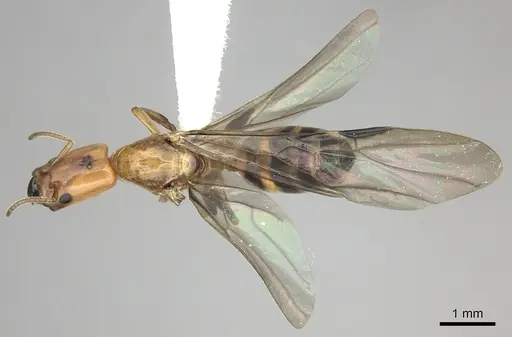
CASENT0615729
View on AntWeb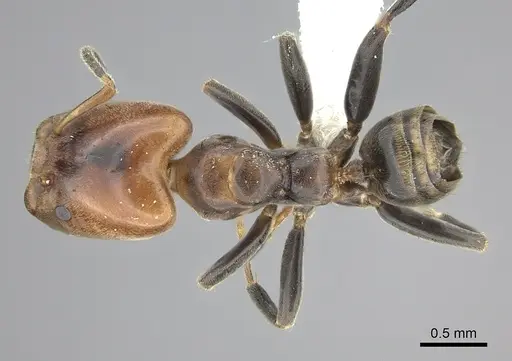
CASENT0905096
View on AntWeb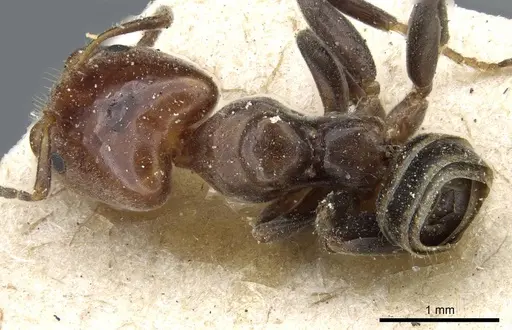
CASENT0905097
View on AntWeb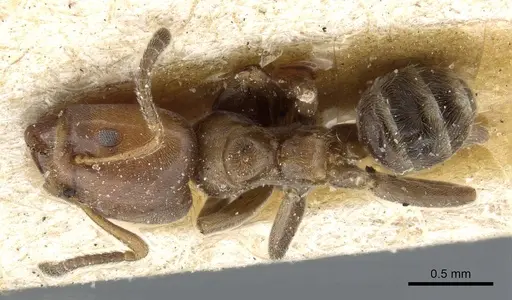
CASENT0909673
View on AntWeb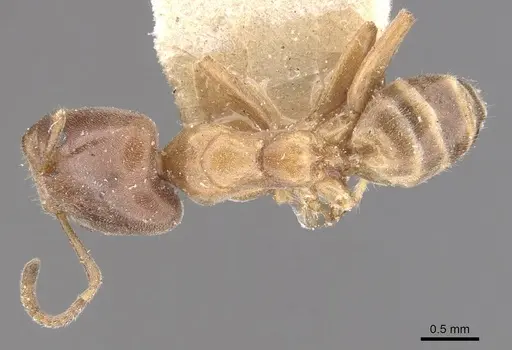
CASENT0909674
View on AntWeb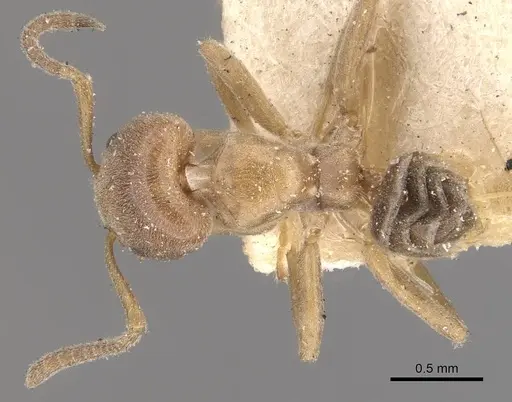
INBIOCRI001280025
View on AntWeb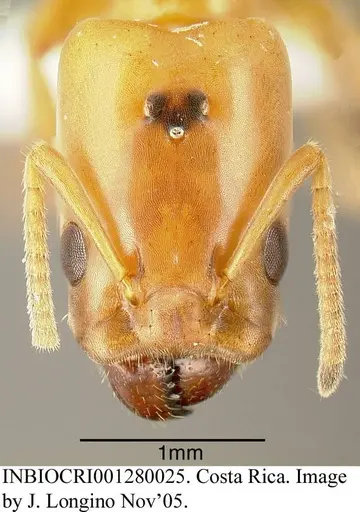
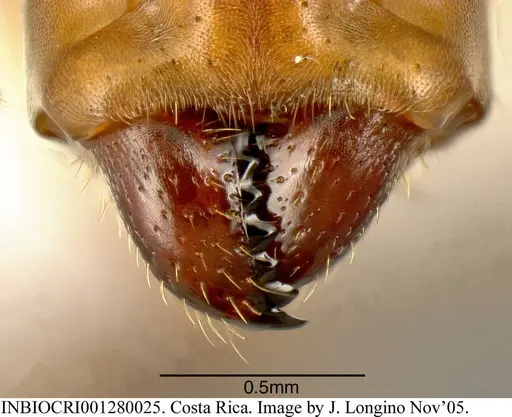
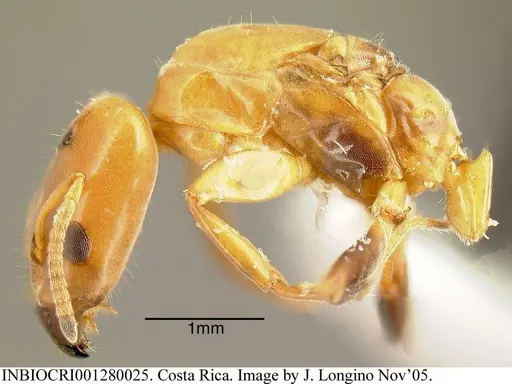
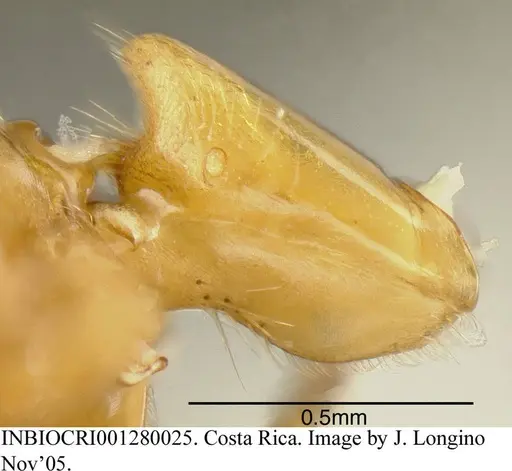
INBIOCRI001280026
View on AntWeb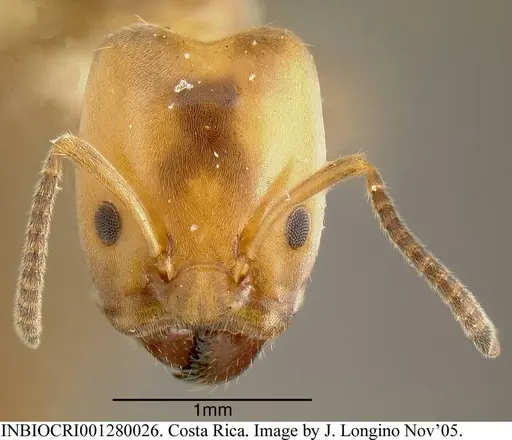
JTLC000009501
View on AntWeb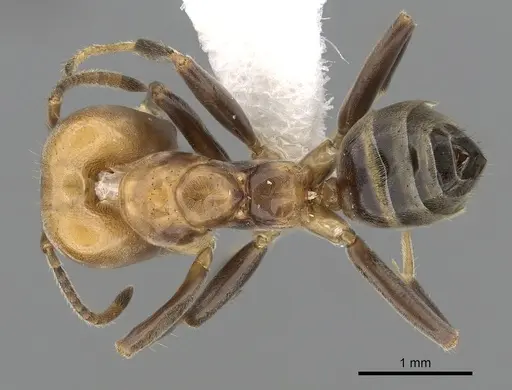
Literature
Loading...Loading products...