

Azteca australis
- Scientific Name
- Azteca australis
- Tribe
- Leptomyrmecini
- Subfamily
- Dolichoderinae
- Author
- Wheeler, 1942
- Distribution
- Found in 3 countries
Azteca australis Overview
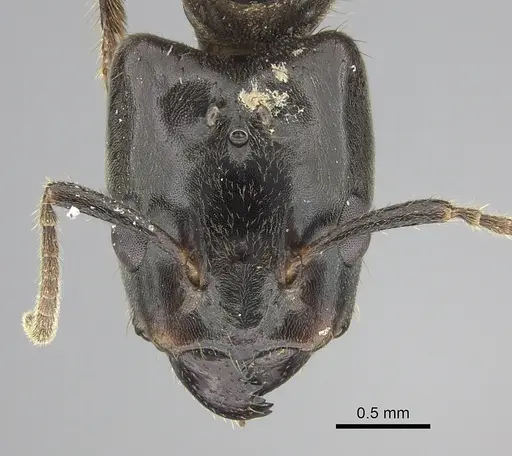
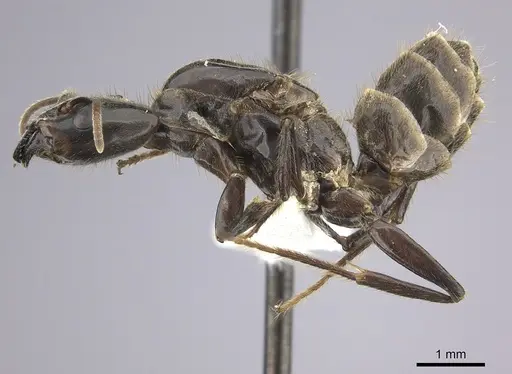
Azteca australis is an ant species of the genus Azteca. It is primarily documented in 3 countries , including Bolivia, Plurinational State of, Brazil. Detailed taxonomic data and occurrence records can be further explored via authoritative databases such as AntWeb or the Global Biodiversity Information Facility (GBIF).
Azteca australis
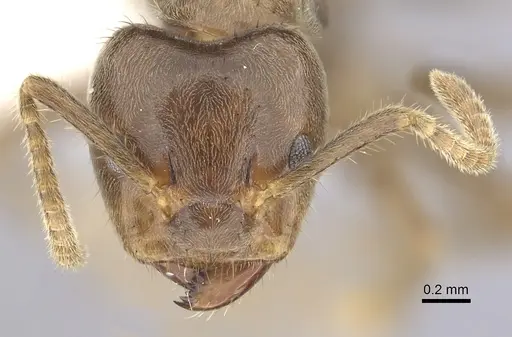
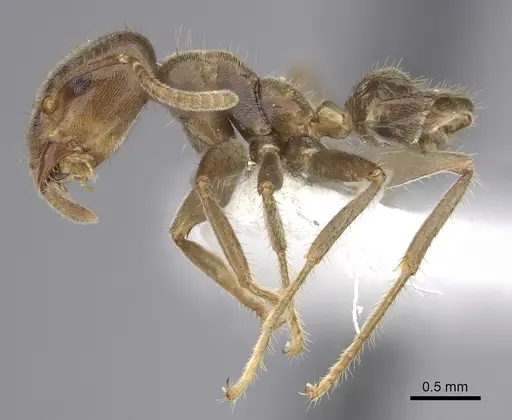
Azteca australis is an arboreal ant native to Bolivia, Brazil, and Peru in the Neotropical region [1][2]. These ants live in a specialized partnership with Cecropia trees, constructing carton nests inside the hollow stems or boles of their host plants [3]. Queens display distinctive orange coloration ranging from mottled to pure orange, with large subpyramidal petioles and densely hairy legs [3]. Workers build a central carton structure within the tree to house the brood and colony [3].
What makes this species particularly challenging for antkeepers is their obligate relationship with Cecropia trees and their chemical defense system. Founding queens rely entirely on internal resources and do not leave to forage during the founding stage [4]. They also possess the ability to spray carbon-based compounds for attack and defense [4]. However, they show strict host specificity, experimental attempts to introduce them to non-native Cecropia species failed, as queens could not locate or open entrance domatia even when placed directly on saplings [4].
Quick Summary
- Difficulty: Expert
- Origin & Habitat: Bolivia, Brazil, and Peru in the Neotropical region [1][2]. Inhabits Cecropia trees in tropical forests.
- Colony Type: Single-queen colonies likely typical, though specific documentation is unconfirmed.
- Founding: Claustral
- Size & Growth:
- Queen: Unknown, likely 6-8mm based on typical Azteca patterns.
- Worker: Unknown, likely 2-4mm based on typical Azteca patterns.
- Colony: Unknown, Azteca colonies often reach thousands of workers in natural conditions.
- Growth: Unknown
- Development: Unknown, likely 6-10 weeks at tropical temperatures based on related Dolichoderinae. (Timeline is estimated, no direct studies available. Tropical temperatures around 25-28°C likely optimal.)
- Antkeeping:
- Temperature: Keep warm and stable around 24-28°C. Start at 25°C and adjust based on colony activity levels.
- Humidity: High humidity required, maintain damp conditions similar to tropical forest canopy, roughly 70-80%.
- Diapause: No, tropical species that remains active year-round.
- Nesting: Arboreal carton nests in tree boles. Requires living Cecropia trees or sophisticated arboreal setups with vertical space and plant material for carton construction.
- Behavior: Fast-moving and chemically defended. They spray carbon-based compounds for defense when threatened [4]. Strictly arboreal and host-specific to Cecropia trees. Small size and climbing ability means escape prevention must be excellent.
- Common Issues: cannot survive without appropriate Cecropia host plants or specialized arboreal housing that mimics tree hollows., chemical defense sprays may irritate skin or eyes during handling., strict host specificity means they may not adapt to artificial nests or alternative plants., founding success is low without natural tree conditions and access to plant-provided resources.
The Cecropia Mutualism
Azteca australis maintains an obligate relationship with Cecropia trees, specifically living inside the hollow stems and domatia provided by these fast-growing pioneer trees [3]. In nature, colonies never occur in adult Cecropia pungara trees, suggesting host specificity or timing requirements for colony establishment [4]. When researchers experimentally placed founding queens on C. pungara saplings, the queens showed colonizing behaviors including antennation, running, and chewing, but none could locate or open the entrance to the domatia [4]. This indicates that successful colony founding requires specific cues or conditions provided by their preferred Cecropia species. For captive keeping, this means you cannot simply place them in any plant or artificial setup, they likely require living Cecropia trees with established domatia or extremely sophisticated arboreal enclosures that replicate the hollow stem structure.
Carton Nest Construction
Unlike ants that dig in soil, Azteca australis constructs nests from carton, a papery material made from chewed plant fibers and saliva [3]. Workers build a central carton structure within the tree bole to house the colony [3]. This behavior means they need appropriate materials to build with, typically provided by their host plant or surrounding vegetation. In captivity, you must provide suitable plant material such as soft wood, paper, or plant fibers that they can process into carton. The nest requires vertical space and a structure that supports arboreal building rather than horizontal tunneling.
Chemical Defense and Handling
These ants possess a potent chemical defense system. They use carbon-based sprays for attack and defense against predators and competitors [4]. This chemical weaponry makes them effective protectors of their host plants but requires careful handling by keepers. The sprays can irritate skin and eyes, so always wear gloves and eye protection when working with the colony. Ensure excellent ventilation in their enclosure to prevent chemical buildup, but maintain the high humidity they need. Never handle queens or workers with bare hands, and wash hands thoroughly after any maintenance.
Founding Behavior
Queens found new colonies using only internal resources, unlike some semi-claustral species that must forage during founding [4]. This claustral approach means the queen seals herself in a chamber and lives entirely on her stored body fat until the first workers hatch. However, unlike ground-nesting claustral ants, Azteca queens must locate and enter specific Cecropia domatia to successfully establish [4]. In captivity, founding requires providing queens with access to suitable tree hollows or cavities that mimic Cecropia stems, along with the high humidity and stable temperatures of their native tropics. Success rates are likely low without these specific conditions.
Captive Housing Challenges
Keeping Azteca australis presents unique challenges because standard ant farms and soil nests do not meet their needs. They require arboreal setups with vertical orientation, materials for carton construction, and likely living Cecropia plants. The enclosure must maintain tropical humidity without becoming waterlogged, provide excellent ventilation to prevent mold in the humid environment, and include barriers that prevent escape while allowing for the installation of living plants. Most keepers should not attempt this species without access to Cecropia trees and experience with arboreal ant husbandry. [3][4]
Frequently Asked Questions
Can I keep Azteca australis without a Cecropia tree?
Likely not successfully. Research shows they have strict host specificity and failed to colonize non-preferred Cecropia species even when placed directly on saplings [4]. They require the specific hollow stems (domatia) that Cecropia trees provide, along with the resources these plants offer. Attempting to keep them in standard formicaria or artificial nests will probably result in colony failure.
What temperature do Azteca australis need?
As a Neotropical species from Bolivia, Brazil, and Peru, they require warm stable temperatures around 24-28°C [1][2]. Start at 25°C and adjust based on colony activity. They do not require hibernation.
How do Azteca australis build their nests?
They construct carton nests inside the hollow boles of Cecropia trees [3]. Workers create a central carton structure from chewed plant material and saliva. In captivity, you must provide suitable plant fibers or soft wood for them to process into this papery nest material.
Can I keep multiple Azteca australis queens together?
Not recommended. While the exact colony structure is unconfirmed for this species, combining unrelated founding queens has not been documented and would likely result in fighting. Azteca are typically monogyne (single-queen) and highly territorial.
Are Azteca australis good for beginners?
No, they are an expert-level species. They require specialized arboreal housing, likely need living Cecropia host plants, have specific humidity and temperature requirements, and possess chemical defenses that require careful handling. Their strict ecological needs make them unsuitable for first-time antkeepers.
How long until Azteca australis get their first workers?
The exact timeline is unknown as no development studies exist for this species. Based on related tropical Dolichoderinae, expect roughly 6-10 weeks at 25-28°C, but this is an estimate. Founding success is likely low without natural tree conditions.
What do Azteca australis eat?
While specific diet studies are lacking, Azteca ants typically feed on honeydew from scale insects and mealybugs living on their host plants, along with small prey items. In captivity, offer sugar water and small live prey like fruit flies or springtails, but note that they may refuse food entirely during founding as queens use internal resources [4].
References

This caresheet is licensed under CC BY-SA 4.0 .
CASENT0249534
View on AntWeb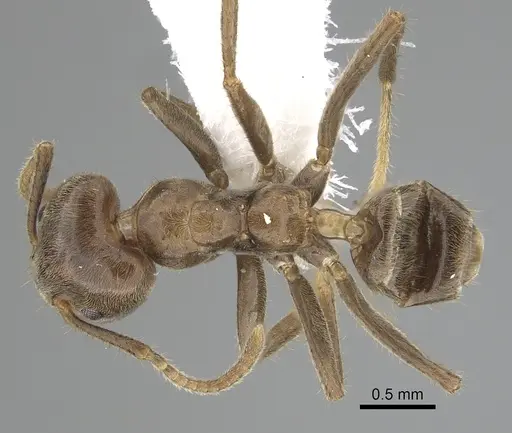
CASENT0249592
View on AntWeb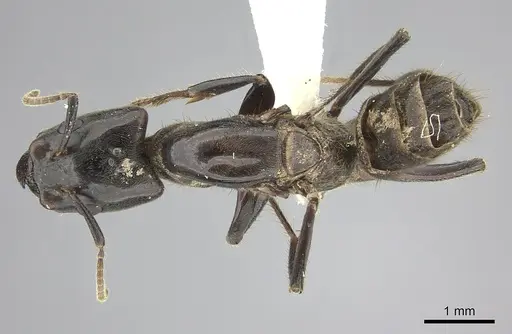
Literature
Loading...Loading products...