

Austroponera rufonigra
- Scientific Name
- Austroponera rufonigra
- Tribe
- Ponerini
- Subfamily
- Ponerinae
- Author
- Clark, 1934
- Distribution
- Found in 1 countries
Austroponera rufonigra Overview
Austroponera rufonigra is an ant species of the genus Austroponera. It is primarily documented in 1 countries , including Australia. Detailed taxonomic data and occurrence records can be further explored via authoritative databases such as AntWeb or the Global Biodiversity Information Facility (GBIF).
Austroponera rufonigra
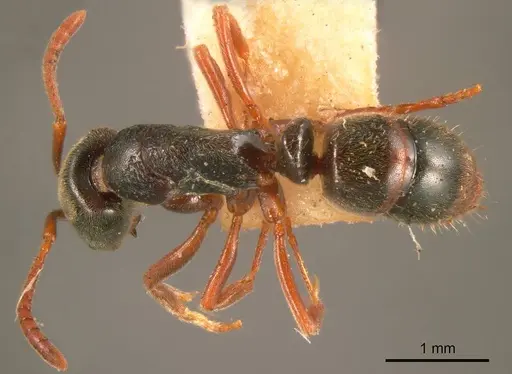
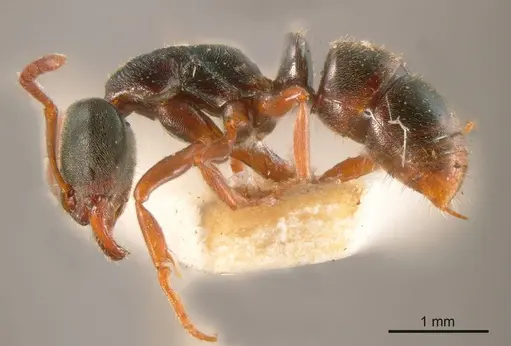
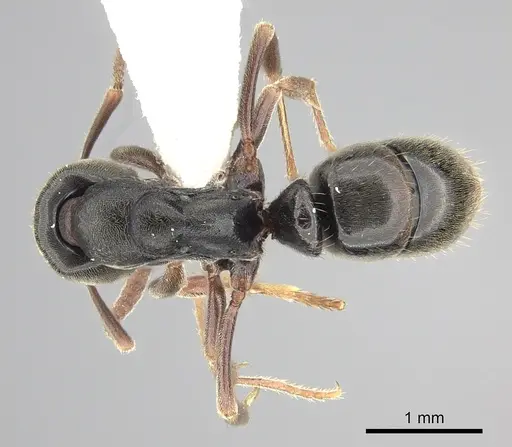
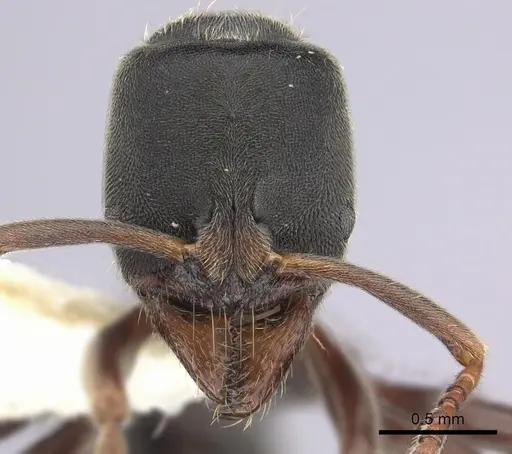
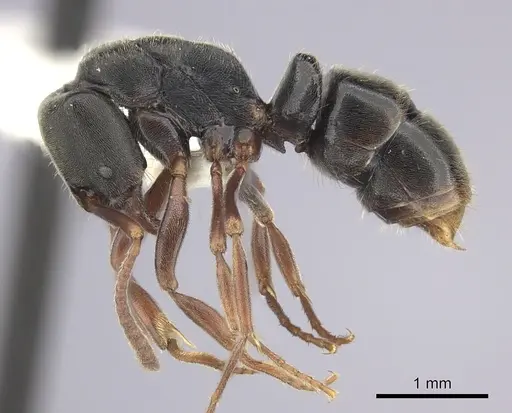
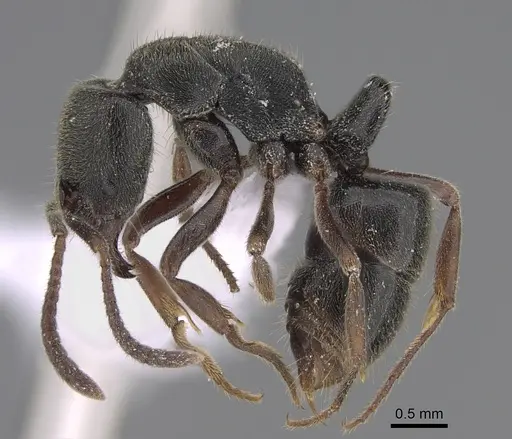
Austroponera rufonigra is a medium-small ant with a reddish-brown and black body, found across southern Australia from Victoria to south-western Western Australia [1]. These ants nest in soil and under stones or logs in forests and heathlands, where they forage through leaf litter for food [1]. They are the only species of their genus found in Western Australia, with their two closest relatives living in New Zealand [2].
What makes these ants interesting is how adaptable they are, researchers have found them in everything from dry sandplain heath to dense eucalyptus woodlands, always staying hidden as retiring residents of the leaf litter layer [1]. They prefer to stay out of sight under stones, logs, or grass tree stumps rather than building conspicuous mound nests.
Quick Summary
- Difficulty: Medium
- Origin & Habitat: Southern Australia (Victoria to Western Australia), nesting in soil and leaf litter of forests, woodlands, and heathlands [1]
- Colony Type: Single-queen colonies likely, though specific colony structure remains unconfirmed
- Colony: Monogyne
- Size & Growth:
- Queen: Unmeasured in available literature, likely 6-8mm based on related Ponerinae
- Worker: Unmeasured in available literature, likely 4-6mm based on related Ponerinae
- Colony: Likely small, probably under 100 workers, exact maximum unconfirmed
- Growth: Slow
- Development: Unconfirmed, estimate 8-12 weeks based on related temperate Ponerinae (Development likely slows during cooler periods)
- Antkeeping:
- Temperature: 20-25°C during activity season, provide winter cooling for diapause based on temperate origin [1]
- Humidity: Moderate to high humidity, keep nest substrate damp but not waterlogged [1]
- Diapause: Yes, likely required for colonies from cooler southern regions [1]
- Nesting: Soil-based nests under stones or logs, use naturalistic setups with flat stones or tight-fitting Y-tong/plaster chambers [1]
- Behavior: Retiring and shy, preferring to stay hidden under cover, forages in leaf litter. Not particularly aggressive but can sting like other Ponerinae. Small size means escape prevention must be excellent.
- Common Issues: slow colony growth requires patience and can lead to overfeeding by anxious keepers, retiring nature means colonies may stay hidden and appear inactive, soil-nesting species may struggle in open acrylic nests without proper cover, wild-caught colonies from under stones may have mites or parasites, southern Australian origin means they likely need winter diapause to remain healthy long-term
Nest Preferences
In nature, Austroponera rufonigra nests in soil under stones, logs, and grass tree stumps across a wide range of habitats from sandplain heath to eucalyptus woodlands [1]. They are not mound builders but rather exploit existing cavities and cover objects.
For captive care, recreate this hidden lifestyle. A naturalistic setup with a soil layer and flat stones works well, or use a Y-tong or plaster nest with a tight-fitting cover to simulate being under a stone. They need darkness and will stress in open acrylic nests without substantial cover. Provide narrow chambers rather than tall open spaces, as these ants prefer tight, secure spaces.
Feeding and Diet
These ants forage in leaf litter, suggesting they are generalist predators of small soil invertebrates and possibly scavengers [1]. Specific dietary studies are lacking, but based on typical Ponerinae behavior, they likely accept small live prey such as springtails, fruit flies, and tiny crickets.
Offer protein sources twice weekly and provide sugar water or honey in small amounts. As a temperate species with slow growth, they do not need heavy feeding. Remove uneaten prey quickly to prevent mold in their humid nest environment.
Temperature and Seasonal Care
Coming from southern Australia where temperatures range from cool winters to warm summers, these ants need moderate warmth during the active season and a winter rest period [1]. Keep them at 20-25°C during spring and summer, with a heating cable on one side of the nest to create a gentle gradient.
For winter care, provide a diapause period of 2-3 months at 10-15°C. Gradually reduce temperature in autumn and increase slowly in spring. Maintain some humidity during diapause but reduce feeding significantly.
Behavior and Temperament
Described as retiring residents of the leaf litter, these ants are shy and prefer to stay hidden [1]. They are not bold foragers that roam open spaces, but rather stay under cover and emerge cautiously to find food.
They are not particularly aggressive toward keepers, but like all Ponerinae, they possess a stinger and can defend themselves if threatened. Their small size means they can squeeze through tiny gaps, so use fine mesh and Fluon barriers for escape prevention.
Colony Founding
Founding behavior for Austroponera rufonigra has not been directly documented in research. Based on patterns in related Ponerinae genera, founding is likely either claustral (queen seals herself in and lives on fat reserves) or semi-claustral (queen forages during founding). Until confirmed, treat new queens as potentially semi-claustral by offering small amounts of food during the founding stage and observing whether they forage.
Frequently Asked Questions
Can I keep Austroponera rufonigra in a test tube?
Yes, test tubes work well for founding queens and small colonies. Use a standard water tube setup with a cotton barrier, and keep the tube in a dark place or cover it with foil to simulate their natural preference for hiding under stones.
How long until Austroponera rufonigra gets its first workers?
The exact timeline is unconfirmed. Based on related temperate Ponerinae species, expect roughly 8-12 weeks from egg to first worker at 24-25°C. Cooler temperatures will slow this down significantly.
Do Austroponera rufonigra ants need hibernation?
Yes, likely. Coming from southern Australia with distinct seasons, they probably require a winter diapause period of 2-3 months at cooler temperatures (10-15°C) to maintain long-term colony health.
Can I keep multiple Austroponera rufonigra queens together?
Not recommended. Combining unrelated queens has not been documented for this species, and most Ponerinae are monogyne (single queen). Attempting to combine queens will likely result in fighting and death.
Do Austroponera rufonigra ants sting?
Yes, like other Ponerinae they have a stinger and can sting if threatened, though they are described as retiring and prefer to hide rather than fight. Their sting is likely mild but take care during maintenance.
Are Austroponera rufonigra good for beginners?
They are moderate difficulty. While not aggressive, they grow slowly, require patience, likely need diapause, and their retiring nature means you won't see much activity. Beginners might prefer faster-growing species like Camponotus or Lasius.
What do Austroponera rufonigra eat?
They are generalist predators that forage in leaf litter. Feed small live prey like springtails, fruit flies, or tiny cricket pieces. Offer sugar water or honey for carbohydrates, but protein is essential for this predatory species.
Why is my Austroponera rufonigra colony always hiding?
This is normal behavior. They are described as retiring residents that naturally stay hidden under stones and logs [1]. They feel safest in darkness and tight spaces. Provide plenty of cover and accept that they are not a display species that sits in the open.
References

This caresheet is licensed under CC BY-SA 4.0 .
Literature
Loading...Loading products...