

Austroponera castanea
- Scientific Name
- Austroponera castanea
- Tribe
- Ponerini
- Subfamily
- Ponerinae
- Author
- Mayr, 1865
- Distribution
- Found in 1 countries
Austroponera castanea Overview
Austroponera castanea is an ant species of the genus Austroponera. It is primarily documented in 1 countries , including New Zealand. Detailed taxonomic data and occurrence records can be further explored via authoritative databases such as AntWeb or the Global Biodiversity Information Facility (GBIF).
Austroponera castanea
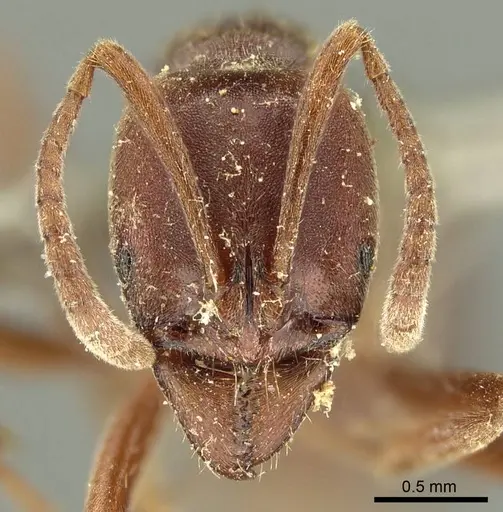
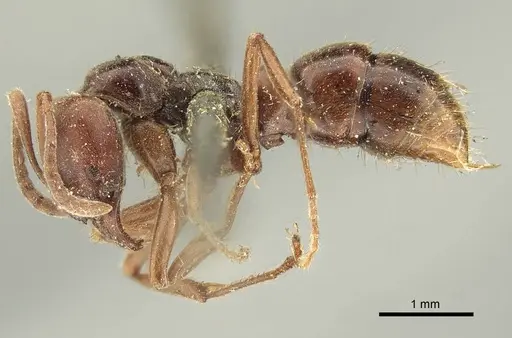
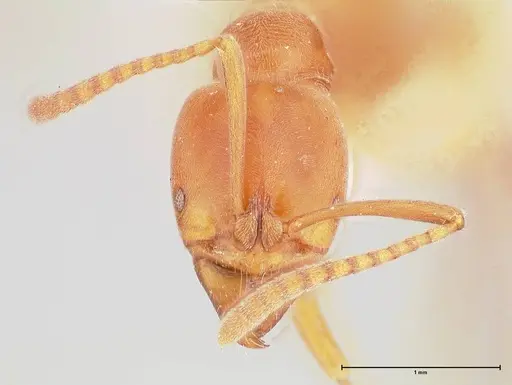
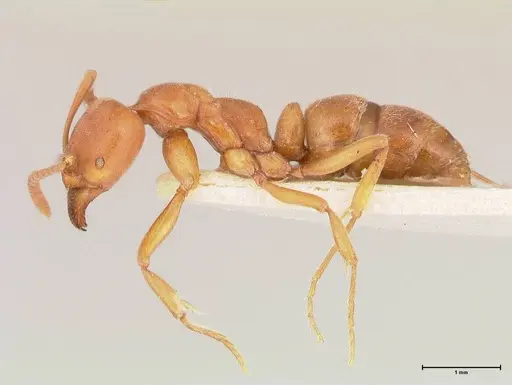
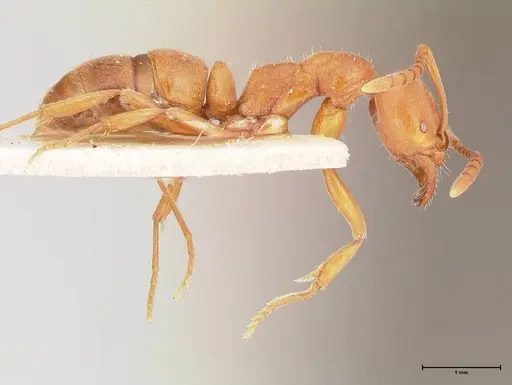
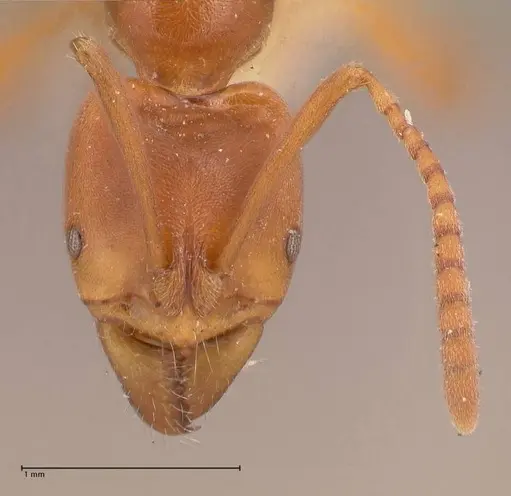
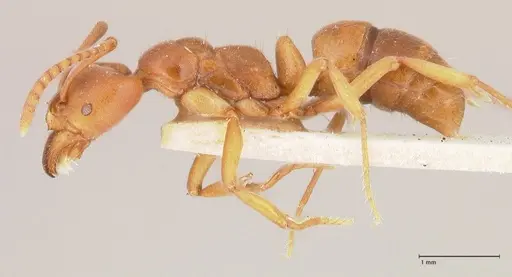
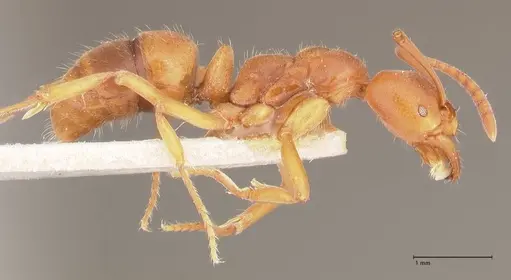
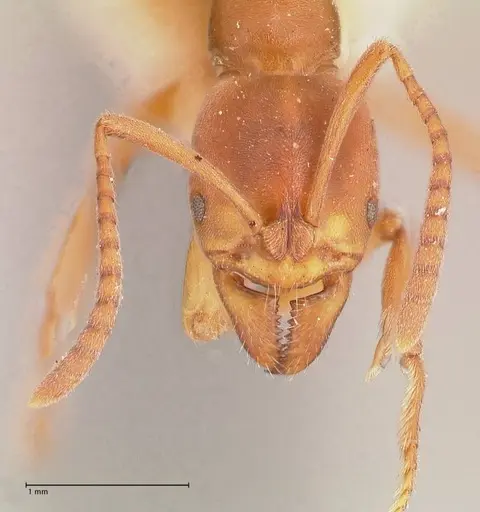
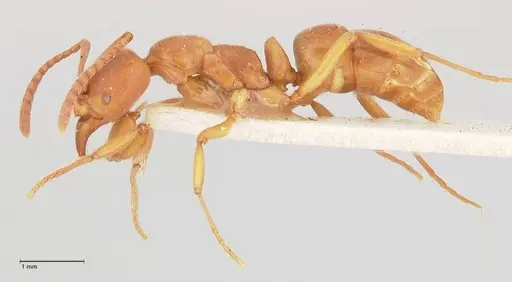
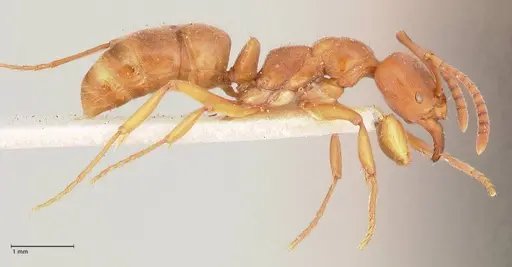
Austroponera castanea is a medium-sized ant endemic to New Zealand, with workers measuring 5.5 to 7 mm in length. They vary in color from yellowish-brown in younger specimens to dark reddish-brown or nearly black in older workers, and have a distinctive thick, rounded petiole node with abundant erect hairs covering the body [1]. These ants show remarkable ecological flexibility across their native range, nesting in moist forest leaf litter and rotten wood, but also thriving under stones in open pastures and even in the soil of urban vegetable gardens [1][2]. Despite possessing a respectable sting, they are described as fast-moving and rather timid, forming small to medium-sized colonies [1]. Males have been collected flying in January and March, suggesting summer nuptial flights [1].
Quick Summary
- Difficulty: Medium
- Origin & Habitat: Endemic to New Zealand (North Island and northern South Island), found in diverse habitats including moist forests, open pastures, and urban gardens [1][2][3]
- Colony Type: Single-queen colonies with ergatoid (wingless) replacement reproductives documented [1]
- Colony: Monogyne
- Size & Growth:
- Queen: Slightly larger than workers, approximately 7-8 mm [1]
- Worker: 5.5-7 mm, occasionally exceeding these limits [1]
- Colony: Small to medium (exact maximum unconfirmed) [1]
- Growth: Moderate
- Development: Estimated 8-12 weeks at 20-24°C based on related temperate Ponerinae (No direct development studies available, timeline inferred from genus patterns. Nanitic workers may emerge slightly faster.)
- Antkeeping:
- Temperature: 18-24°C (room temperature acceptable). Based on New Zealand's temperate climate, maintain stable conditions avoiding extremes above 28°C or below 15°C [1]
- Humidity: Moderate to high humidity preferred. Keep nest substrate damp but not waterlogged, mimicking forest floor conditions, though they tolerate drier garden soils [1]
- Diapause: Likely beneficial but unconfirmed. Given the temperate New Zealand climate, a winter cooling period to 10-15°C for 2-3 months may trigger natural cycles
- Nesting: Naturalistic setups with rotten wood, leaf litter, or flat stones, Y-tong (AAC) or plaster nests with tight chambers. They nest in pre-existing cavities rather than excavating extensively [1]
- Behavior: Fast-moving and timid despite possessing a painful sting. They are not aggressive but will defend themselves if threatened. Standard escape prevention required for 5-7mm ants [1]
- Common Issues: sting risk during maintenance, always use long forceps and avoid handling with bare hands., founding behavior is unconfirmed, queens may require feeding during founding if semi-claustral (typical for the group)., slow growth rate requires patience, overfeeding can lead to mold issues in small colonies., endemic to New Zealand, obtaining legal export/import permits is extremely difficult outside their native range., wild-caught colonies may host mites or parasites common in forest leaf litter habitats.
Nest Preferences and Setup
In nature, Austroponera castanea shows flexible nesting habits. They inhabit rotten wood and leaf litter in moist forests, but also nest under stones in open pastures and in garden soils [1]. This suggests they prefer pre-existing cavities with moderate humidity rather than digging extensive tunnel systems. For captive colonies, provide a naturalistic setup with pieces of rotten wood, leaf litter, or flat stones over a moist substrate. Alternatively, a Y-tong (AAC) nest or plaster nest with small chambers (scaled to their 5.5-7mm body size) works well. Ensure the nest has a humidity gradient, one side damp, one side slightly drier, so the colony can self-regulate. They do not require deep substrate for excavation but appreciate tight, secure spaces that mimic their natural preference for cavities in wood or under stones [1].
Feeding and Diet
As members of the subfamily Ponerinae, these ants are primarily predators. In the wild, they likely hunt small soil invertebrates and scavenging opportunities in leaf litter and garden soils. In captivity, offer small live prey such as fruit flies, springtails, small crickets, or mealworm pieces. Pre-killed insects are often accepted once the colony establishes a scent trail. While not specifically documented as nectar feeders, many ponerines accept sugar water or honey water occasionally. Provide a small feeding dish to prevent drowning, and remove uneaten protein within 24 hours to prevent mold in the humid conditions they prefer. Feed small colonies 2-3 times weekly, adjusting based on consumption rates [1].
Temperature and Seasonal Care
Native to temperate New Zealand, these ants tolerate a range of temperatures but thrive best at typical room temperature (18-24°C) [1]. Avoid prolonged exposure above 28°C or below 15°C. Males are active in January and March (New Zealand summer/early autumn), suggesting the colony cycle follows seasonal cues [1]. While not confirmed, providing a winter rest period (diapause) at 10-15°C for 2-3 months may benefit long-term colony health and trigger proper seasonal brood development. If cooling for winter, ensure the nest substrate does not dry out completely, as this is more dangerous than the cold itself. Gradually reduce temperature in autumn and increase in spring over 1-2 weeks to avoid shock.
Behavior and Handling Safety
Austroponera castanea is described as fast-moving and rather timid, but they possess a respectable sting that can deliver significant pain relative to their size [1]. They are not typically aggressive and prefer to flee rather than fight, but will defend themselves if cornered or if the nest is disturbed. Always use long forceps (20cm+) for maintenance and avoid direct handling. Their speed means they can quickly exploit any escape route, so ensure lids fit tightly and barriers (Fluon or talcum powder/alcohol mix) are applied to the upper walls of the outworld. Despite the sting risk, their timid nature makes them manageable for careful keepers who respect their defensive capabilities [1].
Colony Structure and Reproduction
These ants form single-queen colonies (monogyne), though ergatoid (wingless) replacement queens have been documented [1]. This means if the primary queen dies, a wingless reproductive female may take over rather than the colony dying out. Colonies remain small to medium in size, making them suitable for keepers with limited space. The presence of ergatoid queens suggests some flexibility in colony foundation, possibly including colony budding or adoption of new reproductives, though this has not been specifically documented in captivity. Combining multiple unrelated queens is not recommended as they are not polygynous (multi-queen) by nature.
Frequently Asked Questions
Can I keep Austroponera castanea in a test tube?
Yes, test tubes work well for founding colonies and small nests. Provide a dark, tight space with a water reservoir blocked with cotton. However, because their natural habitat includes rotten wood and leaf litter, adding a small piece of wood or bark to the test tube makes them feel more secure than a bare plastic surface.
Do Austroponera castanea need hibernation?
Likely yes, though not confirmed by research. As a temperate New Zealand species, they probably benefit from a winter cooling period to 10-15°C for 2-3 months. If you skip hibernation, the colony may survive but show reduced brood production or shorter lifespans. Always ensure the nest remains slightly humid during cooling to prevent desiccation.
How long until Austroponera castanea get their first workers?
Exact timelines are unconfirmed. Based on related temperate Ponerinae, expect approximately 8-12 weeks from egg to first worker at 20-24°C. The first workers (nanitics) may be smaller than subsequent generations and should be allowed to mature the next batch of brood before heavy disturbance.
Do Austroponera castanea ants sting?
Yes, they possess a respectable sting that can cause significant pain relative to their size. They are timid and prefer to flee, but will defend the nest if threatened. Always use tools for maintenance and avoid handling with bare hands.
Can I keep multiple Austroponera castanea queens together?
No, this is not recommended. They are monogyne (single-queen) colonies. While ergatoid replacement queens exist within established colonies, unrelated queens will likely fight to the death. Only attempt queen combination if you observe natural pleometrosis (cooperative founding) in the field, which has not been documented for this species.
What do Austroponera castanea eat?
They are predators that hunt small invertebrates. Feed them fruit flies, springtails, small cricket nymphs, or mealworm pieces. They may also accept sugar water or honey water occasionally, but protein is essential for brood development. Remove uneaten food promptly to prevent mold.
Are Austroponera castanea good for beginners?
They are medium difficulty. While their care requirements (temperature, humidity) are straightforward, they possess a painful sting and their founding behavior is unconfirmed (which may require feeding if semi-claustral). Their slow growth also requires patience. They are best suited for keepers with some experience handling stinging species.
Why are my Austroponera castanea dying?
Common causes include: desiccation (keep substrate moist), overfeeding leading to mold in small colonies, disturbance during the founding phase, or old age in wild-caught queens. If workers are dying outside the nest, this is normal self-exclusion behavior where sick ants leave to protect the colony. Ensure they have a winter rest period if they show signs of stress in continuous warm conditions.
How big do Austroponera castanea colonies get?
They remain small to medium sized. While exact maximums are unconfirmed, based on field observations they likely reach a few hundred workers at most, not thousands. This makes them suitable for modest setups, but don't expect the massive colony sizes seen in some tropical species.
References

This caresheet is licensed under CC BY-SA 4.0 .
CASENT0097796
View on AntWeb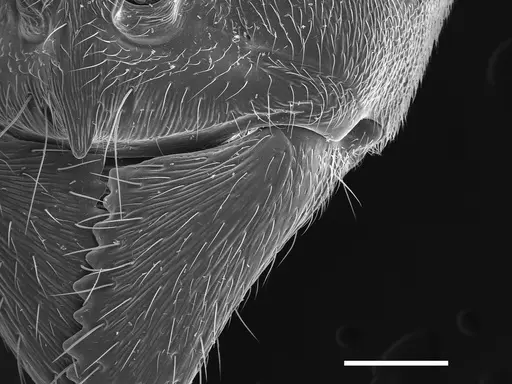
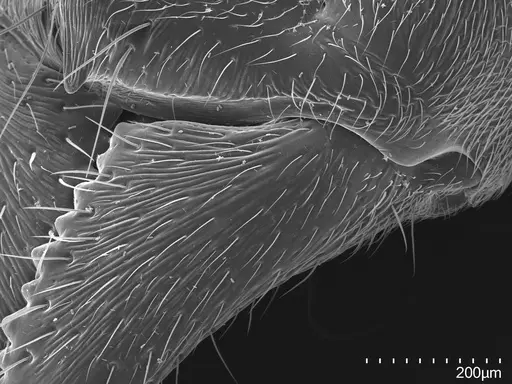
CASENT0172341
View on AntWeb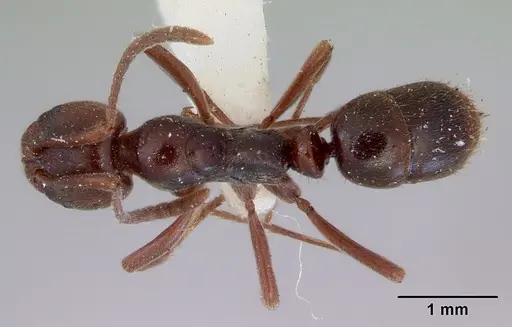
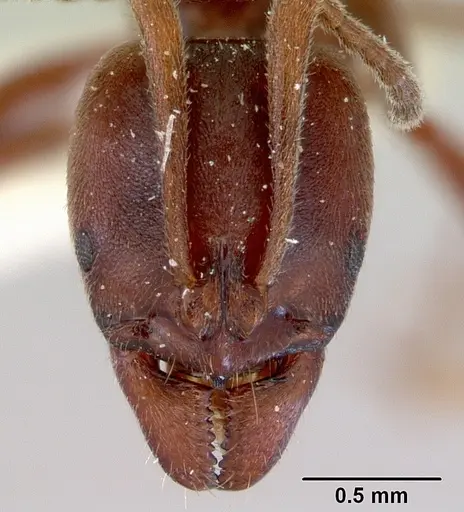
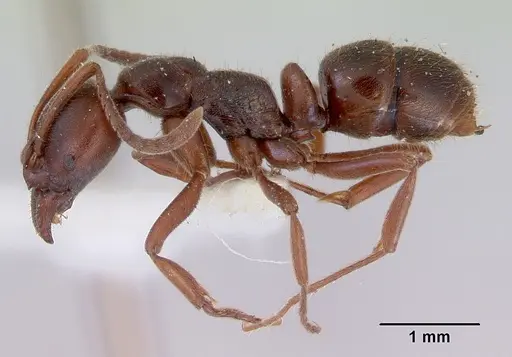
CASENT0249168
View on AntWeb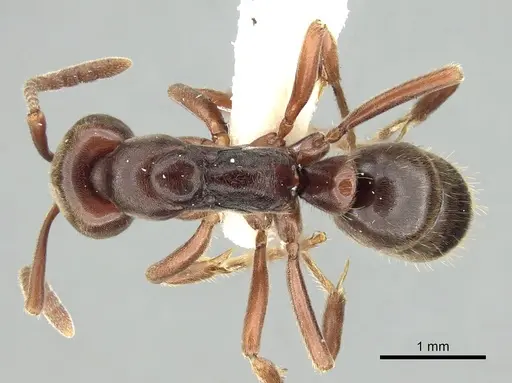
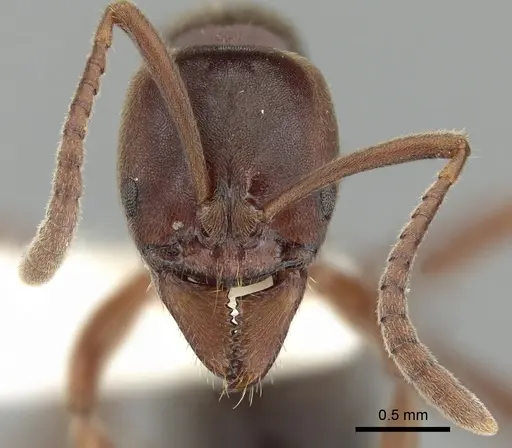
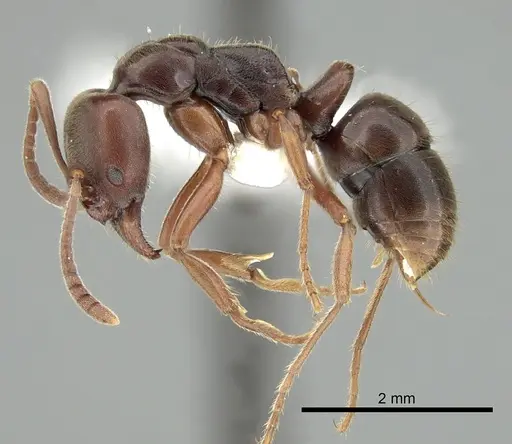
CASENT0618835
View on AntWeb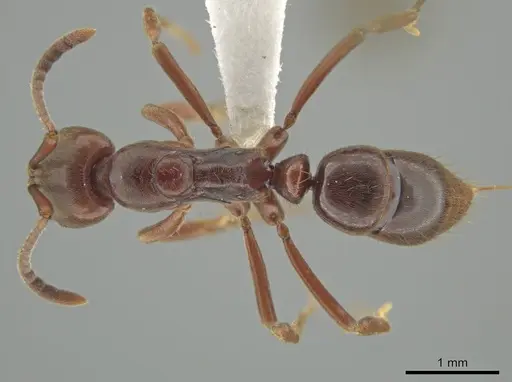
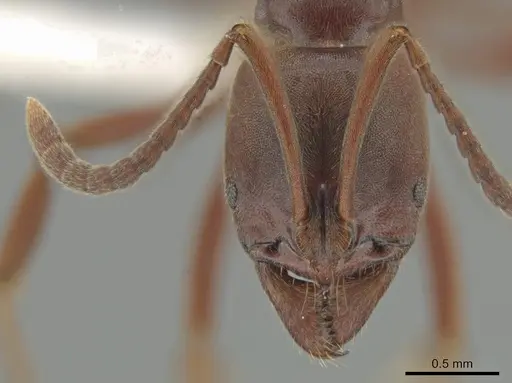
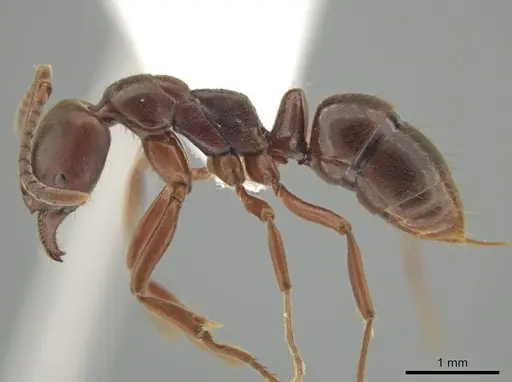
CASENT0915656
View on AntWeb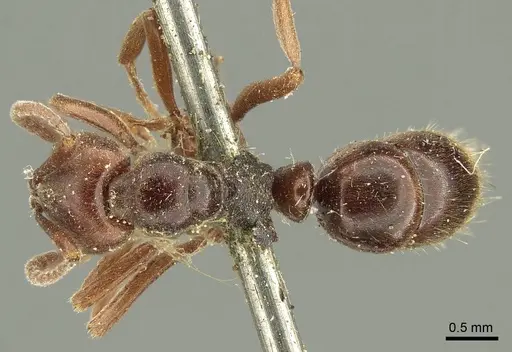
FOCOL0965
View on AntWeb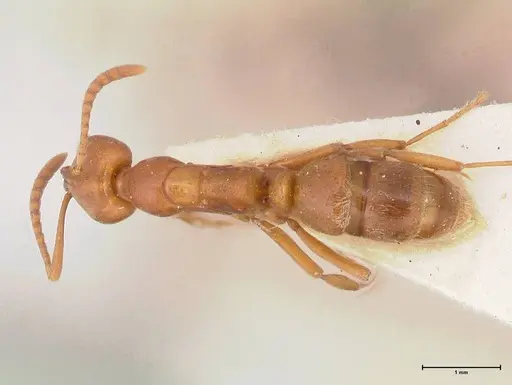
FOCOL0966
View on AntWeb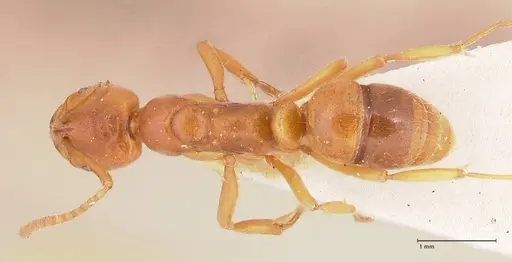
FOCOL0967
View on AntWeb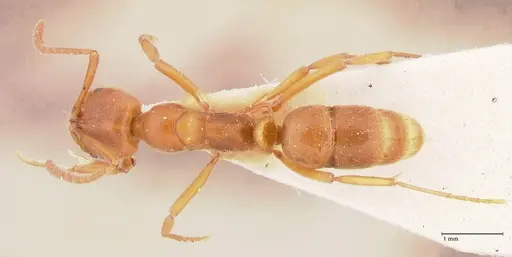
Literature
Loading...Loading products...