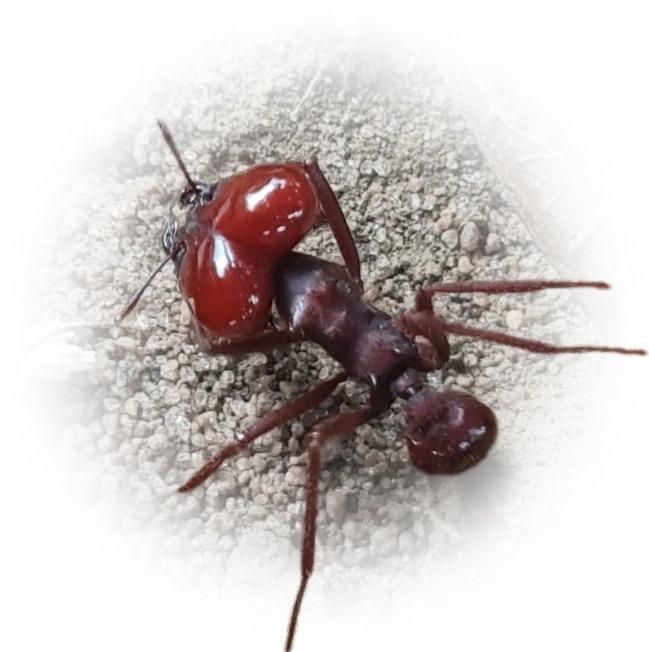

Atta laevigata
- Scientific Name
- Atta laevigata
- Tribe
- Attini
- Subfamily
- Myrmicinae
- Author
- Smith, 1858
- Distribution
- Found in 5 countries
Atta laevigata Overview
Atta laevigata is an ant species of the genus Atta. It is primarily documented in 5 countries , including Bolivia, Plurinational State of, Brazil. Detailed taxonomic data and occurrence records can be further explored via authoritative databases such as AntWeb or the Global Biodiversity Information Facility (GBIF).
Atta laevigata
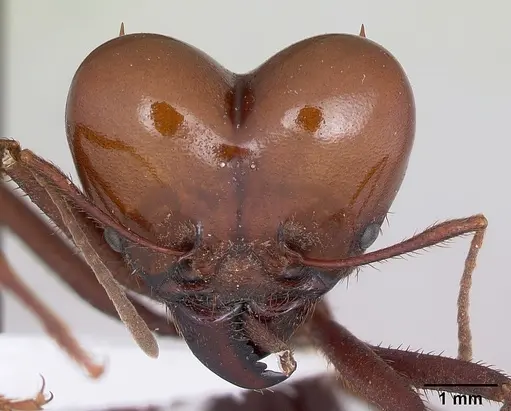
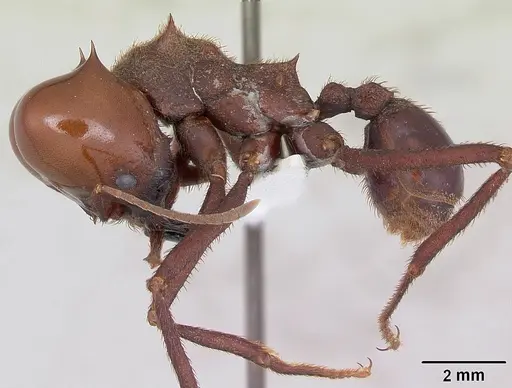
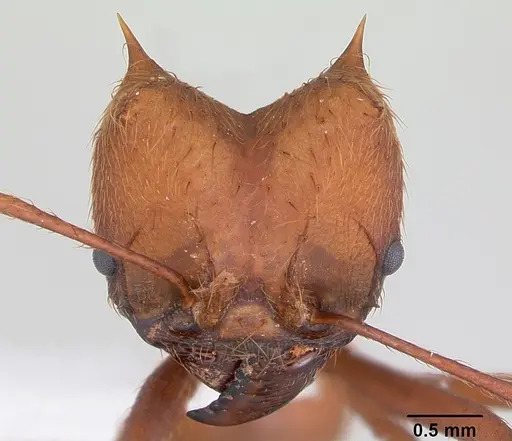
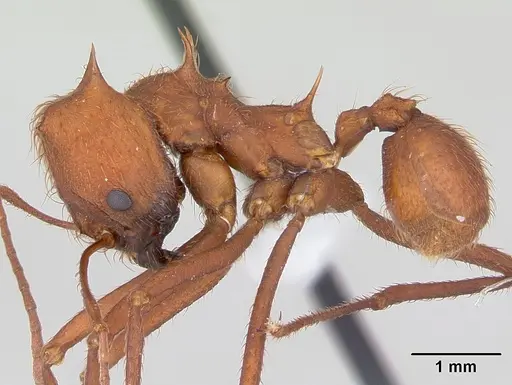
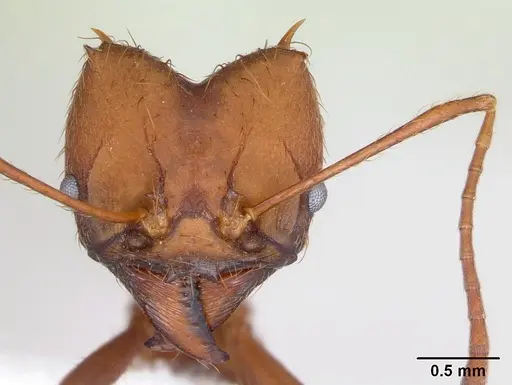
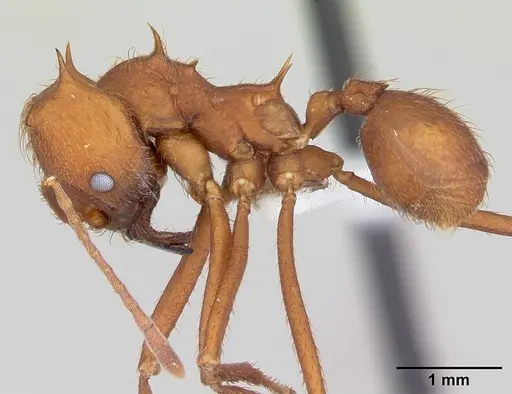
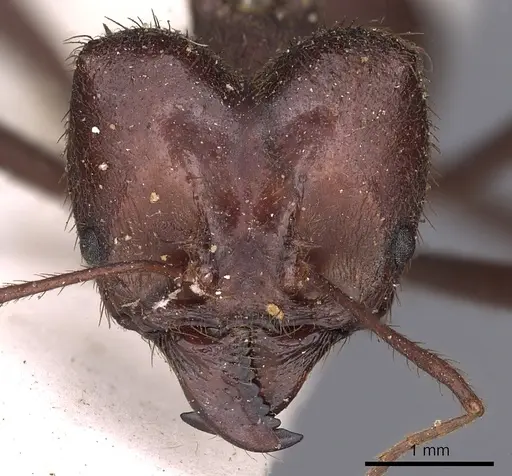
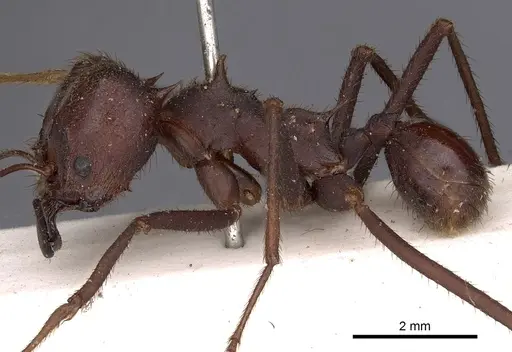
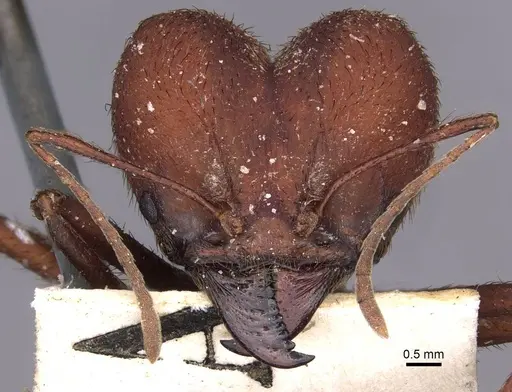
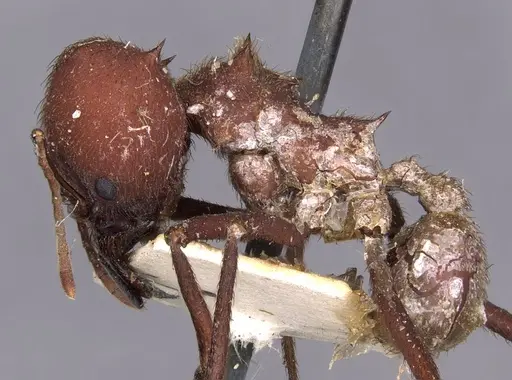
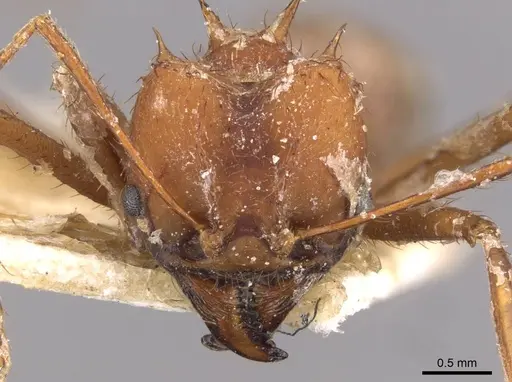
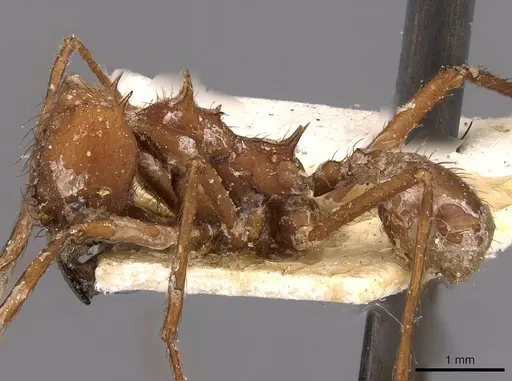
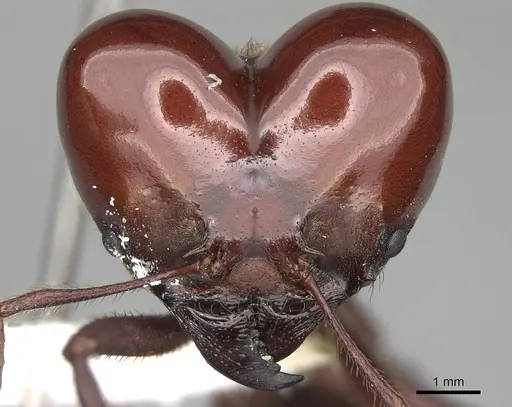
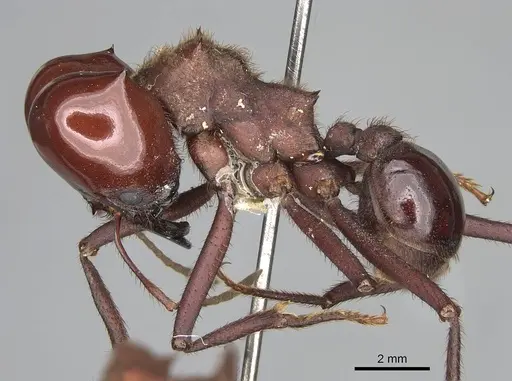
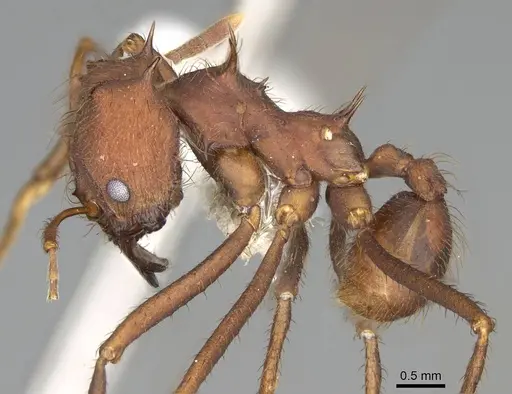
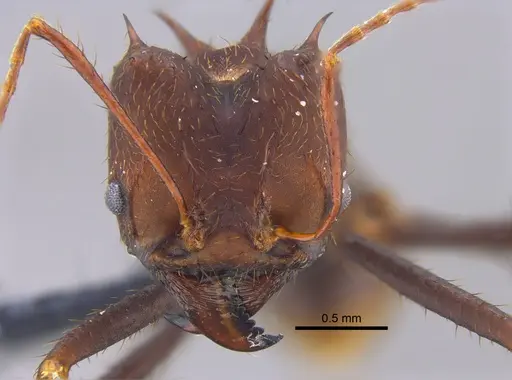
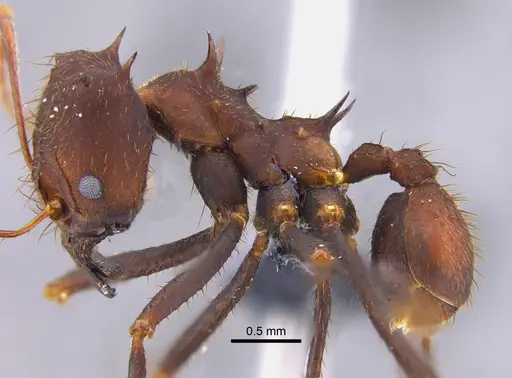
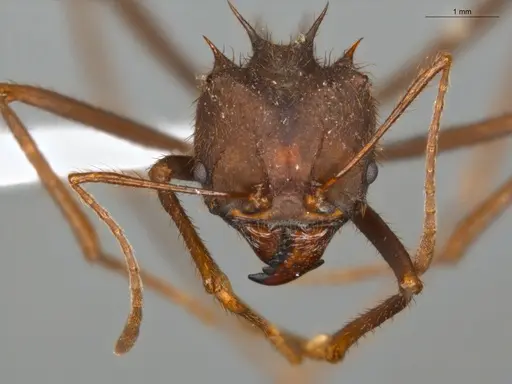
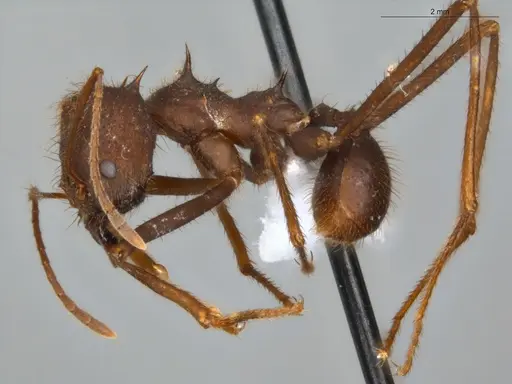
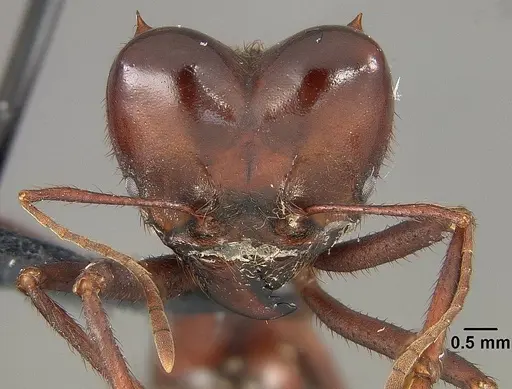
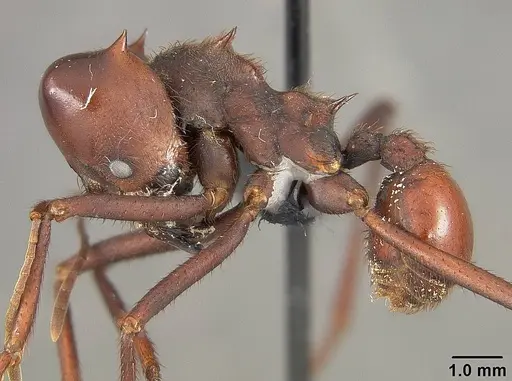
Atta laevigata, known locally as 'saúva cabeça-de-vidro' (glass-headed leaf-cutting ant), is one of the most visually striking fungus-growing ants in South America. Workers show extreme size variation from tiny 3 mm minima to massive 16 mm soldiers with large, shiny heads that appear glass-like under light [1][2]. These powerful soldiers possess zinc-reinforced mandibles capable of delivering painful bites [3]. Native to the Neotropics, they range from Colombia and Venezuela through Brazil to Paraguay [4], inhabiting Cerrado savannas, Atlantic Forest, and agricultural areas.
What distinguishes this species is their sophisticated agriculture and massive colony scale. They cultivate the fungus Leucoagaricus gongylophorus on fresh vegetation, with mature colonies containing up to 8 million workers living in underground nests extending 7 meters deep [5][6]. Queens can live over 15 years, continuously laying eggs [5]. This is not a typical pet ant, they require specialized facilities to maintain their symbiotic fungus and satisfy enormous space requirements that far exceed standard formicariums.
Quick Summary
- Difficulty: Expert
- Origin & Habitat: Neotropical region including Brazil, Paraguay, Colombia, Venezuela, and Bolivia, found in Cerrado, Atlantic Forest, pastures, and forest edges [4][7]
- Colony Type: Single-queen (monogyne) colonies with massive worker populations [5]
- Colony: Monogyne
- Founding: Claustral
- Size & Growth:
- Queen: Approximately 25 mm (alate females) [8]
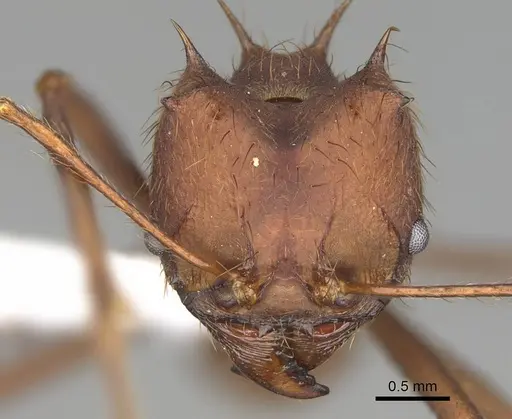
- Worker: 3-16 mm, highly polymorphic with minima, media, and major castes [1][2]
- Colony: Up to 8 million workers [5]
- Growth: Moderate initially, expanding to massive scale over years
- Development: Approximately 11-14 weeks (80-100 days) from founding to first workers [9] (Timeline depends on fungus health and temperature, queens remain sealed during this period)
- Antkeeping:
- Temperature: 24-28°C, stable warmth required year-round, foraging peaks at 30-33°C [10]
- Humidity: High humidity 70-80% required for fungus garden health, substrate must remain moist but not waterlogged
- Diapause: No, tropical species active year-round without hibernation
- Nesting: Underground fungus gardens with spherical chambers, requires custom-built facilities with meters of vertical space, not standard formicariums [6][11]
- Behavior: Nocturnal foraging activity [12], highly polymorphic with aggressive soldiers defending territories marked with Dufour's gland secretions [1], generalist foragers cutting both monocots and dicots [7]
- Common Issues: fungus garden collapse from contamination, wrong substrate, or pesticide-treated leaves, insufficient space leading to colony stress, nests require up to 7 meters depth and thousands of chambers [6], phorid fly parasitism by Apocephalus and Eibesfeldtphora species killing workers [26][27], difficulty maintaining high humidity without mold growth competing with the symbiotic fungus, legal restrictions on possession outside native range due to agricultural pest status [4]
Fungus Cultivation and Dietary Needs
Atta laevigata are obligate fungus-growers, cultivating Leucoagaricus gongylophorus as their primary food source [13]. Unlike predatory ants, they do not eat prey directly but process fresh plant material to feed their fungal gardens. They are generalist foragers, cutting both monocotyledonous and dicotyledonous plants including eucalyptus, pine, cassava, and various Cerrado vegetation [7][12].
In captivity, you must provide fresh, clean leaves daily, approximately 5 kg per day for mature colonies [14]. The ants chew leaves into a pulp on which the fungus grows, producing nutritious gongylidia (hyphal swellings) that the ants consume [15]. The fungus requires specific conditions: pH 4.0-5.0 is optimal for growth [16]. Any contamination by competing fungi like Escovopsis or bacteria will destroy the colony. You cannot feed them sugar water or insects alone, the fungus is mandatory for larval development and queen survival [5].
Nest Architecture and Space Requirements
This species constructs the deepest and most complex nests among leaf-cutting ants. Chambers are predominantly spherical and located between 0.5 and 7 meters deep, with mature nests containing over 7,000 chambers connected by elliptical tunnels [6][11]. The above-ground mound (murundu) can reach 37 m² in area [17].
Captive colonies require custom-built facilities, not standard formicariums. You need meters of vertical space with controlled humidity and temperature gradients. The fungus chambers must be kept in complete darkness at high humidity while foraging areas need space for trail formation [18]. Standard acrylic nests will not work, colonies need room to expand horizontally and vertically as they age, with tunnel systems reaching 40 cm wide in mature nests [19].
Colony Defense and Polymorphism
Atta laevigata exhibits extreme polymorphism with distinct worker castes. Minima (3 mm) tend brood and fungus, media (various sizes) cut and transport leaves, and soldiers (up to 16 mm) defend the nest [1][2]. Soldiers possess massive heads with zinc-reinforced mandibles capable of delivering painful bites [3][1].
They defend territories aggressively, marking trails with Dufour's gland secretions containing heptadecane [1]. When threatened by vertebrates, they recruit soldiers specifically, against other ants, they deploy smaller workers [1]. In captivity, opening the nest triggers massive defensive responses, soldiers will attack forceps and can bite through thin gloves. Minima workers ride on leaf fragments to protect foragers from phorid flies [20].
Temperature and Environmental Control
As tropical ants from Brazil and Paraguay, they require warm, stable conditions between 24-28°C. They do not enter diapause and remain active year-round [21]. Foraging activity peaks at 30-33°C and occurs primarily at night [12][10].
Humidity control is critical, the fungus gardens require 70-80% humidity but with adequate ventilation to prevent mold. CO2 levels in chambers naturally reach 4.5% [22], so ventilation must be carefully managed to maintain high humidity while allowing gas exchange. During the dry season, colonies may cut and transport dry leaves, cow dung, and even paper [23], but the fungus garden itself must remain moist.
Founding and Early Colony Development
Queens are claustral, excavating an initial channel 12-14 cm deep, then a small chamber which they seal after approximately 48 hours [9]. They carry a fungal pellet in their infrabuccal pocket to start the garden. The queen remains sealed for 80-100 days before the first workers emerge [9].
Nuptial flights occur October through December in southeastern Brazil, triggered by heavy rains [14]. Queens can live and lay eggs for over 15 years [5]. Founding success is low in nature due to predation by dung beetles like Canthon virens, which decapitate queens and use their bodies for brood balls [24]. In captivity, founding requires sterile soil, appropriate humidity, and protection from disturbance during the critical first months.
Frequently Asked Questions
Can I keep Atta laevigata in a test tube?
No. Test tubes provide insufficient space and humidity control for fungus cultivation. Queens need soil chambers to establish fungal gardens, and colonies quickly outgrow any standard formicarium, requiring custom-built facilities with meters of vertical space.
How long until Atta laevigata first workers arrive?
Approximately 11-14 weeks (80-100 days) from founding to first workers, during which the queen remains sealed in her initial chamber [9].
Do Atta laevigata need hibernation?
No. They are tropical ants active year-round and do not enter diapause or hibernation [21].
What do Atta laevigata eat?
They cultivate the fungus Leucoagaricus gongylophorus on fresh leaf material. You must provide fresh leaves daily, they cannot survive on sugar water or insects alone [13][5].
How big do Atta laevigata colonies get?
Mature colonies reach 3-8 million workers with nests extending 7 meters underground and containing over 7,000 chambers [5][6].
Are Atta laevigata dangerous?
Soldiers possess powerful mandibles capable of painful bites that can draw blood, though they lack stingers. They are aggressive defenders of their territory [1][3].
Can I keep multiple Atta laevigata queens together?
No. This is a monogyne species, colonies have only one queen. Multiple queens will fight to the death [5].
Why is my Atta laevigata fungus garden dying?
Common causes include contamination with mold or Escovopsis, using leaves with pesticides, insufficient humidity, or incorrect leaf types. They avoid certain plants like Tabernaemontana due to milky sap [23].
Are Atta laevigata legal to keep?
Check local laws carefully. As major agricultural pests capable of destroying crops and forests, they are illegal to import or keep in many regions outside their native range [4][25].
How do I prevent phorid fly infestations in my Atta laevigata colony?
Phorid flies like Apocephalus attophilus and Eibesfeldtphora erthali parasitize workers, causing significant mortality [26][27]. Maintain fine mesh barriers, avoid opening nests during peak fly activity, and ensure minima workers are present to defend foragers.
References

This caresheet is licensed under CC BY-SA 4.0 .
CASENT0173811
View on AntWeb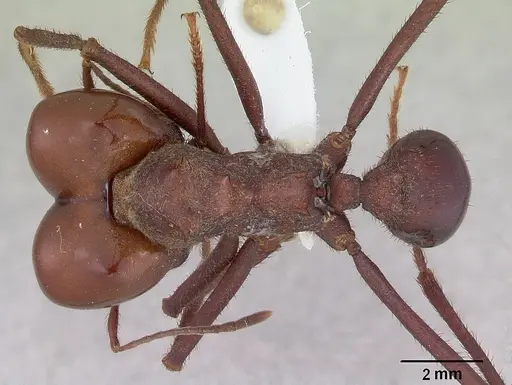
CASENT0173812
View on AntWeb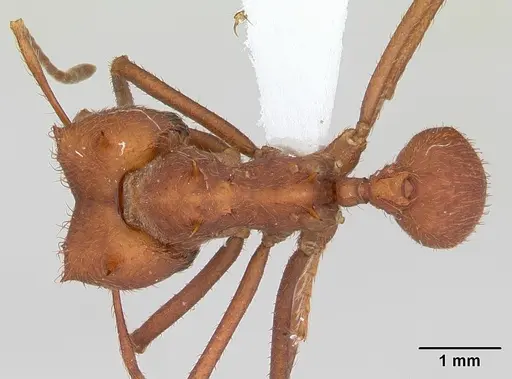
CASENT0173813
View on AntWeb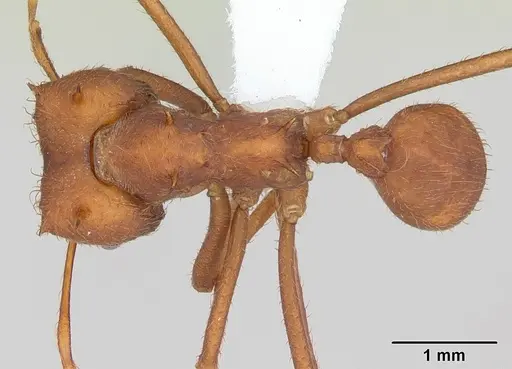
CASENT0900488
View on AntWeb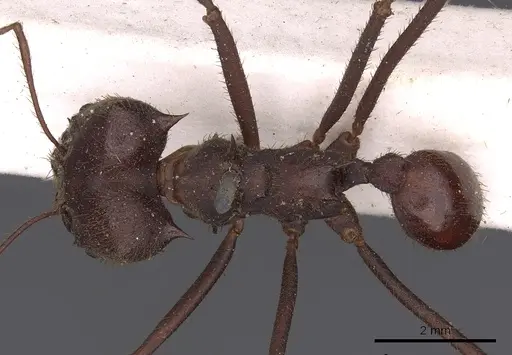
CASENT0909447
View on AntWeb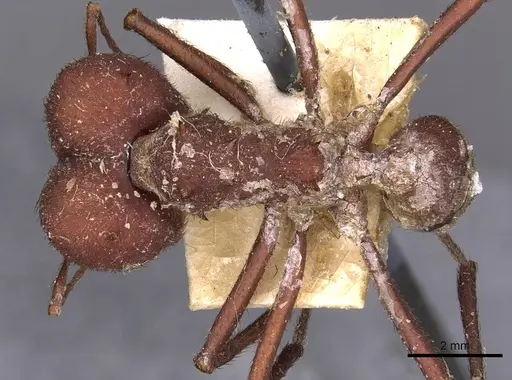
CASENT0909448
View on AntWeb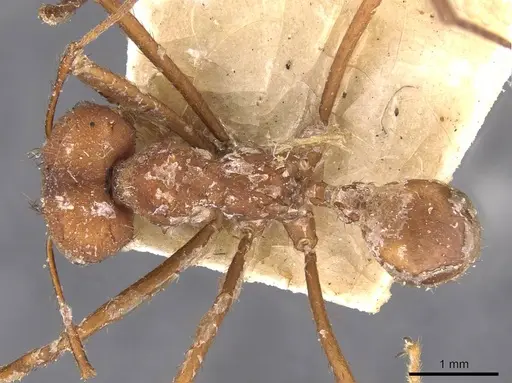
CASENT0922055
View on AntWeb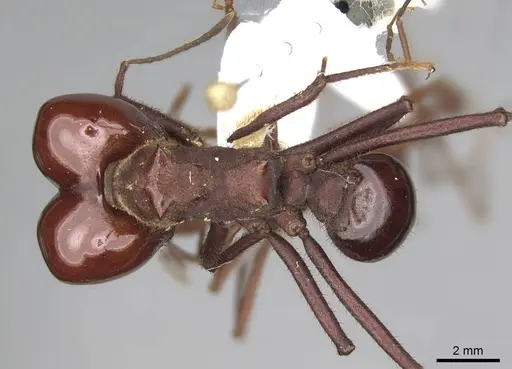
CASENT0922056
View on AntWeb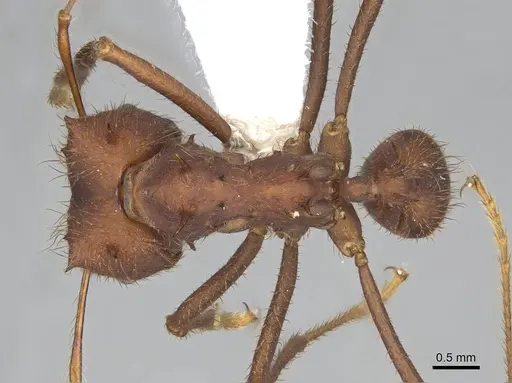
CBUMAGENT41875
View on AntWeb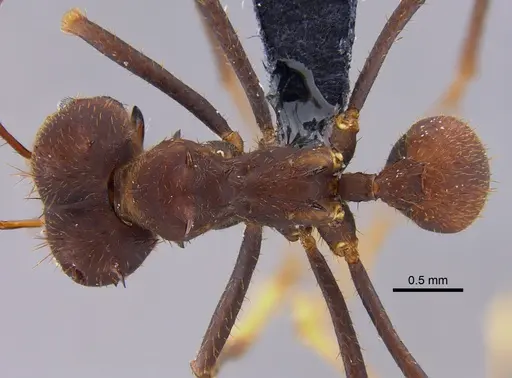
ECOFOG-OI17-0070-02
View on AntWeb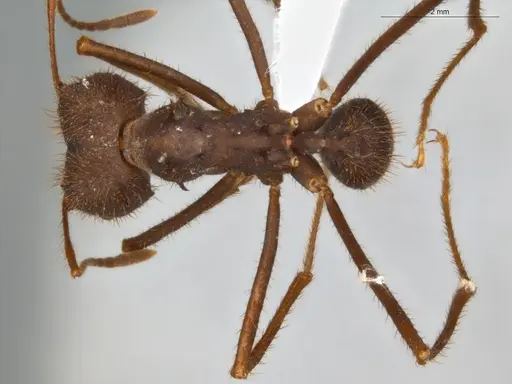
USNMENT01124206
View on AntWeb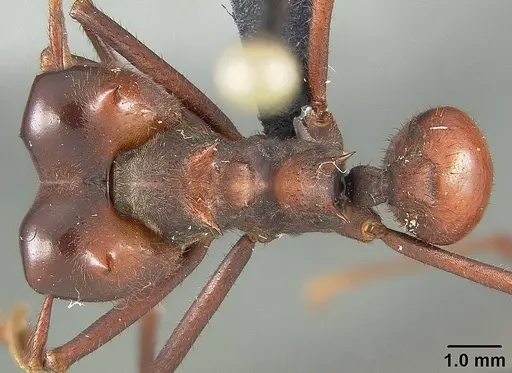
Literature
Loading...Loading products...