

Atta insularis
- Scientific Name
- Atta insularis
- Tribe
- Attini
- Subfamily
- Myrmicinae
- Author
- Guérin-Méneville, 1844
- Distribution
- Found in 1 countries
Atta insularis Overview
Atta insularis is an ant species of the genus Atta. It is primarily documented in 1 countries , including Cuba. Detailed taxonomic data and occurrence records can be further explored via authoritative databases such as AntWeb or the Global Biodiversity Information Facility (GBIF).
Atta insularis
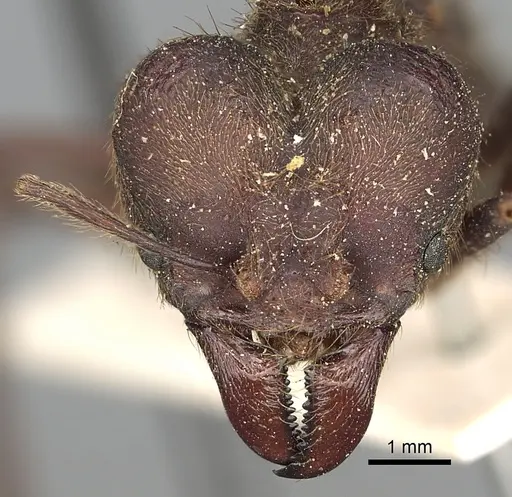
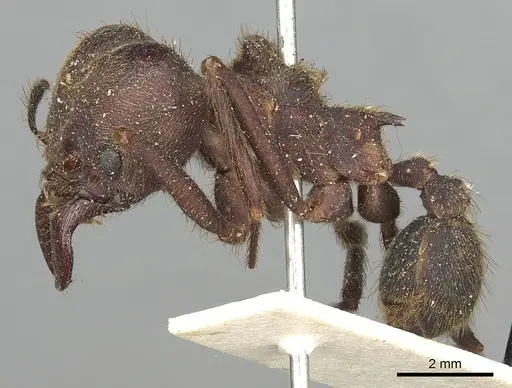
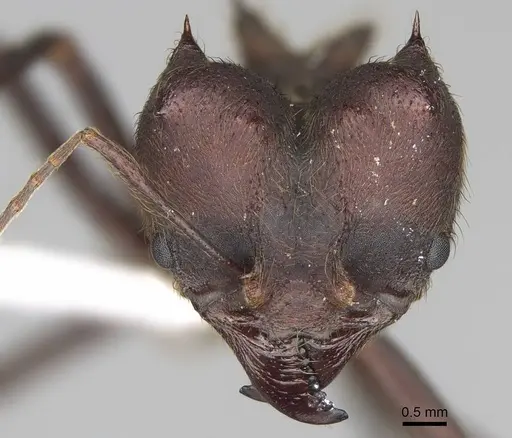
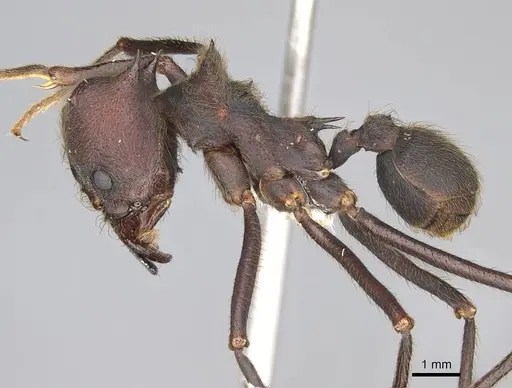
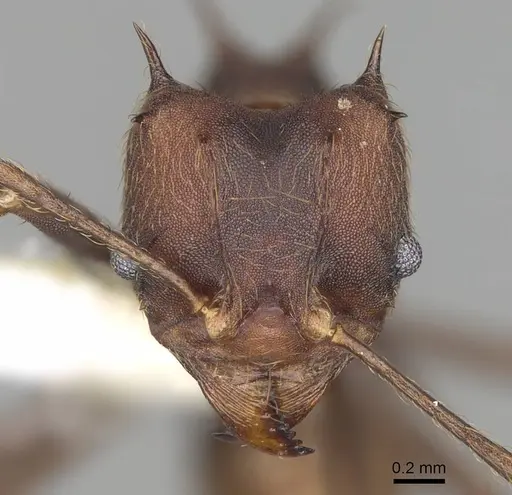
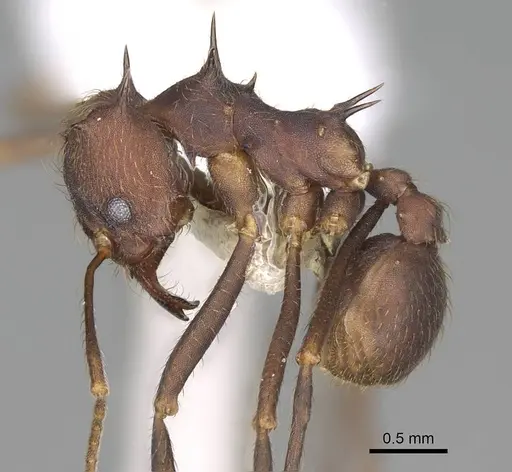
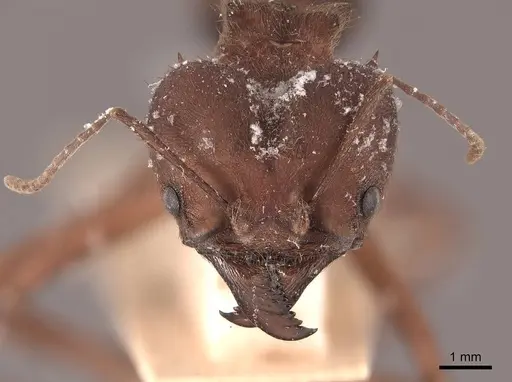
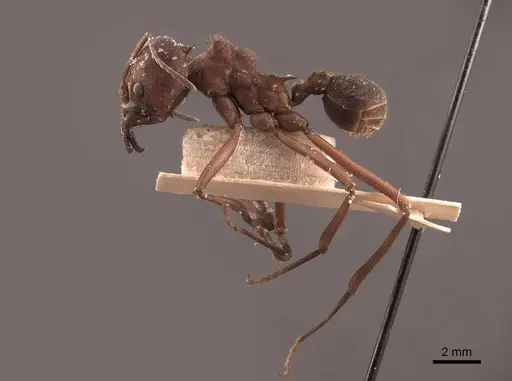
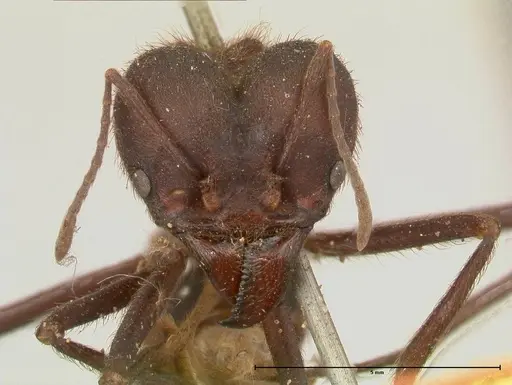
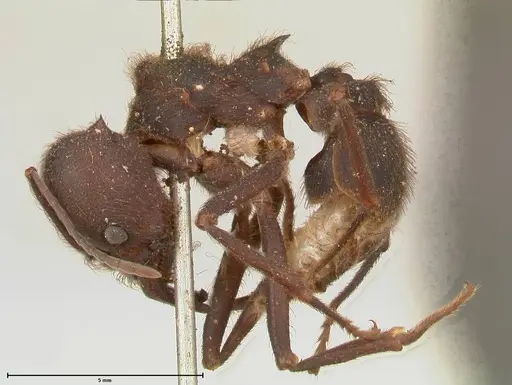
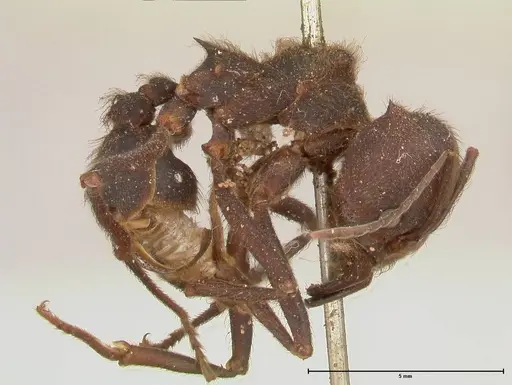
Atta insularis is a large, polymorphic leafcutter ant found only in Cuba and the surrounding Greater Antilles [1][2]. These ants show dramatic size differences between castes, from tiny minors barely 3 millimeters long to massive majors with heads like matchsticks, all with dark, shiny bodies covered in fine hairs [3][4]. In their native forests and pastures, they build conspicuous conical soil mounds up to 40 centimeters high, often surrounded by cleared foraging trails stretching over 50 meters [3].
What makes Atta insularis particularly notable is their ancient evolutionary heritage. They belong to the Archeatta clade and are the closest living relatives of the Texas leafcutter ant (Atta texana), separated by the oceanic barrier of the Gulf of Mexico [2][5]. Like all leafcutters, they practice agriculture, cultivating specific fungi that they feed with fresh vegetation. Their fungal crops show surprising cold tolerance compared to tropical relatives, hinting at adaptations that allowed their ancestors to colonize the island [6][7]. In Cuba, they are notorious agricultural pests, capable of stripping trees bare and causing significant damage to crops like Leucaena and sugar cane [8][9].
Quick Summary
- Difficulty: Expert
- Origin & Habitat: Endemic to Cuba and the Greater Antilles, found in pluviforests, evergreen forests, semideciduous forests, coastal scrub, pine forests, pastures, and coffee plantations [1][10][2]
- Colony Type: Single-queen colonies (monogyne), inferred from typical Atta genus patterns
- Colony: Monogyne
- Founding: Claustral
- Size & Growth:
- Queen: Estimated 25-30 mm
- Worker: 3-20 mm (highly polymorphic), medium workers have head width ~1.68 mm [4][3]
- Colony: Up to several million workers (estimated from Atta genus patterns), field studies show nest densities of 99 nests per hectare [8]
- Growth: Slow founding phase, then massive expansion once fungus garden establishes
- Development: Estimated 6-10 weeks at 25-28°C (First workers (nanitics) are smaller and develop faster than subsequent generations)
- Antkeeping:
- Temperature: 24-28°C based on field activity data, maintain stable temperatures as fluctuations harm the fungus garden [3]
- Humidity: High humidity 70-90%, substrate should remain moist but not waterlogged. Field observations show activity at 69-86% relative humidity [3]
- Diapause: No, tropical species active year-round
- Nesting: Large formicarium with dedicated fungus garden chambers, separate refuse areas, and excellent ventilation while maintaining high humidity [11]
- Behavior: Intensive foragers with seasonal activity patterns, more active in dry season, reduced foraging during midday heat [3]. Show symmetry-breaking escape behavior where panicked workers all rush toward one exit [4][12]. Agricultural pests in native range with strong mandibles capable of cutting leaves and flowers [8].
- Common Issues: fungus garden collapse from Escovopsis infection or incorrect humidity levels [15][16], pesticide contamination on collected leaves killing the fungal symbiont, escapes due to large colony size, strong mandibles chewing through barriers, and panic-induced symmetry breaking [4], starvation if not provided fresh vegetation daily, the fungus dies without constant new substrate, overheating during hot hours (11:30-14:00) when foraging naturally decreases [3]
Fungus Garden Management
The survival of your colony depends entirely on the health of their fungus garden. Atta insularis cultivates a specific strain of Leucoagaricus gongylophorus (called Attamyces) that they feed with fresh vegetation [7][13]. The fungus produces nutritious swollen hyphal tips called staphylae that the ants consume [14]. You must provide fresh, clean leaves daily, in Cuba they preferentially forage dry materials and leaflets from plants like Leucaena leucocephala, neem (Azadirachta indica), and African tulip tree (Spathodea campanulata) [3]. Avoid plants with high chemical defenses or any treated with pesticides. The fungus needs high humidity (80%+) but also fresh air, stagnant air causes mold while dry air kills the symbiont [11].
Nest Setup and Space Requirements
In nature, Atta insularis builds conical mounds 0-40 cm high with 1-3 entrance holes and cleared trails up to 54 meters long [3]. In captivity, you need a large formicarium with multiple chambers: a main fungus garden chamber (dark, humid), a foraging area, and separate refuse chambers [11]. The nest material should hold humidity but not flood. As the colony grows, they will need massive space, mature Atta colonies require setups the size of large aquariums. Use materials that resist mold and allow the ants to create their characteristic garden structures.
Temperature and Seasonal Patterns
Maintain temperatures between 24-28°C based on field observations where colonies forage most actively at 25°C during the dry season and 28°C during the wet season [3]. They show distinct seasonal variation: foraging is more intense during the less rainy period (January-May) and naturally reduces during the hottest midday hours (11:30-14:00) [3]. Unlike their sister species Atta texana, they do not need winter diapause due to Cuba's tropical climate [6]. Keep temperatures stable, sudden drops or spikes can stress the fungus garden.
Foraging and Diet
These ants are agricultural generalists. In Cuban pastures, they intensely forage Leucaena leucocephala, collecting leaflets, seeds, and pods from the litter [3]. They also attack Azadirachta indica and completely defoliate Spathodea campanulata [3]. They prefer dry plant materials over fresh green leaves when available [3]. You'll need to provide a constant supply of suitable vegetation, without daily fresh substrate, the fungus starves and the colony dies. Flowers of Delonix regia and Teramnus labialis are also accepted [3].
Disease and Waste Management
Watch for Escovopsis, a parasitic fungus that attacks the gardens and appears as strange growths or discoloration on the fungus [15][16]. Good hygiene helps: wash leaves to remove contaminants, and ensure the foraging area doesn't introduce pathogens to the garden. The ants create internal refuse chambers to isolate waste and dead ants, helping prevent disease spread [11]. You should occasionally remove excess waste buildup but avoid disturbing the main garden chambers.
Safety and Escape Prevention
Atta insularis shows fascinating but dangerous escape behavior, when panicked by alarm signals, they break symmetry and all rush toward one random exit rather than distributing evenly among available exits [4][12]. This means if you have multiple ventilation holes, they might all pile into one during an escape attempt. Use tight-fitting lids with fine mesh and apply Fluon barriers to prevent climbing. They are strong chewers, large majors can eventually damage acrylic or soft plastic nests.
Frequently Asked Questions
Can I keep Atta insularis in a test tube?
No. Leafcutter queens cannot found colonies alone in test tubes. They need a pellet of fungus from their parent colony to start the garden. You must begin with an established young colony that already has workers and fungus, or a founding chamber setup with the symbiotic fungus present.
How long does Atta insularis take from egg to worker?
Based on related Atta species, expect approximately 6-10 weeks from egg to worker at 25-28°C. The first workers (nanitics) are typically smaller and may emerge slightly faster than subsequent generations.
Do Atta insularis need hibernation or diapause?
No. As a tropical species from Cuba, they remain active year-round. They do show seasonal variation in foraging intensity between wet and dry seasons, but they do not enter winter diapause like temperate ant species.
What leaves should I feed my Atta insularis colony?
Provide fresh leaves from plants they naturally forage in Cuba, including Leucaena leucocephala, neem (Azadirachta indica), African tulip tree (Spathodea campanulata), and Panicum maximum grass. They also accept flowers from Delonix regia and Teramnus labialis. They prefer dry materials over fresh green leaves when available.
How big do Atta insularis colonies get?
Very large. While specific maximums aren't documented for this species, related Atta colonies can reach several million workers. In Cuban pastures, nests occur at densities of 99 per hectare, with mature mounds measuring up to 70 cm in diameter.
Why is my Atta insularis fungus garden turning gray or dying?
Likely causes include Escovopsis infection (a parasitic fungus), incorrect humidity (too dry or too wet), pesticide contamination on leaves, or lack of fresh substrate. The fungus requires constant care, fresh air, and daily feeding with clean vegetation.
Can I keep multiple Atta insularis queens together?
No. Atta species are typically monogyne (single-queen). There is no evidence that Atta insularis accepts multiple queens, and attempting to combine queens will likely result in fighting and death.
How do I prevent Escovopsis fungus infection in my Atta insularis colony?
Maintain strict hygiene by washing leaves to remove contaminants, ensure good air circulation without drying out the garden, keep humidity high but not waterlogged, and immediately isolate any contaminated garden sections. The ants naturally create refuse chambers to help control disease spread [11].
References

This caresheet is licensed under CC BY-SA 4.0 .
CASENT0281780
View on AntWeb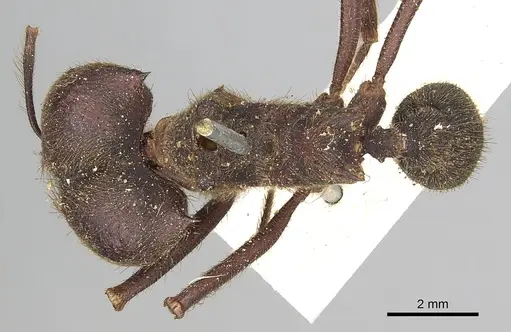
CASENT0922053
View on AntWeb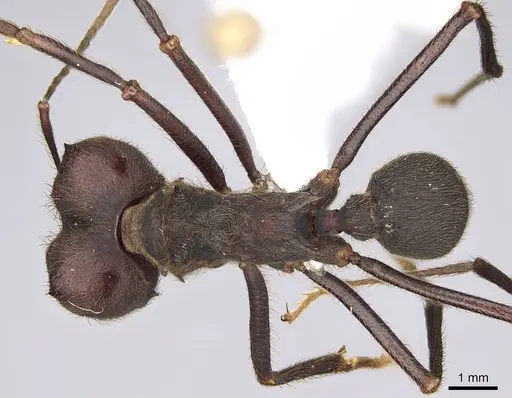
CASENT0922054
View on AntWeb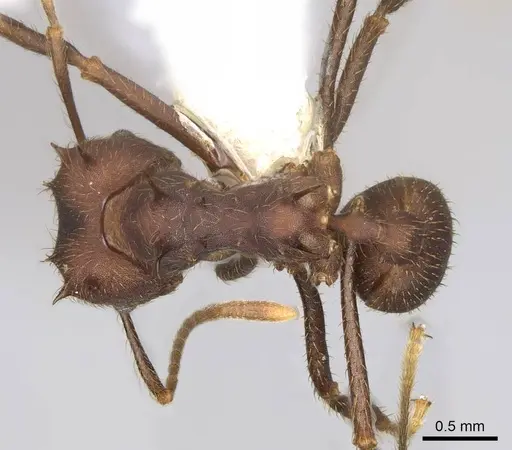
FMNHINS0000046908
View on AntWeb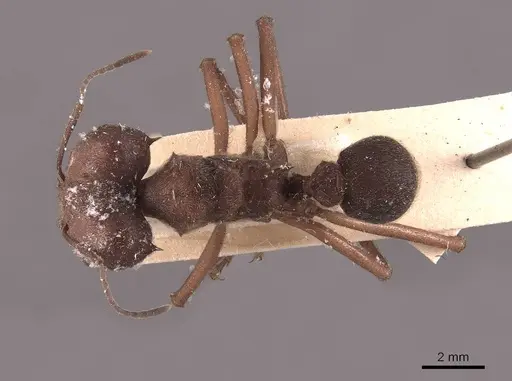
FOCOL0676
View on AntWeb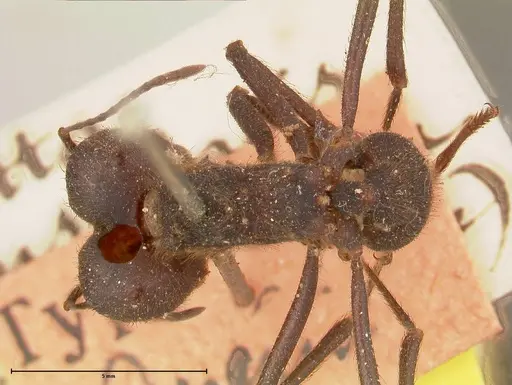
Literature
Loading...Loading products...