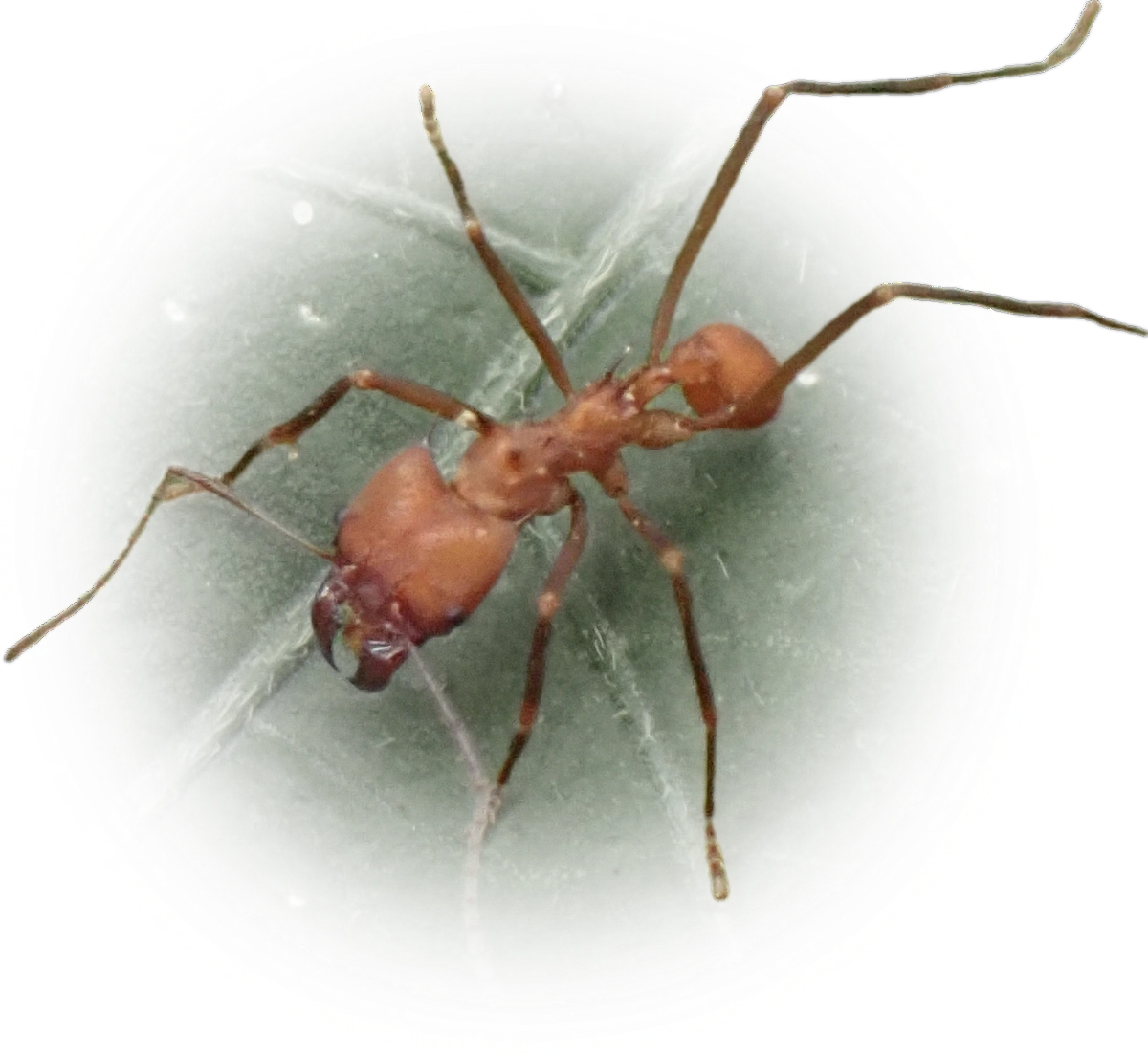

Atta colombica
- Scientific Name
- Atta colombica
- Tribe
- Attini
- Subfamily
- Myrmicinae
- Author
- Guérin-Méneville, 1844
- Common Name
- Colombian Leafcutter Ant
- Distribution
- Found in 3 countries
Atta colombica Overview
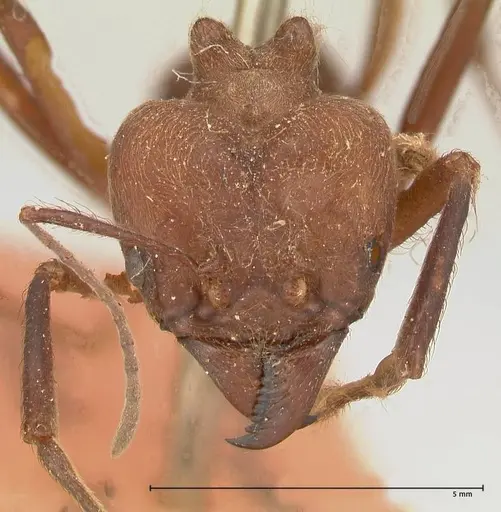
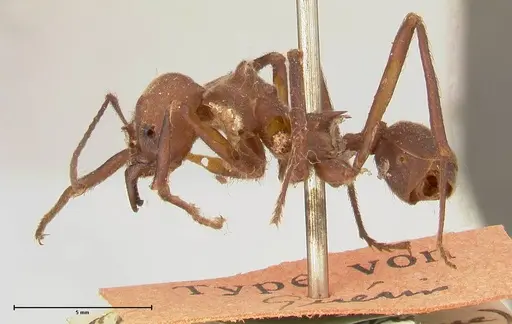
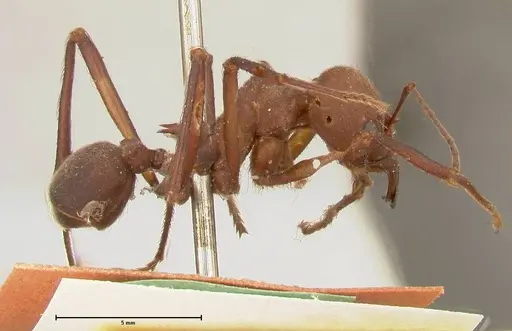
Atta colombica (commonly known as the Colombian Leafcutter Ant) is an ant species of the genus Atta. It is primarily documented in 3 countries , including Colombia, Costa Rica, Panama. Detailed taxonomic data and occurrence records can be further explored via authoritative databases such as AntWeb or the Global Biodiversity Information Facility (GBIF).
Atta colombica - "Colombian Leafcutter Ant"
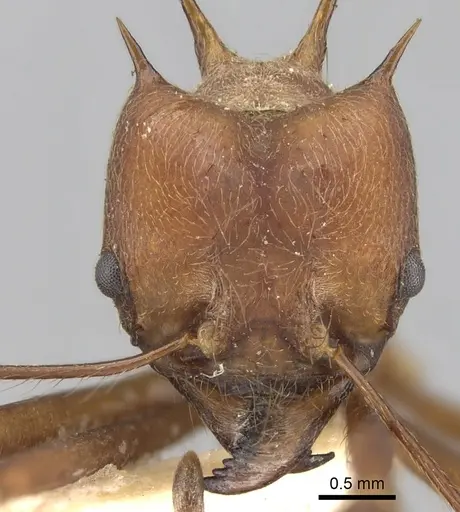
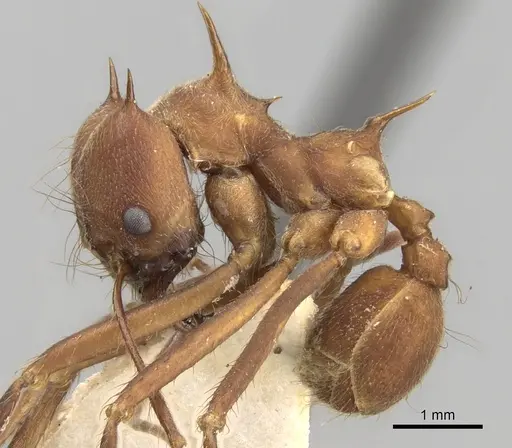
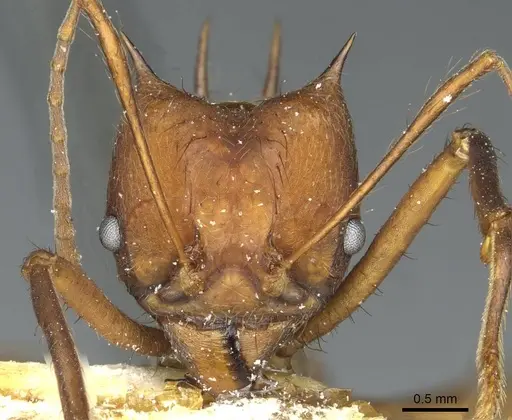
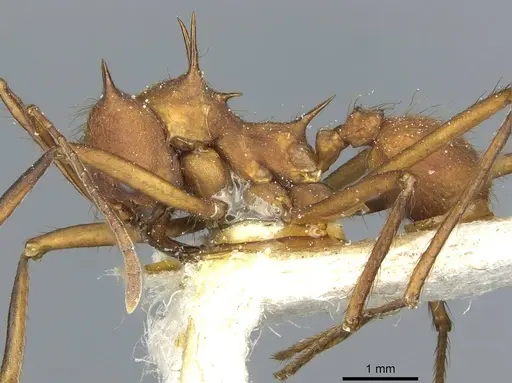
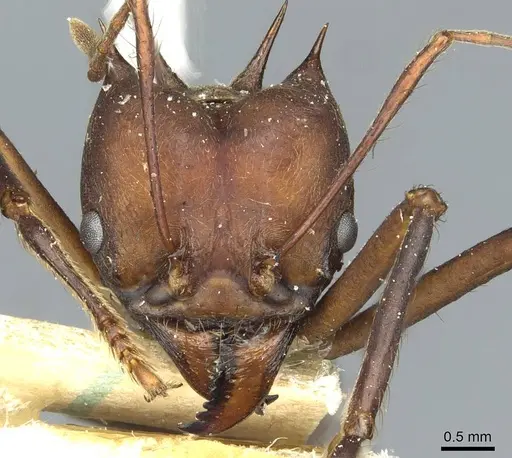
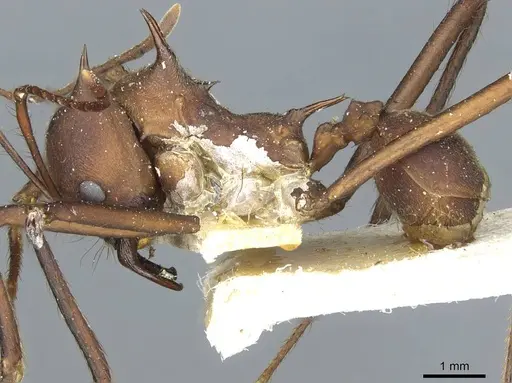
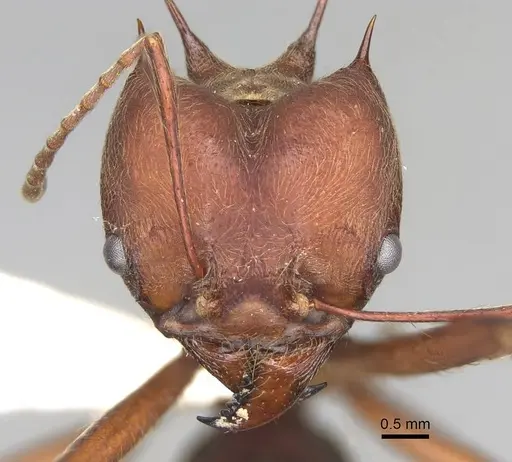
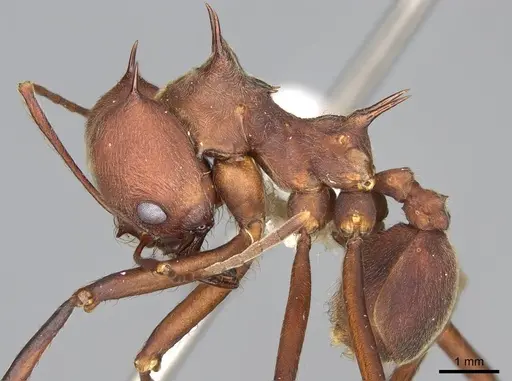
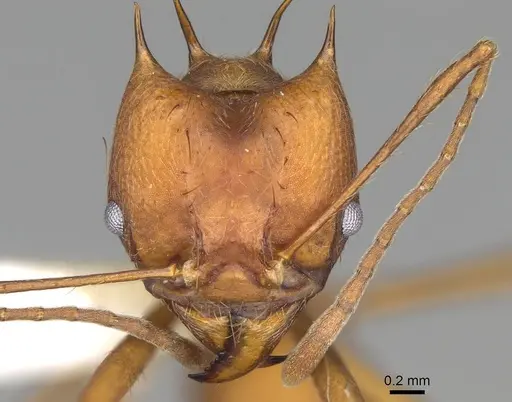
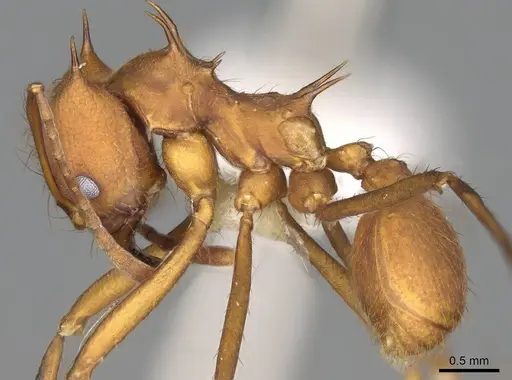
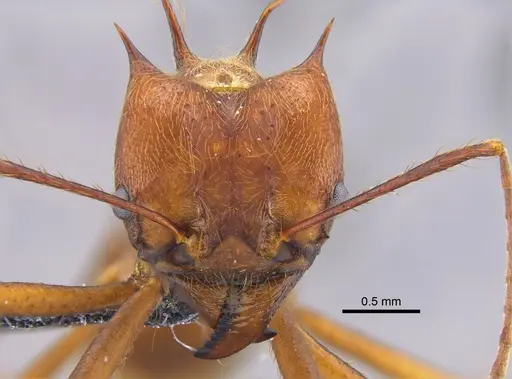
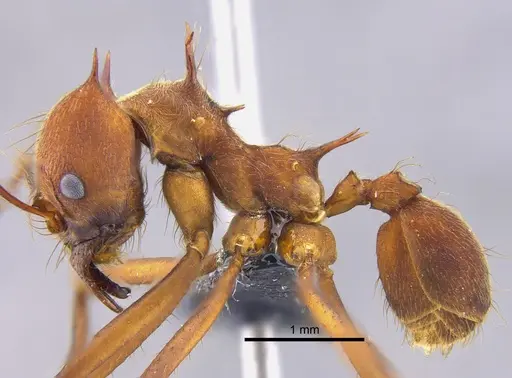
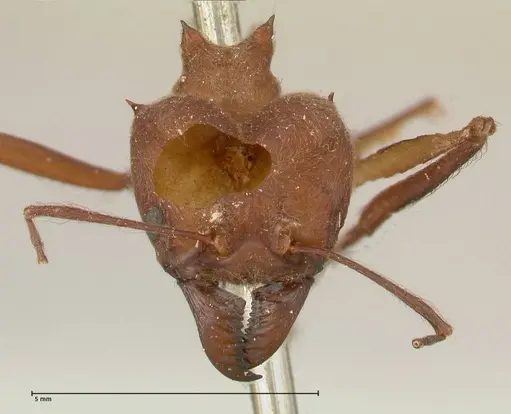
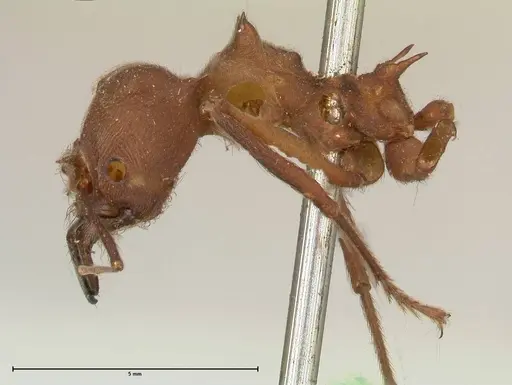
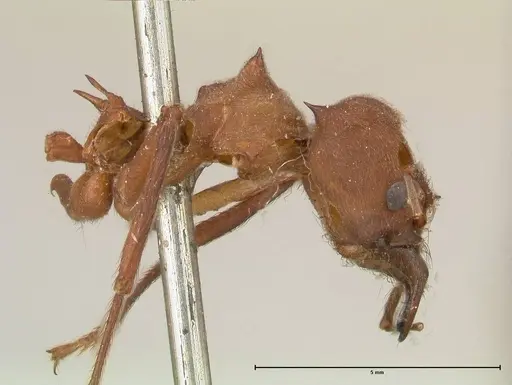
Atta colombica is a large Neotropical leafcutter ant known for its massive colonies of up to several million workers and its unique farming relationship with a symbiotic fungus. Workers are highly polymorphic, ranging from tiny minors around 3mm to large majors over 7mm, all with the characteristic three pairs of dorsal spines. The species is reddish-brown and builds elaborate underground nests with external refuse dumps, unusual among Atta species which typically use underground waste chambers [1][2]. Colonies are dominant herbivores in Central American and northern South American forests, cutting leaves, flowers, and fruits to cultivate their fungal food crop [3][4]. This is a challenging species to keep that requires dedicated space, constant fresh plant material, and careful attention to fungal garden health.
Quick Summary
- Difficulty: Expert
- Origin & Habitat: Native to the Neotropics, found in Colombia, Costa Rica, Guatemala, Nicaragua, Panama, and Peru. In Colombia, recorded in multiple departments including Antioquia, Valle del Cauca, Córdoba, and Chocó at elevations from near sea level to around 1,700m [5][6]. Inhabits tropical rainforests and forest edges, preferring lower-elevation regions [7].
- Colony Type: Monogyne (single queen) with extremely high polyandry, queens mate with 2-3 males on average, with documented range of 1-5 fathers per colony [8][9]. Colonies are long-lived, potentially reaching 10-16 years in the wild [9].
- Colony: Monogyne
- Founding: Claustral
- Size & Growth:
- Queen: 20-27mm for foundresses,4.8mm head width [10][11]
- Worker: 3-7mm (highly polymorphic: minors
- Colony: 1-2.5 million workers in mature colonies, potentially up to 5 million [12][13][14]
- Growth: Slow
- Development: Approximately 3 months to first minima workers (based on related Atta species) [11] (Atta foundresses produce approximately 100 workers in 3 months. Colony growth is logistic: ~5,000 workers in year 1,150,000 in year 2,500,000 in year 3,1 million in year 4,2 million by year 5 [9]. Queens can live 10-20 years.)
- Antkeeping:
- Temperature: Keep at 25-30°C (optimal around 25-26°C). Foraging occurs at 25-28°C in the wild [1][15]. Avoid temperatures below 20°C or above 35°C.
- Humidity: Maintain 70-80% relative humidity. The fungus garden requires consistent moisture, substrate should feel damp but not waterlogged [1][3].
- Diapause: No true diapause, this is a tropical species. However, foraging activity may decrease during dry seasons in the wild [2]. Keep conditions stable year-round.
- Nesting: Requires a large, deep nesting area with separate chambers for the fungus garden. A naturalistic setup with soil chambers or a large formicarium with multiple connected chambers works best. Must have separate area for external refuse dump, this species uniquely deposits waste above ground unlike most Atta which use underground chambers [16][2].
- Behavior: Highly aggressive when defending the nest, major workers will attack intruders with large mandibles. Foragers are diurnal and form well-organized trunk trails to food sources up to 250m from the nest [17]. Workers show task specialization: minors tend the fungus garden, media workers cut and transport leaves, majors defend and clear trails. They are skilled at adjusting load size based on trail conditions and will cache leaves when the nest entrance is congested [18][19]. Escape risk is low for established colonies but queens and alates can fly, ensure enclosures are fully sealed during nuptial flights.
- Common Issues: Fungal garden collapse is the most serious issue, Escovopsis pathogen can destroy the food source. Maintain strict hygiene and monitor for signs of infection [20]., External refuse management requires significant space, waste heaps can reach over 2m diameter and must be located away from foraging trails [16][21]., Providing constant fresh plant material is labor-intensive, a mature colony can consume 266kg of plant material per year [4]., Phorid fly parasitoids attack foragers, Apocephalus colombicus and Eibesfeldtphora attae are documented parasites [27]., Colony founding has very high mortality, only about 6% of wild colonies survive their first month of foraging [23].
The Fungus Garden - The Heart of the Colony
Atta colombica, like all leafcutter ants, cannot digest plant material directly. Instead, they farm a specialized fungus (Leucoagaricus gongylophorus) that serves as their primary food source. Workers cut fresh leaves, flowers, and fruits and bring them back to the nest where other workers process them into the fungus garden. The fungus breaks down tough plant cellulose, and the ants harvest special nutrient-rich structures called gongylidia that the fungus produces [3][21]. This is an obligate symbiosis, neither the ant nor the fungus can survive without the other in nature [1]. The fungus garden is a living, breathing ecosystem itself, hosting complex bacterial communities that help with digestion and defense. Keeping this symbiotic system healthy is the core challenge of maintaining Atta colombica. The garden must be kept at consistent humidity and protected from pathogenic fungi that can invade and destroy it.
Feeding and Nutrition
This species requires a constant supply of fresh plant material. In the wild, colonies forage on over 126 plant species representing 53 families, showing strong preference for dicot leaves but also harvesting flowers and fruits [3]. A mature colony can harvest 266kg of plant material per year, bringing in 100,000-350,000 leaf fragments daily [22]. For captive colonies, offer a variety of fresh leaves (avoiding toxic plants), flowers, and occasionally fruits. Rotate food sources to provide nutritional variety, the fungal cultivar is sensitive to protein fluctuations and grows best when protein levels stay around 20% of substrate dry mass [3]. Remove uneaten plant material within 24-48 hours to prevent mold. The ants will also drink water and sugar water, but fresh leaves are essential. In laboratory conditions, they have been maintained on bramble leaves, cassava, and even cornflakes [1][23].
Temperature and Climate Control
Atta colombica is a tropical species that requires warm, stable temperatures. Research colonies are maintained at 25-30°C with 70-80% relative humidity [1][3]. In the wild, foragers are active at temperatures between 25-28°C and show reduced activity during cooler periods [15]. For captive care, aim for 25-26°C as an ideal baseline. You can use a heating mat on one side of the nest to create a gentle gradient, but never place heat directly over the fungus garden as it can dry out and kill the symbiotic fungus. Room temperature within this range is acceptable. Avoid any temperature drops below 20°C or spikes above 35°C. Humidity control goes hand-in-hand with temperature, the fungus garden needs consistent moisture. Mist occasionally and ensure water is available, but avoid creating standing water.
Waste Management - A Unique Challenge
Unlike most Atta species that deposit waste in underground chambers, A. colombica uniquely maintains external refuse piles above ground [16][2]. This is one of the most distinctive and challenging aspects of keeping this species. Waste heaps can grow to over 2 meters in diameter and must be located downhill from nest entrances, typically 3-8 meters away [16]. The refuse consists primarily of dead fungal garden material (the substrate has been processed and nutrients extracted), along with dead ants and other debris. Workers specialized as waste transporters make up about 11% of the external workforce, and there is strict division of labor, foragers never switch to waste duties and vice versa [16]. For captive colonies, you must provide a designated waste area well away from foraging trails. This requires significant space. Additionally, waste material is a significant infection vector for the pathogenic fungus Escovopsis, so waste heaps should be handled with care and hand-washing is essential after contact [20][16].
Defense and Health
A. colombica has evolved sophisticated defenses against pathogens and parasites. The metapleural gland (located on the dorsal side of the thorax) produces antimicrobial secretions including phenylacetic acid, which is particularly effective against the specialized garden pathogen Escovopsis [24][25]. Workers engage in fungus grooming, using their metapleural gland secretions to clean both themselves and the fungal garden when threatened by pathogens [20]. When Escovopsis infection is detected, workers dramatically increase grooming rates and also perform 'weeding', removing infected garden material [20]. However, the species is highly susceptible to certain pathogens. Studies show 80-100% mortality within 10 days when exposed to Metarhizium anisopliae [26]. Phorid flies (Apocephalus colombicus and Eibesfeldtphora attae) are also documented parasitoids that attack foragers, causing workers to increase their speed or drop their loads to escape [27]. Maintaining strict hygiene is essential for colony health.
Colony Growth and Development
Growing an Atta colombica colony from founding to maturity is a multi-year commitment. A newly mated queen digs a chamber, deposits her fungal pellet, and begins laying eggs. She produces up to 60 eggs per week after the mating flight and can rear brood using trophic eggs as food if the fungal garden fails [11][28]. The first minima workers emerge after approximately 3 months, and the colony grows logarithmically: around 5,000 workers in year 1,150,000 in year 2,500,000 in year 3,and 1 million by year 4 [9]. Colonies reach reproductive maturity around 3-5 years, producing new queens and males for nuptial flights [20]. The investment sex ratio is heavily male-biased at about 69% males [29]. Queens can live 10-20 years and store 100-244 million sperm cells after mating [30][9]. This species is not for those wanting quick results, expect several years before a colony reaches impressive numbers.
Frequently Asked Questions
Can I keep Atta colombica as a beginner antkeeper?
No, this species is firmly in the expert category. The challenges are substantial: you need to provide constant fresh plant material (a mature colony eats hundreds of kilograms per year), maintain precise temperature and humidity for the fungal symbiont, manage external waste dumps that require significant space, and monitor constantly for fungal pathogens that can collapse the entire colony. Additionally, the colony will take 3-5 years to reach significant size. Start with easier species like Lasius or Messor before attempting Atta.
How long does it take for first workers to appear?
Based on related Atta species and research data, expect approximately 3 months from egg to first minima workers emerging from a founding colony [11]. The queen seals herself in a chamber with her fungal symbiont and tends the first brood. Growth is slow initially but accelerates once the first workers begin foraging, they can then bring in fresh leaves to feed the growing fungus garden.
What do Atta colombica eat?
They do not eat the leaves directly. Workers cut and process fresh plant material (leaves, flowers, fruits) to cultivate their symbiotic fungus (Leucoagaricus gongylophorus). The ants eat the gongylidia, special nutrient-rich fungal structures that the fungus produces. In captivity, provide fresh leaves from non-toxic plants, rotate varieties for nutritional balance, and remove uneaten material within 24-48 hours. They will also drink sugar water occasionally but fresh leaves are essential [3][1].
Do Atta colombica need hibernation?
No, this is a tropical species with no true diapause. In the wild, they experience seasonal variation in foraging activity tied to wet and dry seasons, but temperatures remain warm year-round. Keep conditions stable at 25-30°C throughout the year. Do not attempt to cool or hibernate this species.
How big do Atta colombica colonies get?
Mature colonies reach 1-2.5 million workers, with some sources citing up to 5 million [12][13][14]. This makes them among the largest ant colonies in the world. The growth trajectory is: ~5,000 workers in year 1,150,000 in year 2,500,000 in year 3,1 million in year 4,and 2 million by year 5 [9]. Reaching this size takes 5+ years and requires enormous amounts of plant material, a single colony can harvest 266kg of leaves per year [4].
Can I keep multiple queens together?
No, Atta colombica is strictly monogyne (single queen per colony). Genetic studies of over 80 excavated colonies found no cases of polygyny [8]. Multiple unrelated queens will fight. Even if you successfully introduced multiple queens, only one would survive long-term. Do not attempt to combine queens.
Why is my fungus garden turning black or dying?
This is likely an Escovopsis infection, a specialized fungal pathogen that attacks the symbiotic garden. This is the most serious health threat to leafcutter ant colonies. Infected gardens may show black or discolored patches, and workers will attempt to weed out infected sections. However, established infections are often fatal. Prevention is critical: maintain hygiene, avoid introducing contaminated plant material, and ensure good ventilation. Some colonies can recover if caught early, but the success rate is low [20][31].
When will my colony produce alates (reproductives)?
Colonies typically reach reproductive maturity at 3-5 years of age, when they have grown large enough to invest in producing sexuals (new queens and males) [20]. At this point, the colony will produce alates during appropriate seasonal conditions. Nuptial flights occur in the wild, usually triggered by environmental cues. In captivity, alate production is a sign of a healthy, mature colony.
How do I set up a proper nest for Atta colombica?
You need a large setup with three main components: (1) A nesting area with multiple chambers for the fungus garden, keep dark and humid, (2) A foraging area where workers can move freely, (3) A designated waste area located downhill and away from foraging trails, as this species deposits refuse externally unlike most Atta [16]. Many keepers use a large plastic tub with connected formicaria or custom-built setups. The total space required for a mature colony is substantial, plan for several square meters of usable space.
References

This caresheet is licensed under CC BY-SA 4.0 .
CASENT0191011
View on AntWeb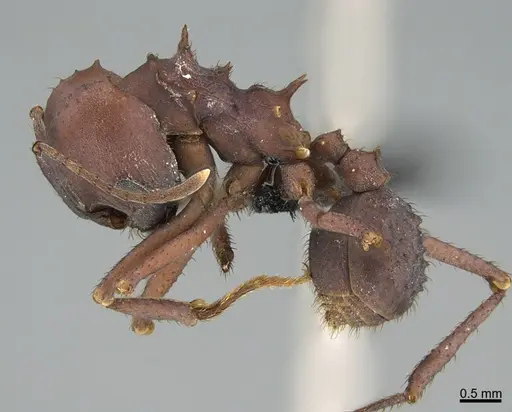
CASENT0281779
View on AntWeb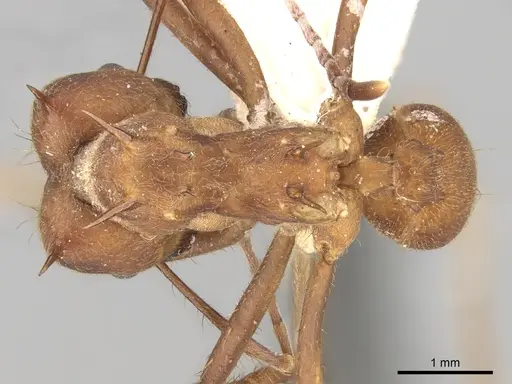
CASENT0912490
View on AntWeb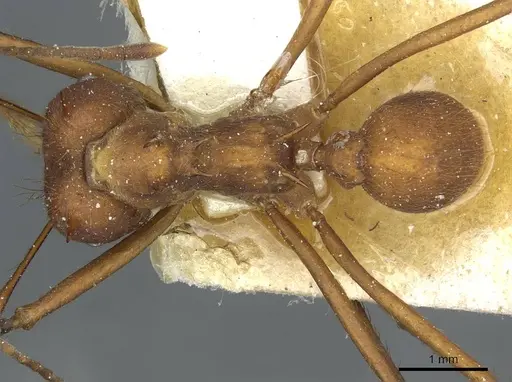
CASENT0912491
View on AntWeb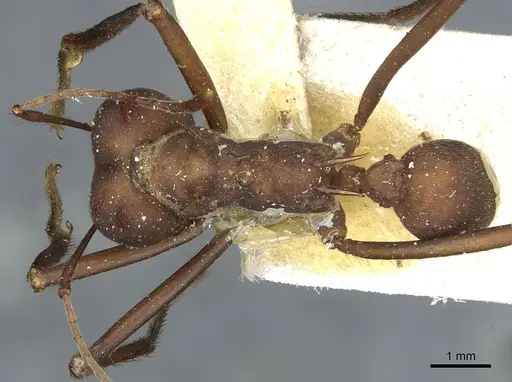
CASENT0922051
View on AntWeb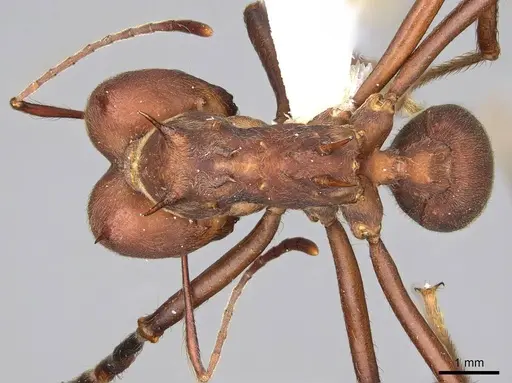
CASENT0922052
View on AntWeb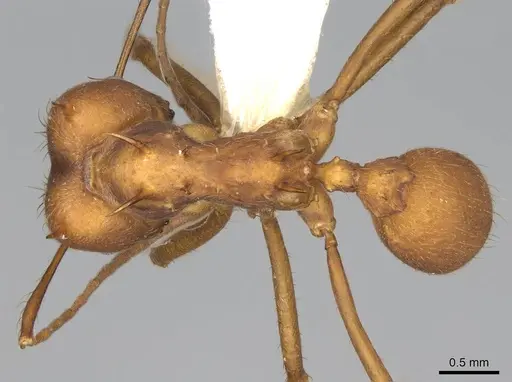
CBUMAGENT41874
View on AntWeb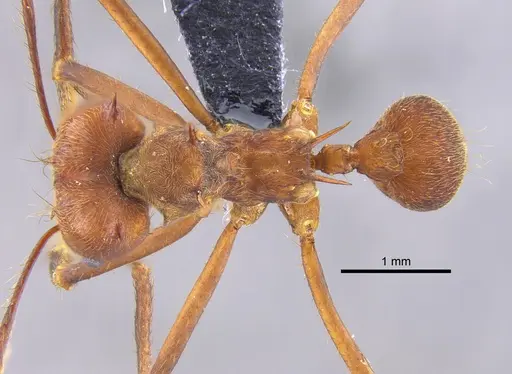
FMNHINS0000046905
View on AntWeb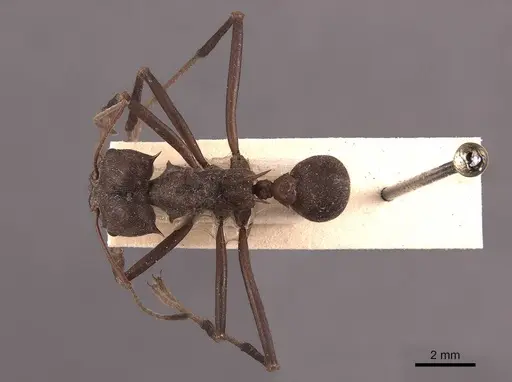
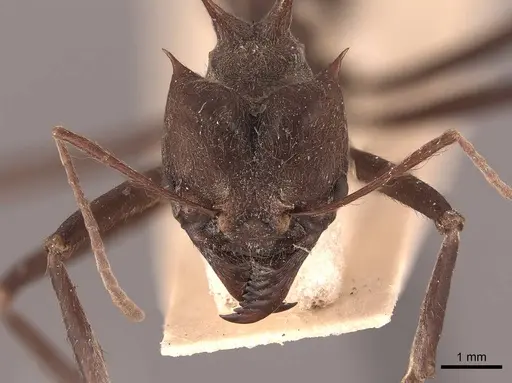
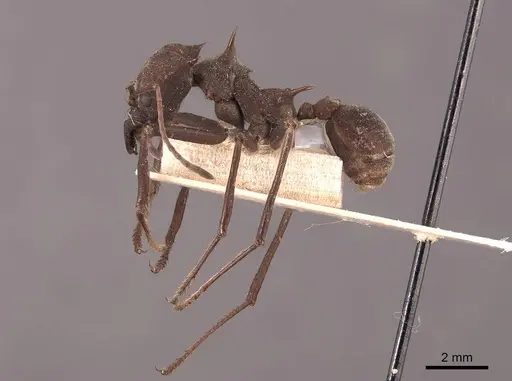
FOCOL0674
View on AntWeb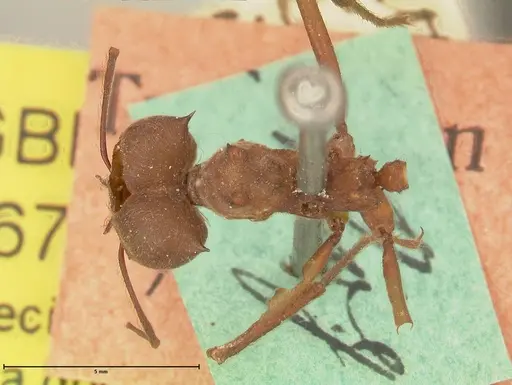
FOCOL0675
View on AntWeb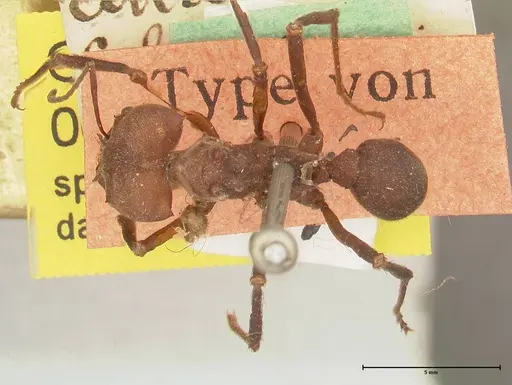
Literature
Loading...Loading products...