

Atopomyrmex calpocalycola
- Scientific Name
- Atopomyrmex calpocalycola
- Tribe
- Crematogastrini
- Subfamily
- Myrmicinae
- Author
- Snelling, 1992
- Distribution
- Found in 1 countries
Atopomyrmex calpocalycola Overview
Atopomyrmex calpocalycola is an ant species of the genus Atopomyrmex. It is primarily documented in 1 countries , including Gabon. Detailed taxonomic data and occurrence records can be further explored via authoritative databases such as AntWeb or the Global Biodiversity Information Facility (GBIF).
Atopomyrmex calpocalycola
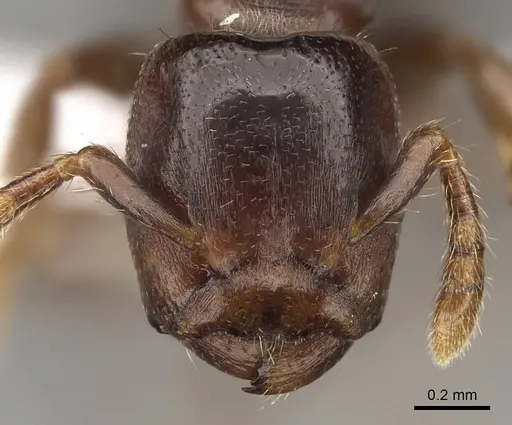
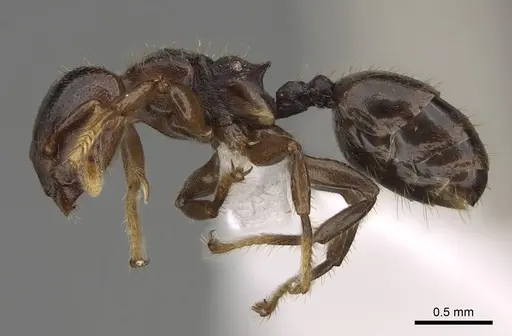
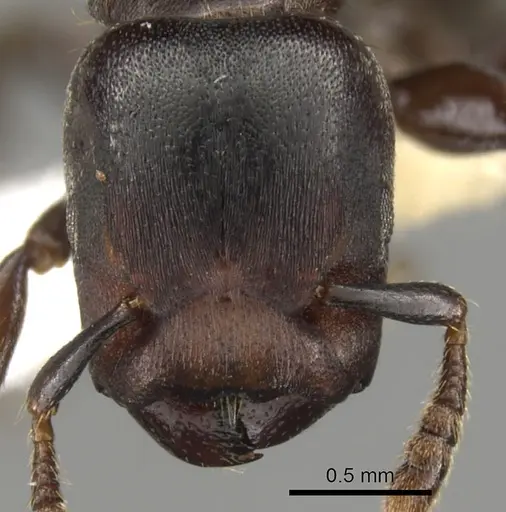
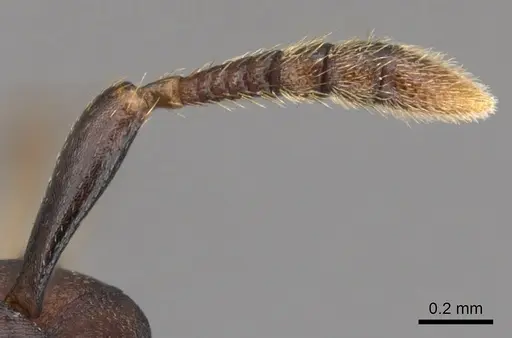
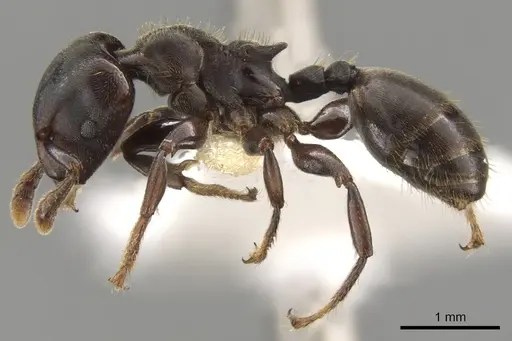
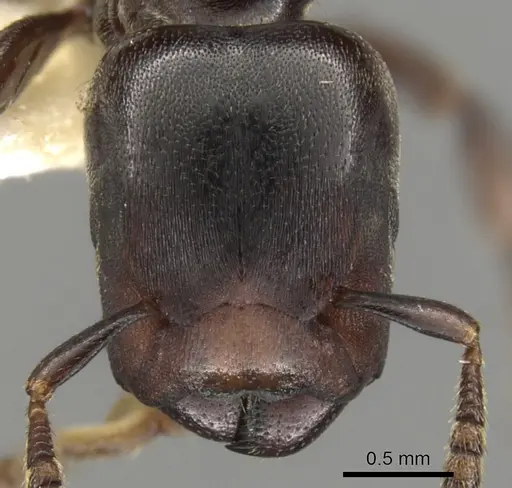
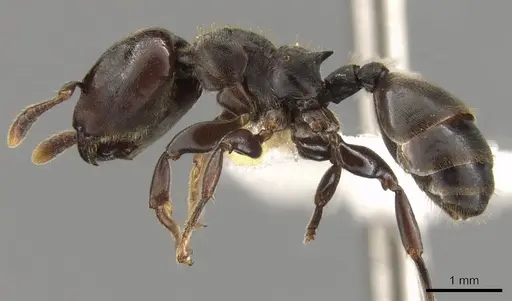
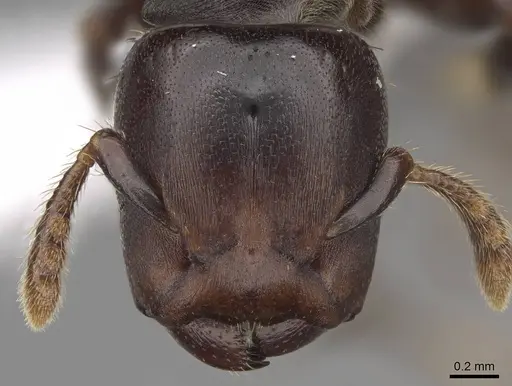
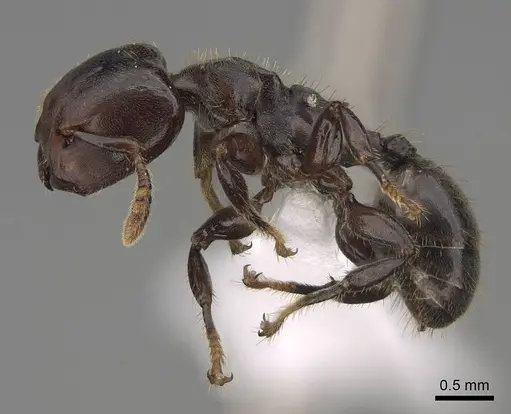
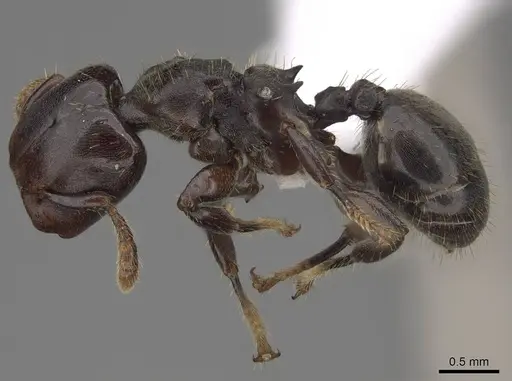
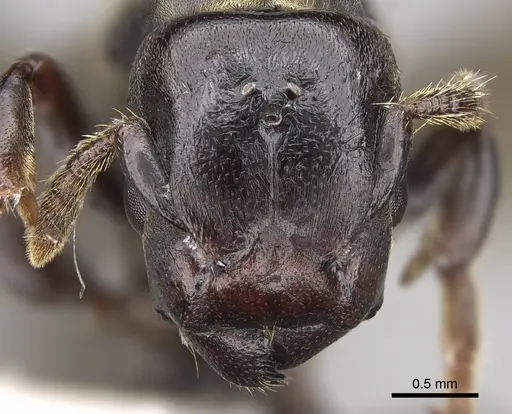
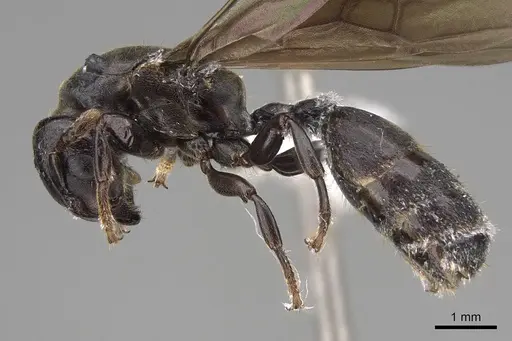
Atopomyrmex calpocalycola is a rarely collected African ant known only from Cameroon [1]. Workers are medium-sized at 4-7 mm and dark reddish-brown, with distinctive upright hairs on their backs [1]. As their name suggests, they live inside the hollow stem sections (internodes) of Calpocalyx plants, a type of ant-plant relationship where the plant provides shelter [1]. The plant cavities (domatia) where they nest contain specialized fungi, hinting at a complex three-way relationship between ant, plant, and fungus [2].
Quick Summary
- Difficulty: Expert
- Origin & Habitat: Cameroon, West Africa, tropical forests, nesting in hollow Calpocalyx plant stems [1][2]
- Colony Type: Unknown, no studies on queen number or colony structure exist [1]
- Size & Growth:
- Antkeeping:
- Temperature: Likely 24-28°C based on tropical Cameroon climate, start here and adjust based on activity levels [1]
- Humidity: High humidity required, keep nest material damp but not wet to mimic the interior of plant stems [1]
- Diapause: Likely not required, equatorial tropical species, watch for any seasonal slowing [1]
- Nesting: Narrow cavities simulating Calpocalyx internodes, bamboo tubes or formicaria with 5-10mm tunnels work best [1]
- Behavior: Unknown, no behavioral studies available [1]
- Common Issues: no established captive care protocols exist due to extreme rarity in the hobby., requires narrow nest cavities mimicking Calpocalyx plant stems, standard formicaria may be too open., diet preferences are completely unknown, colonies may starve if they reject standard foods., high humidity requirements increase mold risk without excellent ventilation.
Nest Preferences and Plant Associations
In nature, Atopomyrmex calpocalycola lives inside the hollow stems (internodes) of Calpocalyx plants [1]. These plant cavities, called domatia, provide shelter and likely maintain high humidity levels. Research shows these domatia contain specialized Chaetothyrialean fungi, suggesting the ants may interact with or depend on fungal growth in their nests [2]. For captive care, you should provide narrow cavities that mimic these hollow stems. Bamboo tubes or formicaria with tunnels 5-10mm in diameter work better than open chambers. The nest should maintain the damp, enclosed feeling of a plant stem without becoming waterlogged.
Temperature and Seasonal Care
This species comes from tropical Cameroon, so you should keep them warm [1]. Start with temperatures around 24-28°C and observe colony activity. If workers appear sluggish, increase heat slightly, if they avoid warm areas, reduce temperature. As an equatorial species, they likely do not require hibernation (diapause), but you should watch for any signs of seasonal slowing. Maintain stable temperatures year-round rather than allowing seasonal fluctuations.
Feeding and Diet
The diet of Atopomyrmex calpocalycola is completely unknown [1]. Most Myrmicinae ants are generalists, so you can try offering small insects, sugar water, and honey. However, because they live in specialized plant cavities, they may rely on specific food sources such as plant secretions or prey items found only on Calpocalyx. Offer a variety of foods and observe what they accept. Start with small soft-bodied insects like fruit flies or springtails, and sweet liquids. Remove uneaten food quickly to prevent mold in the humid nest environment.
Behavior and Temperament
No behavioral studies exist for this species [1]. Based on their plant-dwelling lifestyle, they likely forage within the plant and surrounding vegetation rather than traveling far across the ground. Their behavior in captivity is unpredictable, they may be shy and stay hidden in nest cavities, or they may prove active foragers. Handle all interactions carefully since their sting or chemical defenses are unstudied. Because they are small enough to squeeze through tiny gaps, use excellent escape prevention.
Frequently Asked Questions
Can I keep Atopomyrmex calpocalycola in a test tube?
Yes, narrow test tubes or bamboo tubes can work for small colonies, but they need cavities that mimic the hollow Calpocalyx stems they naturally inhabit [1]. Standard open formicaria may be too exposed for this species.
What do Atopomyrmex calpocalycola eat?
Their diet is unknown [1]. Try offering small insects like fruit flies, springtails, and sugar water, but be prepared for the possibility that they require specific food sources from their native habitat.
How long until first workers for Atopomyrmex calpocalycola?
The egg-to-worker timeline is unknown [1]. Based on related tropical Myrmicinae, estimate 6-10 weeks at 25-28°C, but this is unconfirmed.
Do Atopomyrmex calpocalycola need hibernation?
Likely not, they come from equatorial Cameroon where temperatures stay warm year-round [1]. Keep them at stable tropical temperatures rather than cooling them for winter.
Where do Atopomyrmex calpocalycola come from?
They are known only from Cameroon in West Africa, specifically from the Southwest Province near Nguti [1].
How big do Atopomyrmex calpocalycola colonies get?
Colony size is unknown [1]. Only 27 specimens (one queen and 26 workers) have ever been collected, so maximum colony size remains a mystery.
Are Atopomyrmex calpocalycola good for beginners?
No, this is an expert-only species due to extreme rarity, lack of care information, and specialized nesting requirements [1].
Can I keep multiple Atopomyrmex calpocalycola queens together?
Not recommended, whether this species accepts multiple queens is unknown [1]. Combining unrelated queens risks fighting and colony failure.
What is the best nest type for Atopomyrmex calpocalycola?
Use narrow cavities like bamboo tubes or formicaria with 5-10mm tunnels that mimic the hollow Calpocalyx plant stems they naturally inhabit [1].
Do Atopomyrmex calpocalycola sting?
Their sting and chemical defenses are unstudied [1]. Handle with caution as they are Myrmicinae ants with stingers.
References

This caresheet is licensed under CC BY-SA 4.0 .
CASENT0797864
View on AntWeb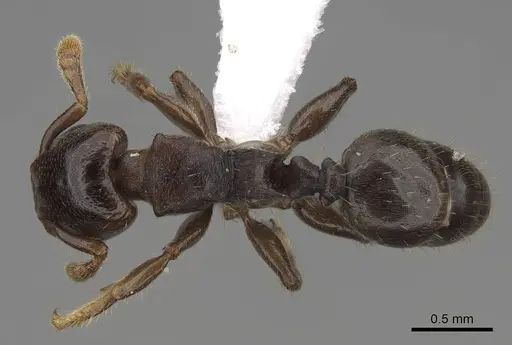
CASENT0900313
View on AntWeb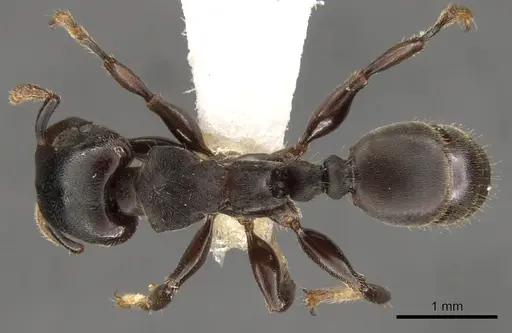
CASENT0900327
View on AntWeb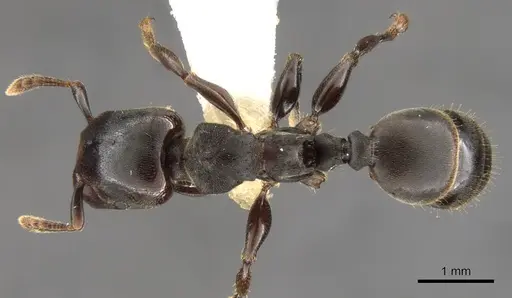
CASENT0923152
View on AntWeb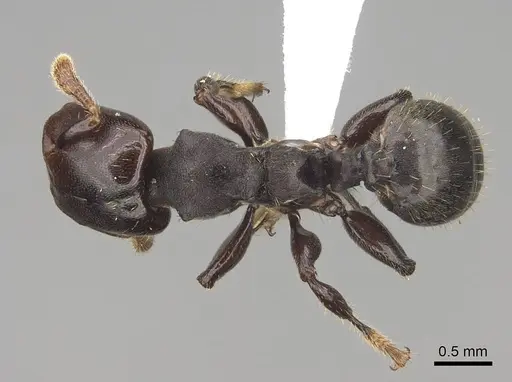
CASENT0923153
View on AntWeb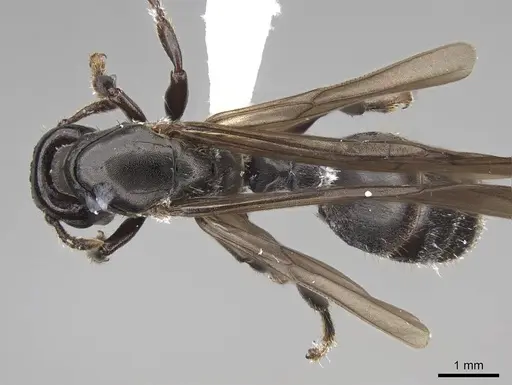
Literature
Loading...Loading products...