

Aptinoma mangabe
- Scientific Name
- Aptinoma mangabe
- Tribe
- Tapinomini
- Subfamily
- Dolichoderinae
- Author
- Fisher, 2009
- Distribution
- Found in 1 countries
Aptinoma mangabe Overview
Aptinoma mangabe is an ant species of the genus Aptinoma. It is primarily documented in 1 countries , including Madagascar. Detailed taxonomic data and occurrence records can be further explored via authoritative databases such as AntWeb or the Global Biodiversity Information Facility (GBIF).
Aptinoma mangabe
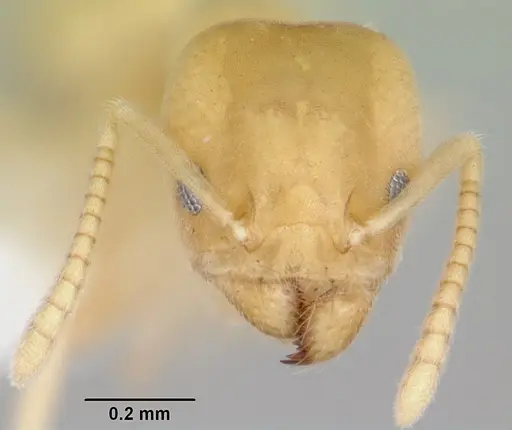
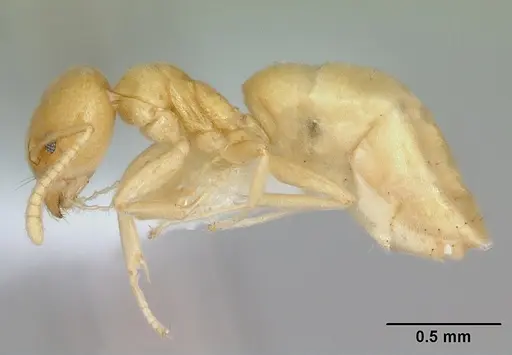
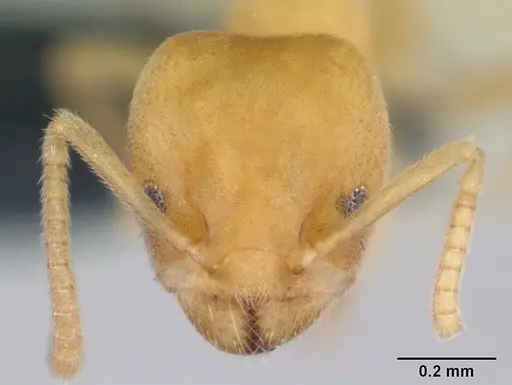
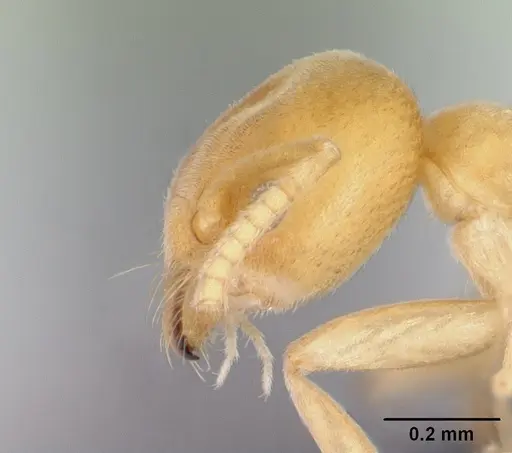
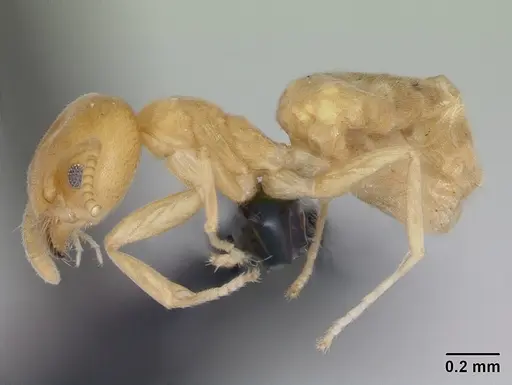
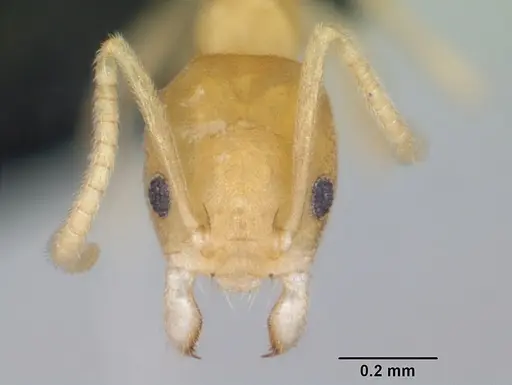
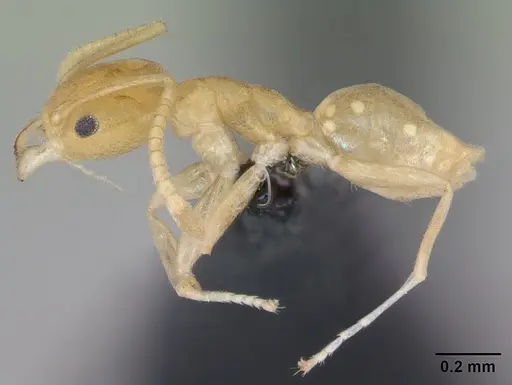
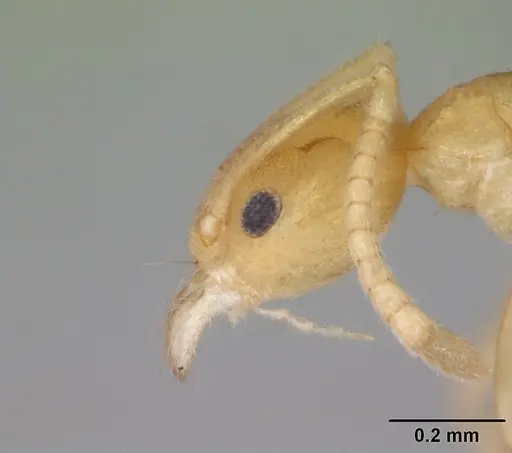
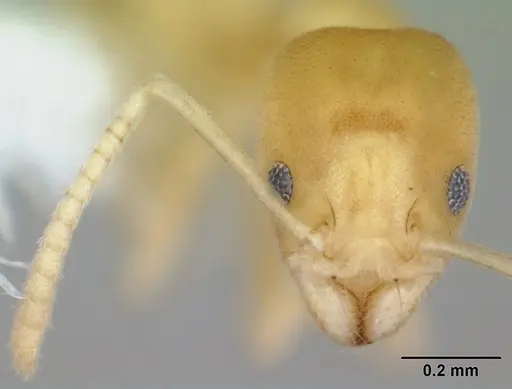
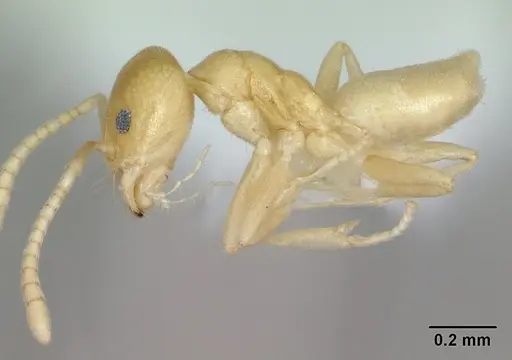
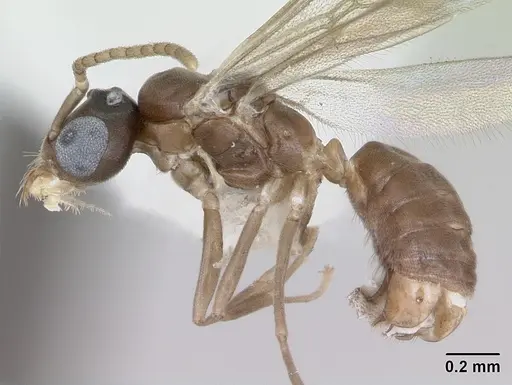
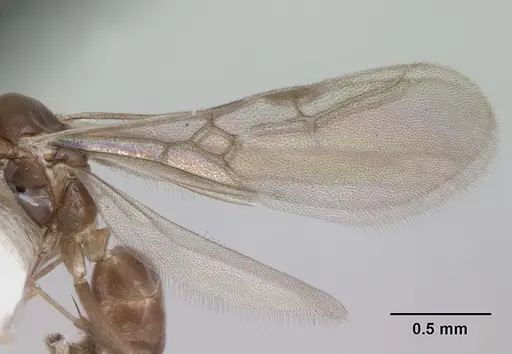
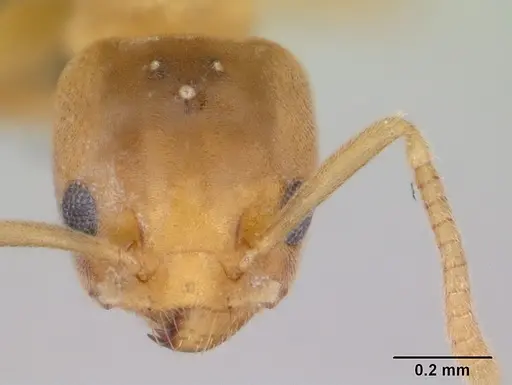
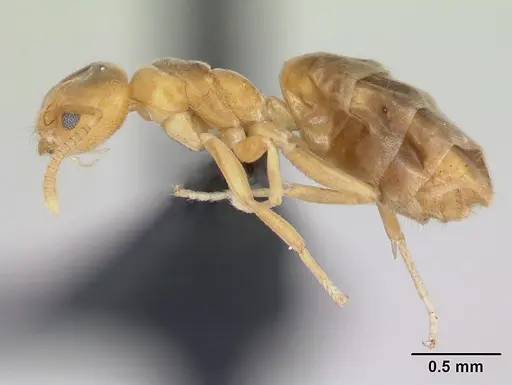
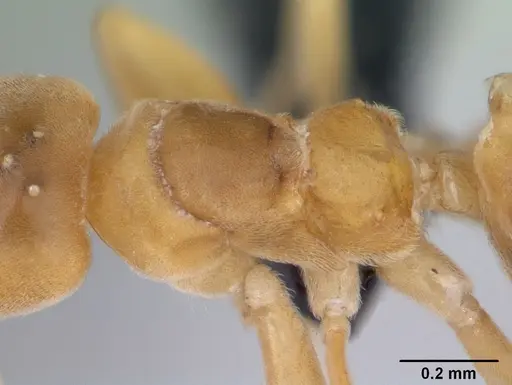
Aptinoma mangabe are tiny yellow to orange ants found only in the forests around Antongil Bay in Madagascar [1]. Workers come in two distinct sizes, smaller minors and larger majors, with even the largest workers measuring under 3mm in total length [1]. Unlike most ants that have winged queens for mating flights, the only queens found in this species are ergatoid, meaning they are completely wingless and resemble large workers [1][2]. In the wild, they nest in dead twigs and vines above ground in the rainforest canopy and forage among the leaves [1].
These ants represent a recently discovered genus described in 2009,and they are the sister group to the familiar genus Tapinoma which includes ghost ants [3]. Their extremely small size and specialized arboreal lifestyle make them a challenging species for antkeepers, while their restricted range in Madagascar makes them a conservation concern in the wild.
Quick Summary
- Difficulty: Expert
- Origin & Habitat: Madagascar endemic, restricted to littoral rainforest and forests around Antongil Bay including Nosy Mangabe island and the Masoala Peninsula [1].
- Colony Type: Single-queen colonies documented, queens are ergatoid (wingless) and may serve as replacement reproductives [1][2].
- Colony: Monogyne
- Size & Growth:
- Queen: Approximately 3-4mm (WL 0.82mm) [1].
- Worker: 2-3mm total length, majors WL 0.57-0.64mm, minors WL 0.48-0.54mm [1].
- Colony: Unknown, likely small to moderate based on twig-nesting habit.
- Growth: Unknown, estimated slow to moderate based on small body size.
- Development: Unknown, estimated 6-10 weeks at 25-27°C based on related Dolichoderinae. (Timeline is inferred from sister genus Tapinoma, actual development may vary with temperature.)
- Antkeeping:
- Temperature: 24-28°C (inferred from tropical lowland rainforest habitat). Start at 25°C and adjust based on activity levels.
- Humidity: High humidity required, keep nest substrate consistently moist but not waterlogged, mimicking their rainforest twig habitat [1].
- Diapause: No, this is a tropical species that remains active year-round.
- Nesting: Arboreal, provide small twigs, hollow vines, or narrow vertical chambers above ground level [1].
- Behavior: Arboreal foragers that navigate canopy vegetation. Workers are dimorphic with distinct major and minor castes [1]. Extremely small size means escape prevention must be exceptional.
- Common Issues: escape prevention is critical, at 2-3mm they fit through the tiniest gaps and standard mesh may be too coarse., desiccation kills quickly, they require consistently moist conditions from their rainforest habitat., inappropriate nest size, they need very small chambers and twig-like spaces, large open formicariums stress them., overfeeding causes mold in their small nest spaces.
Natural History and Distribution
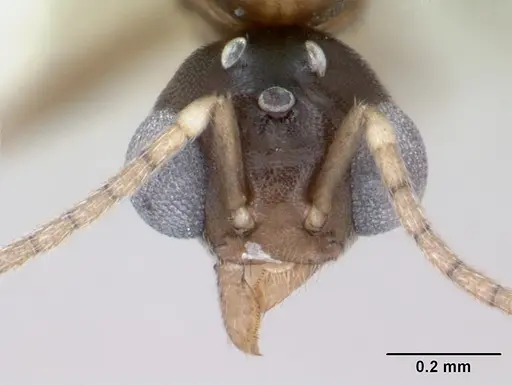
Aptinoma mangabe is found nowhere else on Earth except the forests around Antongil Bay in northeastern Madagascar, including the island of Nosy Mangabe and the Masoala Peninsula [1]. They inhabit the littoral rainforest edge, nesting in dead twigs and vines above ground rather than in soil [1]. Workers forage in the canopy and on low vegetation, suggesting they are adapted to arboreal life [1]. Males have been collected from colonies in April and July, hinting at seasonal reproductive activity possibly tied to the wet season [1]. As a member of the tribe Tapinomini and sister group to Tapinoma, they share ancestry with some of the most successful tramp ant species, yet remain restricted to their small native range [3].
Nest Preferences and Setup
In captivity, replicate their arboreal twig-nesting habitat. Use small diameter twigs (2-4mm internal diameter), hollow vines, or specially constructed chambers that are tall and narrow rather than wide and open [1]. Y-tong (autoclaved aerated concrete) nests with small drilled chambers can work if oriented vertically. Naturalistic setups with dead twigs mounted vertically in a humid enclosure are ideal. The nest must maintain high humidity, the substrate should feel damp to the touch but not have standing water. Because they nest above ground, provide vertical climbing surfaces and ensure the outworld has plenty of vertical vegetation or twigs for foraging.
Temperature and Humidity
As a tropical lowland rainforest species, Aptinoma mangabe requires warm, stable temperatures. Keep the nest area between 24-28°C. A heating cable placed on one side of the nest creates a beneficial gradient, but ensure it does not dry out the nest substrate. Humidity is critical, these ants come from moist rainforest twigs and will desiccate quickly in dry conditions [1]. Maintain the nest substrate consistently moist, and ensure the outworld humidity stays above 60%. Ventilation should be adequate to prevent mold but not so strong as to cause drying.
Feeding and Diet
While specific dietary studies are lacking, as Dolichoderinae they are likely generalist foragers. Offer sugar sources such as honey water or sugar water (diluted to 1:4 ratio) in small drops appropriate to their size. For protein, provide tiny live prey such as springtails, fruit flies, or very small cricket nymphs chopped to appropriate size. Their small mandibles and body size mean they cannot handle large prey items. Remove uneaten food promptly to prevent mold in their small nest spaces. They may also accept liquid protein sources like egg yolk diluted in water.
Colony Founding and Ergatoid Queens
The founding behavior of Aptinoma mangabe remains unconfirmed in scientific studies. The only queens collected have been ergatoid, wingless and worker-like in appearance [1][2]. This morphology suggests they may found colonies by budding from parent colonies or by entering existing cavities rather than through traditional nuptial flights. If you acquire a founding queen, provide her with a small, humid cavity in a twig or mini test tube setup. Keep her at 25-26°C and undisturbed. Until first workers hatch, minimize checking as these small queens are easily stressed.
Behavior and Temperament
These ants are arboreal specialists, spending their time foraging in vegetation rather than on the ground [1]. They show worker dimorphism, with major workers being slightly larger and possibly specializing in defense or food processing [1]. Like other Dolichoderinae, they lack stingers but can spray formic acid for defense. Their extremely small size makes them vulnerable to desiccation and escape, they can pass through standard steel mesh barriers. They are not aggressive toward keepers but will scatter if disturbed, making them challenging to handle.
Frequently Asked Questions
Can I keep Aptinoma mangabe in a test tube?
Yes, but use very small test tubes (10mm diameter or less) due to their tiny size. Provide a water reservoir with a tight cotton plug to maintain high humidity, and ensure the tube is sealed with fine mesh or cotton as they can escape through tiny gaps.
How long until Aptinoma mangabe gets their first workers?
The exact timeline is unknown as it has not been documented. Based on related Dolichoderinae in the tribe Tapinomini, expect approximately 6-10 weeks at 25-27°C, though this may vary with temperature and queen condition.
Do Aptinoma mangabe need hibernation?
No. They are a tropical species from Madagascar and remain active year-round. Do not cool them below 20°C for extended periods.
Can I keep multiple Aptinoma mangabe queens together?
Not recommended. Only single-queen colonies have been documented, and combining unrelated queens has not been studied in this species. The presence of ergatoid queens suggests they may be replacement reproductives rather than cohabitating queens.
Are Aptinoma mangabe good for beginners?
No. Their extremely small size (2-3mm), specialized arboreal needs, and rarity make them suitable only for expert antkeepers with experience handling tiny species and maintaining high humidity setups.
What do Aptinoma mangabe eat?
They likely accept sugar water or honey water for carbohydrates, and tiny live prey such as springtails, fruit flies, or small cricket pieces for protein. Remove uneaten food quickly to prevent mold.
Why are my Aptinoma mangabe dying?
Common causes include desiccation (they need high humidity), escape (they are tiny and fit through small gaps), or inappropriate nest size (they need small twig-like chambers, not large open spaces). Also check for mites or overfeeding causing mold.
References

This caresheet is licensed under CC BY-SA 4.0 .
CASENT0106175
View on AntWeb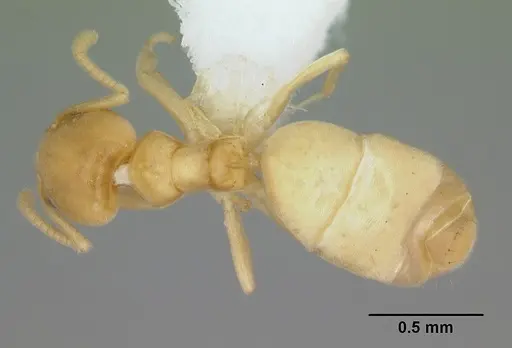
CASENT0130146
View on AntWeb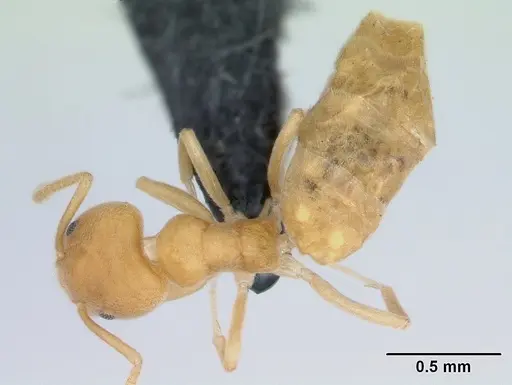
CASENT0130148
View on AntWeb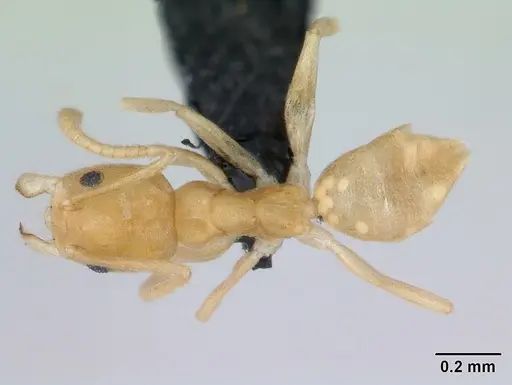
CASENT0172772
View on AntWeb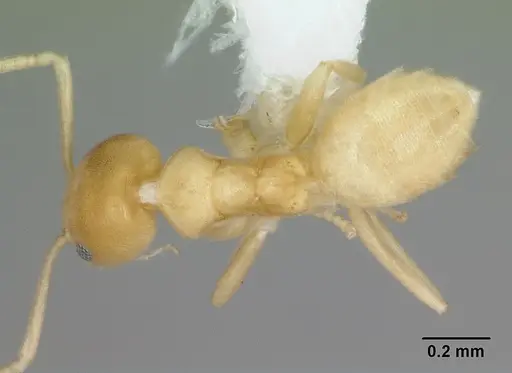
CASENT0173594
View on AntWeb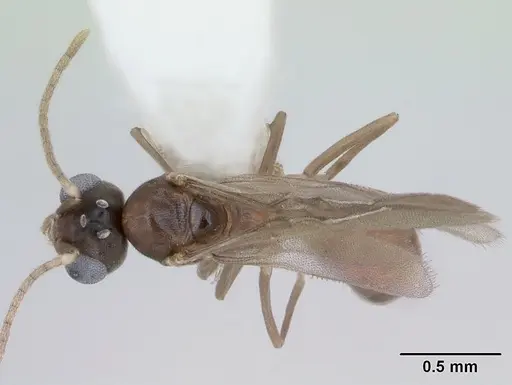
CASENT0175008
View on AntWeb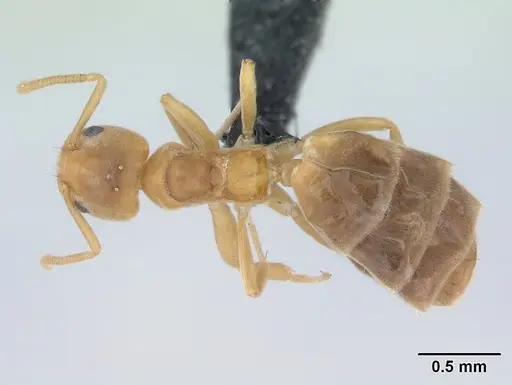
CASENT0212300
View on AntWeb
CASENT0345097
View on AntWeb
CASENT0345098
View on AntWeb
Literature
Loading...Loading products...