

Apterostigma wasmannii
- Scientific Name
- Apterostigma wasmannii
- Tribe
- Attini
- Subfamily
- Myrmicinae
- Author
- Forel, 1892
- Distribution
- Found in 1 countries
Apterostigma wasmannii Overview
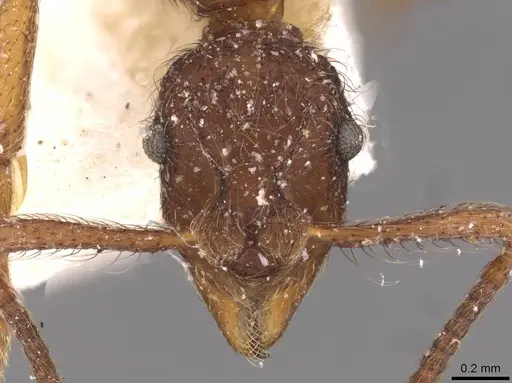
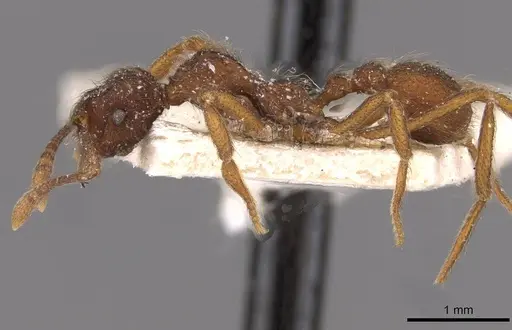
Apterostigma wasmannii is an ant species of the genus Apterostigma. It is primarily documented in 1 countries , including Brazil. Detailed taxonomic data and occurrence records can be further explored via authoritative databases such as AntWeb or the Global Biodiversity Information Facility (GBIF).
Apterostigma wasmannii
Apterostigma wasmannii is a small fungus-growing ant from the forests of South America and Trinidad and Tobago [1]. You will find them in the leaf litter and rotting wood of semideciduous forests, where researchers have collected them using Winkler extractors in Brazil [2]. They have also been recorded in urban areas of southern Brazil, showing some tolerance to disturbed habitats [3].
As members of the Attini tribe, these ants cultivate gardens of fungus on collected organic matter, which serves as their primary food source [1]. This fungus-growing lifestyle makes them fascinating but challenging captives, requiring you to maintain both the ants and their fungal crops under precise conditions of warmth and humidity. Unlike many beginner species, they cannot survive on sugar water and insects alone.
Quick Summary
- Difficulty: Expert
- Origin & Habitat: Brazil, French Guiana, Guyana, Suriname, Trinidad and Tobago, forest floor leaf litter and rotting wood in semideciduous forests [1][2]
- Colony Type: Likely single-queen based on typical Attini patterns, though unconfirmed for this species
- Size & Growth:
- Queen: Unknown, likely 5-7mm based on related Apterostigma species
- Worker: Unknown, likely 3-4mm based on genus patterns
- Colony: Unknown, likely small to moderate based on related species
- Growth: Slow
- Development: Unknown, estimated 8-12 weeks at 25-27°C based on related fungus-growing ants (Development time is inferred from related Attini species, temperature significantly affects fungus growth rate)
- Antkeeping:
- Temperature: 24-28°C (tropical forest species). Start at 25°C and adjust based on colony activity [1]
- Humidity: High, keep nest substrate damp but not waterlogged, similar to forest floor conditions. 70-80% relative humidity ideal [1]
- Diapause: No, tropical species active year-round [1]
- Nesting: Small cavities, hollow twigs, or chambers in rotting wood with excellent humidity retention [2]
- Behavior: Slow, deliberate foragers focused on collecting substrate for fungus gardens. Generally peaceful and cryptic. Small size means escape prevention must be excellent [1]
- Common Issues: fungus garden contamination by mold or mites kills colonies quickly., difficulty maintaining stable high humidity without waterlogging the nest., slow growth means months between worker generations, requiring patience., wild-caught colonies often carry parasitic mites that overwhelm captive nests., inappropriate substrate leads to fungus garden failure and starvation.
Fungus Cultivation Requirements
Apterostigma wasmannii belongs to the Attini tribe, meaning they are obligate fungus-growers [1]. They cultivate fungal gardens on collected organic material, likely insect frass and decaying plant matter based on genus patterns. You must provide sterile substrate initially and maintain it at high humidity without allowing mold to take over. The ants eat the fungus, not the substrate itself. If the garden dies, the colony starves. Watch for gray or green mold spots, which indicate contamination. Success requires balancing ventilation to prevent stagnant air while keeping humidity high enough for fungal growth.
Nest Setup and Humidity Control
In nature, these ants nest in hollow twigs and rotting wood in the leaf litter [2]. Replicate this with small naturalistic setups featuring rotting wood, leaf litter, and tight cavities. Use a plaster nest or water tower to maintain 70-80% humidity. Place the heating element on top of the nest rather than underneath to prevent condensation from flooding the chambers. Ensure good cross-ventilation to prevent mold, but keep the substrate consistently damp to the touch. Dry conditions kill the fungus garden within days.
Temperature and Seasonal Care
Coming from tropical forests in Brazil and the Guianas, they need steady warmth between 24-28°C [1]. Use a heating cable on one side of the nest to create a temperature gradient so the ants can self-regulate. They do not hibernate and remain active year-round. Avoid temperatures below 20°C, as this slows fungus growth and can lead to colony decline. Keep the temperature stable rather than allowing daily fluctuations.
Feeding and Diet
They eat the fungus they grow, not the collected material itself. You must provide appropriate substrate like insect frass (caterpillar droppings), small pieces of decaying leaves, or other organic debris for the fungus to colonize. Supplement with tiny amounts of protein such as fruit flies or small insect pieces to feed the larvae and fertilize the garden. Offer sugar water occasionally, but do not rely on it as a primary food source. The fungus is their staple diet. [1]
Colony Founding
Founding behavior is unconfirmed for this species. Based on typical Attini patterns, queens likely practice claustral founding, sealing themselves in with a pellet of fungus spores carried in their infrabuccal pocket. The queen would live off stored body fat until the first workers hatch and begin foraging for new garden substrate. This stage is high-risk in captivity without proper fungus starter material and stable conditions.
Frequently Asked Questions
Can I keep Apterostigma wasmannii in a test tube?
Yes, but you must provide fungus substrate and maintain high humidity. Standard test tube setups work for founding if you add appropriate organic material like insect frass for fungus growth, not just a water reservoir.
How long until Apterostigma wasmannii gets first workers?
Unknown for this species specifically. Related fungus-growing ants typically take 8-12 weeks at 25-27°C, but this varies based on fungus health and temperature stability.
Do Apterostigma wasmannii need hibernation?
No. They come from tropical regions and remain active year-round. Keep them warm consistently throughout the year [1].
What do Apterostigma wasmannii eat?
They eat fungus that they cultivate on collected organic matter. You must provide appropriate substrate like insect frass or decaying plant material. They cannot survive on sugar water and insects alone [1].
Are Apterostigma wasmannii good for beginners?
No. They are expert-level ants due to their specialized fungus-growing requirements, need for high humidity without mold, and sensitivity to environmental conditions.
How big do Apterostigma wasmannii colonies get?
Unknown for this species, but likely small to moderate based on related Apterostigma species. Do not expect massive colonies like leafcutter ants.
Why are my Apterostigma wasmannii dying?
The most common cause is fungus garden failure due to mold contamination or incorrect humidity. Ensure the substrate is damp but not wet, provide ventilation to prevent mold, and avoid disturbing the nest frequently.
References

This caresheet is licensed under CC BY-SA 4.0 .
CASENT0909367
View on AntWeb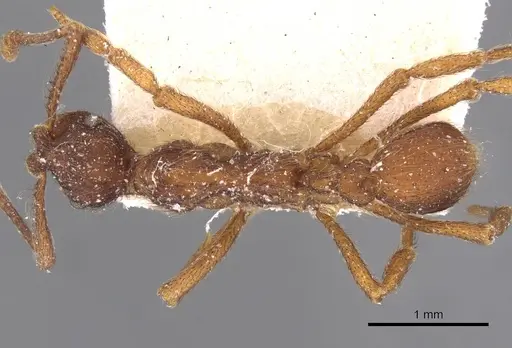
Literature
Loading...Loading products...