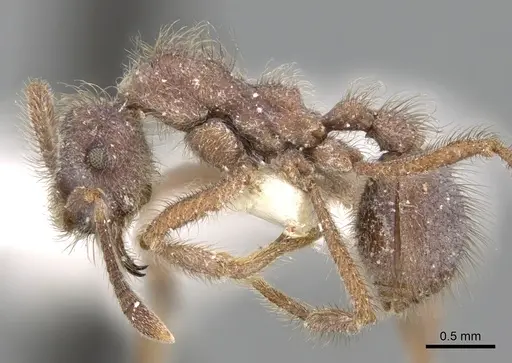
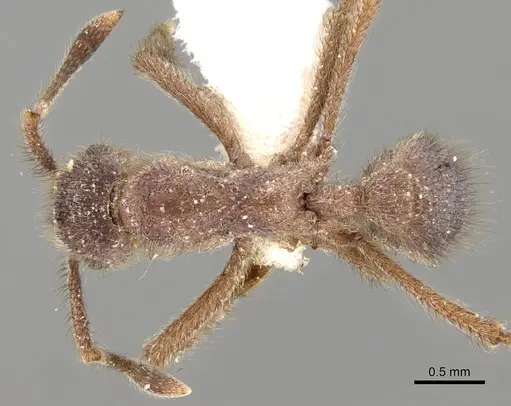
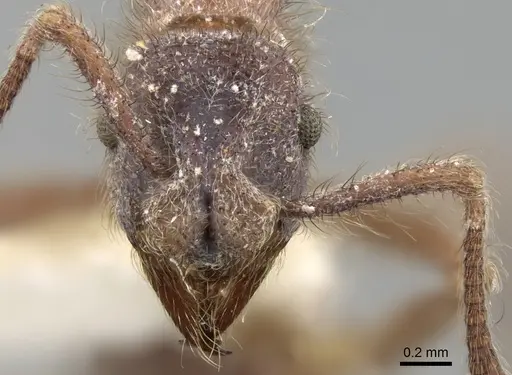
Apterostigma steigeri - "Steiger's Fungus Ant"
Apterostigma steigeri is a fascinating species of fungus-growing ant belonging to the Myrmicinae subfamily. These ants are well-known for their mutualistic relationship with a specific type of fungus, which they cultivate within their nests as their primary food source. Unlike many other fungus-growing ants that farm Lepiotaceae fungi, Apterostigma species, including A. steigeri, are noted for cultivating Pterulaceae fungi (Tricholomataceae family). Workers of this genus generally have an elongated head without isolated spines and distinct longitudinal ridges on their mesonotum. Their gaster usually has a finely granulated cuticle. Colonies are typically small, often not exceeding a hundred individuals, and their nests are fragile and often veiled.
- Difficulty: Hard
- Origin & Habitat: Neotropical Region (South America), specifically found in Argentina, Brazil, Paraguay, and Uruguay. in Forests, often nesting in decaying wood, on the ground, or on the underside of leaves and between leaves in the tree canopy..
- Colony Type: Monogyne (single queen), claustral founding.
- Size & Growth:
- Queen: Not specified
- Worker: Not specified
- Colony: Small (hundreds). Slow growth.
- Antkeeping:
- Temperature: Maintain a stable temperature range, ideally between 22-26°C. Consistency is key for fungus health..
- Humidity: High humidity is crucial, typically 80-95%, to support the growth of their specialized fungus garden. Avoid stagnant air..
- Diapause: Not required. Not specified at Not specified.
- Nesting: Requires a specialized setup that allows for fungus cultivation. This often involves a substrate chamber with excellent ventilation and humidity control. Natural setups mimicking their arboreal or hypogaeic nests, utilizing decaying wood or a soil/substrate mix, are preferred..
- Behavior: Low aggressiveness.
- Common Issues: Fungus garden collapse, Mold in nest (not related to fungus garden), Mites, Humidity fluctuations, Lack of suitable substrate for fungus.
Keeping Apterostigma steigeri presents a unique challenge, primarily due to their reliance on a specific fungus for sustenance. This isn't your average sugar water and insect diet; you'll need to provide suitable organic matter for them to cultivate their fungal garden. The success of your colony hinges entirely on the health of this fungus, so maintaining stable high humidity and good ventilation within the nest is absolutely critical. Without a thriving fungus, the colony simply won't survive, making this species quite a demanding commitment for ant enthusiasts.
Their nests in the wild are often described as fragile and veiled, which means replicating their natural environment can be tricky. Standard acrylic or Ytong nests might not be ideal. Consider a naturalistic setup, perhaps a small terrarium with decaying wood or a carefully constructed soil and leaf litter section. This allows them to build their delicate fungus gardens more naturally and provides the necessary microclimates. Observing how they construct their veiled nests in such a setup can be incredibly rewarding, offering a glimpse into their intricate behaviors.
Unlike many ant species, Apterostigma steigeri colonies tend to be quite small, typically not exceeding a few hundred individuals. This means colony growth will be slow, and you won't see the rapid population booms characteristic of some more common beginner species. Patience is a virtue when keeping these ants. Focus on the quality of their environment and the health of their fungus rather than sheer numbers. Each worker plays a vital role in maintaining the delicate balance of their fungal farm.
These ants are fungus farmers, meaning their diet is strictly specialized. You cannot just feed them common feeder insects or sugar water. Their entire nutritional intake comes from the fungus they cultivate. You will need to provide them with appropriate plant matter, such as dried leaves or small bits of wood, which they will use as a substrate for their fungal garden. Researching the specific types of organic matter preferred by Apterostigma species is crucial for their long-term health and the prosperity of your colony.
Frequently Asked Questions
What makes Apterostigma steigeri different from other fungus-growing ants?
Apterostigma steigeri is unique because it cultivates Pterulaceae fungi, unlike many other fungus-growing ants that typically farm Lepiotaceae. This means their specific requirements for substrate and humidity can differ, making their care a specialized endeavor for antkeepers.
How do I feed Apterostigma steigeri?
You don't feed the ants directly in the traditional sense. Instead, you provide them with appropriate organic matter like dried leaves, small pieces of wood, or other plant detritus. The ants will then use this material as a substrate to grow their fungus, which is their sole food source.
What kind of nest is best for Apterostigma steigeri?
A naturalistic setup that mimics their wild nests is ideal. This could be a terrarium with a substrate layer of soil and decaying wood, or a custom-built formicarium designed specifically for fungus-growing ants, ensuring high humidity and excellent ventilation to keep their fungus healthy.
Are Apterostigma steigeri hard to keep?
Yes, Apterostigma steigeri are considered a challenging species to keep, suitable for experienced antkeepers. Their survival depends entirely on the health of their fungus garden, which requires precise temperature, humidity, and substrate conditions.
Do Apterostigma steigeri have a sting?
Yes, like many ant species, Apterostigma steigeri workers do possess a sting. However, their aggressiveness towards handlers is generally low, and stings are rare unless provoked.
How big do Apterostigma steigeri colonies get?
Apterostigma steigeri colonies are relatively small. In the wild, 'lower taxa' within the genus, which A. steigeri belongs to, typically consist of 100-1000 individuals, but some sources suggest they often don't exceed 100 individuals.
Do Apterostigma steigeri need diapause?
No, Apterostigma steigeri, being a Neotropical species, does not require a diapause period. They thrive in consistent warm temperatures and high humidity year-round.
What are common problems when keeping Apterostigma steigeri?
The most common and critical issue is the collapse of the fungus garden, often due to incorrect humidity, temperature, or contamination. Other problems can include mold (unrelated to the fungus garden), mites, or fluctuations in environmental conditions that stress the colony.
Where do Apterostigma steigeri originate from?
Apterostigma steigeri is native to the Neotropical region of South America, with its distribution primarily in Argentina, Brazil, Paraguay, and Uruguay.
How long does it take for an egg to become a worker in Apterostigma steigeri?
Specific developmental times for Apterostigma steigeri from egg to worker are not widely documented. However, like most fungus-growing ants, the duration depends heavily on optimal temperature and the health of the fungus garden, which directly impacts larval nutrition.