

Apterostigma robustum
- Scientific Name
- Apterostigma robustum
- Tribe
- Attini
- Subfamily
- Myrmicinae
- Author
- Emery, 1896
- Distribution
- Found in 5 countries
Apterostigma robustum Overview
Apterostigma robustum is an ant species of the genus Apterostigma. It is primarily documented in 5 countries , including Costa Rica, French Guiana, Honduras. Detailed taxonomic data and occurrence records can be further explored via authoritative databases such as AntWeb or the Global Biodiversity Information Facility (GBIF).
Apterostigma robustum
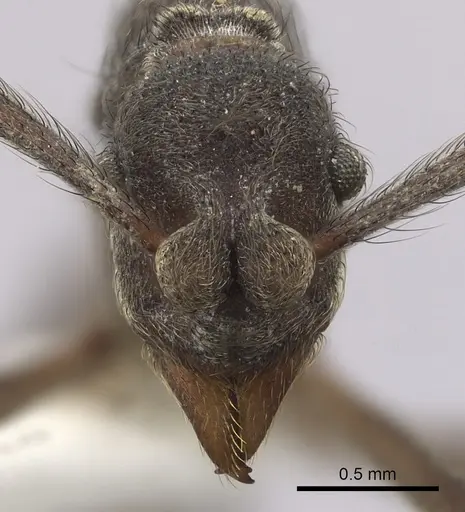
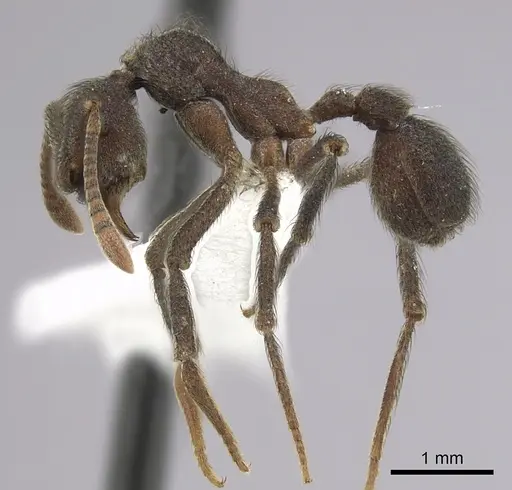
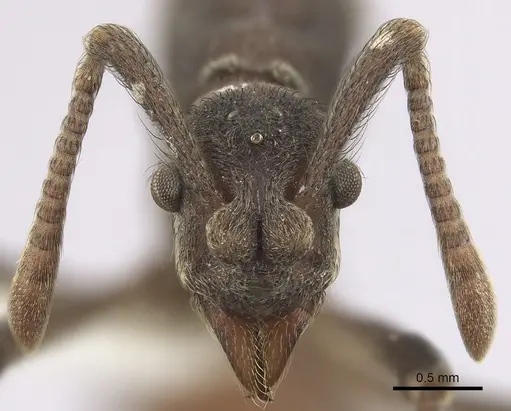
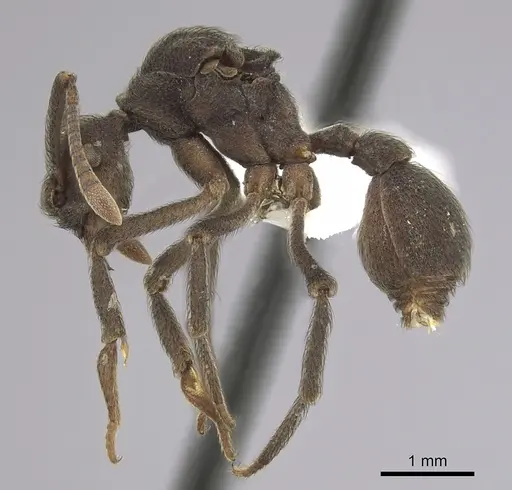
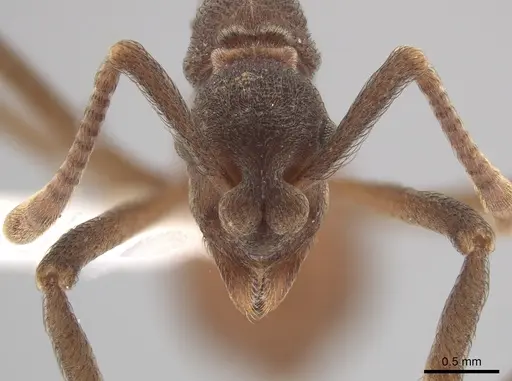
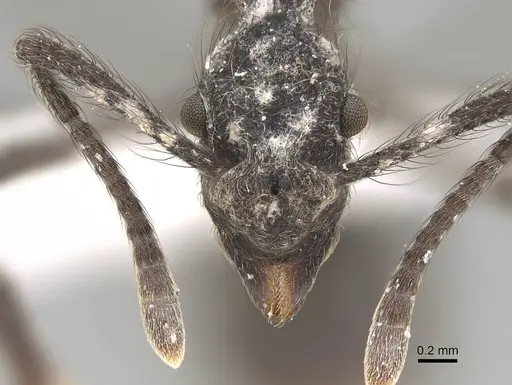
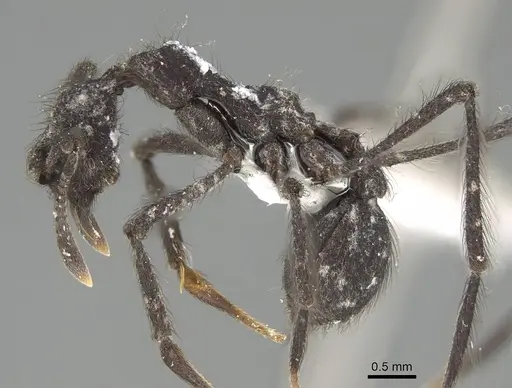
Apterostigma robustum is a small, arboreal fungus-growing ant found across the Neotropical region from Honduras south to Bolivia and Brazil [1][2]. Workers have distinctive frontal lobes with strongly curved margins and mandibles bearing 11 teeth that gradually increase in size toward the tip [1]. Unlike their leaf-cutting relatives, these ants cultivate specialized fungi on insect frass and organic debris rather than fresh vegetation, making them one of the more challenging ant species to maintain in captivity [1].
These ants live in pre-existing cavities in dead wood and under bark in tropical forests, where they tend their fungal gardens in humid, sheltered microhabitats [3]. Their arboreal lifestyle and absolute dependence on fungal cultivation mean they require specialized housing and consistent environmental conditions that replicate their natural forest habitat.
Quick Summary
- Difficulty: Expert
- Origin & Habitat: Neotropical region from Honduras to Bolivia and Brazil, including the Amazon basin and Atlantic forests, found in arboreal cavities in tropical forests at elevations from 35m to 1005m [1][4][3].
- Colony Type: Unknown, likely single queen based on typical Attini patterns, but colony structure is unconfirmed.
- Size & Growth:
- Queen: Unknown, not specified in available research.
- Worker: Unknown, not specified in available research.
- Colony: Unknown, likely small to moderate based on cavity-nesting habits.
- Growth: Slow, fungus-growing ants typically develop slowly, exact timeline unconfirmed.
- Development: Unknown, estimated 8-12 weeks based on related fungus-growing ants, but unconfirmed for this species. (Development depends on fungus garden health. Without healthy fungus, brood will not survive.)
- Antkeeping:
- Temperature: Tropical species, maintain 24-28°C based on distribution in Amazon and Central American forests [1][4]. Start at 25°C and adjust based on colony activity.
- Humidity: High humidity required, maintain damp conditions similar to tropical forest cavities. Keep nest material moist but not waterlogged [3].
- Diapause: No, tropical species active year-round.
- Nesting: Arboreal, provide vertical wood cavities, bamboo tubes, or artificial arboreal nests with tight chambers. They need enclosed spaces that retain humidity [3].
- Behavior: Slow-moving and deliberate, focused on fungus garden maintenance and foraging for substrate. They are not aggressive and pose minimal escape risk due to their specialized lifestyle, though they require excellent humidity retention.
- Common Issues: fungus garden death is the primary cause of colony failure, the fungus is sensitive to temperature fluctuations and contamination., cannot establish without a starter fungus garden from a wild colony, queens cannot start gardens from scratch in captivity., overhydration causes mold that destroys the fungal garden while underwatering dries it out., inappropriate substrate leads to starvation, they need specific organic material to feed their fungus, not just sugar and protein., temperature drops below 20°C can kill the fungal symbiont and collapse the colony.
Fungus Cultivation Requirements
Apterostigma robustum is an obligate fungus-grower, meaning the colony cannot survive without its fungal garden [1]. Unlike leaf-cutting ants, these ants cultivate fungi on insect frass, dead plant material, and other organic debris. The ants eat the fungus itself, not the substrate they collect.
To keep these ants, you must obtain a starter fungus garden from an established wild colony. The queen cannot start a new garden from spores in captivity. The garden must be kept in a humid, enclosed chamber with minimal air exchange to prevent drying. You will need to regularly provide appropriate substrate, typically dried leaves, insect frass, or other partially decayed plant matter, which the ants will process and add to the garden.
Watch the garden color and texture. Healthy fungus appears white to grayish and has a firm but spongy texture. If it turns dark, slimy, or develops colorful molds, the garden is dying. Remove contaminated portions immediately to prevent spread.
Arboreal Housing Setup
These ants nest in pre-existing cavities in dead wood and under bark in tropical forests [3]. In captivity, replicate this with vertical bamboo tubes, drilled wood blocks, or specialized arboreal formicaria with small chambers.
The nest must maintain high humidity while allowing some air circulation to prevent stagnation. Use a setup where you can access the fungus garden for feeding and maintenance without disturbing the ants excessively. Clear or semi-clear materials help you monitor garden health without opening the nest.
Place the nest in a vertical orientation, as these ants naturally inhabit upright tree cavities. Connect the nest to an outworld for foraging, though they may not venture far from their garden.
Temperature and Humidity Management
Maintain temperatures between 24-28°C year-round, with no seasonal cooling required [1][4]. Use a heating cable on one side of the nest to create a gentle gradient, but avoid overheating the fungus garden. Temperatures below 20°C can kill the fungal symbiont and collapse the colony.
Humidity must remain high, aim for damp nest material that feels wet to the touch but does not have standing water. The fungus garden will dry out quickly in low humidity, killing both the fungus and the ants. Use a water reservoir or moistened cotton in the nest area, and mist the setup regularly if using an open outworld. Condensation on the nest walls is a good sign that humidity is adequate.
Feeding the Colony
Do not offer sugar water or protein directly, these ants feed exclusively on their cultivated fungus [1]. Instead, provide substrate materials that the fungus can digest. Suitable materials include dried leaves (not fresh), insect frass, small amounts of dead insects, and partially decayed plant matter.
Collect substrate from the same habitat where you found the colony, as the fungus may be adapted to local plant materials. Introduce new substrate in small amounts to avoid overwhelming the garden or causing mold outbreaks. Remove any substrate that the ants reject or that shows signs of unwanted mold growth.
The ants will process the substrate, adding it to the garden and harvesting fungal growth to feed the brood and queen.
Colony Founding
Founding behavior is unconfirmed for this species. Based on typical patterns in the Attini tribe, queens likely seal themselves in during the founding phase and raise the first generation on stored body reserves. However, successful captive founding is extremely rare because queens require the specific fungal symbiont to establish a colony.
Most successful captive colonies are started by collecting an established wild colony complete with fungus garden. If attempting to found with a lone queen, you would need to provide a fragment of established fungus garden, though success rates are low.
Frequently Asked Questions
Can I keep Apterostigma robustum without a fungus garden?
No. These ants are obligate fungus-growers and will starve without their fungal symbiont. The colony eats the fungus, not the food you provide directly.
How do I start a fungus garden for Apterostigma robustum?
You cannot start one from scratch in captivity. You must collect a starter garden from an established wild colony. The queen cannot cultivate fungus from airborne spores, she needs the specific fungal strain carried by her natal colony.
What temperature do Apterostigma robustum need?
Keep them at 24-28°C year-round. They are tropical ants and do not tolerate cold. Temperatures below 20°C can kill their fungal garden and collapse the colony.
Do Apterostigma robustum need hibernation?
No. They are tropical species active throughout the year. Do not cool them for winter.
How long until first workers for Apterostigma robustum?
The timeline is unknown, but fungus-growing ants typically develop slowly. If founding succeeds, expect first workers in 8-12 weeks, though this is an estimate based on related species.
Can I keep multiple queens together?
Not recommended. While some fungus-growing ants accept multiple queens, this has not been documented for Apterostigma robustum. Single-queen colonies are the standard.
Are Apterostigma robustum good for beginners?
No. They are expert-level ants requiring specialized fungus cultivation knowledge, specific substrate, and strict humidity and temperature control. Most attempts fail without prior experience with fungus-growing ants.
What do Apterostigma robustum eat?
They eat fungus that they cultivate on organic substrate. You must feed the garden, not the ants directly. Provide dried leaves, insect frass, and decaying plant matter for the fungus to consume.
How big do Apterostigma robustum colonies get?
Colony size is unknown, but they likely remain small to moderate, fitting within tree cavities and dead wood in their arboreal habitat.
Why are my Apterostigma robustum dying?
The most common cause is fungus garden death from incorrect humidity, temperature fluctuations, or contamination. Check that the garden looks healthy (white/gray and firm, not dark or moldy) and that temperature stays above 20°C consistently.
References

This caresheet is licensed under CC BY-SA 4.0 .
CASENT0613713
View on AntWeb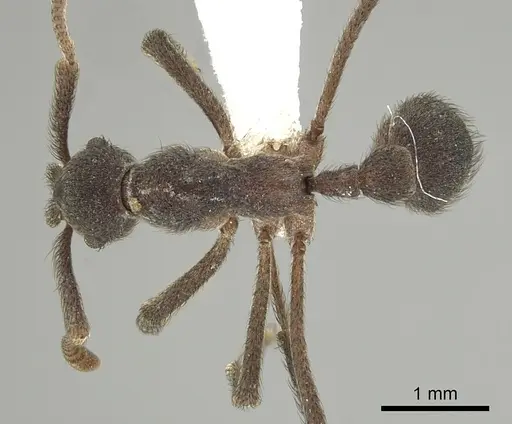
CASENT0619659
View on AntWeb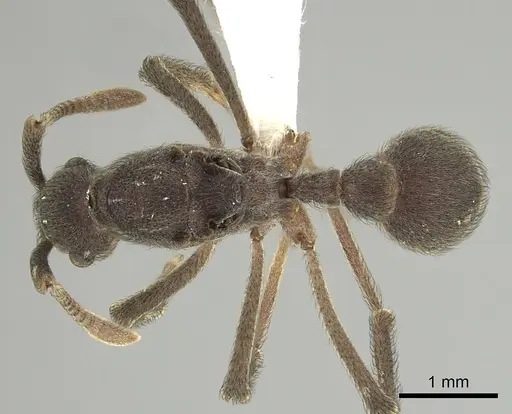
CASENT0619912
View on AntWeb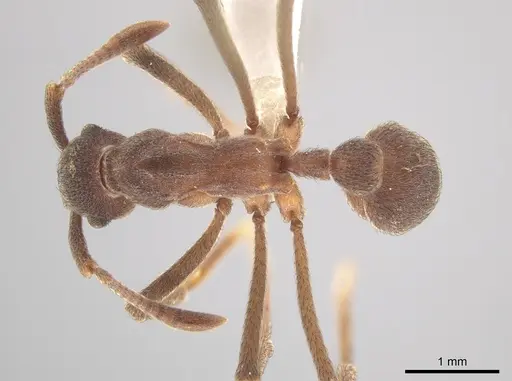
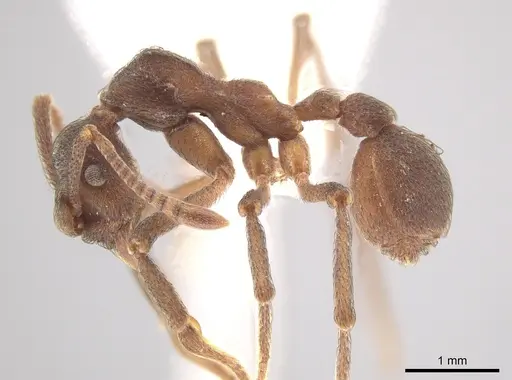
CASENT0904977
View on AntWeb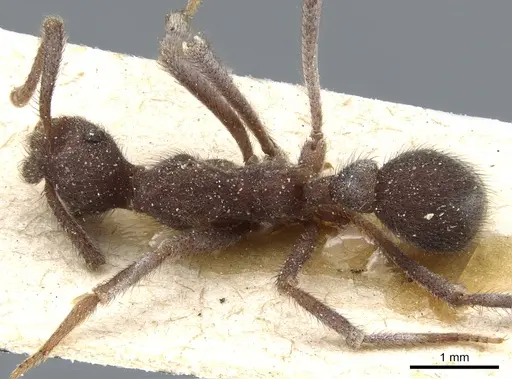
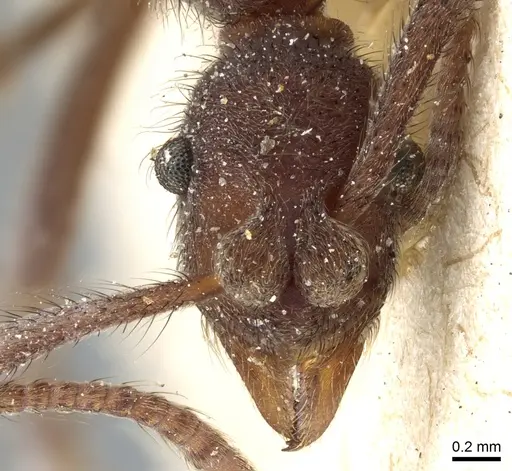
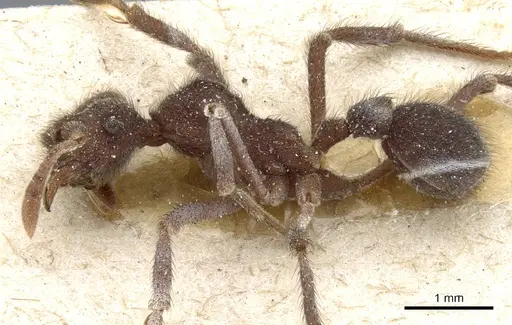
CASENT0922047
View on AntWeb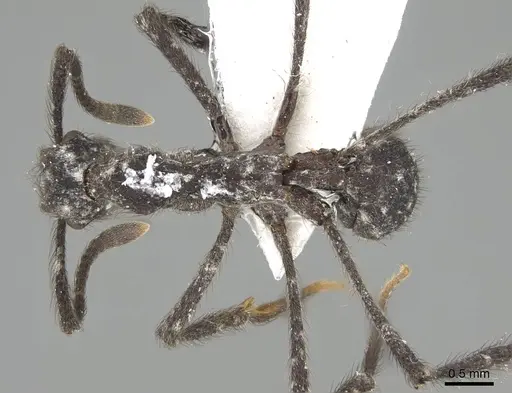
CASENT0922048
View on AntWeb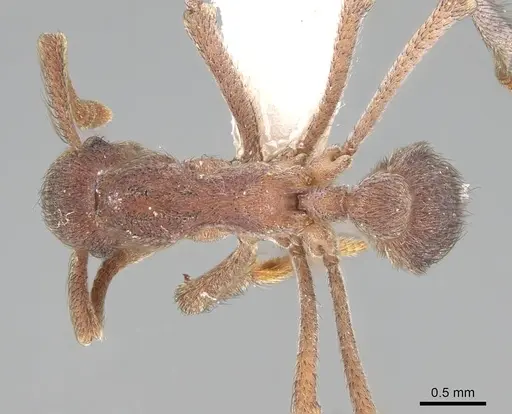
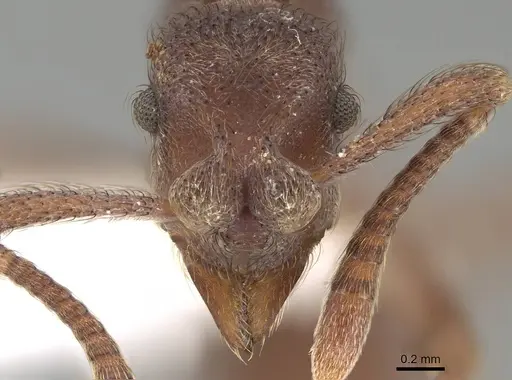
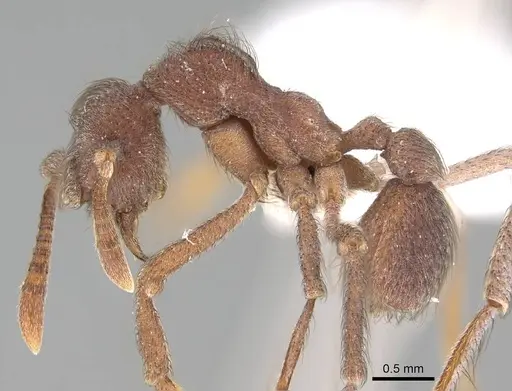
ECOFOG-IT14-0833-10
View on AntWeb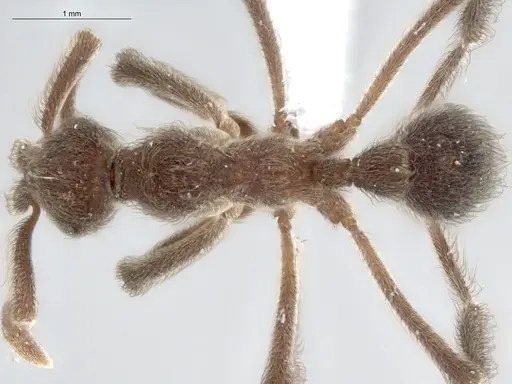
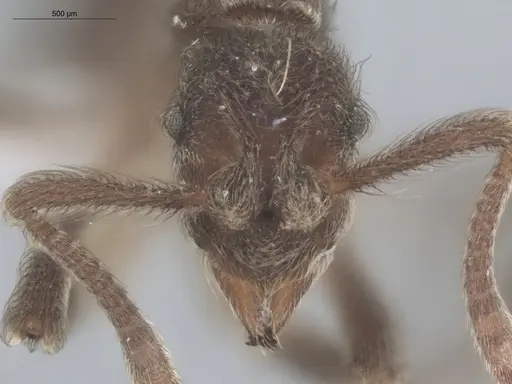
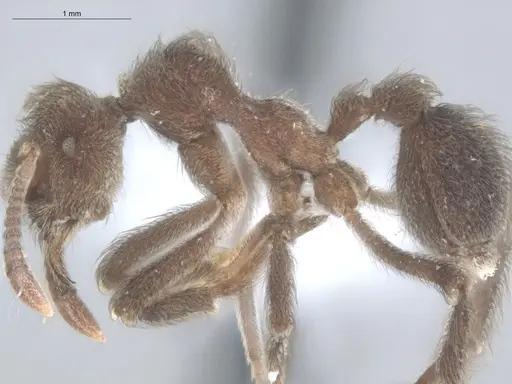
ECOFOG-SL13-1307-11
View on AntWeb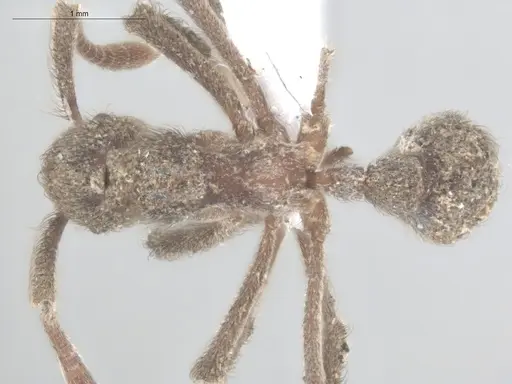
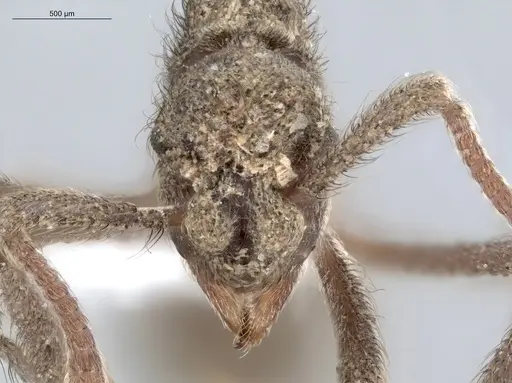
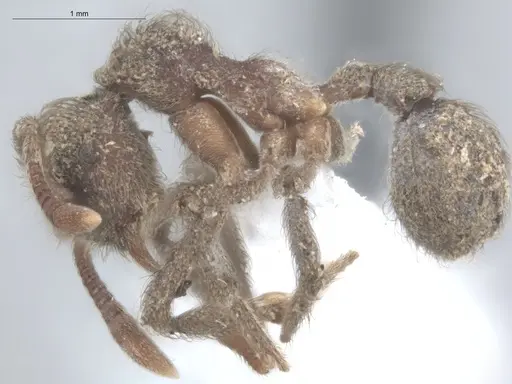
Literature
Loading...Loading products...