

Apterostigma pilosum
- Scientific Name
- Apterostigma pilosum
- Tribe
- Attini
- Subfamily
- Myrmicinae
- Author
- Mayr, 1865
- Distribution
- Found in 9 countries
Apterostigma pilosum Overview
Apterostigma pilosum is an ant species of the genus Apterostigma. It is primarily documented in 9 countries , including Brazil, Colombia, Costa Rica. Detailed taxonomic data and occurrence records can be further explored via authoritative databases such as AntWeb or the Global Biodiversity Information Facility (GBIF).
Apterostigma pilosum
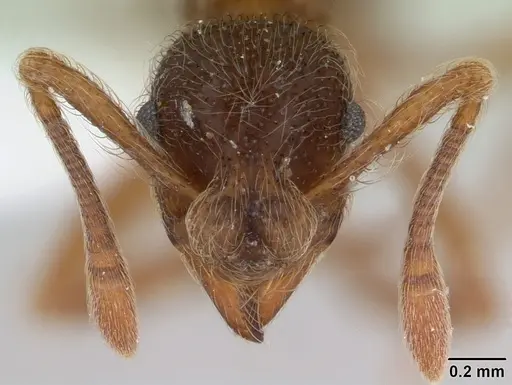
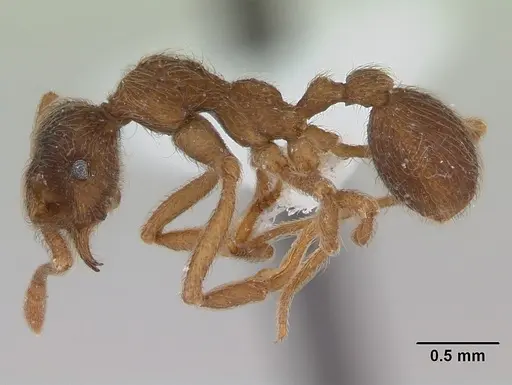
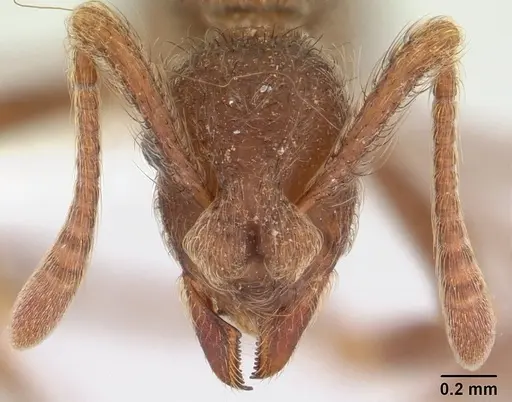
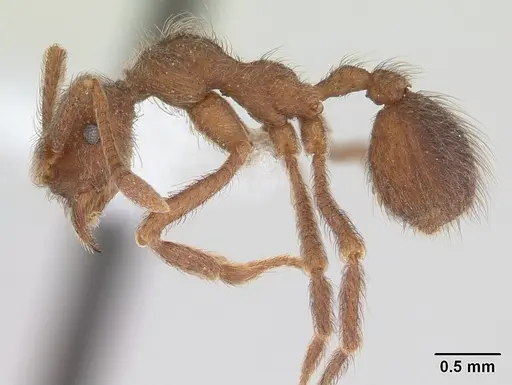
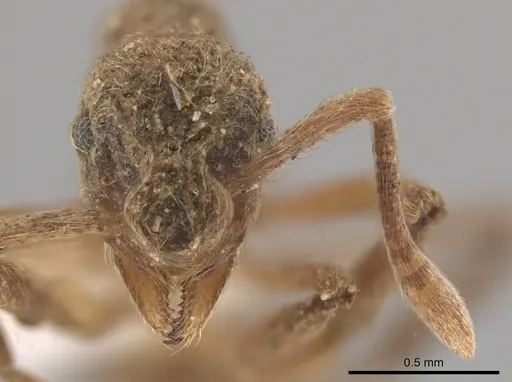
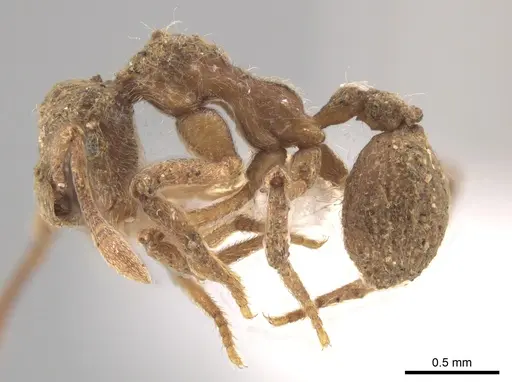
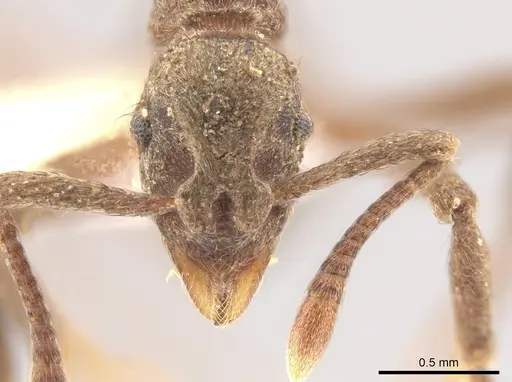
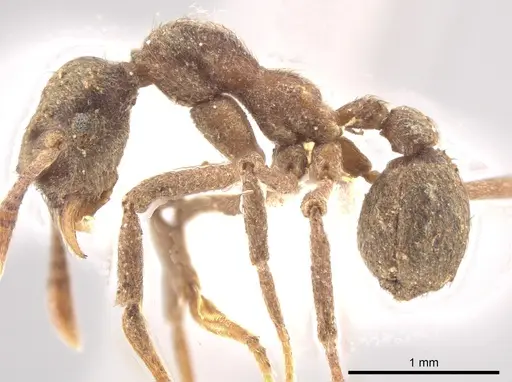
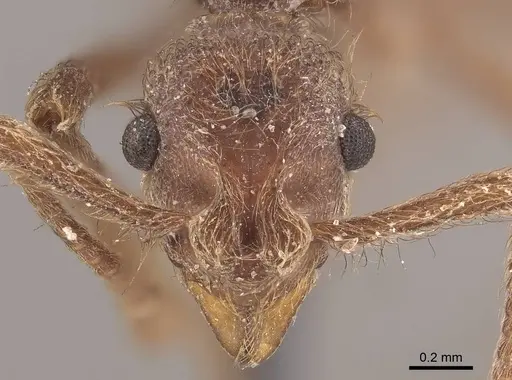
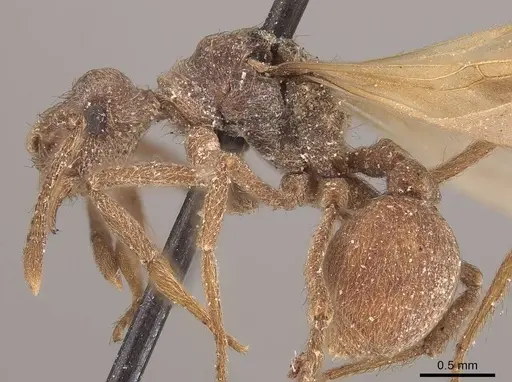
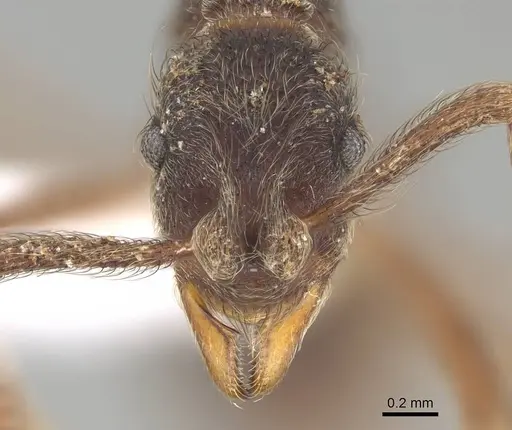
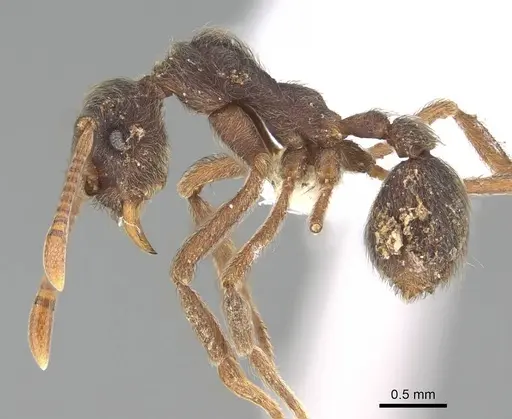
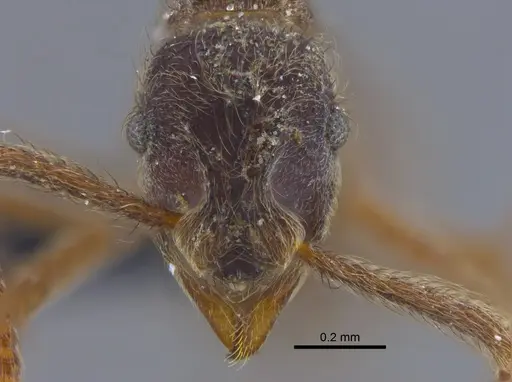
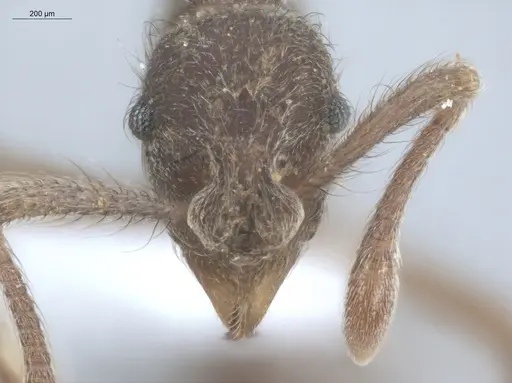
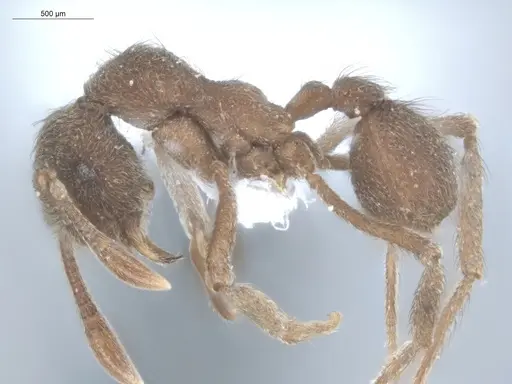
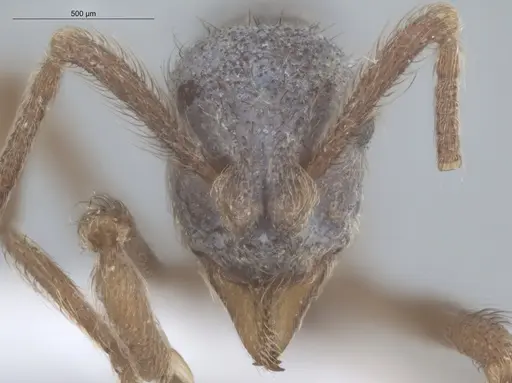
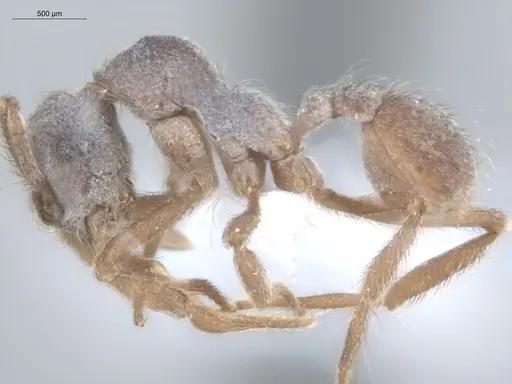
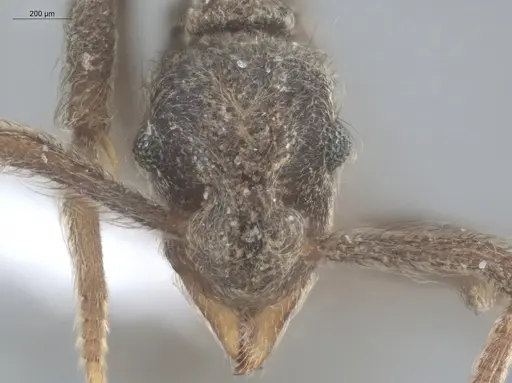
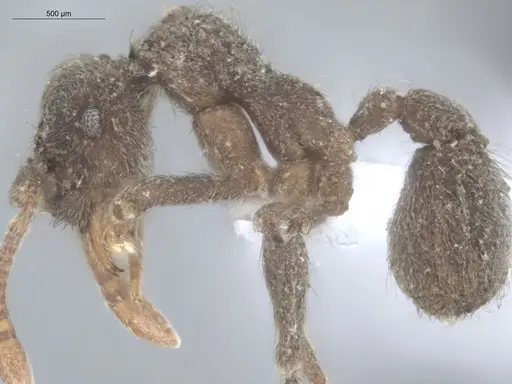
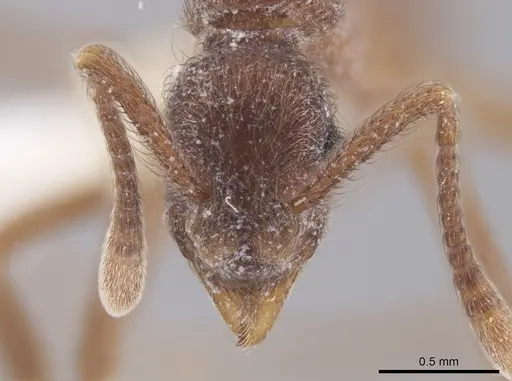
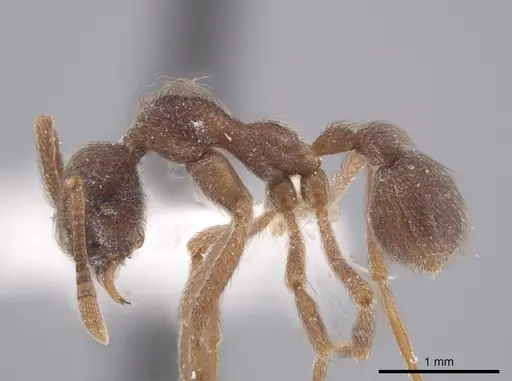
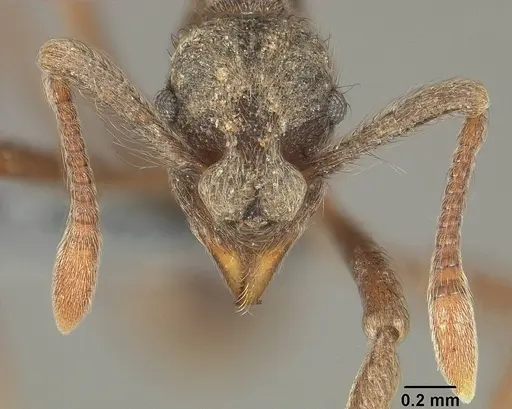
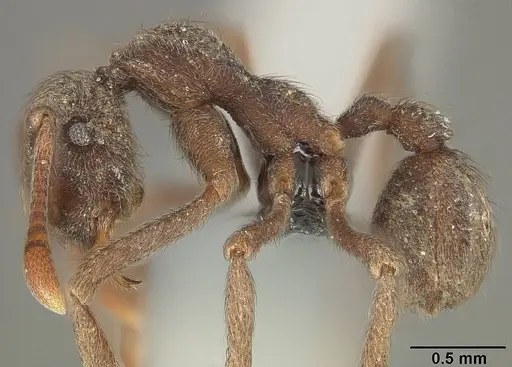
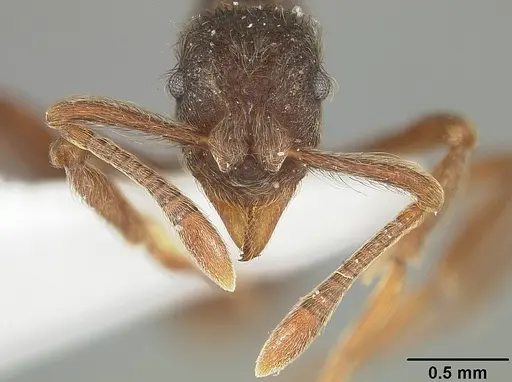
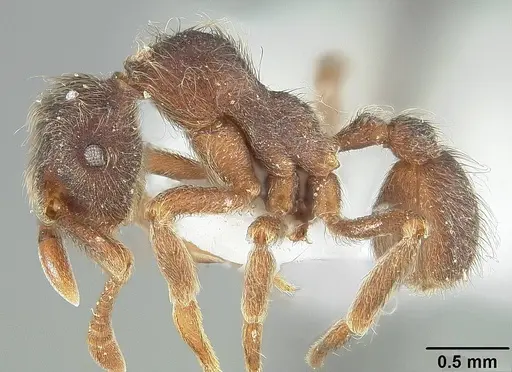
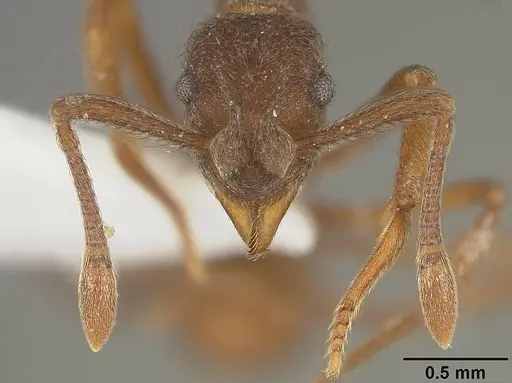
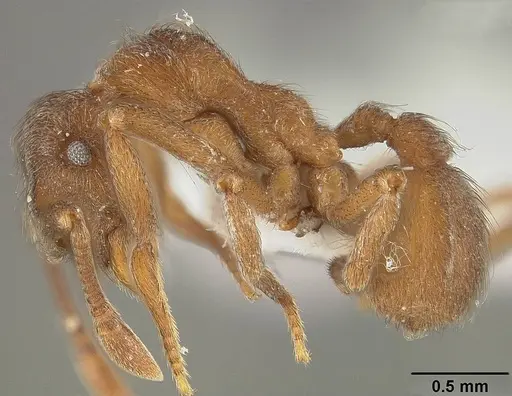
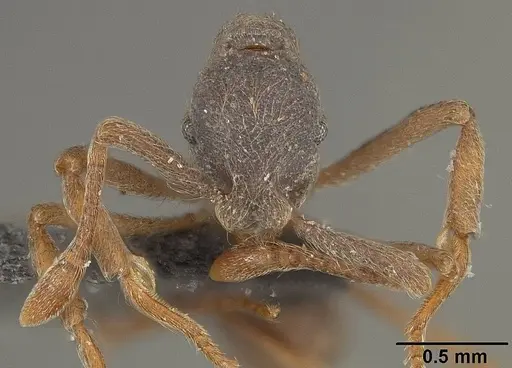
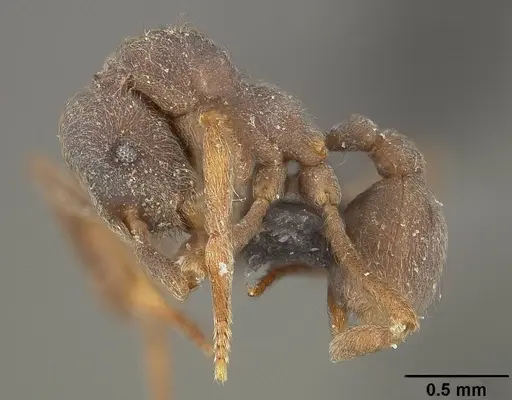
Apterostigma pilosum are small, cryptic fungus-growing ants found in the leaf litter of Neotropical forests from Mexico to Argentina [1]. Workers are tiny with heads around 0.7 mm wide and body lengths of approximately 3-4 mm [2], while queens reach roughly 4.5 mm based on related species descriptions [3]. Unlike most fungus-growing ants that cultivate mushrooms in the Lepiotaceae family, these ants are unique "coral farmers", they cultivate distantly related coral fungi from the Pterulaceae family [4][5]. They nest in small colonies of typically under 100 workers inside rotting logs or under decaying wood, constructing distinctive gardens often covered by a veil of fungal hyphae [4][6].
What makes this species particularly challenging for keepers is their semi-claustral founding method and obligate fungal mutualism. Queens do not seal themselves away but must forage to feed both themselves and their incipient fungal garden [4]. They use their shed wings as platforms to isolate the fungus from soil during the vulnerable founding stage [4]. The ants feed their gardens with wood fragments, insect frass, and plant debris, then consume the fungal growth [7]. Their small colony size and specialized diet make them suitable only for experienced ant keepers with access to fresh fungal cultivar and sterile technique.
Quick Summary
- Difficulty: Expert
- Origin & Habitat: Neotropical wet forests from Mexico to Argentina, nesting in rotting wood and leaf litter [1][4]
- Colony Type: Single-queen colonies (monogyne) typical, containing 12-100 workers [4]
- Colony: Monogyne
- Founding: Semi-claustral
- Size & Growth:
- Antkeeping:
- Behavior: Slow-moving, cryptic, and secretive, workers tend fungal gardens solitarily without cooperation [9]. They pose minimal escape risk due to small size but require excellent hygiene to prevent garden contamination [10].
- Common Issues: fungal garden collapse from desiccation if humidity drops too low., escovopsis infection (garden disease) can wipe out colonies without antibiotic-producing bacteria present [8][10]., queen starvation during founding if not provided with food (semi-claustral) [4]., black yeasts on the cuticle can reduce antibiotic protection and increase garden loss [10]., garden failure if fed inappropriate substrates (they need specific detritus, not just sugar) [7].
Fungal Garden Cultivation
Apterostigma pilosum are obligate fungus-farmers that cultivate coral fungi from the family Pterulaceae, specifically the G2 fungus type related to Pterula [4][5][8]. Unlike leafcutter ants that grow leucocoprineous fungi, these ants grow coral-mushroom fungi that form hanging, veiled gardens [11][4]. The garden requires constant care and specific substrate to survive.
In captivity, you must maintain a living fungal culture obtained from a wild colony or another keeper. The garden needs a constant supply of suitable substrate to feed the fungus: rotting wood fragments, dead plant debris, insect frass, and small seeds [7][9]. Workers lick the substrate surface to prepare it but do not chemically treat it with fecal fluid like higher attines [9]. The ants consume the fungal growth directly, so the garden is both their food source and their nest structure. Keep the garden in a dark, humid chamber with minimal disturbance, as vibrations and light stress can damage the delicate fungal hyphae.
Semi-Claustral Founding
Queens found nests semi-claustrally, meaning they do not seal themselves in a chamber and must leave to forage during the founding stage [4]. This makes founding extremely challenging in captivity. The queen needs access to food and building materials while maintaining contact with her fungal cultivar.
During founding, queens use their detached forewings as platforms to isolate the incipient garden from the soil [4][12]. You should provide a small founding chamber with high humidity, pieces of rotting wood, and easy access to food sources like soaked seeds or insect frass. The queen will need to forage regularly, so do not seal her in a test tube. Feed small amounts of sterile oatmeal, soaked chia seeds, or finely chopped dead insects weekly. If the queen stops foraging or the garden shows discoloration, the founding attempt is likely failing.
Nest Setup and Humidity
In nature, colonies nest inside decomposing logs or under rotten wood on the ground [8][4]. Replicate this in captivity using a naturalistic setup with rotting wood, leaf litter, and loose soil in a sealed container with ventilation.
Maintain high humidity (80-90%) by keeping the substrate damp but not waterlogged. The fungal garden will dry out and die if humidity drops below 70%. Use a setup with a water reservoir or moist plaster base, but ensure the garden itself is not sitting in standing water. Provide narrow cavities under flat pieces of wood or bark where the ants can tend the garden in darkness. Temperature should remain stable around 24-26°C, avoid fluctuations below 20°C as this is a tropical species [inferred].
Feeding the Fungus
These ants do not eat sugar water or honey directly, they feed their fungus, which they then consume [13]. You must provide organic material that the fungus can digest.
Suitable foods include: dry grass seeds (oatmeal, millet), small pieces of dead leaves, rotting wood fragments, and insect frass [9][7]. In lab studies, colonies were maintained on mixtures of oats, corn meal, tea leaves, and oak catkins [10]. Offer small amounts twice weekly, too much food can mold and contaminate the garden. Workers will incorporate the material into the fungal mass. Remove any moldy or uneaten food immediately. They may also accept tiny amounts of protein from dead insects, but the primary diet is the fungal cultivar fed with plant material.
Disease and Parasite Management
The greatest threat to captive colonies is Escovopsis, a parasitic fungus that infects the garden and can destroy it within days [8][10]. Wild colonies have mutualistic bacteria (Pseudonocardia) living on their cuticle under the forelegs that produce antibiotics to suppress Escovopsis [14][15]. However, black yeasts (Phialophora) can also live on the ants and reduce these protective bacteria, making gardens more vulnerable [10][16].
To minimize disease risk: maintain sterile conditions, never introduce wild soil or unsterilized substrate, and avoid cross-contamination between colonies. If the garden develops patches of green or black mold, or if the ants start dumping garden material outside the nest, Escovopsis infection is likely. There is no reliable cure, prevention through excellent hygiene is essential. The metapleural glands produce antibiotic secretions containing skatole and indole [2], but these natural defenses can be overwhelmed in captivity without the full bacterial community.
Brood Care Behavior
Workers care for brood through direct trophallaxis (mouth-to-mouth feeding), which is unusual among fungus-growing ants [13]. They do not feed larvae with fungal mycelium directly [13]. Larvae receive liquid food via trophallaxis from workers, and workers also clean the brood regularly.
Keep the brood chamber undisturbed and maintain stable conditions. Workers perform brood care solitarily rather than cooperatively [9]. If workers are seen removing brood from the garden or brood appears desiccated, humidity is likely too low or the garden is failing.
Frequently Asked Questions
Can I keep Apterostigma pilosum in a test tube?
No. These ants require a living fungal garden and specific substrate (rotting wood, leaf litter) that cannot be maintained in a test tube. They also need semi-claustral founding conditions where the queen can forage [4].
How do I start a colony of Apterostigma pilosum?
You must collect a wild colony with its fungal garden intact, as queens cannot start colonies without the specific coral fungus cultivar. If you have a queen, she must be semi-claustral, provide her with a small chamber, high humidity, and regular food (seeds, insect frass) while she establishes the garden [4][9].
What do Apterostigma pilosum eat?
They eat a coral fungus from the Pterulaceae family that they cultivate in their nest. You feed the fungus, not the ants directly. Provide dead plant material, rotting wood, insect frass, and small seeds like oats or millet [7][9].
How long until first workers for Apterostigma pilosum?
Exact timelines are unconfirmed, but based on related fungus-growing ants, expect 8-12 weeks from egg to worker at 25°C. First workers (nanitics) may be smaller than subsequent workers [inferred].
Do Apterostigma pilosum need hibernation?
No. They are tropical ants from Neotropical forests and remain active year-round. They do not require diapause or cooling [4][inferred].
Are Apterostigma pilosum good for beginners?
No. They are expert-level ants requiring specialized fungus cultivation, sterile technique, and specific feeding. Colony failure is common without experience in fungus-growing ant care [4][10].
Why is my fungal garden dying?
Common causes include: too low humidity (gardens desiccate), Escovopsis infection (parasitic fungus), contamination with harmful molds, or inappropriate food substrate. Gardens need constant high humidity and specific detritus to survive [8][10].
Can I keep multiple queens together in one colony?
Not recommended. While some Apterostigma species have multiple queens, combining unrelated queens risks fighting and colony failure. Single-queen colonies are the norm for this species [4].
What temperature should I keep Apterostigma pilosum at?
Keep them warm and stable around 24-26°C. They are tropical ants and suffer below 20°C. Use a heating cable on one side of the nest to create a gentle gradient [inferred].
References

This caresheet is licensed under CC BY-SA 4.0 .
CASENT0173821
View on AntWeb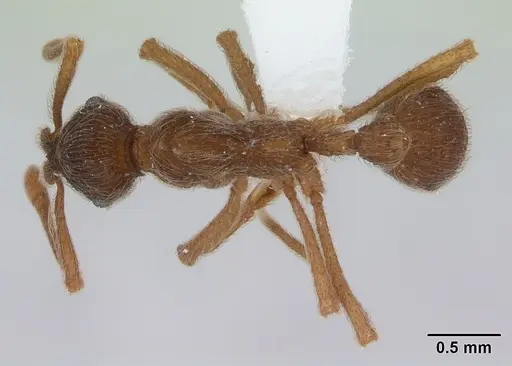
CASENT0603533
View on AntWeb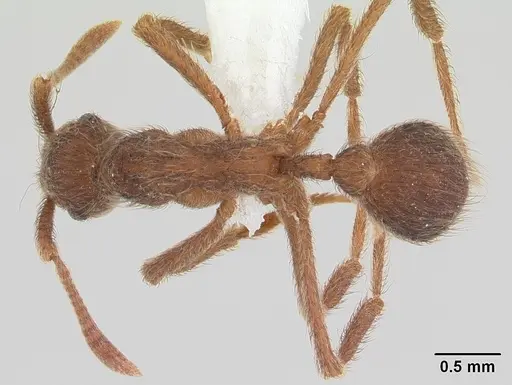
CASENT0636046
View on AntWeb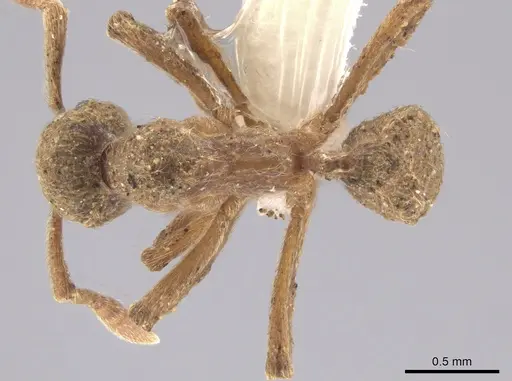
CASENT0636099
View on AntWeb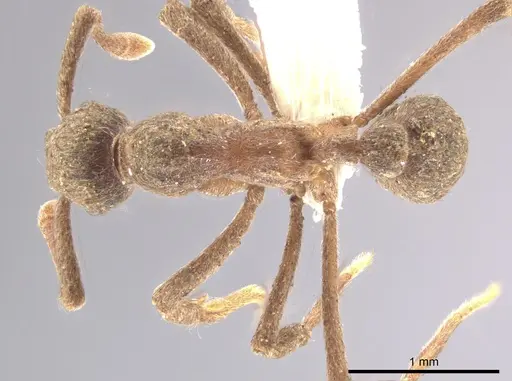
CASENT0643333
View on AntWeb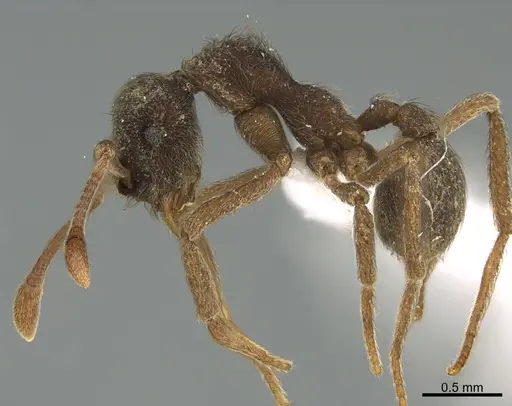
CASENT0919607
View on AntWeb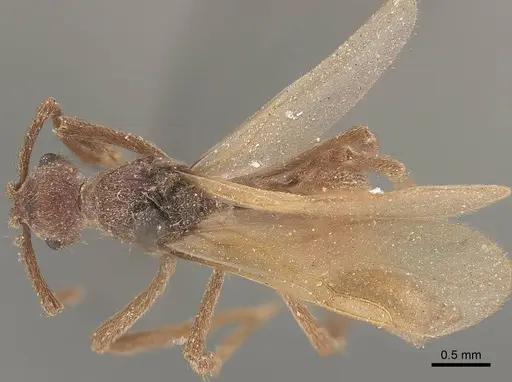
CASENT0919608
View on AntWeb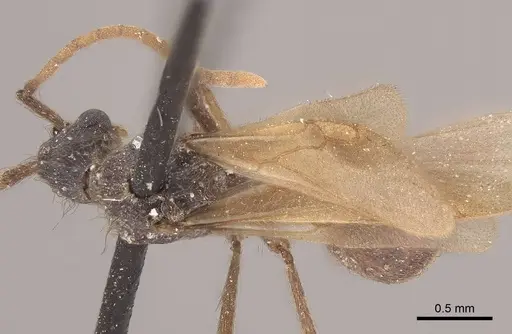
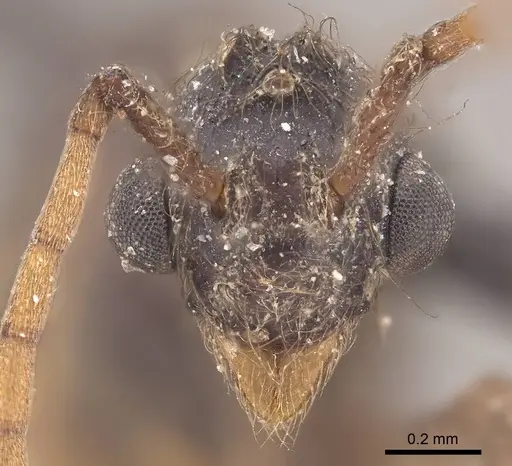
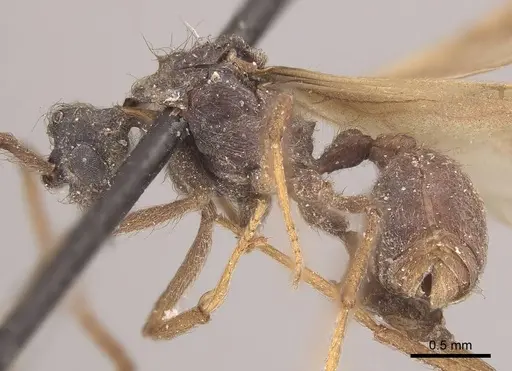
CASENT0922044
View on AntWeb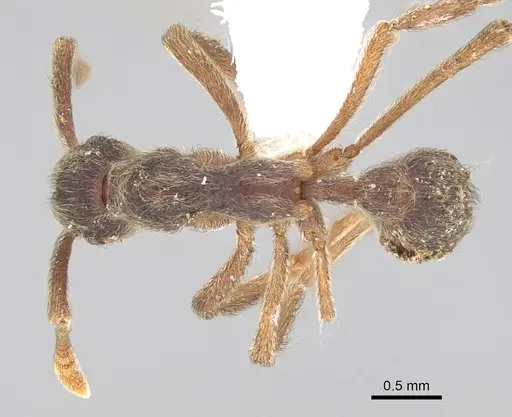
CBUMAGENT41894
View on AntWeb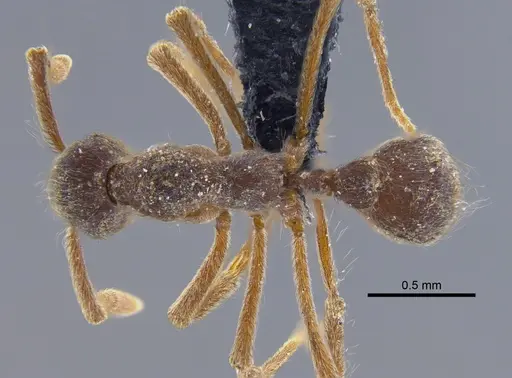
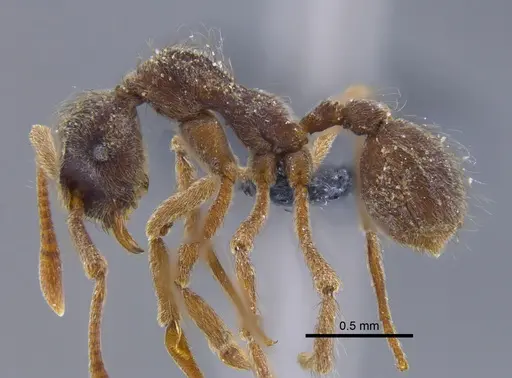
ECOFOG-IT14-0267-28
View on AntWeb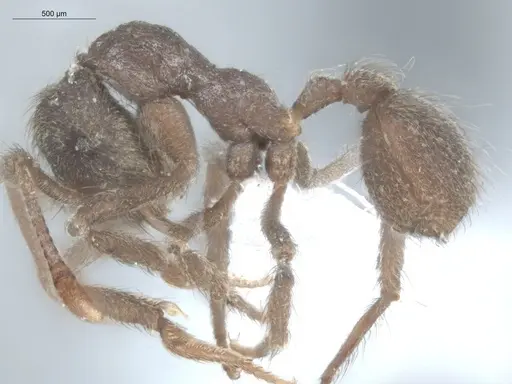
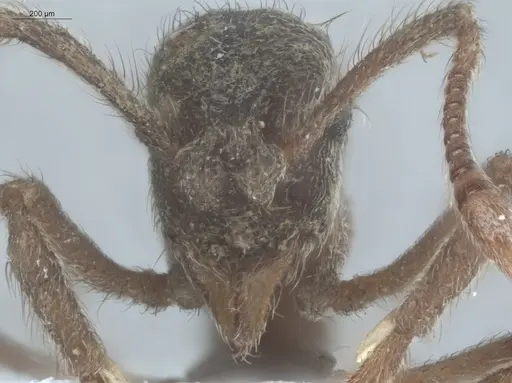
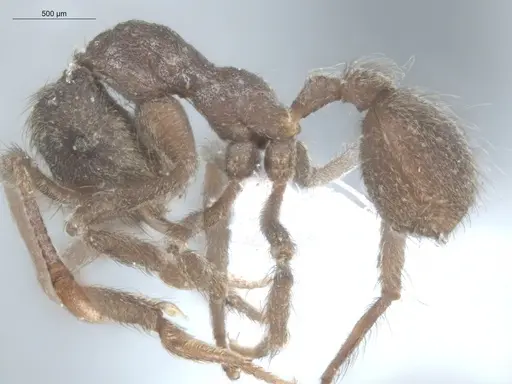
ECOFOG-IT14-0569-25
View on AntWeb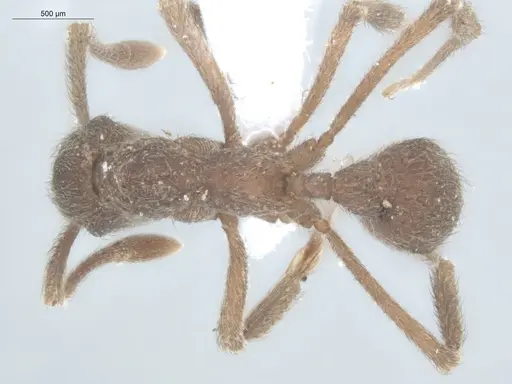
ECOFOG-IT14-0802-67
View on AntWeb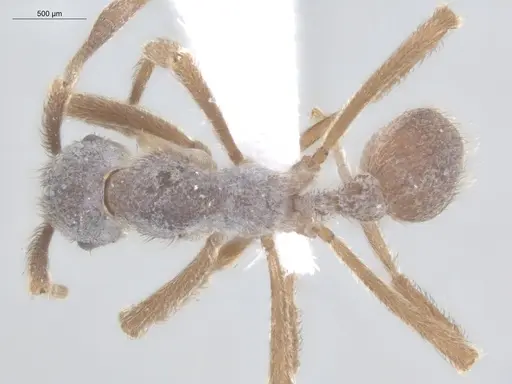
ECOFOG-TR17-0219-11
View on AntWeb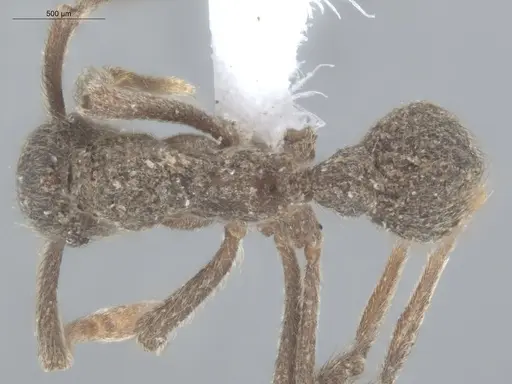
INBIOCRI001281555
View on AntWeb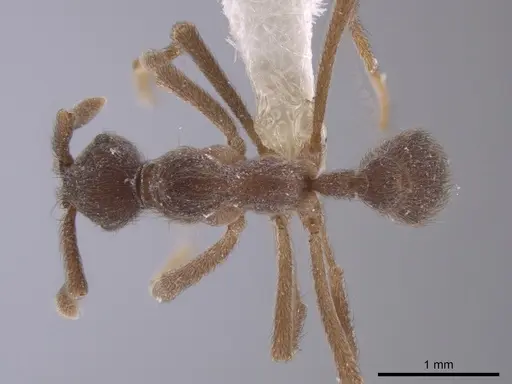
USNMENT01124244
View on AntWeb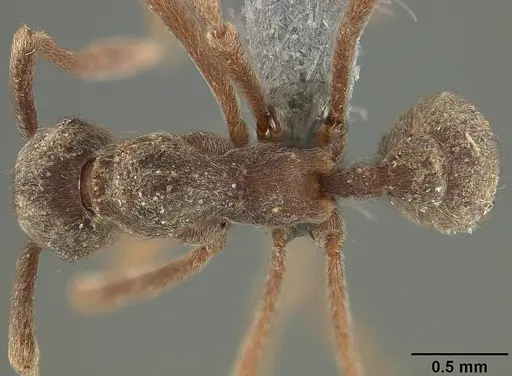
USNMENT01124245
View on AntWeb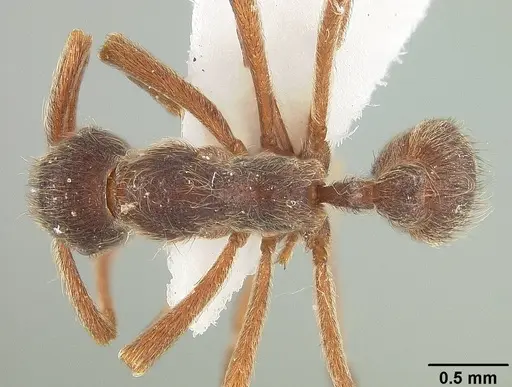
USNMENT01124246
View on AntWeb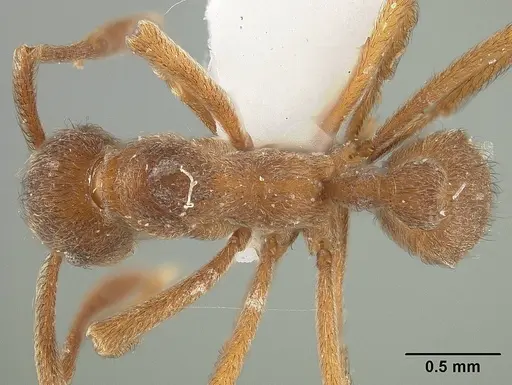
USNMENT01124247
View on AntWeb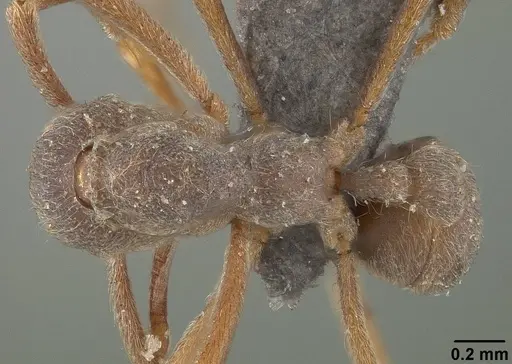
Literature
Loading...Loading products...