

Apterostigma peruvianum
- Scientific Name
- Apterostigma peruvianum
- Tribe
- Attini
- Subfamily
- Myrmicinae
- Author
- Wheeler, 1925
- Distribution
- Found in 2 countries
Apterostigma peruvianum Overview
Apterostigma peruvianum is an ant species of the genus Apterostigma. It is primarily documented in 2 countries , including Ecuador, Peru. Detailed taxonomic data and occurrence records can be further explored via authoritative databases such as AntWeb or the Global Biodiversity Information Facility (GBIF).
Apterostigma peruvianum
These small fungus-growing ants inhabit the leaf litter of Amazonian rainforests across Peru, Bolivia, Brazil, Colombia, Venezuela, and Ecuador [1][2]. As members of the tribe Attini (fungus-growing ants), they cultivate specialized fungus gardens for food rather than hunting or scavenging directly [3].
Unlike their leaf-cutting relatives, Apterostigma peruvianum belongs to the lower attine group that grows fungus on decaying organic matter and insect waste instead of fresh vegetation [1]. Researchers have collected them exclusively in Winkler traps sampling leaf litter, particularly in cocoa plantations and forest remnants, suggesting they spend their lives hidden among decomposing plant material on the forest floor [4].
Quick Summary
- Difficulty: Expert
- Origin & Habitat: Amazonian rainforests and cocoa plantations in Peru, Bolivia, Brazil, Colombia, Venezuela, and Ecuador, found in leaf litter and soil [4][1][2]
- Colony Type: Likely monogyne (single-queen) based on typical attine patterns, though specific structure is unconfirmed
- Colony: Monogyne
- Founding: Claustral
- Size & Growth:
- Queen: Unconfirmed, estimated 5-7 mm based on typical Apterostigma morphology [1]
- Worker: Unconfirmed, estimated 3-5 mm based on morphological descriptions [1]
- Colony: Small, likely under 500 workers (estimated)
- Growth: Slow
- Development: 8-12 weeks (estimated based on lower attine patterns) (Timeline is unconfirmed for this species, estimate assumes temperatures around 24-26°C)
- Antkeeping:
- Temperature: Warm and stable, approximately 24-26°C (inferred from tropical Amazon habitat) [4][1]
- Humidity: High humidity required, nest material should remain consistently moist, mimicking damp leaf litter conditions [4]
- Diapause: No, tropical species do not require winter rest [3]
- Nesting: In nature they nest in leaf litter and rotting wood, in captivity they require a setup that supports a fungus garden with controlled humidity and minimal disturbance [4]
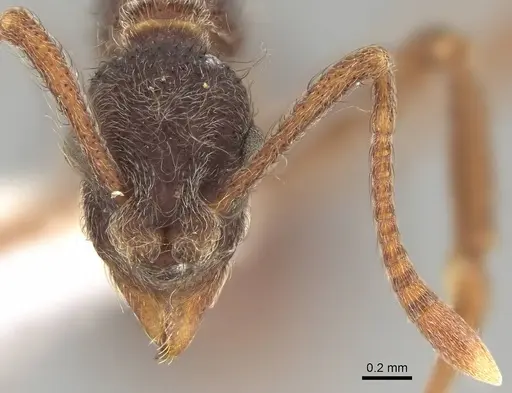
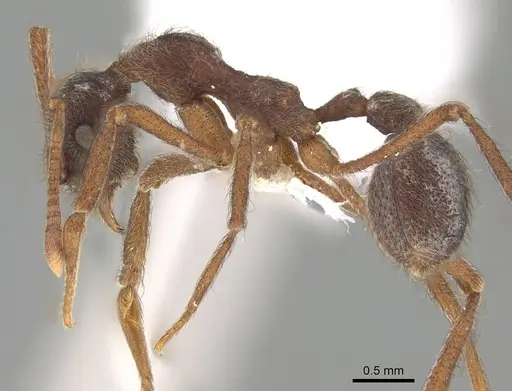
- Behavior: Cryptic and slow-moving, spending most time tending their fungus garden within the leaf litter layer. They show low aggression and rely on their small size and hidden lifestyle for defense. Their small eyes (maximum 10 ommatidia) suggest they navigate primarily by touch and chemical trails in dark, humid microhabitats [1].
- Common Issues: fungus garden contamination or desiccation kills colonies rapidly., slow growth means colonies remain vulnerable and small for extended periods., escape prevention is critical despite small size, they can squeeze through tiny gaps., sensitivity to temperature fluctuations can stress the fungus garden.
Fungus Garden Care
As lower attines, Apterostigma peruvianum cultivate fungus on organic debris rather than fresh leaves [1]. In captivity, you must provide sterile dried leaves, oatmeal, or insect feces as substrate for the fungus. The garden requires constant humidity (70-80%) and temperatures around 24-26°C to prevent mold contamination. Never allow the garden to dry out completely, as this kills the fungus and starves the colony.
You will need to monitor the garden daily for signs of contamination. If you see mold that looks different from the white or grayish fungus growth, remove it immediately. The workers will maintain the garden themselves, but they depend on you to provide fresh substrate materials and remove waste. Keep the setup in a dark or dimly lit area, as these ants naturally live in the dark leaf litter layer [4].
Natural History and Habitat
These ants inhabit the leaf litter layer of Amazonian forests and cocoa plantations across South America [4][1]. They were first described from Llinquipata, Peru, and have been recorded in Bolivia, Brazil, Colombia, Venezuela, and Ecuador [2][1]. In Colombia, they were originally known only from the Andean region of Valle del Cauca, but recent records from Caquetá show they also inhabit the Amazon lowlands [1].
Their morphology reflects their lifestyle: they have small eyes with a maximum of 10 ommatidia (the individual units that make up insect eyes), suggesting they navigate primarily by touch and chemical trails in the dark, humid microhabitat of decomposing leaves [1]. When collecting them, researchers find them only in Winkler traps that sample leaf litter, confirming they live hidden among decomposing plant material rather than in soil or on the surface [4].
Colony Founding
Founding behavior is unconfirmed for this species. Based on typical attine patterns, queens likely seal themselves in (claustral founding) and begin a fungus garden using their own fecal material or collected substrate. The first workers (nanitics) are likely smaller than typical workers and assist in expanding the fungus garden.
If you are attempting to found a colony, provide the queen with a small, dark chamber containing sterile fungus substrate. Maintain high humidity and resist the urge to check on her frequently, as disturbances can cause her to abandon the garden. Success rates for captive founding of lower attines are generally low, and many keepers prefer to start with established colonies.
Temperature and Humidity
Specific thermal requirements are unstudied for this species. As an Amazonian species found in warm, stable tropical environments, you should maintain warm conditions around 24-26°C with minimal fluctuation [4][1]. Use a heating cable on one side of the nest to create a gentle gradient, keeping the warm side around 26°C and the cool side no lower than 22°C.
High humidity is critical. The nest material should feel damp to the touch, with condensation visible on container walls. As a tropical species, they do not require hibernation and should be kept at stable temperatures year-round [3]. Avoid ventilation that dries out the nest, but ensure some air exchange to prevent stagnant conditions that promote harmful mold.
Feeding Requirements
Unlike leaf-cutting ants, they do not need fresh vegetation. Provide dried leaves (sterilized by boiling or baking), small amounts of oatmeal, or insect feces as fungus substrate. The workers will chew this material and apply it to the fungus garden. Supplement with small dead insects (fruit flies, cricket parts) which the workers will incorporate into the garden as protein sources for the fungus.
They may also accept diluted sugar water, but the fungus garden remains their primary nutrition source. Do not feed them fresh leaves or large amounts of sugary foods, as this can promote the growth of unwanted mold that competes with their cultivated fungus. [1]
Frequently Asked Questions
Can I keep Apterostigma peruvianum in a test tube?
You can house a founding queen in a test tube initially, but you must transition her to a proper fungus garden setup once workers arrive. Test tubes do not provide the space or substrate needed for fungus cultivation long-term.
How long until first workers for Apterostigma peruvianum?
The exact timeline is unknown. Based on related lower attine species, expect approximately 8-12 weeks at 24-26°C, though this is estimated and may vary.
What do Apterostigma peruvianum eat?
They eat fungus grown on organic substrate. You must provide dried leaves, oatmeal, or insect feces for the fungus garden, along with small amounts of dead insects as protein supplements.
Do Apterostigma peruvianum need hibernation?
No, they are a tropical species and require warm temperatures year-round. They do not enter diapause (winter rest).
Are Apterostigma peruvianum good for beginners?
No, they are expert-level ants due to their specialized fungus care requirements, slow growth, and sensitivity to environmental conditions.
How big do Apterostigma peruvianum colonies get?
They likely remain small, estimated under 500 workers, though exact maximum colony sizes are unconfirmed for this species.
Can I keep multiple Apterostigma peruvianum queens together?
Not recommended. Attine ants are typically monogyne (single-queen), and combining unrelated queens has not been documented for this species.
Why are my Apterostigma peruvianum dying?
The most common causes are fungus garden failure (contamination or drying out), temperature fluctuations, or improper diet. Ensure the fungus substrate remains moist and mold-free, and maintain stable warm temperatures.
References

This caresheet is licensed under CC BY-SA 4.0 .
CASENT0922046
View on AntWeb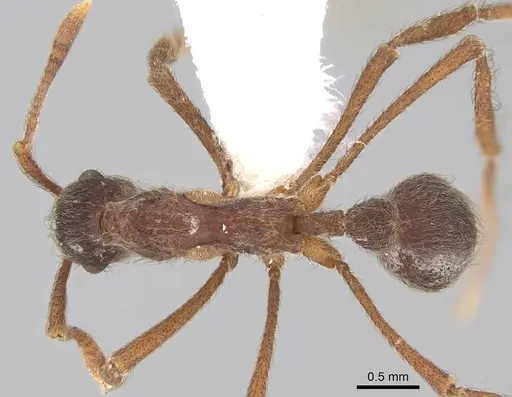
CASENT0923577
View on AntWeb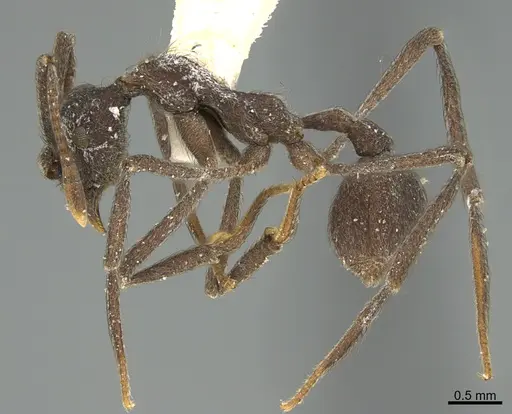
Literature
Loading...Loading products...